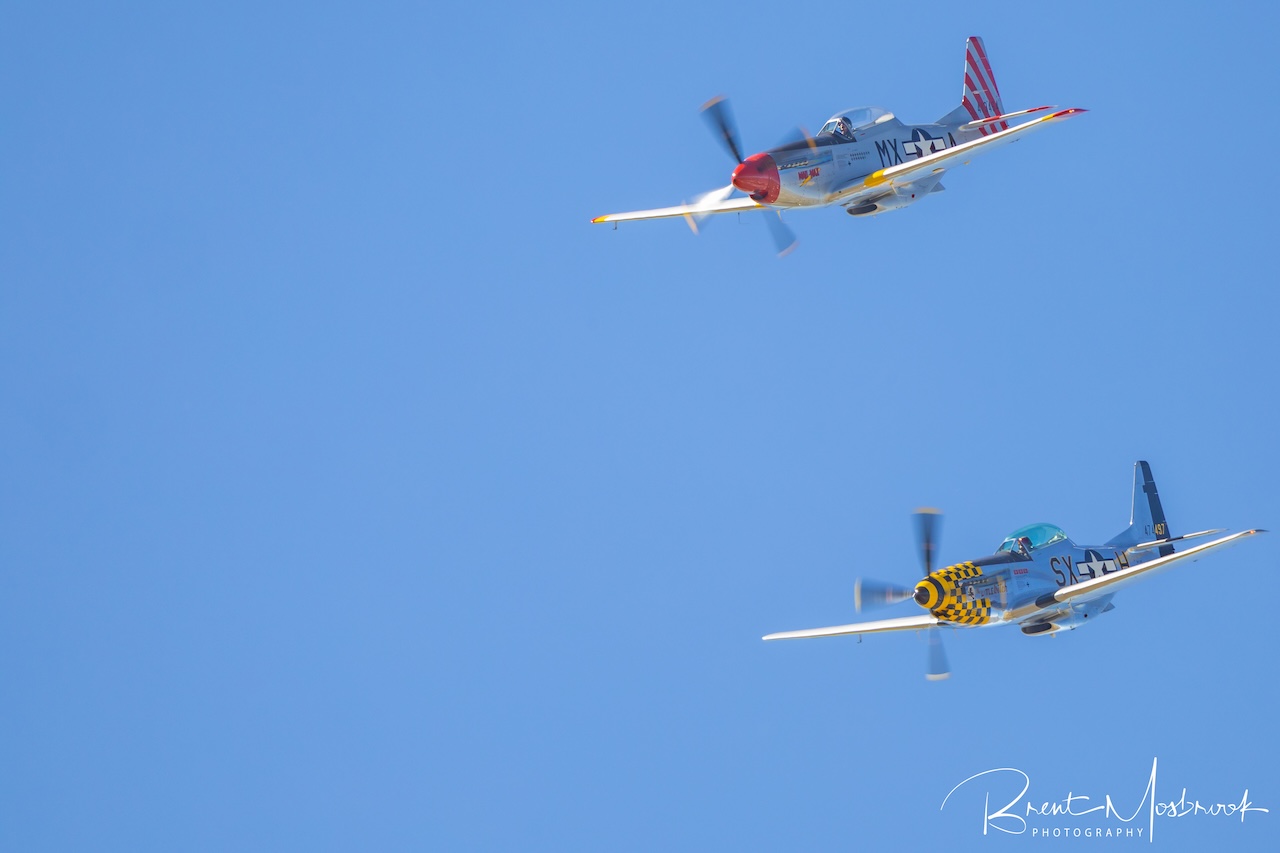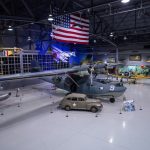

The eagerly anticipated 2025 Central Coast Airfest at Santa Maria Airport stayed true to its roots from Chino’s Planes of Fame Air Museum—focusing on an incredible collection of warbirds. Augmenting the POF’s impressive collection, numerous additional rare warbirds in private hands were present to offer an amazing experience for fans of radial engines. Planes of Fame’s Central Coast Airfest got underway October 18–19 at the site of their expansion museum in Santa Maria, California. The weather gods were looking down favorably, as a storm earlier in the week yielded crystal-clear blue skies and mild temperatures. The view offshore of the Channel Islands, framed by the deep blue Pacific Ocean, bode well for what was to come.
Like many other airshows this season, the military performers were unable to participate due to the government shutdown. However, Planes of Fame adapted spectacularly well—supplementing the lineup with numerous additional acts. A very apropos addition, given California’s recent wildfires, was the aerial firefighting fleet from Cal Fire, Coulson, and Neptune Aviation. One of the unique and treasured aspects of the Planes of Fame airshow is that spectators are mere feet from the hot ramp. On Friday, what is officially the practice show began with a combination of arrivals and a near-full lineup of the airshow. Throughout the day, the ground ops team marshaled planes, added fuel and oil to the warbirds, and got the planes into the air. Without music or an announcer, the sights and sounds of radial engines coughing to life were truly amazing!
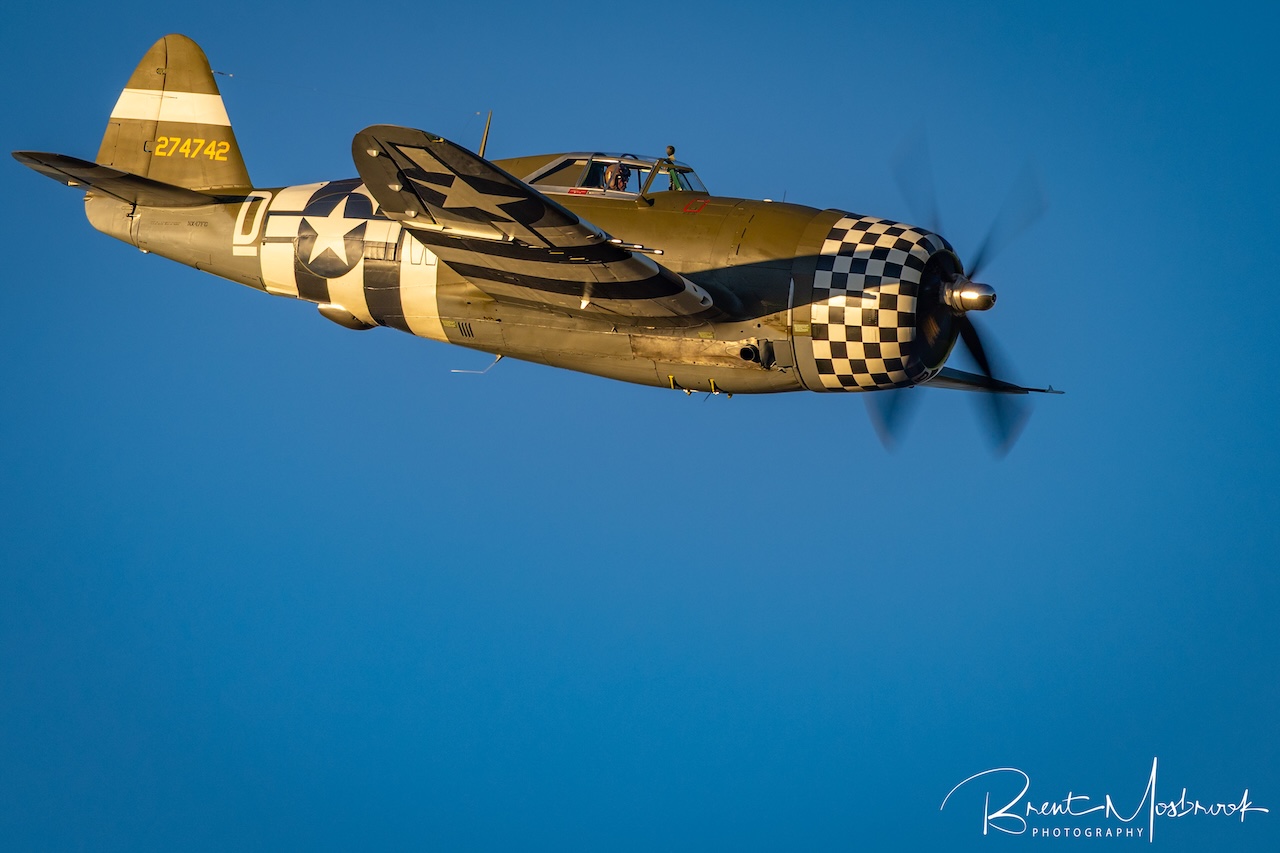
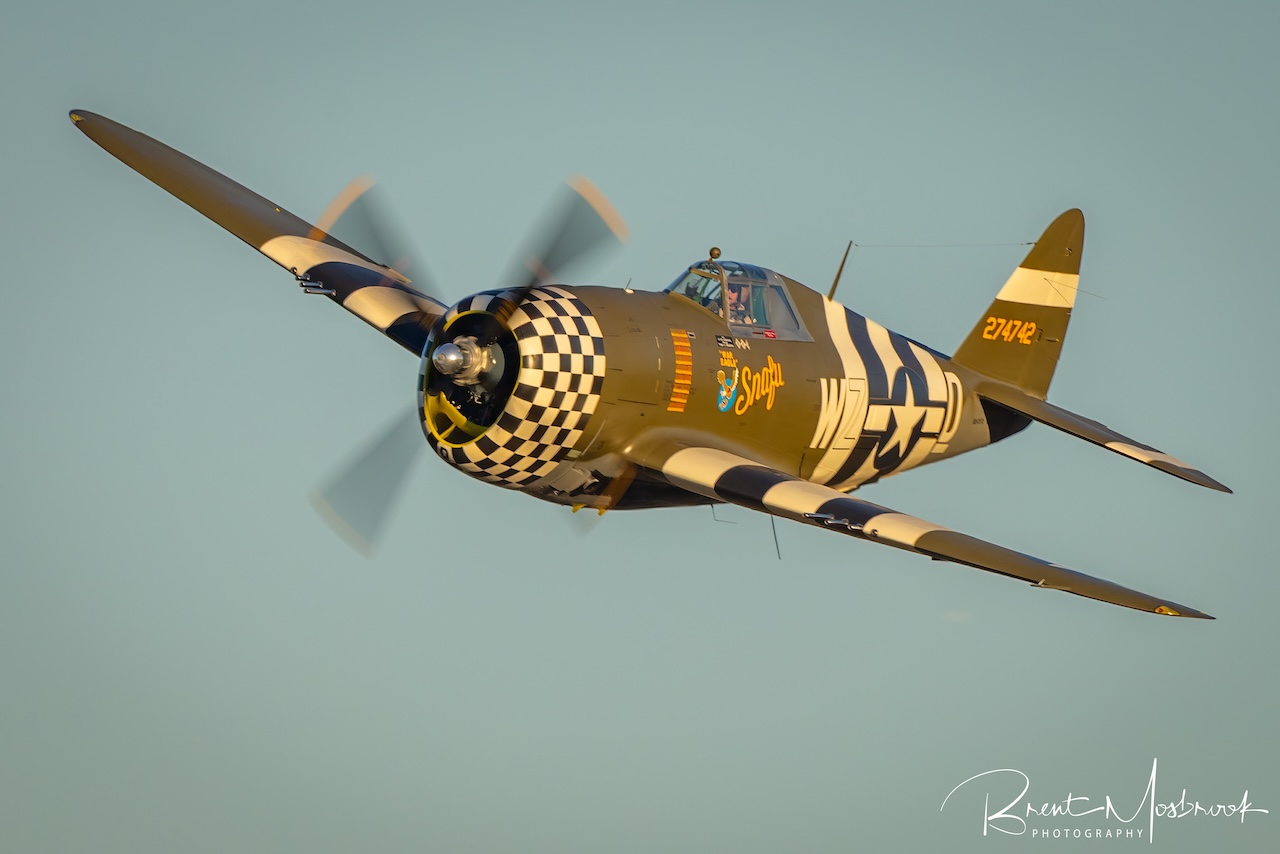
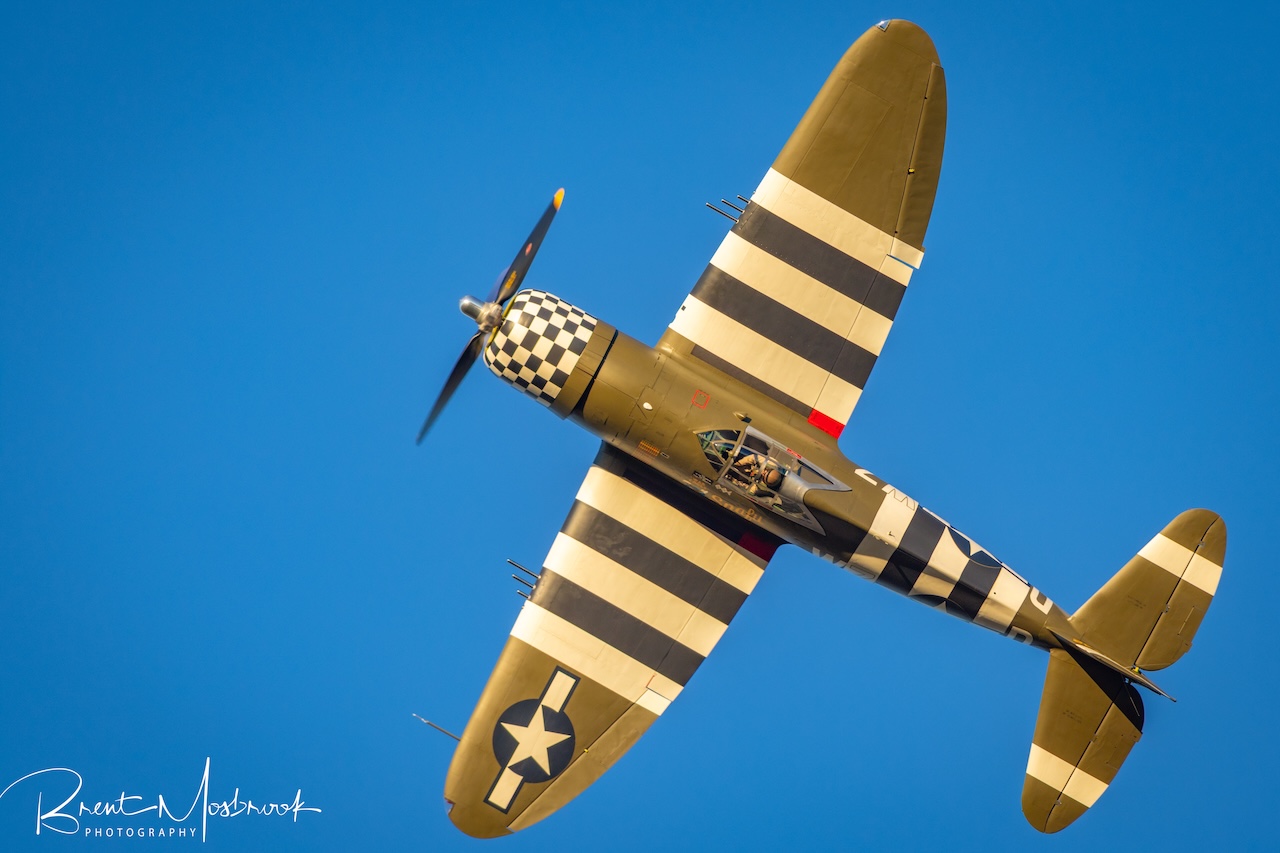
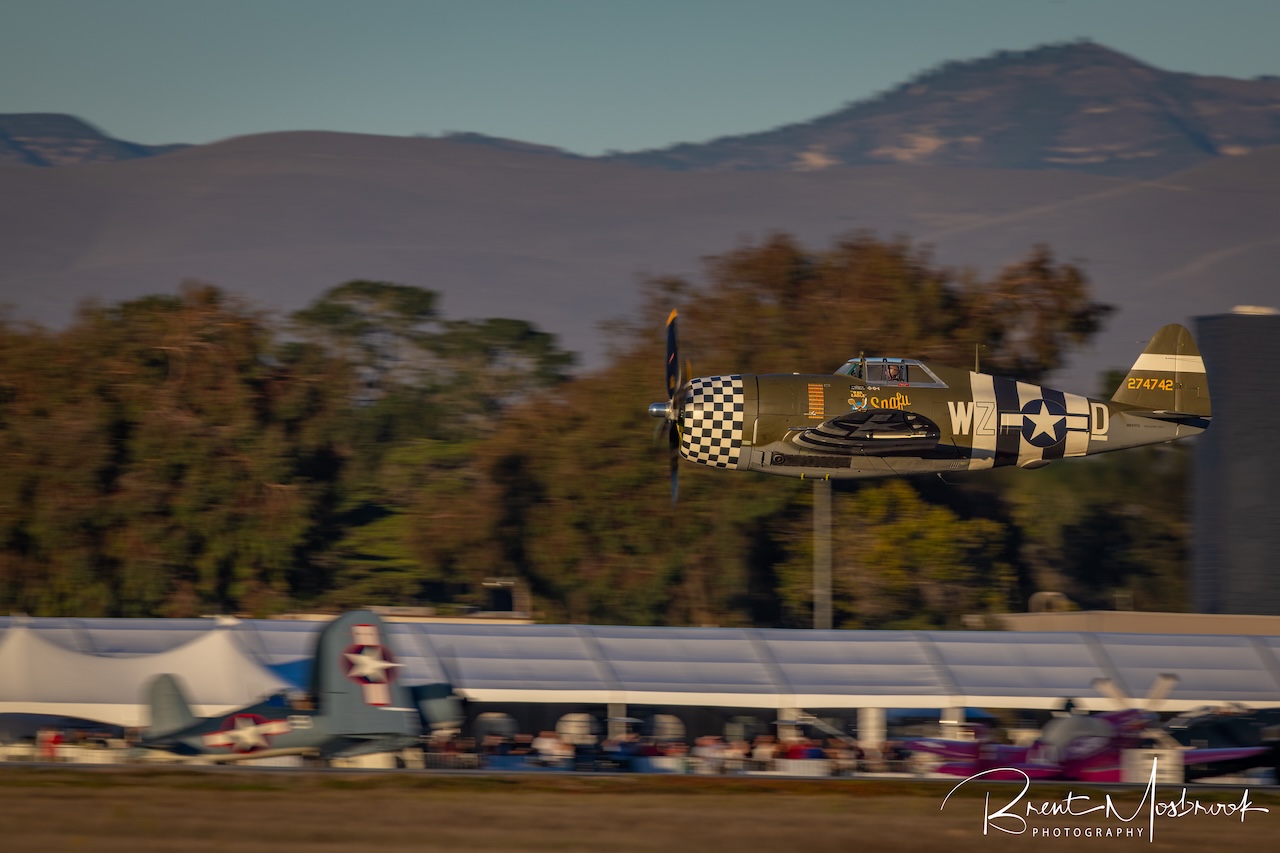
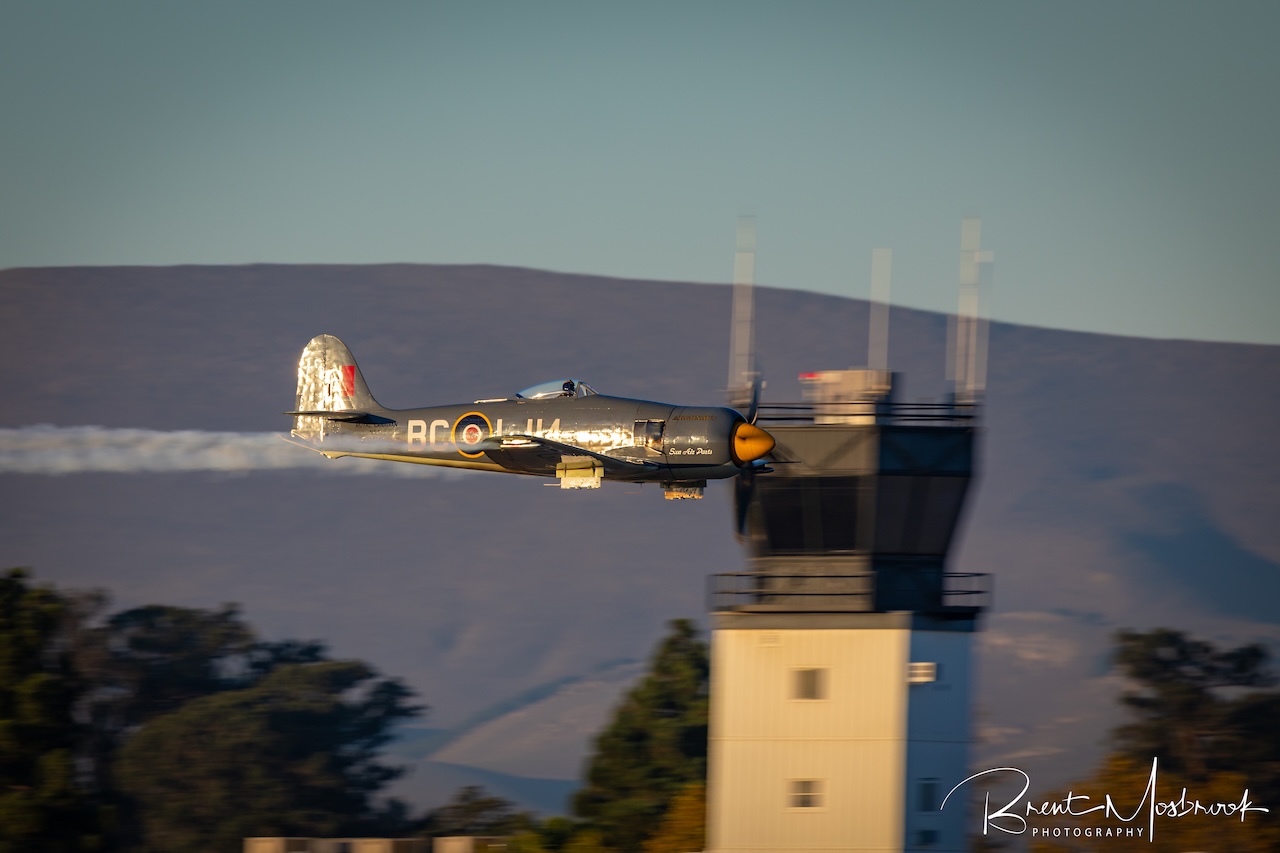
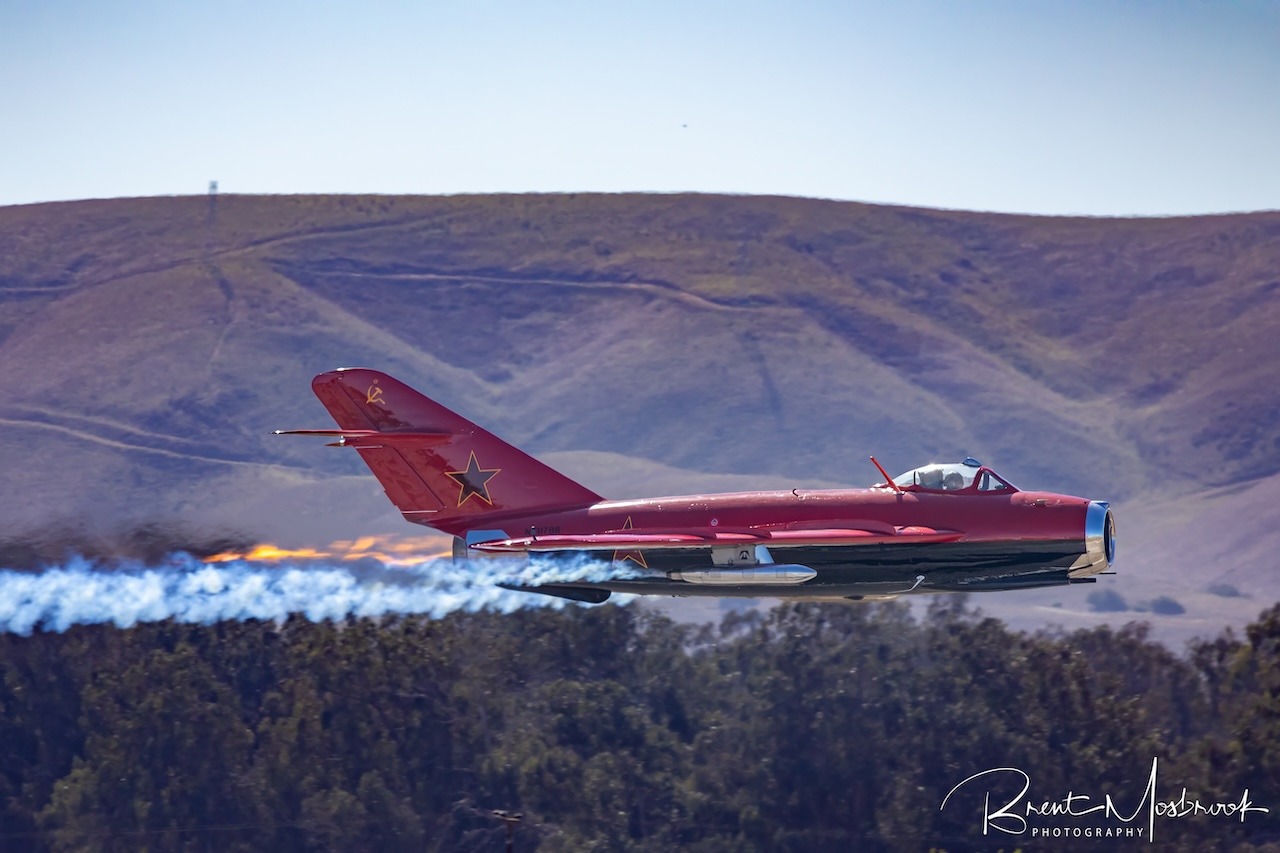
On Friday evening, a special show was held for sponsors and VIPs. The golden light was utterly magnificent, the skies clear, and the temperature absolutely perfect for an airshow. Special guests were treated to spectacular flying from Bernie Vasquez in the P-47 “Snafu.” The evening light was a match made in heaven for the Hawker Sea Fury with the Sanders smoke system that came next. Finally, Jason Somes delighted the crowd with his ever-popular nighttime MiG-17F afterburner show. Jason’s MiG-17F is also equipped with the Sanders smoke system, which lays down a distinctive smoke trail as he conducts a low flyby. On a subsequent pass, an impressive flame trail pulsates out the tail—the result of pouring 30 gallons per minute directly into the exhaust. While there is a lag for the afterburner to engage, once it gets going, the jet moves! He demonstrates that power when transitioning from a loop to a vertical climb.
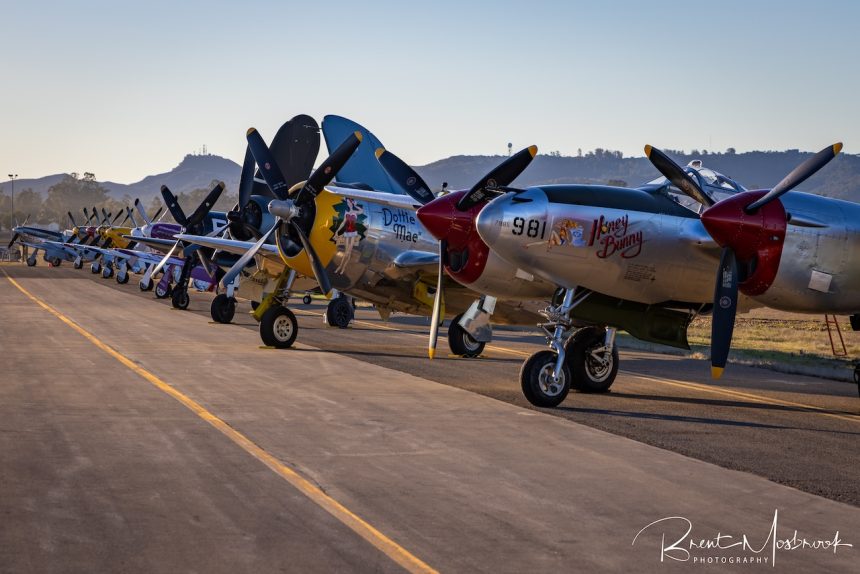
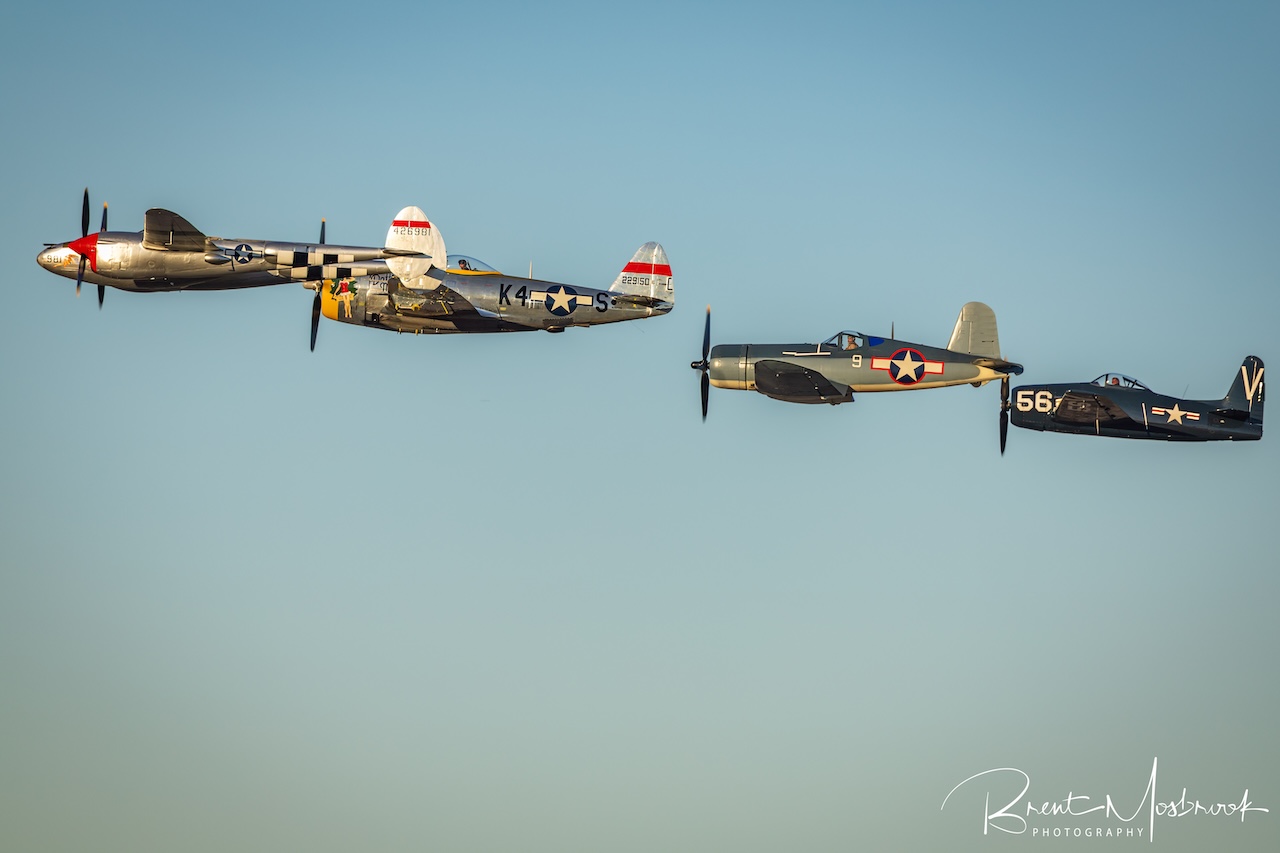
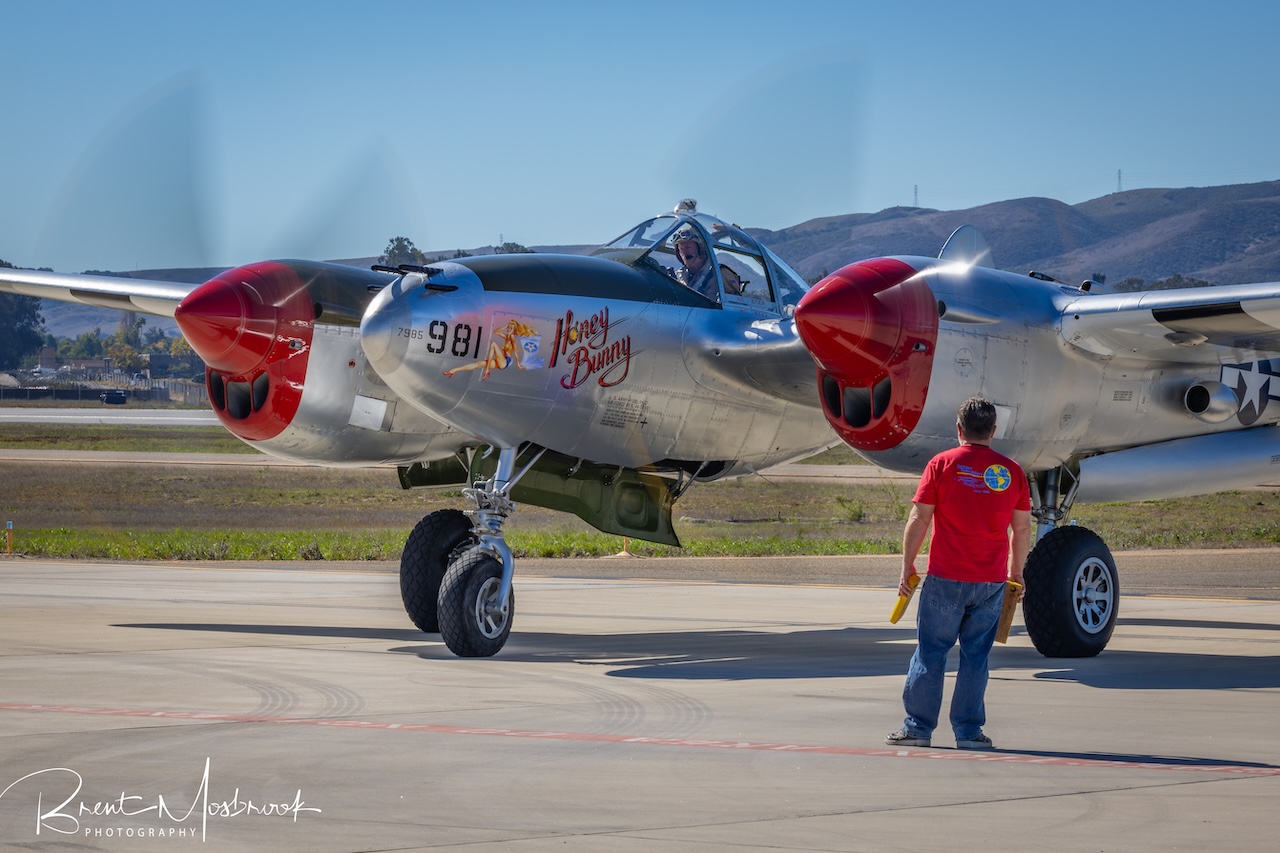
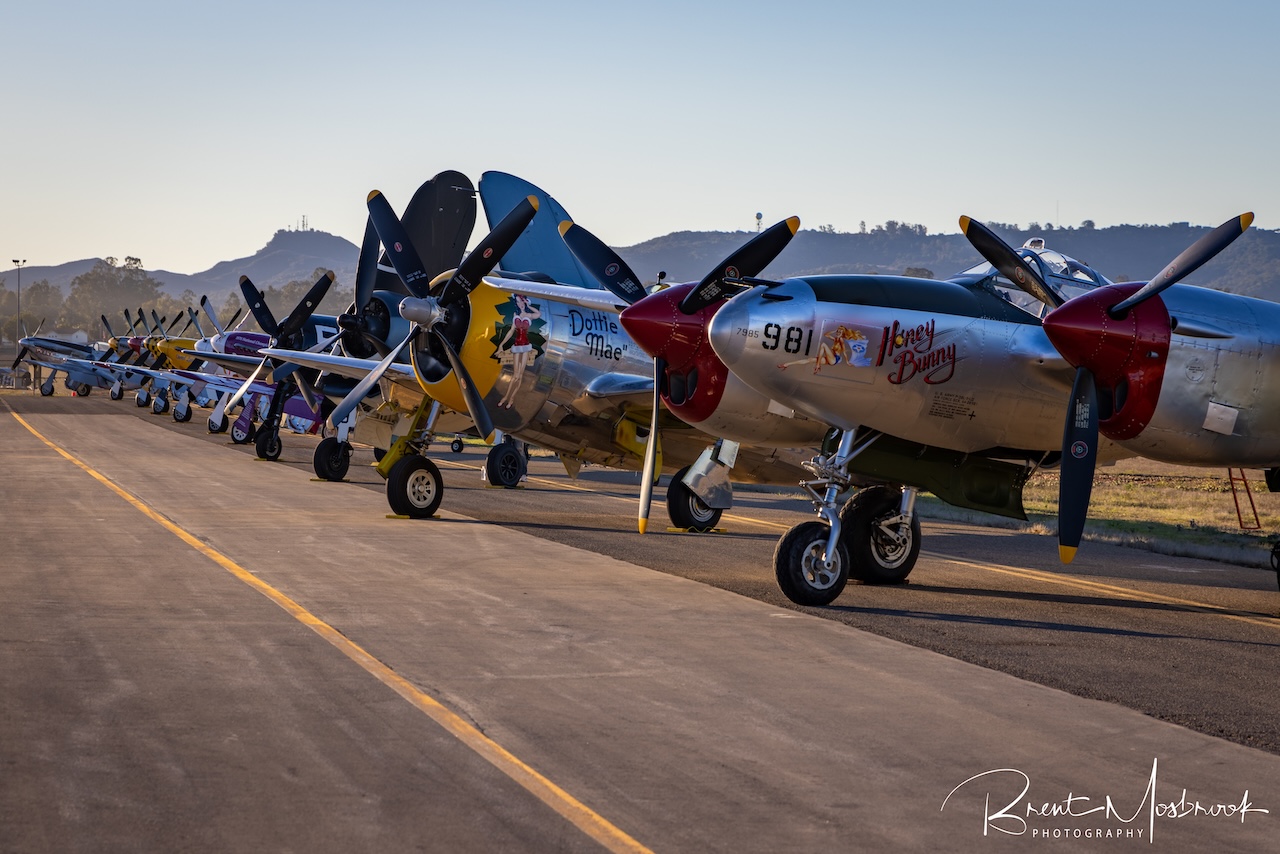
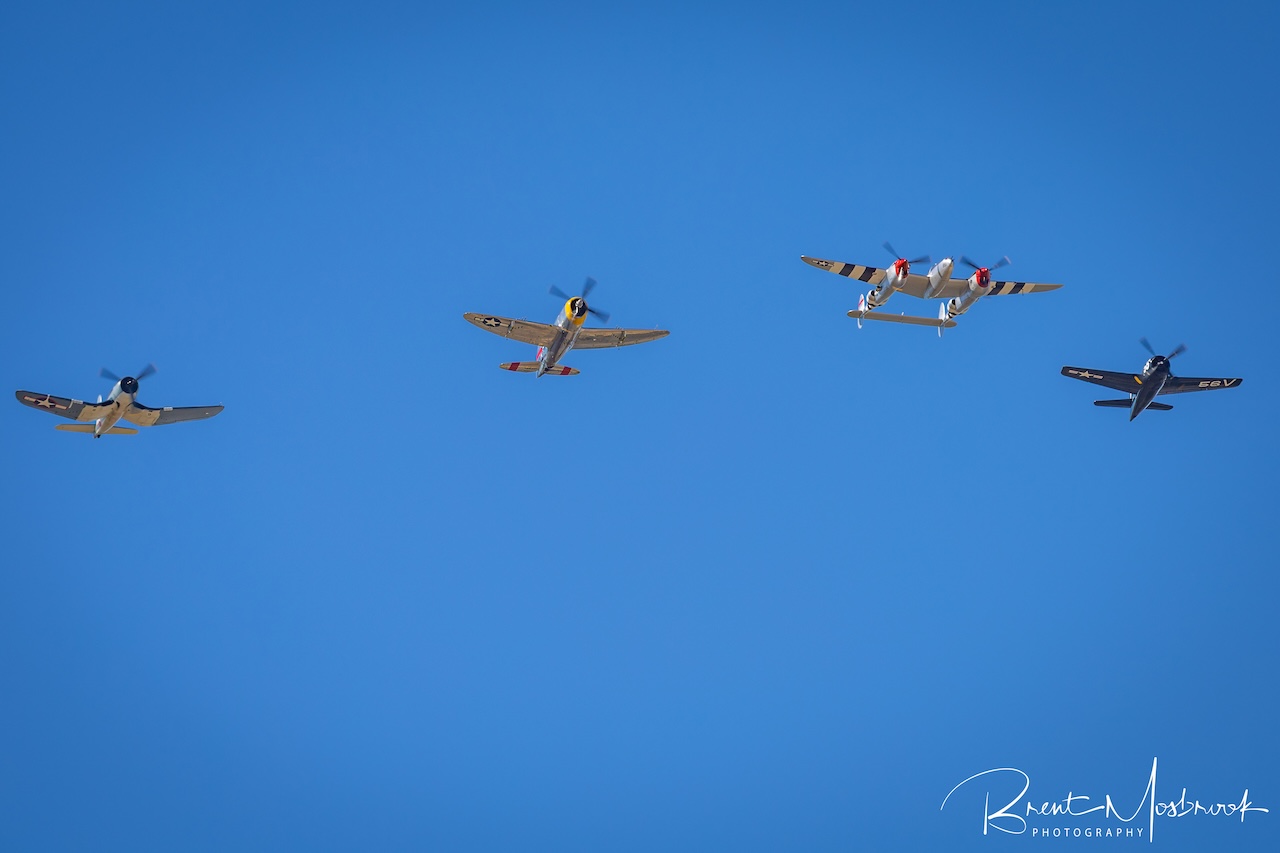
On Saturday, as the crowd filtered in, a group of “giant scale” radio-controlled aircraft took to the sky. It became immediately clear that the pilots were highly skilled—numerous people commented on how the jet demo (featuring an F-16 in the retro YF-16 paint scheme and a T-33 sharing the same paint scheme as Greg Colyer’s T-33 flown later in the day) mimicked their full-size counterparts in flight characteristics, formation flying, and even smoke trails. The P-47 looked identical to the Dakota Territory Air Museum’s “Bonnie.” The show began with a stirring “Missing Man” formation featuring the newly restored POF F4U-1A Corsair and F8F Bearcat paired with Allied Fighters’ P-38L “Honey Bunny” and P-47D “Dottie Mae.”
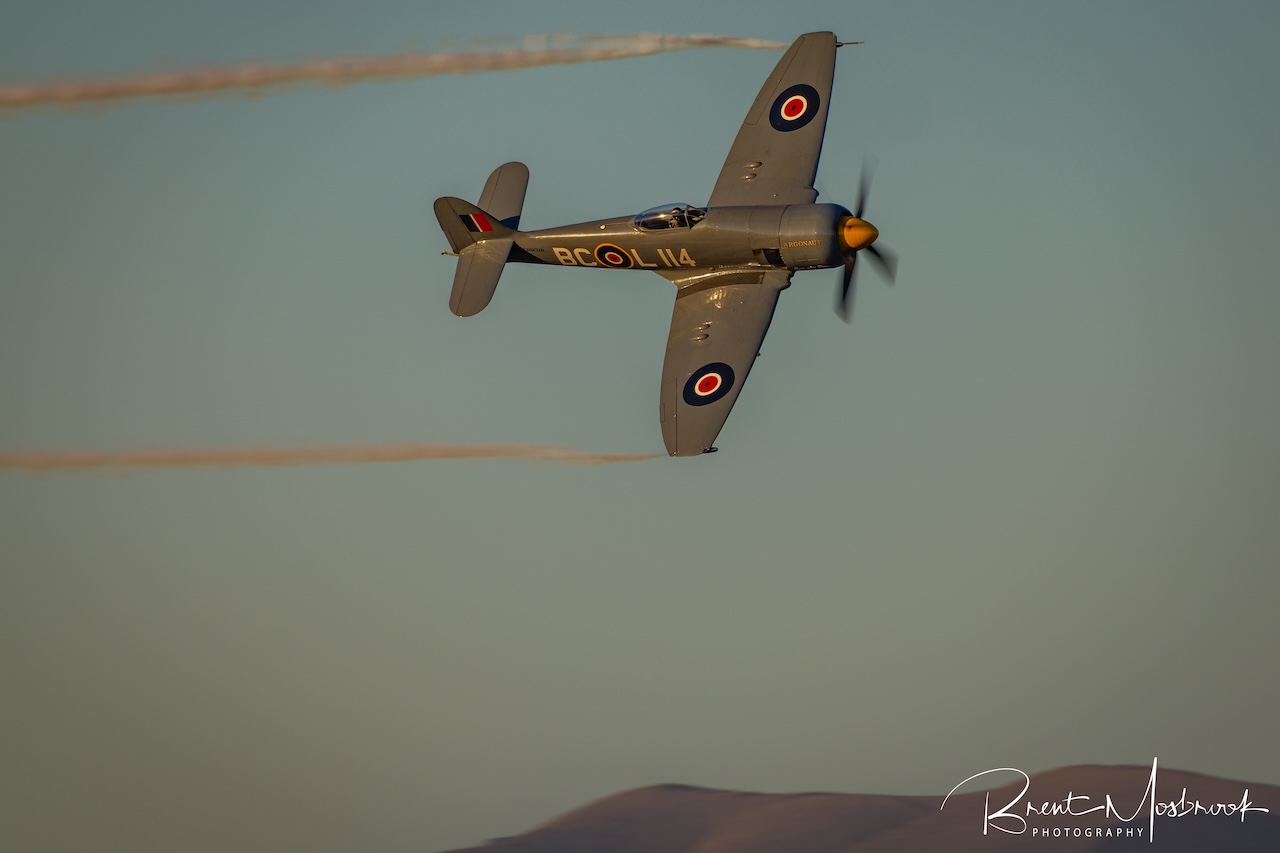
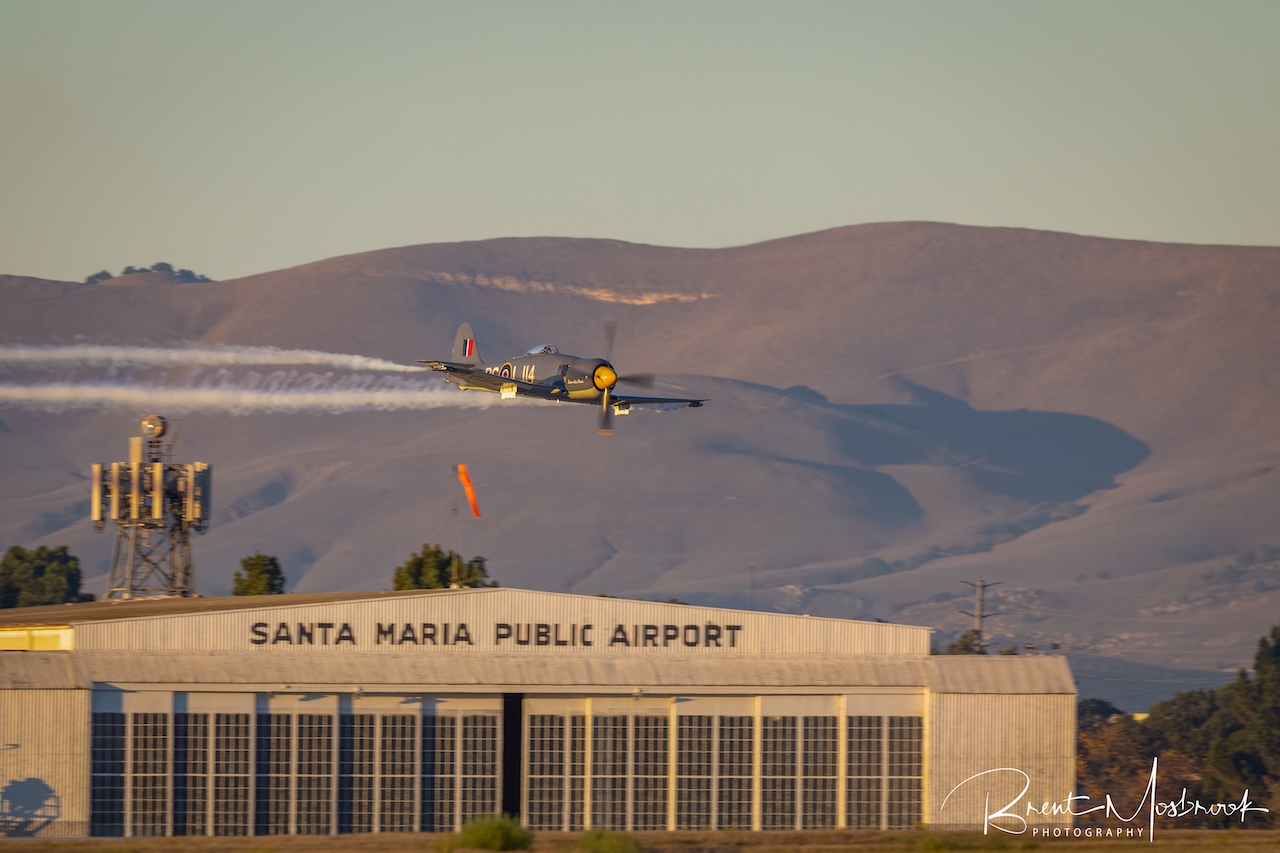
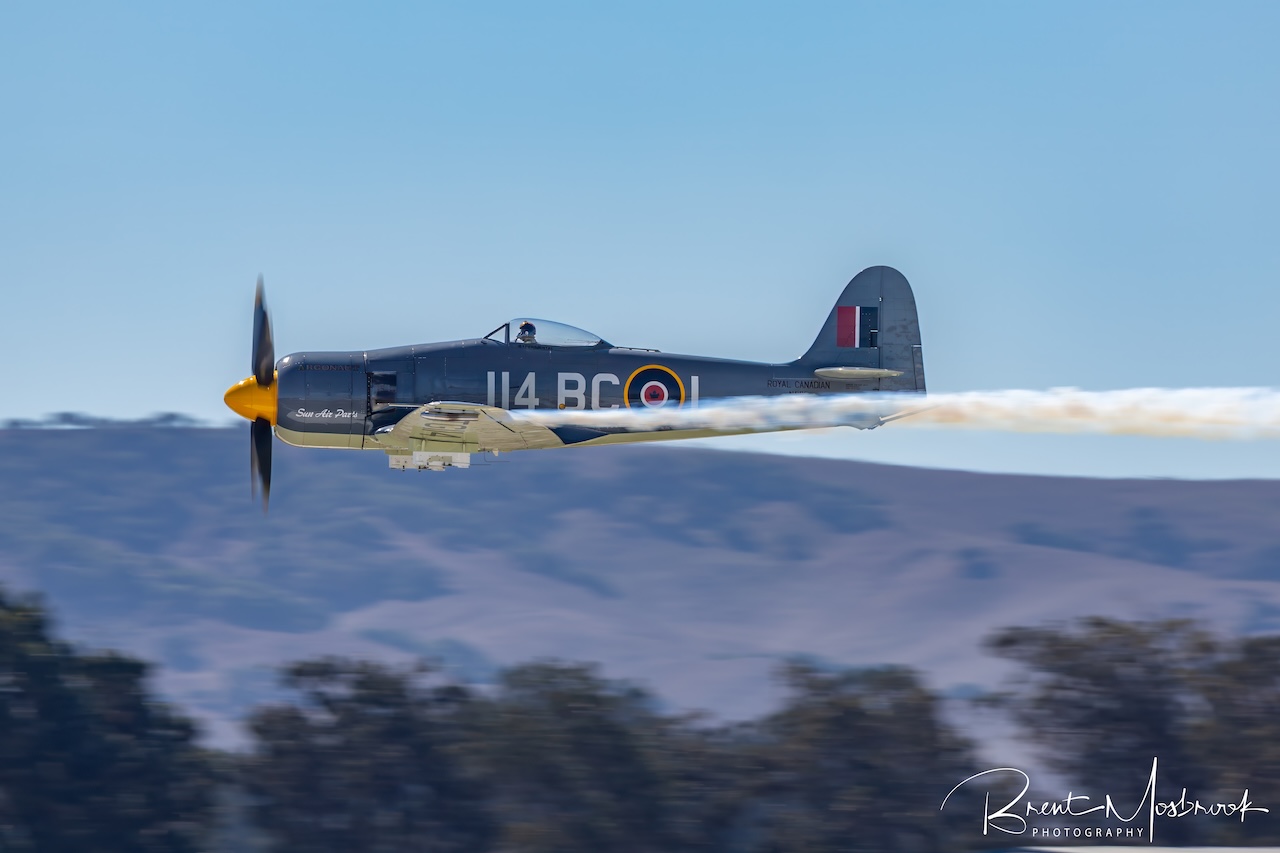
The Sanders family’s Hawker Sea Fury was next—with its distinctive smoke system that lingers in the air, curling from the vortices created by the wings. The unique system differs from the more common approach, which involves releasing paraffin-based oil into the exhaust to yield puffy white smoke. Instead, the Sanders’ self-contained smoke generation system is mounted to the wingtips of their FB.11 Sea Fury “Argonaut.” The smoke is very distinctive—maintaining its density and flowing in spirals long after it is produced.
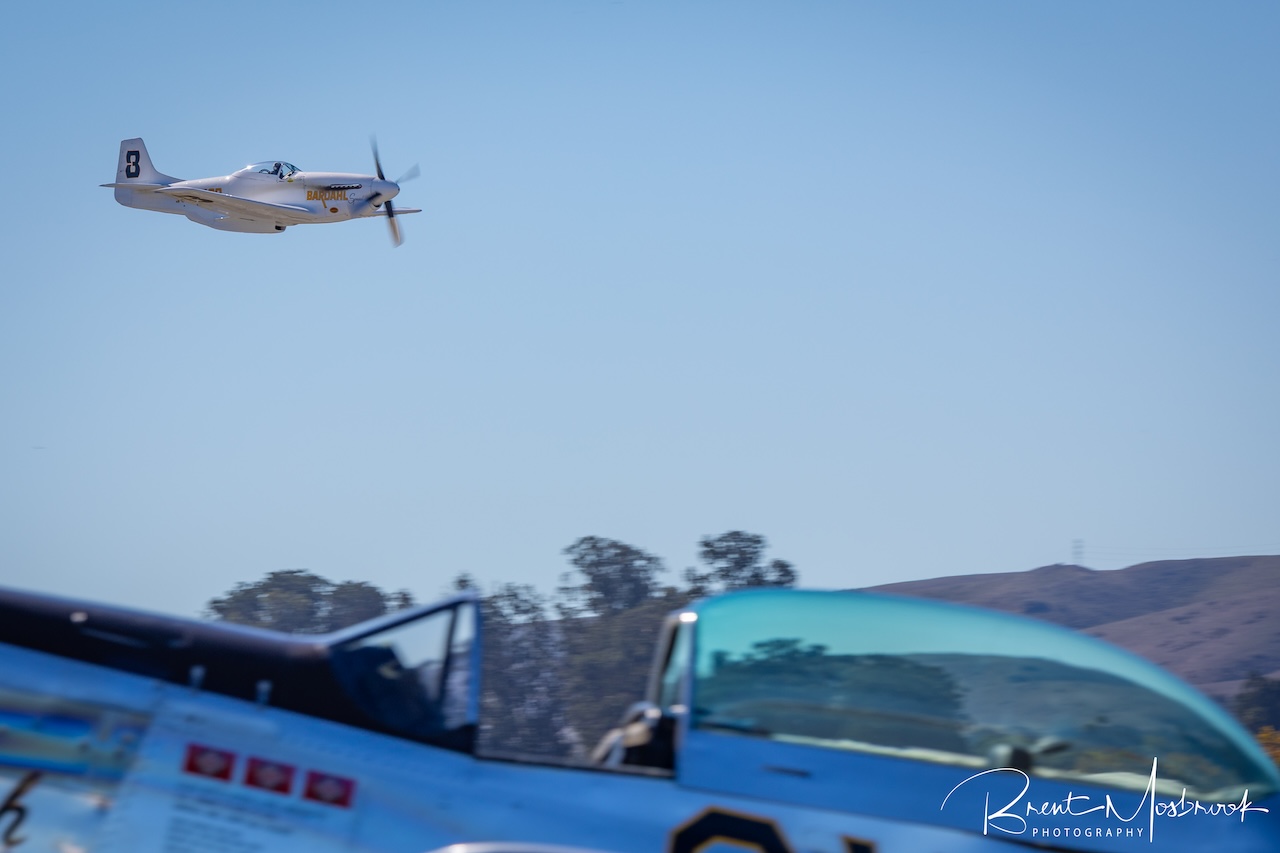
Steven Hinton gave the audience a taste of air racing at Reno—completing a high-speed pass in P-51 “Bardahl Special.” This highly modified Mustang features numerous components borrowed from equally famous racing peers such as Strega and Voodoo. Hinton qualified at Reno at over 469 miles per hour, and the sound of this magnificent aircraft streaking across the sky was unforgettable.
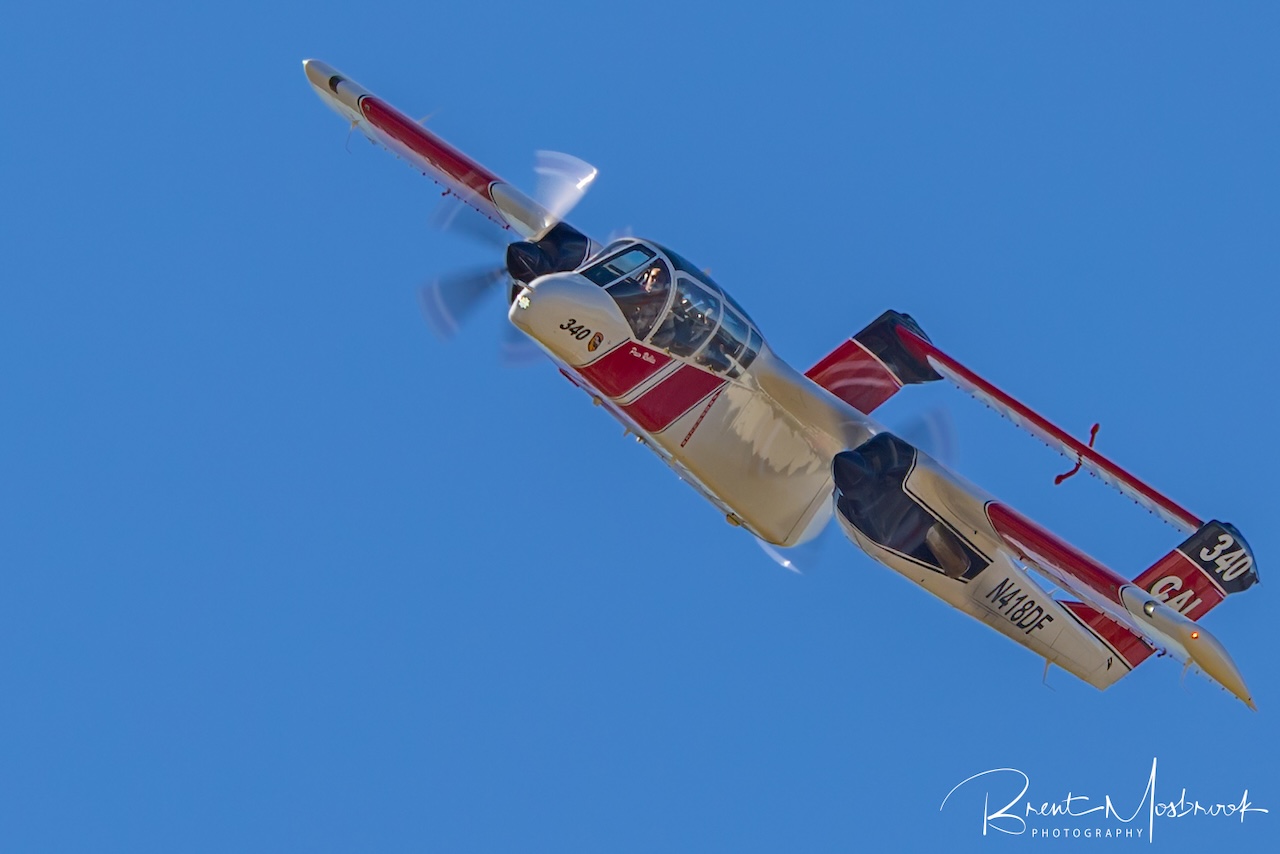
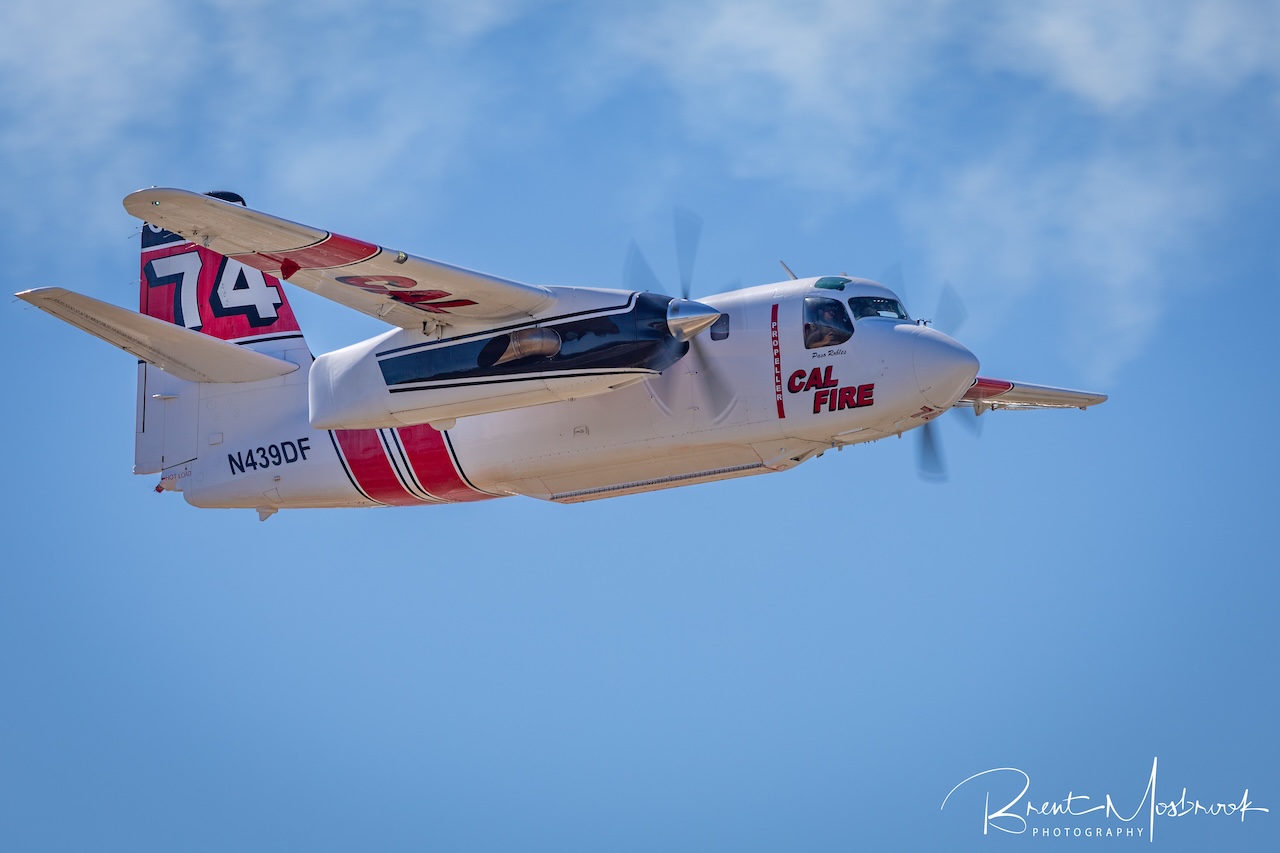
Cal Fire demonstrated their fleet of firefighting aircraft, beginning with the OV-10A Bronco. This aircraft is utilized for command and control, with an air attack officer onboard to coordinate wildfire responses among the other aerial assets such as water- and retardant-dropping aircraft. The Grumman S-2T banked sharply to commence its pass; it can carry 1,200 gallons of fire retardant thanks to a turboprop upgrade. For larger conflagrations, the C-130H air tanker can be brought to bear with its 4,000-gallon capacity. This former U.S. Coast Guard aircraft—what Cal Fire calls a Very Large Air Tanker (VLAT)—is one of seven C-130Hs in the Cal Fire program. In total, there are more than 60 fixed-wing and rotary assets in the Cal Fire fleet.
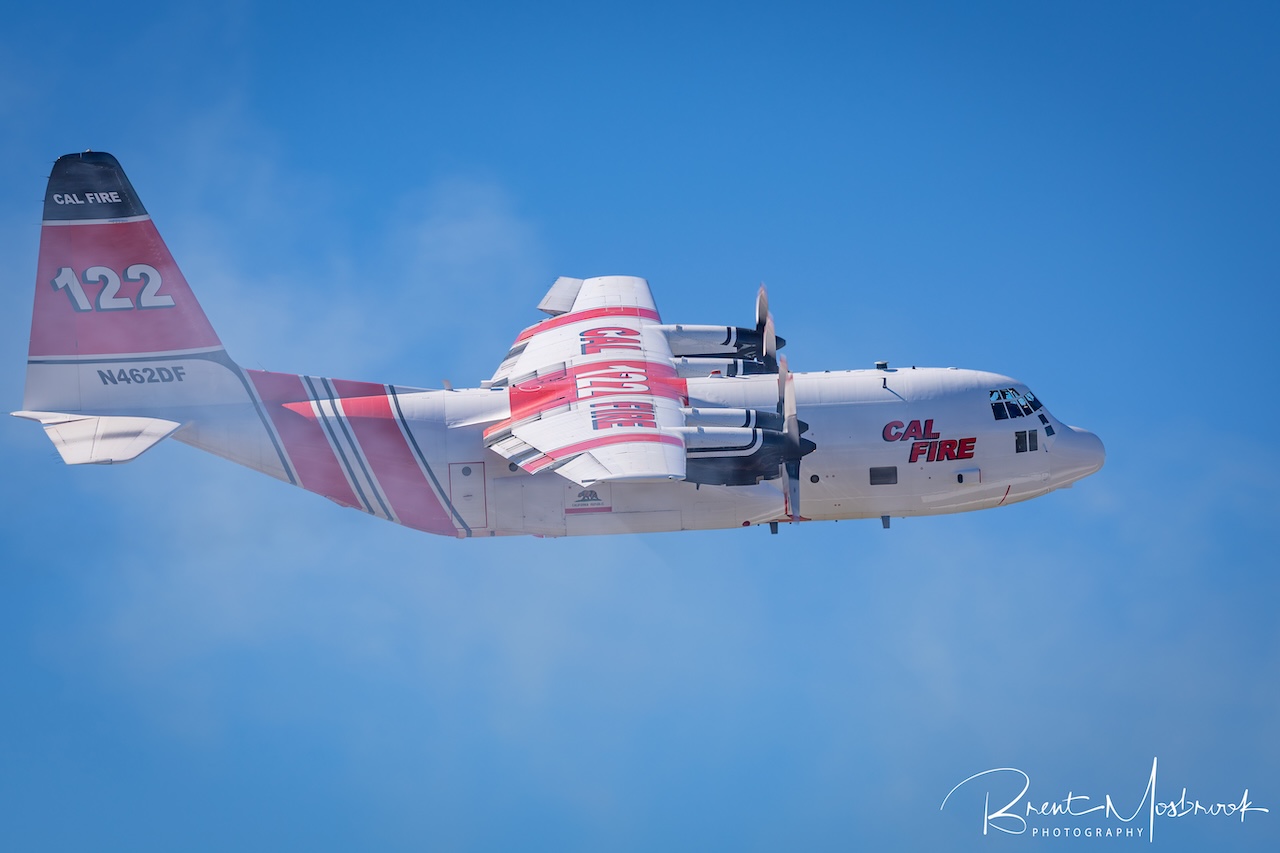
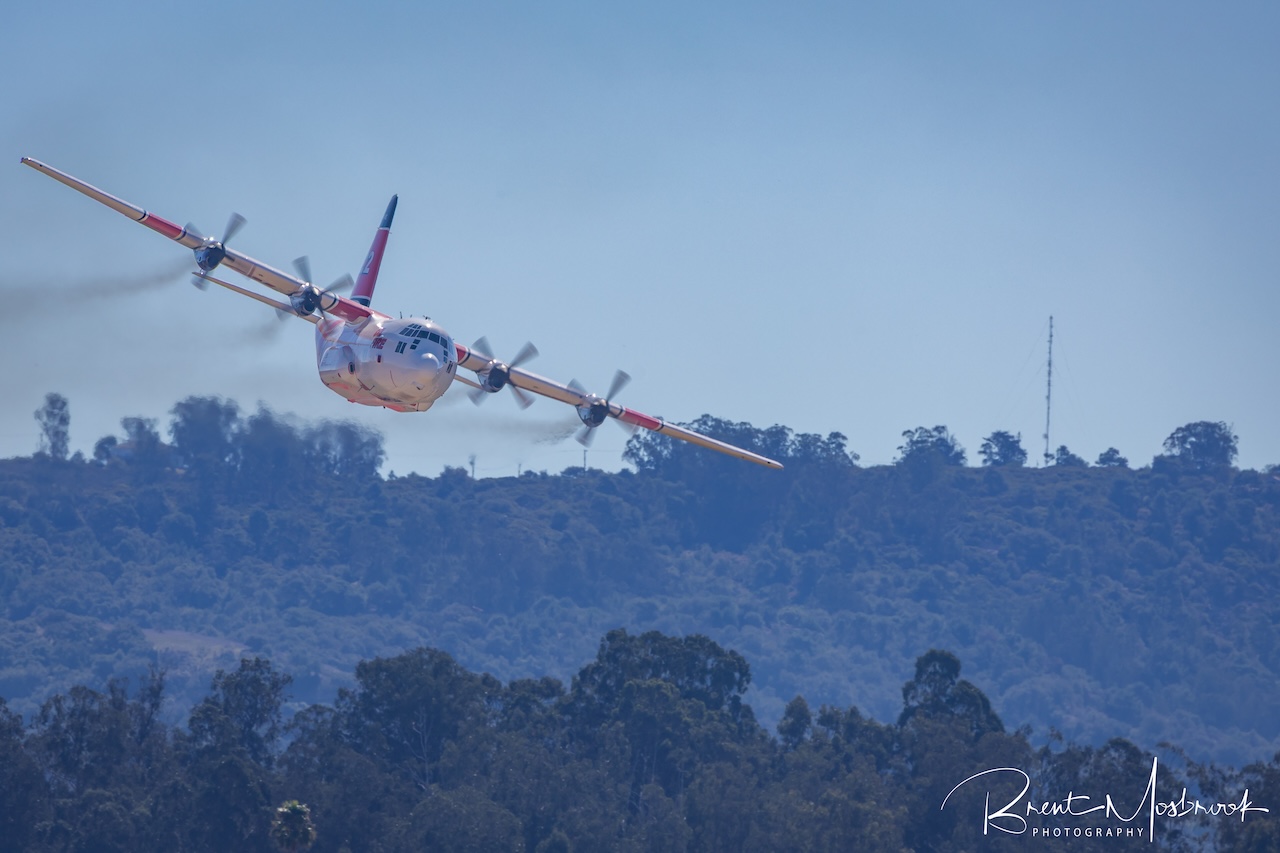
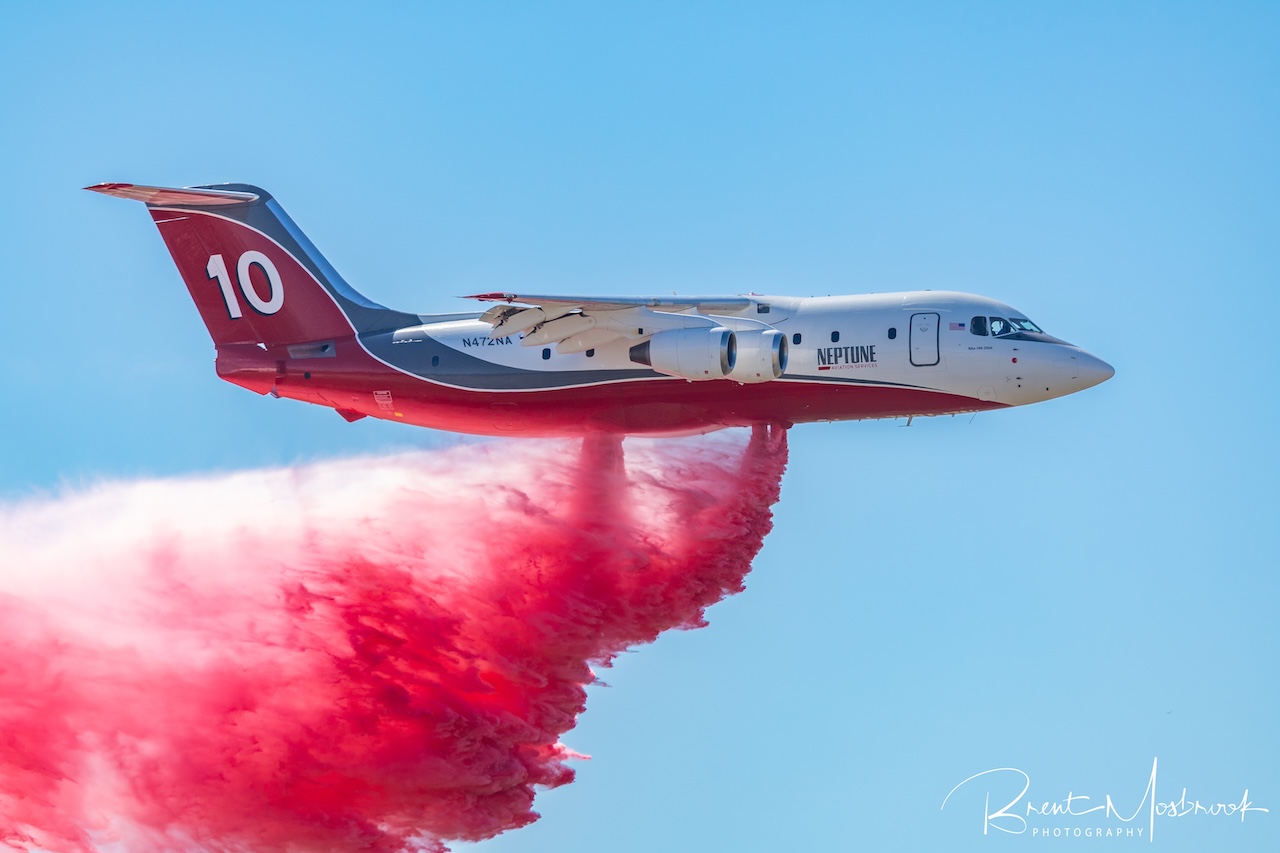
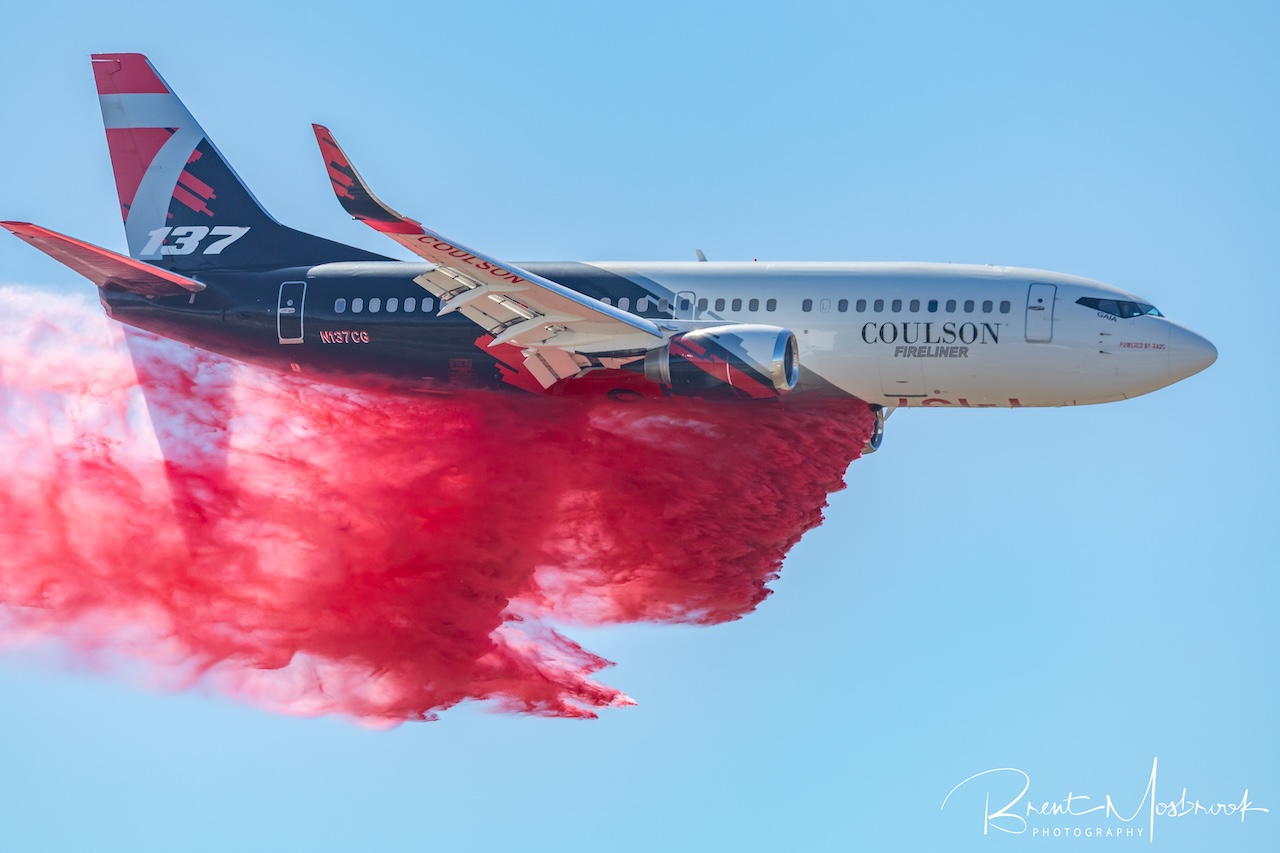
Continuing with the firefighting theme, a Neptune Aviation BAe 146 performed a precision retardant drop. This aircraft is among those contracted by both the federal government and Cal Fire during wildfire season. Rounding things out was the Coulson 737, which also conducted a retardant drop. Coulson has designed a modular 4,000-gallon system certified by the FAA to be flown at altitude with a full load of retardant.
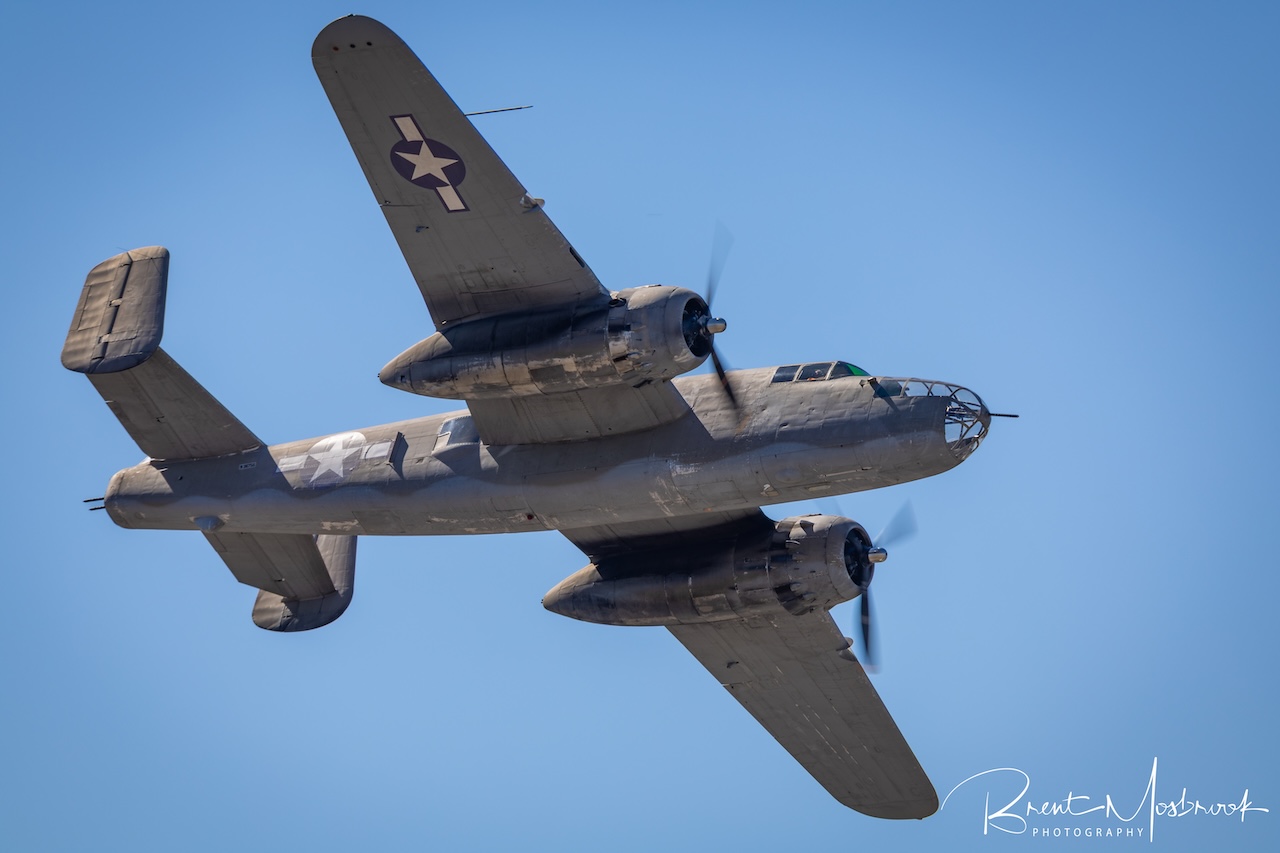
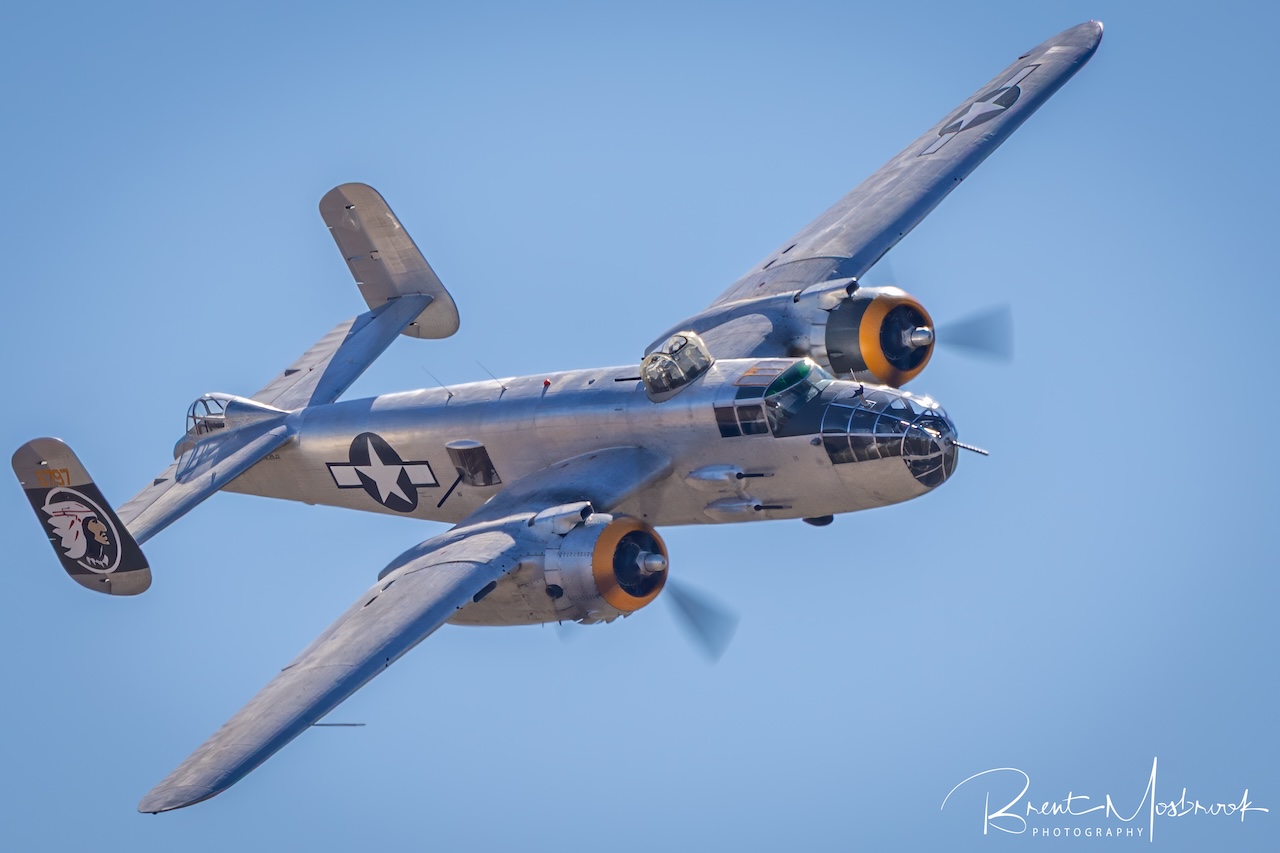
Attendees were treated to two B-25s flying by—the POF B-25J “Photo Fanny,” still wearing its temporary paint from appearing in Hulu’s 2019 series “Catch-22,” and Lost Coast Warbirds’ B-25J “Sweet Dreams.”
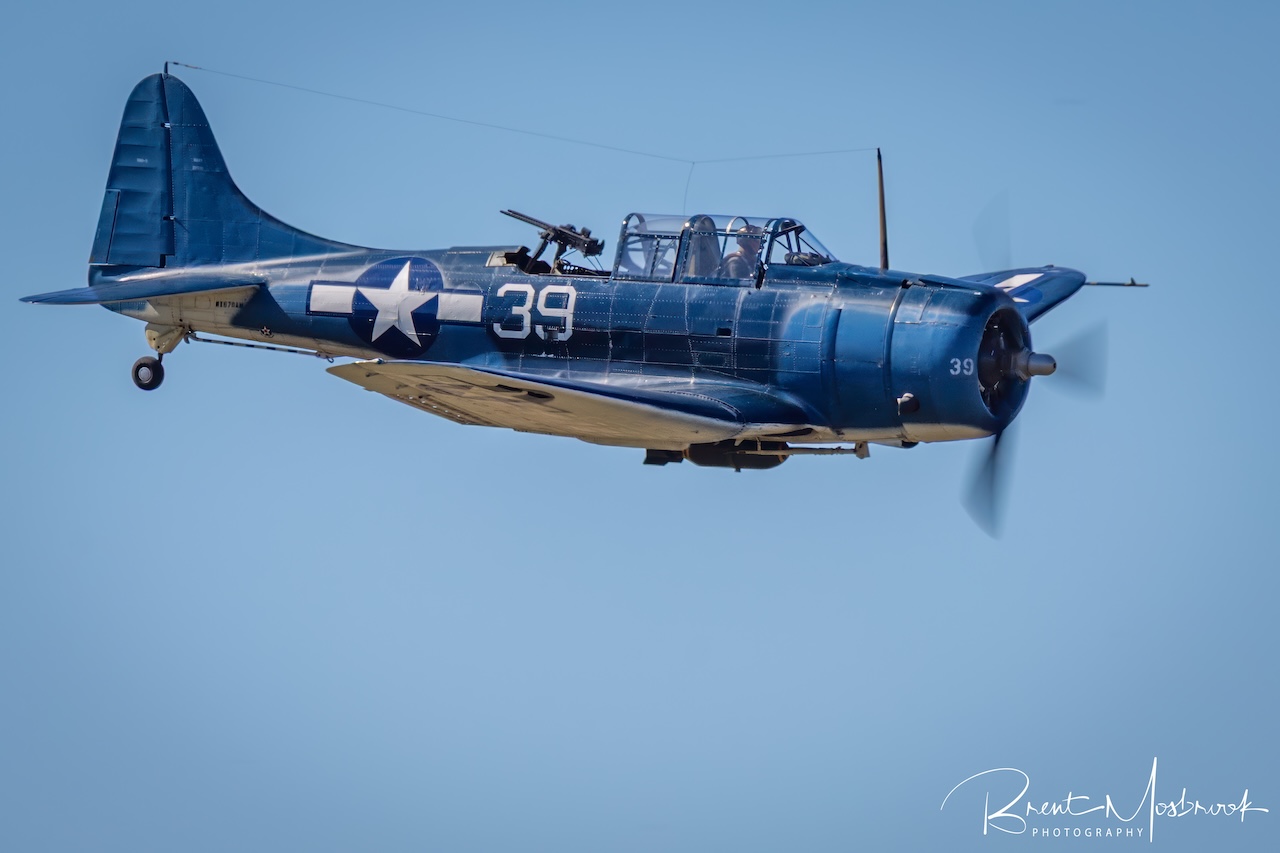
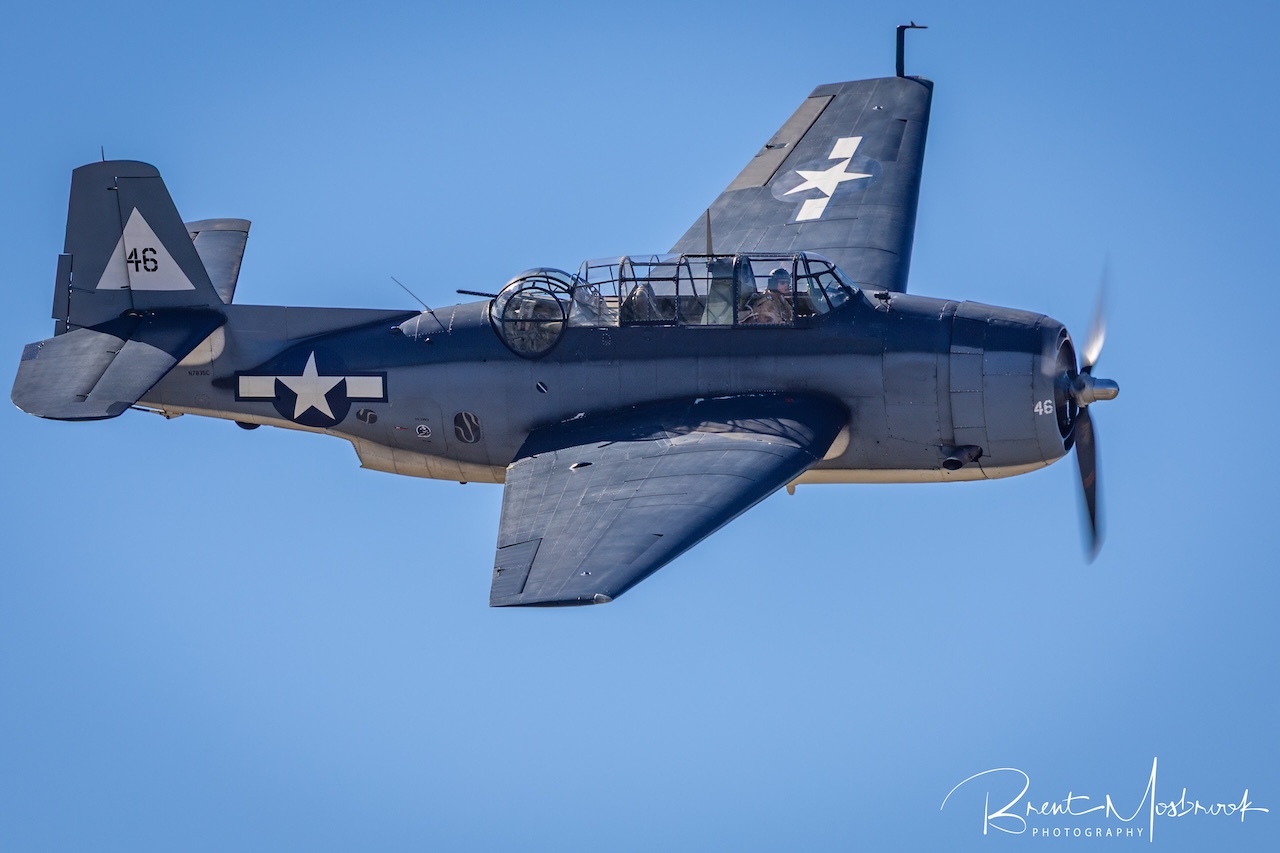
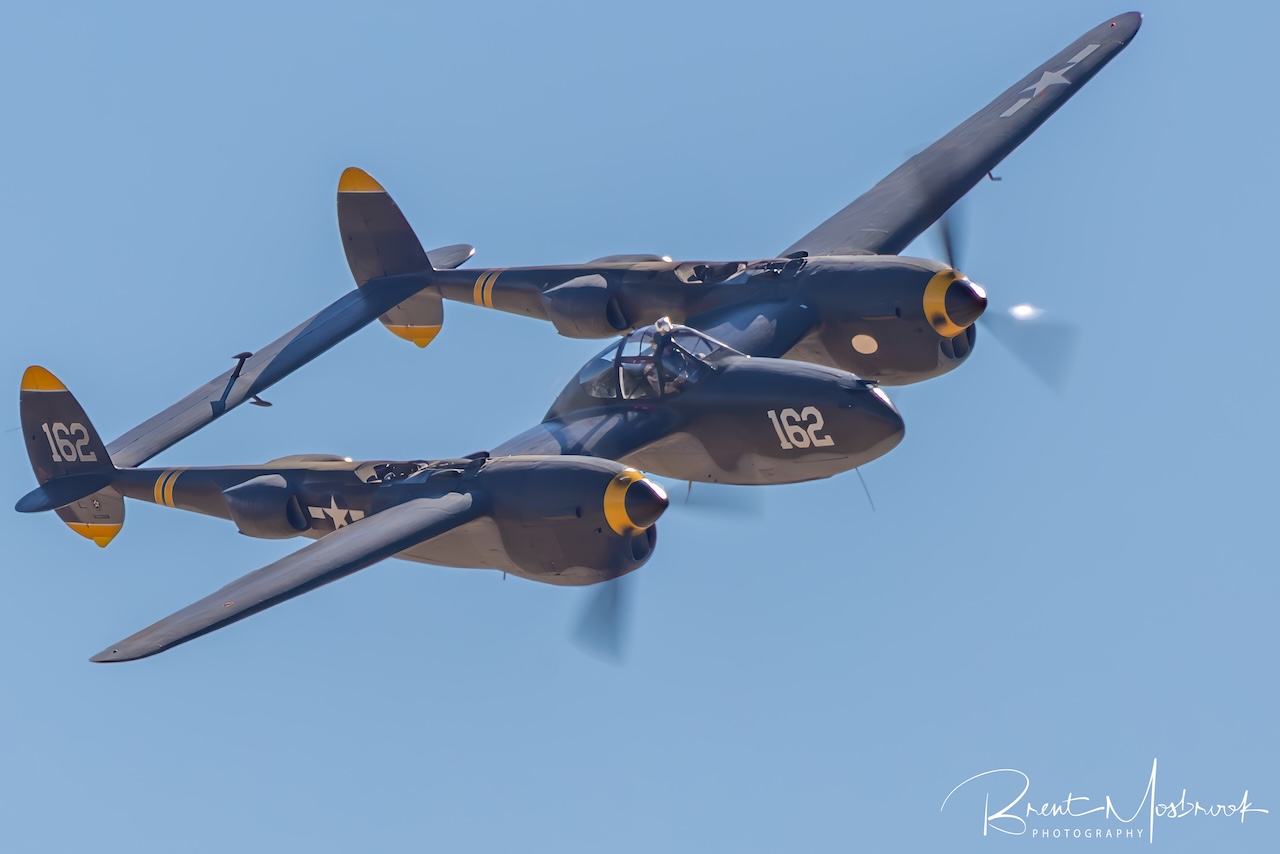
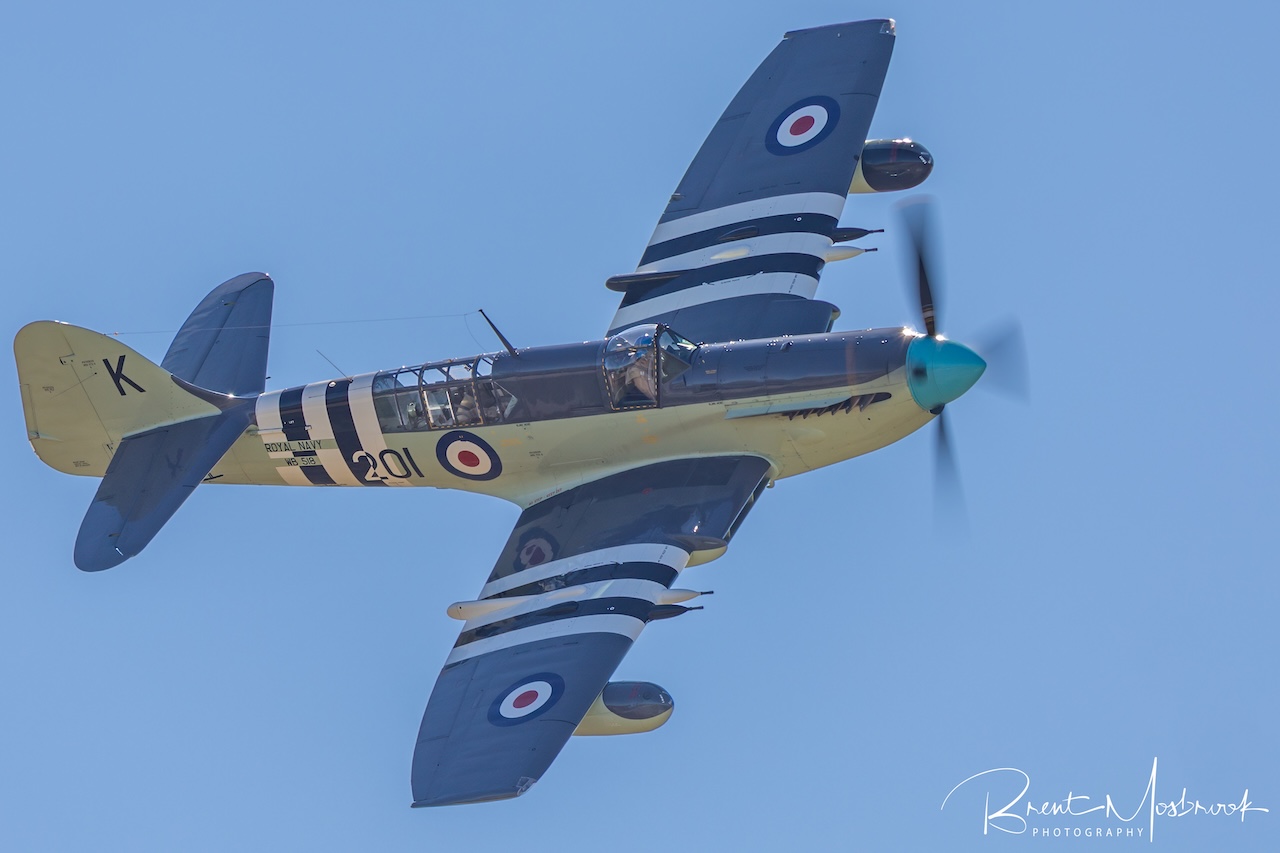
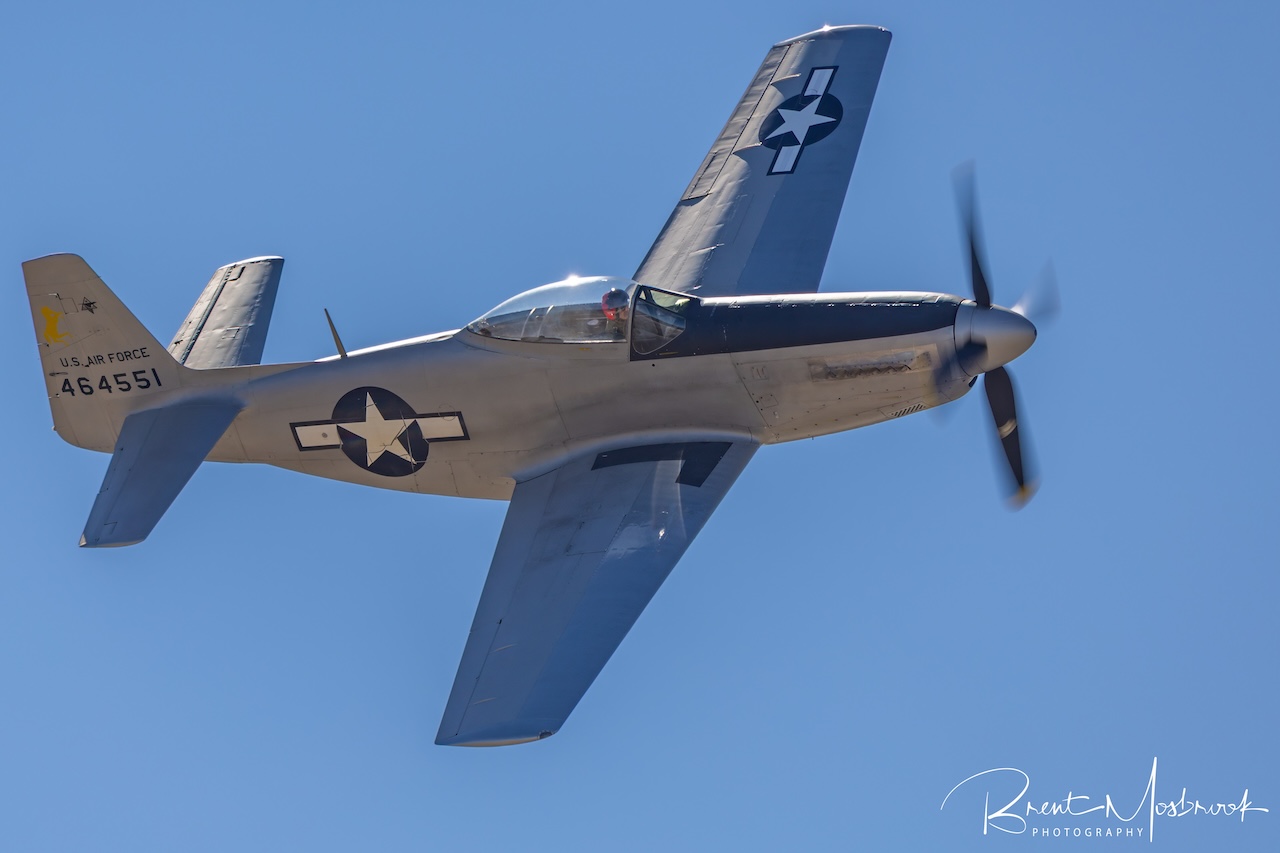
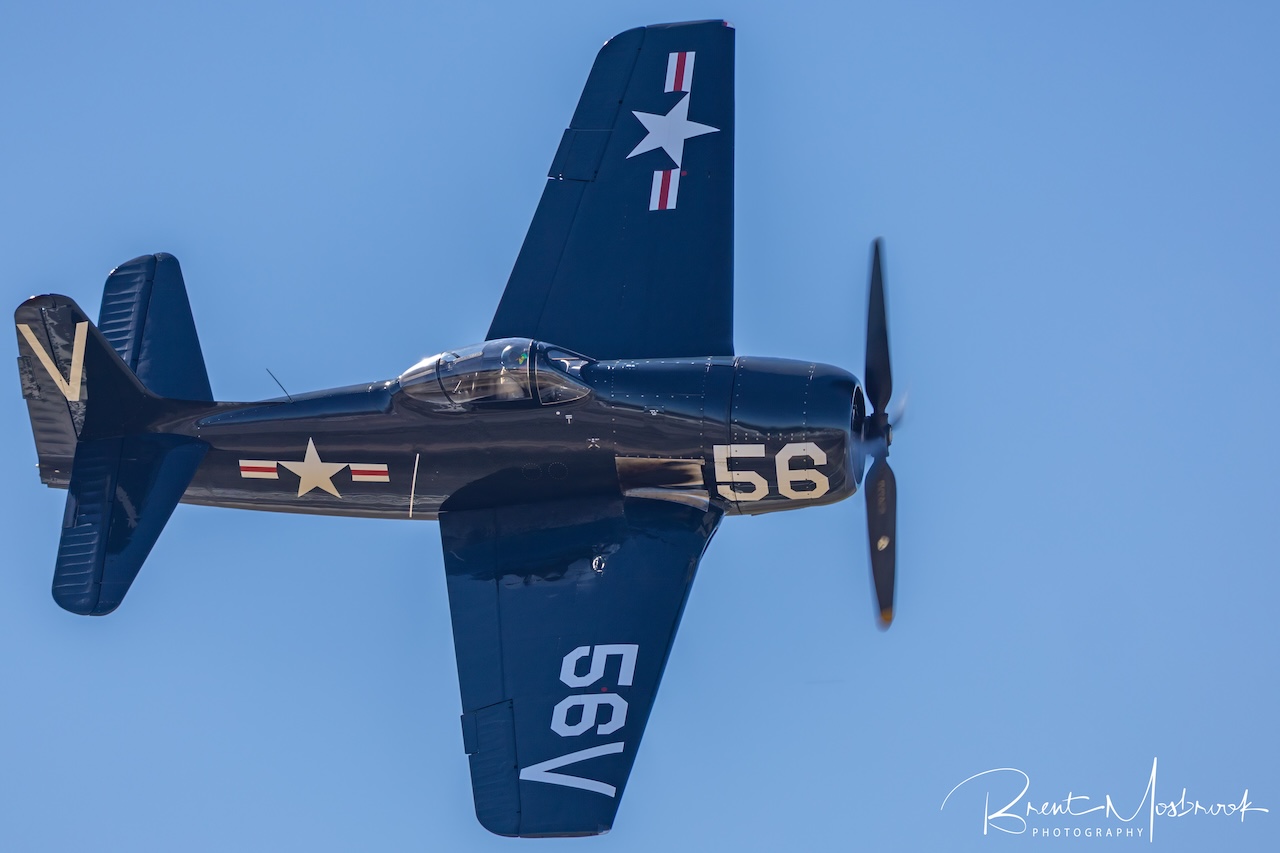
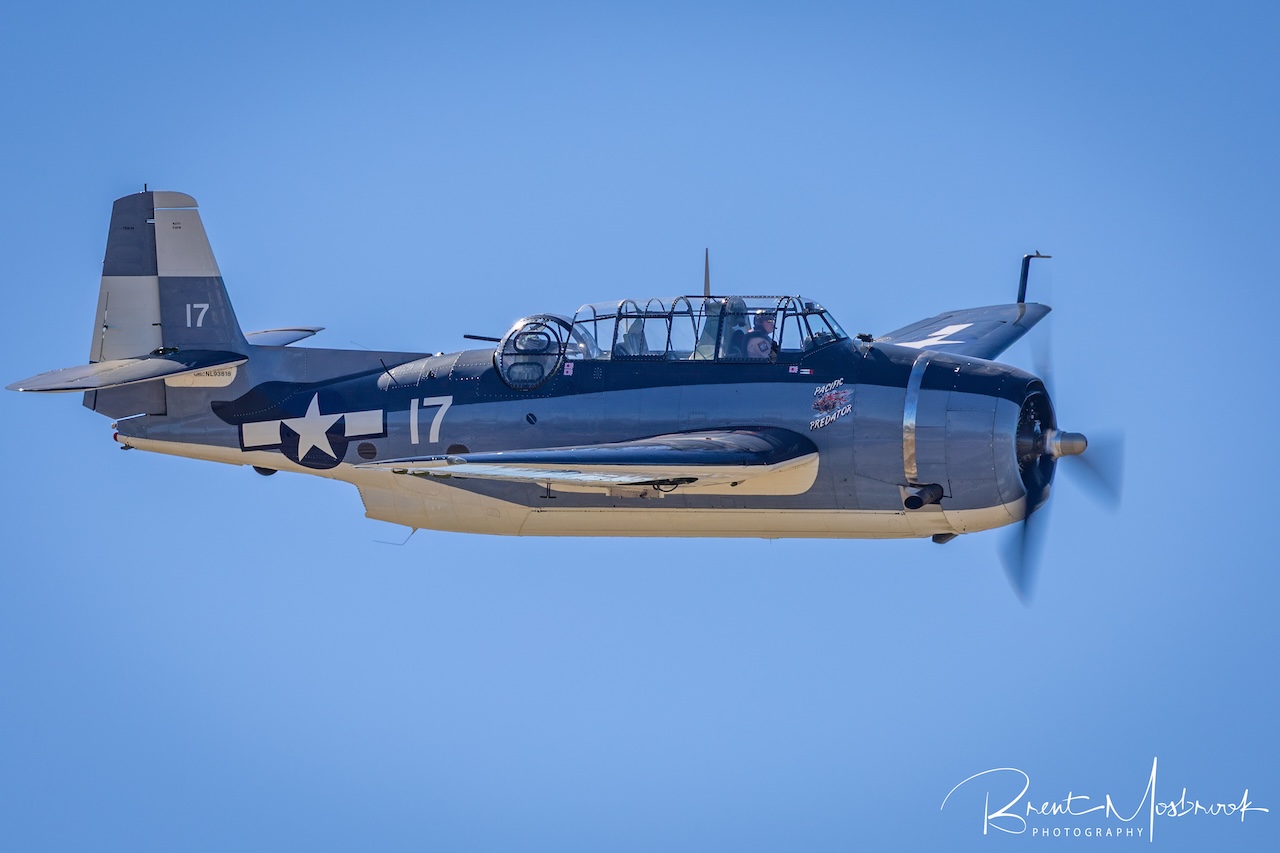
In past POF airshows, there was traditionally a “gaggle of warbirds.” At the Airfest, the format changed to a European- and Pacific-themed sequence of aircraft performing flybys every 10–15 seconds. Each format has its merits, but it was striking how much variety there was. In a short span of time, a dozen aircraft each got a brief spotlight—from the POF SBD Dauntless and TBM Avenger to the P-38 Lightning “Skidoo,” followed by the rare Fairey Firefly WB518 and a P-51H with Reno racing heritage from the Coutches family. Not to be outdone, the Navy F8F Bearcat and F7F Tigercat roared by. A fantastic treat was seeing the POF F4U-1A Corsair, recently restored with the tri-color paint scheme and red-outlined roundel it wore when it rolled off the factory line in 1943. The restoration was so recent that “factory fresh” labels were still being applied to the aircraft Saturday morning.
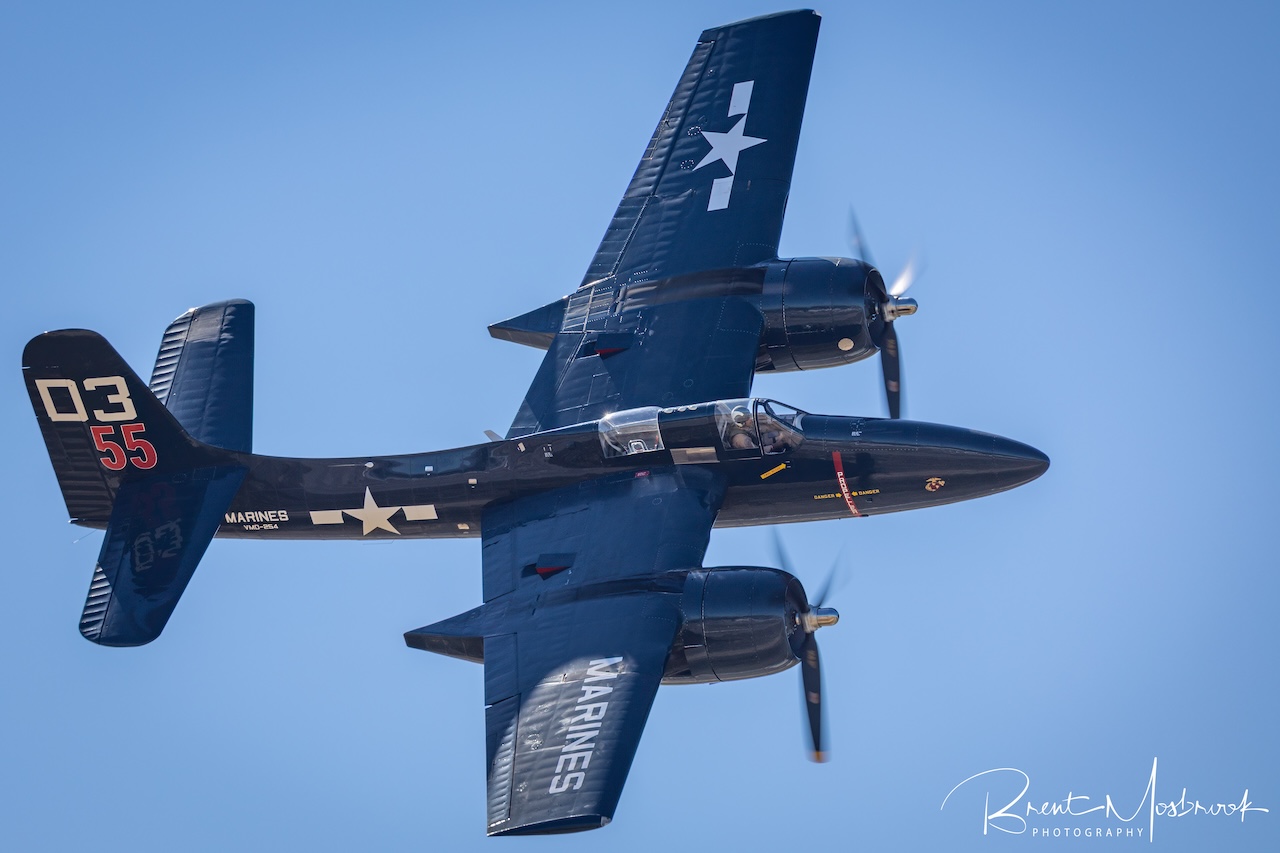
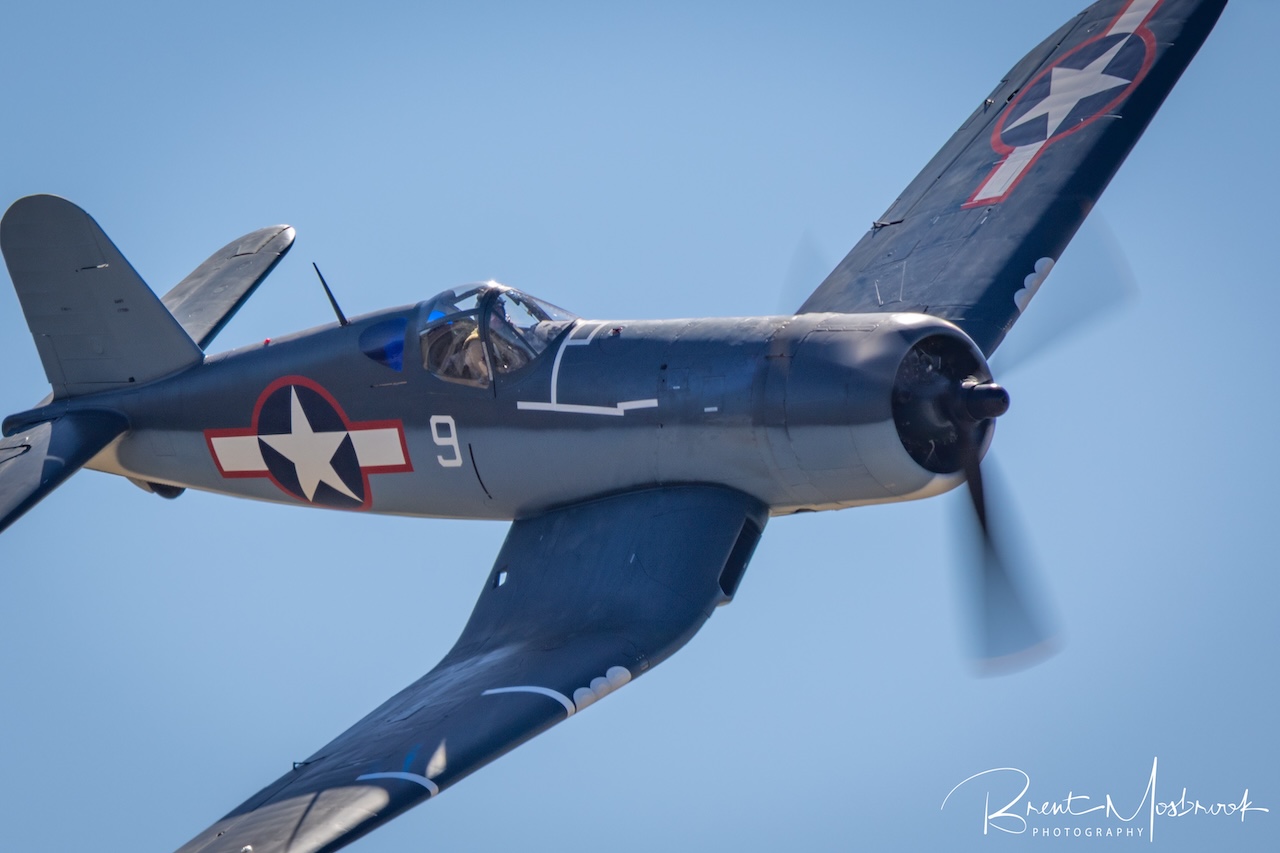
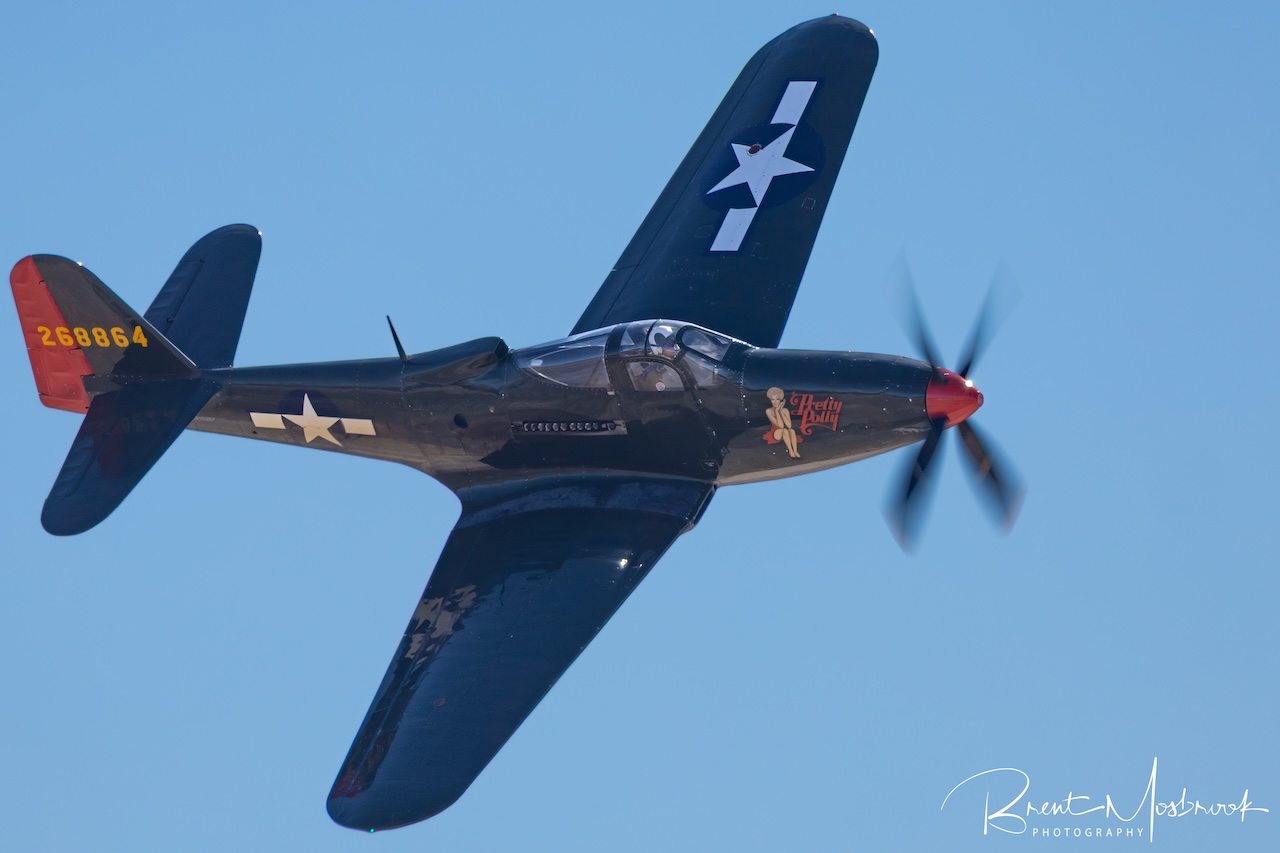
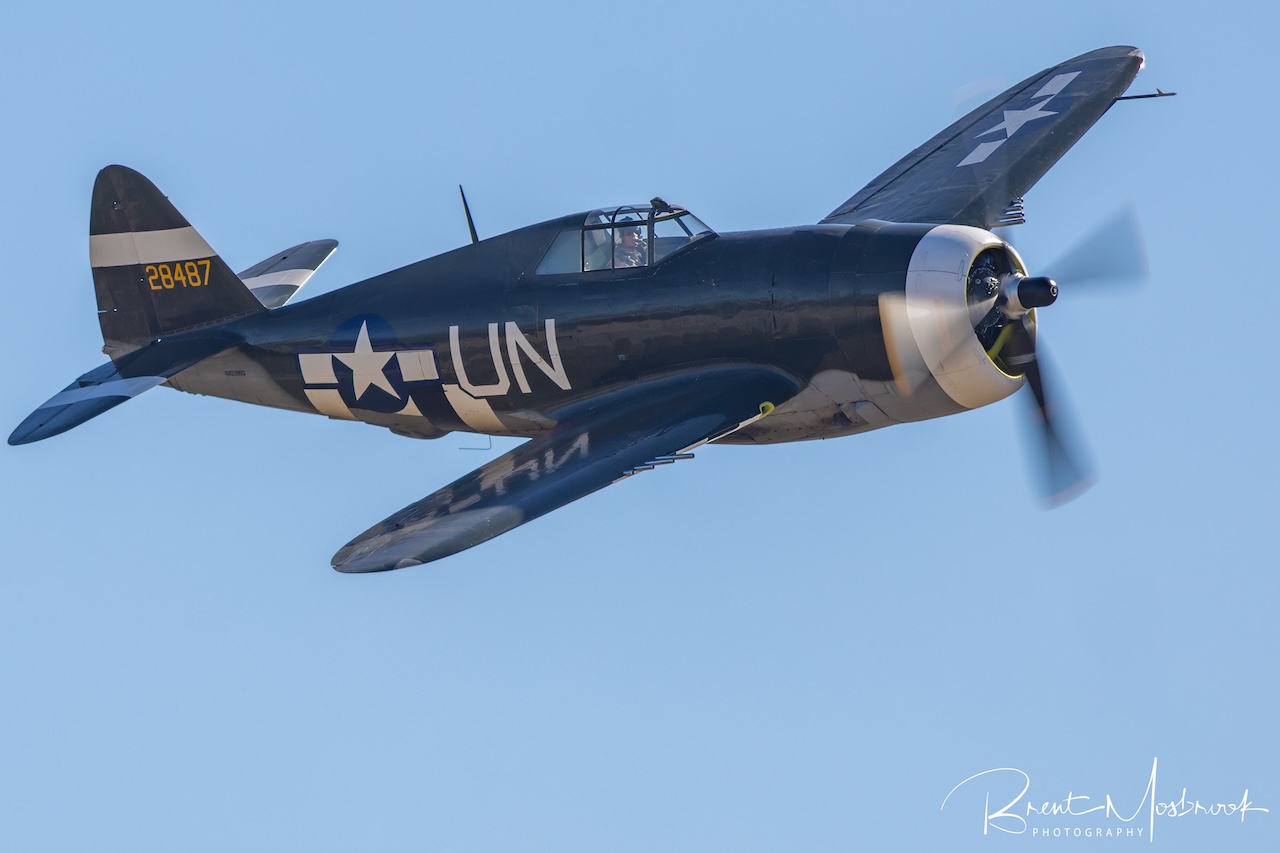
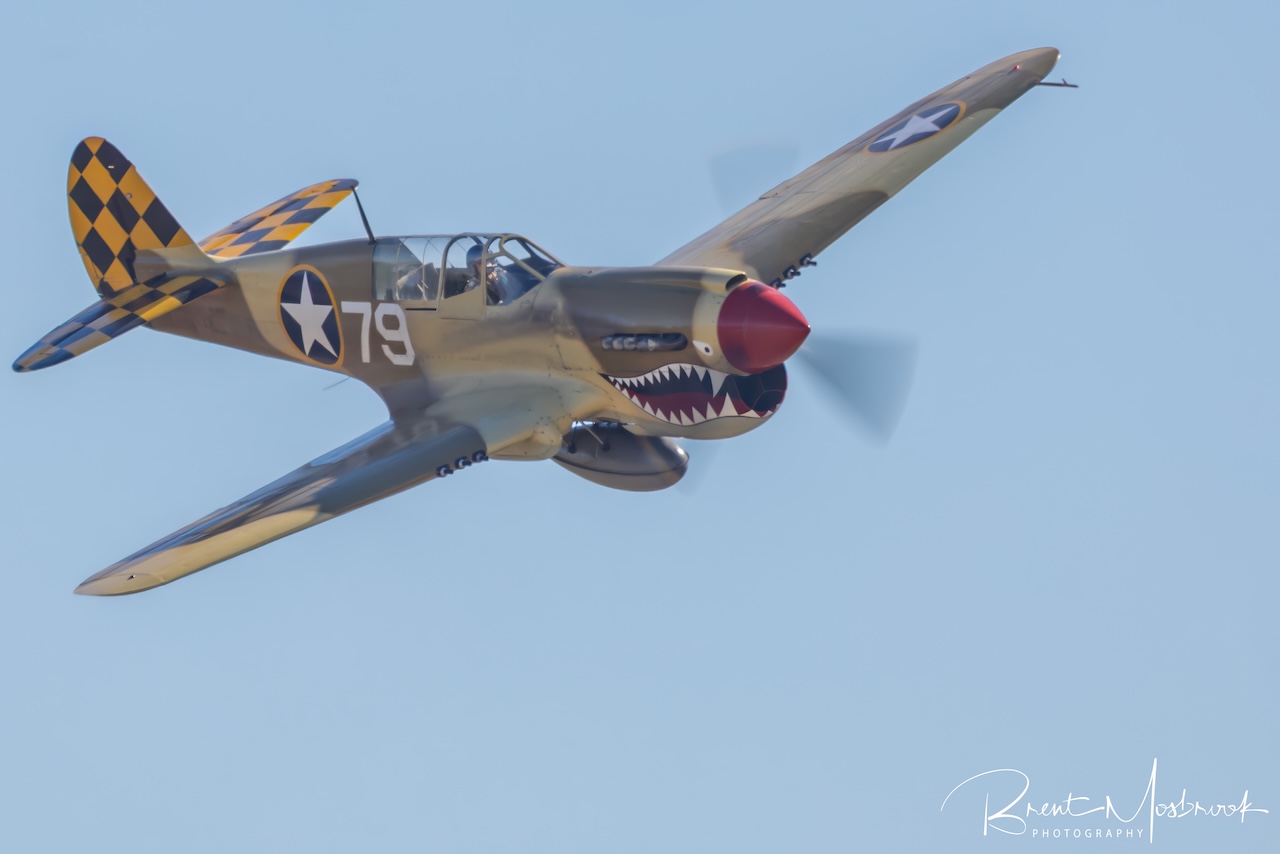
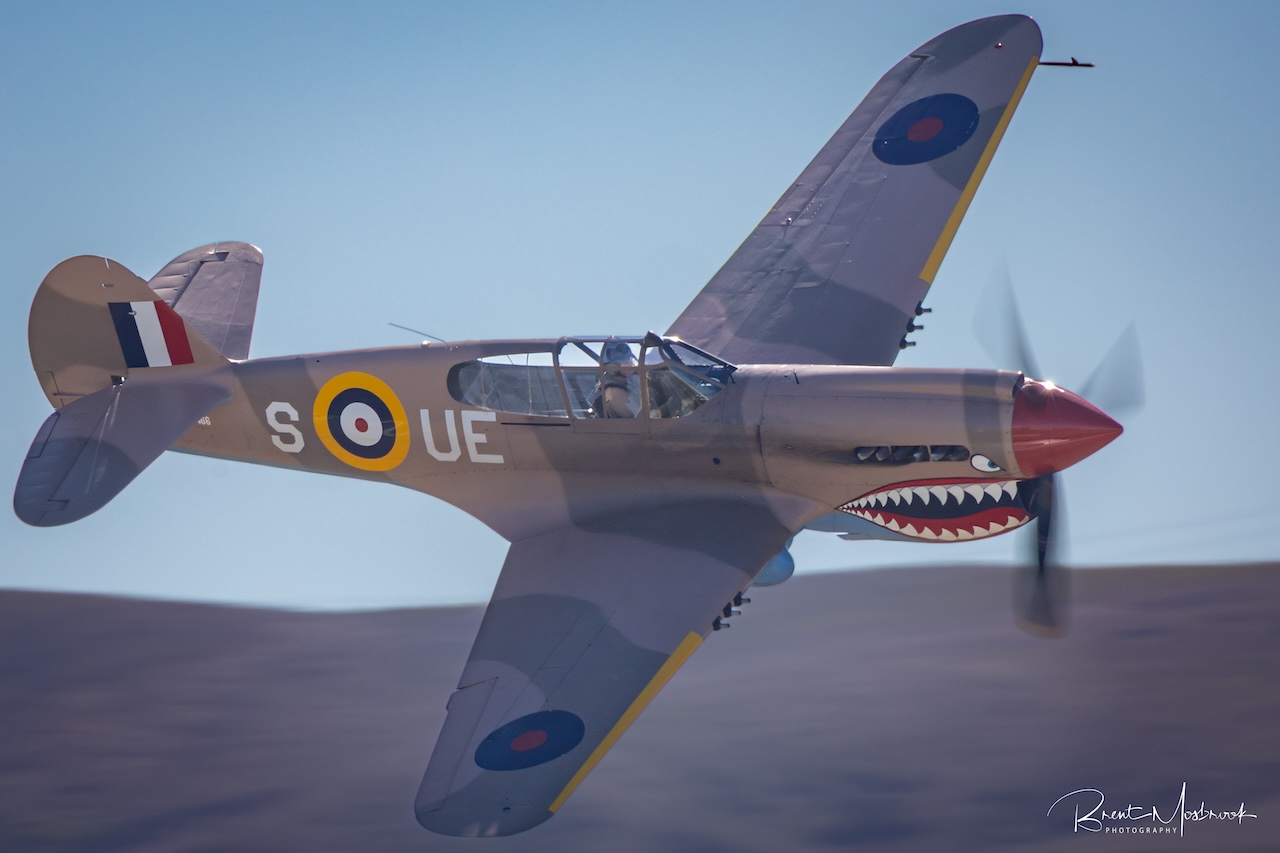
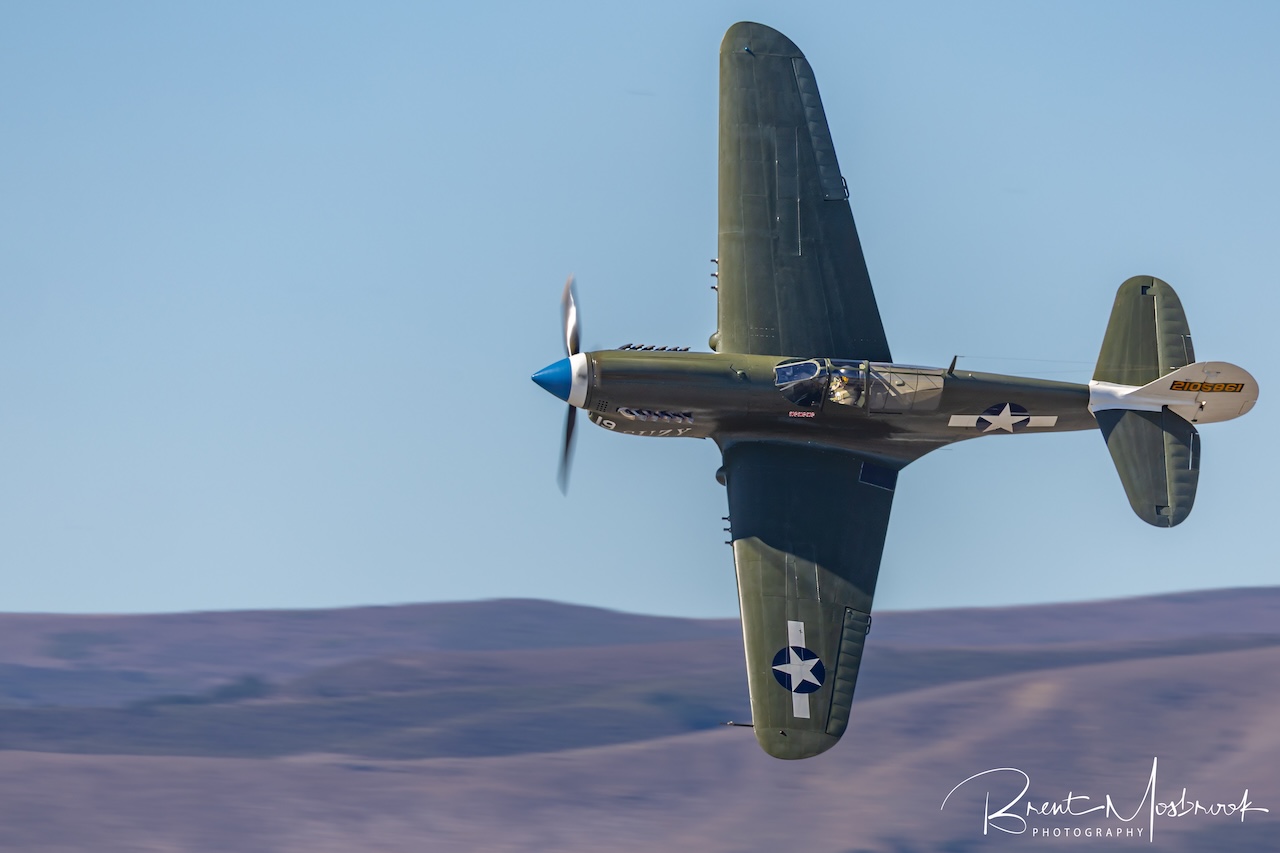
A total of three P-40 Warhawks were present: POF’s P-40N, Walt Bowe’s P-40N “Suzy,” and a P-40E marked in RAF colors. Bernie Vasquez performed double duty, flying his solo routine in P-40N “Suzy” as well as in the P-47 “Snafu.” There’s something for everyone to enjoy in his performances—photographers love the head-on, low passes, and the crowd always comments on how graceful and smooth his flying appears.
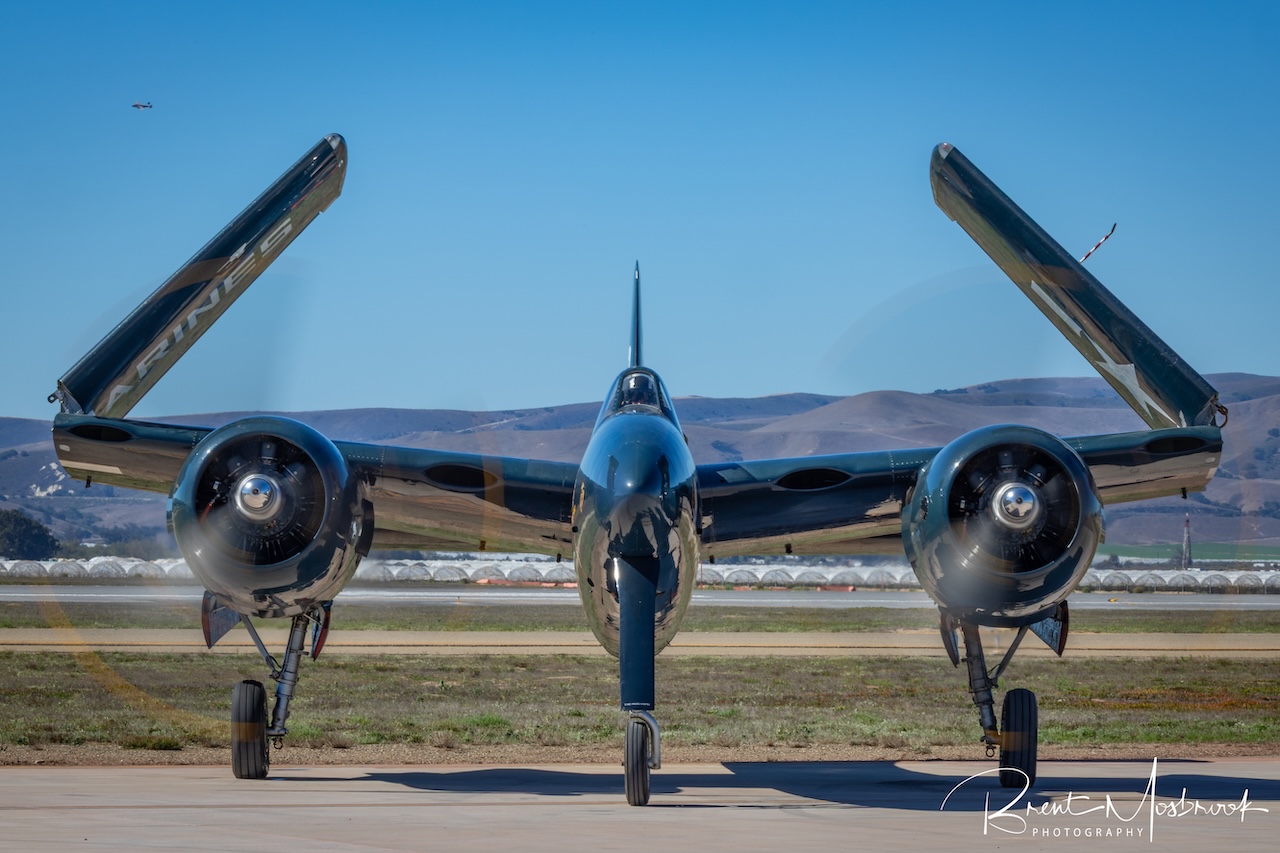
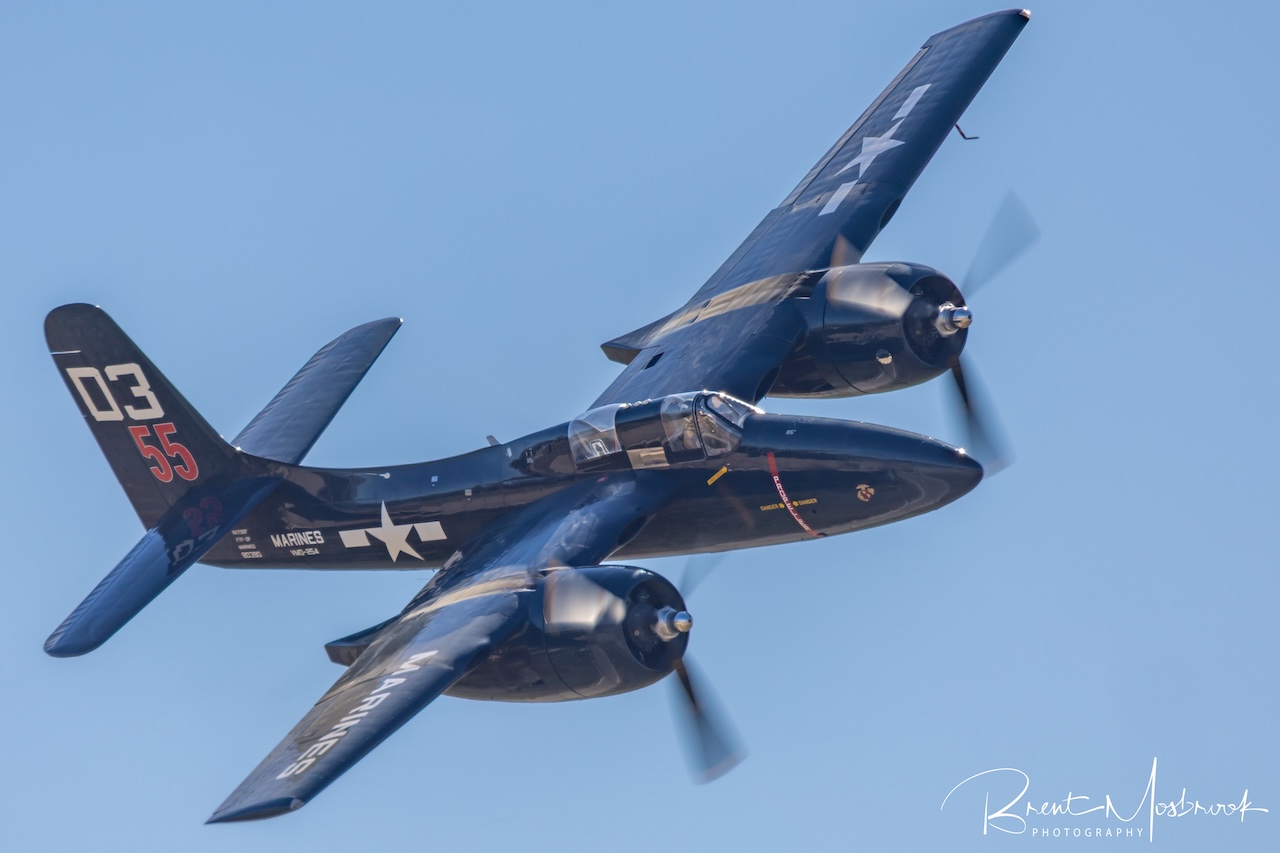
A real treat was seeing the F7F Tigercat from Lewis Air Legends flown by Steven Hinton. This aircraft may have struggled in the 1940s—arriving too late for WWII and achieving only limited success in Korea with two biplane kills—but it absolutely purrs like a kitten with its twin R-2800 engines. Its sleek head-on view belies its large size. “Steve-O” provided both banana passes and virtual head-on approaches for those left of show center, giving great views all around.
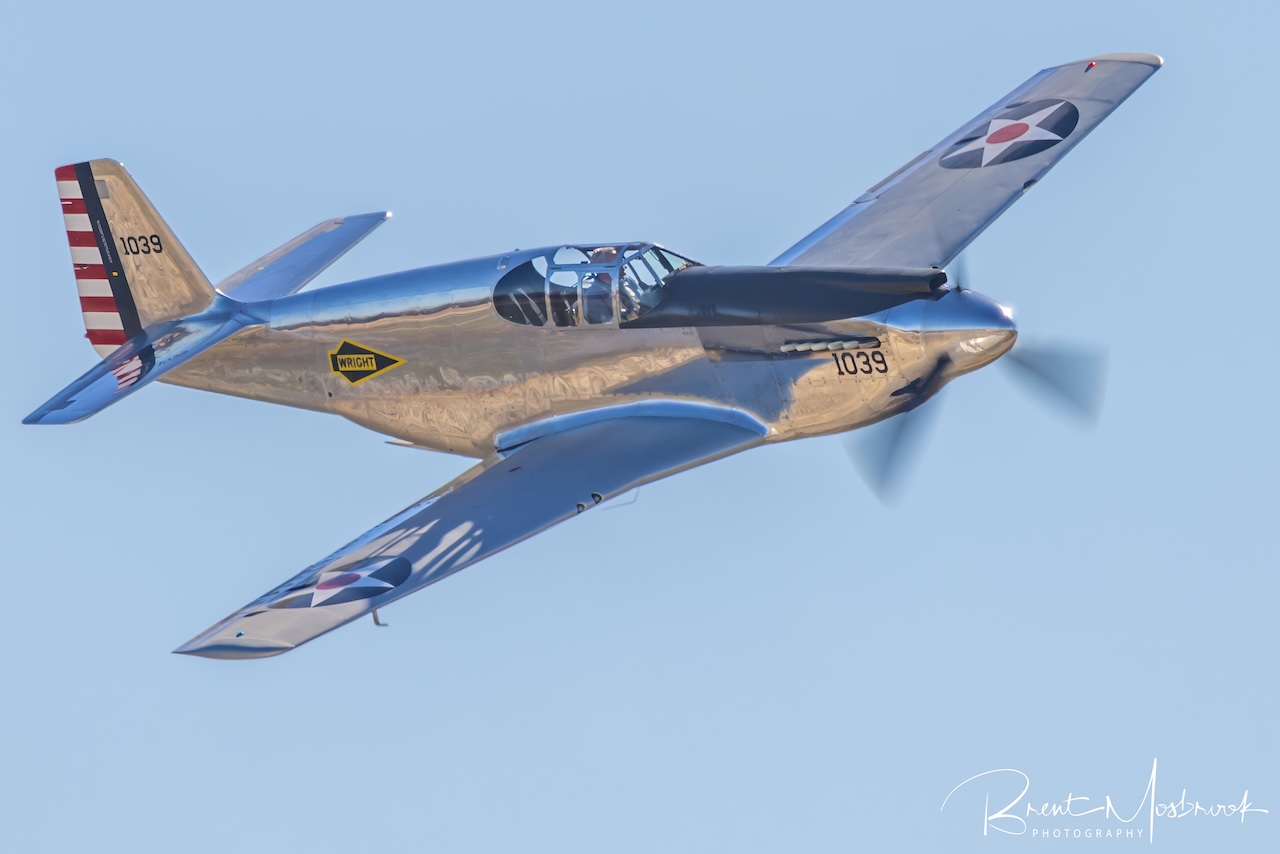
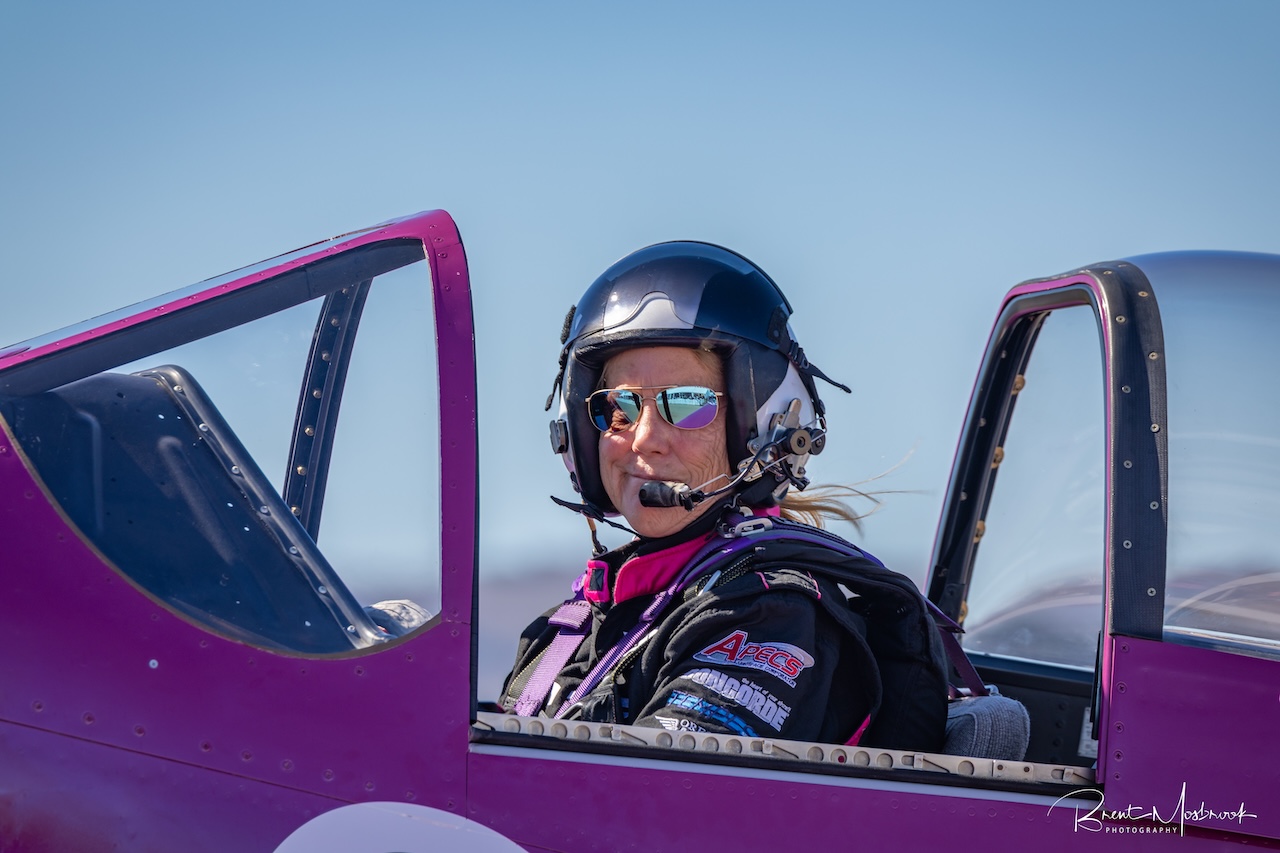
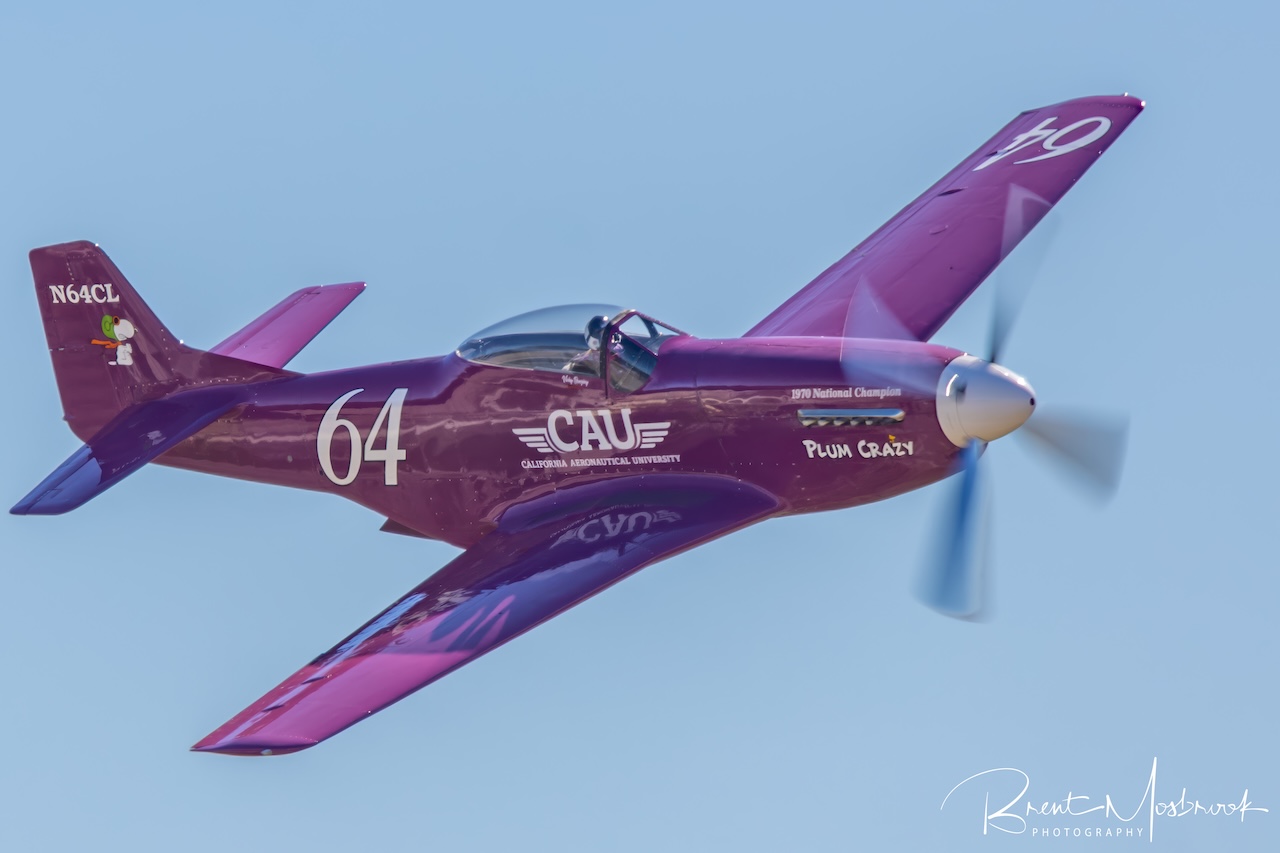
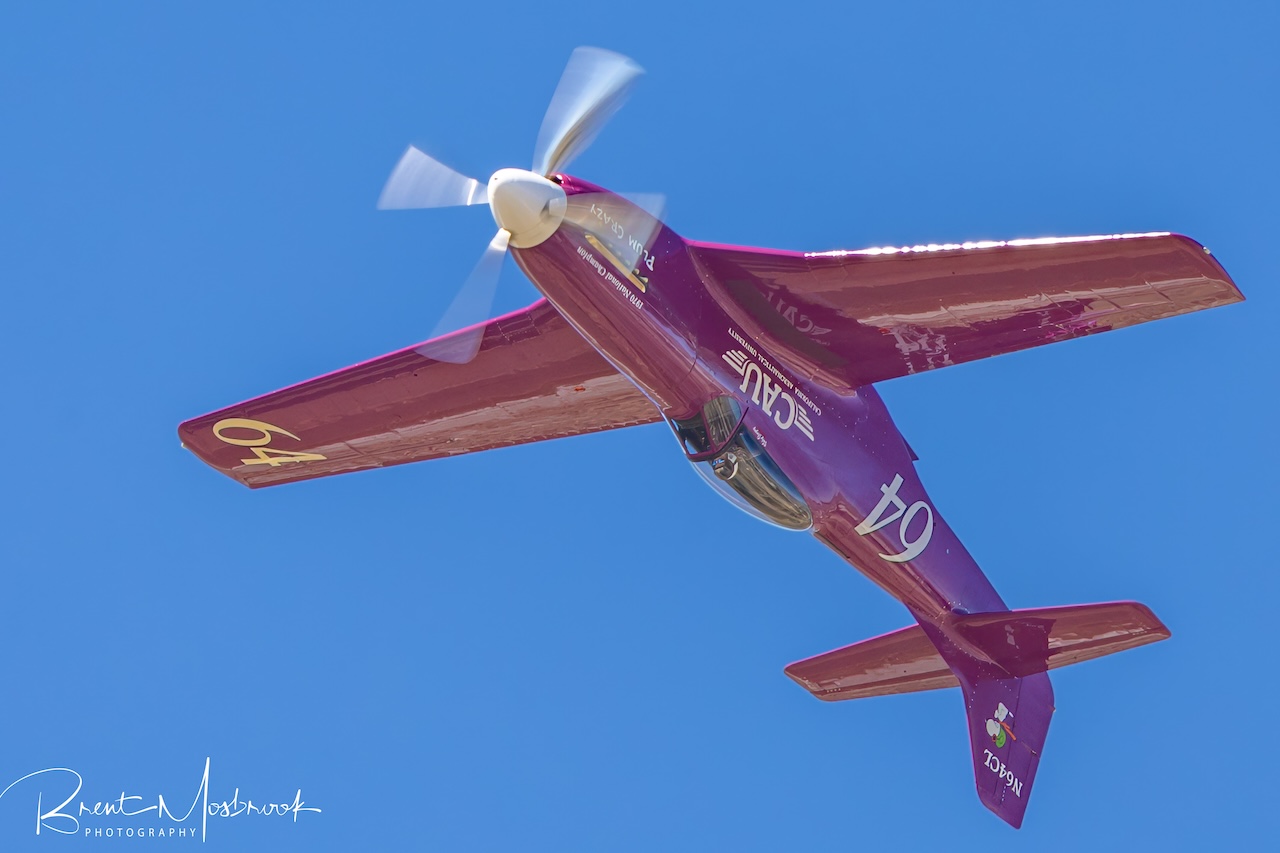
Vicky Benzing flew P-51D “Plum Crazy,” another aircraft with extensive air racing history—best known for having been flown at Reno by Clay Lacy, who won in 1970. It also represents what several other aircraft flying in the show have in common—having been restored at Fighter Rebuilders by Steven Hinton. Vicky showcases every conceivable angle of her distinctive purple Mustang during her routine.
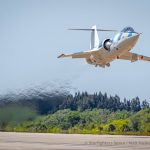
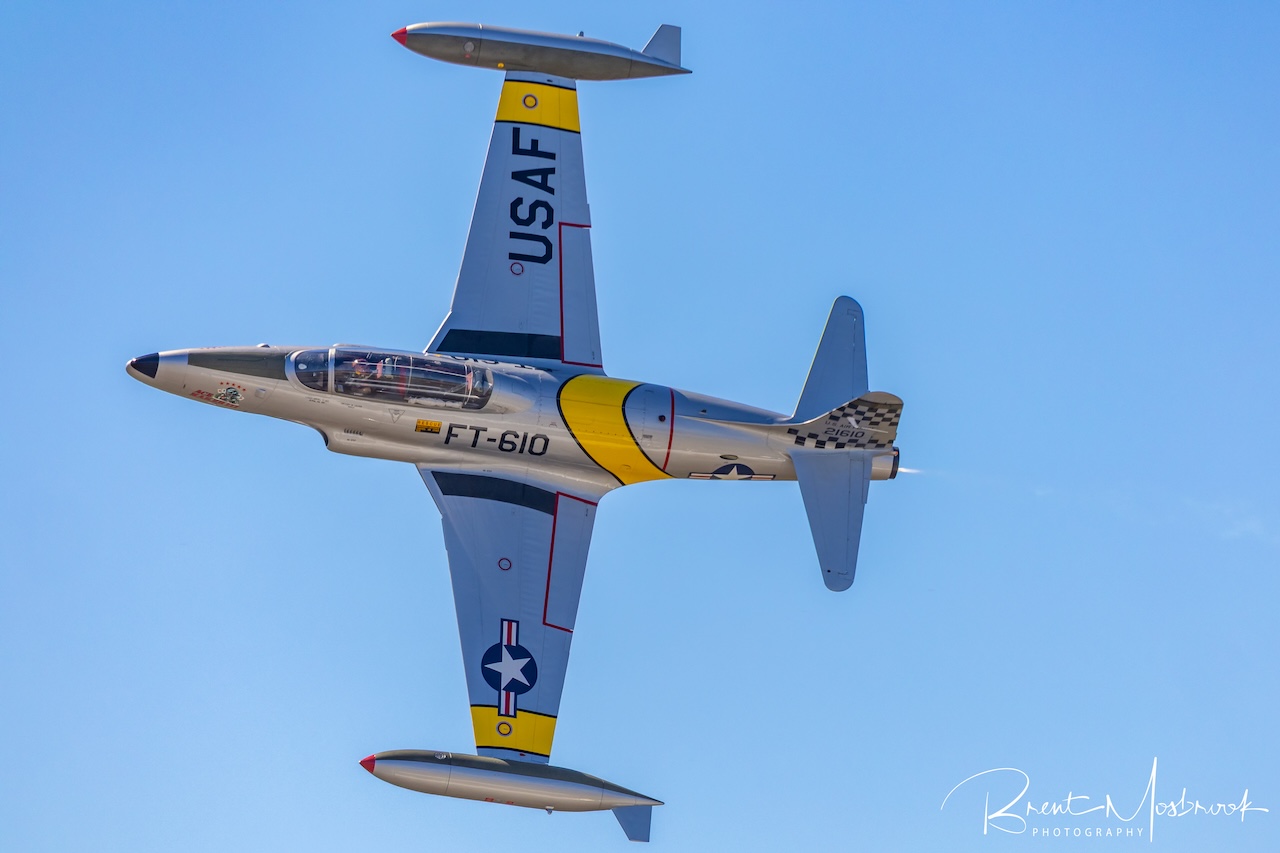
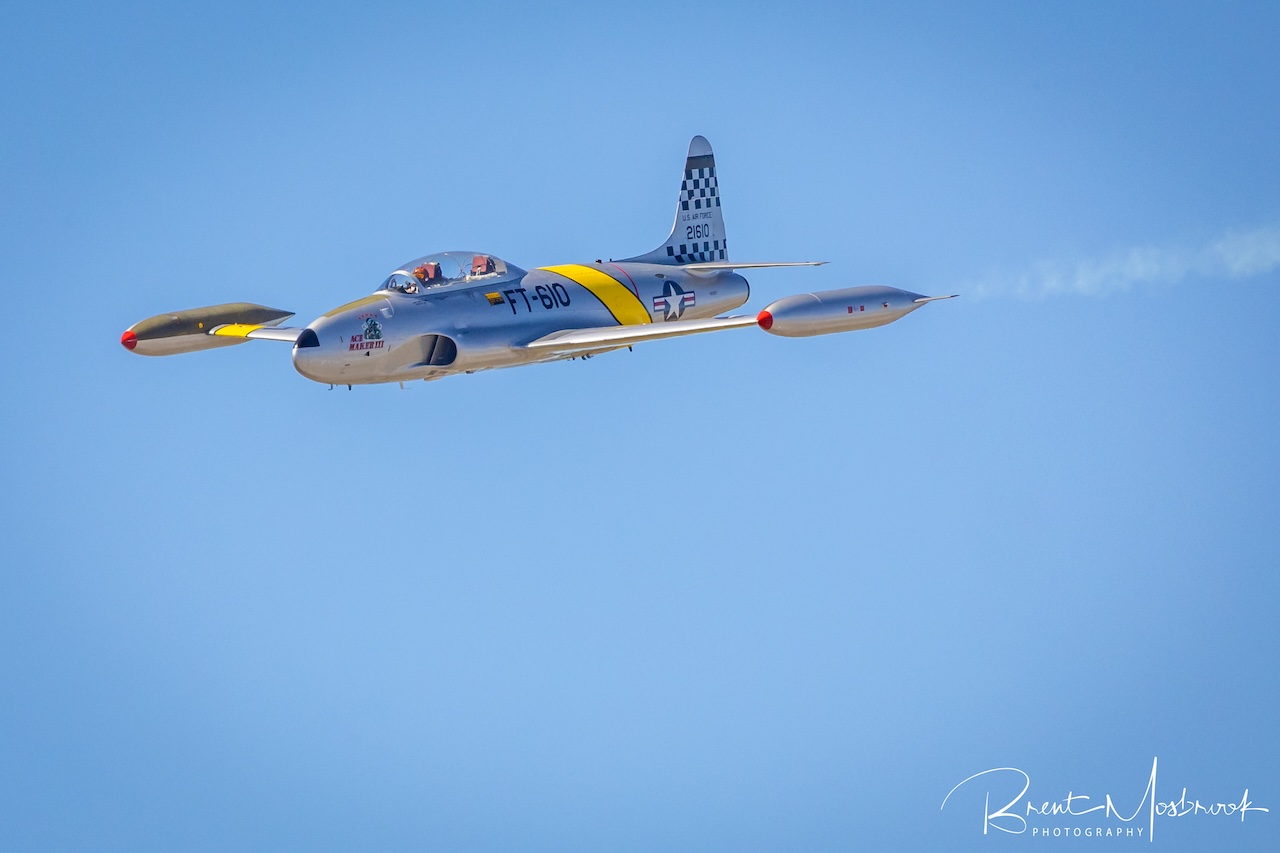
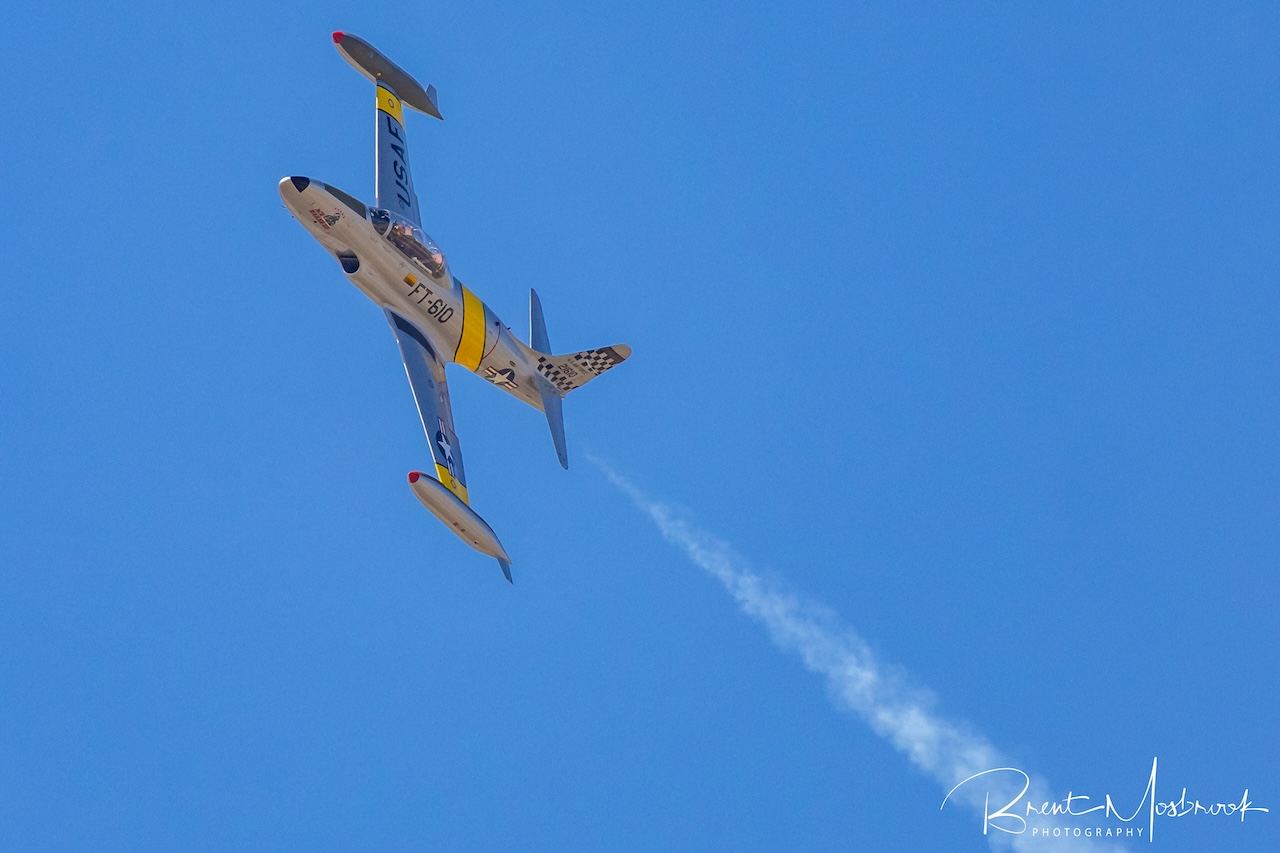
While the military jets were absent, Greg Colyer in his Canadair CT-133 provided the sights and sounds of a former military jet trainer. He demonstrated many of the maneuvers students would master in this same jet—Cuban 8, Split S, vertical roll, and more.
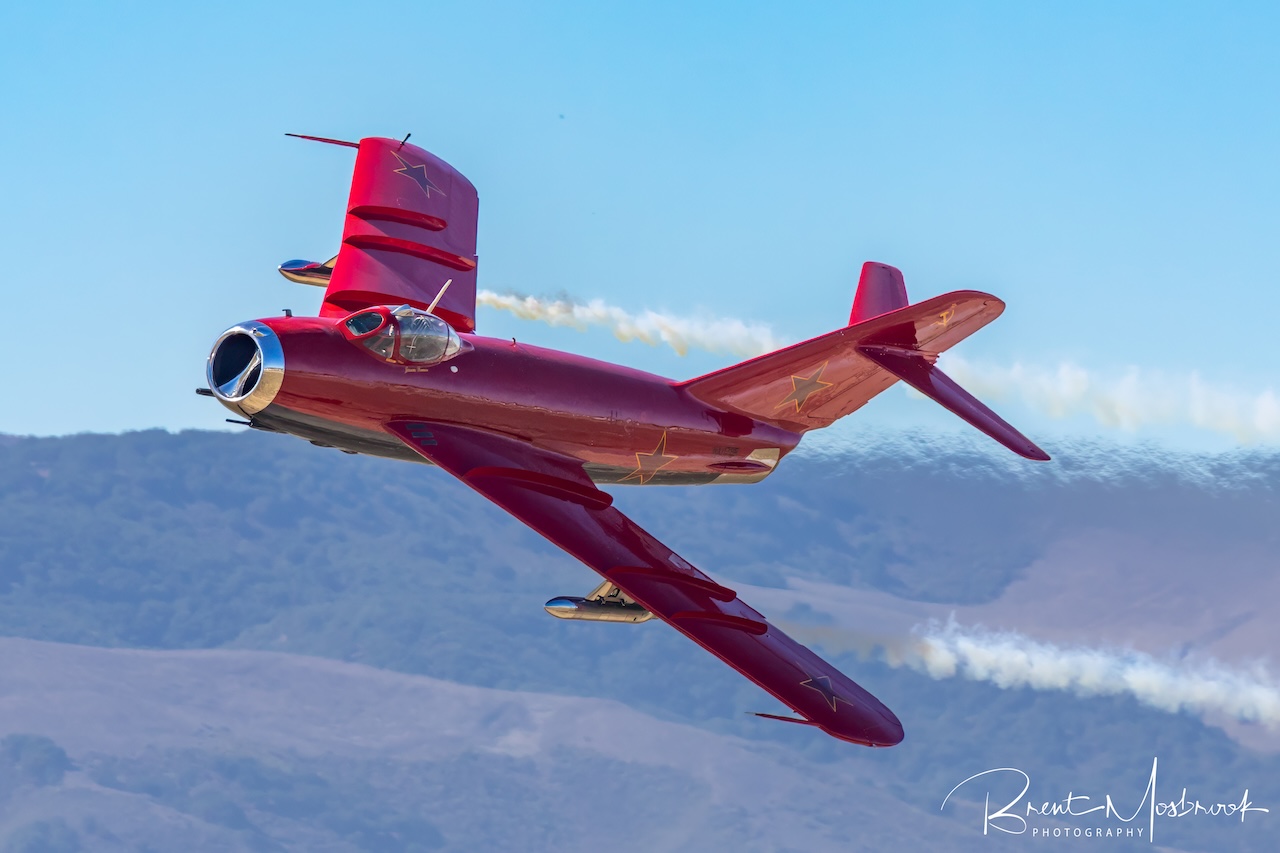
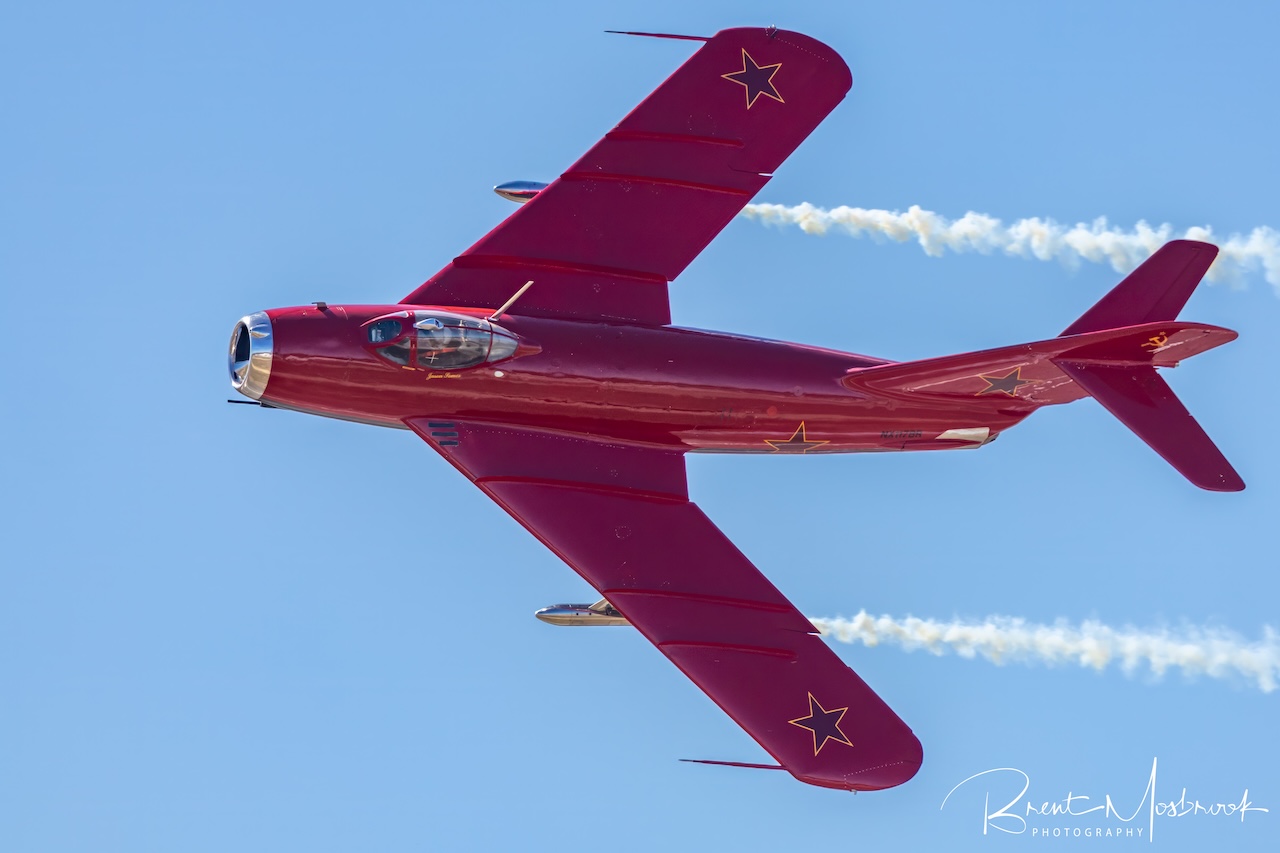
Jason Somes fired up his distinctive red MiG-17F and dazzled the crowd with smoke and flames, including low passes below treetop height to give the audience an up-close view of his magnificent aircraft.
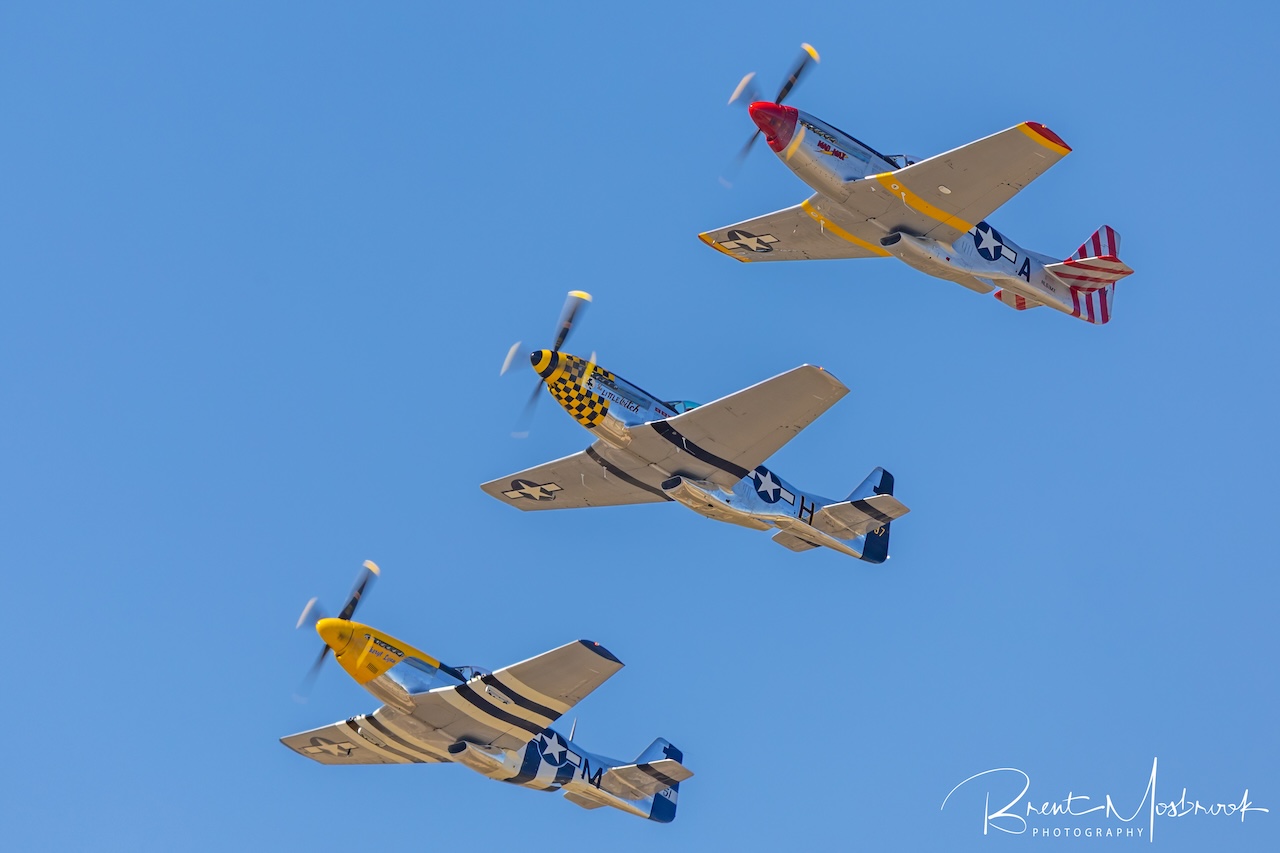
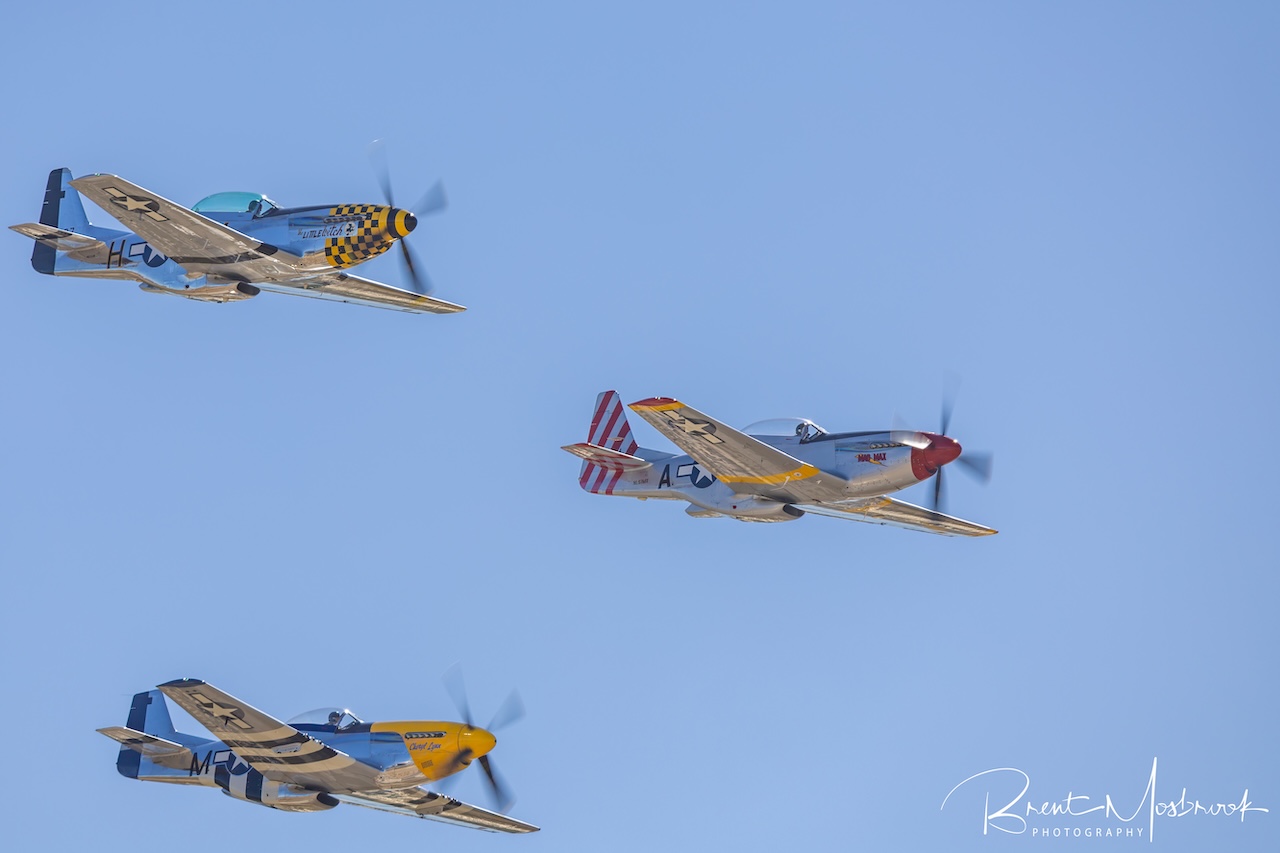
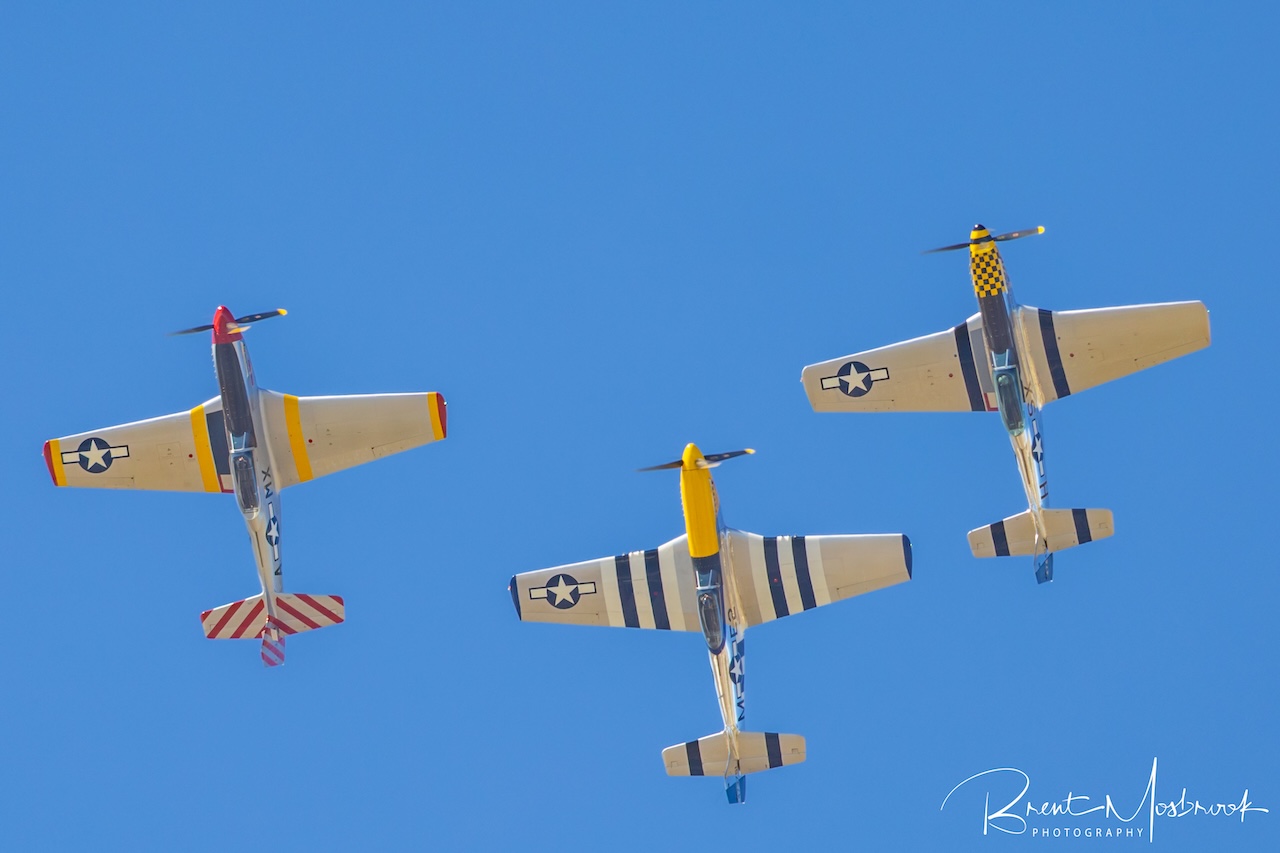
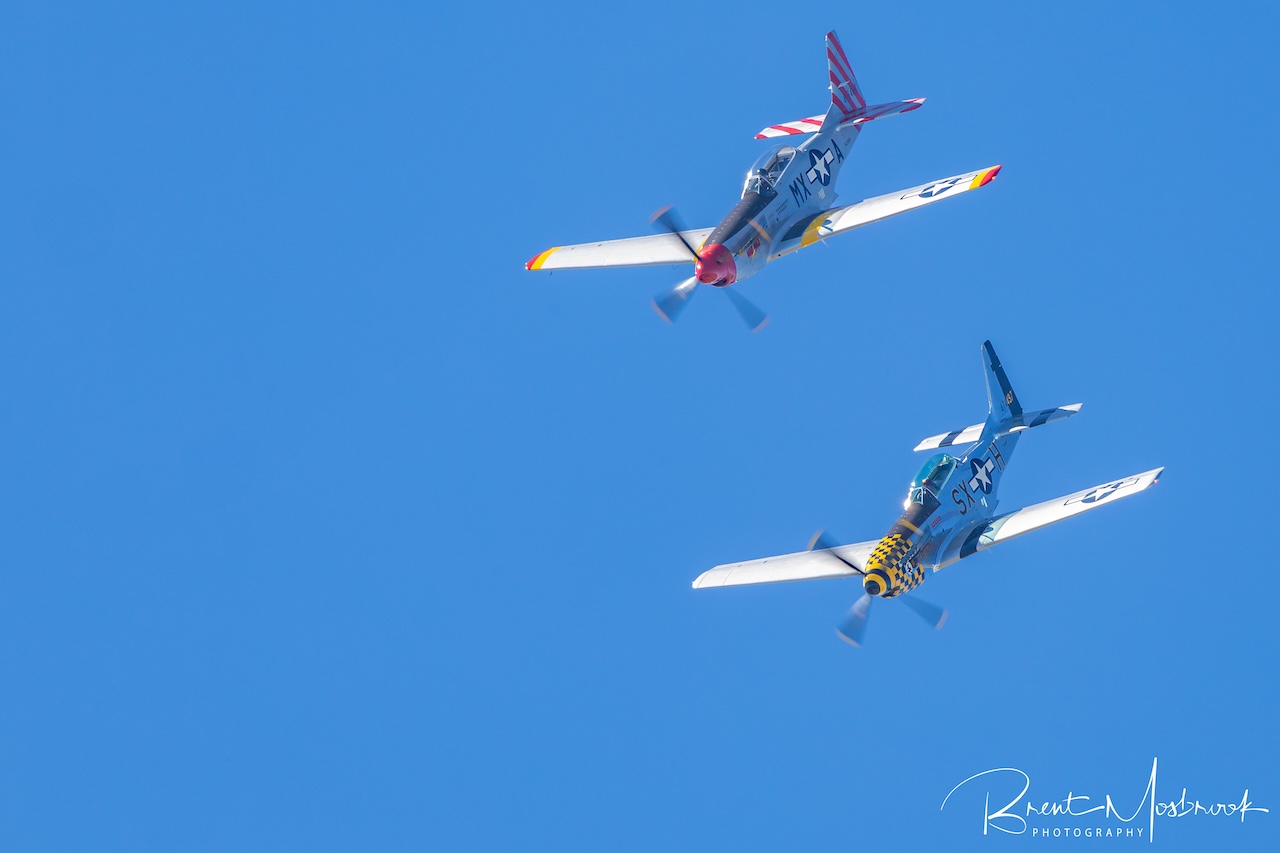
This was my first time seeing the Jack Aces, and I was looking forward to their three-ship Mustang routine. Louis Horschel, Ariel Luedi, and Marco Rusconi comprise the team. Their performance begins with all three flying line abreast directly over the crowd. The three-ship demo is a thing of beauty—performing loops and rolls in perfect unison. They also perform two-ship and solo routines to further entertain the audience.