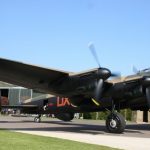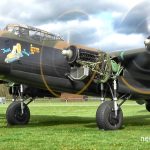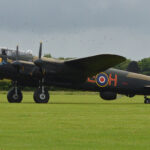
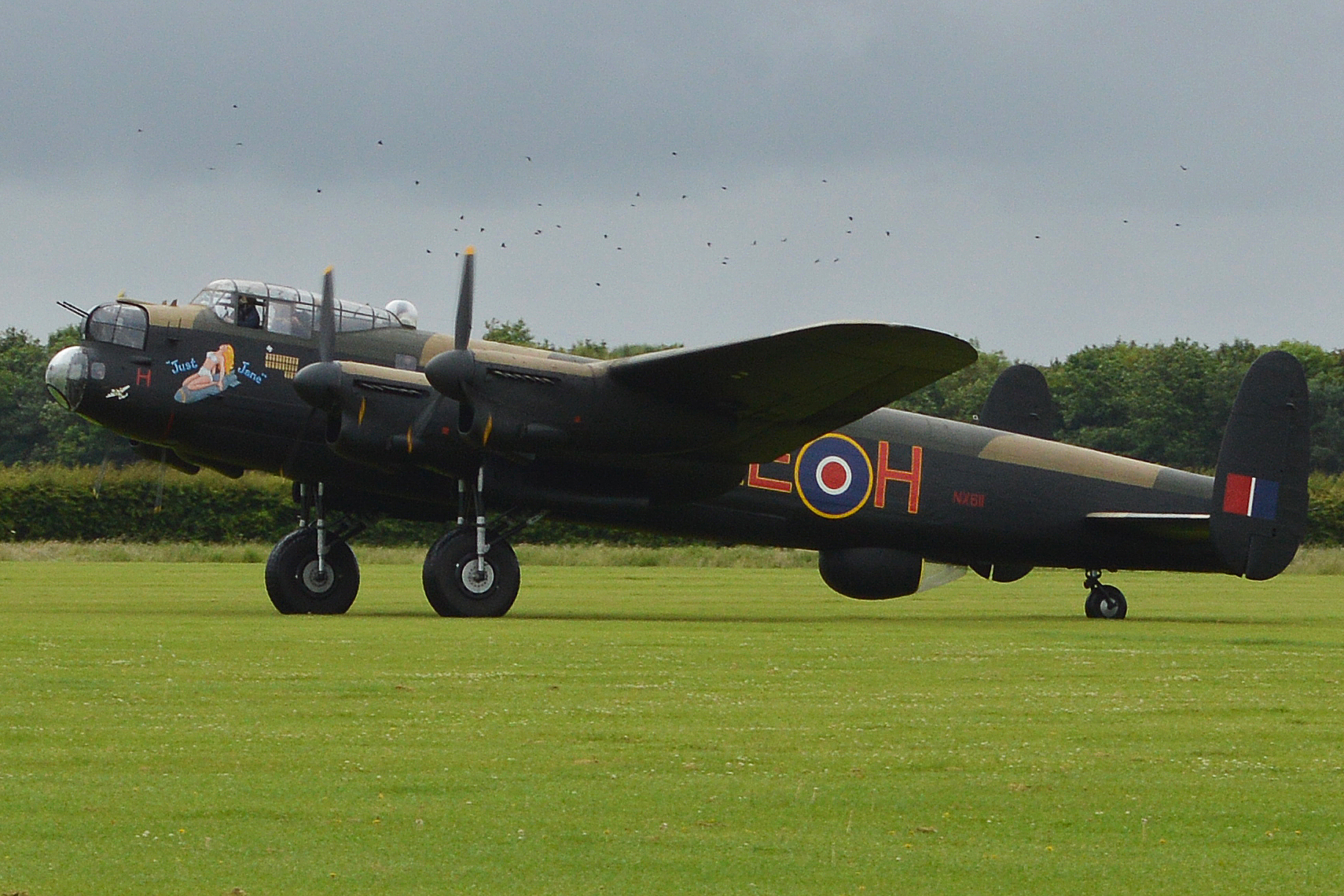

The Avro Lancaster B.VII NX611, affectionately known as “Just Jane,” continues to make steady progress toward airworthy restoration at the Lincolnshire Aviation Heritage Centre (LAHC) in East Kirkby. Under the leadership of project manager Andrew Patton, the restoration team has released its 251st official update, which is republished here with permission.
Further surveys of Avro Lancaster NX664’s rear mid-fuselage have revealed a number of issues within the bomb bay area. A primary longeron runs along both the port and starboard sides at the junction of the bomb bay ceiling and fuselage floor. Beneath this sits a “skirt” structure that bridges the gap between the longeron and the bomb doors. This skirt is formed from a series of small ribs, associated stringers, and skins. Some of these ribs were originally steel, while others were aluminium. Unfortunately, the steel ribs suffered extensive corrosion and were replaced with aluminium versions at some point during the aircraft’s operational life. In addition, several earlier repairs to the ribs were found to be of insufficient quality to support taxiing operations. As a result of accumulated damage sustained over the past eight decades, many of these ribs will need to be replaced entirely to restore structural integrity.
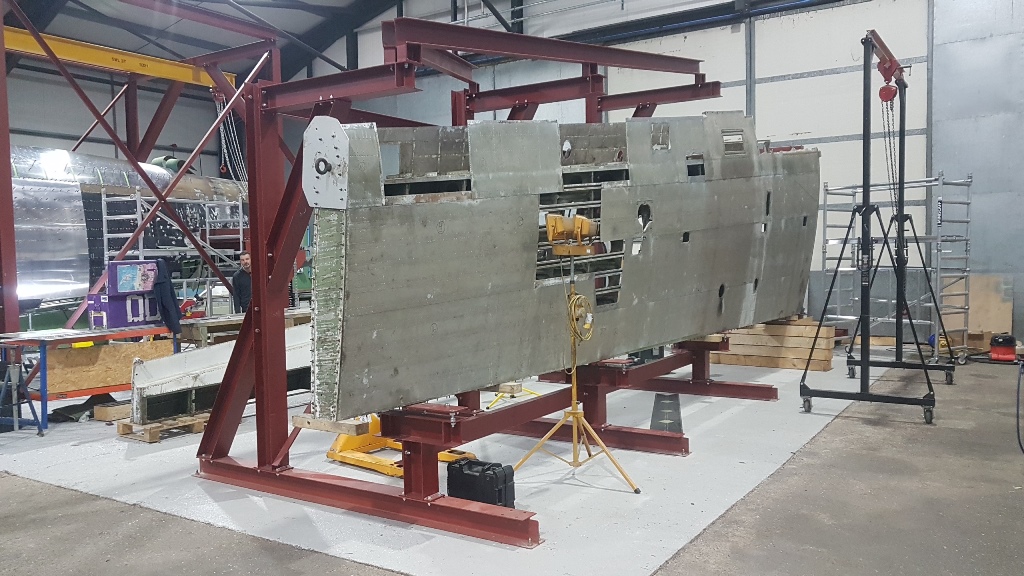
As a reminder to readers, a collaborative restoration initiative was established between the team restoring NX611 and Les Ailes Anciennes at Le Bourget, France, with the aim of advancing the preservation of two closely related aircraft: NX611 and Avro Lancaster NX664. Both aircraft are Mk.7 Lancasters, built at Longbridge only a short distance apart on the production line. NX664 is currently undergoing restoration in France, with its wings remaining unrestored. Because NX611 must continue seasonal taxi operations to help fund its restoration, certain major tasks—most notably wing restoration—cannot be completed within short, interrupted work periods. To overcome this limitation, an innovative wing-sharing strategy was developed. Under this plan, the outer wings of NX664 are transferred one at a time to the Lincolnshire Aviation Heritage Centre. Restoration jigs are constructed, and the wings are rebuilt to taxiing condition before being temporarily fitted to NX611. This allows NX611 to remain operational while its original wings are restored separately to full airworthy standard over uninterrupted work periods. This process is carried out sequentially for both port and starboard wings, with NX664’s wings ultimately returned to Le Bourget following restoration. Throughout the wing program, restoration work continues on the rear fuselages of NX611 and Lancaster KB976, ensuring steady progress across the wider project. The wing program offers several significant advantages, including uninterrupted access for detailed restoration work, the ability to refine techniques before undertaking airworthy wing restoration on NX611, and improved efficiency through extended work periods. Beyond the technical benefits, the collaboration also ensures that two historic Lancasters advance toward long-term preservation, benefiting the wider warbird community.
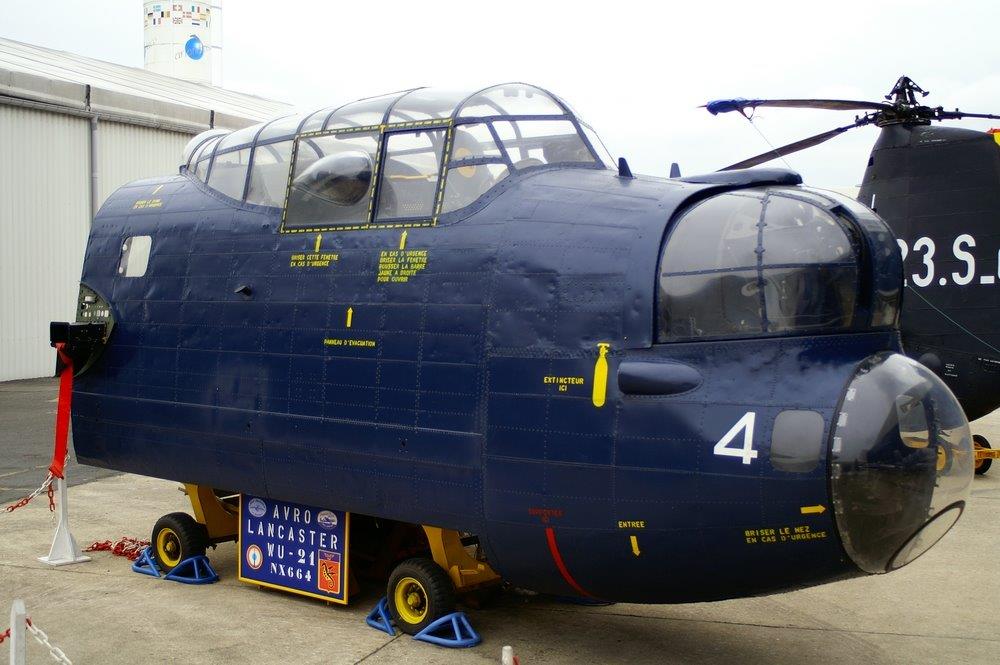
Having spent many years exposed to the elements on Wallis Island, NX664 also exhibits corrosion on the cast bomb slips located in the bomb bay ceiling. While these components are non-structural and the corrosion poses no safety concern, their surface condition is understandably rough. Thankfully, there are no plans for these bomb slips to ever be used again. Inspection of the main longerons has revealed further challenges. These components are riveted using large rivets that were annealed prior to installation. Many of the original rivets have corroded significantly, with some heads beginning to detach, necessitating extensive re-riveting work to restore strength to the structure.
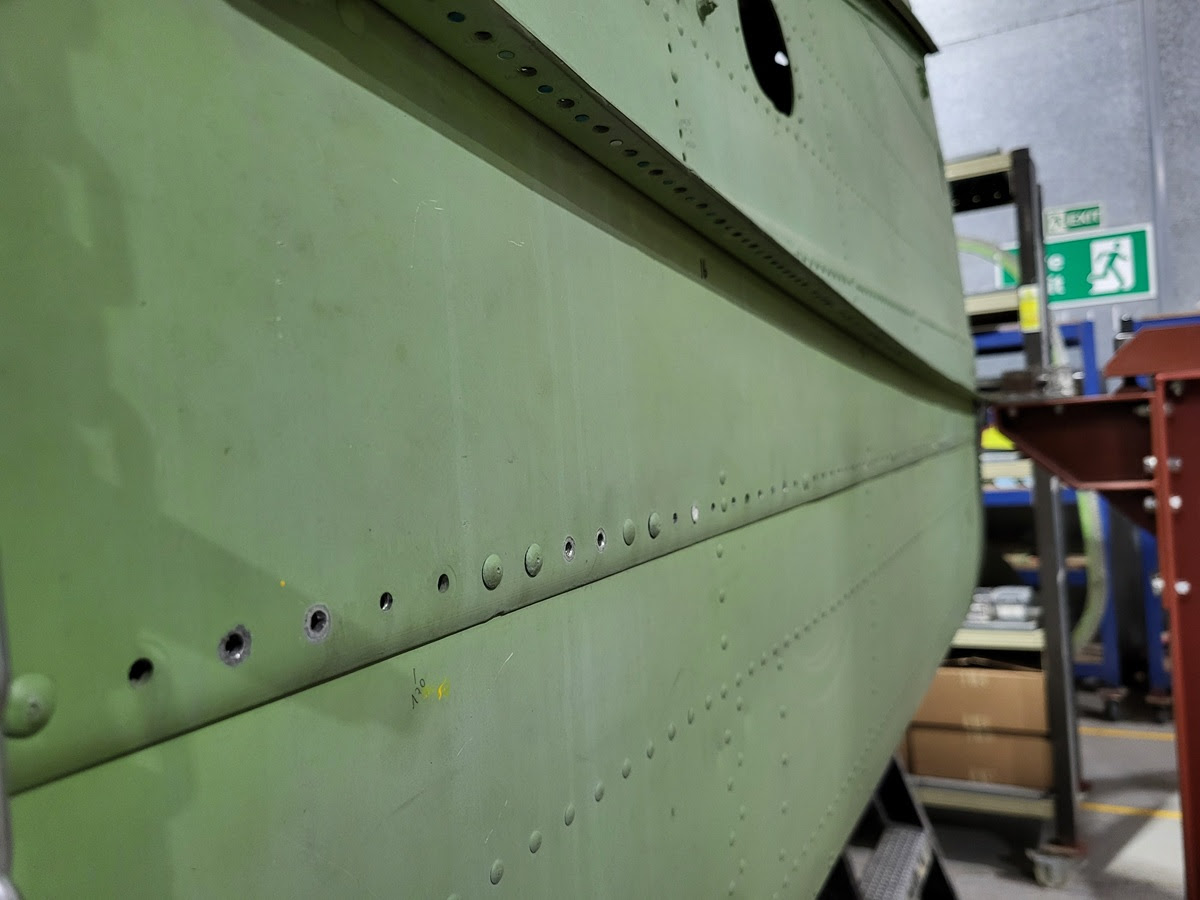
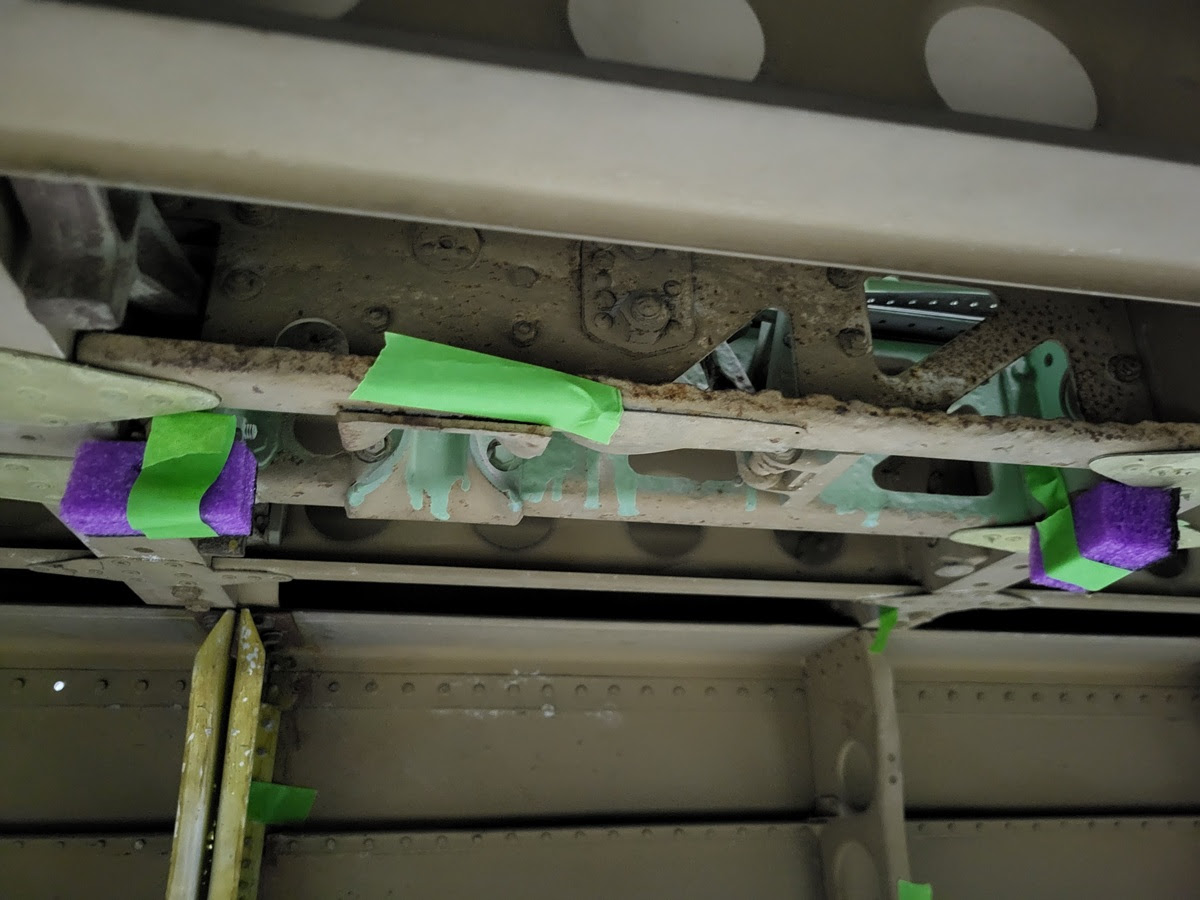
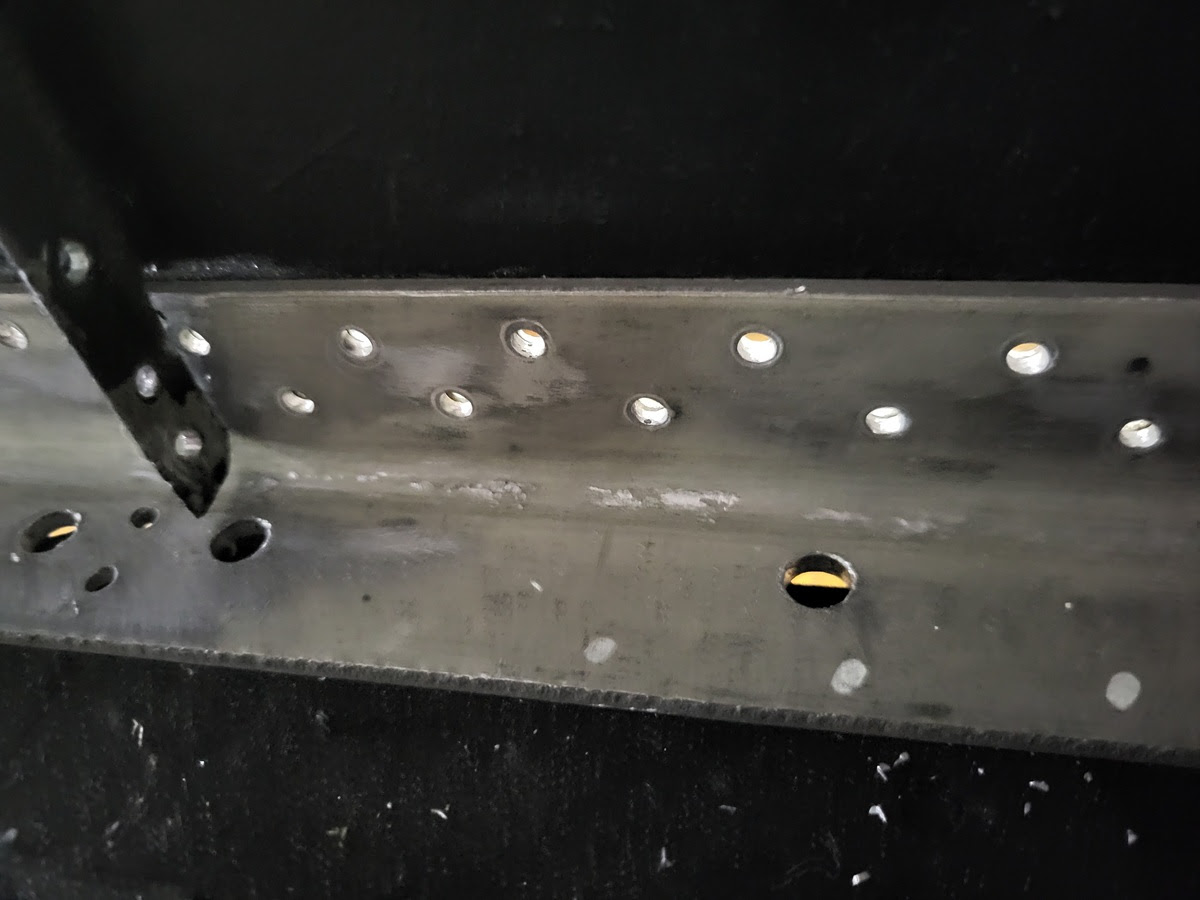
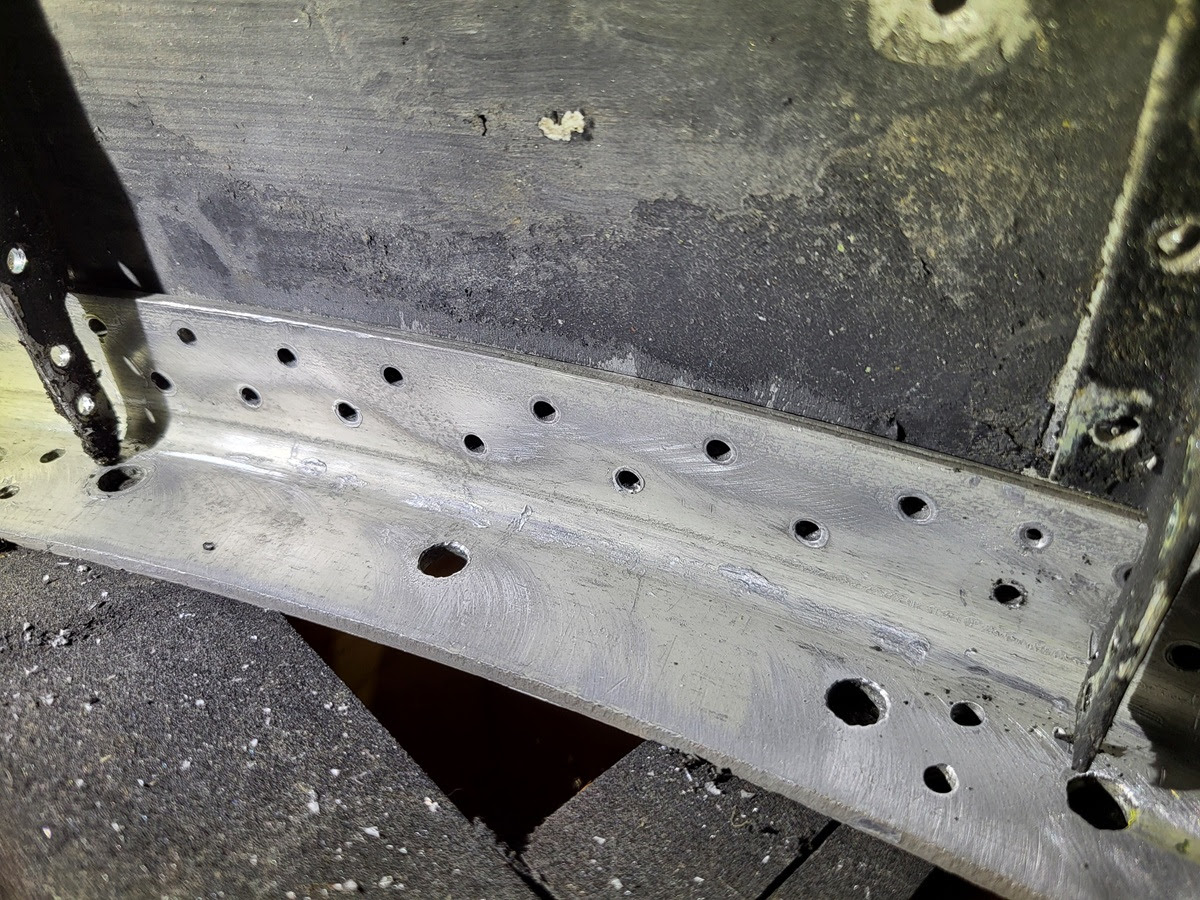
Work on NX611’s nose section has also advanced, with the removal of the transport joint former that connects the nose section to the cockpit. This critical former has now been removed, and half of it has been stripped of paint to allow a detailed condition assessment. Unfortunately, inspection of the stripped section revealed damage within the internal radius. The damage is not corrosion-related, and its exact cause remains unclear. It may date back to the original riveting process or to cleaning procedures earlier in the aircraft’s life. However, because the damage is located within the radius—an area subject to significant stress—it cannot be blended out. While minor surface damage elsewhere can often be addressed by removing up to 10% of the material thickness, this is not permissible in such a critical location. As a result, work is now underway to develop a process for manufacturing replacement formers.
Meanwhile, the GoFundMe Wings Campaign has now raised more than £91,480 toward the £500,000 required. The team extends its sincere thanks to everyone who has contributed, as these donations have already helped fund the manufacture of spar booms. Those wishing to support the Wings Fund and receive a special Wings Fund badge for donations over £50 are invited to contribute via the link below. For more information about the Lincolnshire Aviation Heritage Centre, visit www.lincsaviation.co.uk