






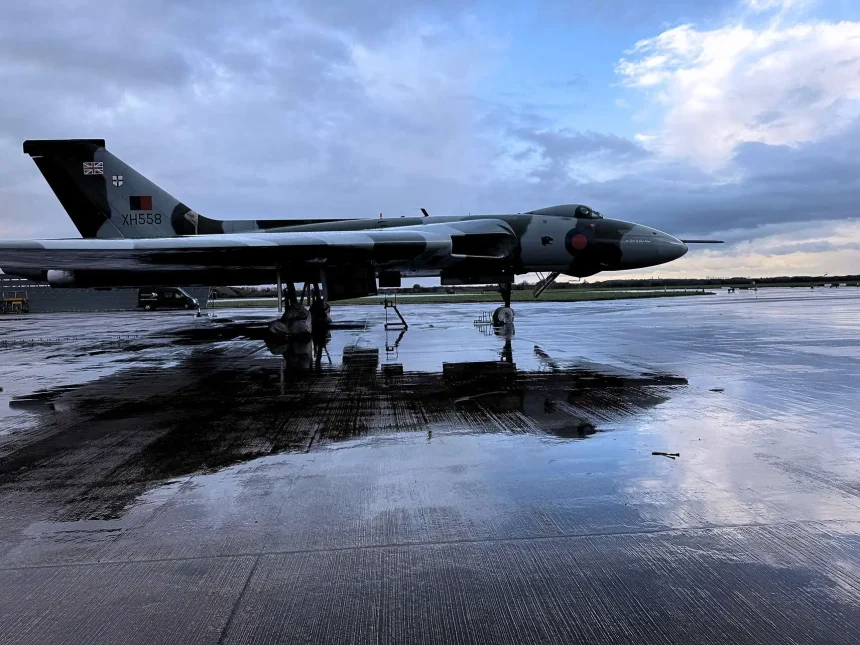

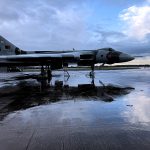
In April 2026, the Vulcan to the Sky Trust released new updates on its efforts to safeguard Vulcan XH558 for future generations as fundraising continues. In its monthly newsletter, the Trust said it performed four engine runs on the aircraft and shared the live stream on its social media channels, Facebook and TikTok, for the first time. Receiving a lot of support and love, the Trust decided to answer questions from the live stream regarding performance and updates on Vulcan XH558.
Hydraulic Leak and Drip Trays
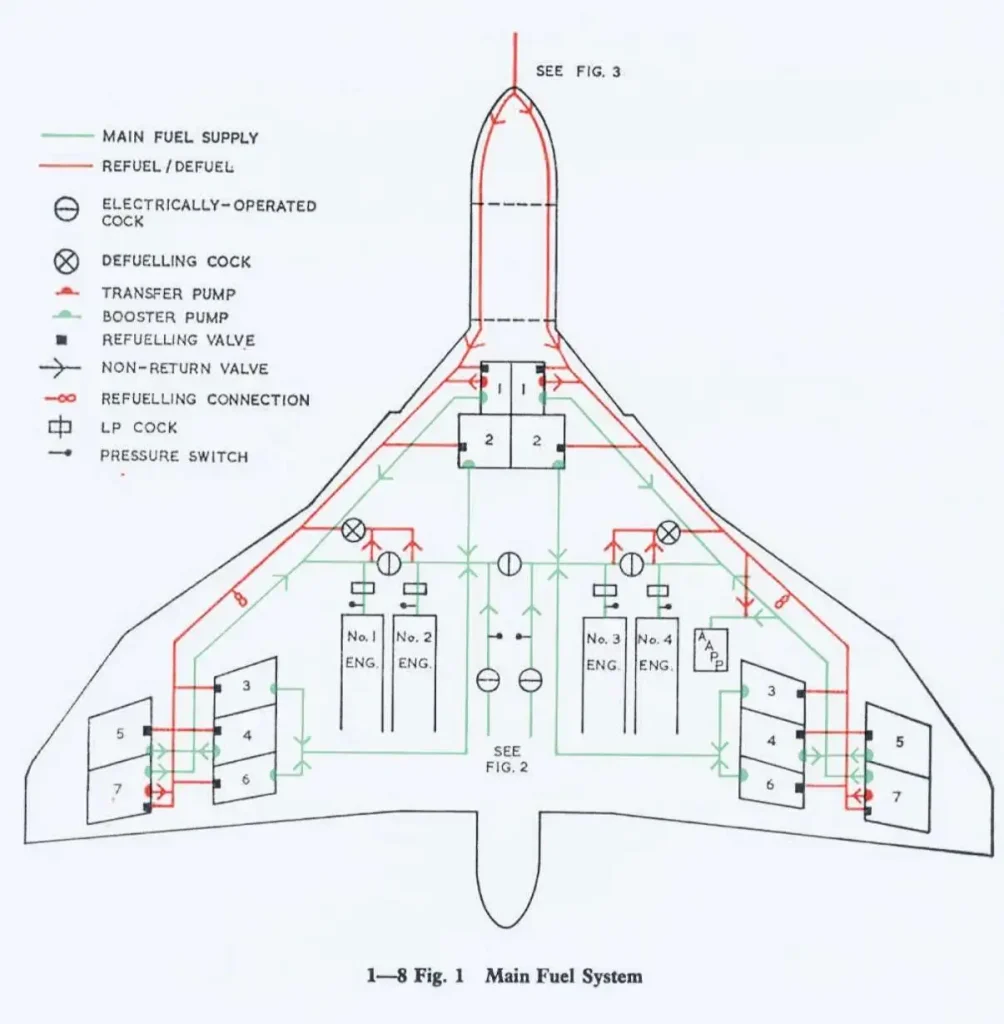
The Trust initially answered questions about a hydraulic leak, catch bowls behind the nose gear doors, tub placement, and drip trays. It said that before the engine runs began, the Vulcan to the Sky Trust engineers refueled XH558 for the first time in about three years. The engineers started with 21,000 pounds of fuel and filled it to roughly 46,500 pounds, which is about 65% full. It was the first time XH558 had been refueled in about three years. Since the refuel manifold has not been used for a while, some seals in the lines have dried out, causing a couple of leaks. Finding fuel leaks on aircraft is difficult because the fuel can spread through the airframe and leak out at the lowest points. The team found leaks in the No. 1 stbd line and in the No. 4 and No. 6 stbd lines. In its March 2026 newsletter, the Trust reported a leak in the No. 5 feed line and explained how it was ensuring that the refuel lines remain pressurized and that fuel is kept around the seal. Aircraft fuel contains benzene rings, which cause seals to expand, creating a very tight seal in the fuel lines to prevent fuel from leaking out.
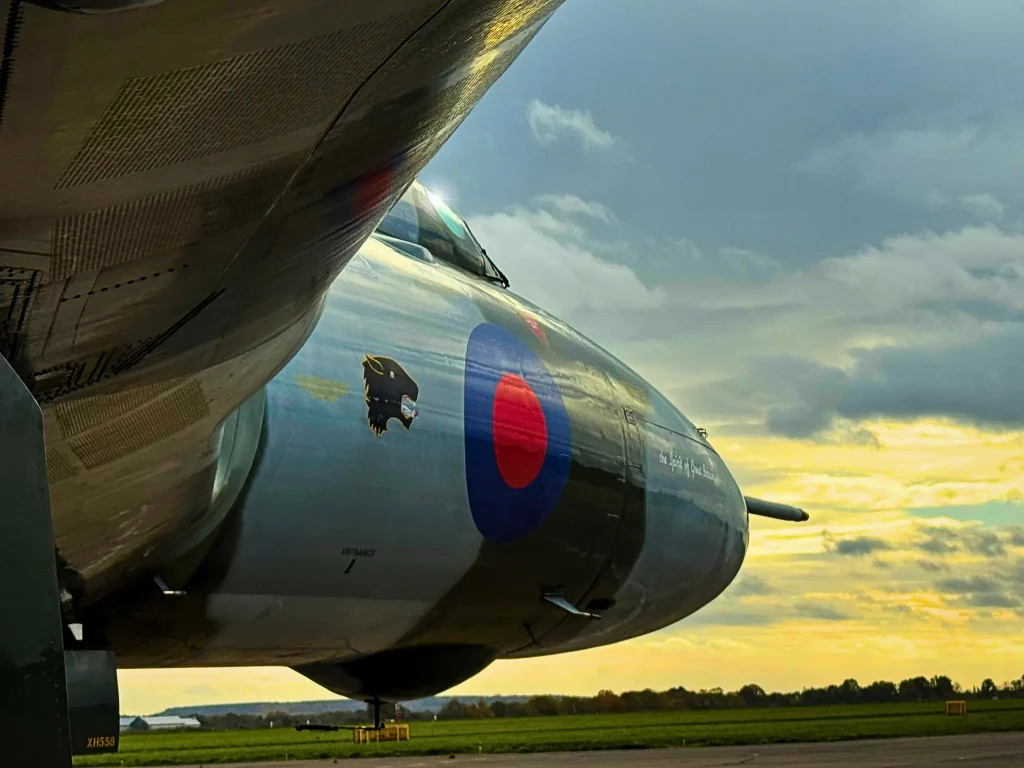
The solution is to let the seals sit in the fuel until they re-seat, a process that can take a couple of days. The leaks look worse from the outside because fuel can track inside the airframe. The surface tension and stickiness of the fuel cause it to cling to the aircraft’s interior structure, such as the formers and stringers. It runs down to the lowest points where it collects, forms drops, and drips from the aircraft. Depending on the fuel’s path, there can be several low points and multiple drips from the same leak location, according to the Trust. The Trust also removed the No. 4, No. 6, and access panels below the No. 2 fuel tank, and wiped the underside of the aircraft. It helped the team identify where the drips were starting and trace the leaks back to their source, and as expected, the leaks were coming from the seals in the refuel lines. In addition, the drip trays seen in the live video caught the fuel and protected the ground under the aircraft. The collected fuel did not go to waste as the team filtered it and fed it into the air starter unit on the right side of the aircraft during ground starting.
Flight Tests of Vulcan XH558
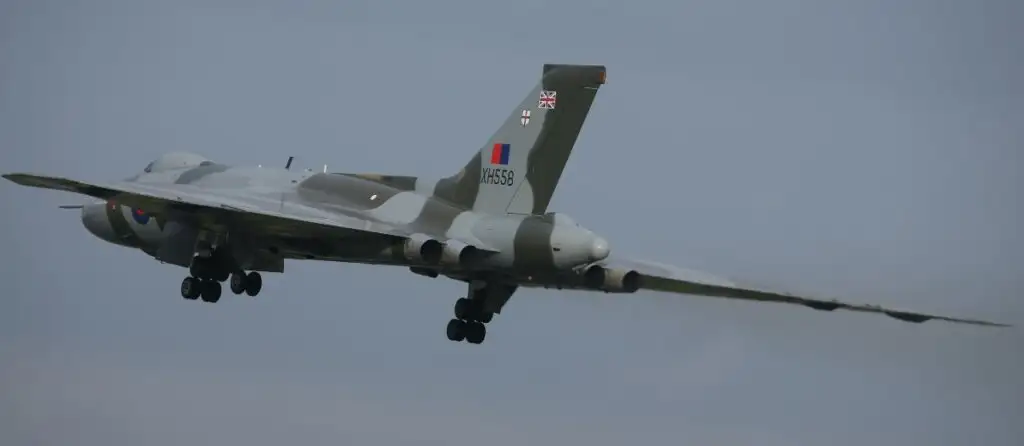
In the next part, the Trust answered whether the Vulcan XH558 would ever fly again, and unfortunately, it would not. The Vulcan aircraft cannot fly for several reasons, mainly because it is classified under the CAA BCAR (British Civil Airworthiness Requirements), section A, chapter A8-25, including supplement 2. The Vulcan is considered a complex airframe, and to obtain a CAA permit to fly, all original equipment manufacturers and a licensed engineering authority must oversee and inspect all work done on the aircraft. Since the Vulcan is 66 years old, most experts who understood this aircraft have retired, and this is why Vulcan XH558 stopped flying in 2015, the Trust explained. Additionally, most systems on the aircraft are original, except for the avionics and navigation, which means they are more likely to fail with age, no matter how well the aircraft is maintained. However, the airframe itself could also have issues. Answering the next question, whether XH558 ever taxis on the runway, the Trust answered that the aircraft’s maintenance log books are kept up to date, and it conducts annual servicing and checks to ensure the aircraft is safe and functional. The Trust added that it is in early discussions with the airport about the possibility of fast taxi runs and is looking into the necessary servicing procedures that must be carried out beforehand. “Our main concern and priority at the moment, however, is trying to get the aircraft under cover as soon as we can,” the Trust added.
Status on Engines
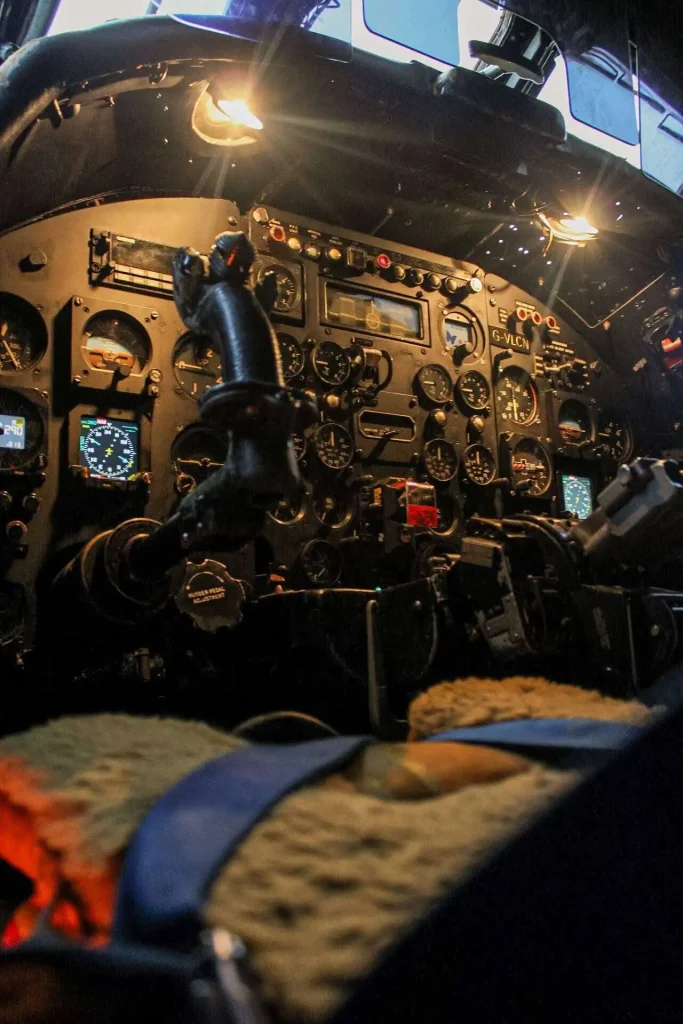
In the live stream, some noticed that only three engines of XH558 were operating. Answering this, the Vulcan to the Sky Trust said in early 2026 that it noticed a vibration in the cockpit when the team started the No. 4 engine. The cause could be a fault in the Constant Speed Drive Unit (CSDU), a gearbox problem, or even chipped or misaligned compressor blades. Later, the Trust ran the No. 4 engine at idle with the engine doors open to find the source of the vibration. The team discovered that the issue was with the gearbox. However, the mag chips from the gearbox were clear of metallic particles, indicating that the gearbox is operating normally and the problem is likely with the bearings. As a result, the Trust implied that it is safe to run the No. 4 engine and that it will run it occasionally as part of the maintenance schedule to prevent deterioration. However, during the live stream, the team did not use the engine to avoid worsening the gearbox problem and causing irreparable damage. The aircraft is old, and finding spare parts can be difficult. The Trust said it has a couple of spare gearboxes, but replacing them takes a lot of time and requires specialized equipment. Therefore, it will perform this maintenance during the aircraft’s winter servicing. Some people asked if it is frustrating for those involved with the airplane to run the engines and use a hydraulic rig for the flight controls, bomb bay doors, and spoilers just to create the illusion of a functioning aircraft? Answering this, the Trust said, the Vulcan aircraft works differently from regular planes like airliners. It doesn’t need a separate hydraulic system to control its flying features.
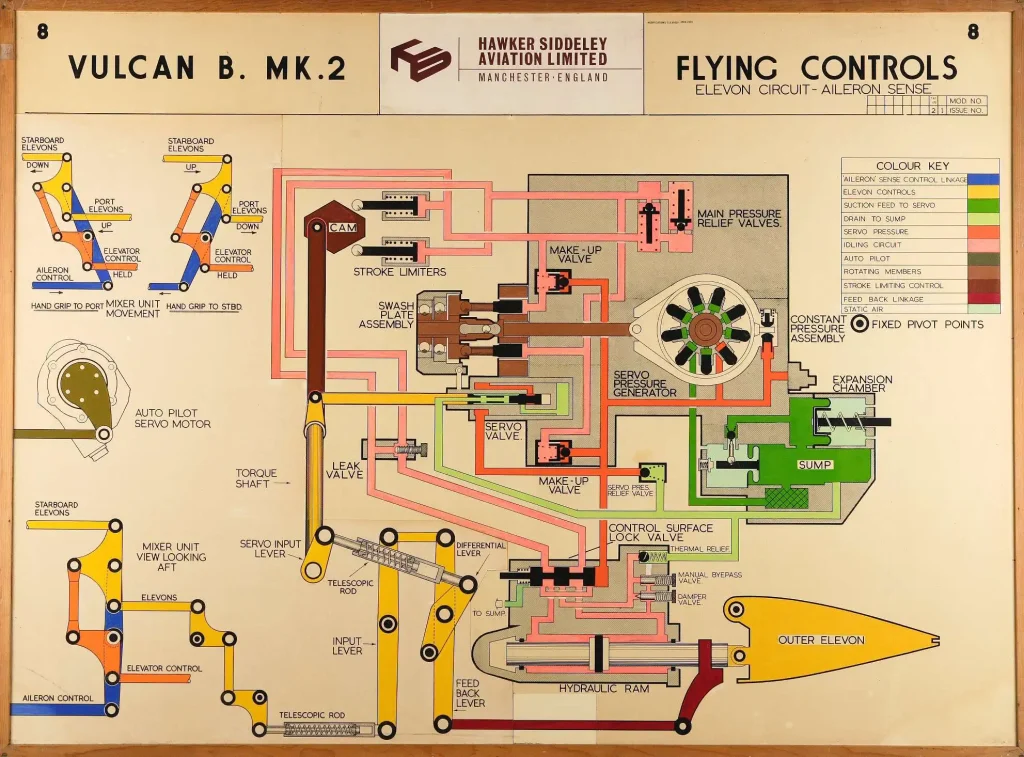
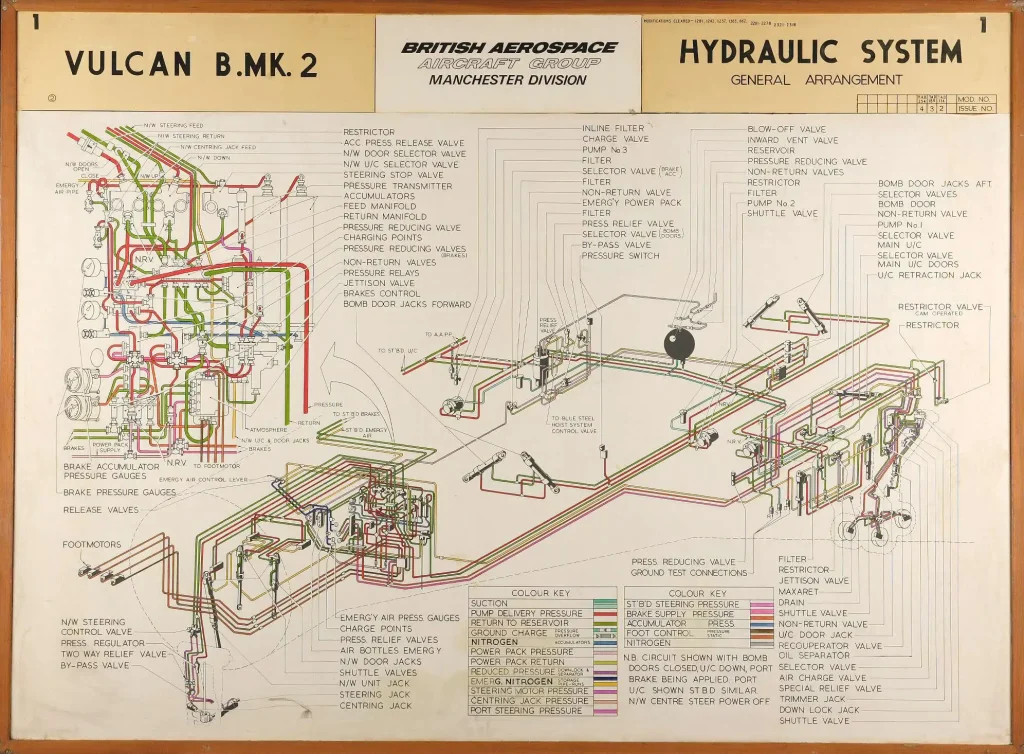
Instead, it uses Powered Flying Control Units (PFCUs), each with its own motor and hydraulic reservoir, meaning each PFCU is separate from the main hydraulic system. In addition, engines 1, 2, and 3 have hydraulic pumps that connect to the main hydraulic system to control the landing gear, brakes, bomb bay doors, and air scoop. The main hydraulic system also includes a backup system called the Emergency Hydraulic Power Pack (EHPP). If any engine or hydraulic pump fails, the EHPP can provide backup pressure. The Trust said it uses this backup to open the bomb bay doors when the engines are not running. The hydraulic system is safe in emergencies. In the event of a complete hydraulic failure, the landing gear will automatically drop and lock in place. However, the nose gear might not lock properly when it drops forward. To ensure it locks down, the system has nitrogen bottles that can provide extra pressure. During this process, the hydraulic system can’t be re-pressurized, according to the Trust. The PFCUs are separate from the main hydraulic system to remain pressurized and keep the aircraft controllable even when the hydraulic system fails. “This means that if you get complete hydraulic failure, your landing gear will be down and locked, and the aircraft will be fully controllable, meaning that the aircraft can still land safely,” the Trust explained.
Why Safeguard the Aircraft if it Won’t Ever Fly
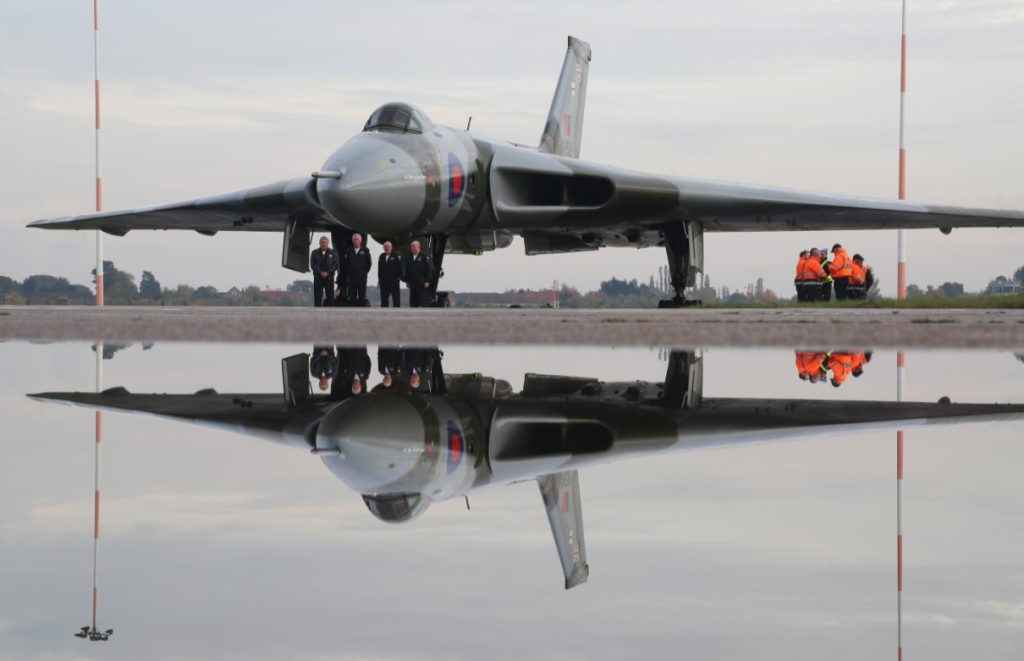
Finally, in the live stream, people asked why run the engines if it’s never going to fly again? To this, the Vulcan to the Sky trust said, running the engines keeps the aircraft operational and inspires the younger generation. It helps supporters remember their special moments with the aircraft and provides valuable experience for apprentices who want careers in aviation. Additionally, it helps to prevent deterioration and keeps the systems healthy and functioning well. Overall, the main aim is to safeguard Vulcan XH558 for future generations. For more information, visit www.vulcantothesky.org




















My God she is beautiful and evil. Long may she be around. Been with her since 1988. VA