







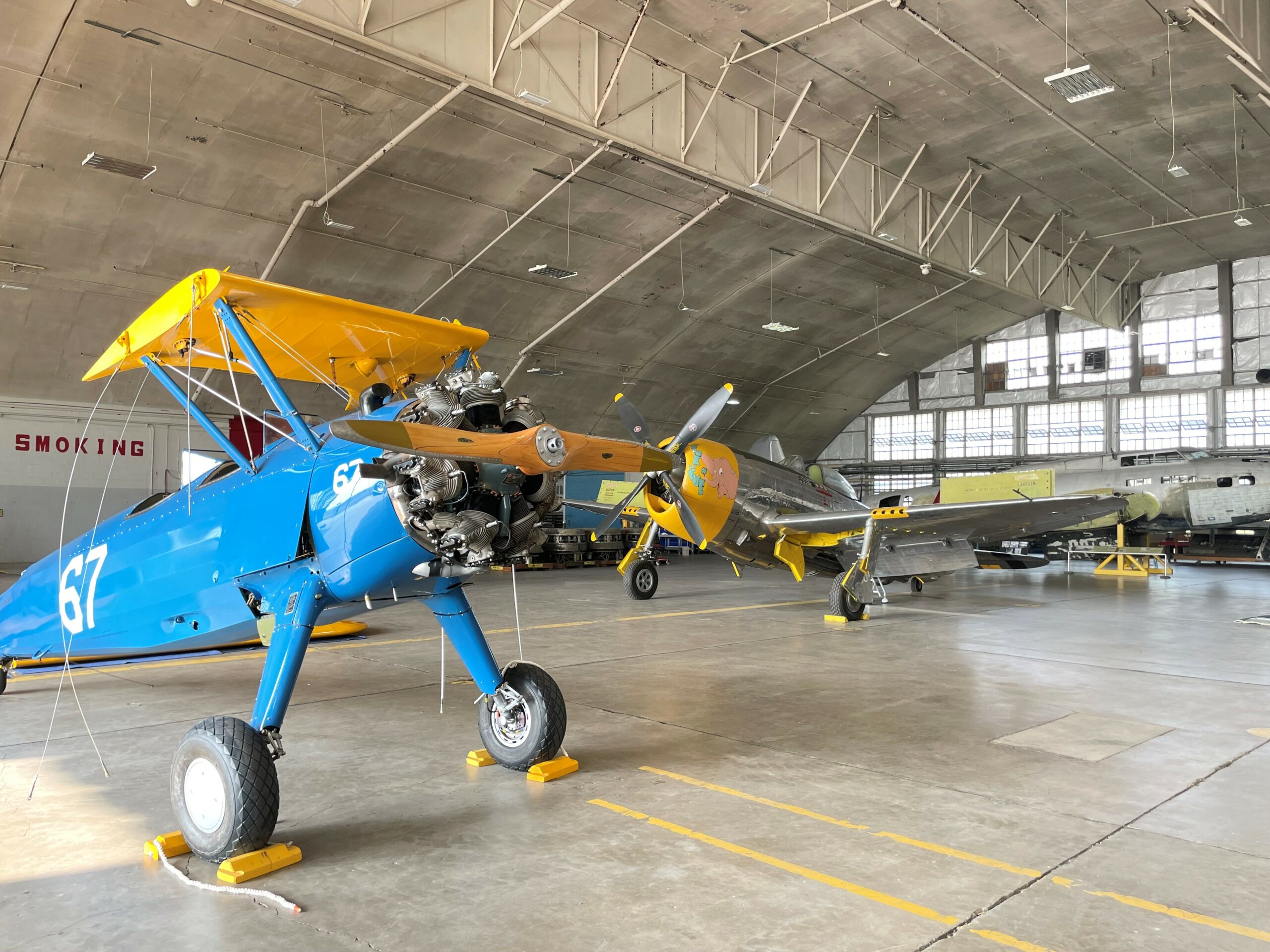
In 2023, the American Heritage Museum acquired a Republic P-47D Thunderbolt as part of an exchange with the National Museum of the United States Air Force (NMUSAF), trading its Tuskegee PT-17 Stearman for the fighter (click HERE for our article). Built at Republic’s Evansville, Indiana plant as P-47D-40-RA c/n 399-55706, the aircraft was accepted into U.S. Army Air Forces service on May 29, 1945, as serial number 45-49167.
Following its acceptance, the Thunderbolt served at various bases in Texas, Kansas, and Oklahoma. In 1952, it was transferred to TEMCO Aircraft in Dallas, Texas, under the Reimbursable Aid Program as a test airframe at Hensley Field (now Grand Prairie Armed Forces Reserve Complex). Its final USAF posting was with the Caribbean Air Command at Albrook AFB in the Panama Canal Zone. On March 16, 1953, it was officially retired from U.S. service and reassigned to the Fuerza Aérea del Perú (Peruvian Air Force) as FAP 540. Later re-serialed as FAPe 116, the aircraft was placed into storage by 1963.
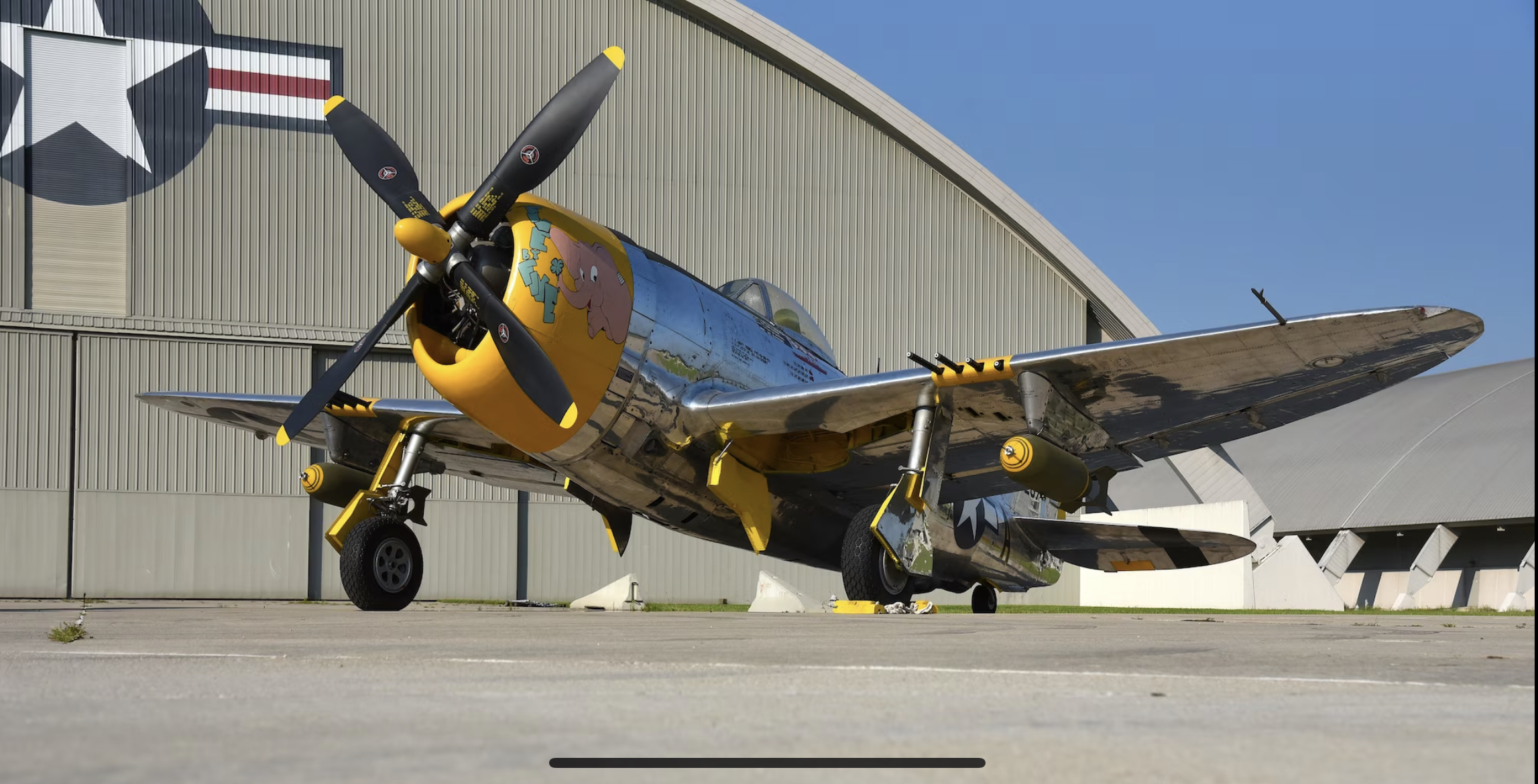
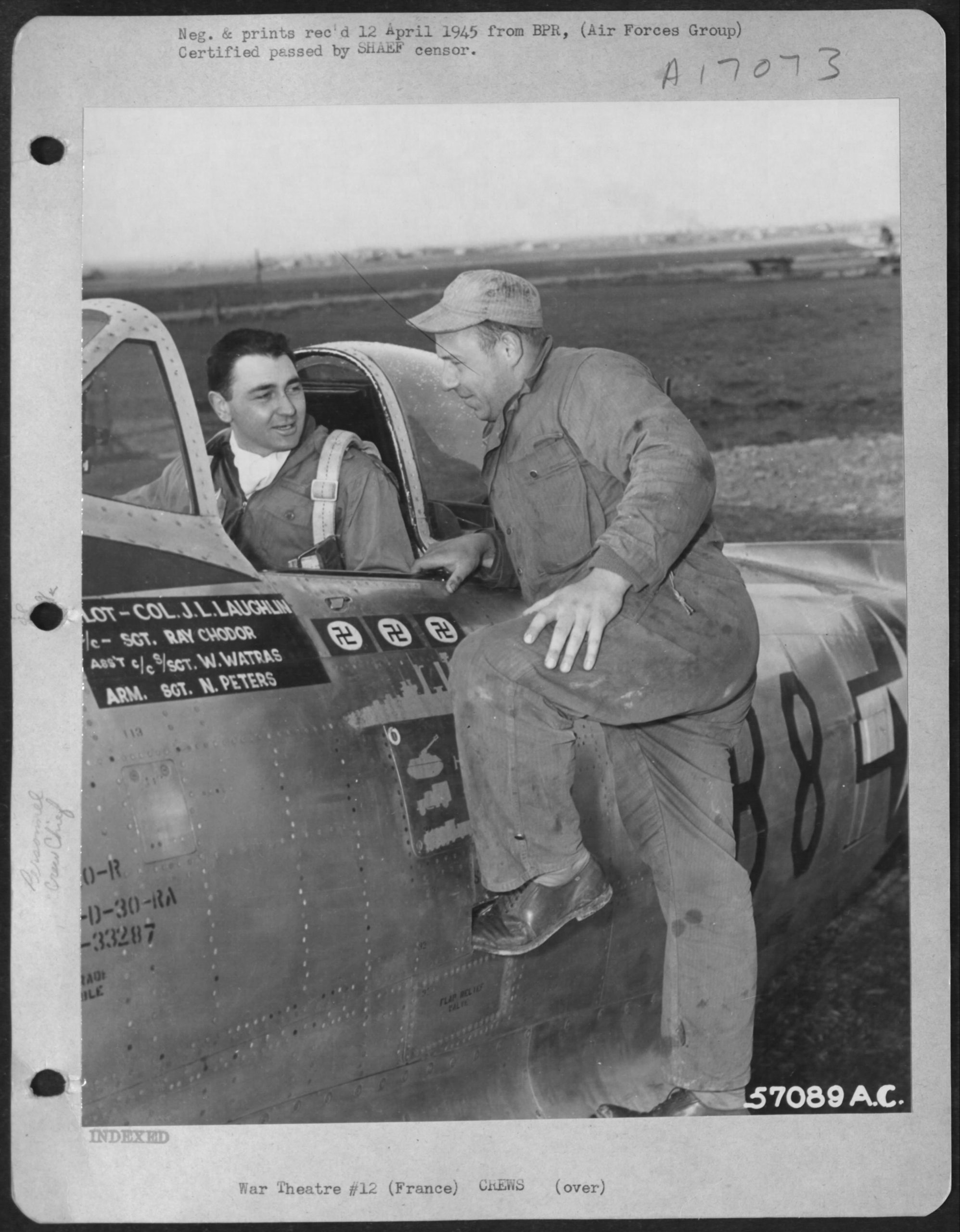
In 1981, the NMUSAF carried out a cosmetic restoration and repainted the aircraft as “Five by Five,” replicating the P-47 flown by Colonel Joe Laughlin, Commanding Officer of the 362nd Fighter Group, 9th Air Force, in 1944. In recent years, however, disassembly revealed that the fuselage and wing structures required significant restoration to make the aircraft airworthy once again.
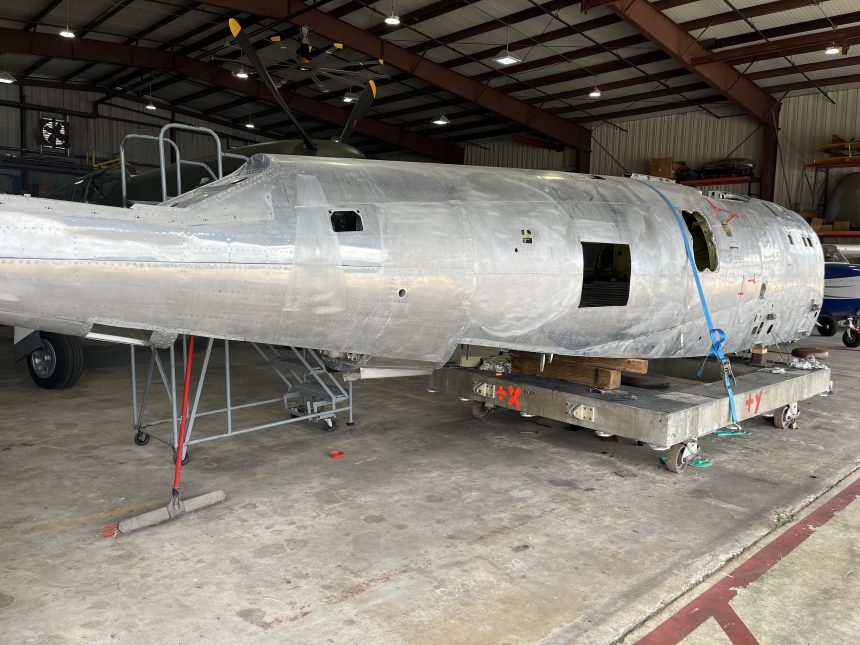
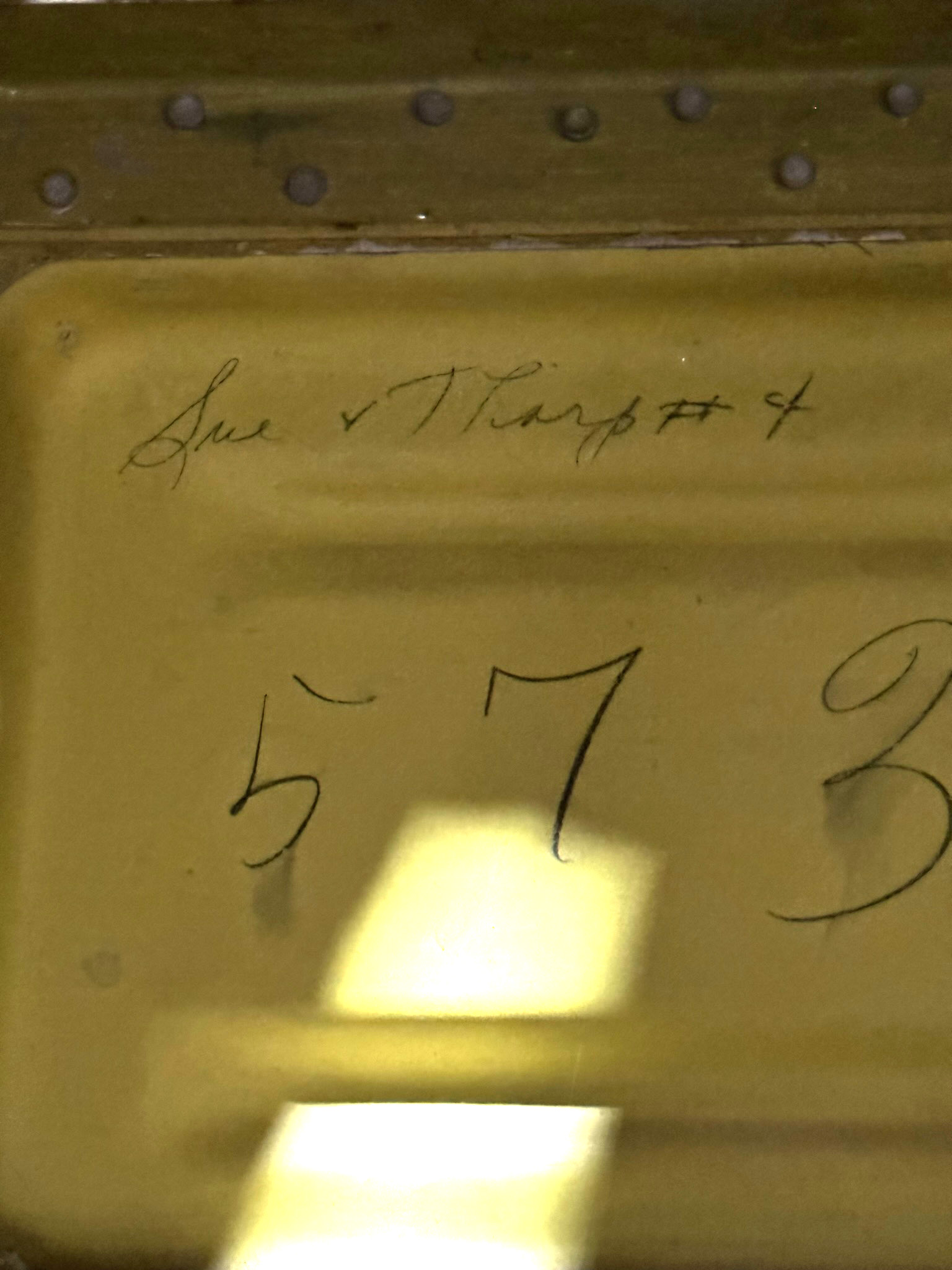
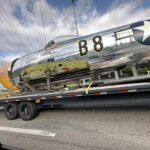
The Thunderbolt is now undergoing a full restoration to flight by American Aero Services in New Smyrna Beach, Florida, under project manager Ashley Ezell. The cockpit and internal fuselage have been stripped, cleaned, and treated for corrosion, with preservation efforts underway for original factory markings—including signatures left by Republic factory workers, known as “Rosie the Riveters.”
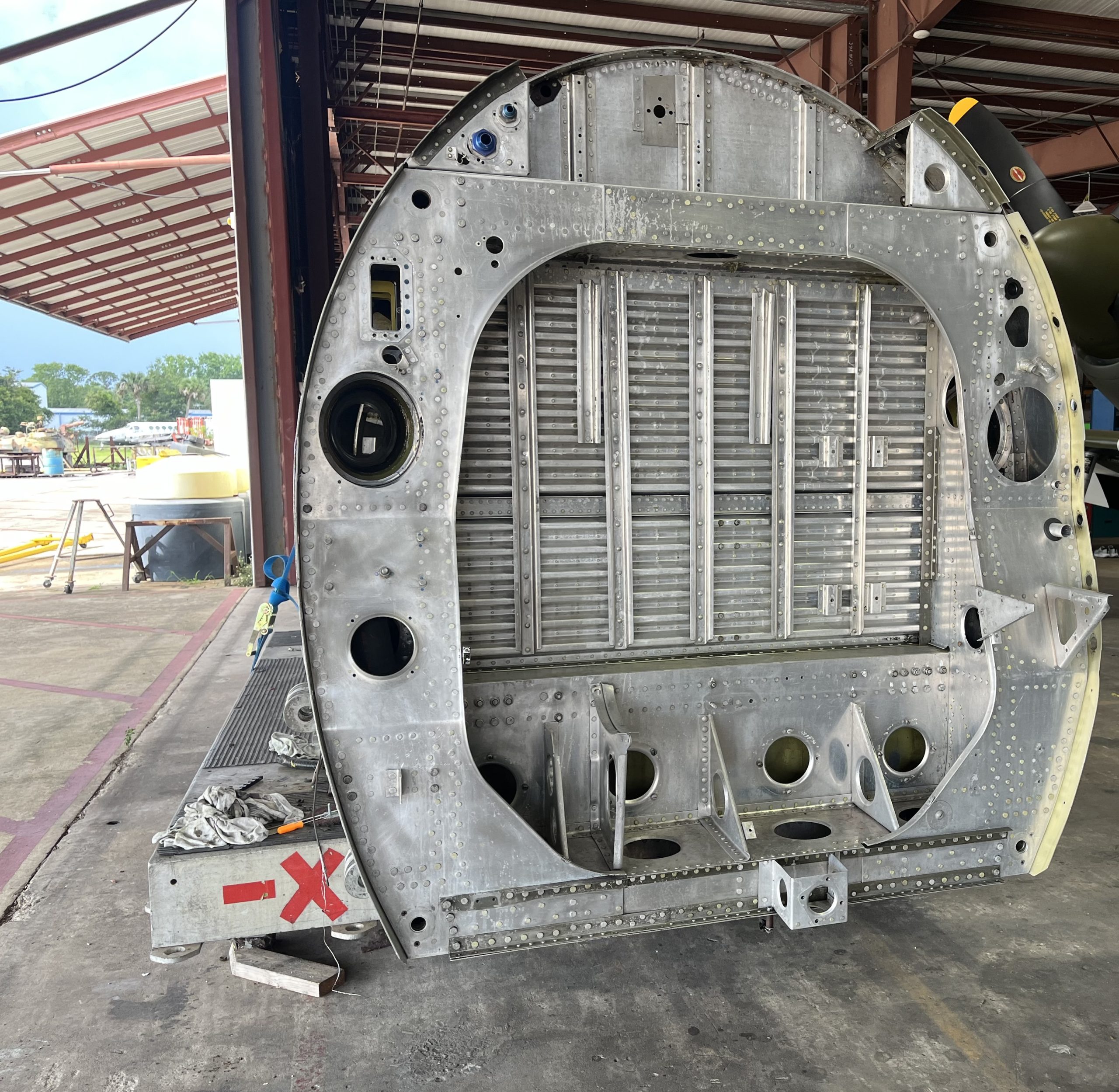
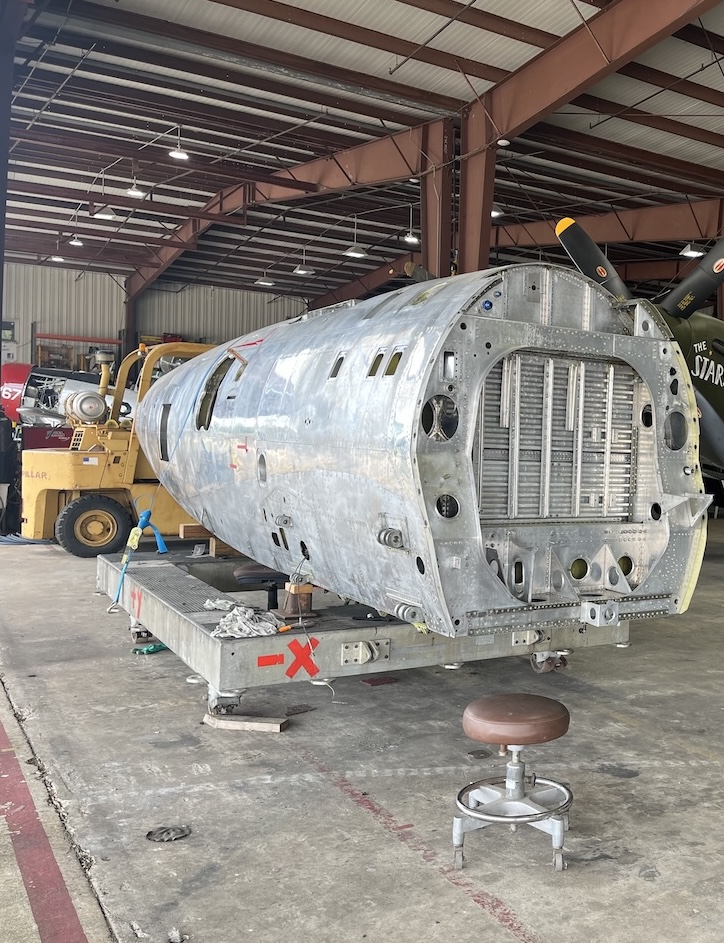
In February 2024, during disassembly, a hidden bulkhead behind the pilot’s seat was found to bear the handwritten name “Sue Mary E. Tharp,” untouched since the aircraft’s production in 1944. An appeal to identify the signer led to the discovery that she was Mary Edith Tharp, a Republic Aircraft employee who worked on fuselage bulkheads and the turbosupercharger section. The identification came through her great-nephew, pilot Chad Halterman of Martinsville, Indiana, who recognized her name from social media posts. Tharp, who passed away in 2015 at age 91, was also an accomplished athlete for the Republic Raiderettes women’s basketball team. Her family intends to donate her memorabilia to the American Heritage Museum.
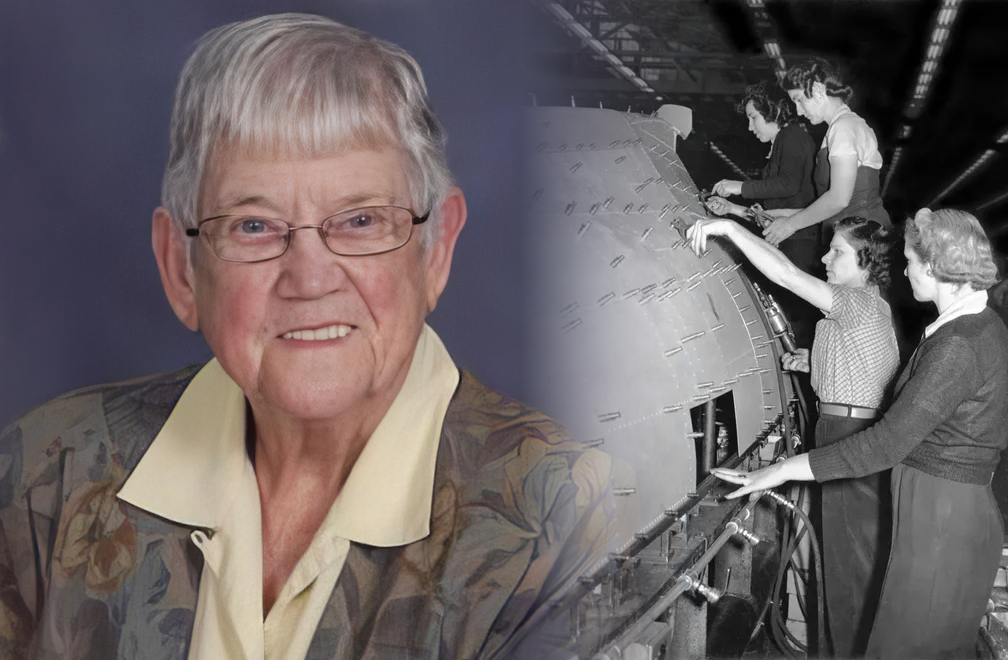
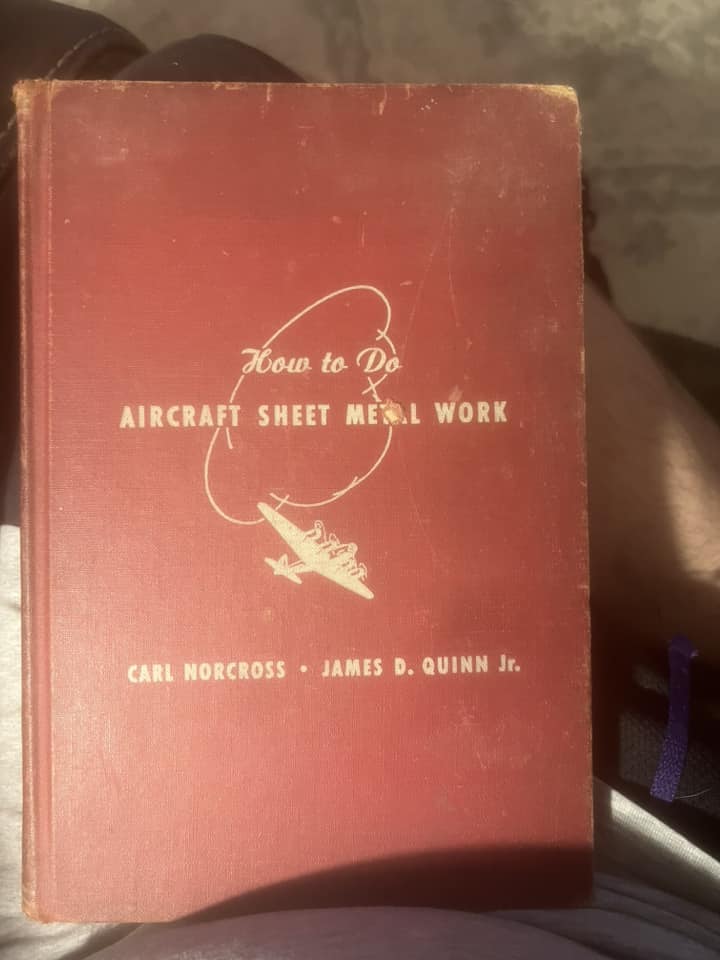
Over the past year, the restoration team has carried out extensive structural repairs to the airframe and wings, reversing decades of wear from its Peruvian service and exposure to the elements during its time as an outdoor display in Florida in the 1970s. The next phase will involve rebuilding the turbosupercharger system and overhauling the Pratt & Whitney R-2800-59 engine. Once complete, the P-47D will return to the American Heritage Museum, where it will serve as a centerpiece in a planned aviation wing expansion. The project aims not only to restore the aircraft’s combat-era capabilities but also to preserve the personal stories of those who built and maintained it—ensuring both engineering heritage and human history remain alive in the skies. For more information and to support this project, visit www.americanheritagemuseum.org
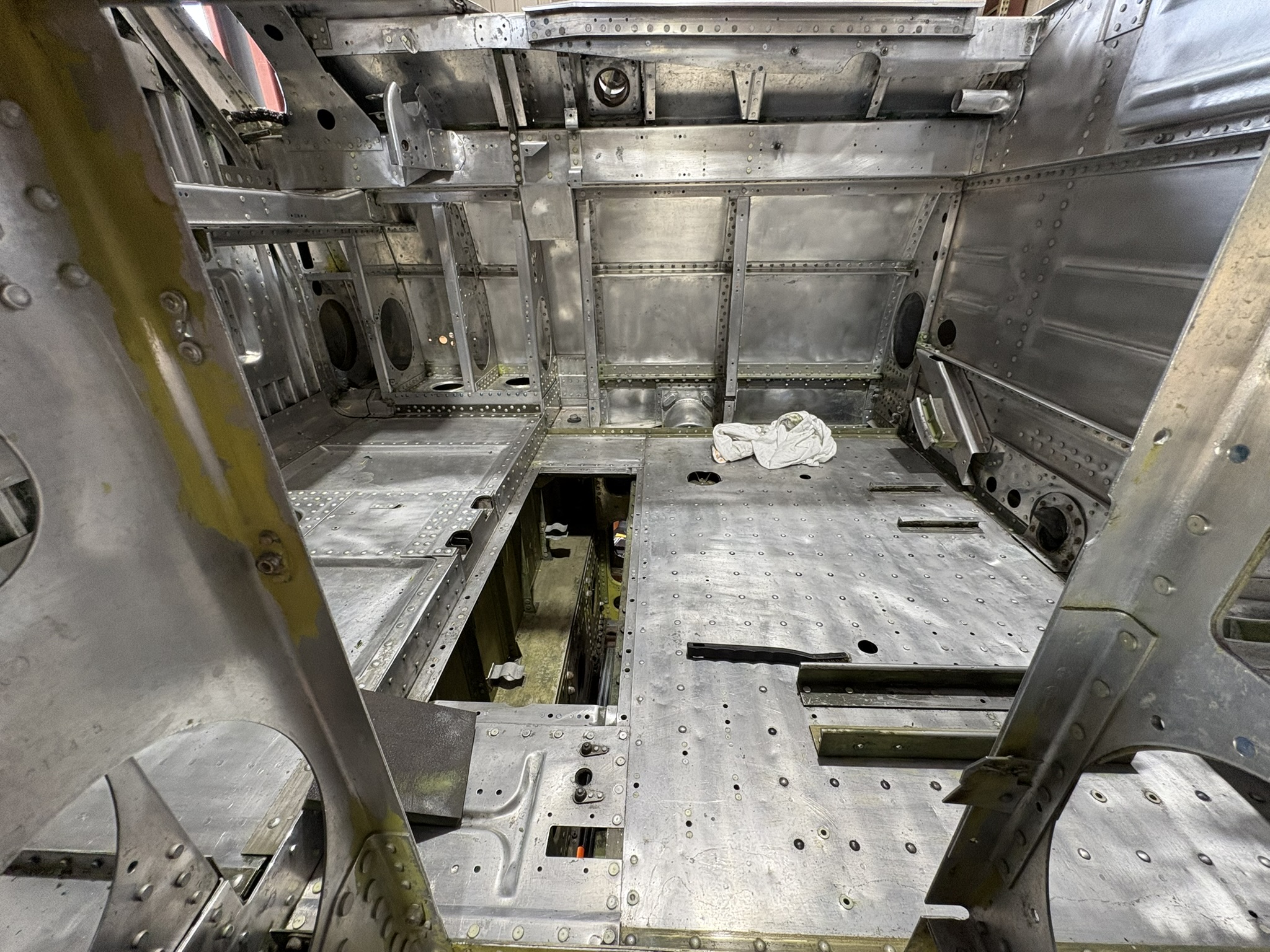
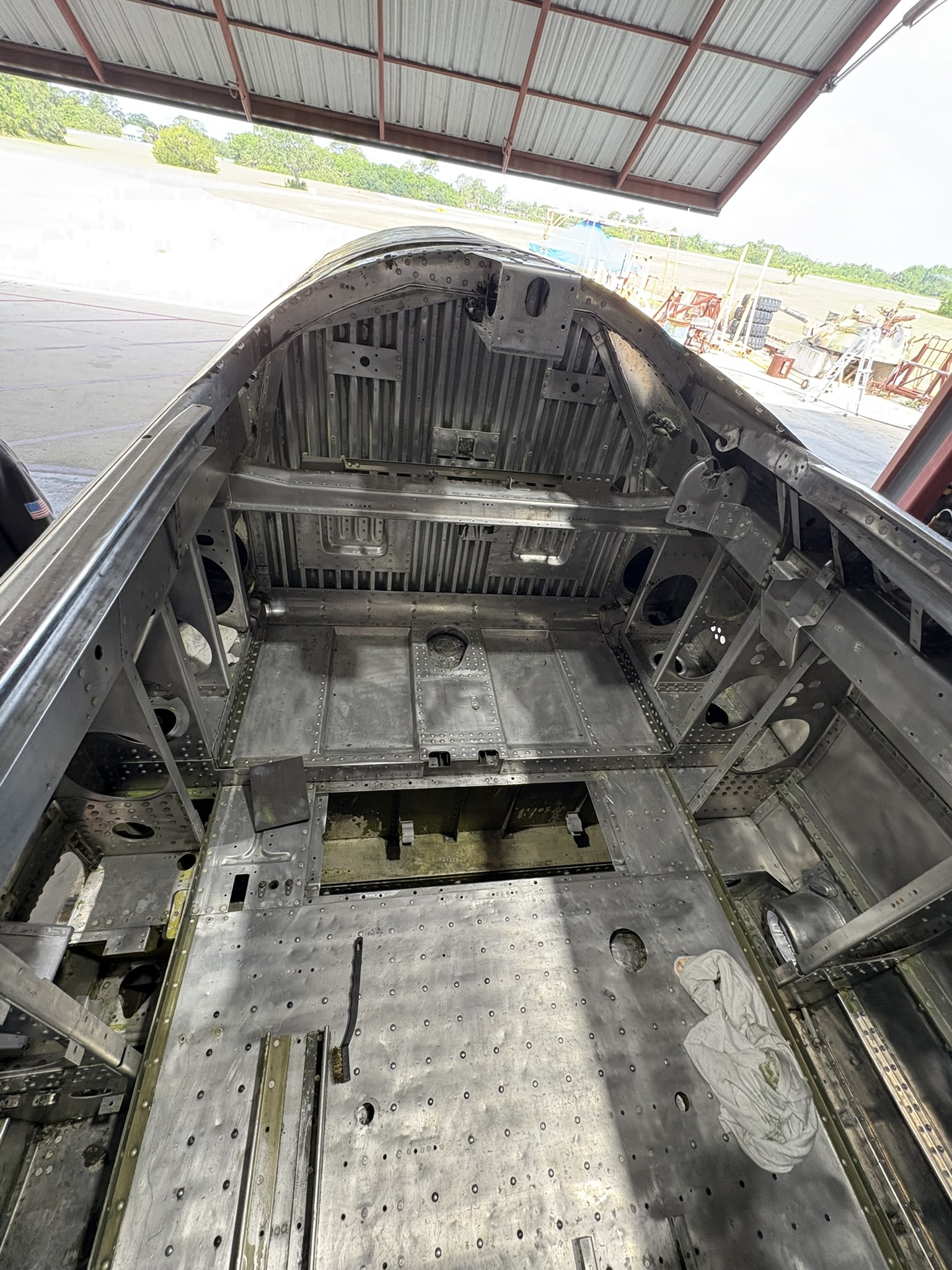







I had never fully realized how large an aircraft this was for a fighter.
Thank you for all the time and $$$ you are investing in these amazing warbirds. Keep me on your list.