
(Image credit: VAN)
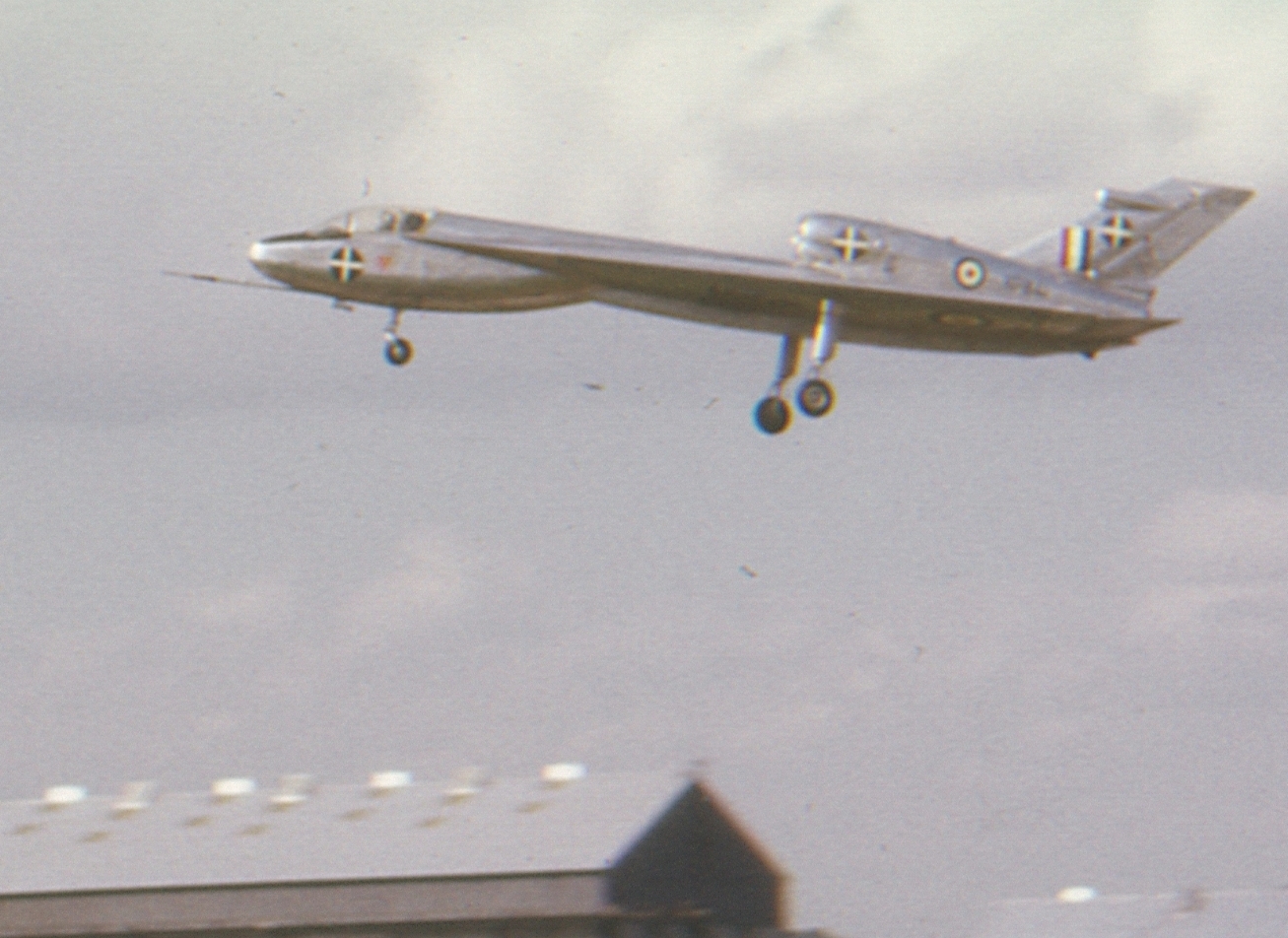
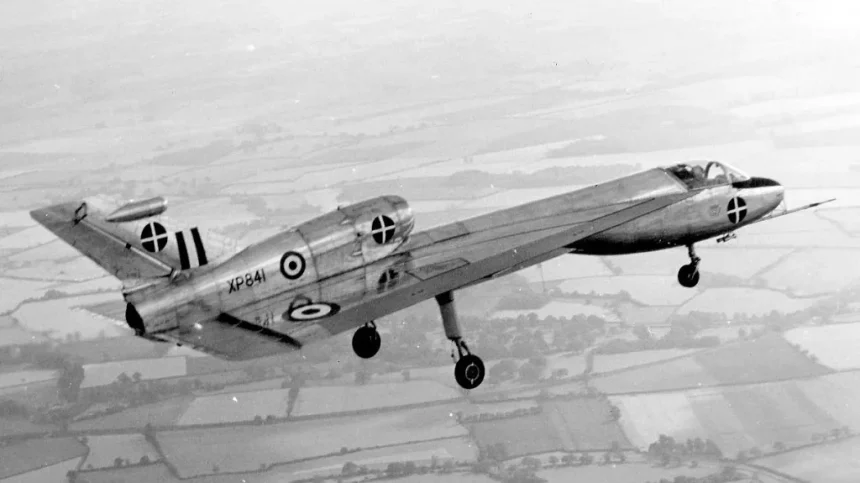
On August 17, 1961, the Handley Page HP.115, a British experimental delta-winged aircraft, took to the skies for the first time. Developed by Handley Page as a test-bed for the Royal Aircraft Establishment (RAE), the HP.115, nicknamed the Needle, was designed to explore the low-speed handling characteristics of slender delta wings, with an eye toward future supersonic airliners like the Concorde.
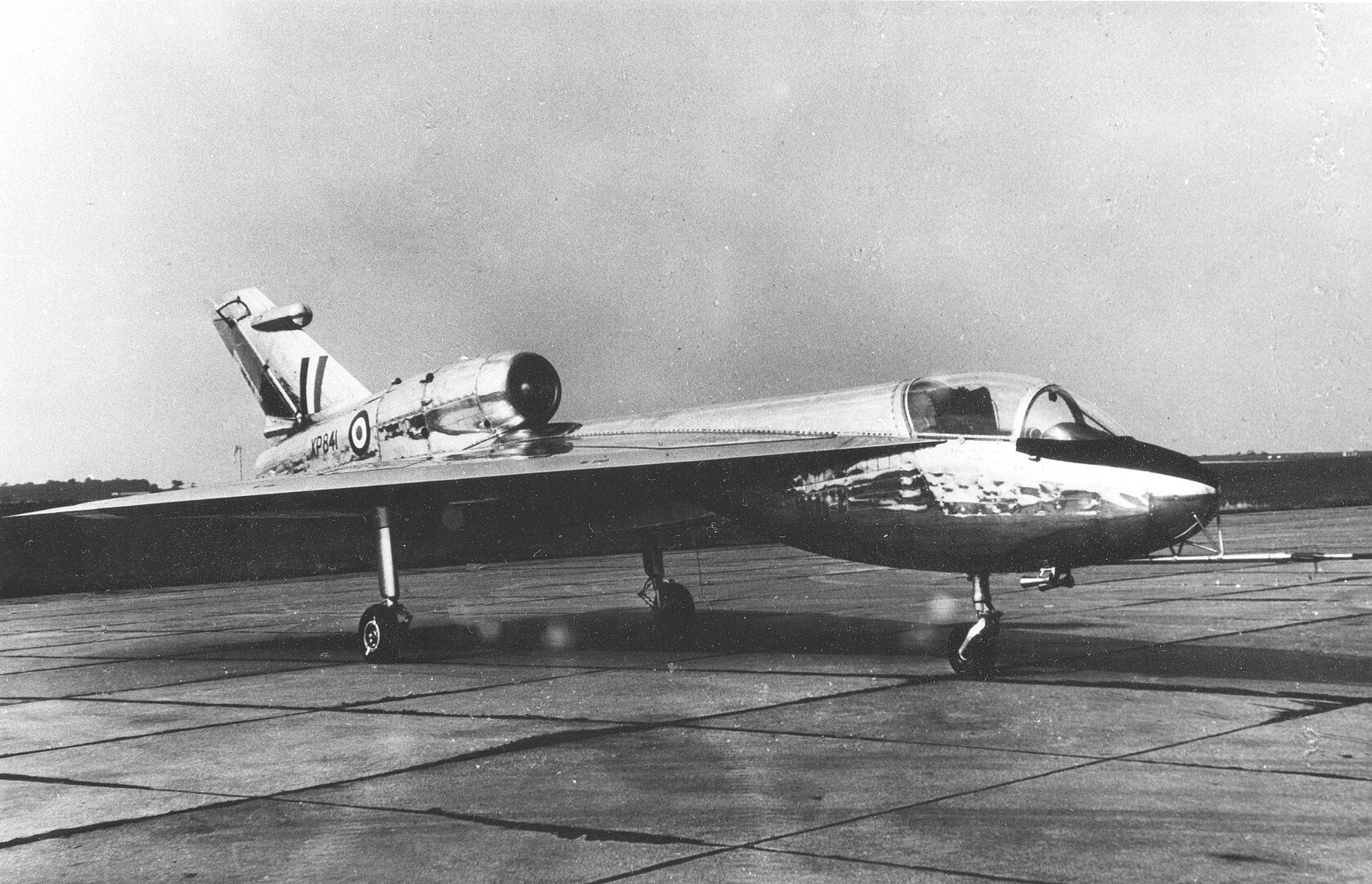
The HP.115, measuring 50 feet 4 inches in length with a 20-foot-6-inch wingspan, was powered by a Bristol Siddeley Viper BSV.9 turbojet engine delivering 1,900 pounds of thrust. Capable of reaching 248 miles per hour with a 40-minute endurance, the aircraft was built to test the lift-to-drag ratio and optimal delta wing configuration—sweep, wingspan, incidence, length, and airfoil—for balancing high- and low-speed performance. This research was critical for supersonic transport (SST) development.
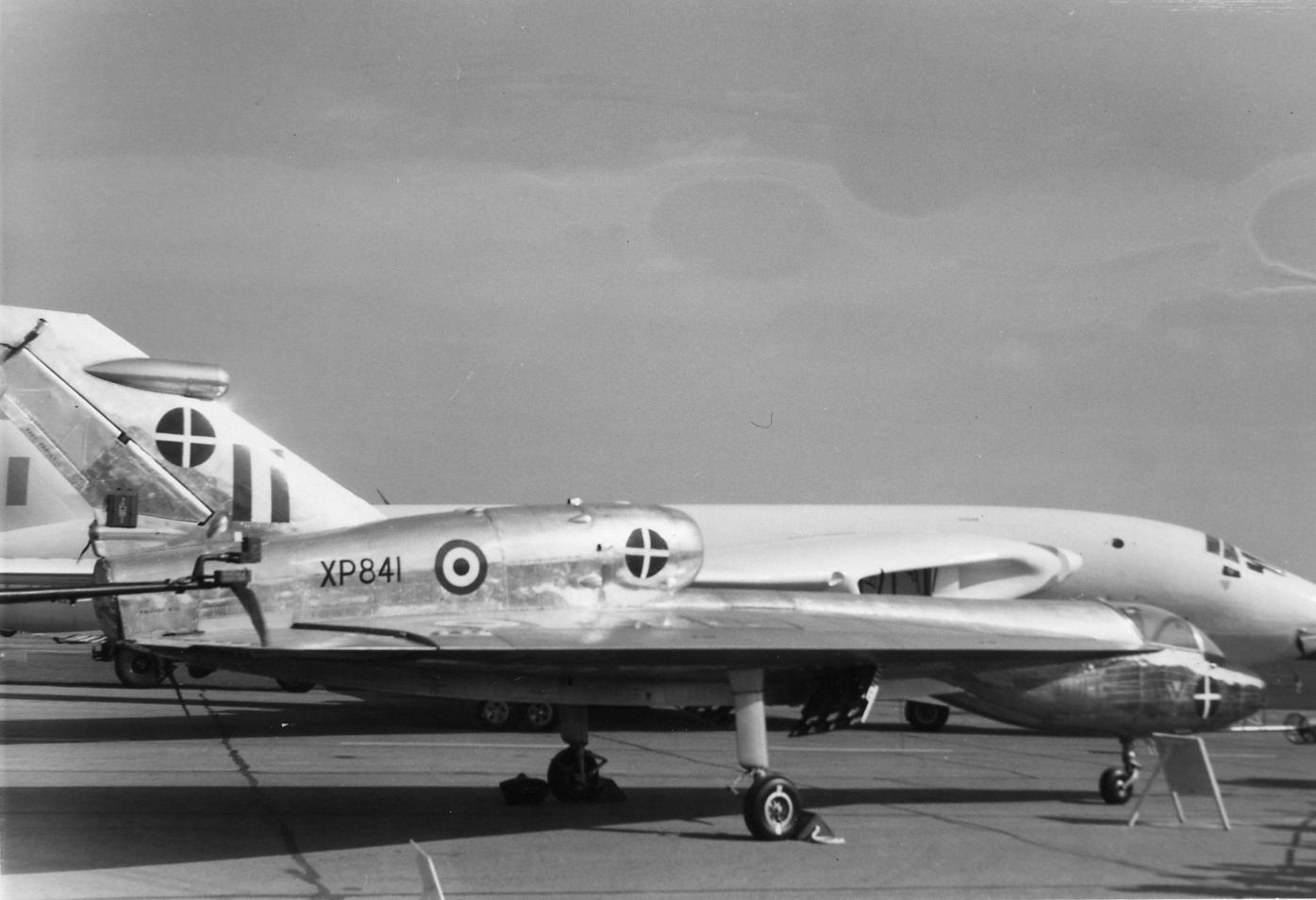
Piloted by J.M. Henderson at the RAE in Bedford, the HP.115, bearing the serial XP841, embarked on its maiden flight, kicking off a series of tests to validate delta-wing performance. The aircraft demonstrated remarkable control at low speeds, handling rapid bank changes at airspeeds as low as 69 miles per hour—significantly outperforming contemporaries like the Lockheed F-104 Starfighter in low-speed controllability. These findings directly informed the design of the Concorde, which first flew on March 2, 1969. Though a single prototype, the HP.115 proved its worth as a pioneering platform for aviation innovation. The sole Needle, XP841, survives today, displayed at the Royal Naval Air Station Yeovilton alongside a BAC 221 and a Concorde, testaments to its lasting impact on supersonic flight.