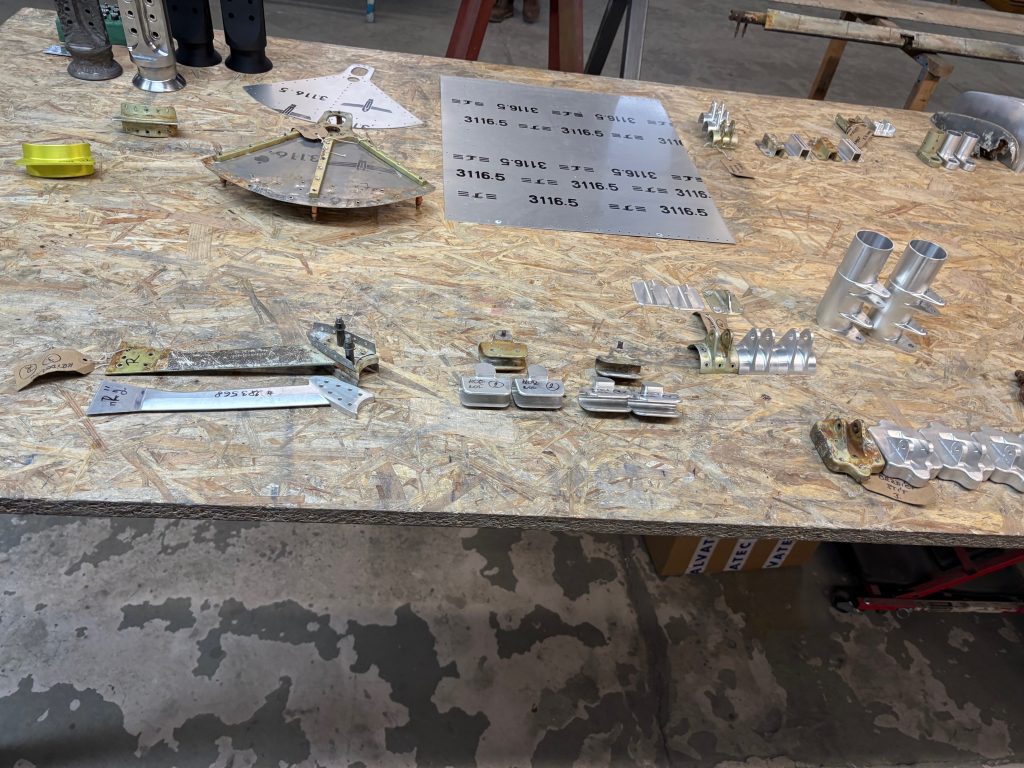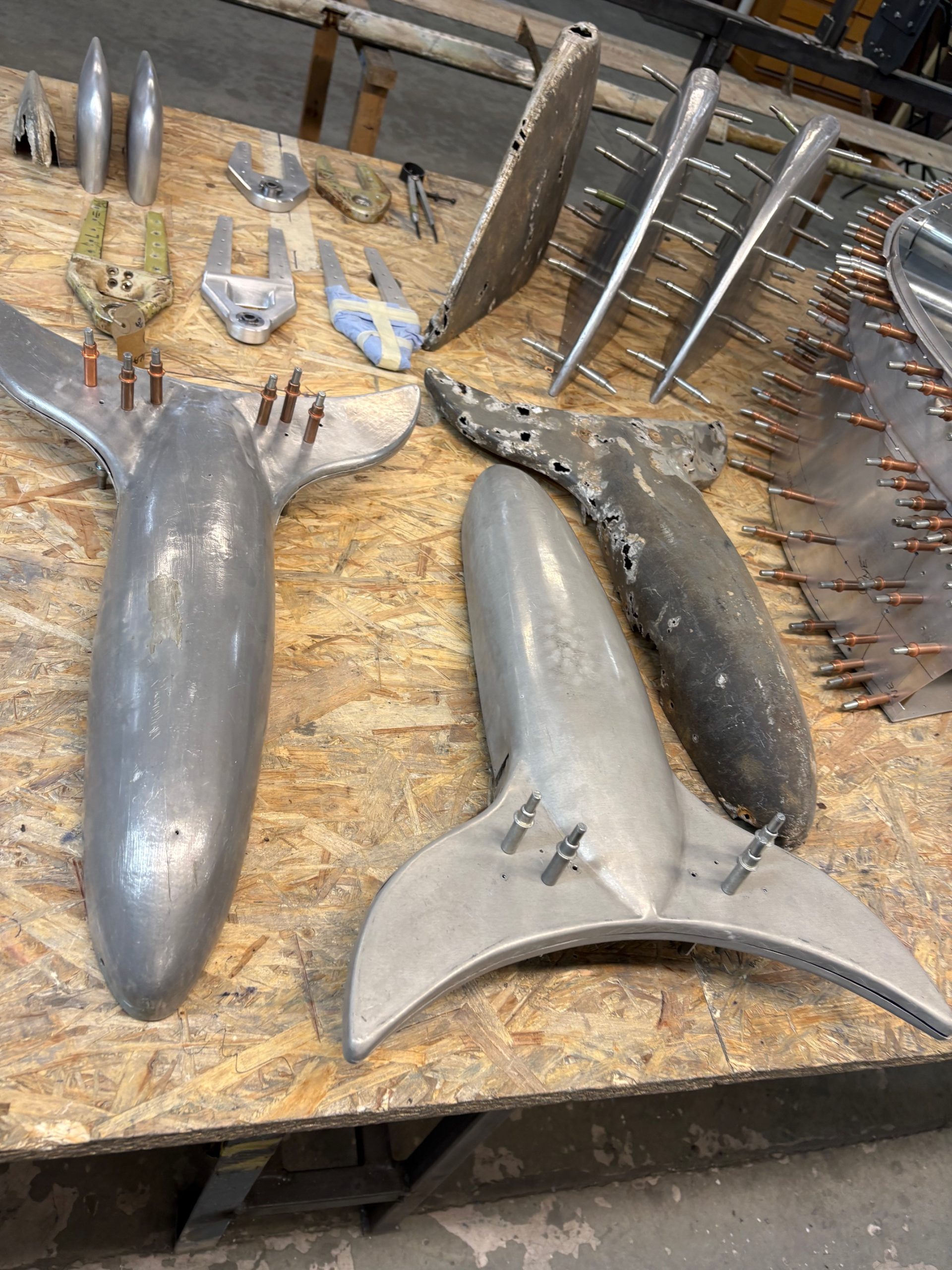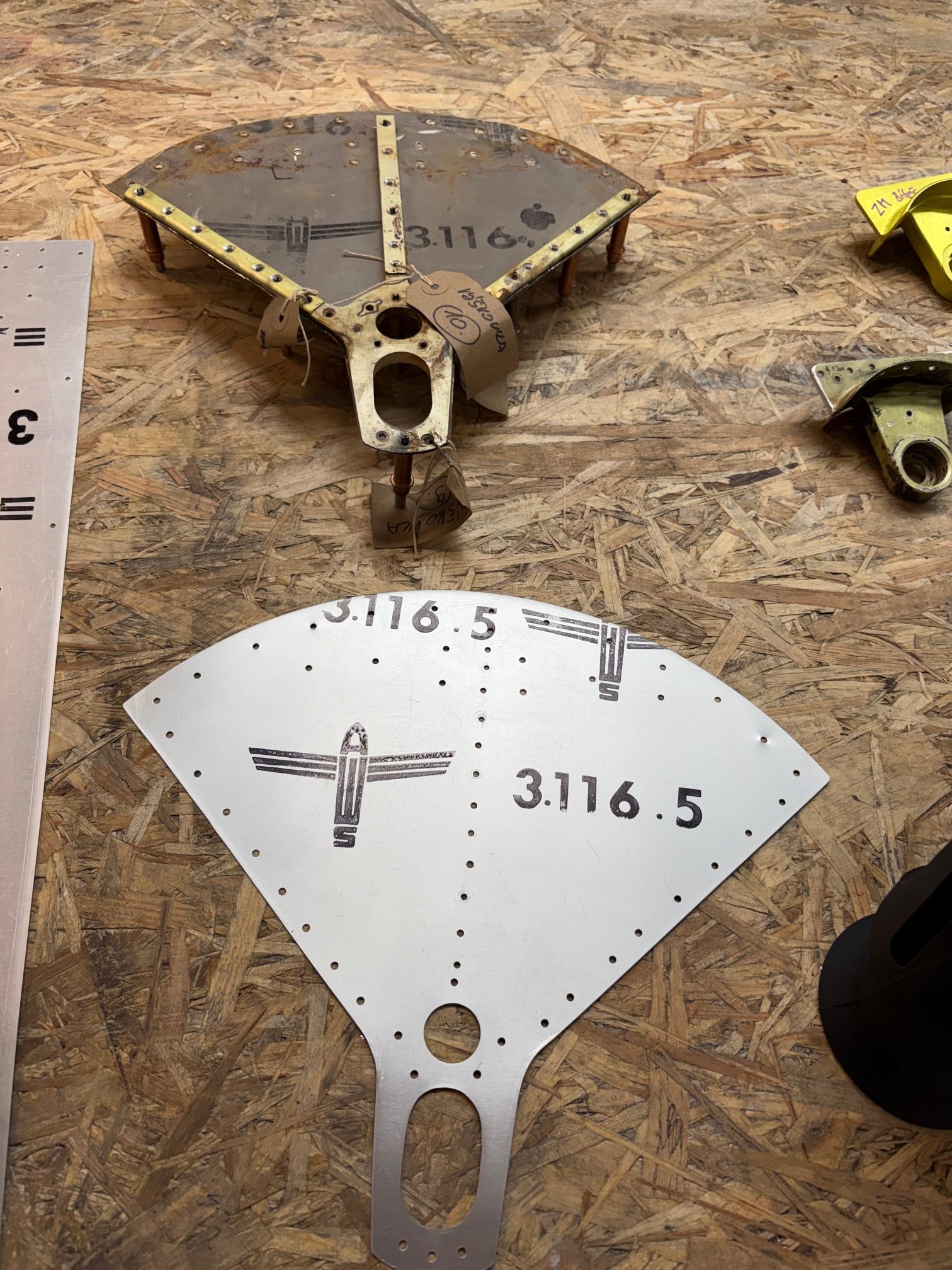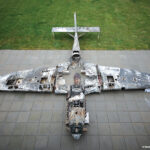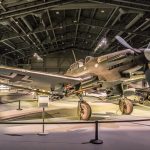
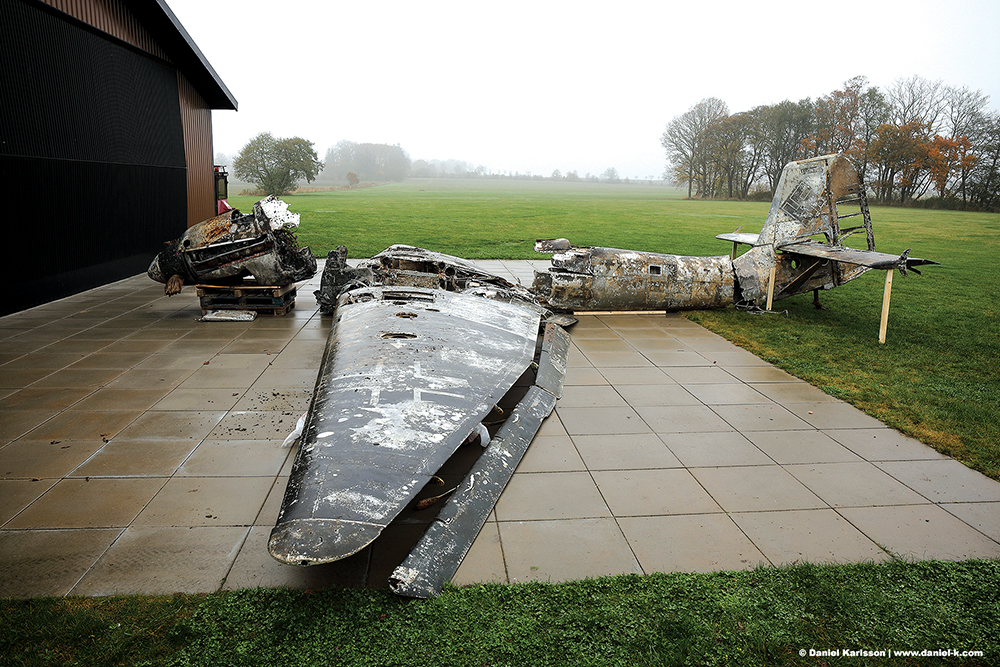

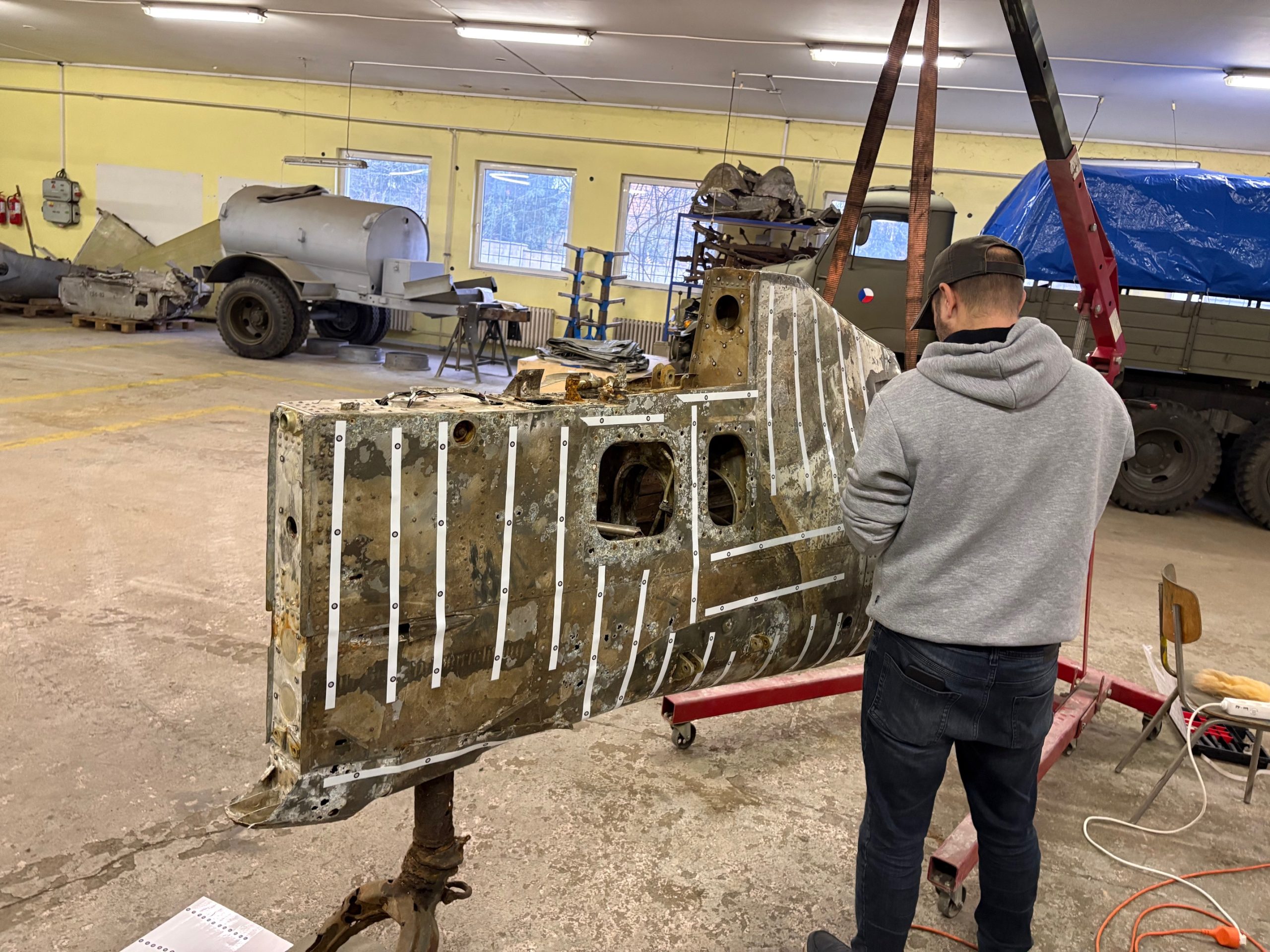
The American Heritage Museum’s ambitious restoration of a Junkers Ju 87 Stuka has continued to gain momentum since its June 2025 update, with recent remarks from museum founder Rob Collings revealing significant progress as the project moves from component rebuilding toward full structural assembly. In the June 2025 report, the Stuka project was already notable for its scale and complexity. The aircraft, which had been recovered in a heavily damaged state, required extensive reconstruction, with teams in Europe fabricating major structural components and recreating missing systems. At that stage, much of the work focused on rebuilding the aircraft’s framework, including wing structures and control surfaces, while also addressing corrosion and material challenges unique to German wartime manufacturing.
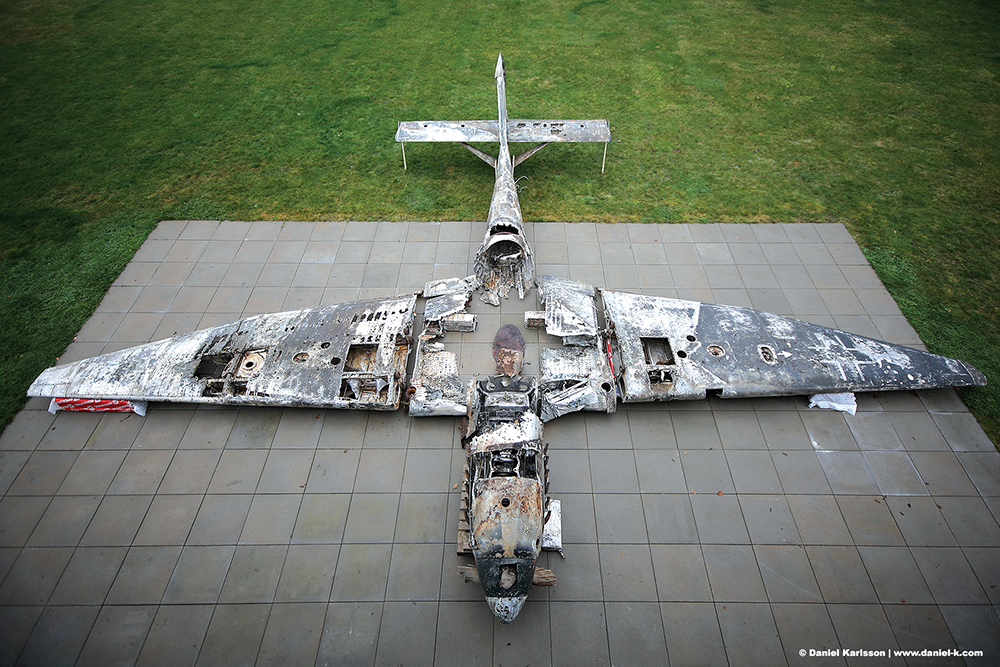
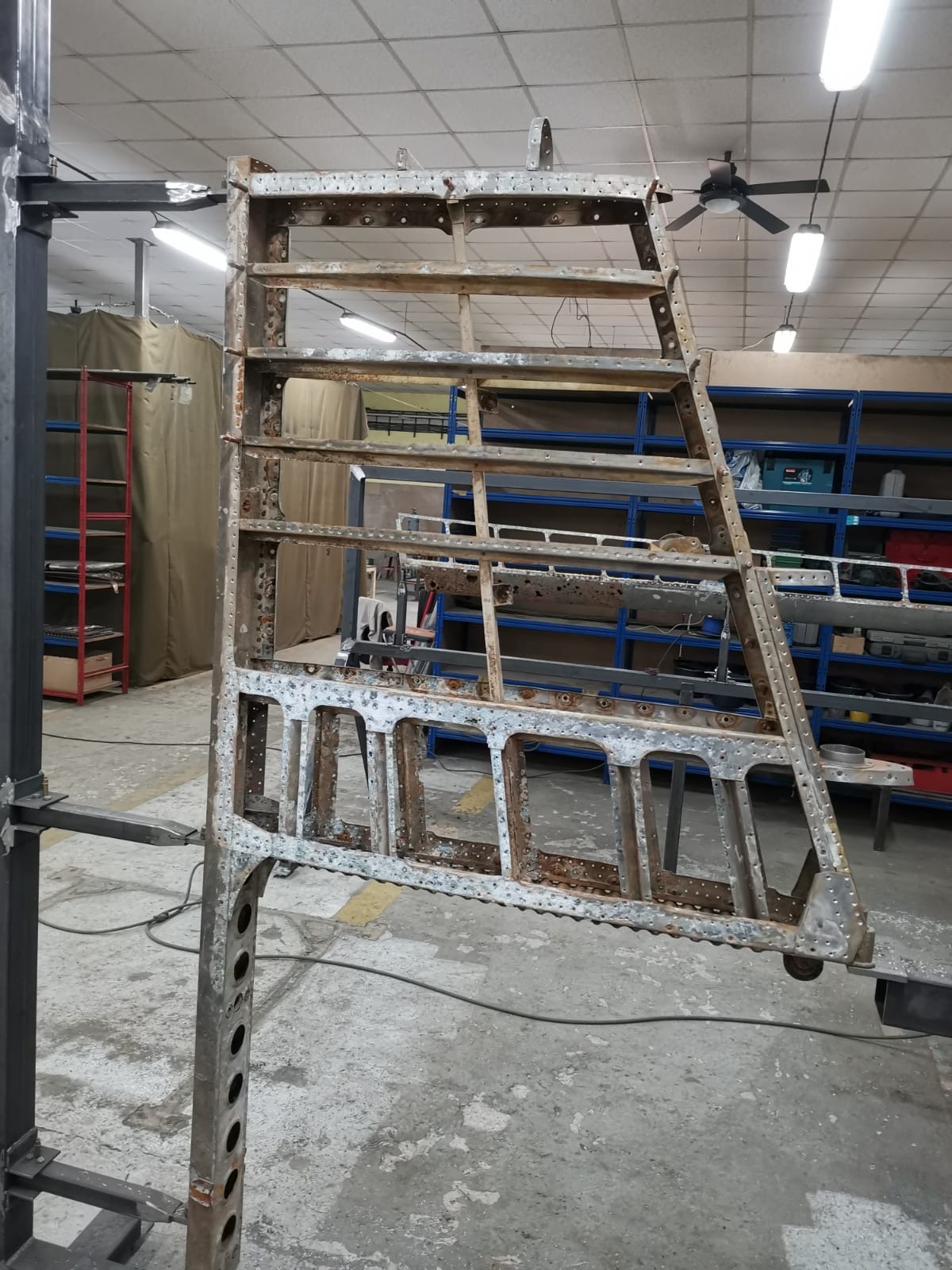
Since then, the restoration has entered a more advanced phase. Collings notes that the horizontal stabilizer has undergone heat treatment and initial assembly, and is now being prepared for final finishing processes, such as anodizing, before permanent riveting. This component is expected to be among the first major sections completed, alongside the aircraft’s flight control surfaces, including flaps and ailerons, which are now being assembled in parallel.
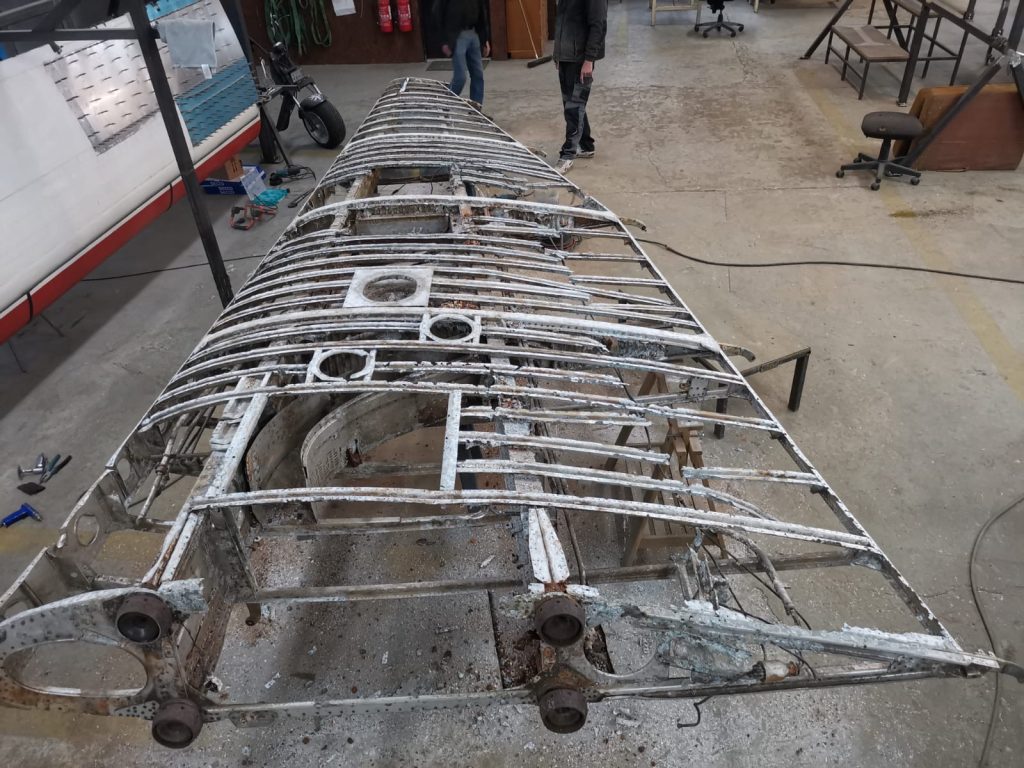
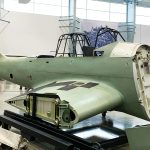
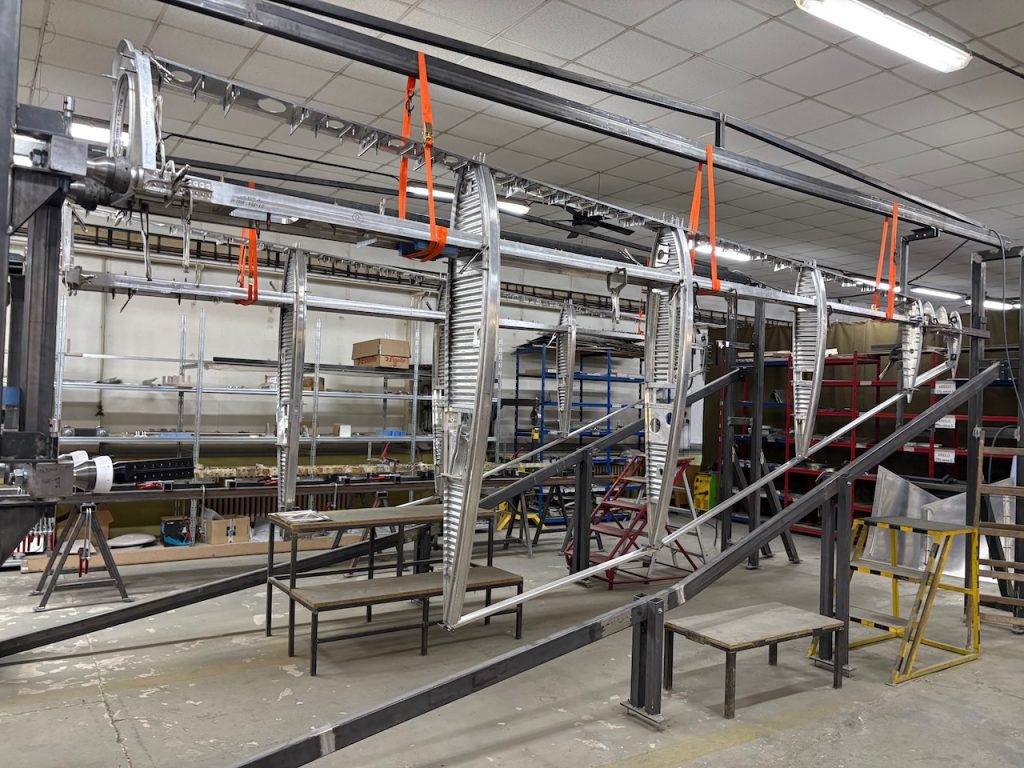
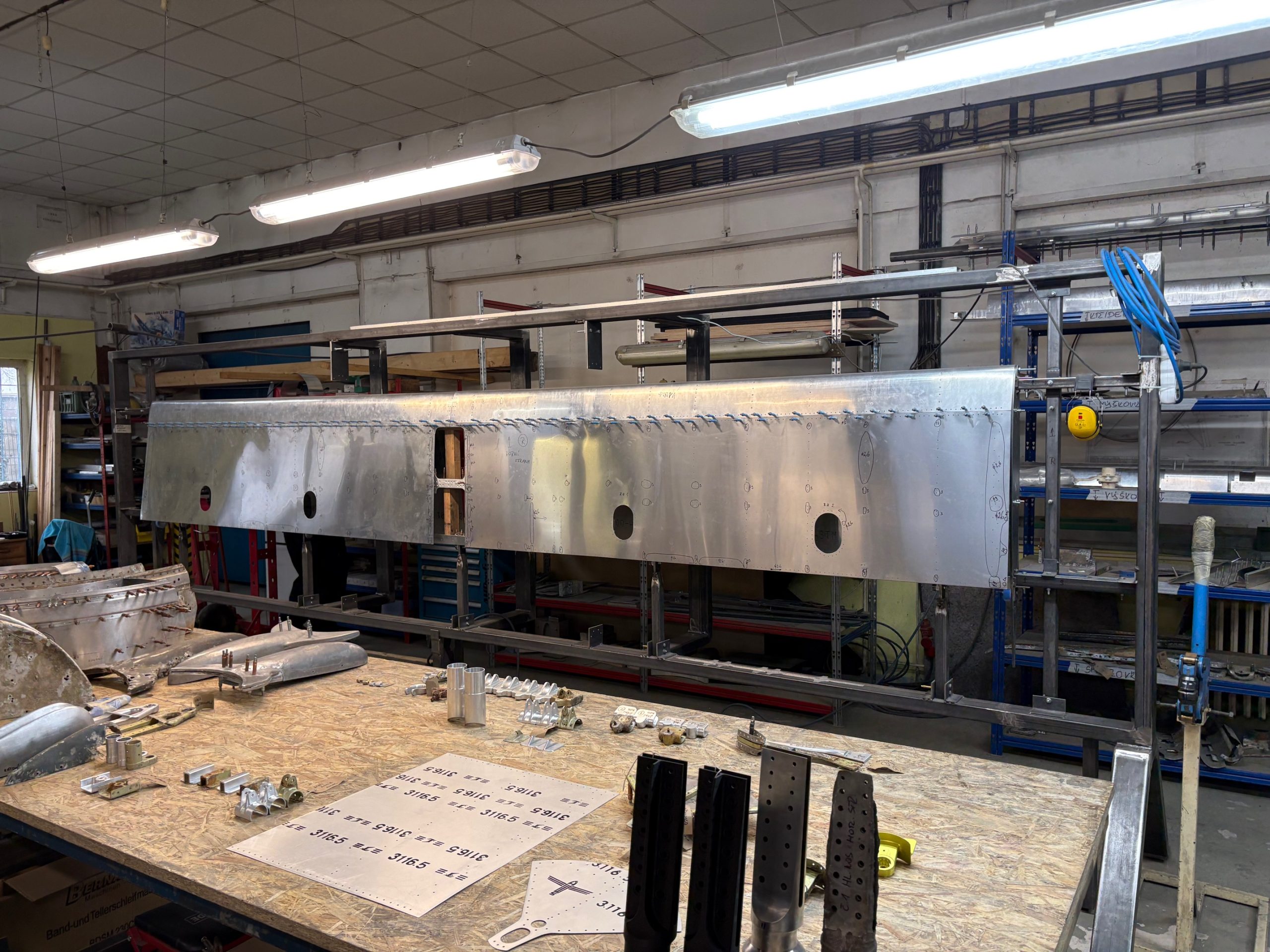
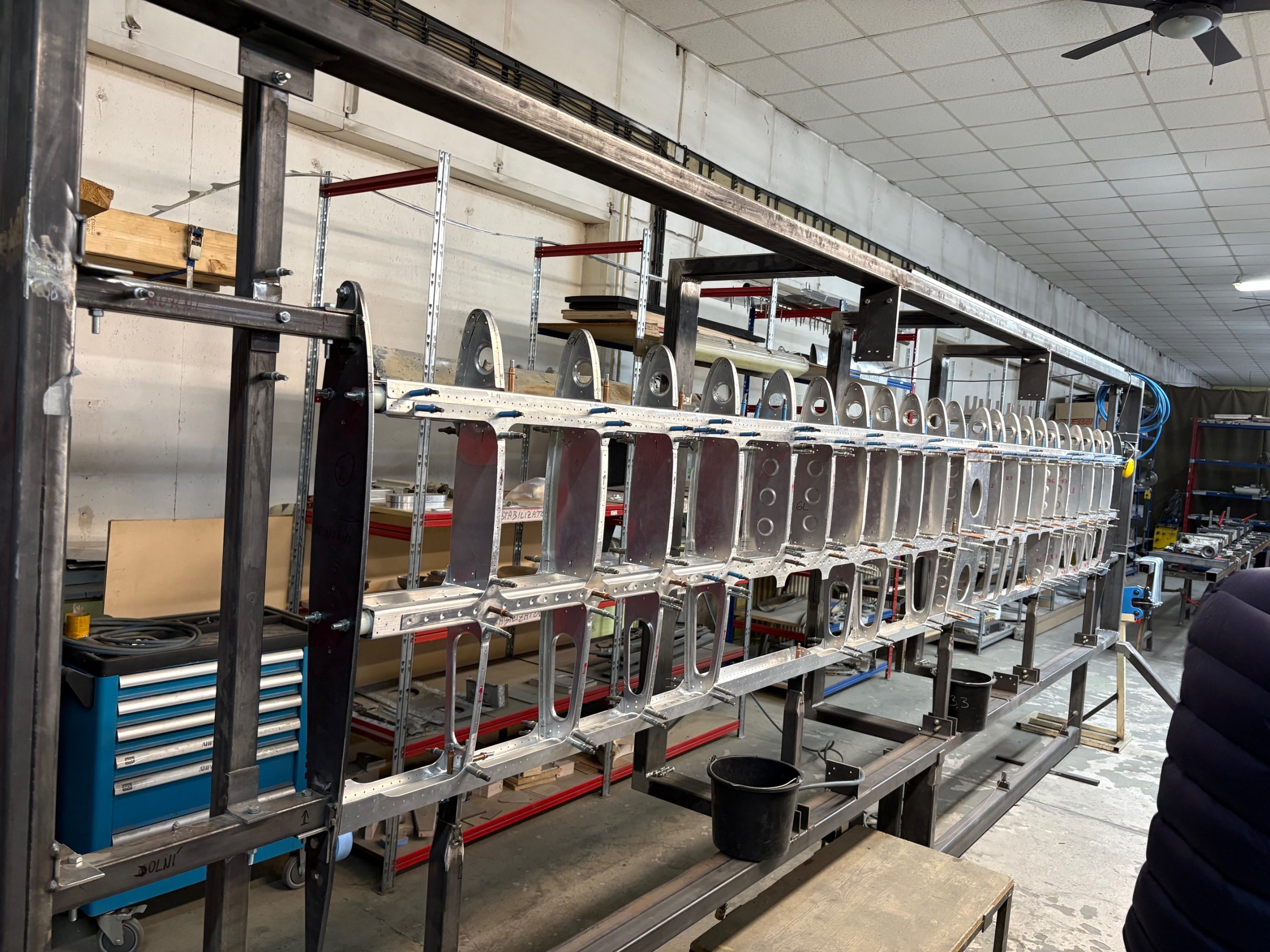
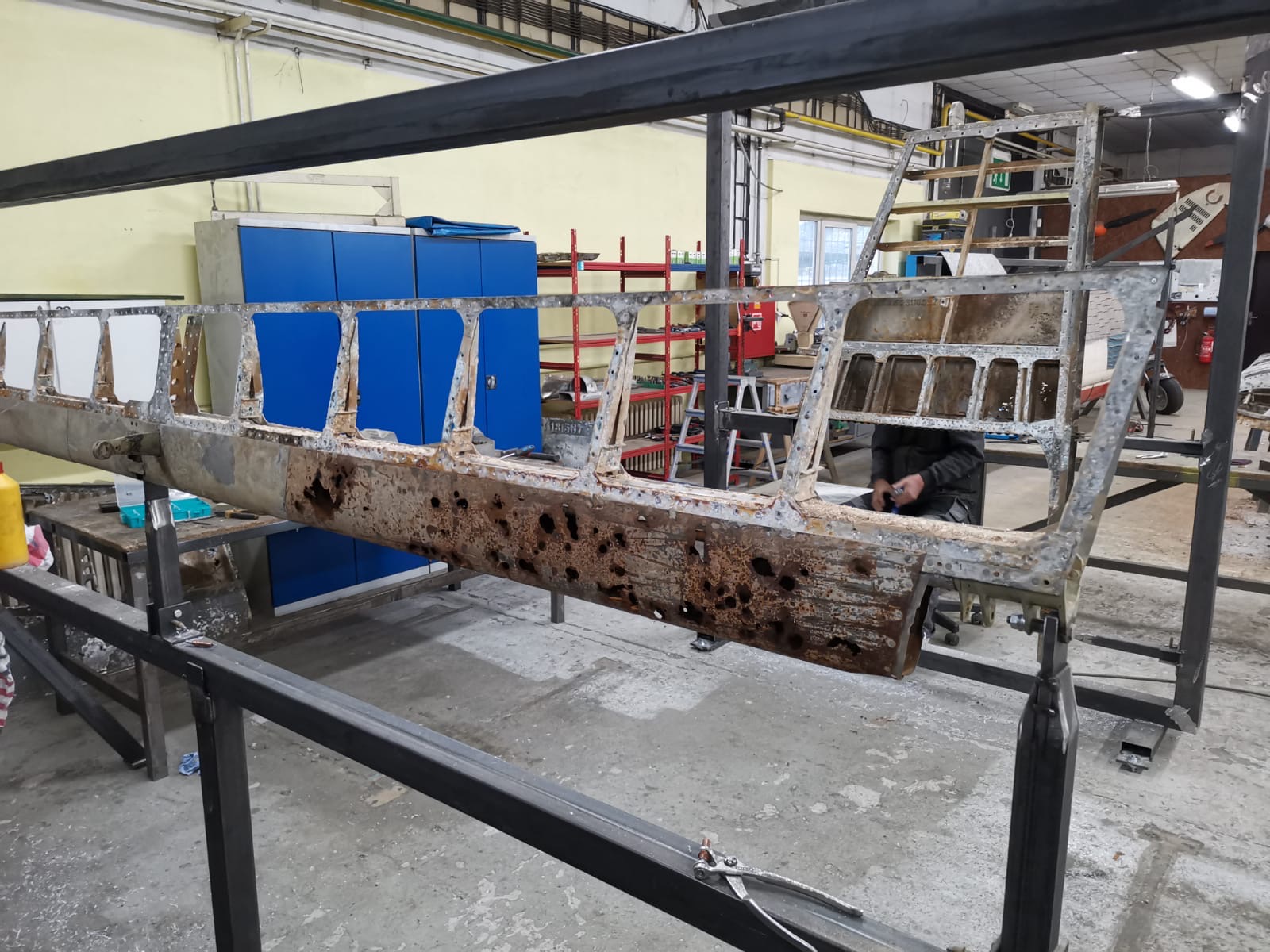
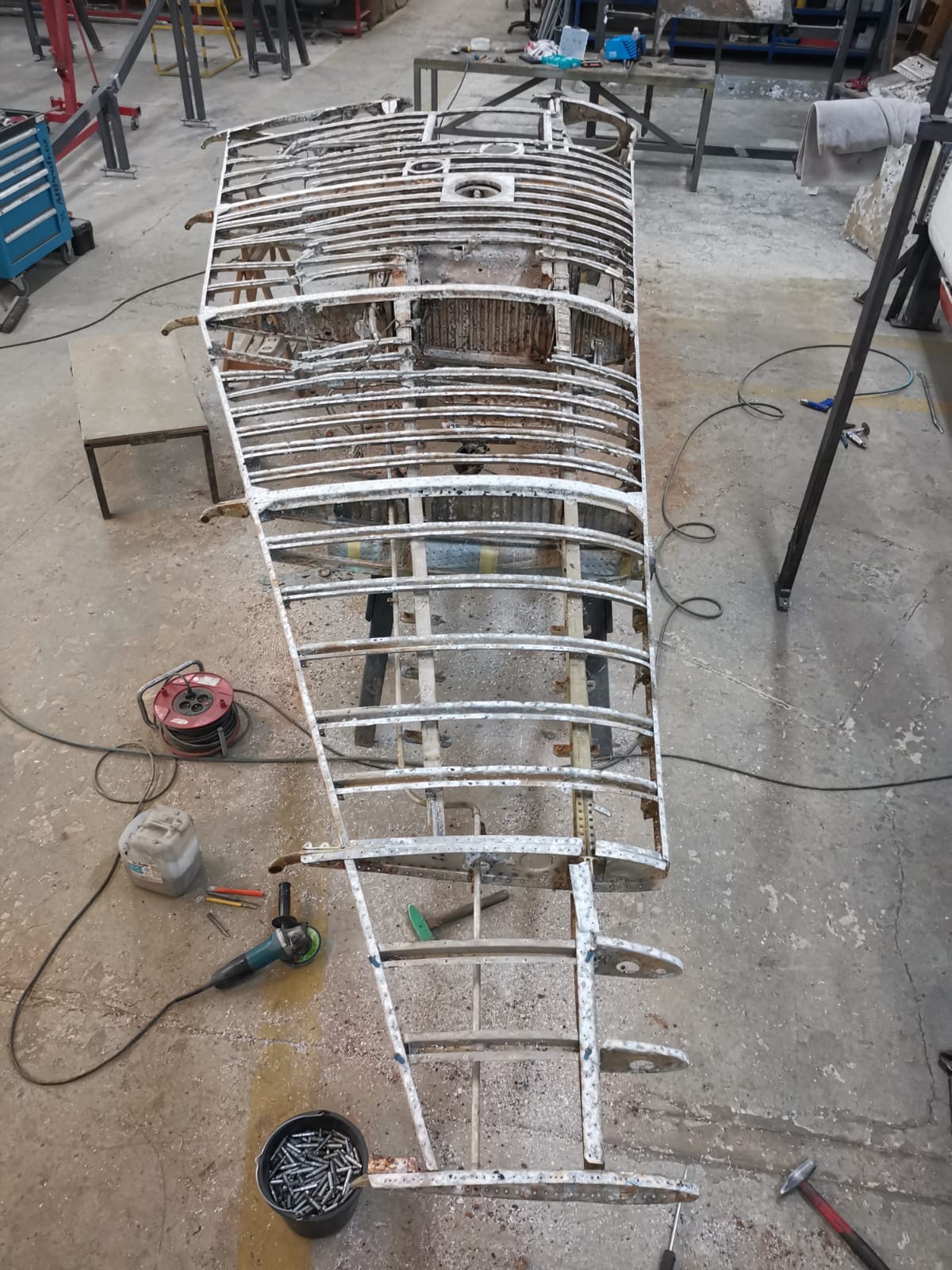
Progress on the wings has also been substantial. Work has included replacing spar caps that were compromised by corrosion and installing and drilling the front spars. Collings highlights the distinctive nature of the Stuka’s wing construction, which differs markedly from typical American designs. Rather than using numerous closely spaced ribs, the Ju 87 employs a small number of large, heavily built ribs combined with a box-like internal structure and corrugated elements for strength. This unconventional design has required careful engineering and fabrication, but the results are now becoming increasingly visible as the wings take shape. He estimates that the wing structures could be completed by the end of the year.
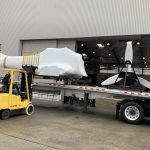
One of the more unusual challenges has involved fasteners. Because German wartime rivets differ in metallurgy, dimensions, and head angles from their American counterparts, the team has had to manufacture entirely new rivets to match original specifications. These rivets have been heat-treated and are being anodized before use, underscoring the project’s commitment to authenticity even at the smallest level. The restoration effort extends well beyond visible structures. The tail cone has recently been transported from Sweden to Prague, where it will undergo further work, while the aircraft’s engine is currently in Austria, undergoing overhaul. At the same time, engineers are tackling one of the Stuka’s most complex internal mechanisms: the flap-aileron mixer. This intricate system, which allows the ailerons to droop in conjunction with the flaps, is being recreated through a combination of reverse engineering and advanced manufacturing techniques, including 3D metal printing. The original mechanism had been destroyed in combat damage—reportedly by a grenade explosion behind the pilot’s seat—leaving the team to reconstruct it from surviving examples and historical data.
Despite the fact that this component will be hidden from view, Collings emphasizes that accuracy remains paramount. Every detail, visible or not, is being reproduced as faithfully as possible, reflecting the museum’s broader philosophy toward restoration. Perhaps most notably, Collings confirmed that the aircraft is being restored to airworthy condition rather than as a static display. This distinction places the project among a very small number of efforts worldwide attempting to return a Ju 87 to flight, further elevating its historical and technical significance.
Taken together, the June 2025 update and the latest insights from Collings illustrate a project that has moved beyond rebuilding individual parts and into the early stages of reassembling a complete aircraft. As thousands of small components begin to come together into larger structures, the Stuka is steadily transitioning from a collection of reconstructed elements into a recognizable airframe once again. If you wish to contribute or learn more about this project, visit the museum’s website at www.