By John Parker – Warbirds Online
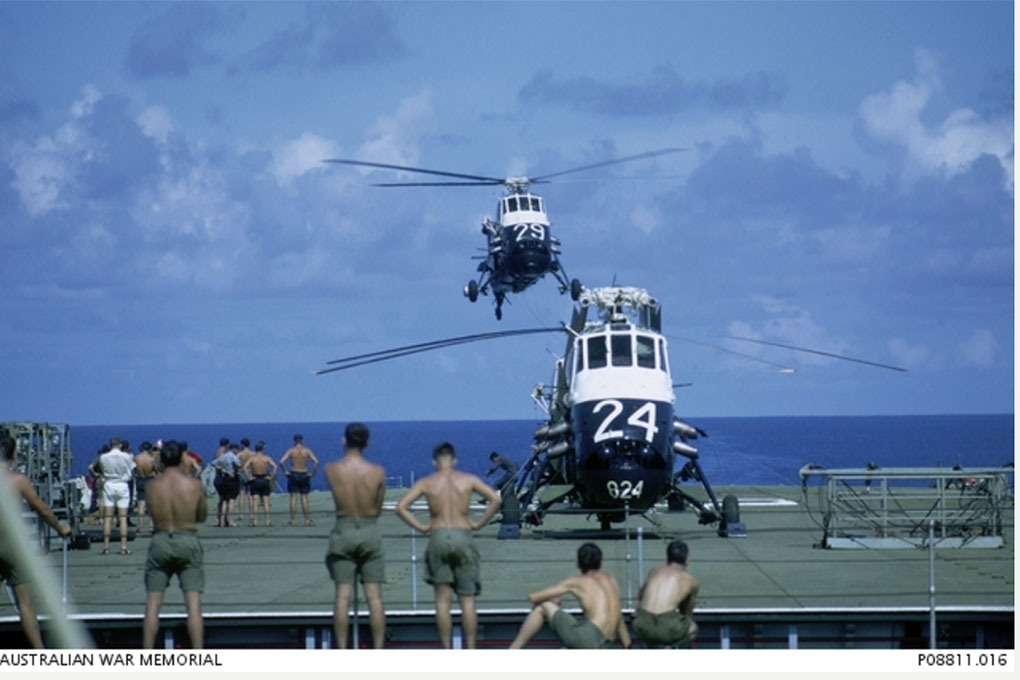
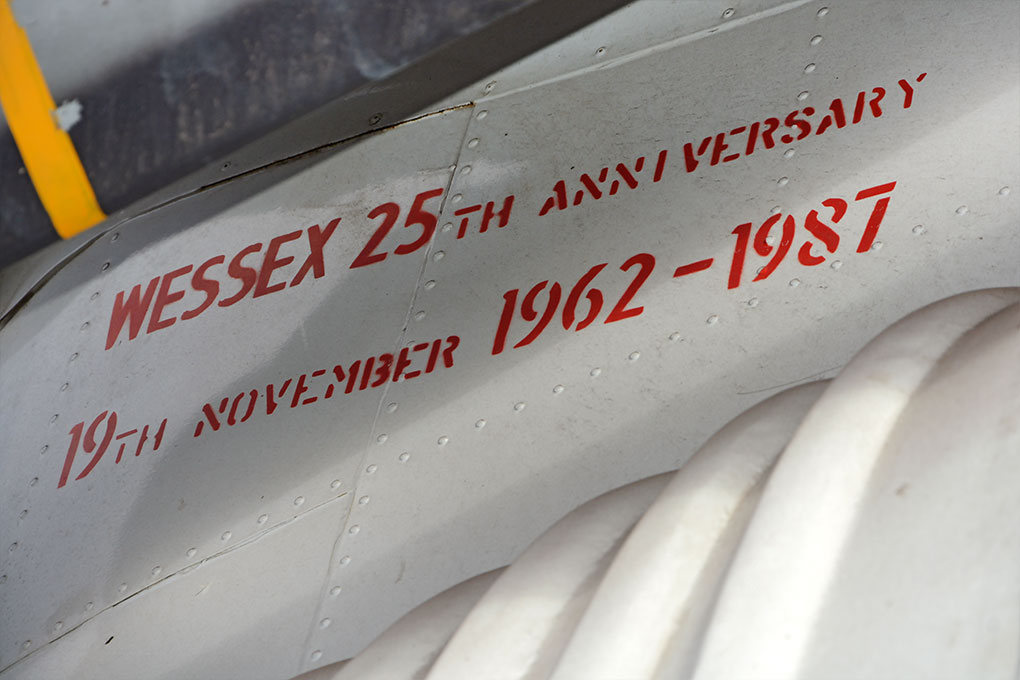
Former Royal Australian Navy Wessex Mk.31B N7-214 (WA214) continues to make impressive strides in its restoration at the Australian Aviation Heritage Centre – QLD (AAHC). The helicopter was recovered from RAAF Base Williamtown in 2017, where it had served as a Battle Damage Repair training aid following its withdrawal from active service in 1989. Since then, dedicated volunteers have been working steadily to return this important naval veteran to pristine static display condition.
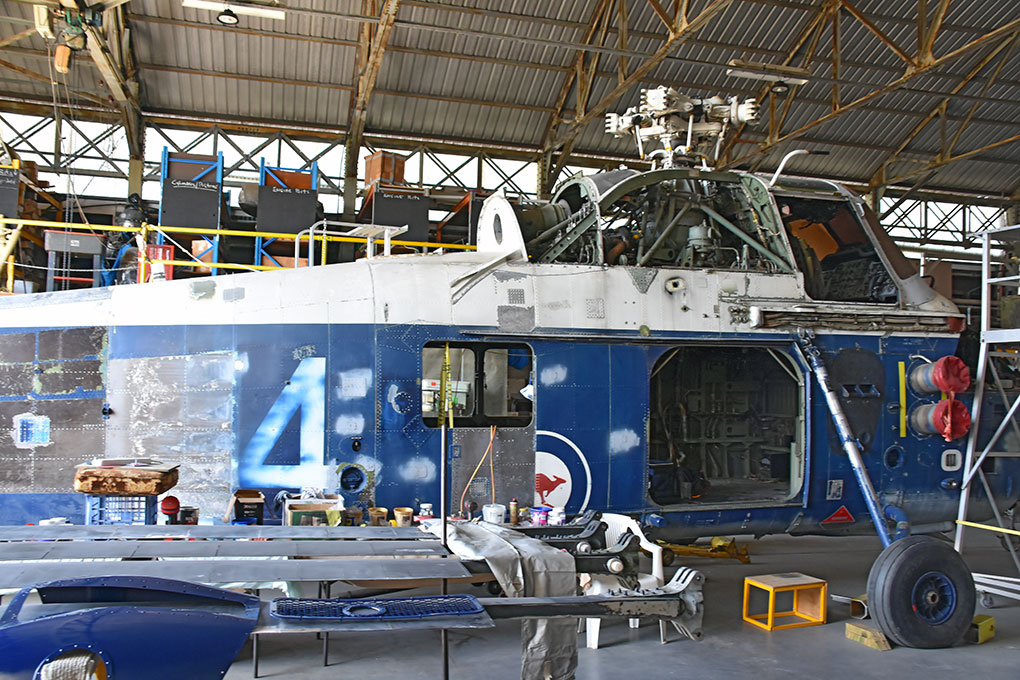
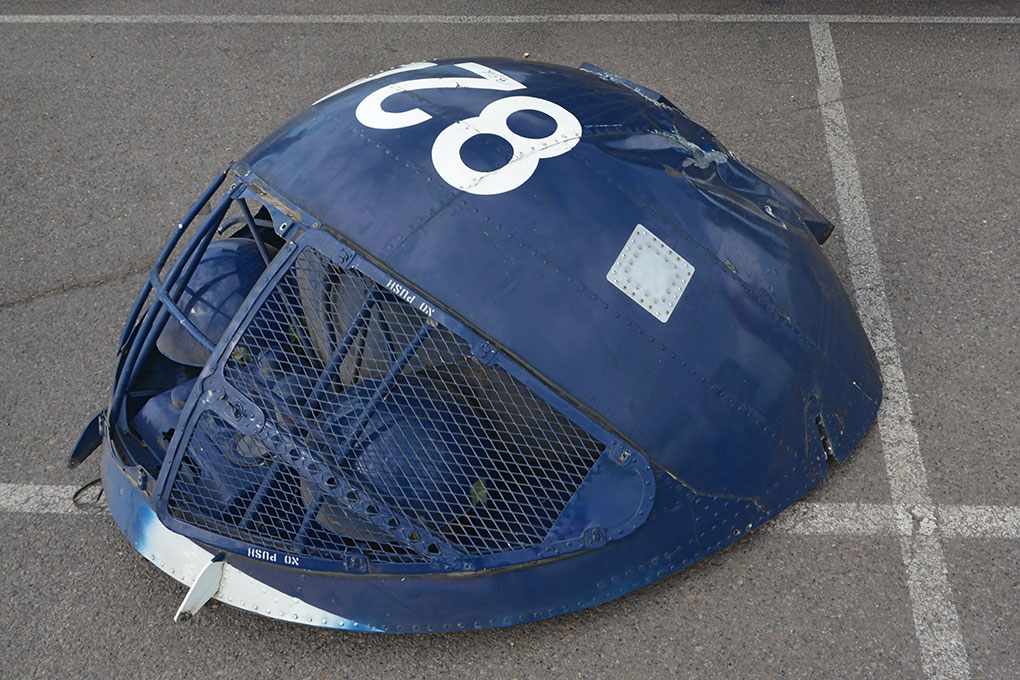
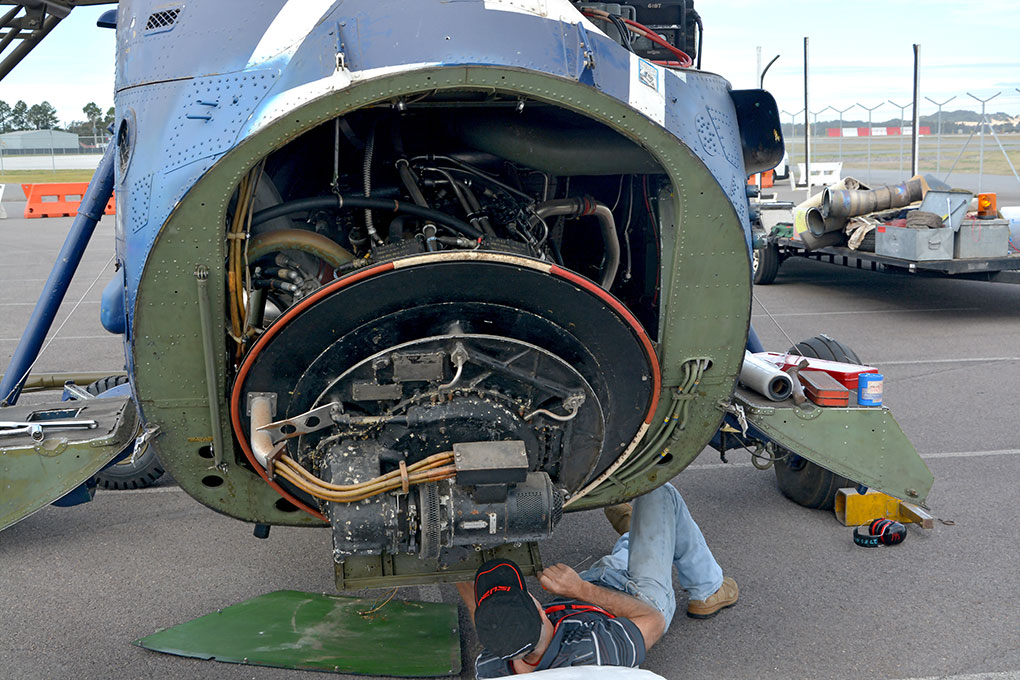
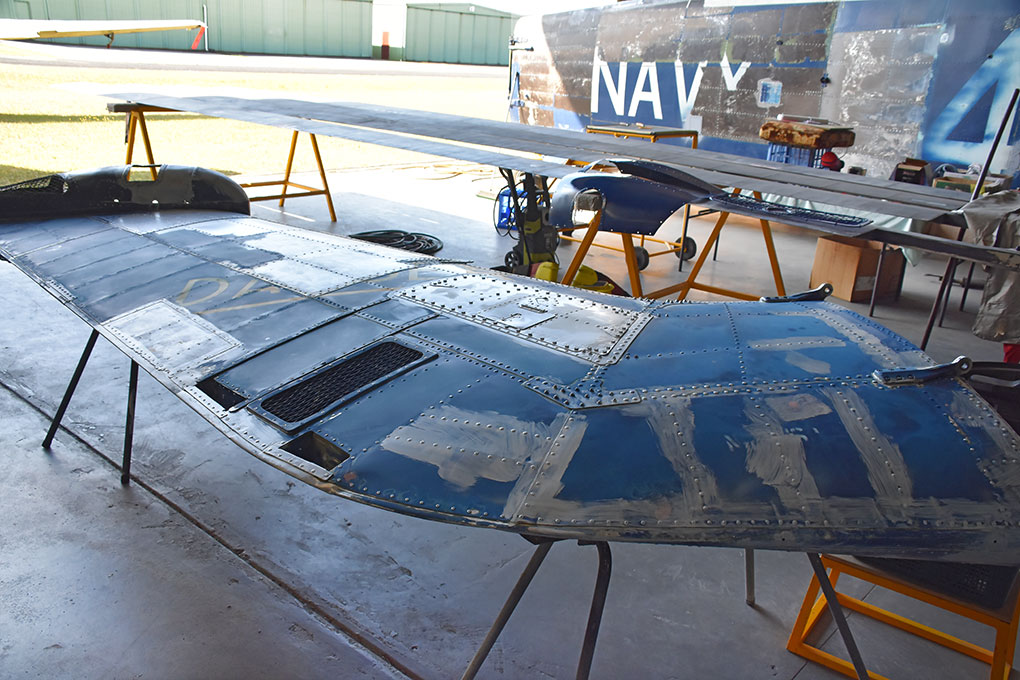
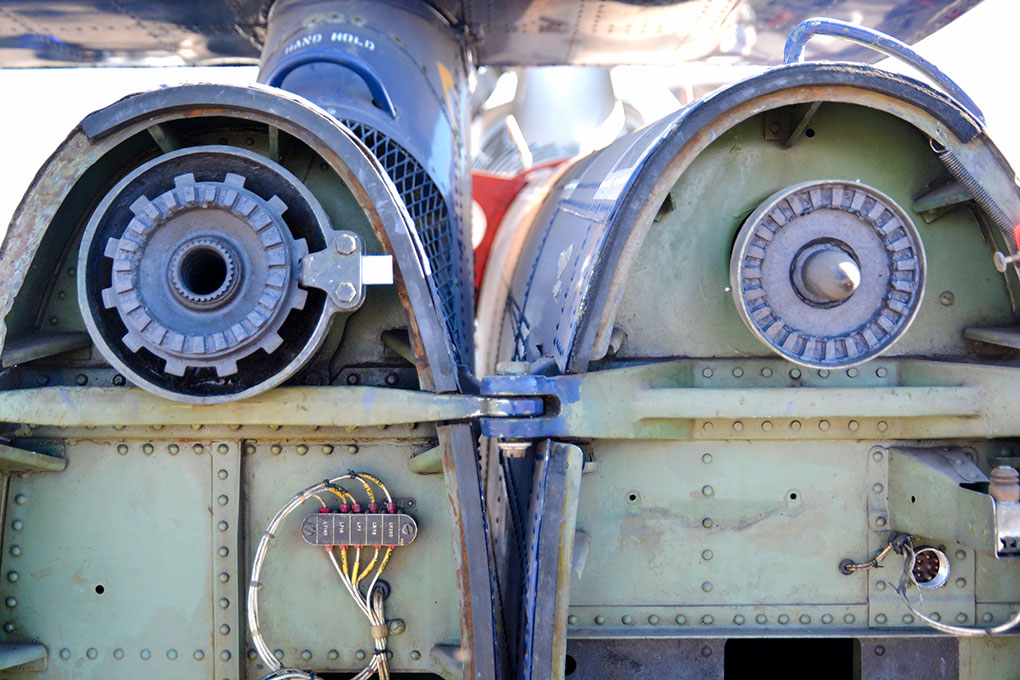
Warbirds Online was involved in the original recovery effort and has closely followed WA214’s progress over the years. On a recent visit, we found the project advancing rapidly, with the aircraft now undergoing a full external and internal restoration. During our visit, Wessex’s entire exterior was receiving focused attention. The main rotor blades and major cowlings have been removed, providing access to the transmission and surrounding systems for cleaning, corrosion control, and repair. One of the most persistent challenges has been corrosion of the alloy skin after decades of exposure to the elements at Williamtown. Volunteers have carefully stripped the surface section by section to treat problem areas, ensuring the helicopter’s long-term preservation. The nose cowling—covering the Napier Gazelle Mk. 165 turboshaft engine—had sustained a gravel rash and a significant dent during its time at Williamtown. While replacement once seemed necessary, the restoration team has completed an outstanding repair. The cowling now looks virtually new, freshly repainted and awaiting refitting once the engine bay work is complete.
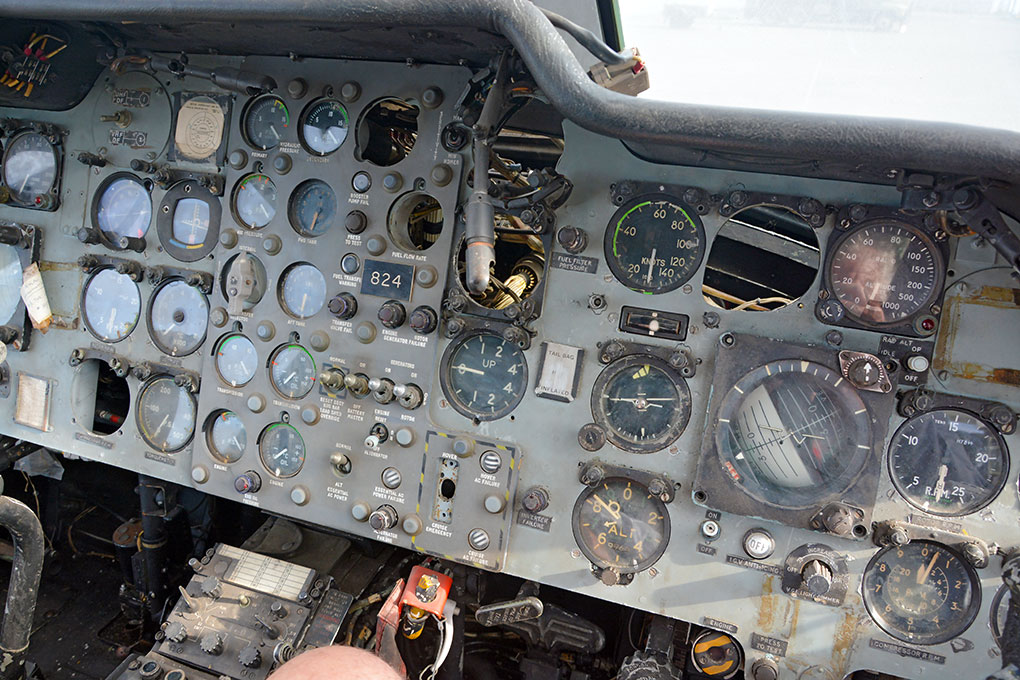
The tail rotor arm has been removed for corrosion treatment and will be repainted before reinstallation. An interesting anecdote emerged during the project: over the years, some retired RAN aircrew and maintainers were gifted tail rotor blades as keepsakes, a popular Fleet Air Arm tradition that has made sourcing complete sets for restorations increasingly difficult. Fortunately, restoration lead Ralph Cusack has located a replacement set, ensuring WA214 will be fully equipped for display. Inside, the cockpit remains largely intact and offers a solid foundation for restoration. Although some seats and cabin fittings are still missing, much of the original equipment is present. The AAHC team welcomes contact from supporters who may have Wessex instruments or components that could assist in completing the restoration.
Despite its years as a damage-repair training airframe, WA214 escaped major structural harm—a crucial advantage that has made the restoration process smoother and more authentic. While no formal completion date has been set, the recent progress and strong condition of the airframe suggest that this Vietnam War-era veteran will soon take its place as a centerpiece of Australia’s naval aviation heritage. Warbirds Online will continue to follow the story of Wessex Mk.31B WA214 and share updates as this remarkable restoration project moves toward completion. For more information about the Australian Aviation Heritage Centre, visit www.aahcqld.org.au.