






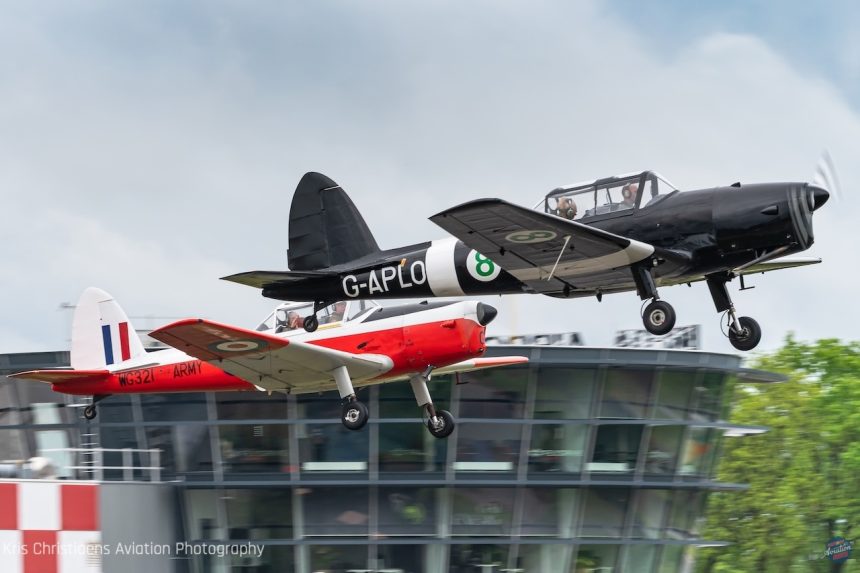

On May 3, 2026, the Vliegend Museum Seppe in the Netherlands held its annual Liberation Day event, welcoming the public to experience its collection of airworthy vintage aircraft. The event coincides with the country’s WWII remembrance period, culminating on May 4 with the Dutch National Remembrance Day, when the museum’s aircraft traditionally participate in commemorative flypasts over towns and memorial sites. Despite poor weather conditions this year, volunteers ensured visitors still enjoyed a full program of activities. While the planned rehearsal for the large-scale flypast—normally featuring around 15 aircraft—was canceled, several aircraft were able to take to the air later in the day.
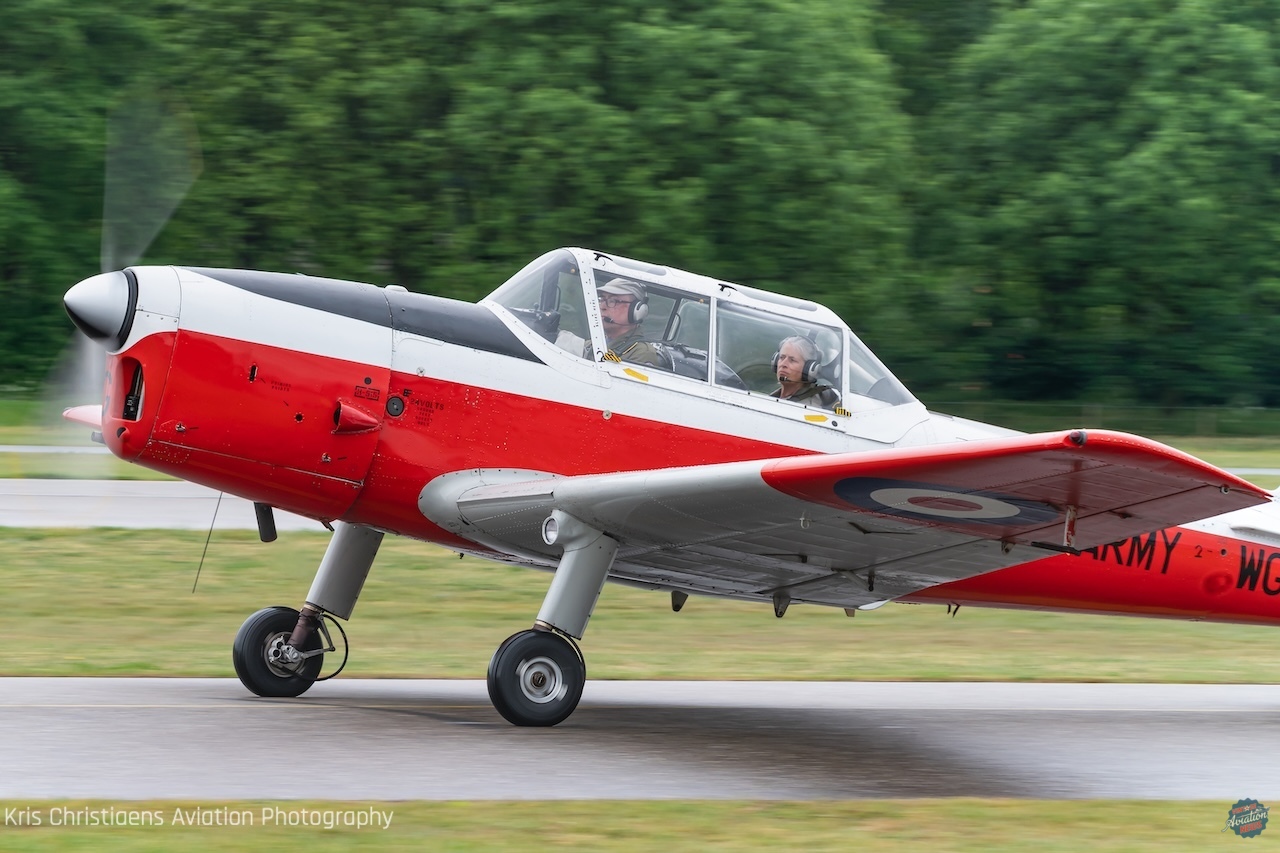
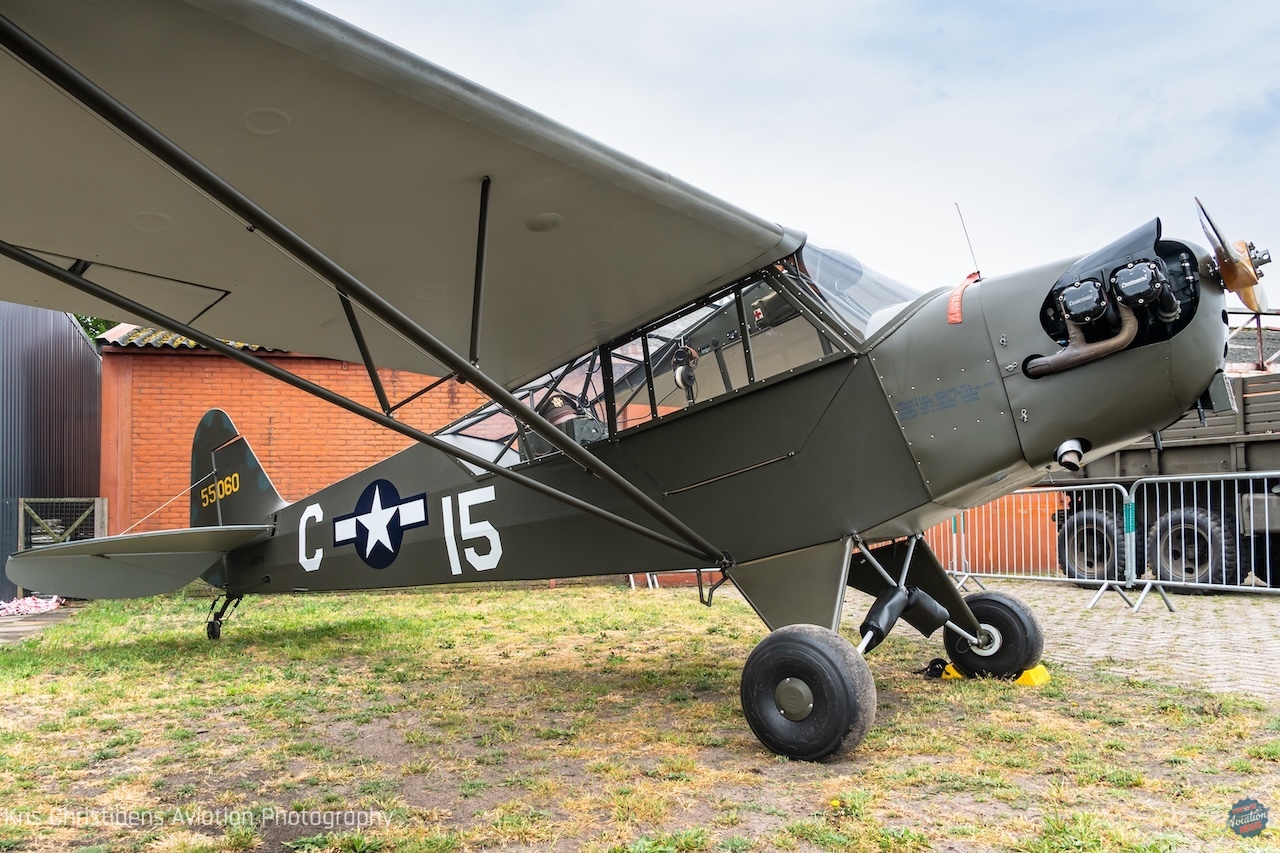
(Image credit: Kris Christiaens Aviation Photography)
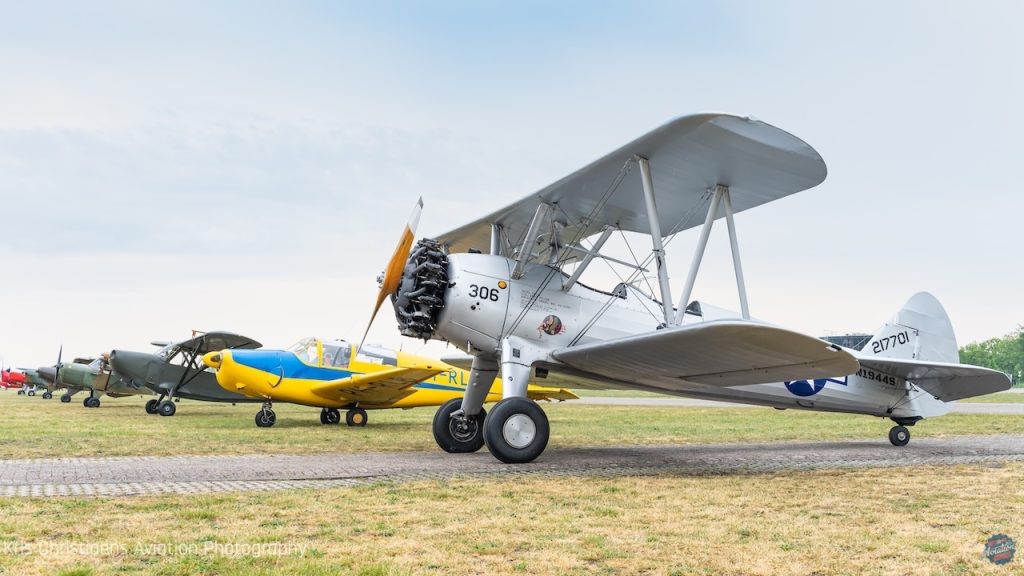
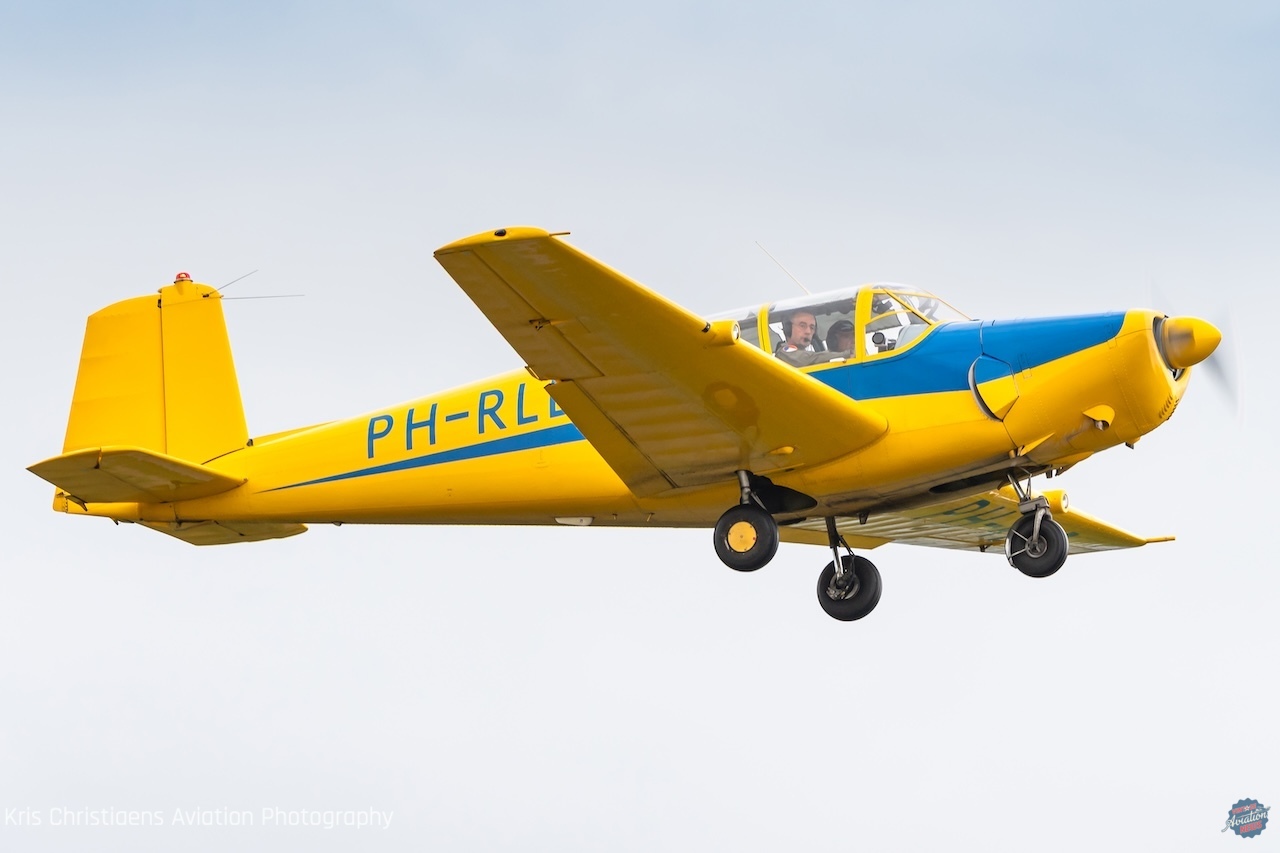
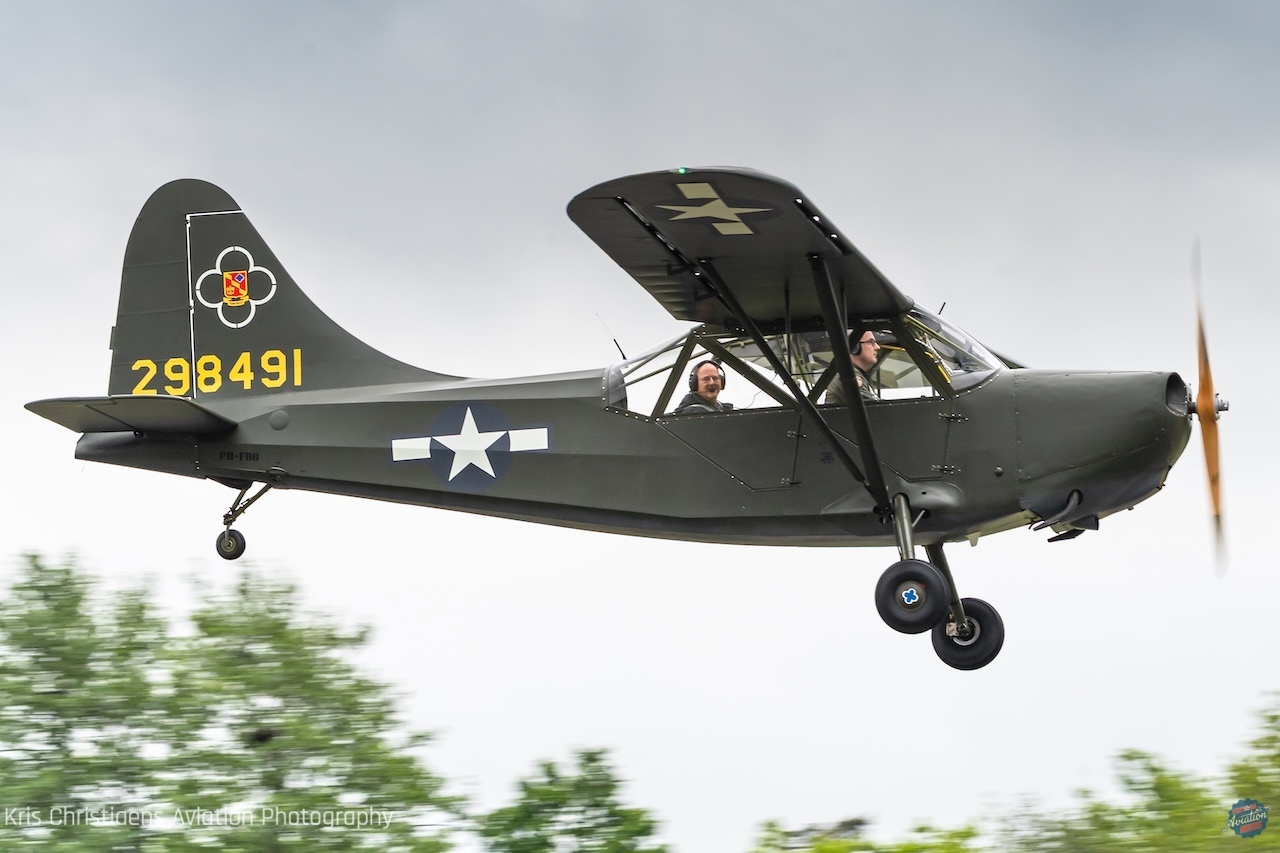
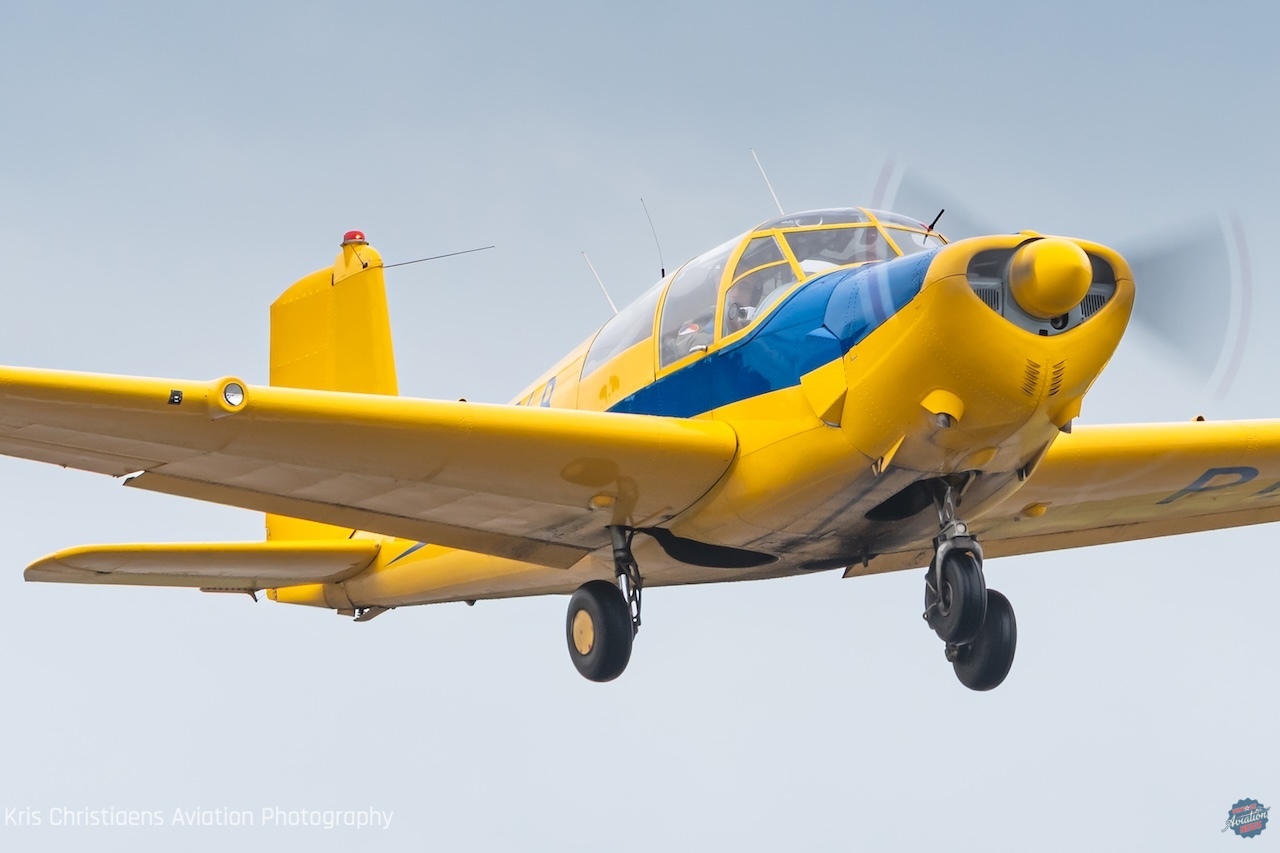
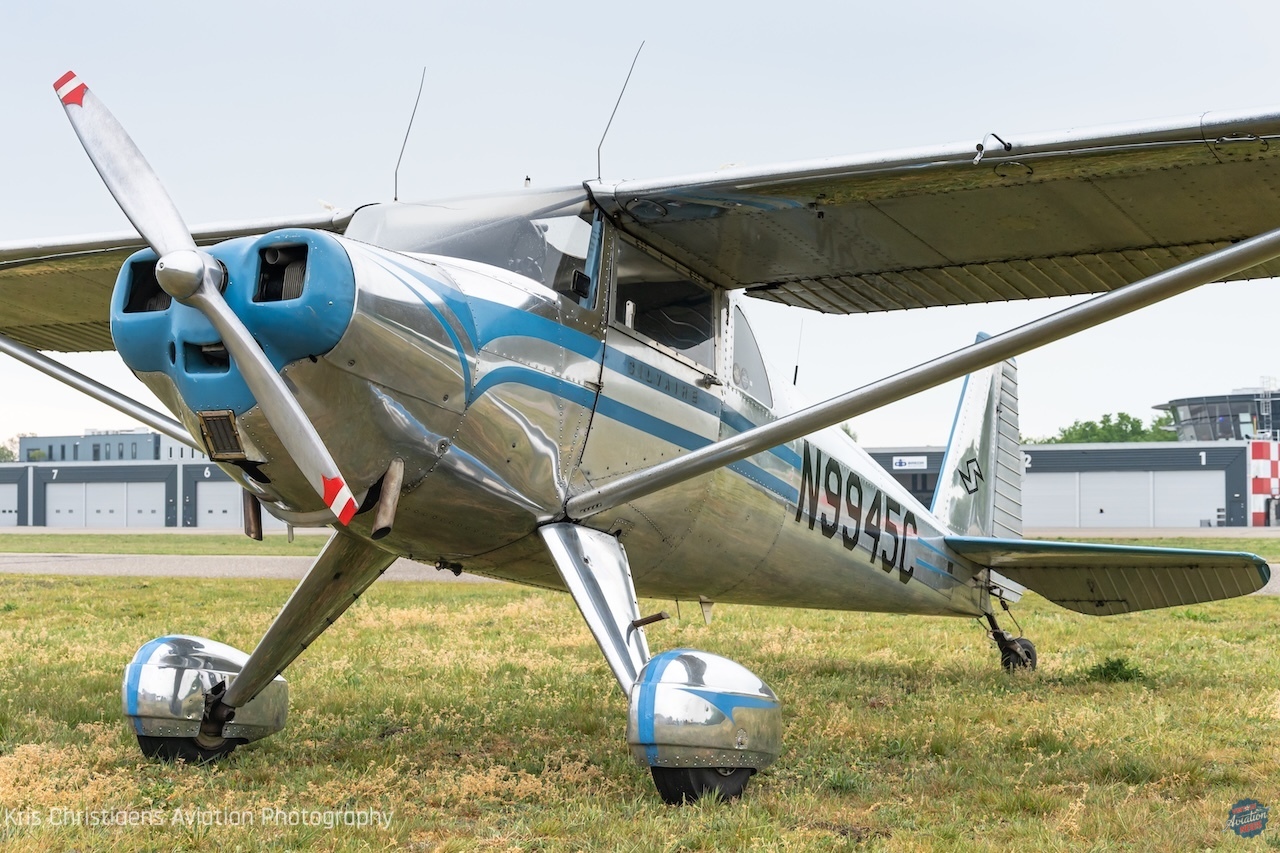
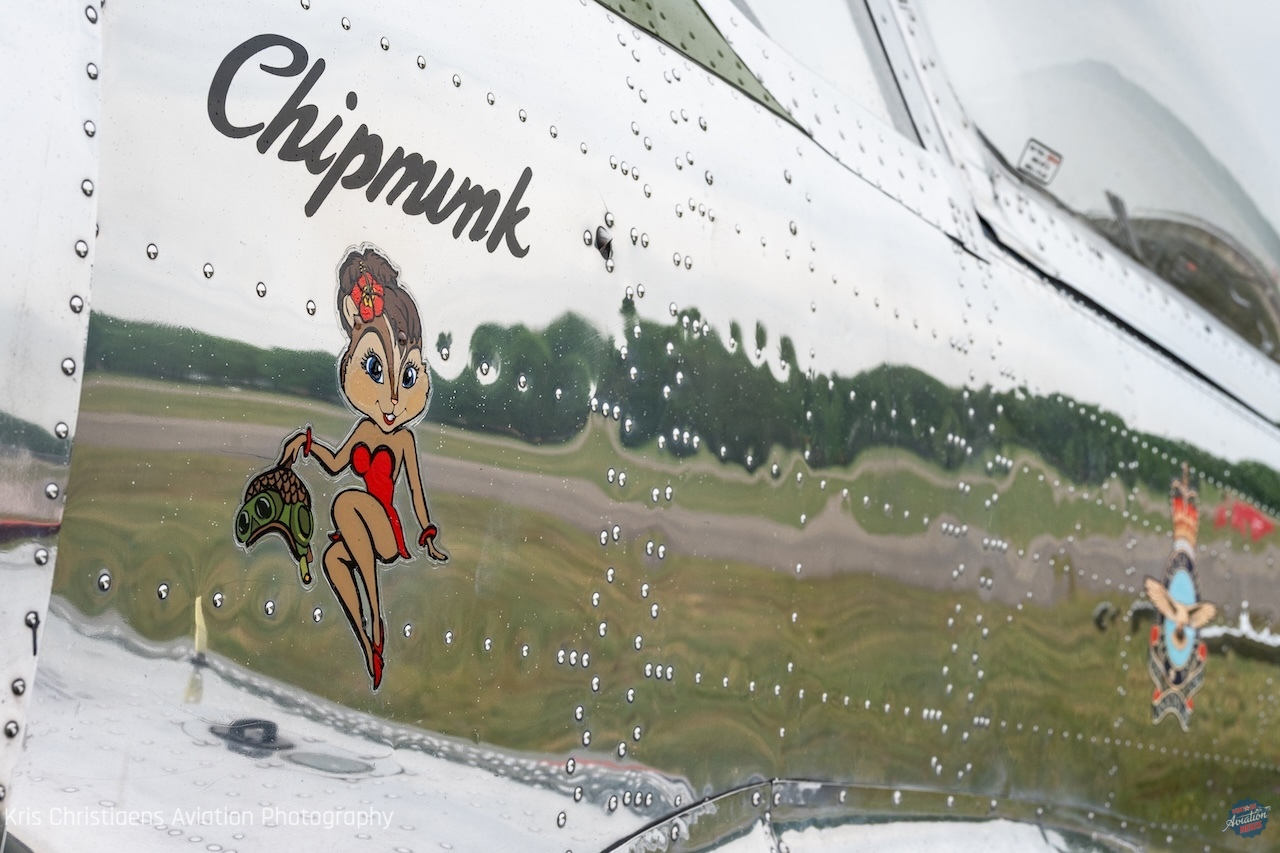
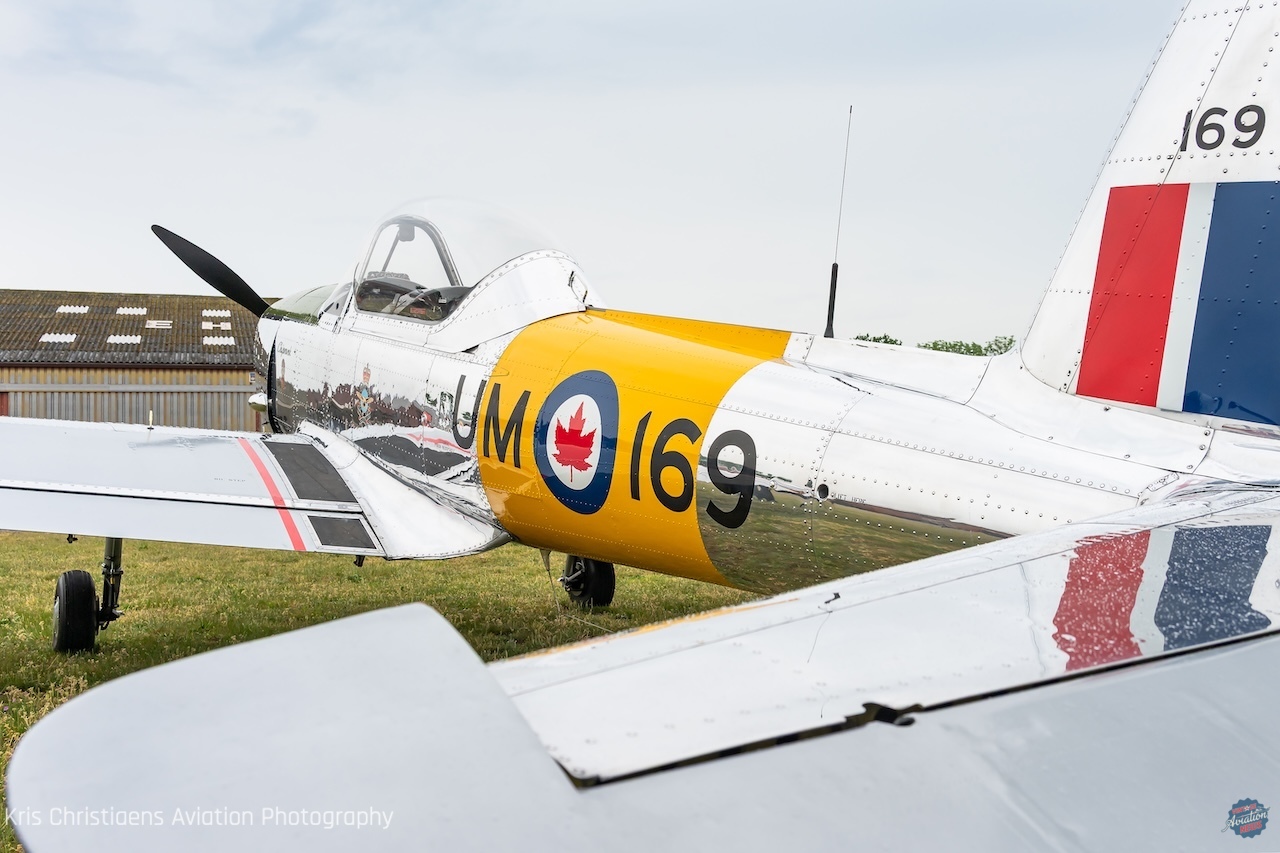
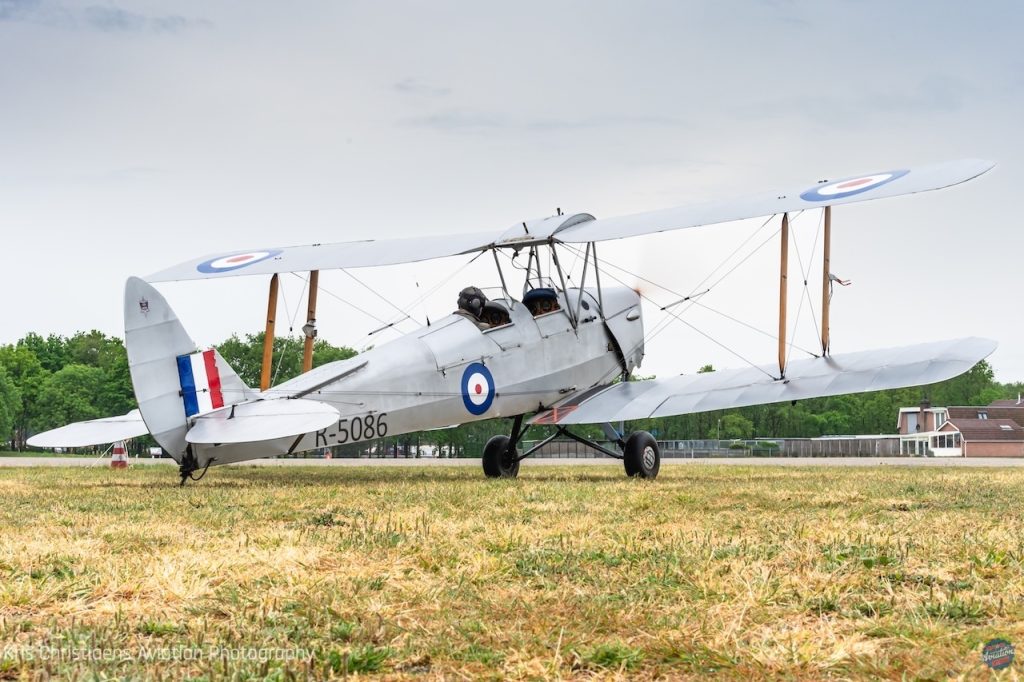
Aircraft flying during the event included a de Havilland DH.82 Tiger Moth, two DHC-1 Chipmunks, a Stinson L-5 Sentinel, a Piper L-4 Grasshopper, and a Saab S 91D Safir. Earlier in the day, photographers were given access to a static photo session featuring aircraft from the museum’s collection, including a Boeing-Stearman PT-13D Kaydet, Luscombe 8F, Taylorcraft Plus D, Auster V, and Piper L-21B Super Cub.
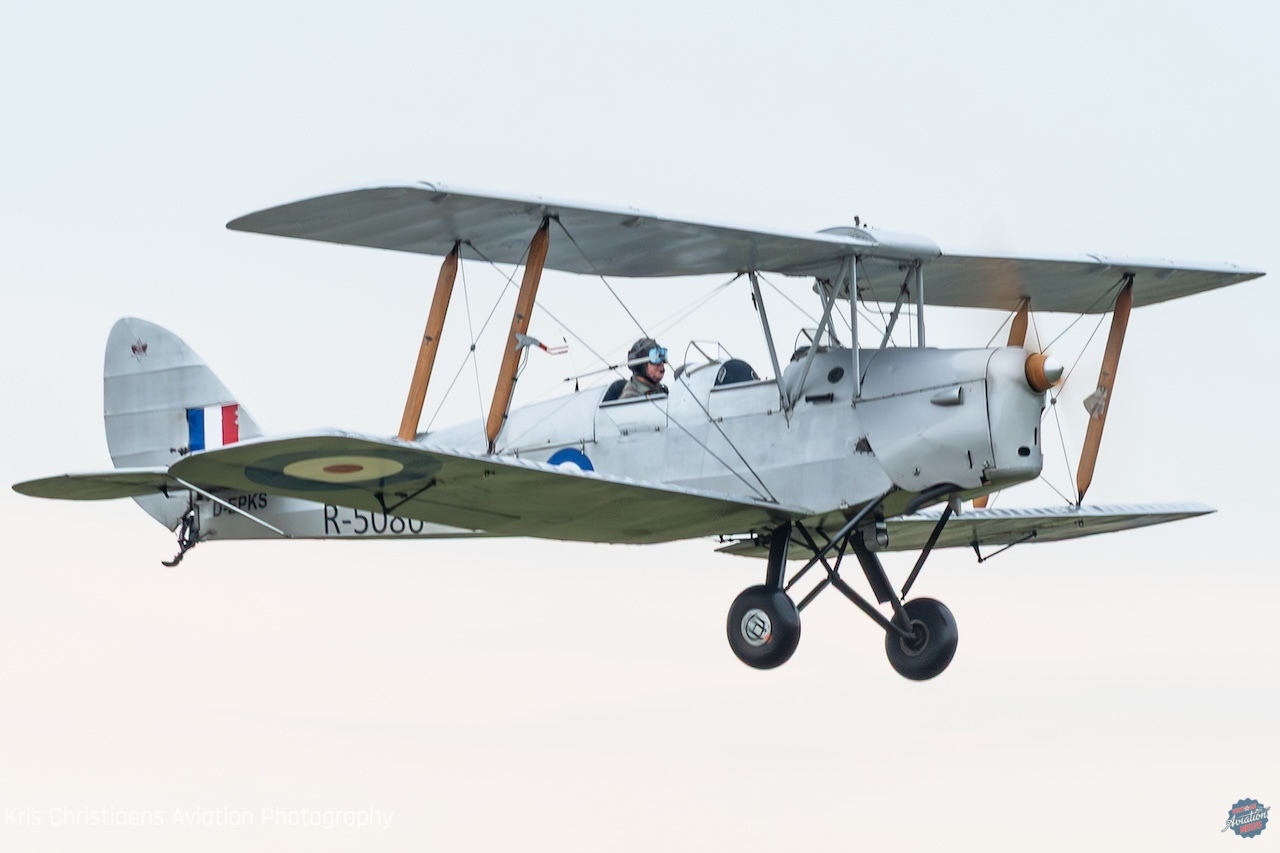
Inside the museum, visitors could view a Wright Flyer replica and a Supermarine Spitfire PR Mk.IV. A particularly notable feature of the collection is the museum’s display of sectioned aircraft engines. These cutaway examples—ranging from radial and piston engines to early jet powerplants—offer a rare and educational look at internal mechanical design. Located at Breda International Airport along the A58 motorway between Roosendaal and Breda, Vliegend Museum Seppe was founded in 1990 by aviation enthusiasts determined not only to preserve historic aircraft, but to keep them flying. The museum continues to operate entirely through volunteer efforts, from restoration work to public tours and commemorative events.
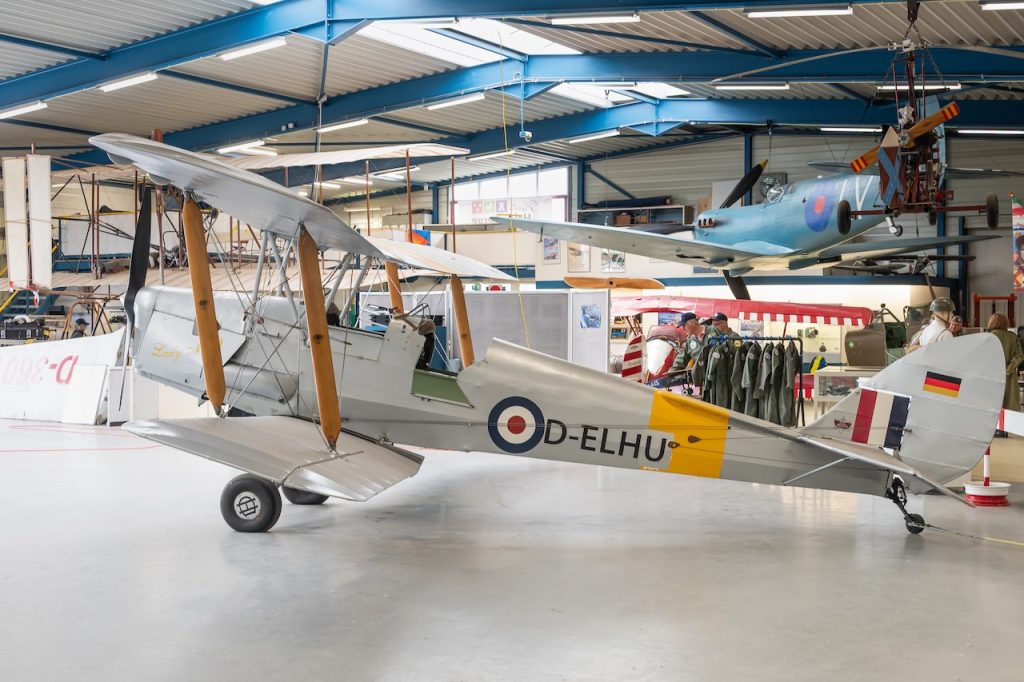
(Image credit: Kris Christiaens Aviation Photography)
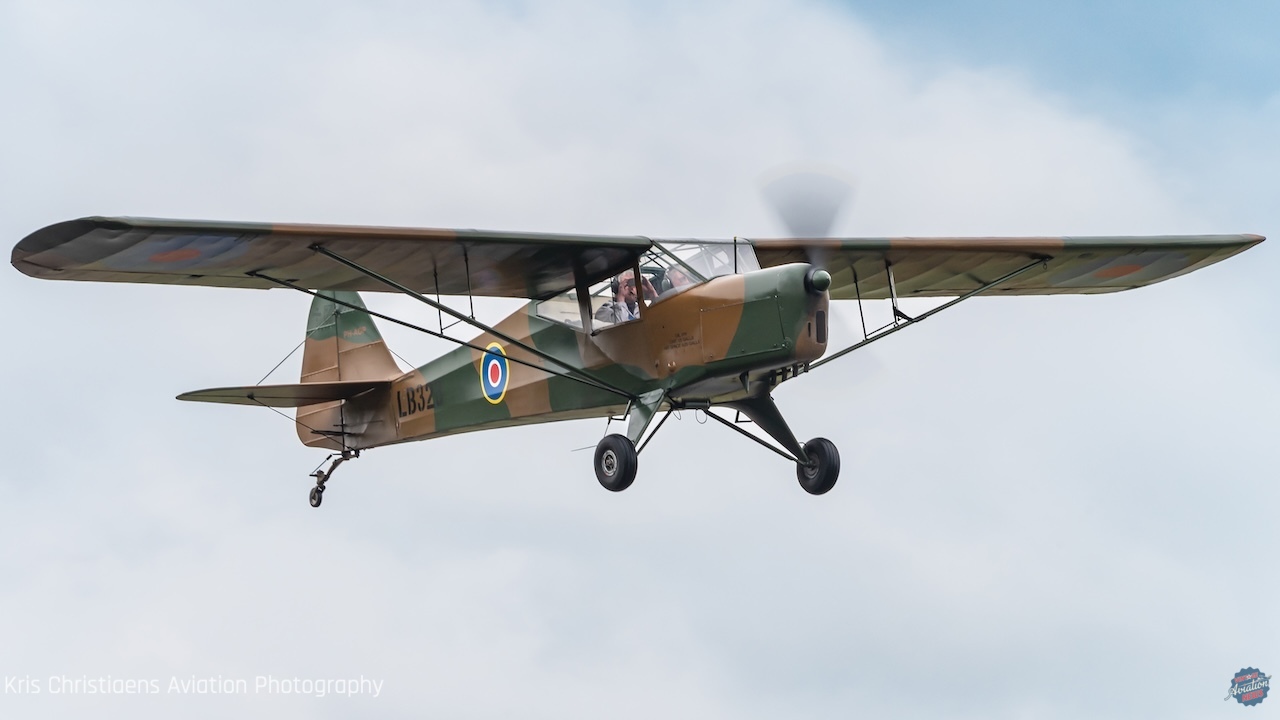
That volunteer-driven approach gives the museum a distinct character. Many of the guides are pilots or experienced enthusiasts, offering firsthand knowledge and personal insight rather than scripted presentations. The result is an engaging and authentic visitor experience centered on living aviation history. Today, the museum stands as one of the Netherlands’ most atmospheric grassroots aviation institutions—where WWII-era aircraft are not static displays, but fully operational machines, maintained and flown by a dedicated community. For more information about the Vliegend Museum Seppe, visit www.vliegendmuseumseppe.nl.
(Image credit: Kris Christiaens Aviation Photography)







Many thanks Kris for your elaborate report on this museum-day. It was a pleasure to be able to accommodate you on this day.