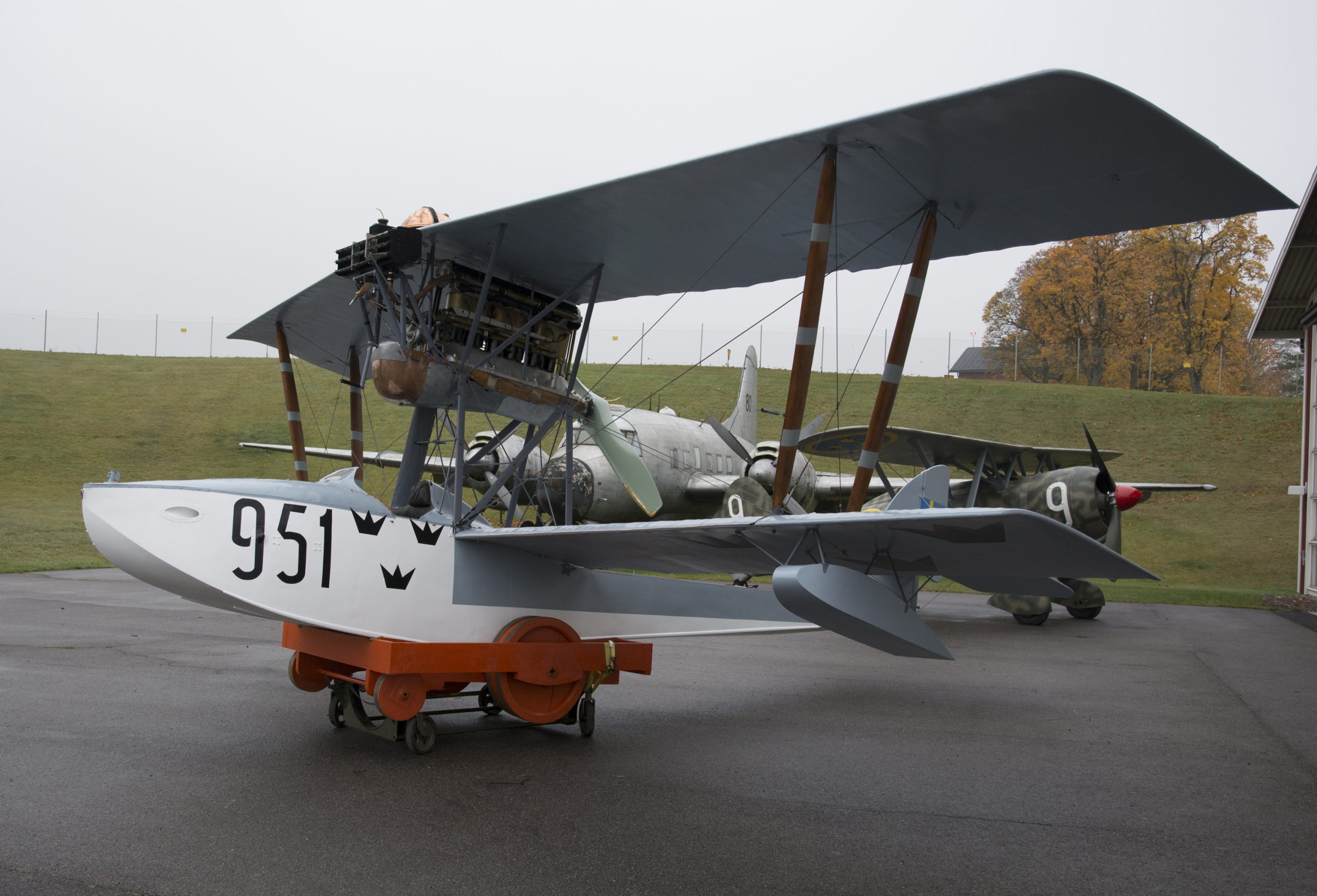
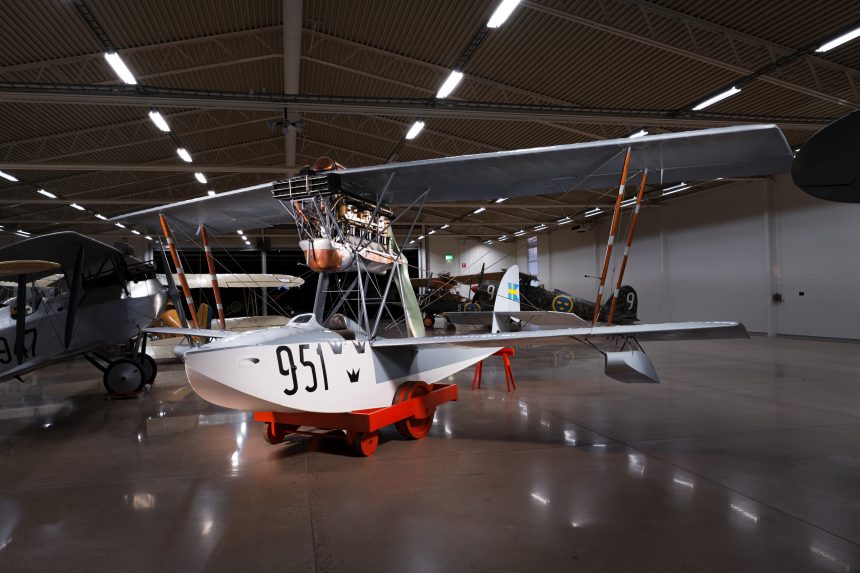

In 2013, we covered the efforts of the Swedish Air Force Museum (Flygvapenmuseum) in restoring the last surviving example of a Macchi M.7 Italian-built WWI flying boat fighter. Since the publication of that article, the aircraft has been restored and now sits proudly on display once more in one of the best aviation museums in Scandinavia. Given the fact that it is a unique survivor in more ways than one, though, it is fitting that we would go through the history behind the significance of this historic aircraft and explore some secrets that were uncovered during the restoration.
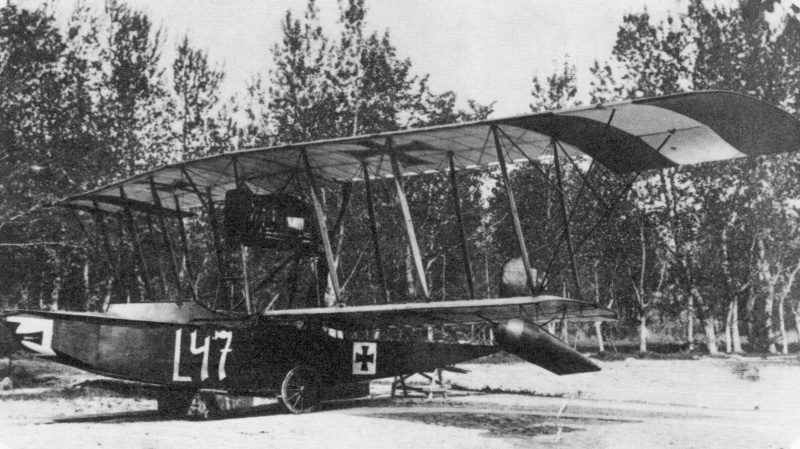
During the First World War, the skies over the Adriatic Sea were a battleground between Italian and Austro-Hungarian flying boat fighters. Originally, the Austrian firm Lohner Werke had developed the Lohner Type L reconnaissance aircraft, but on May 27, 1915, just four days after Italy declared war on Austria-Hungary, a Lohner Type L was forced to land near Lido di Volano in the Po River Delta and was subsequently captured by the Italians. Soon, the Italian government tasked the firm Società Anonima Nieuport-Macchi (Nieuport-Macchi Limited Company) in Varese with copying the Austro-Hungarian flying boat.
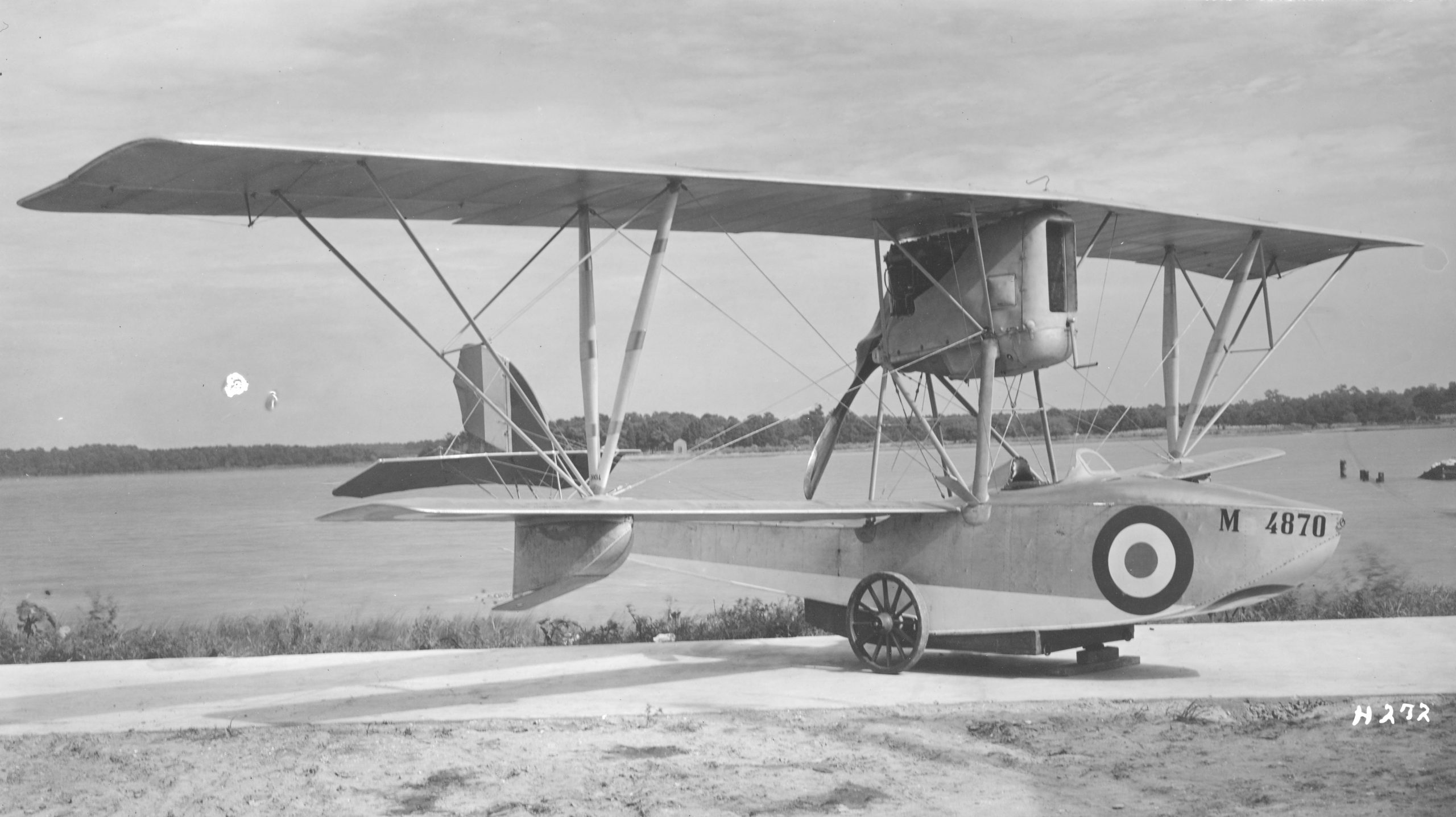
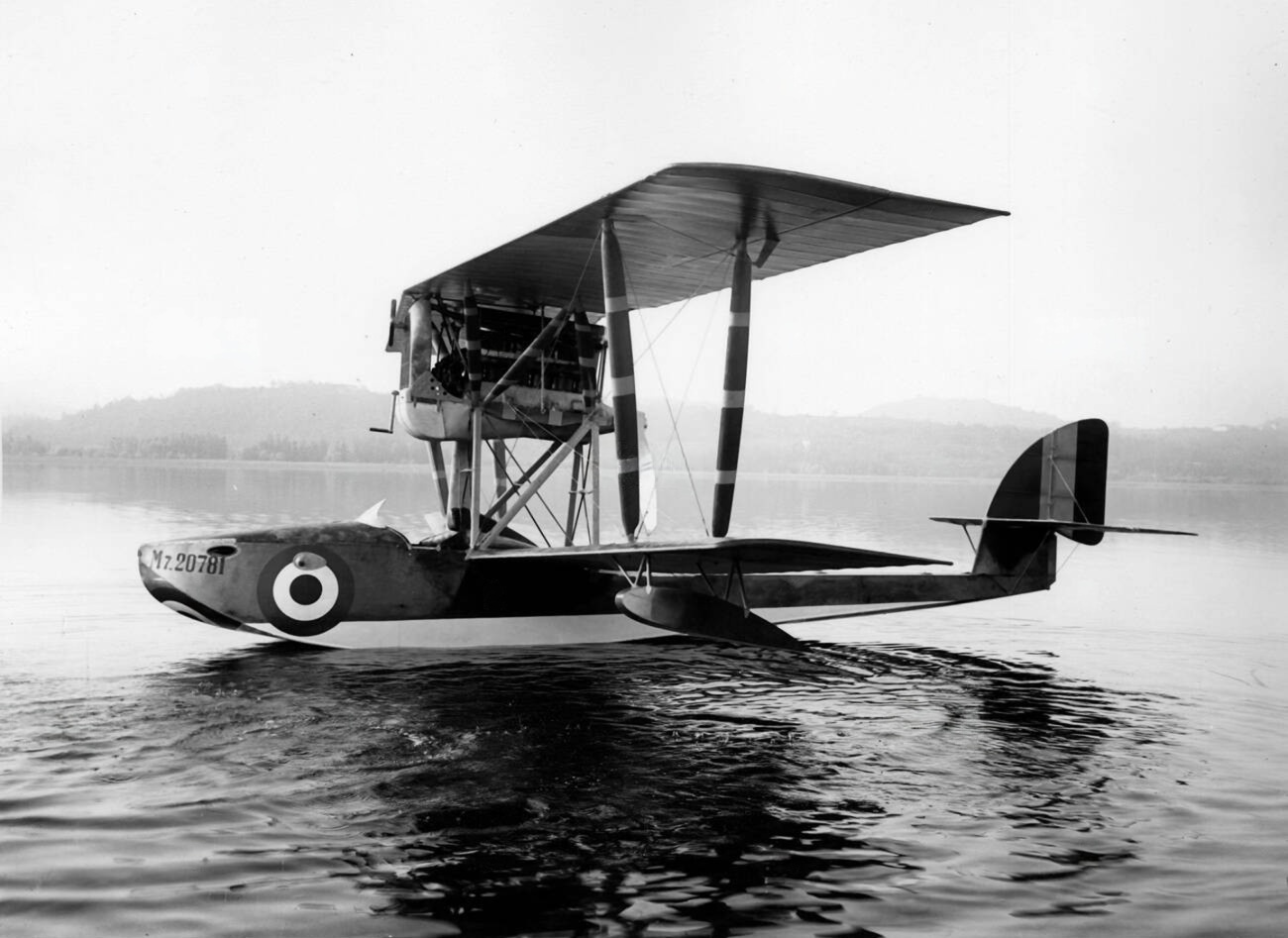
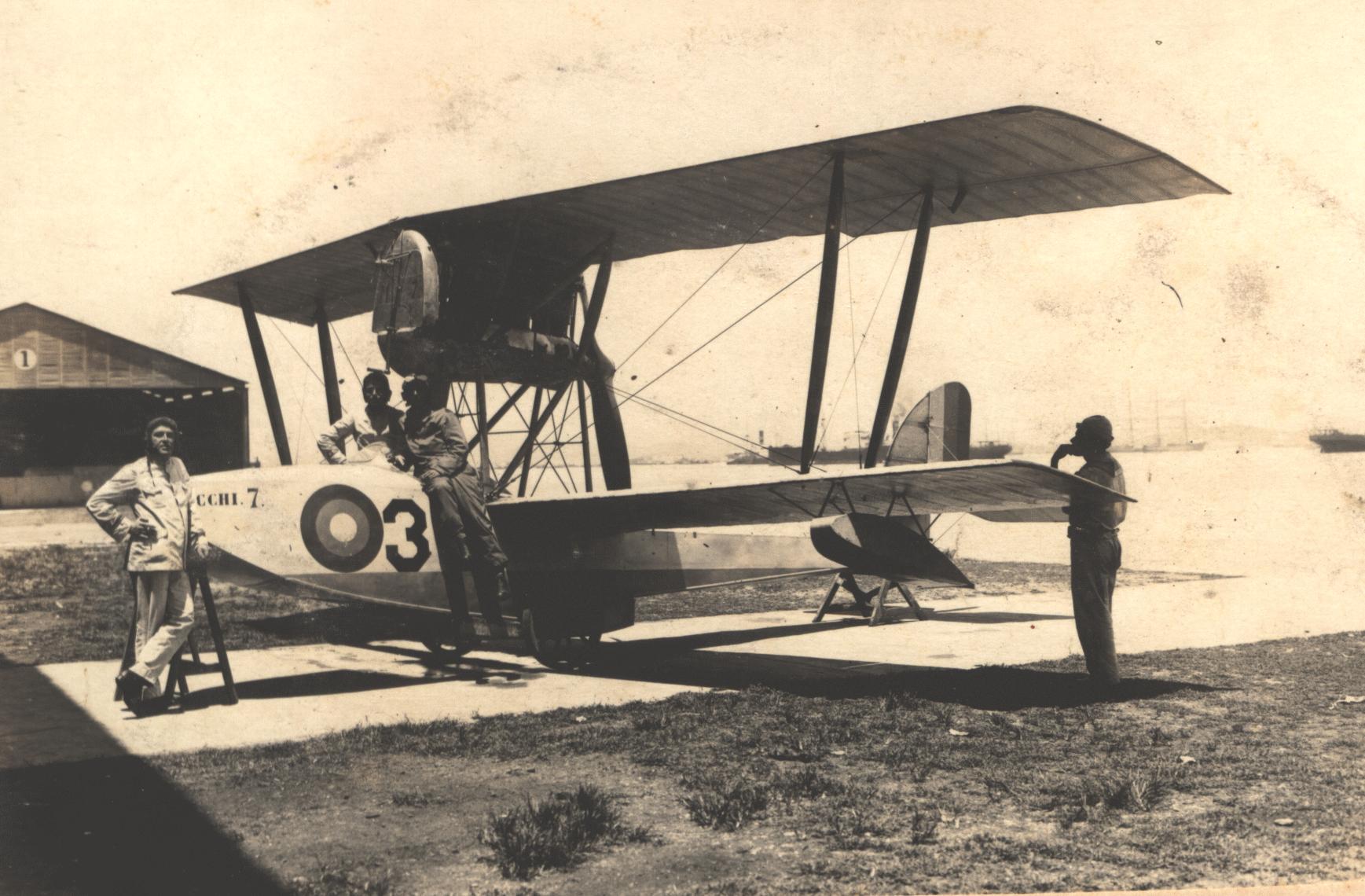
The result was the Macchi M.1, and over the course of the war, variations of this initial copy such as the Macchi M.3 and M.5 were used as both fighters and as reconnaissance aircraft over the Adriatic. By 1918, though, designer Alessandro Tonini sought to build an improvement to the M.5. With the new Isotta Fraschini V.6 straight-six inline engine capable of up to 260 hp, a modified hull, and a new design in the biplane set of wings and struts, the Macchi M.7 was born. Armed with two fixed forward-firing 7.7 mm (0.303 in) Vickers machine guns installed in the bow, the Macchi M.7 had only just begun to enter operational service when WWI came to a swift end in November 1918, and with it came an equally quick cancellation of the production order for 1,005 M.7s.
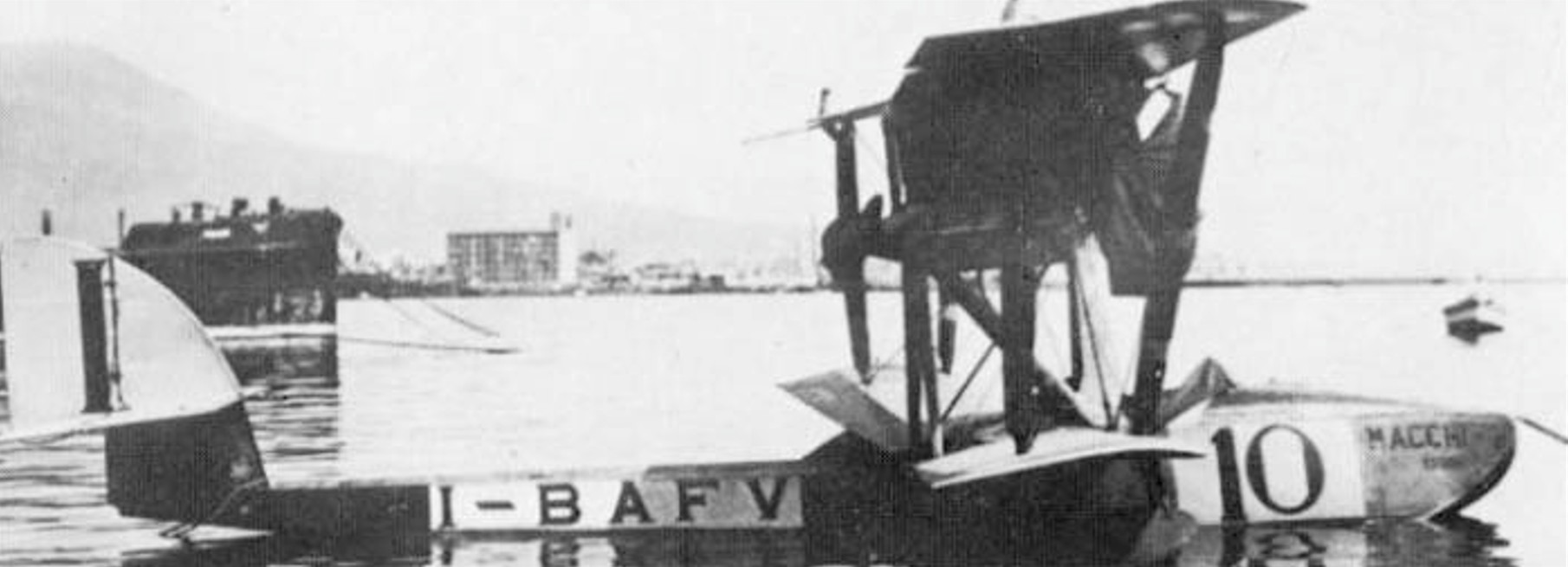
After the war, just over 100 Macchi M.7s were built, and would remain in service with the Regia Marina (Italian Royal Navy), with the M.7ter possessing improvements in the design of its hull, wings, and tail, and the M.7ter AR had foldable wings (hence the designation AR for Ali Ripiegabili (folding wings)) for operations from seaplane tenders. With Italy’s interest in the Schneider Trophy Races for seaplanes, Alessandro Tonini developed the M.7bis for racing. The work of his design team paid off in 1921 when Giovanni De Briganti won first place in the 1921 races held in Venice in a Macchi M.7bis, flying at an average speed of 189.66 km/h (117.85 mph).
In addition to its domestic success, the Italians attempted to export the Macchi M.7 and other Italian aircraft to foreign customers. In an era of restricted military budgets after WWI, it was a tough sell, but a few were sold to Argentina, Brazil, Ecuador, and Spain to be used primarily as training aircraft, along with the two-seat Macchi M.9 reconnaissance bomber aircraft. But notably, four Macchi M.7s, including the one that is now the last surviving example of its type, were sold to Sweden.
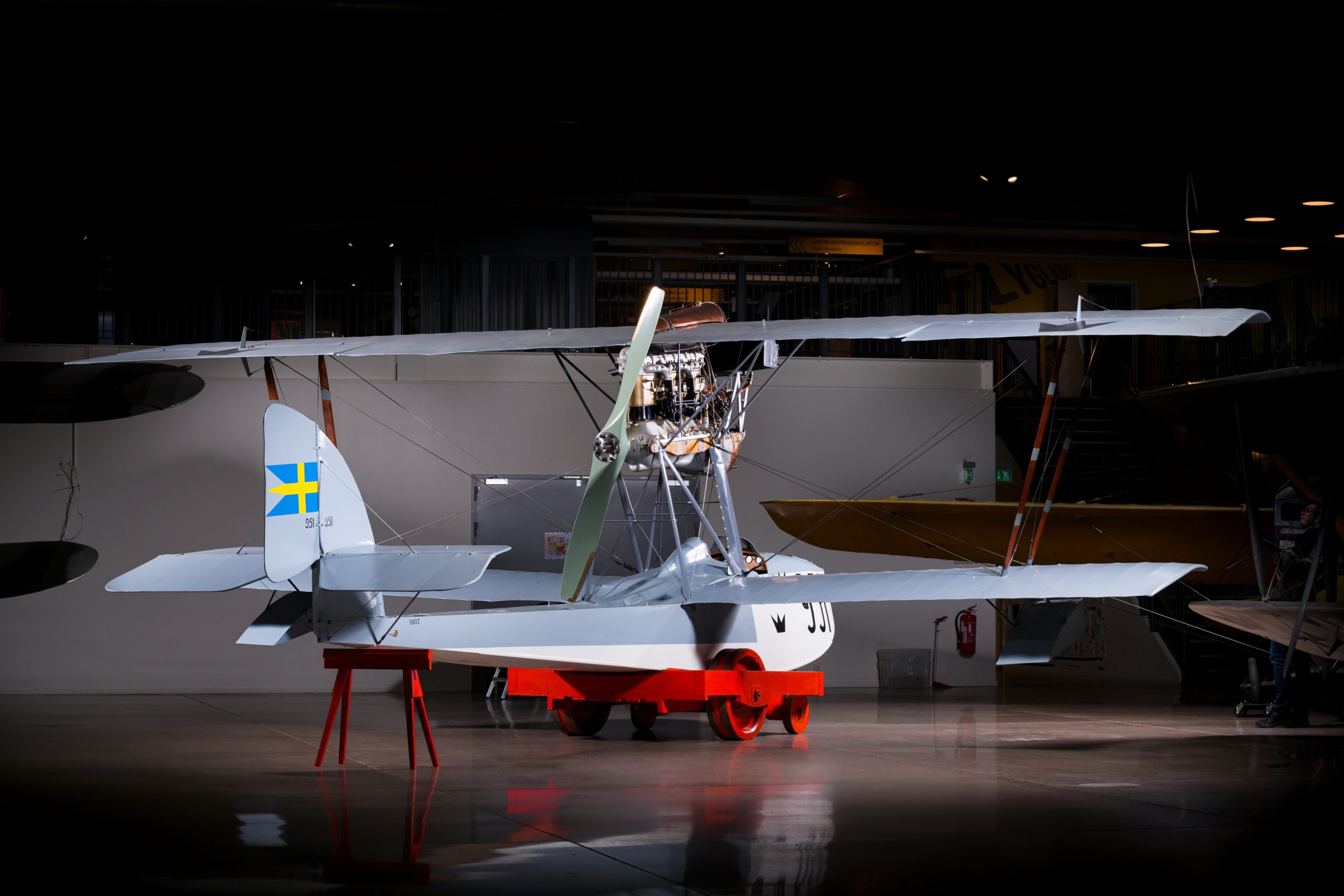
Having remained neutral during WWI, Sweden nonetheless recognized the value of military aviation in maintaining its neutrality in Europe. An Italian envoy was able to sell Sweden four Macchi M.7s, as well as a single Macchi M.8 and a single SIAI S.13 flying boat, where it was hoped that they would serve Sweden well, given the many lakes within the Scandinavian country. Given the lack of dedicated airfields across Sweden, having a flying boat design was indeed useful and practical. At least two of the M.7s came to Sweden having served in the Regia Marina prior to their export, flying with the Italian serial numbers 20813 and 20923. Upon arriving in Sweden in July 1921, the four Macchi M.7s were assembled at the Flygkompaniets tygverkstäder Malmslätt (Flygkompaniet’s fabric workshops Malmslätt; FVM) on the present-day site of Malmen Airbase. The four aircraft were flown by the Aviation Detachment (Armefälttygkåren) of the Swedish Army’s Field Telegraph Corps (Fälttelegrafkåren), and were stationed at Lake Roxen, just north of Linköping. The four M.7s were assigned the serial numbers 941, 943, 945, and 951, respectively.
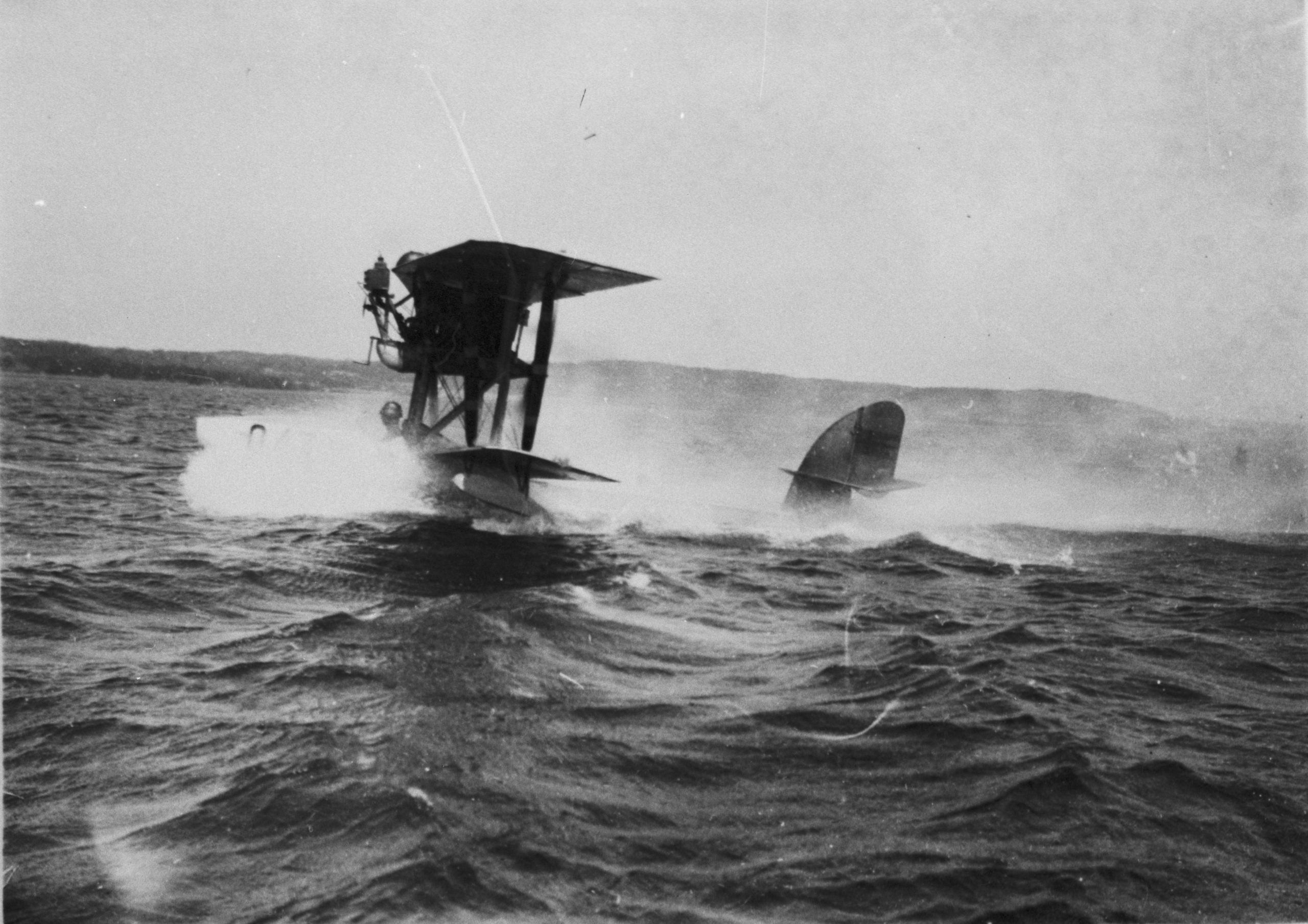
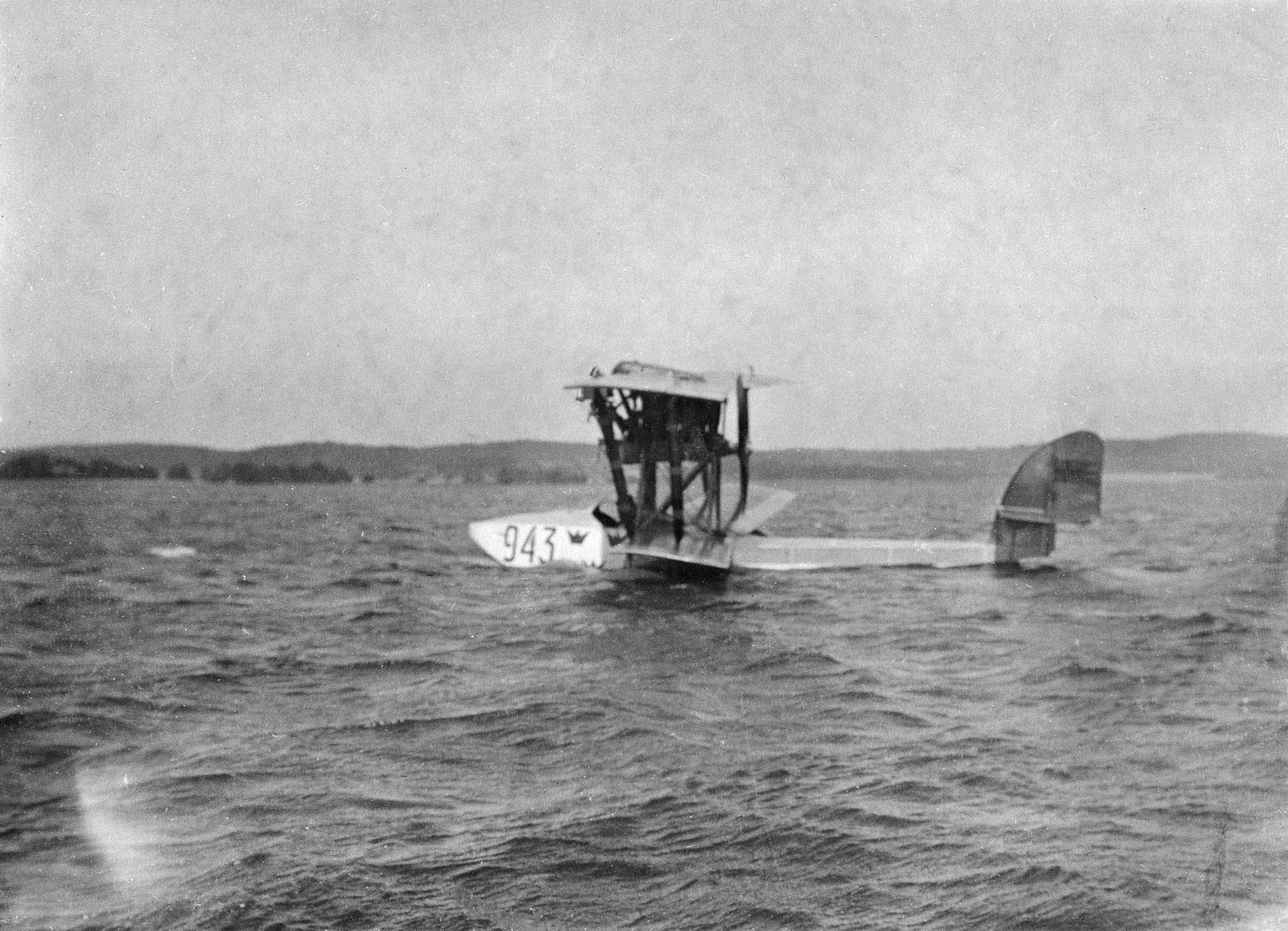
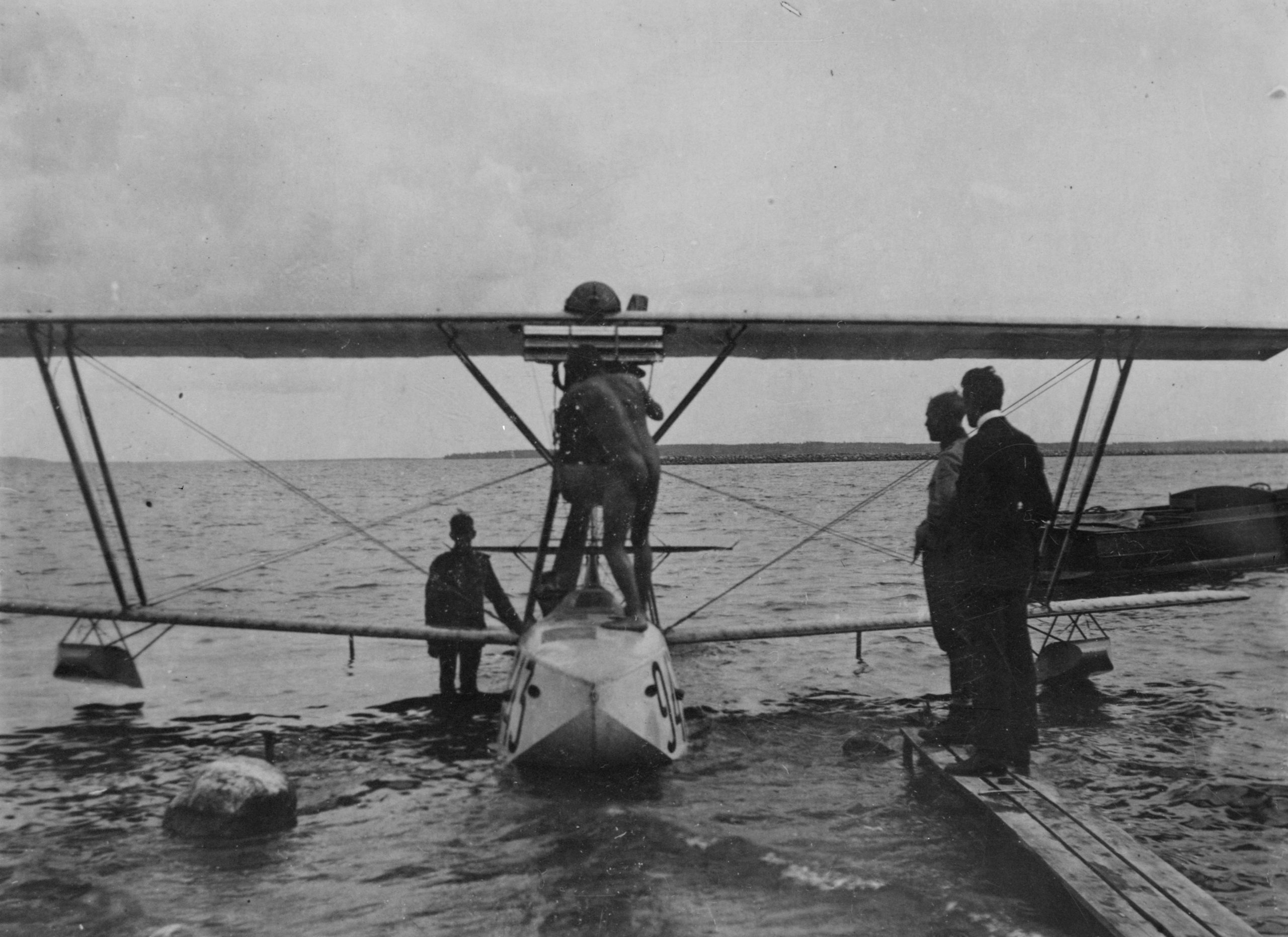
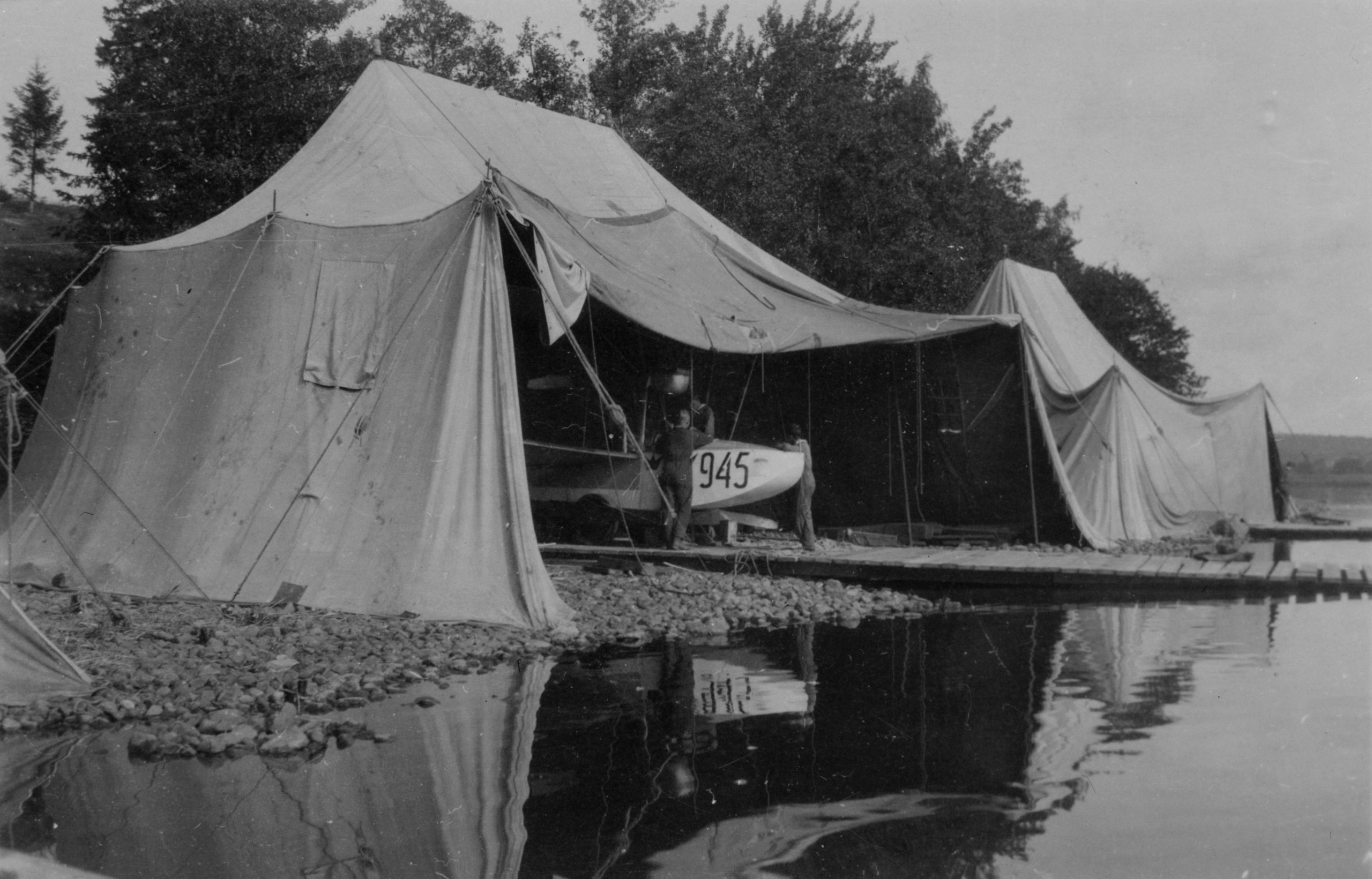
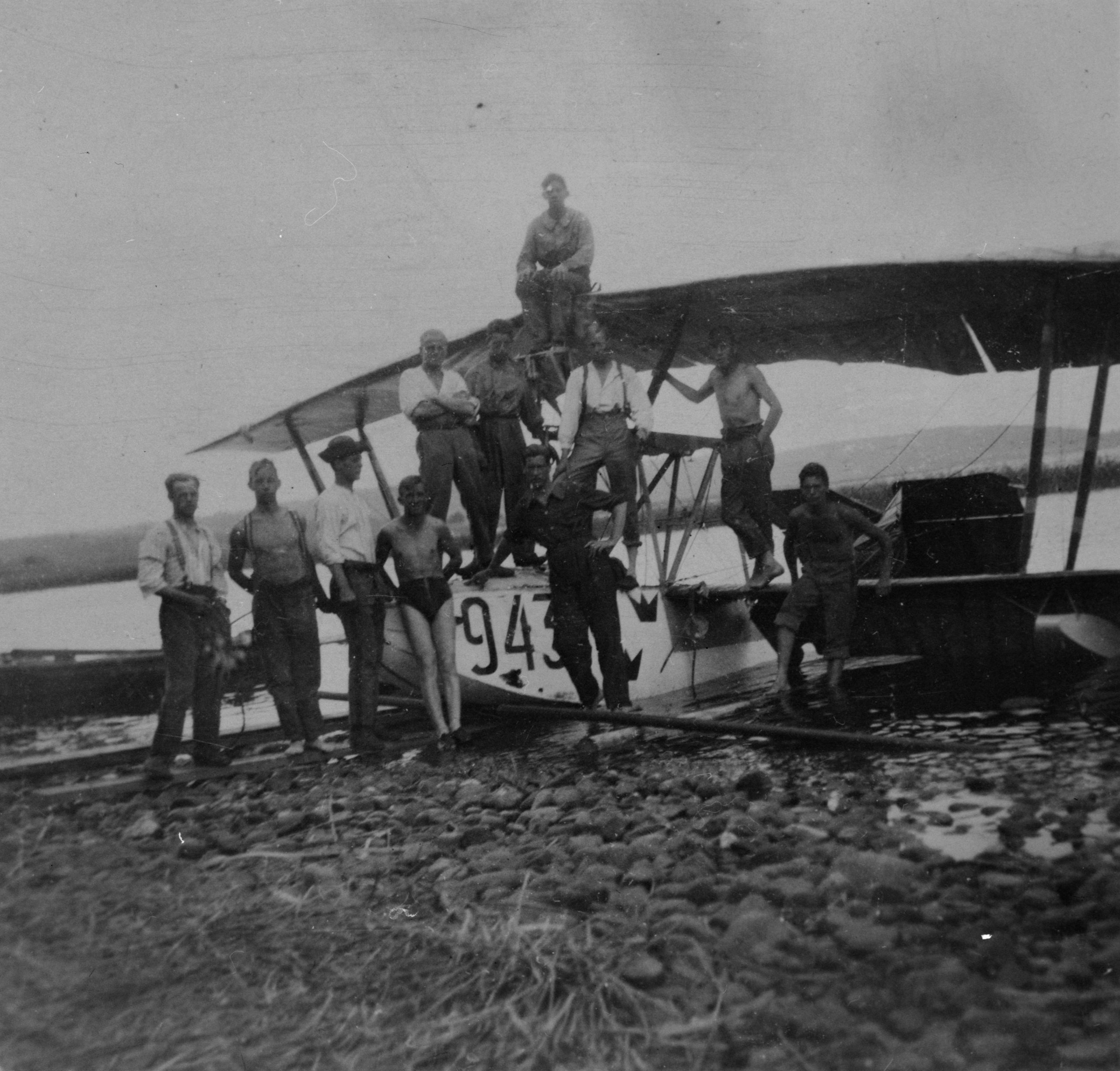
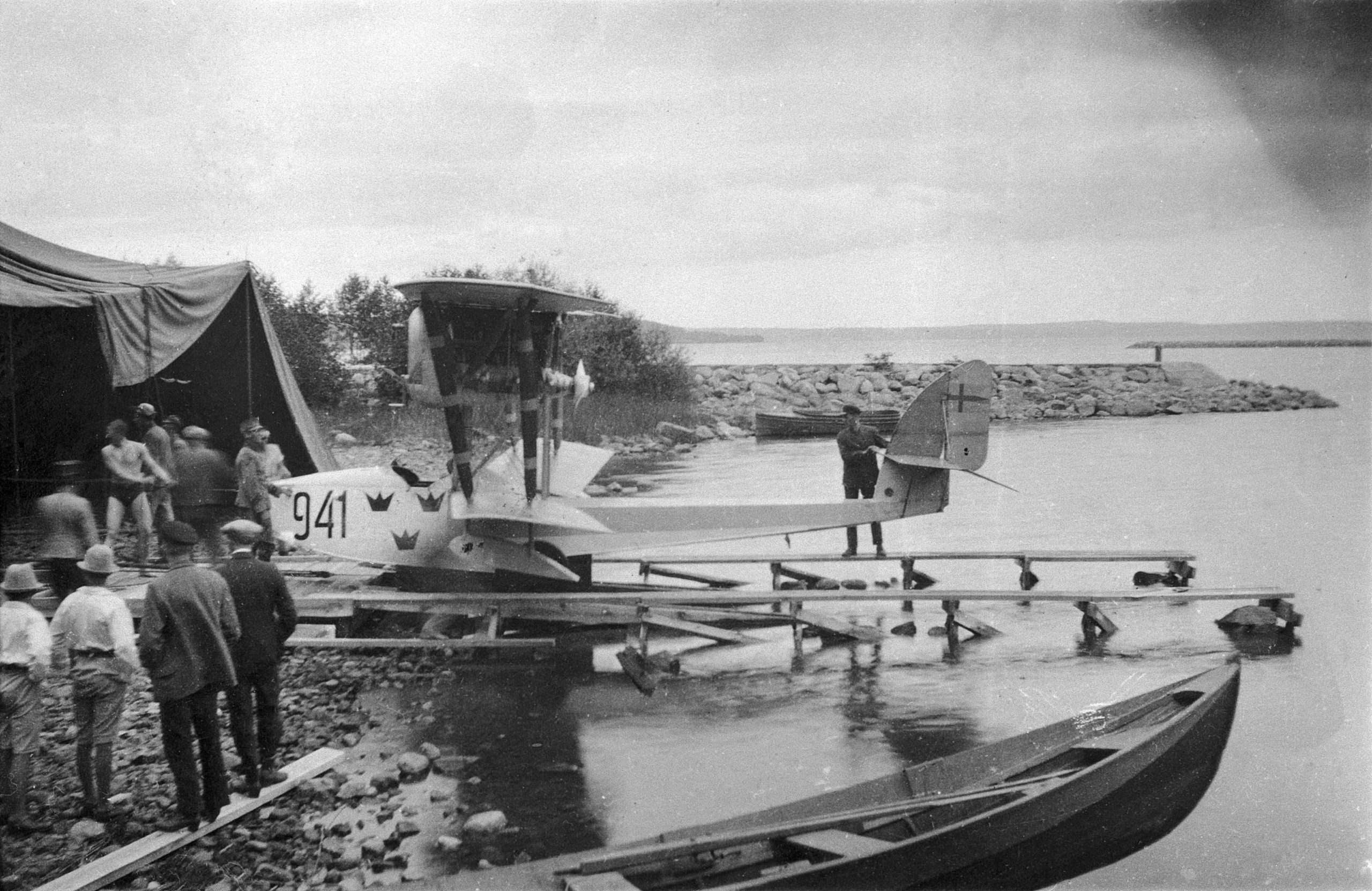
As Sweden was at peace, the Macchi M.7s were not only used as fighters for deterrence but also for flight training and artillery spotting. Since the M.7 was a single-seat design, the four examples were mainly flown by the aviation detachment’s most experienced pilots and flight instructors. One issue with the Macchis that the Swedes found was that the plywood hulls required constant maintenance during the humid summer months, as the plywood tended to expand or shrink with the changes in moisture. Flying accidents were not unheard of either, and by December 1923, aircraft 941 and 943 were withdrawn from service and likely scrapped shortly afterwards, leaving just two Macchi M.7s in Swedish service.
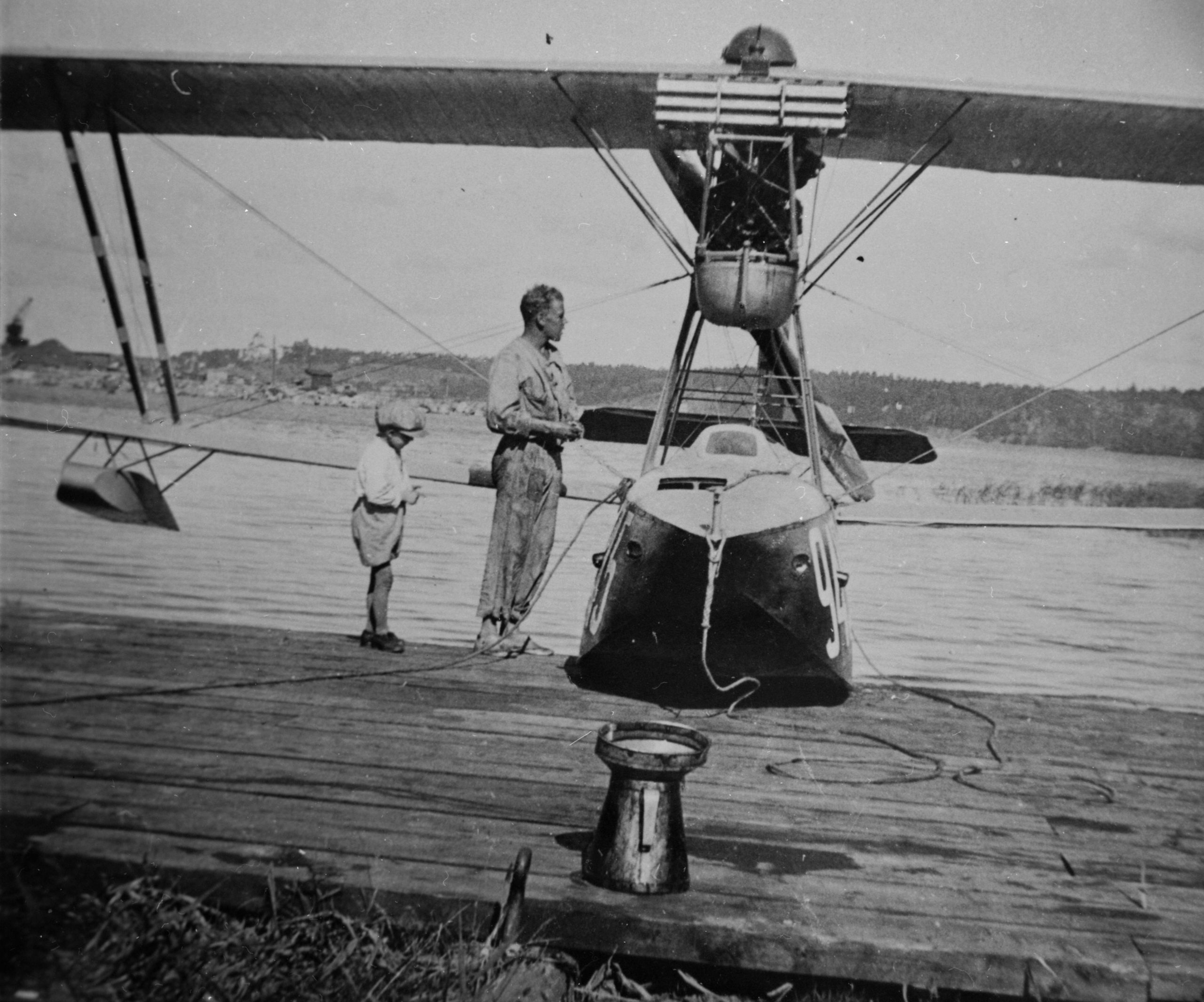
On September 2, 1925, Lieutenant Nils Paul Axelsson Kindberg took a Macchi M.7 (serial number 945) on a public tour around the Baltic Sea. Kindberg had come to prominence earlier as one of Sweden’s pioneering test pilots, and on March 8, 1918, he had accompanied Swedish count Eric von Rosen to fly a Thulin Type D (a Swedish variant of the Morane-Saulnier Type L) to Finland, where von Rosen donated it to the nascent Finnish state, which had just declared independence from Russia the year prior and was engaged in conflict with the new Bolshevik government. This event is today seen as the anniversary of the modern Finnish Air Force.
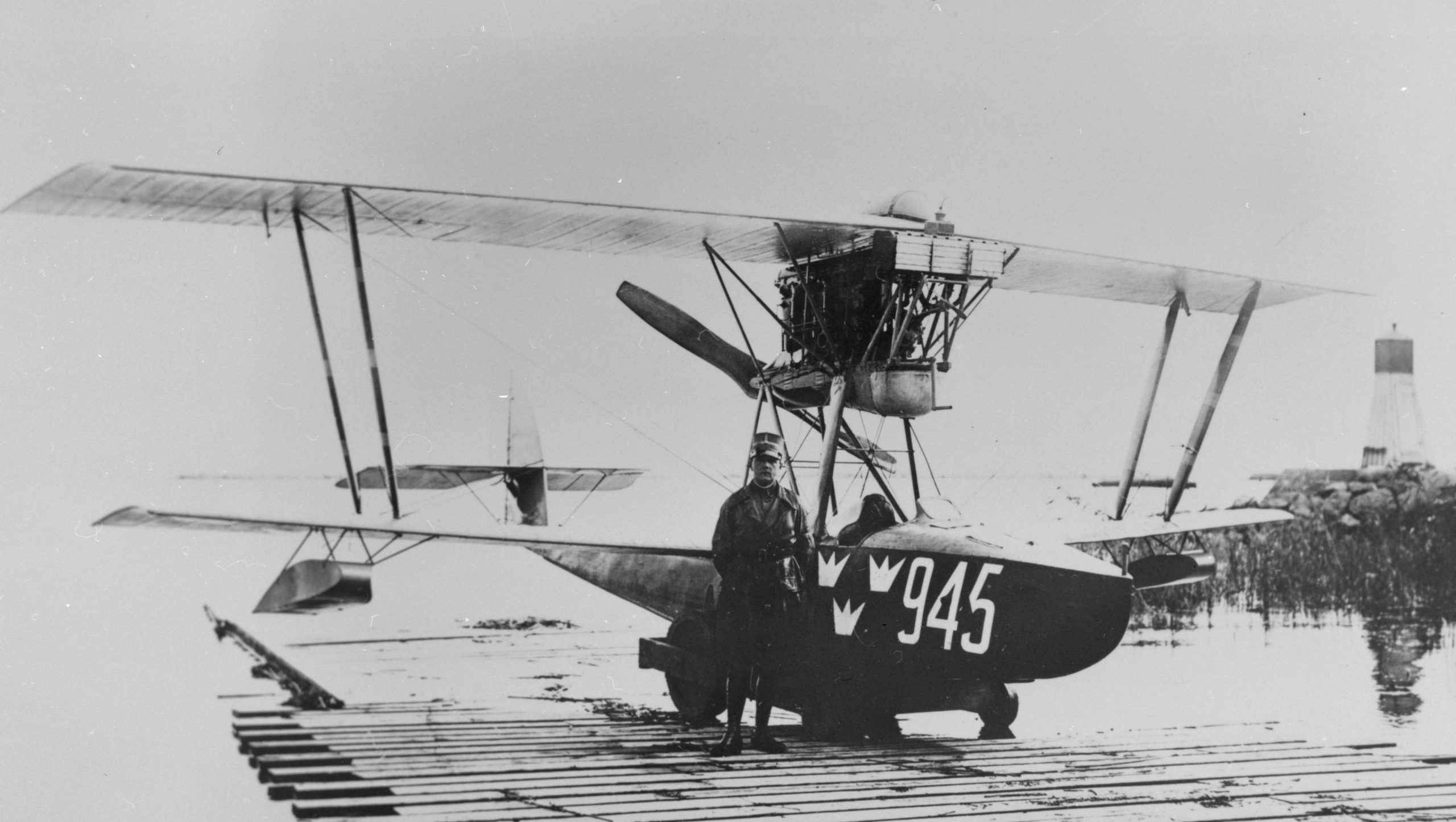
Kindberg took M.7 s/n 945 and began his long-distance flight from Lake Roxen to Lindarängen Air Harbor/Airport near Stockholm before proceeding to the Finnish capital, Helsinki. From Helsinki Kindberg, then flew to Tallinn, the capital of Estonia, before returning to Lake Roxen a week after beginning this flight, a round trip of 1,173.77 km (729.35 mi).
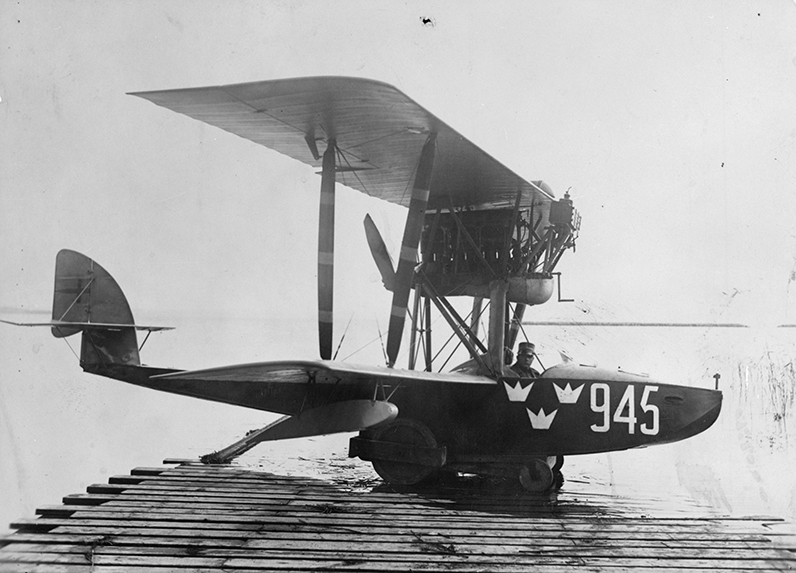
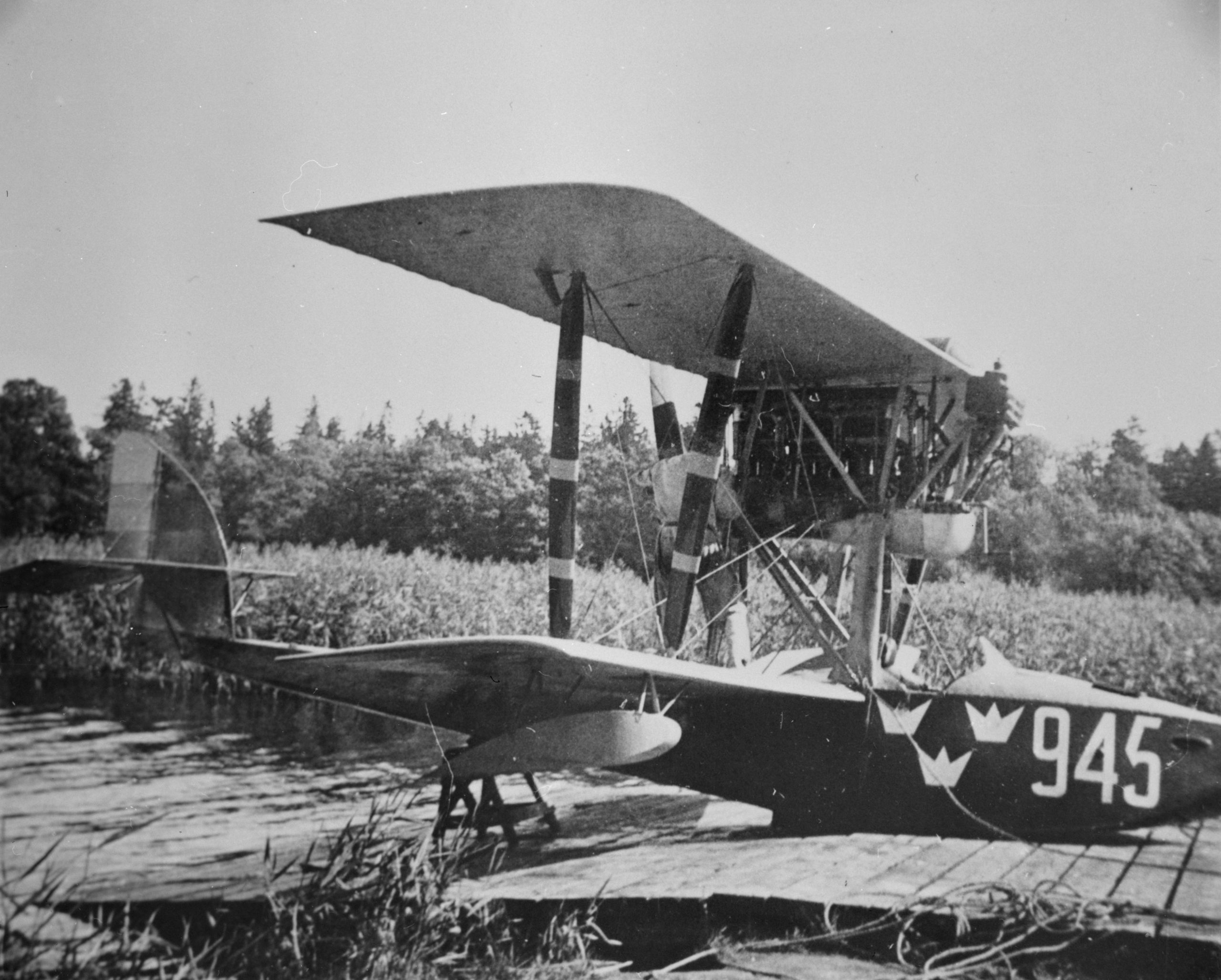
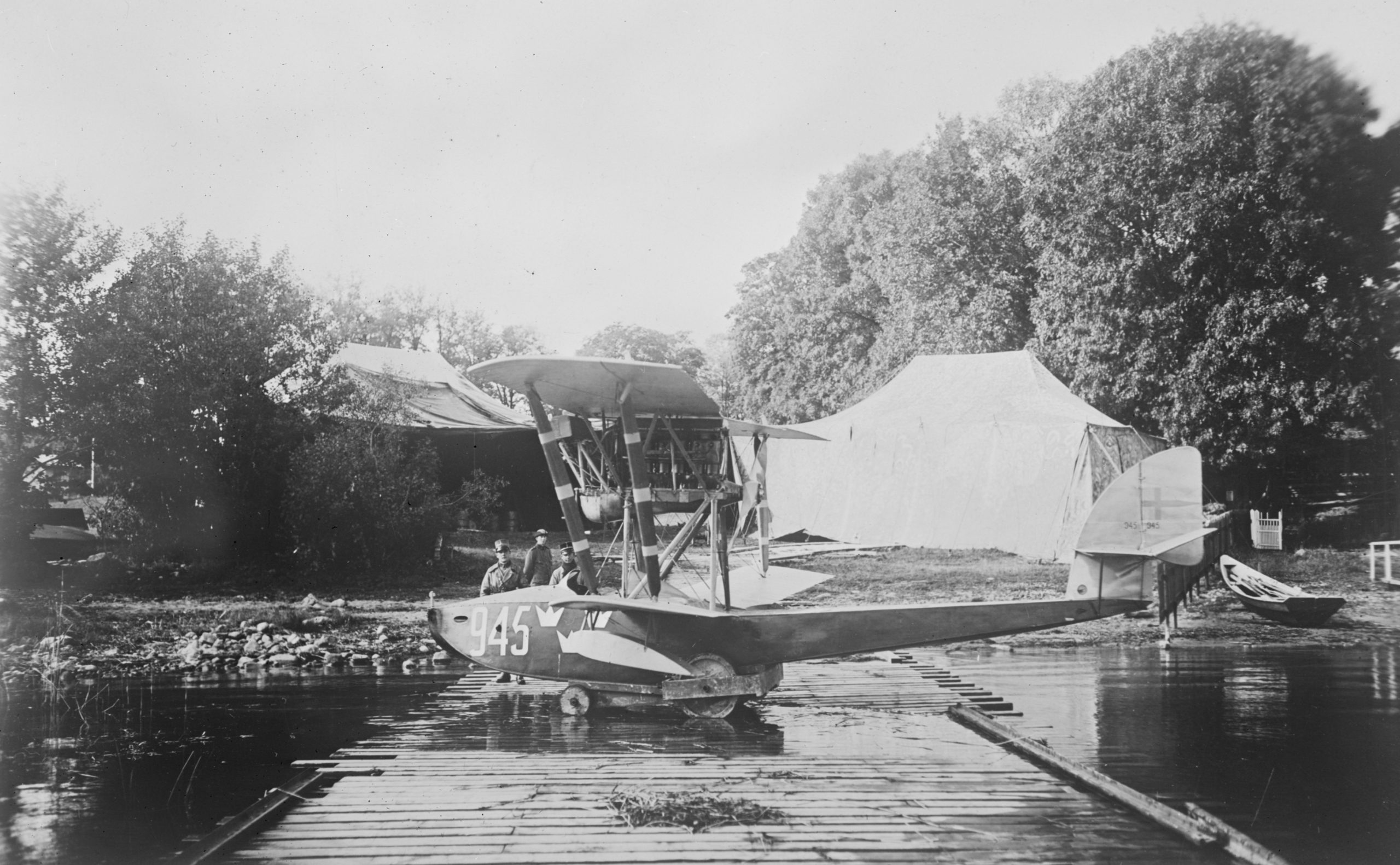
With other militaries around the world making similar flights and establishing dedicated air forces, the Swedish government decided in 1926 to combine the aviation detachments from both the Swedish Army and the Swedish Navy to create the Swedish Air Force, which has continually guarded Sweden’s skies for 100 years. Both M.7 s/n 945 and s/n 951 remained in service long enough to be officially adopted into the new Swedish Air Force.
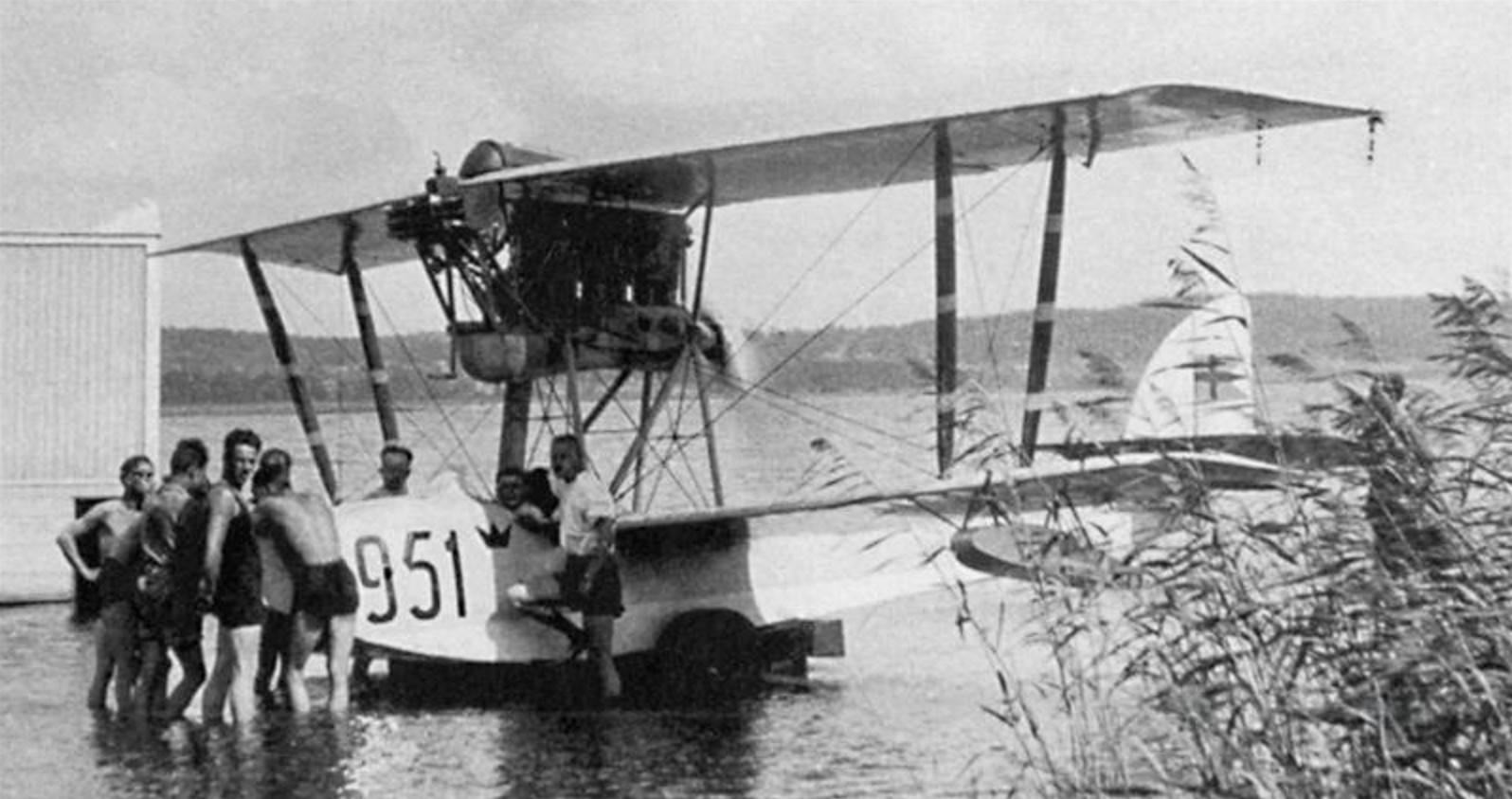
But by 1927, the Macchi M.7s were showing their age, and developments in aircraft and engine design had surpassed their flight capabilities, plus there were the maintenance issues that came to be associated with any well-worn aircraft. Both s/n 945 and 951 would be decommissioned in December 1927, by which point aircraft 951 was set aside for preservation. However, the Isotta Franschini six-cylinder engine on the aircraft was still valuable, and it would be removed to power another Swedish aircraft, an FVM Ö 5 Dront (Dodo), a two-seat reconnaissance aircraft based on the Phönix C.I flew with the Austro-Hungarians in WWI. In the engine’s place, a wooden replica was fitted on what was now the last surviving Macchi M.7, which was later repainted in the colors of s/n 945. Eventually, many came to believe that this aircraft was indeed s/n 945. The Macchi and other historic Swedish military aircraft at Malmen would owe their initial preservation to Gösta von Porat, one of Sweden’s military aviation pioneers, who, as commander of the Östgöta Air Wing (F 3) from 1934 to 1941, sought to store surplus aircraft that would otherwise be scrapped in the hopes of one day making them part of an aviation collection.
According to Swedish aviation historian Jan Forsgren, the Macchi M.7 was held in storage alongside other old Swedish military aircraft at Malmen Airbase when in 1951, Colonel Hugo Beckhammar, who had succeeded von Porat as commander of the Östgöta Wing, secured permission from his superiors to move the aircraft to a small wooden building at Malmen Airbase that was referred to by personnel as Lagerhyddan (Camp Hut/Warehouse Hut), where the Italian-built flying boat was suspended from roofbeams. That same year, an airshow was held at Malmen on August 26 to celebrate the 25th anniversary of the creation of the Swedish Air Force, which allowed the general public to visit the Lagerhyddan. Over the coming years, Sweden was part of a growing international trend of countries seeking to preserve their military aviation history, and to make it accessible to the public. In February 1967, a storage hangar was erected at Ryd, just south of Linköping, which housed 26 aircraft, including the Macchi M.7, and was managed by the Östergötland Aviation Historical Society (Östergötlands Flyghistoriska Sällskap (ÖFS)). Yet the goal of an official Air Force Museum had yet to be realized, and on March 8, 1984, the Swedish Air Force Museum (the Flygvapenmuseum) was officially opened, with King Carl XVI Gustaf presiding over the opening ceremonies.
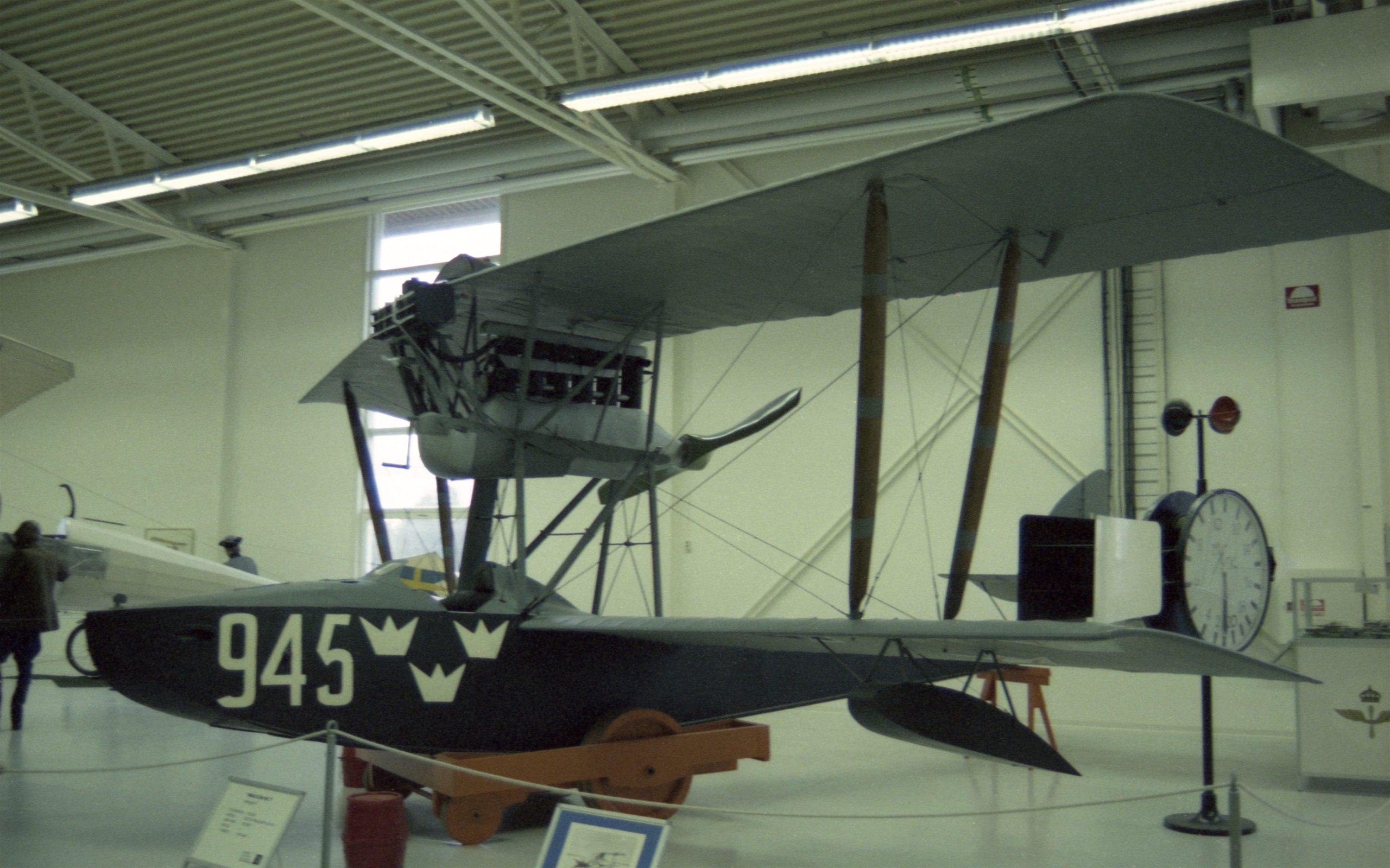
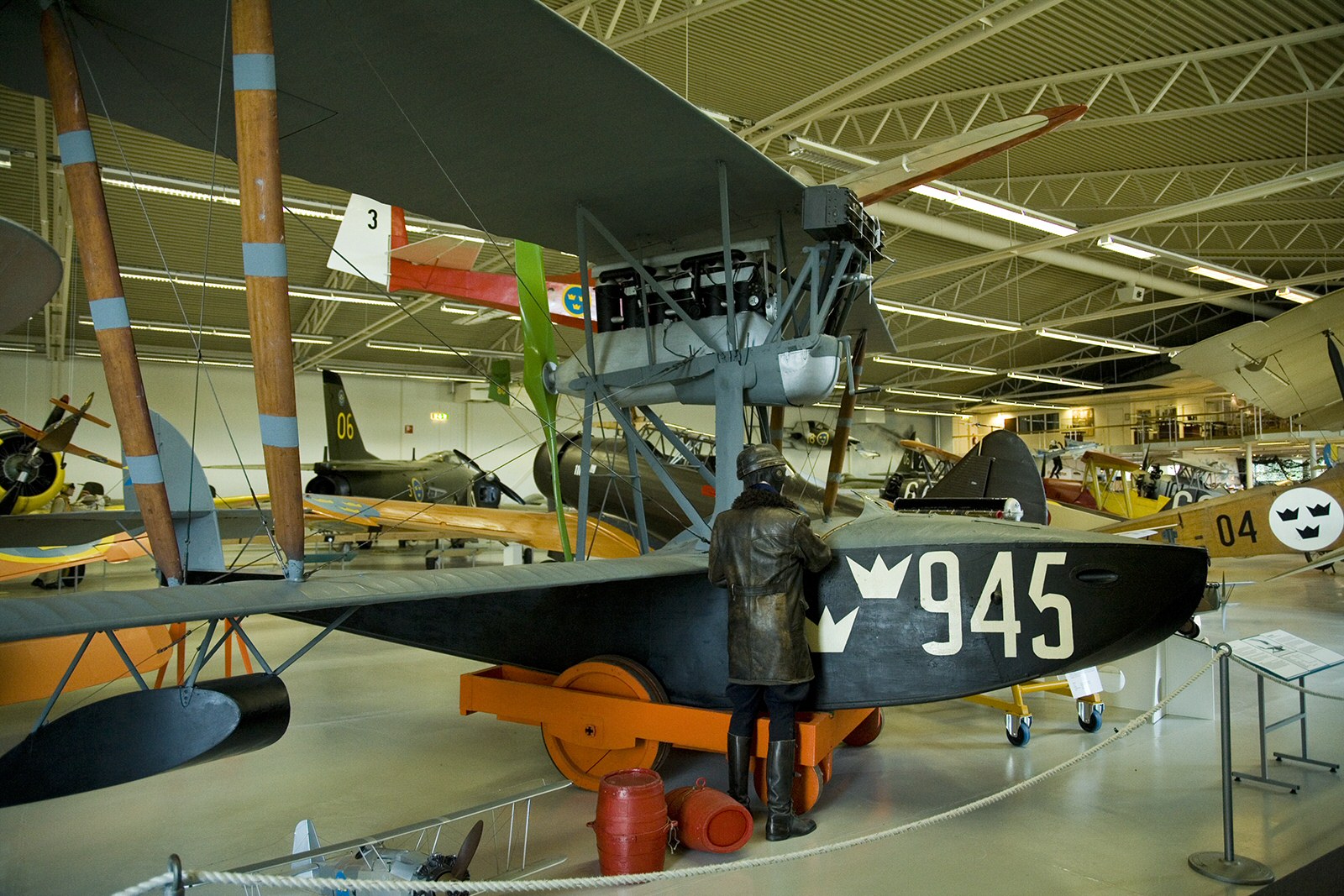
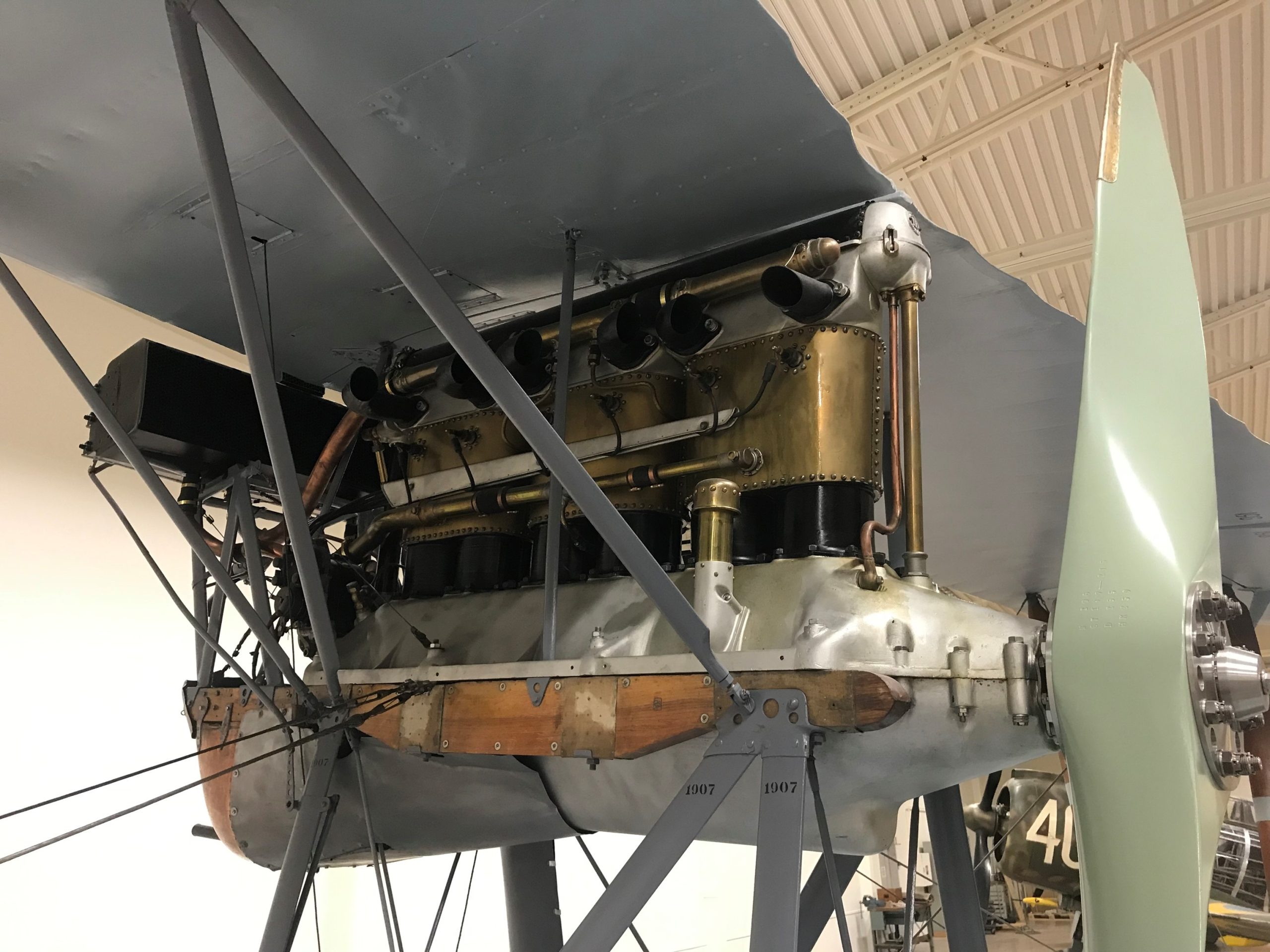
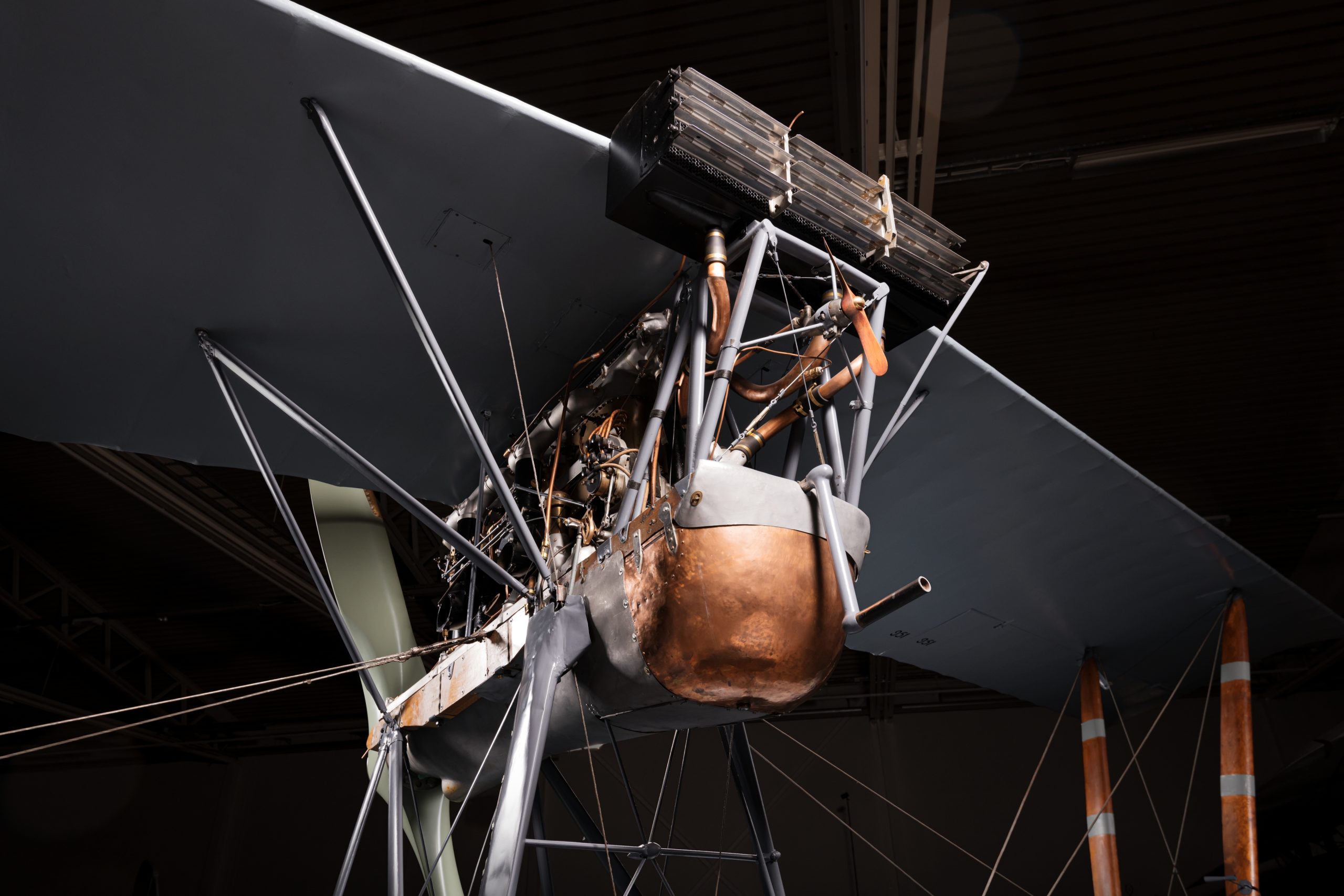
Many aviation enthusiasts came to appreciate the Macchi M.7 on display at the Flygvapenmuseum, and the Macchi would eventually become a subject for restoration. In 1994, the Flygvapenmuseum had been assisting the Historical Museum of the Italian Air Force with reconstructing one of the most famous Italian fighters of WWII, the Fiat CR.42 Falco. Sweden received 72 of these biplane fighters from Italy, where the Swedish Air Force operated them under the designation J 11, and today one of these Fiat J 11s remains in the Flygvapenmuseum. By the 1990s, the remains of several examples lost in accidents during WWII were being recovered from all over Sweden around the same that the Italian Air Force Museum was seeking to build a reconstruction of a CR.42 to be displayed in their museum. In exchange for the CR.42/J 11 parts, the Italian Air Force Museum sent an original Isotta Fraschini engine to Sweden to be displayed with the Macchi M.7. However, the original engine would be displayed on a cart next to the Macchi, while the old mockup remained mounted on the M.7. The Italian Air Force Museum has since completed their CR.42 with the parts from Sweden, along with parts of other CR.42s found in France and in Italy, and the reproduction sits proudly on display in the museum. Meanwhile, another Swedish J 11 lost in a training accident in 1942 has formed the basis for an ongoing restoration being carried out at The Fighter Collection in Duxford, England, which promises to be the first Fiat CR.42 Falco to fly since WWII. More on that project HERE.
In 2011, it was decided to begin restoration on the world’s last Macchi M.7. On December 1 of that year, the aircraft was brought to the Tullingebergsvägen Group/Tullingegruppen, a group of skilled aviation enthusiasts (such as retired pilots and mechanics) who worked on behalf of the Swedish Air Force Museum and the Swedish Aviation Historical Society to restore the Macchi M.7. The restoration of the Macchi was carried out at the former Tullinge Airbase, just south of Stockholm. When the project began, it was clear that the aircraft had been repainted many times over its long life. Though the aircraft was displayed as serial number 945, it was clear that the aircraft was originally serial number 951. As more paint was carefully removed from the Macchi, the aircraft’s Italian military serial number was also discovered: 13203, along with the Macchi construction number: 1907.
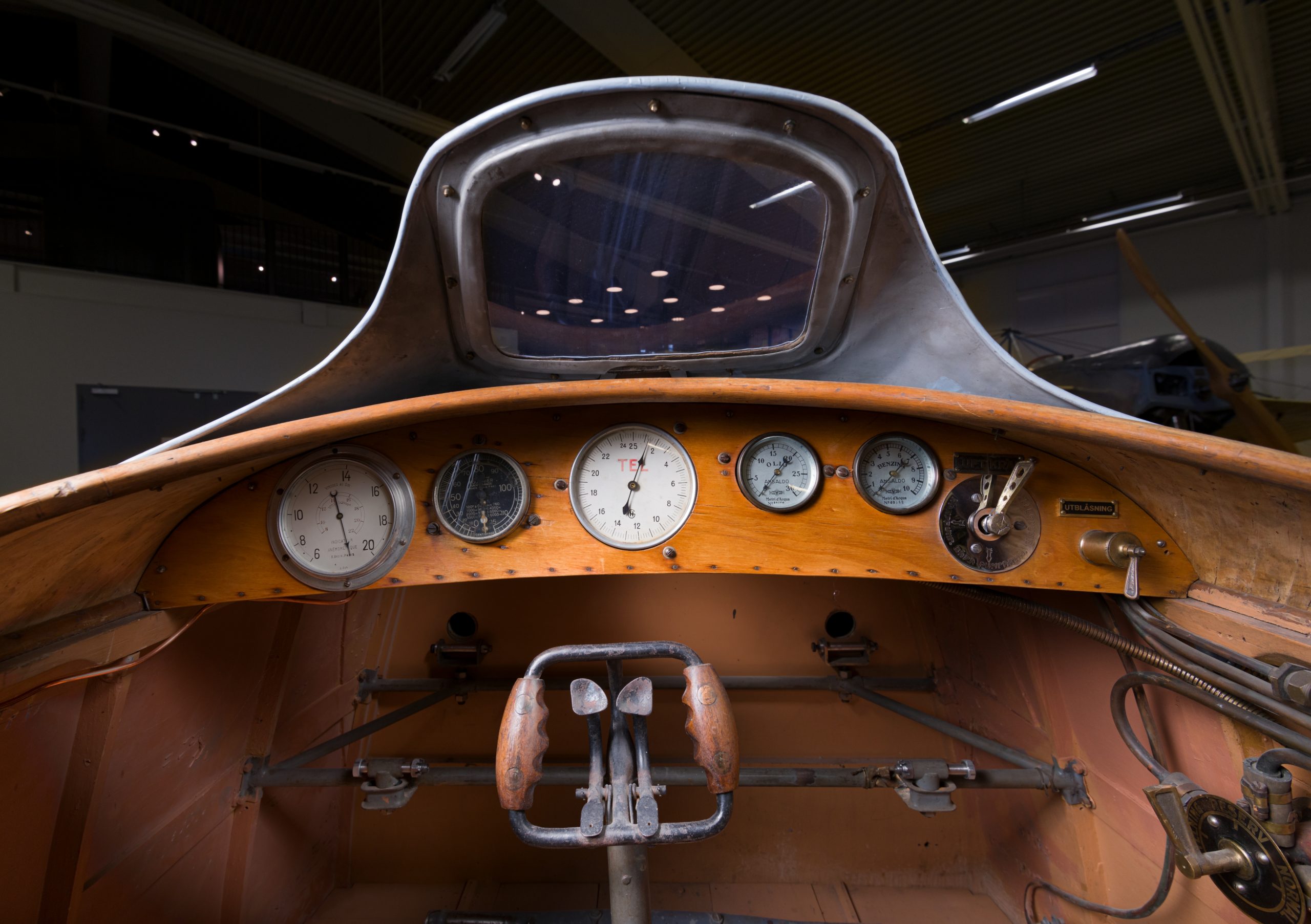
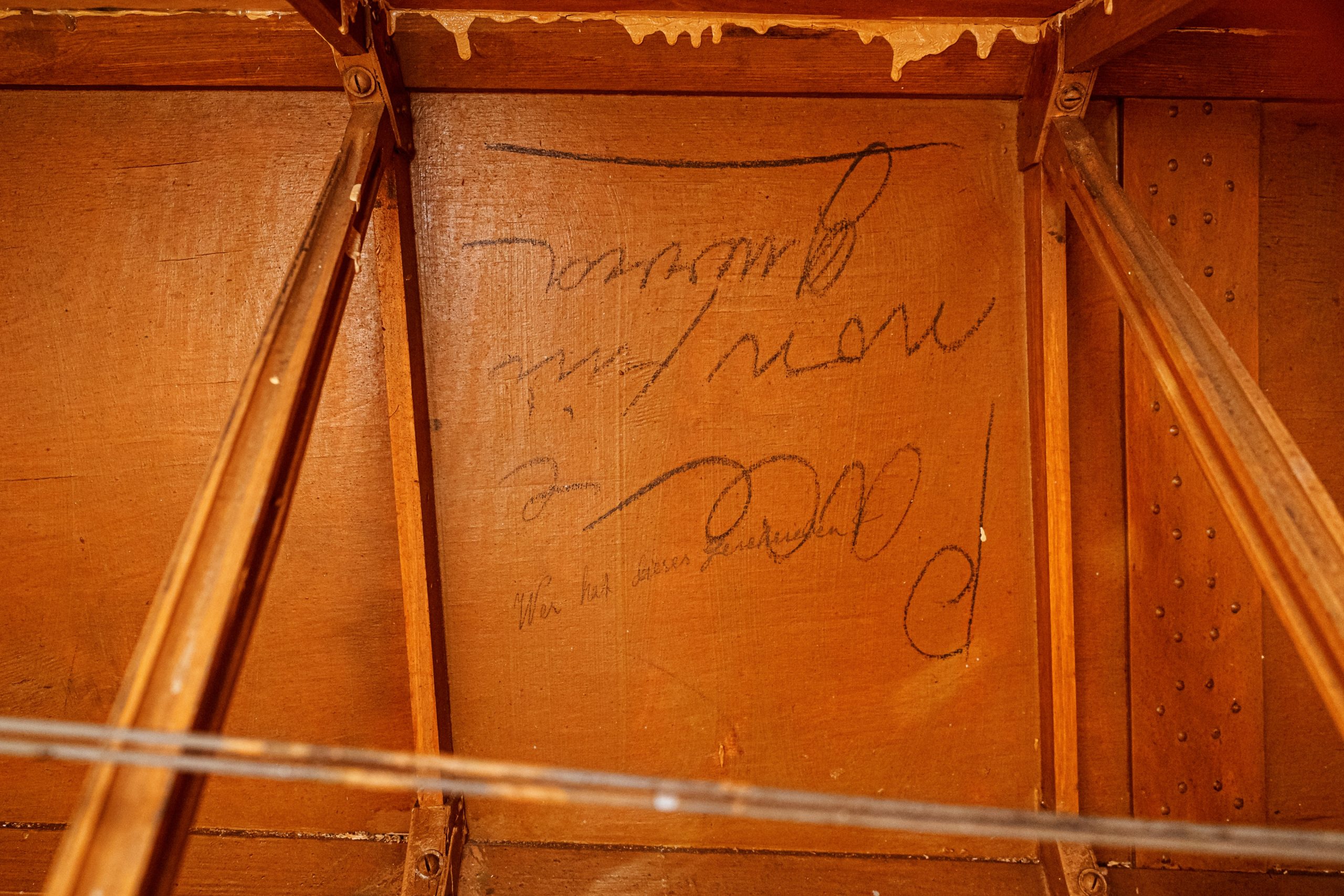
Perhaps the most curious discovery made by the restoration was two inscriptions of graffiti inside the hull of the aircraft. One was written in Italian and the other in German. The Italian text read: “Pace e non più guerra” (Peace and no more war). The German text, meanwhile, read: “Wer hat dieses geschrieben?” (Who wrote this?), a response to the Italian text. Flygvapenmuseum official Torsten Nilsson said the following in a 2016 article: “The text is written upside down, probably through a hole that was taken up in the upper side of the body during some repair. I don’t normally like graffiti, but in this case I’ll make an exception. So, of course, it has been allowed to remain.”
By 2016, the restoration of the Macchi M.7 was completed and on October 25, 2016, the aircraft, now repainted as serial number 945 and featuring the Isotta Franschini engine sent from Italy in 1994, was officially placed back on display in the Flygvapenmuseum, where it can be viewed today as the last Macchi M.7 in the world.
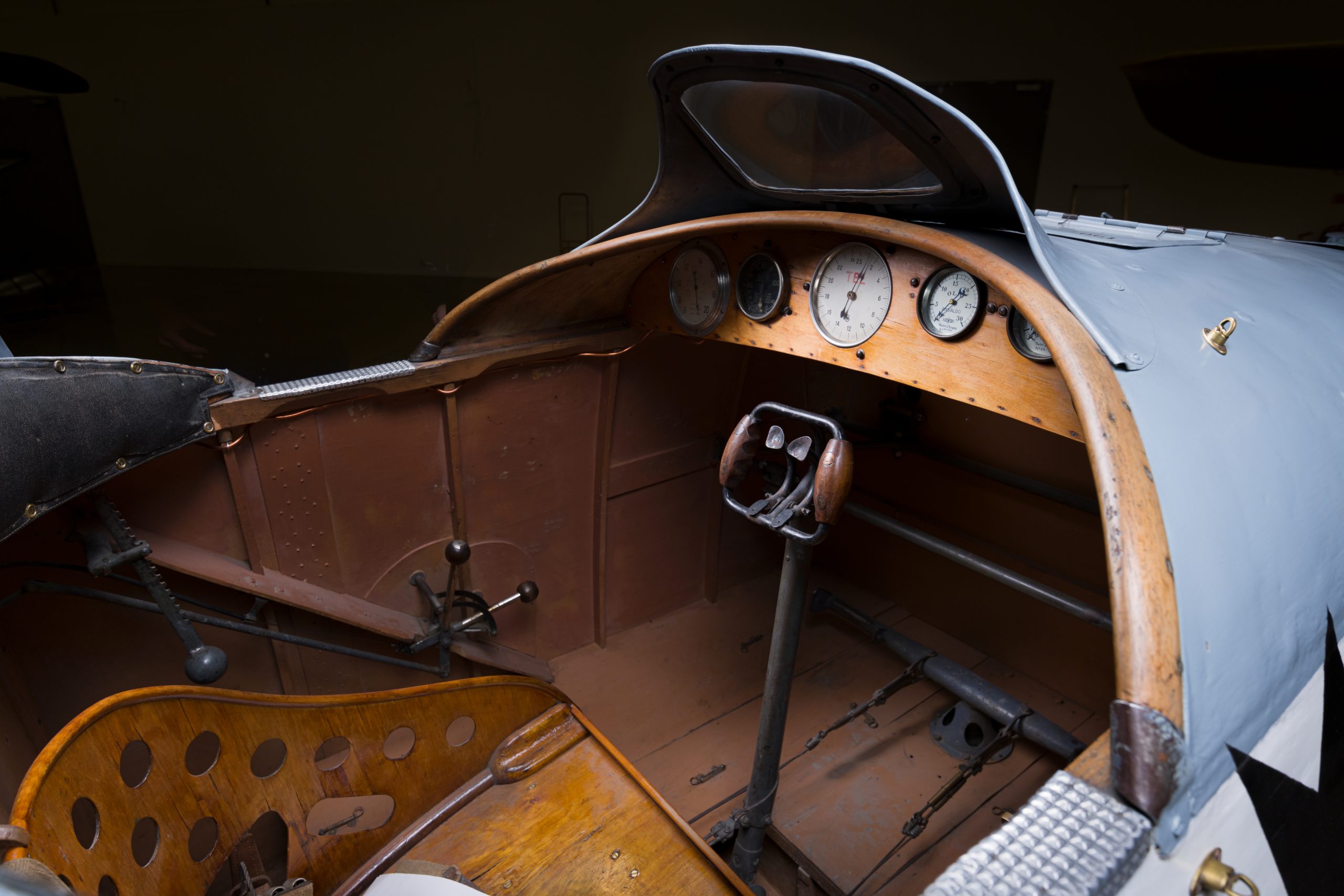
In addition to the Macchi M.7, the Swedish Air Force Museum also preserves a Reggiane Re.2000 Falco I (Swedish designation J 20) and a full-scale replica of a Caproni Ca 313 reconnaissance bomber (Swedish designation B 16A), built for a 1988 television series. For more information about the Swedish Air Force Museum, visit the museum’s website HERE.