Flight Test Files
Flight Test Files is a series that looks closely at the aircraft flown by NACA and later NASA at the High-Speed Flight Station in Edwards, California, known today as the Armstrong Flight Research Center. These were not always purpose-built research airplanes. Many were operational fighters, bombers, or transports that were brought to the desert to answer specific technical questions. Each article focuses on what problem NACA/NASA engineers were trying to solve, why a particular aircraft was chosen, what the flights revealed, and how it changed the future of aviation.



Flight Test Files: MIT Daedalus – The 72-Mile Marathon in the Sky
MIT’s Daedalus human-powered aircraft flew 115 km in 1988, setting records and advancing research in…
Flight Test Files: C-17 Globemaster III – The Role of NASA in Shaping a Cargo Aircraft Icon
C-17 Globemaster III development relied heavily on NASA research, combining advanced aerodynamics, STOL capability and…


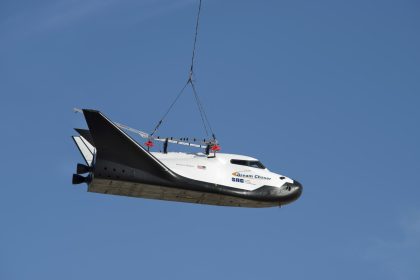
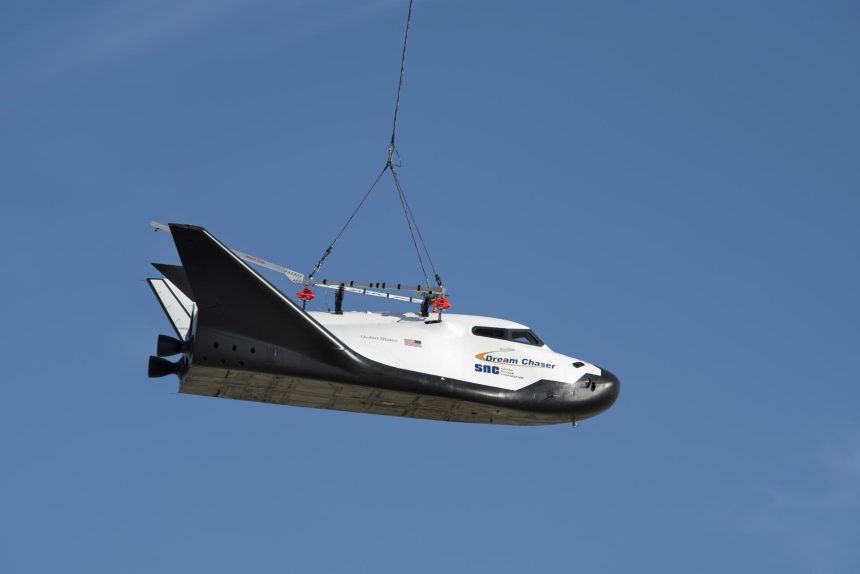
Flight Test Files: Boeing 234-UT Chinook – The High Altitude Performance Pilot
NASA’s Dream Chaser completed key 2017 flight tests using a Boeing 234-UT Chinook, validating its…
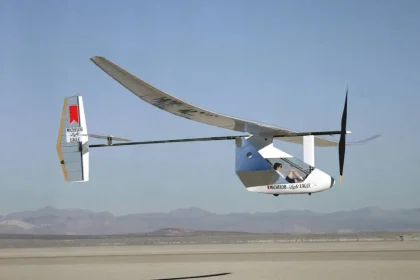
Flight Test Files: MIT Daedalus – The 72-Mile Marathon in the Sky
MIT’s Daedalus human-powered aircraft flew 115 km in 1988, setting records and advancing research in…
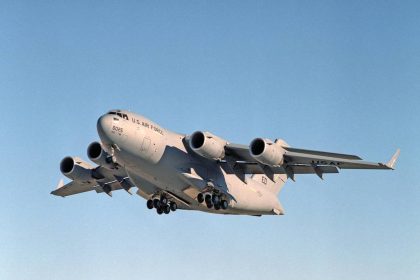
Flight Test Files: C-17 Globemaster III – The Role of NASA in Shaping a Cargo Aircraft Icon
C-17 Globemaster III development relied heavily on NASA research, combining advanced aerodynamics, STOL capability and…
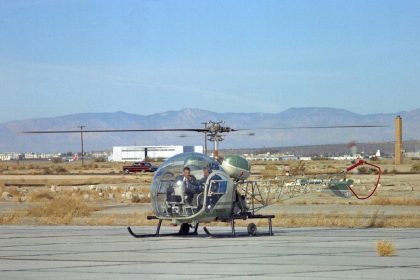
Flight Test Files: Bell 47 – The Chase Aircraft that Aided the Apollo Program
Bell 47 helicopter supported NASA’s Apollo-era LLRV tests, providing chase support and helping train astronauts…
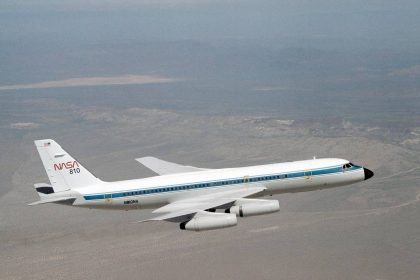
Flight Test Files: Convair CV-990 Coronado – A Journey Through Landing Gear Research
NASA used the Convair CV-990 Coronado to test space shuttle landing gear, tires, and braking…
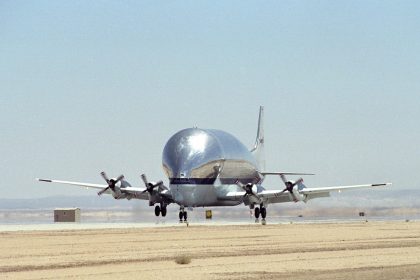
Flight Test Files: NASA Guppy Family – The Giants Behind America’s Space Race Victory
The NASA Guppy family, from the Pregnant Guppy to Super Guppy Turbine, enabled rapid transport…
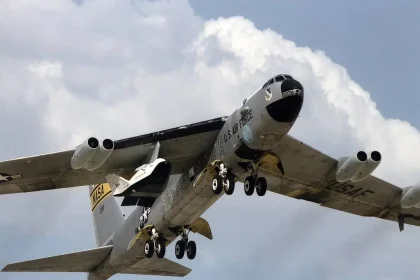
Flight Test Files: Boeing B-52B – The High Altitude Launchpad of NASA
NASA’s Boeing B-52B served as a launch platform for X-15, Pegasus and X-43 programs, supporting…
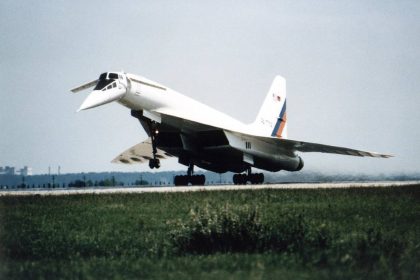
Flight Test Files: Tupolev Tu-144LL – The NASA Supersonic Research Program
NASA and Russia used the Tupolev Tu-144LL in the 1990s to study supersonic flight, gathering…

Flight Test Files: Lockheed U-2 – The High-Flying Researcher of the 1970s
Lockheed U-2 shifted from spy missions to NASA research, supporting Earth observation, disaster response and…
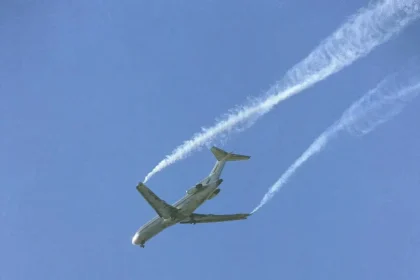
Flight Test Files: Boeing 727 – The NASA Wake Vortex Trials of 1973
NASA Boeing 727 tests in the 1970s revealed how wake vortices affect smaller aircraft, shaping…
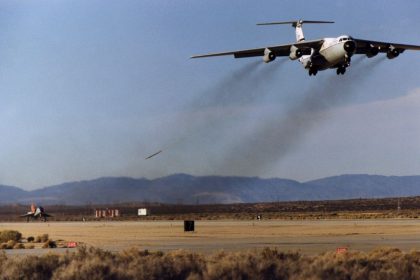
Flight Test Files: C-141A Starlifter – The Birth of the Jet Age Cargo Giant
C-141A Starlifter supported NASA’s Project Eclipse, proving tow-launch concepts for reusable space vehicles and advancing…
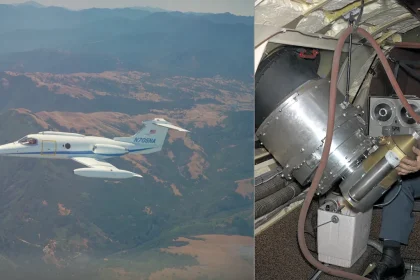
Flight Test Files: Learjet 24 – Exploring the Cosmos from 50,000 Feet Above
Learjet 24 helped NASA pioneer airborne astronomy, enabling high-altitude infrared observations and laying the foundation…
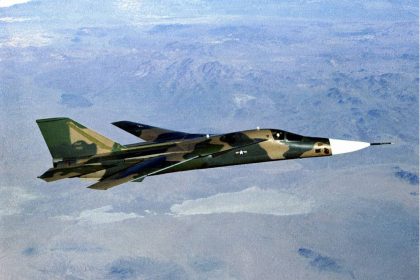
Flight Test Files: F-111 Aardvark – The Journey of the Supercritical Wing
NASA used the F-111 Aardvark to test supercritical wings, fly-by-wire and adaptive wing tech, shaping…
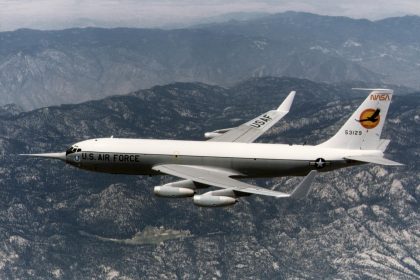
Flight Test Files: KC-135 Stratotanker – Microgravity Research and the “Vomit Comet” Legacy
The KC-135 Stratotanker, in service since 1956, remains a key US refueling aircraft and supported…