






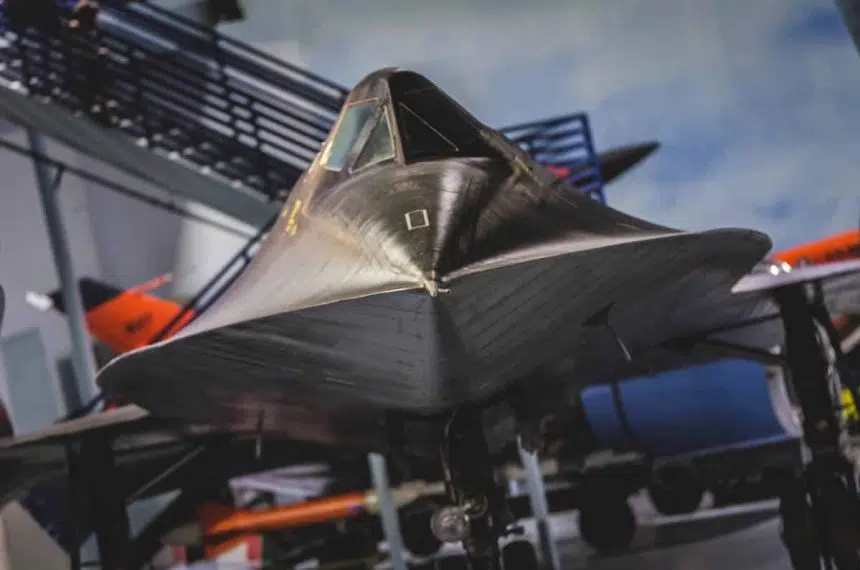

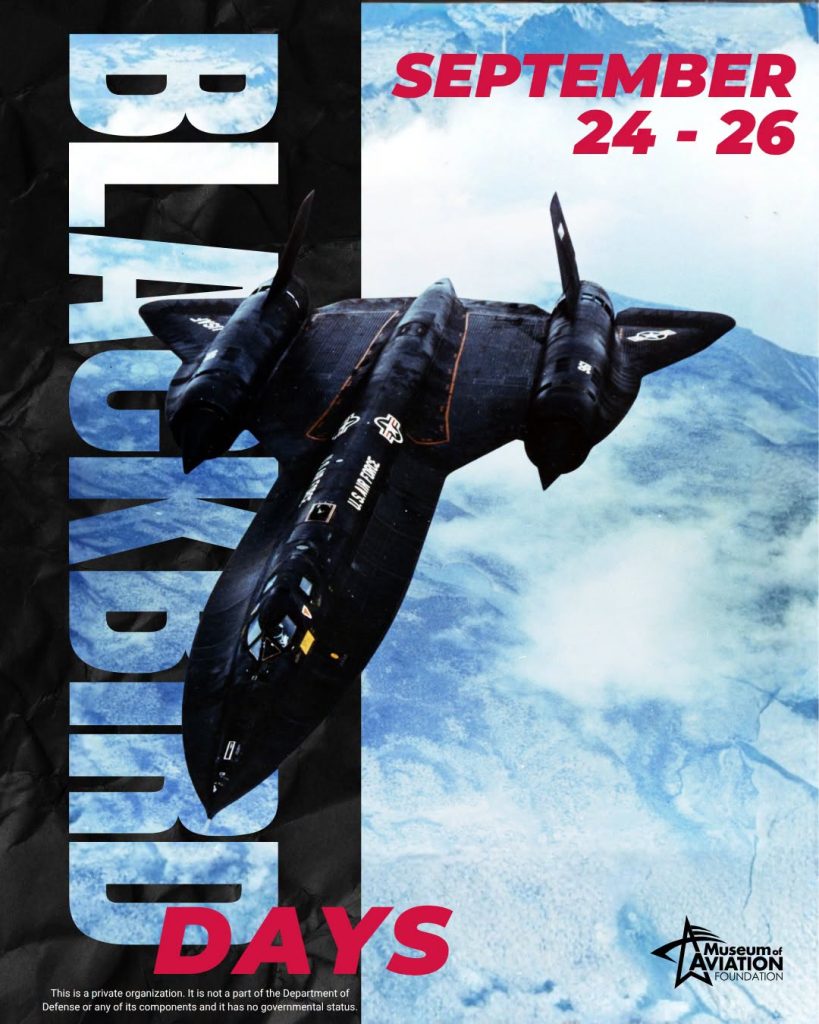
The Museum of Aviation in Warner Robins, Georgia, will bring together former SR-71 pilots, reconnaissance systems officers, maintainers, engineers, and other program veterans for Blackbird Days, a three-day celebration scheduled for September 24–26, 2026. Held daily from 9 a.m. to 5 p.m., the event will explore the history, technology, and operational legacy of the Lockheed SR-71 Blackbird. Visitors will have the opportunity to hear firsthand accounts from those who flew, maintained, and supported the legendary reconnaissance aircraft.

The Museum of Aviation is home to SR-71A serial number 61-7958, the aircraft that established the still-standing world absolute speed record of 2,193.167 mph on July 28, 1976. Maj. Gen. Eldon W. Joersz piloted the aircraft during the record-setting flight, accompanied by reconnaissance systems officer Maj. George T. Morgan Jr. The Blackbird was retired and flown to Robins Air Force Base for display on February 23, 1990. Blackbird Days will begin on Thursday, September 24, with a program emphasizing education and the aircraft’s worldwide reconnaissance role. Two panel discussions will examine SR-71 missions, global reach, crew training, and operational procedures. Four small-group learning sessions, known as PODs, will address mission locations, sensors, maintenance, aircraft dynamics, operational parameters, and defensive systems.

On Friday, September 25, former Blackbird personnel will discuss what went into a typical operational day and revisit the aircraft’s record-setting achievements. Additional sessions will examine maintenance, aircraft development, mishaps, intercepts, ejections, and the role of women in the SR-71 program. Friday’s activities will also include aircraft tours, cockpit-viewing opportunities, and commemorative poster signings. Crew members and subject-matter experts are expected to remain near the aircraft throughout the day to answer questions and speak with visitors. The event will conclude on Saturday, September 26, with a Family Aviation Day. The day’s central panel, “Operations—How Did It All Work?,” will offer a broader look at the coordination, personnel, and technology required to operate the Blackbird. Small-group sessions will explore sensors, propulsion, defensive systems, record flights, and the aircraft’s early use of stealth principles.

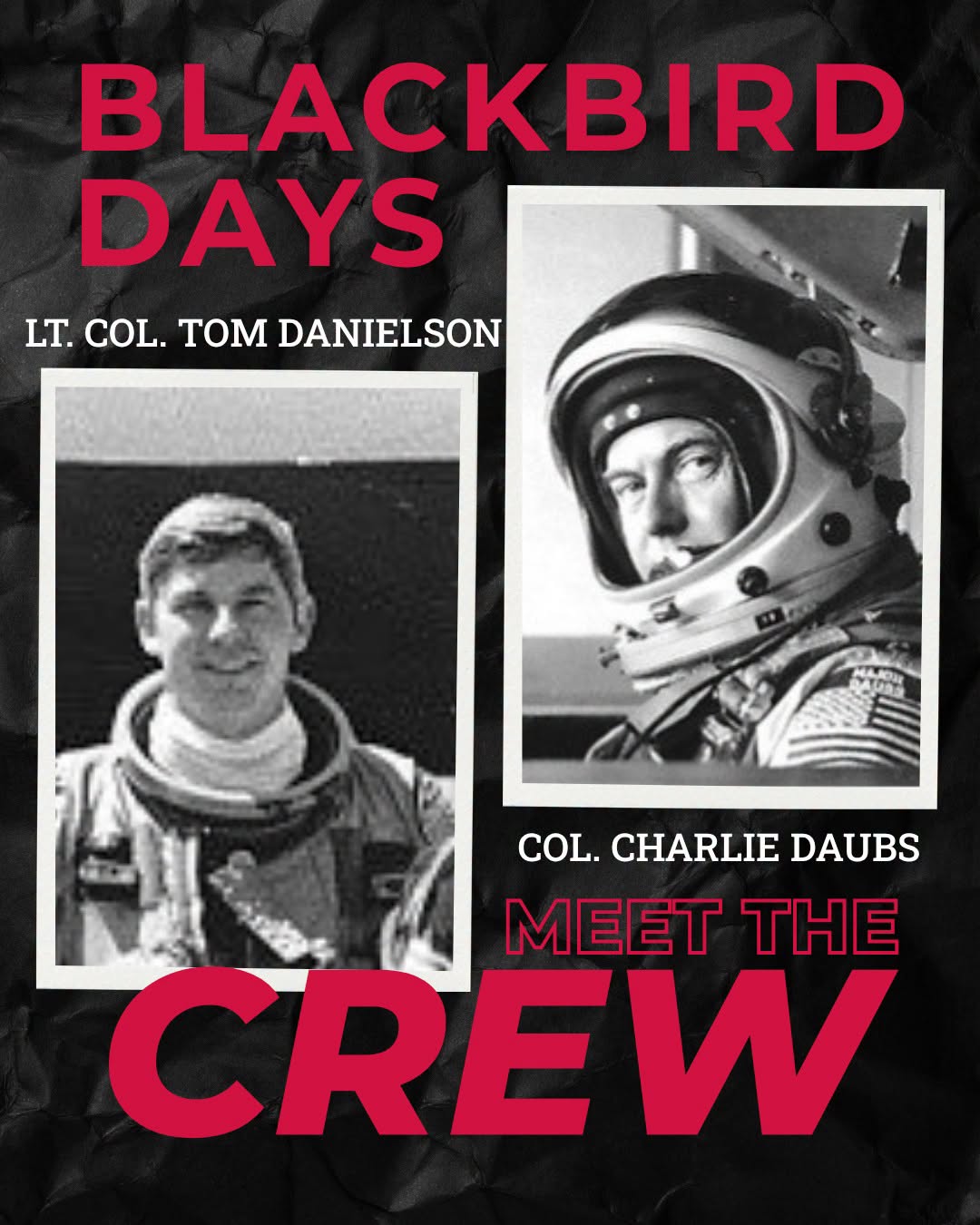
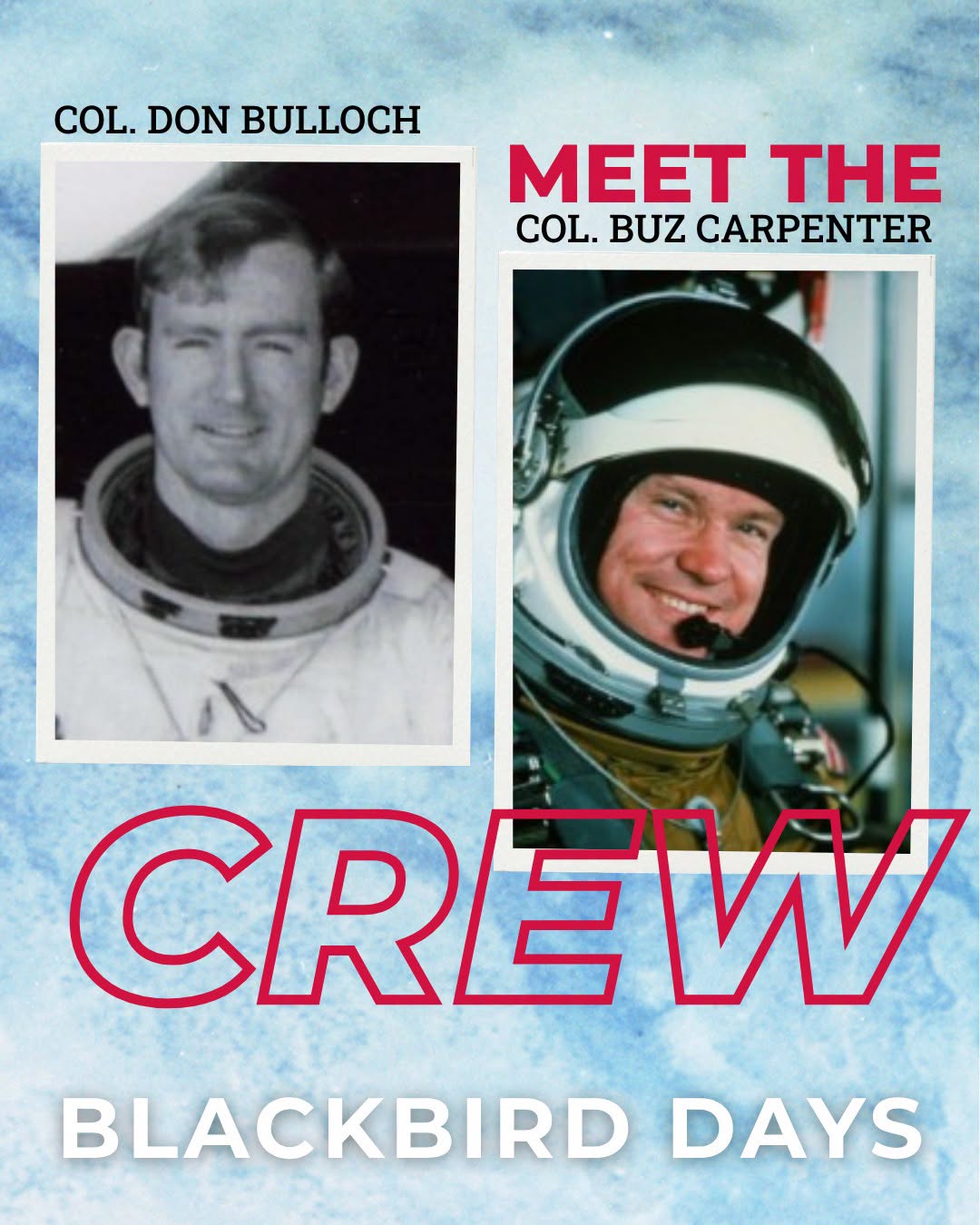
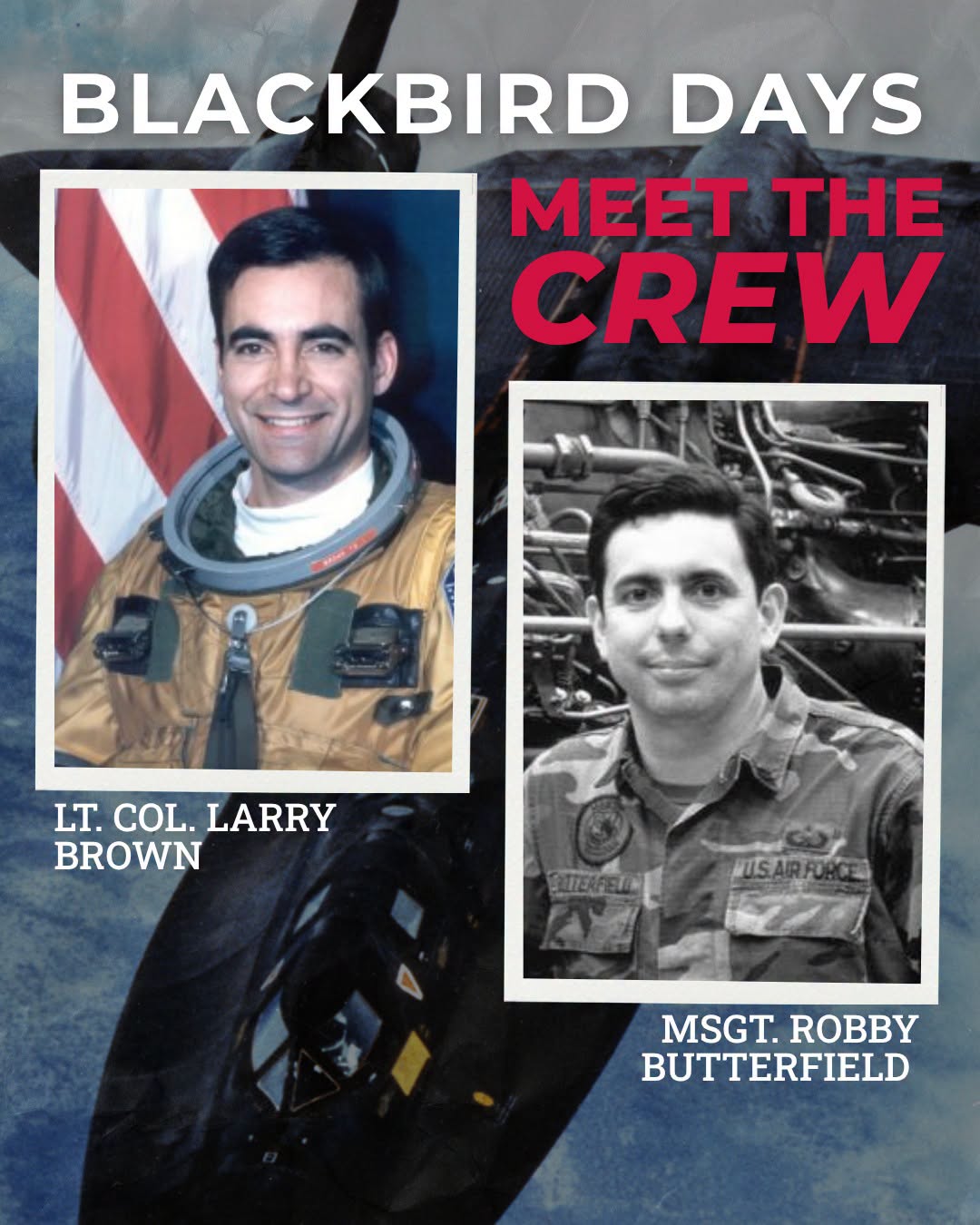
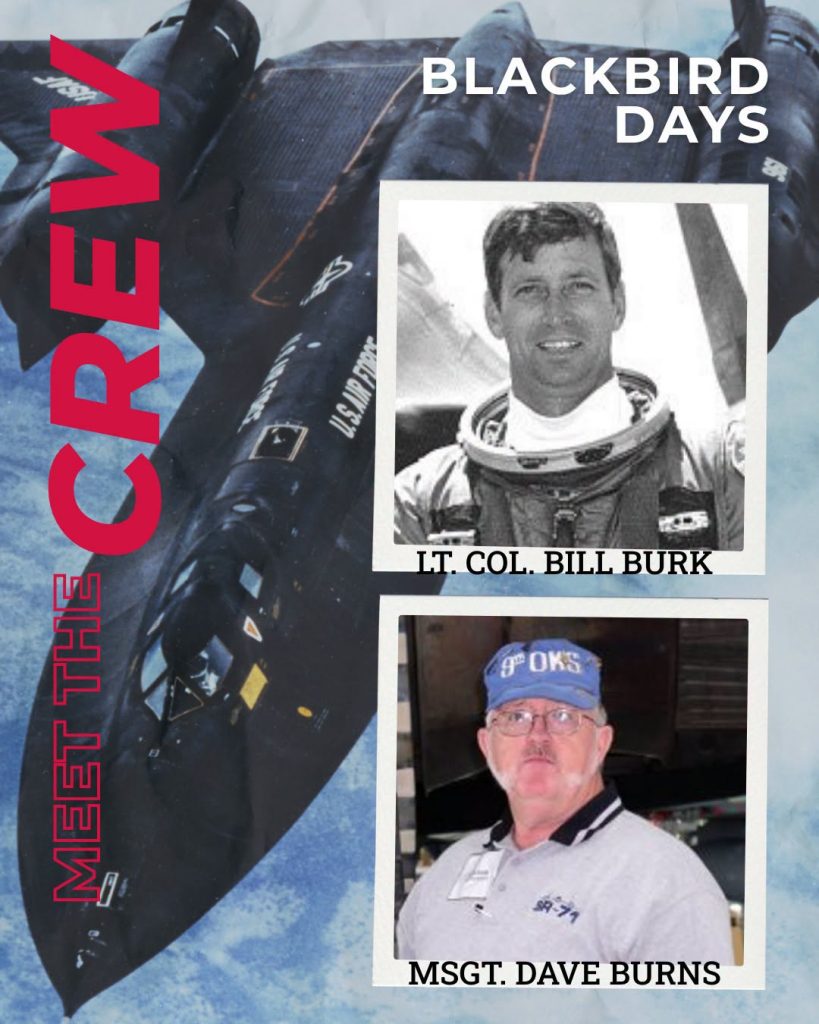
Saturday’s expanded program will also feature tours of the museum’s AC-130, WWII reenactors, National STEM Academy activities, food trucks, poster signings, and experts stationed near several aircraft throughout the museum. SR-71 tours and cockpit viewings will provide visitors with an unusually close look at the aircraft and its working environment. Among the participating Blackbird veterans are several figures closely associated with the aircraft’s history, including Joersz, former SR-71 instructor pilot Col. Buz Carpenter, Blackbird Association chairman Lt. Col. Tom Danielson, high-time SR-71 pilot Lt. Col. B.C. Thomas, and Lt. Col. Ed Yeilding, who helped set several transcontinental speed records during an SR-71 delivery flight in 1990. Maintainers, engineers, intelligence specialists, and reconnaissance systems officers will add perspectives from across the program.
(Image credit: Museum of Aviation Foundation)
Developed from Lockheed’s earlier A-12 and YF-12 designs, the SR-71 first flew in December 1964 and entered U.S. Air Force service in 1966. During nearly 24 years of frontline operations, the aircraft combined sustained speeds above Mach 3 with an operating altitude exceeding 80,000 feet, enabling it to gather intelligence over some of the world’s most heavily defended regions. Although the SR-71 was retired from regular Air Force service in 1990, its performance and futuristic design continue to capture the public imagination. Blackbird Days will offer visitors a chance to look beyond the aircraft’s specifications and learn about the people, procedures, and technology that made its missions possible. Admission and parking at the Museum of Aviation are free. The museum is located at 1942 Heritage Boulevard, adjacent to Robins Air Force Base in Warner Robins, Georgia. Additional information and the complete schedule are available on the Museum of Aviation’s Blackbird Days webpage.
(Image credit: Museum of Aviation Foundation)







I was on Ocean Station November in March of 1968 on the Coast Guard Cutter Wachusett and twice during the 3 weeks I found out later a Blackbird turned around us.
Tell me how I can tell you the whole story….
I worked on the blackbird from 68-72. Remember some amazing launches. HABU!
The Blackbird, the most beautiful plane ever built – bar none.
Kelly Johnson put together a team of top notch engineers at Lockheed’s Skunk Works (then in Burbank California) and using only slide rules (only room size main frames existed in the late 1950’s and early 1960’s) and designed (without the benefit CAD software) an aircraft in less than three years that could cruise at an airspeed three times faster than anything else flying at the time, had a top speed which at 3.3 Mach was 33% faster than anything else flying, and in the case of the CIA A-12 Oxcart, could fly at an altitude of 90,000 feet, an altitude which other aircraft could only reach while ‘zooming’.
Kelly Johnson was a genius and his like will probably never be seen again.
I personally think the Douglas Skyrocket is the most beautiful plane but the Blackbird is the most stunning piece of engineering ever to take flight. I had the privilege of seeing it fly, up close and personal at Beale back in the late 80s.