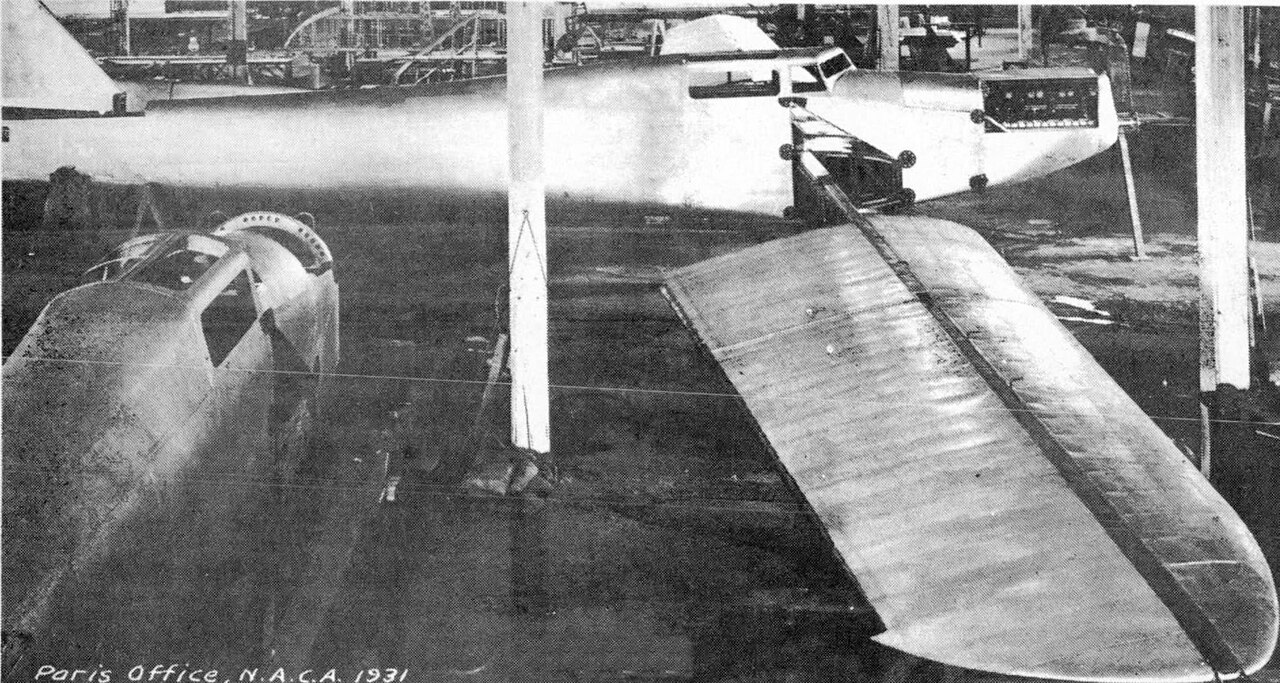



On this day in aviation history, 96 years ago (November 20, 1930), the Dewoitine D.33 is reported to have made its first flight. Developed in France as an experimental long-distance aircraft, the single-engine monoplane was designed to establish international endurance and distance records. Its advanced all-metal construction and streamlined appearance reflected the growing importance of aerodynamic efficiency in aviation during the early 1930s. Development began in response to a 1929 French Air Ministry initiative encouraging manufacturers to produce aircraft capable of setting new long-distance records. The government offered a substantial financial incentive for an aircraft capable of flying 10,000 kilometers, or approximately 6,214 miles. Dewoitine responded with the D.33, a low-wing cantilever monoplane constructed almost entirely from duralumin. Its exceptionally long wings incorporated fuel tanks, while the streamlined fuselage accommodated a pilot, navigator, and radio operator.
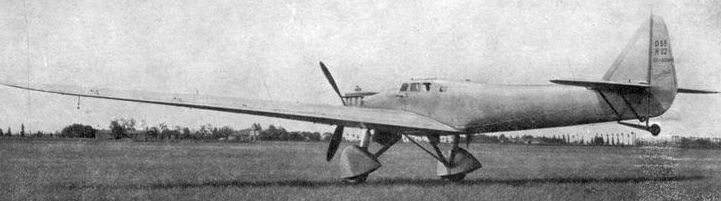
The D.33 became known as the “Trait d’Union,” or “Link,” and achieved considerable success during 1931. On March 23 and 24, French aviators Joseph Le Brix and Marcel Doret completed a nonstop flight lasting 32 hours and 17 minutes, covering 2,897 miles over a triangular course in southern France. The flight established seven international records for distance, endurance, and average speed while carrying specified payloads. Although the D.33 was an experimental aircraft, its design influenced later Dewoitine commercial transports, including the D.332, D.333, and D.338, which eventually entered airline service. The Dewoitine D.33 measured 47 feet 3 inches in length with a wingspan of 91 feet 10 inches and was powered by a 650-horsepower Hispano-Suiza 12Nbr liquid-cooled V-12 engine. It could reach a maximum speed of approximately 146 mph and had a maximum gross weight of 21,605 pounds. Its extensive fuel capacity and efficient wing design were intended to support flights lasting more than 30 hours, making the aircraft particularly well suited to long-distance record attempts.