
By Randy Malmstrom
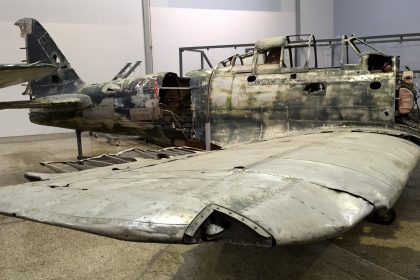
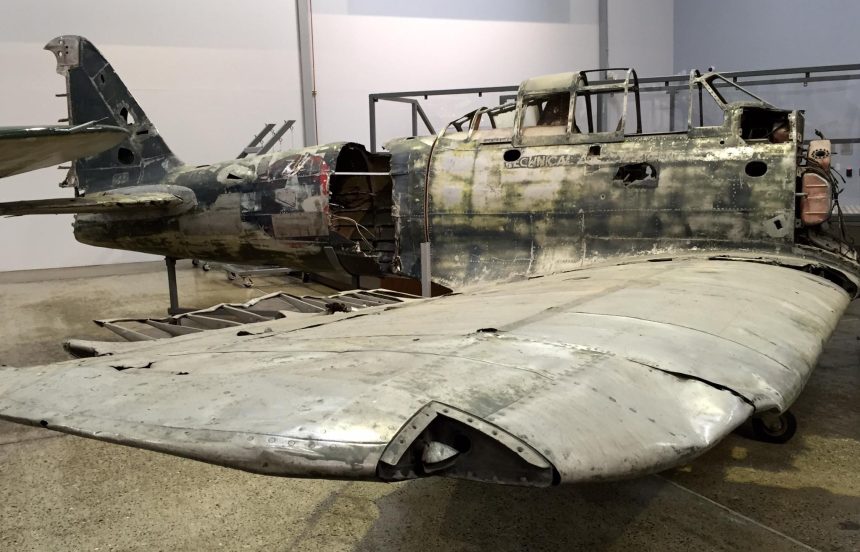
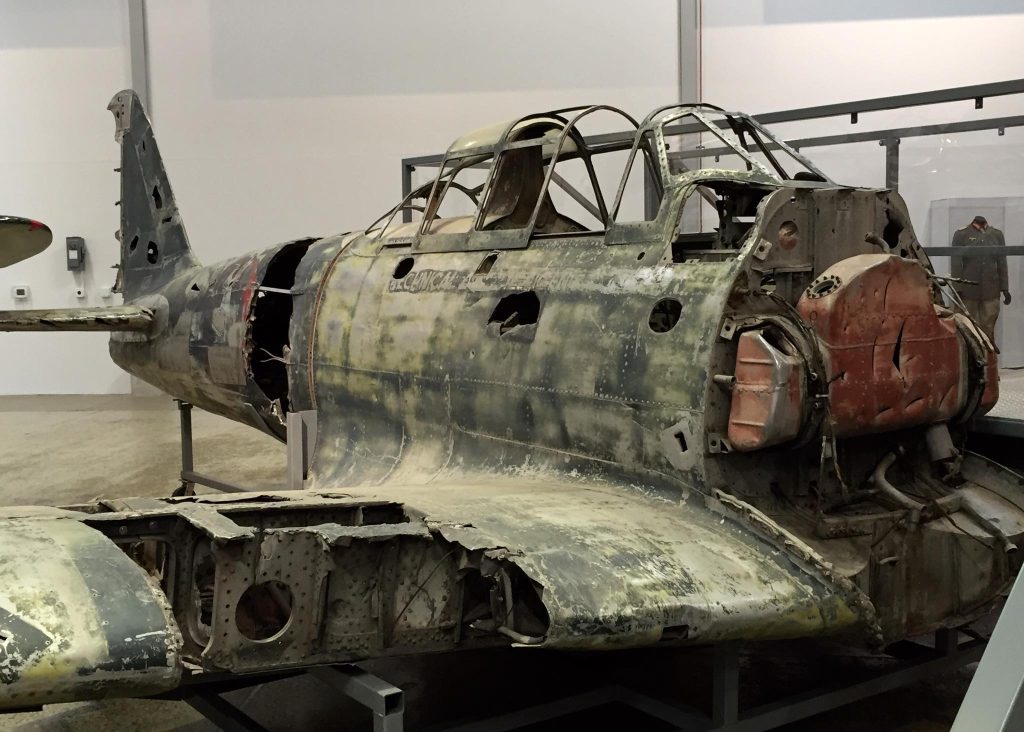
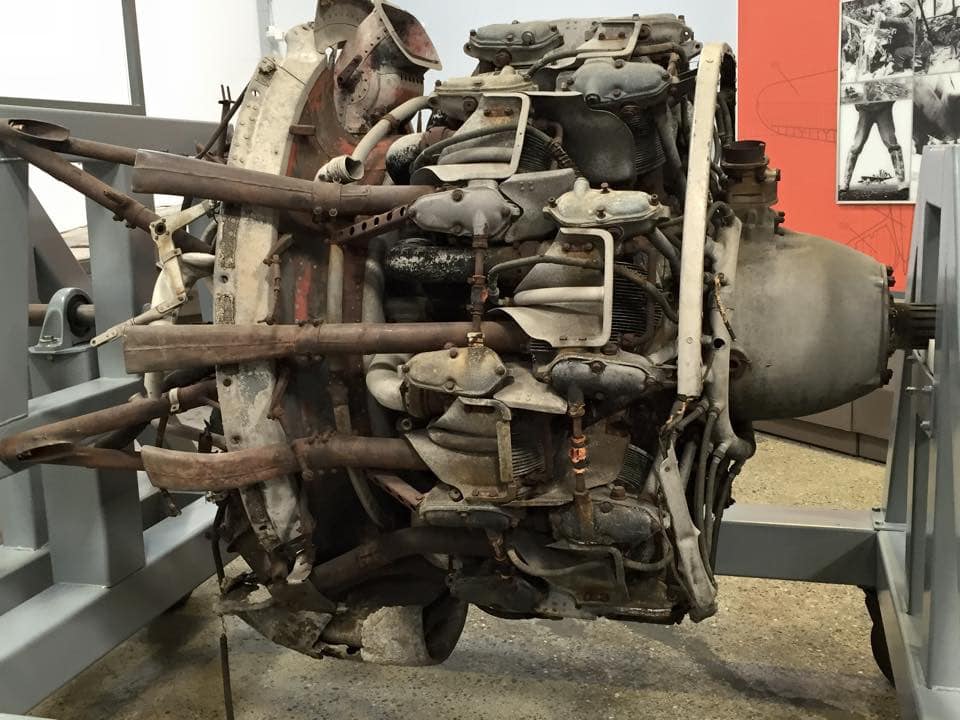
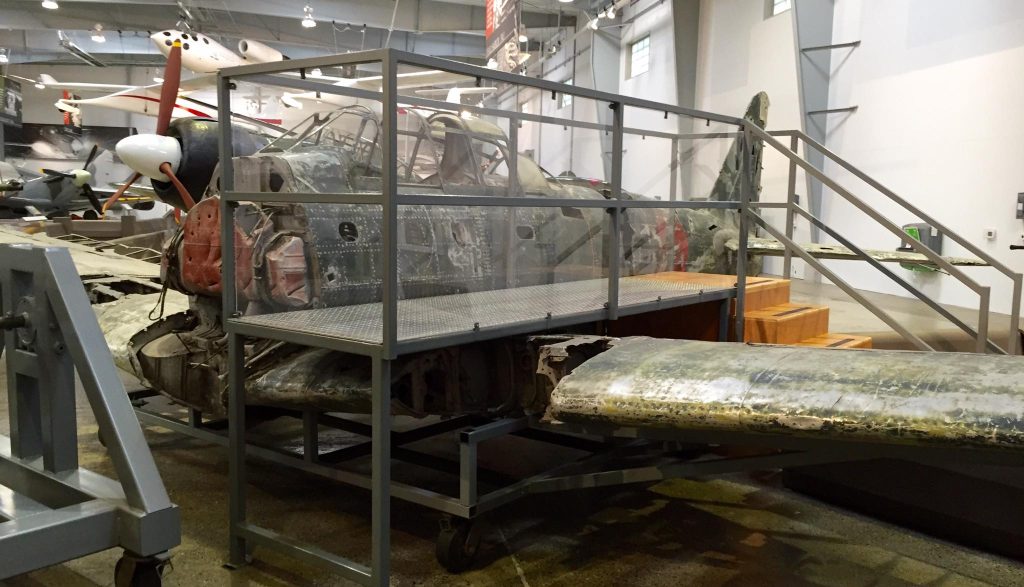
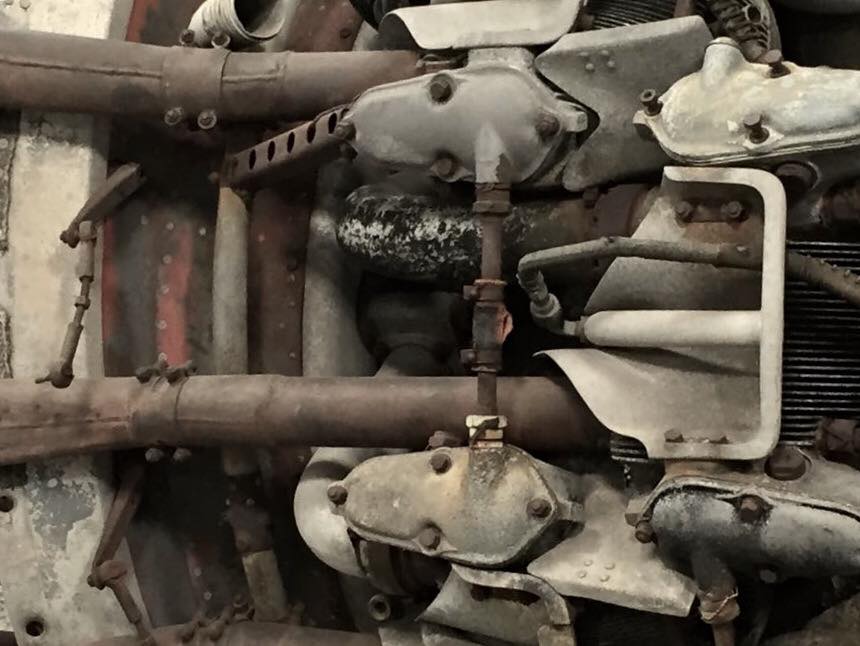
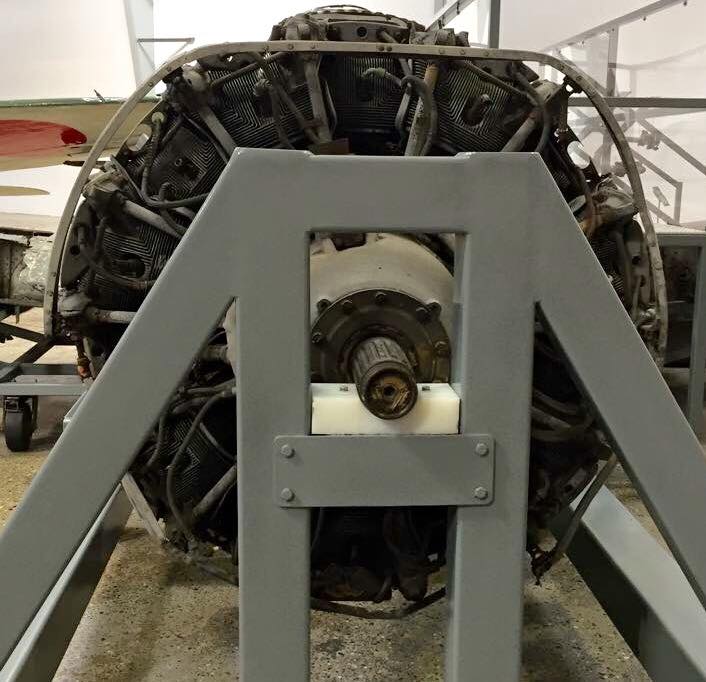
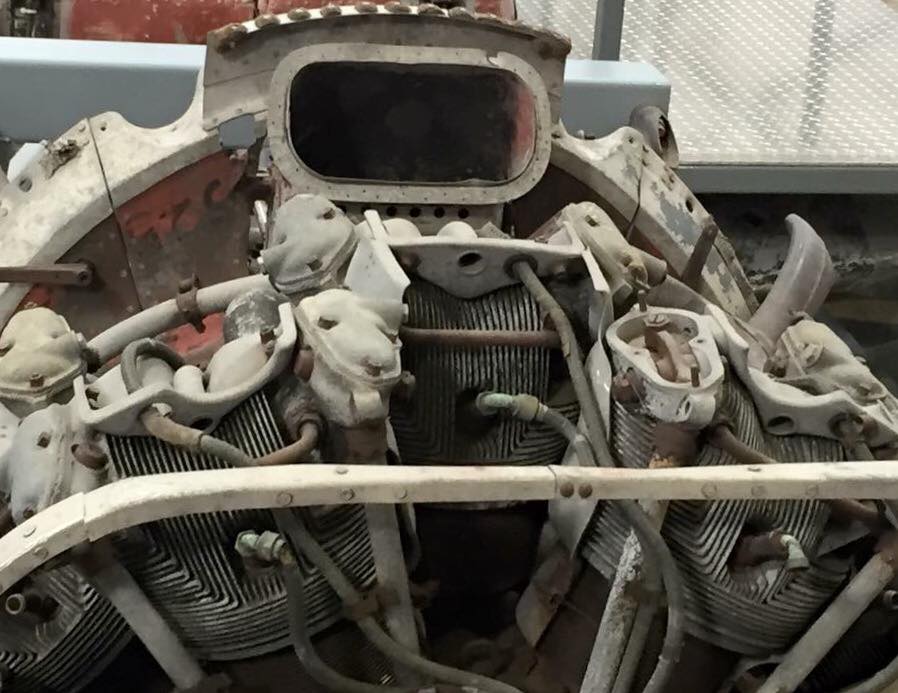
Mitsubishi A6M5 Model 52 Reisen “Zeke” or Zero. Rei-shiki Kanjo Sentoki (Type 0 Carrier Fighter, shortened to “Reisen” (零式艦上戦闘機), tail code 61-121, Manufacture Number 1303. This particular aircraft was built by Nakajima Hikōki Kabushiki Kaisha with a Nakajima NK1F Sakae 21 engine (photos of it are included) and was the 303rd Nakajima-built A6M5, completed in March 1944. It flew with the 261航空隊 (Kōkū-tai – Naval Air Corps) on Aslito Field (later Isley Field) on Saipan (now Saipan International Airport) and was one of twelve Zeroes captured by U.S. Marines in or around June 1944. It was shipped aboard CVE-12 (USS Copahee) for technical evaluation at the Technical Air Intelligence Center at Anacostia, Washington, D.C. (you can see part of that stenciled name on the side of the fuselage) and assigned the designation “TAIC 11.” Allied forces employed joint Technical Air Intelligence Units (TAIU) to recover and gather captured aircraft in order to analyze their tactical and technical capabilities (by that time, little was considered to be gained by these aircraft types that had been designed pre-WWII). You can see the words “TECHNICAL AIR INTELLIGENCE UNIT” stenciled on the side of the fuselage and “Zeke 52” stenciled on the right side of the cowling. One of the test pilots was W. D. Blocher. (I had once read that following its analysis, it was put on a U.S. victory tour as part of the U.S. War Bond drives under the auspices of the War Finance Committee – those tours included even captured Japanese miniature submarines – and that, as a reward for buying bonds, the purchaser could take an axe to the Axis artifact(s) on tour – now I am in need of corroboration).
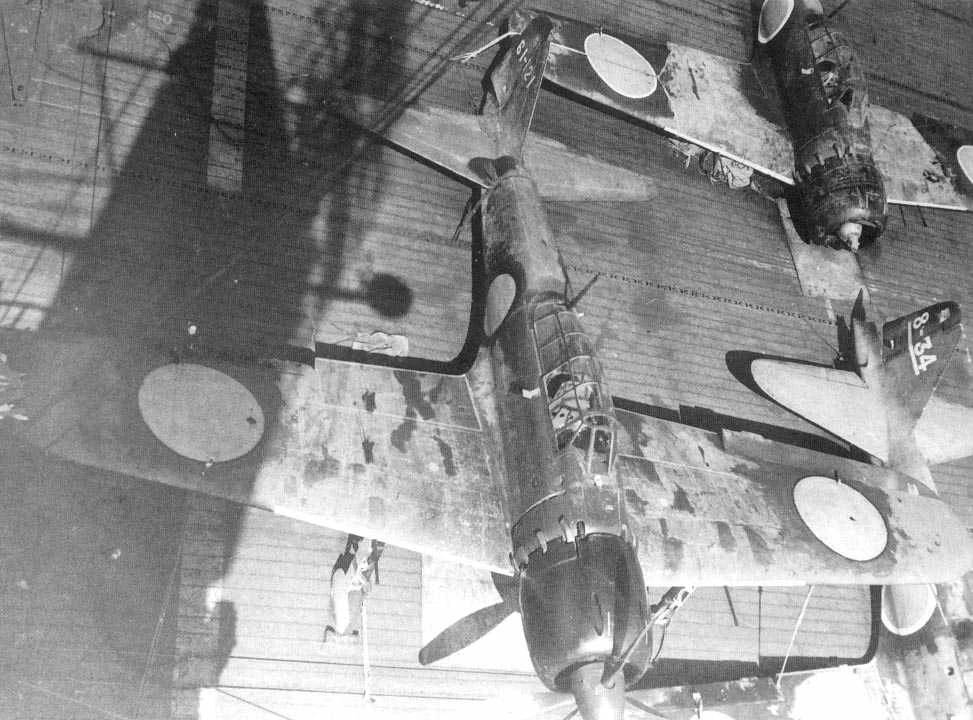
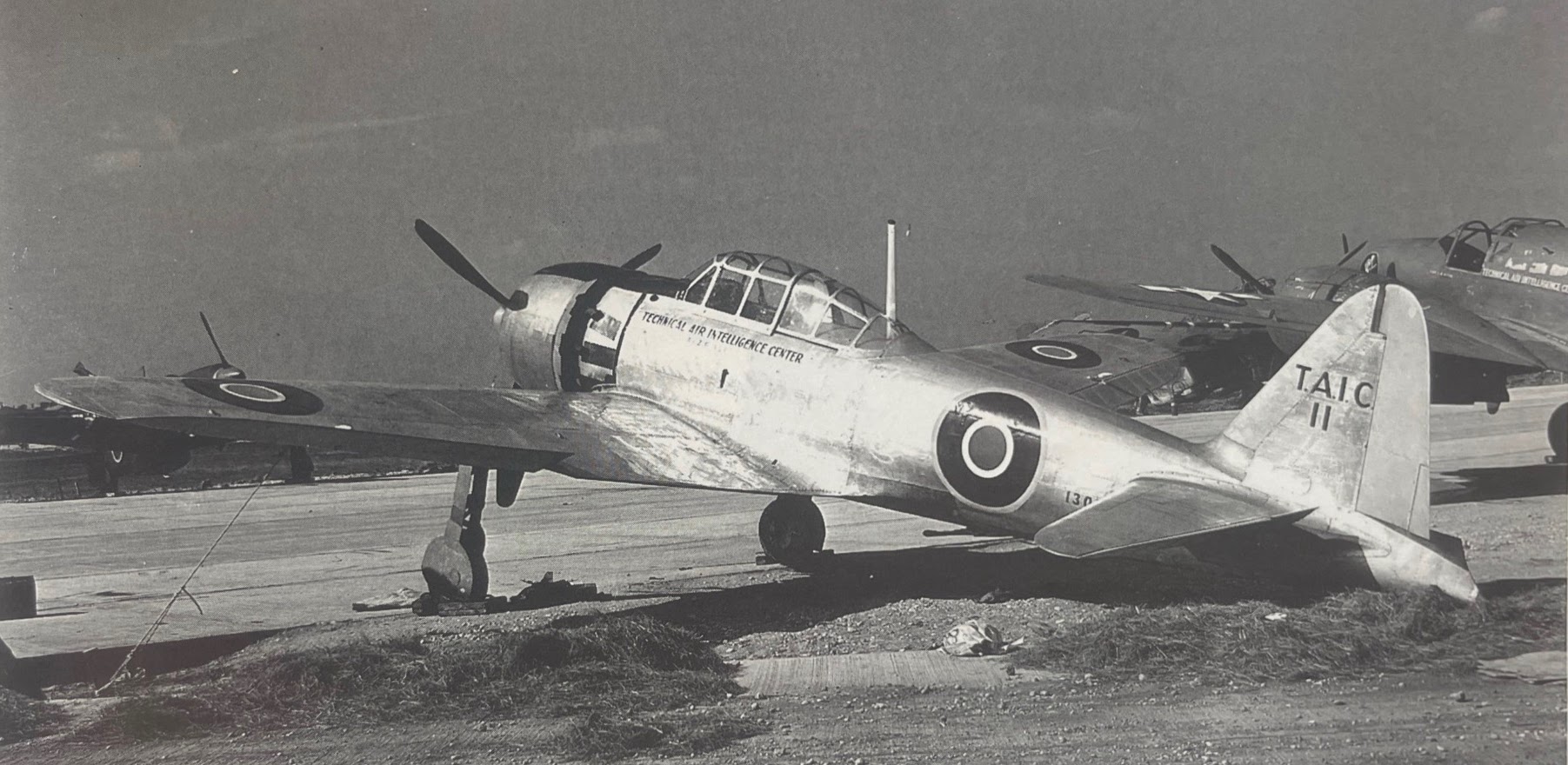
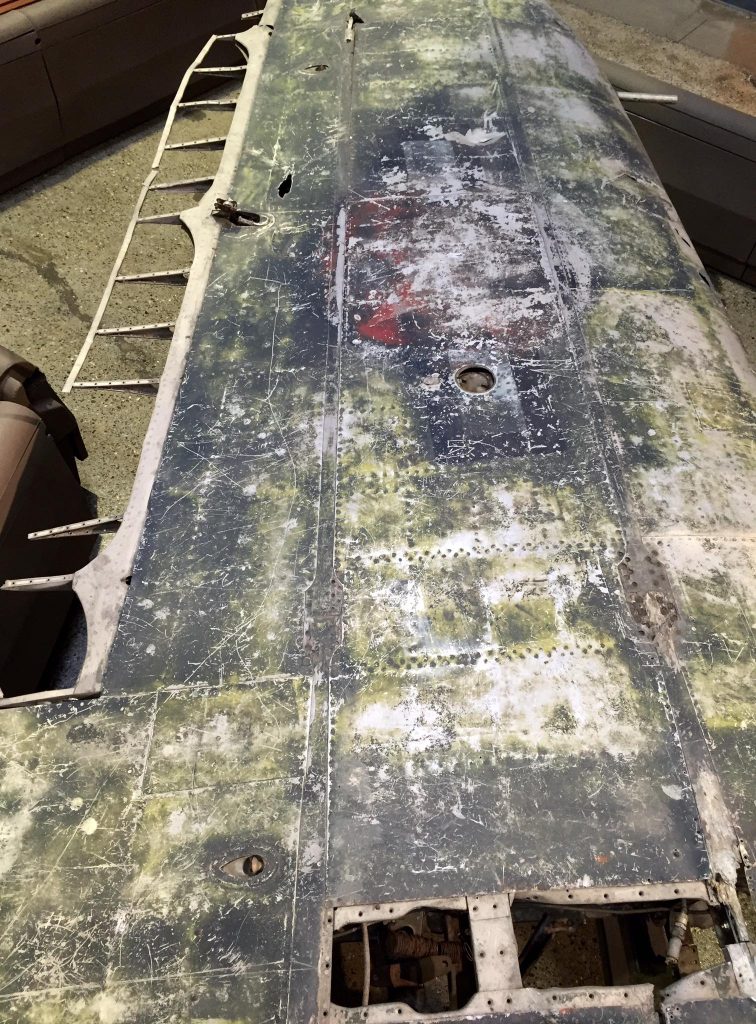
It then became part of the traveling U.S. Navy “Victory Squadron” in support of a war bond drive (as part of the “Ax the Axis!” war bonds slogan, I am told it was common to be able to take an ax to captured aircraft in exchange for purchasing war bonds). It took part in an aerial display at NAS Atlanta, Georgia, during which the U.S. Navy pilot got the aircraft into a ground loop, and the landing gear collapsed. Rather than repairing the aircraft, it was simply pushed off to the side “into some weeds,” apparently more like the scrap heap, and abandoned at NAS Atlanta. It was saved from the scrap heap in 1946 by James H. Elliot, Sr. of Atlanta, Georgia (who had been one of the first aviators to use the Candler racetrack that later became the Atlanta Municipal Airport and later became an antiques dealer) and his son John Jr., who had it dragged to the backyard of his home he bought in 1945 and converted to an antiques store and museum he called the “J.H. Elliot’s Antiques and the Atlanta Museum” (which closed its doors in 1998 and is on the National Register of Historic Places), and the museum claimed (questionably I understand) to have other notable items such a lock of Napoleon’s hair, Hitler’s raincoat, Eli Whitney’s original model cotton gin, furniture belonging to Margaret Mitchell, personal items of Bobby Jones (Atlanta golfing legend and founder of the Augusta National Golf Club), a cap-and-ball pistol that was carried by T.A. Elliott in the Civil War, objects from King Tutankhamun, and Emperor Haile Selassie’s throne). There it sat outside where you could pay $2.00 to go out and see it (the shed collapsed in 1962 – see photo), and a sign there read that the aircraft was the first Zero captured from the Aleutians (which is not the case). It became known as the “Atlanta Zero.” During this time, it suffered from weather and vandalism.
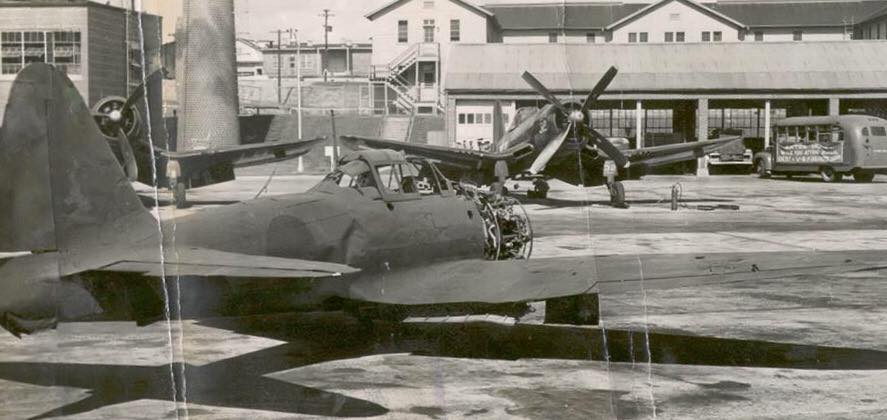
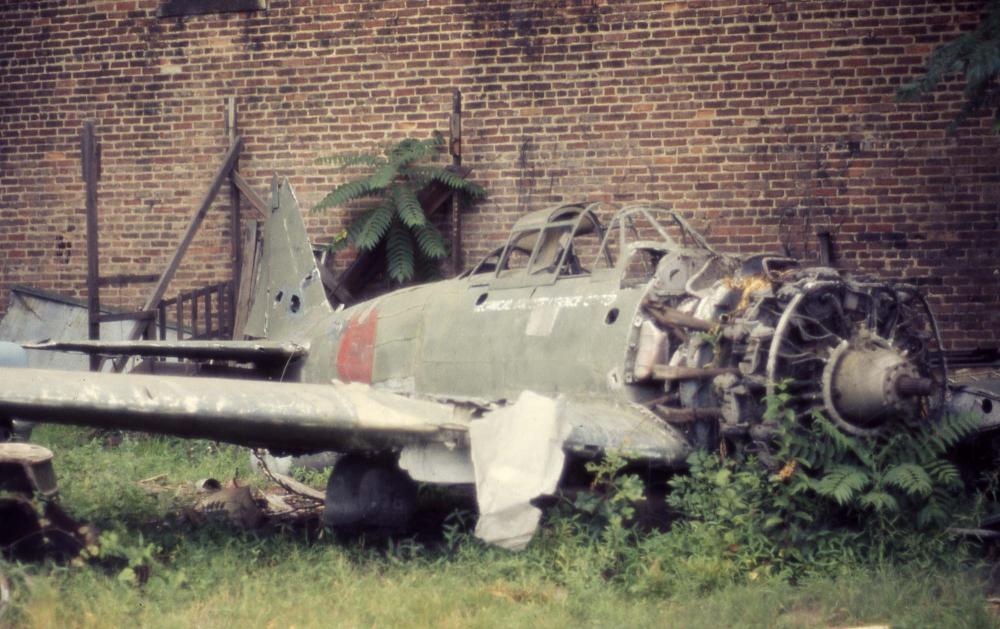
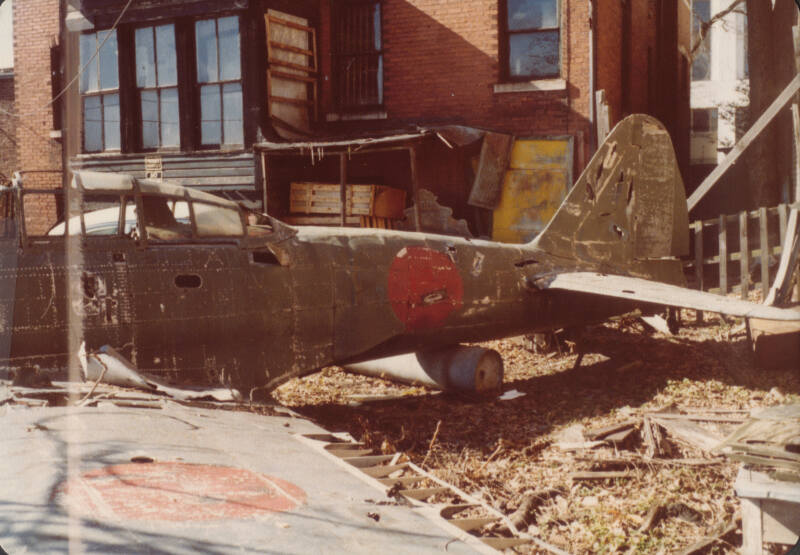
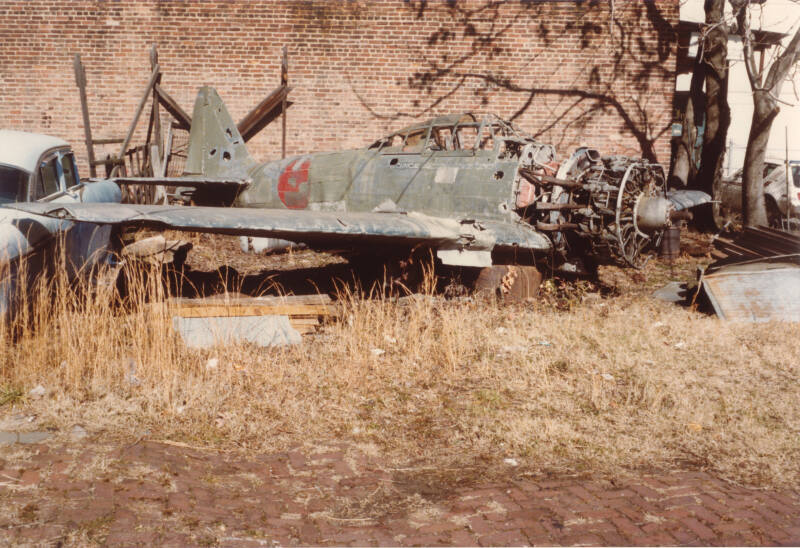
After being acquired by producer/actor R.D. Whittington during 1991-1992, it was shipped to Fort Lauderdale, Florida, and stored in the World Jet hangar with the tail section removed. Whittington intended to restore it, but it was found that it had been previously cut into pieces and spliced back together with screws and galvanized tin sheets, and the interior was held together with pieces of welded iron rebar. The main spar was crystallized, and it was missing the tail cone and landing gear. In 2000-01, it was acquired by Paul Allen or one of his entities to later be owned by his Vulcan Warbirds Inc. (incorporated in 2004), to become part of the collection at Flying Heritage & Combat Armor Museum (FHCAM) on Paine Field in Everett, Washington but as of about 2017-18, it has been off public display, and as of this writing I had heard it has in Arlington, Washington as part of a rebuild, I have heard it referred to at FHCAM as the “Ghost Zero” (as opposed to the “Zombie Zero” – Mitsubishi A6M5-52, HK-102, s/n 4400, formerly of Ed Maloney) that was also part of the collection). My photos, with a couple of historical photos courtesy of Bobby Shufelt – thanks.
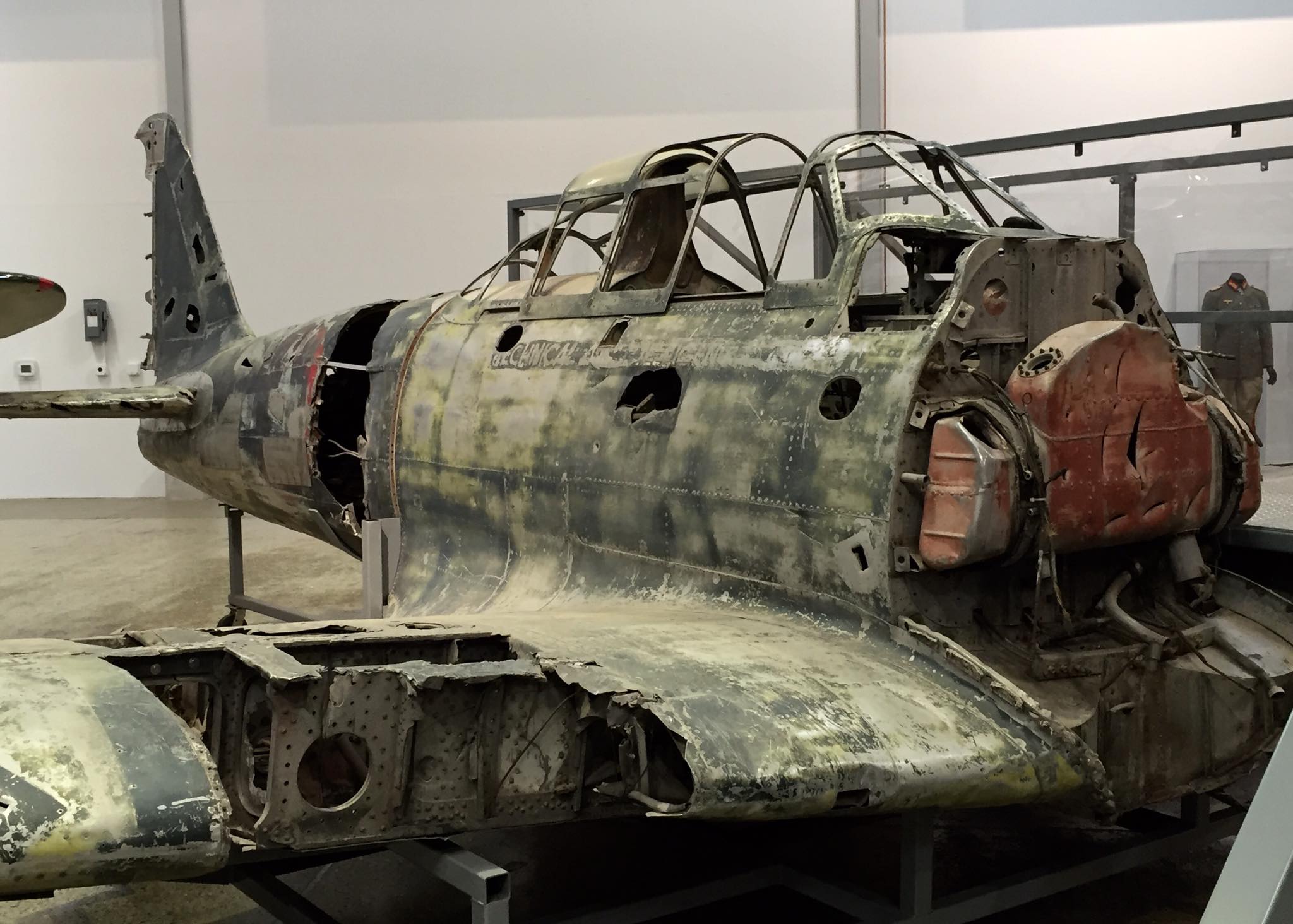
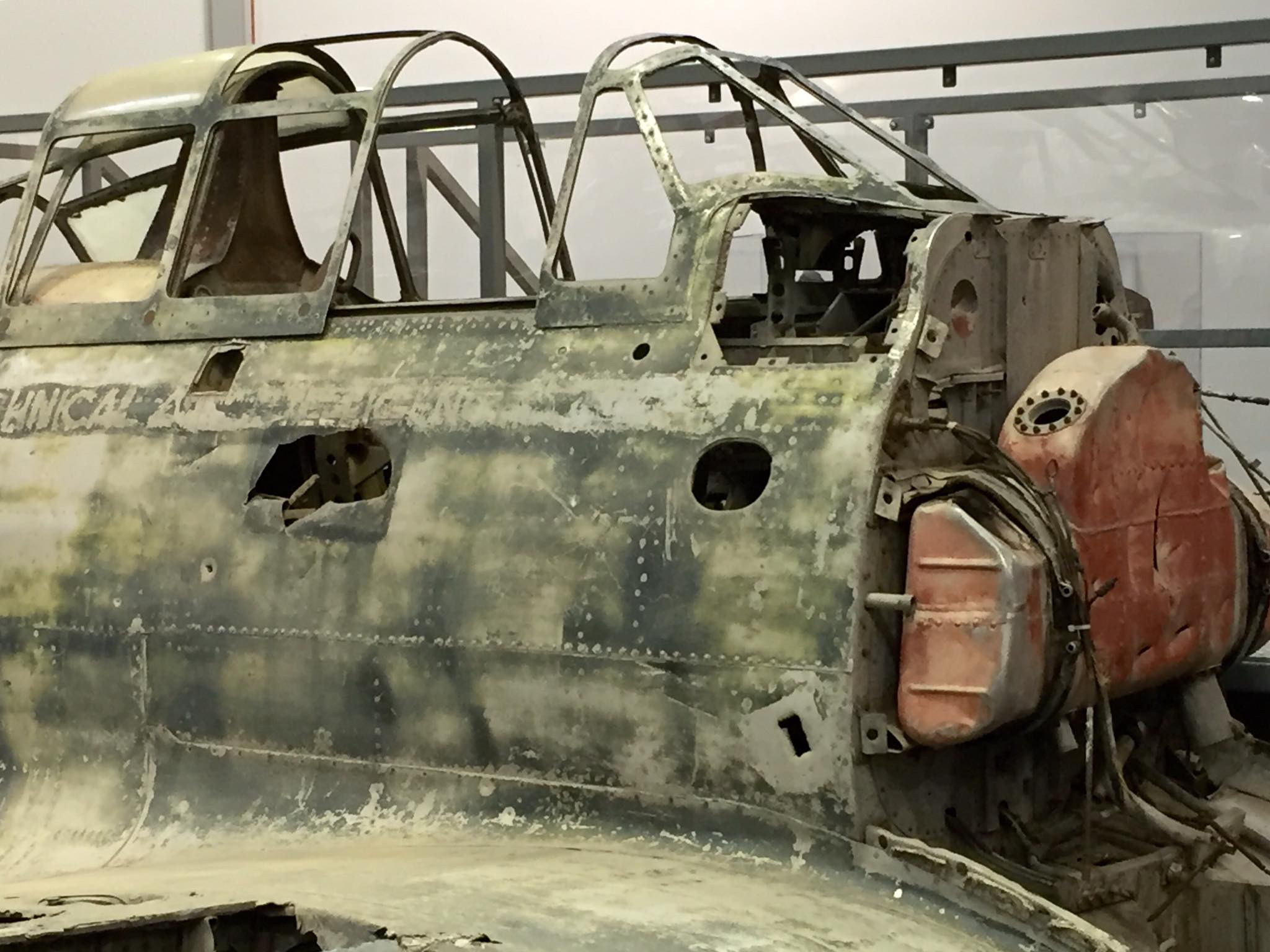
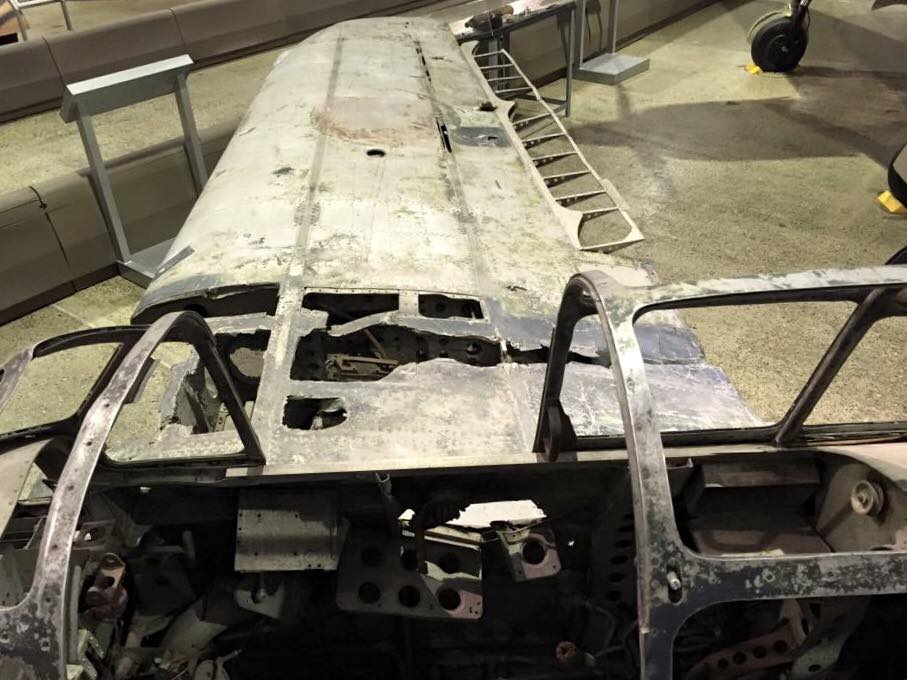
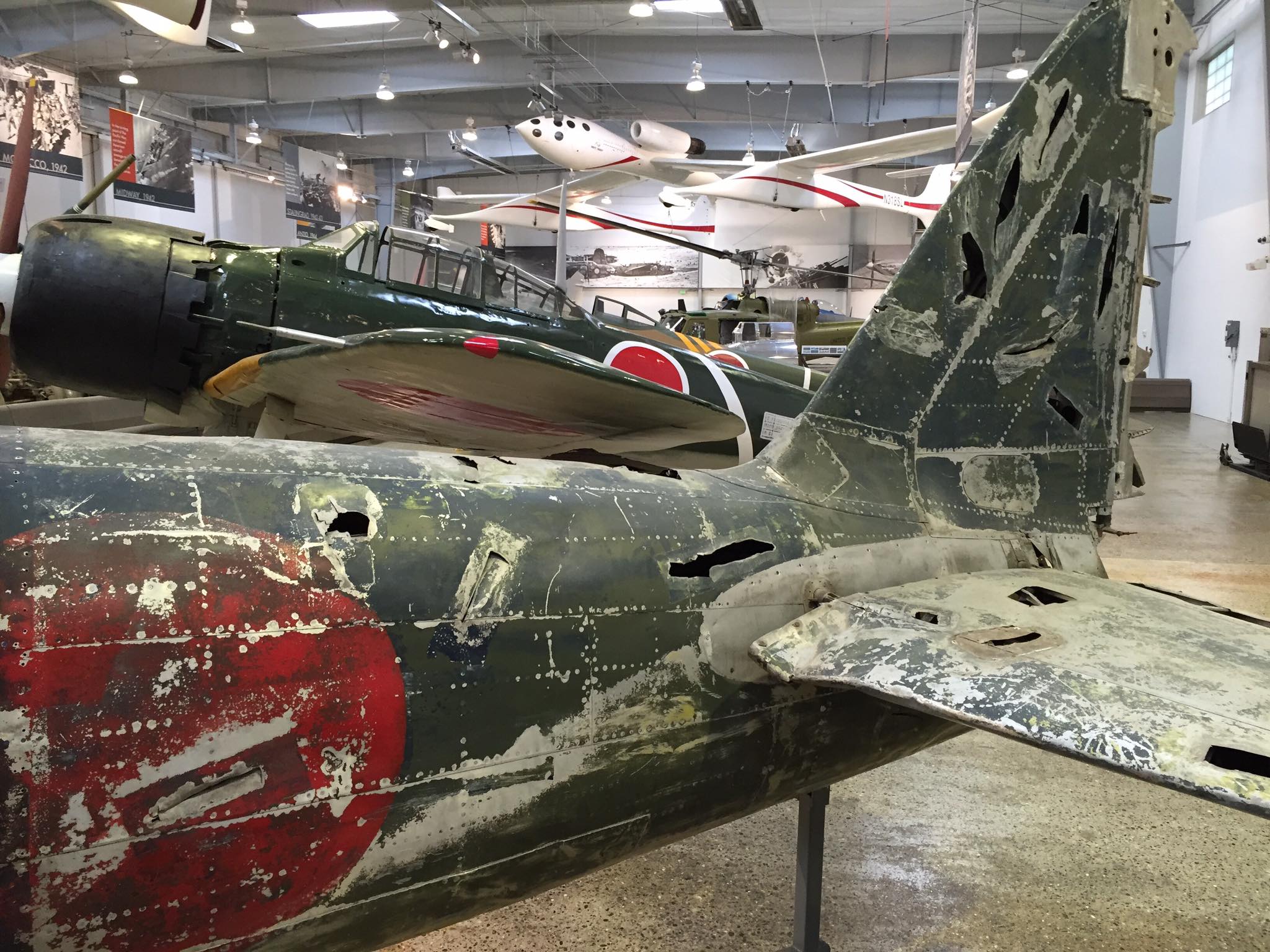
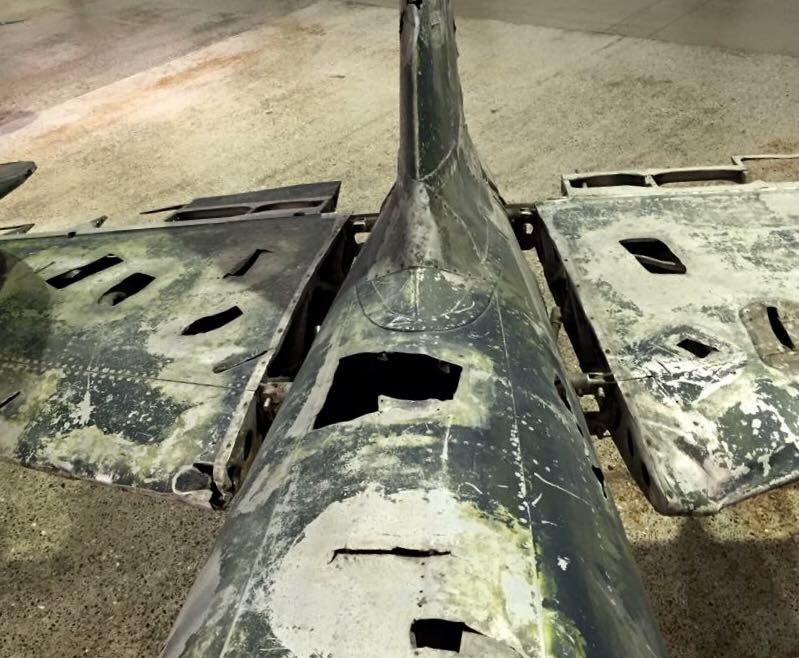
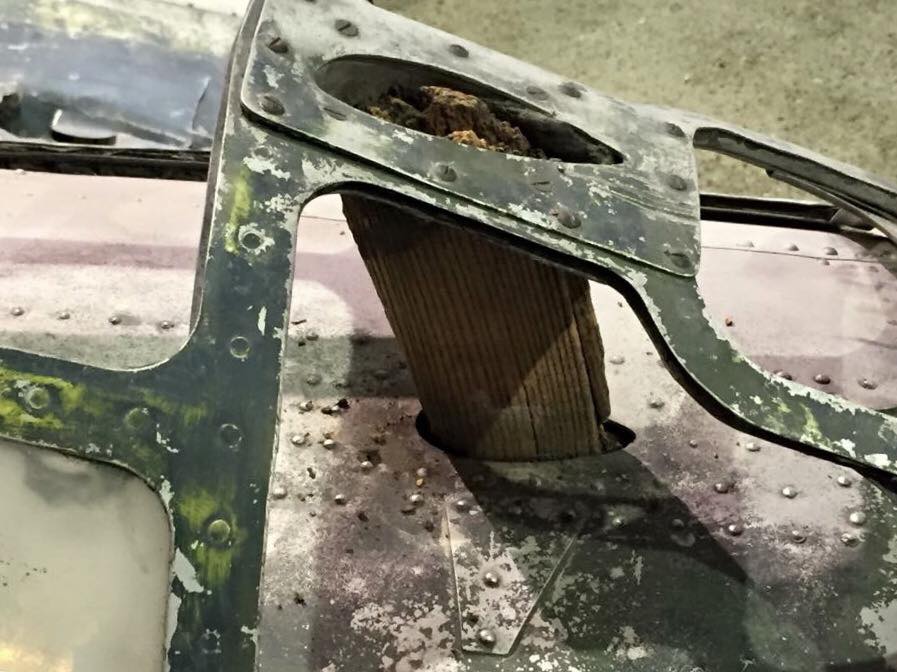
You can see the machine gun bays at the top left and right of the instrument panel – the guns were hand-charged by the pilot. I know of no restoration plans. My photos. The Reisen, the number “0” referring to the last digit of the Japanese Imperial year 2600 (1940), the year the aircraft type was introduced. The official Allied reporting name was “Zeke,” but “Zero” became the well-known and commonly used name (and Allied pilots were known to mistakenly refer to other Japanese aircraft as “Zero”). The type was introduced into the Imperial Japanese Navy in 1940 for carrier-based operations, but the Imperial Japanese Navy Air Service also flew them in land-based operations. The aircraft was designed by Mitsubishi, but other manufacturers such as Nakajima were contracted to build them, and there were a number of variants. Fitted with Type 99 20 mm cannons in the wings (in later versions), two Type 97 7.7 mm machine guns firing through the propeller and could carry two 132 kg bombs. The machine guns were hand-charged from atop the cockpit under the windscreen.
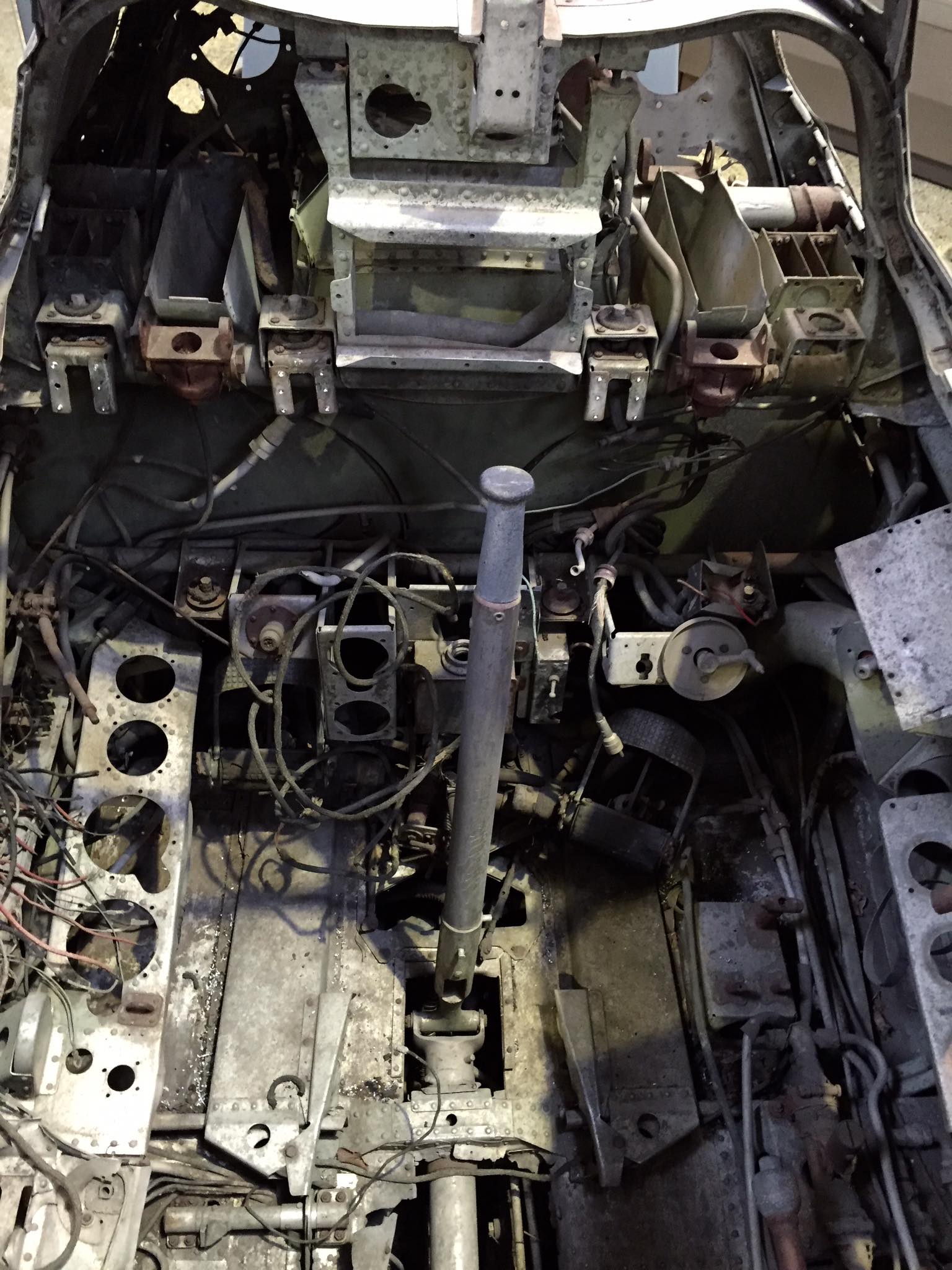
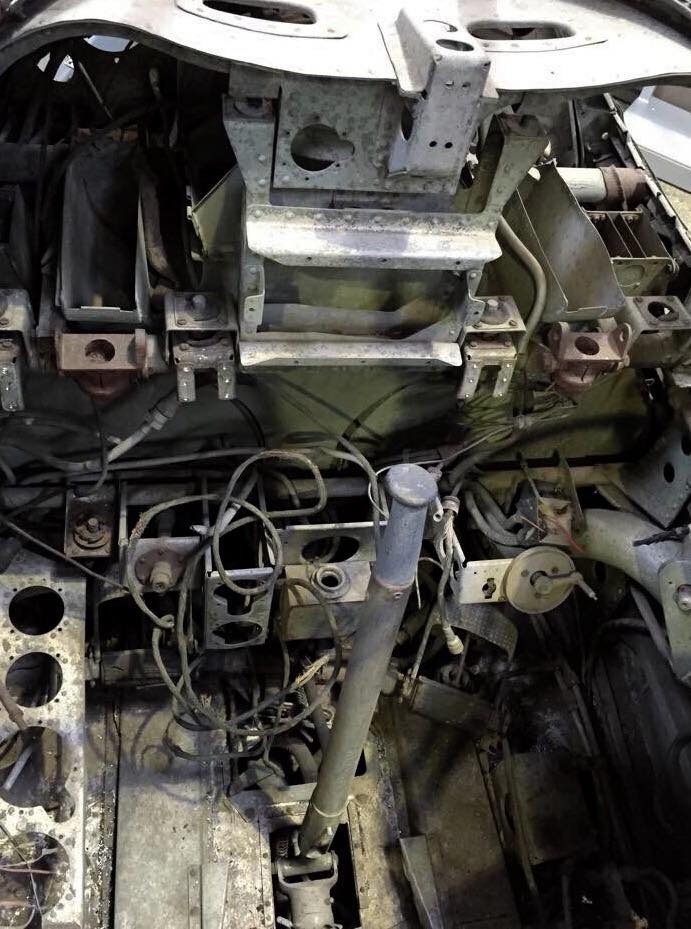
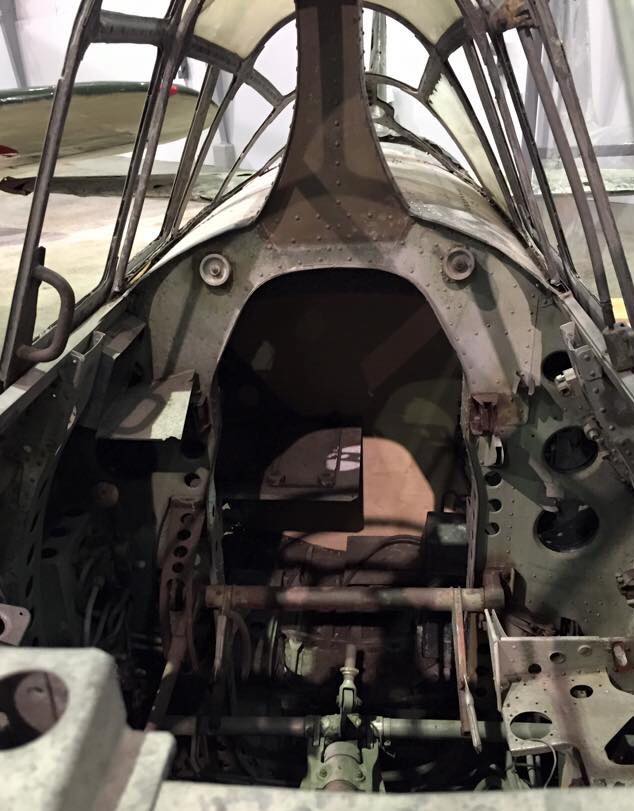
The “Zero” was powered by the Nakajima Sakae 12 and later the Sakae 21 engine. The A6M had mechanical landing gear indicator rods (or bayonets) attached to the landing gear struts and protruded above the wings when the gear was down (as was used on the Fw-190 and quite a few other aircraft); however, a green light on the gear selector box also indicated when the gear was down. A6Ms also had a landing gear safety cable attached to the right strut; when the aircraft was on the ground and the oleo strut was partially retracted, the cable pulled a pin out, blocking the pilot from moving the selector valve handle to the retracted position. On takeoff, the strut expanded, and the cable released the pressure on the pin so it could retract and allow the pilot to safely pull the retractor handle. The main undercarriage and brakes are hydraulically operated. The wheel fairings have small access doors to the tire valve stems, and the aircraft must be rolled to position the stems with the doors to inflate the tires. The tail wheel is a combination retracting ram and air-oil shock unit with hydraulic tubes and steering cables. Red stencil alignment markings were added to the wing leading edges. Japan used Aotake (meaning generally, “green bamboo”) as an anti-corrosion primer on the inner surfaces of their aircraft – similar to the U.S. use of Zinc Chromate and, following tests in the U.S., was considered superior to Zinc Chromate. And, like Zinc Chromate, the color of Aotake varied by manufacturer and the various aircraft component subcontractors but was generally a bright color to make it obvious for uniformity of application.
Editor’s notes: A6M5 Model 52 Zero 61-121 N1303 was later listed for sale on Platinum Fighter Sales and was sold in 2021. As of writing, N1303 is registered with the FAA to Suraair Holdings Inc. of Wilmington, Delaware.
In addition to A6M5 Model 52 c/n 1303, tail code 61-121, two other A6M5 Model 52 Zeros captured on Saipan and shipped to San Diego aboard USS Copahee still exist today. These are A6M5 Model 52 Zero c/n 5357, tail code 61-120, which is maintained in airworthy condition by the Planes of Fame Air Museum in Chino, California, and A6M5 Model 52 c/n 4340, which is in the collection of the Smithsonian’s National Air and Space Museum. Repainted in the 1970s as tail code 61-131 and previously displayed in the museum’s WWII in the Air gallery, it is currently held in storage at the Steven F. Udvar-Hazy Center in Chantilly, Virginia.
About the author 
Randy Malmstrom grew up in a family steeped in aviation culture. His father, Bob, was still a cadet in training with the USAAF at the end of WWII but did serve in Germany during the U.S. occupation in the immediate post-war period, where he had the opportunity to fly in a wide variety of types that flew in WWII. After returning to the States, Bob became a multi-engine aircraft sales manager and, as such, flew a wide variety of aircraft; Randy frequently accompanied him on these flights. Furthermore, Randy’s cousin, Einar Axel Malmstrom, flew P-47 Thunderbolts with the 356th FG from RAF Martlesham Heath. He was commanding this unit at the time he was shot down over France on April 24th, 1944, and spent the rest of the war as a prisoner of war. Following his repatriation at war’s end, Einar continued his military service, attaining the rank of Colonel. He was serving as Deputy Wing Commander of the 407th Strategic Fighter Wing at Great Falls AFB, MT, at the time of his death in a T-33 training accident on August 21, 1954. The base was renamed in his honor in October 1955 and continues to serve in the present USAF as home to the 341st Missile Wing. Randy’s innate interest in history in general, and aviation history in particular, plus his educational background and passion for WWII warbirds, led him down his current path of capturing detailed aircraft walk-around photos and in-depth airframe histories, recording a precise description of a particular aircraft in all aspects.