







By Kevin Wilkins
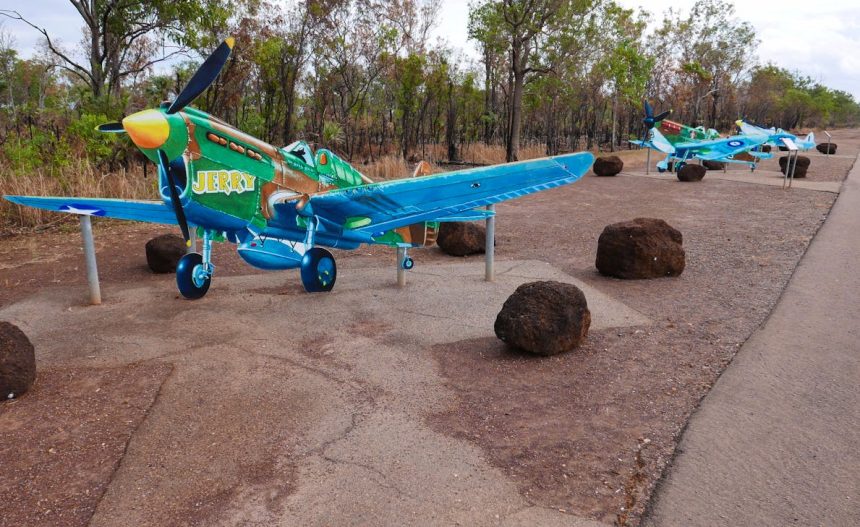
Many World War II airfields found new life after the war when the military transferred land and facilities to civilian authorities. Chosen for their flat terrain and existing infrastructure, these sites were often adapted and expanded for civil aviation, eventually evolving into major international hubs like Heathrow in the UK or Hartsfield-Jackson Atlanta International Airport in the U.S., or transformed into museum complexes such as Duxford, UK. However, not all airfields were so fortunate—many were abandoned, reclaimed by nature, or lost to modern real estate developments. One notable exception is Strauss Airstrip in Australia’s Northern Territory. Named after American pilot Captain Allison W. Strauss, this airstrip stands as one of the last surviving and most intact World War II pursuit fighter installations in northern Australia.
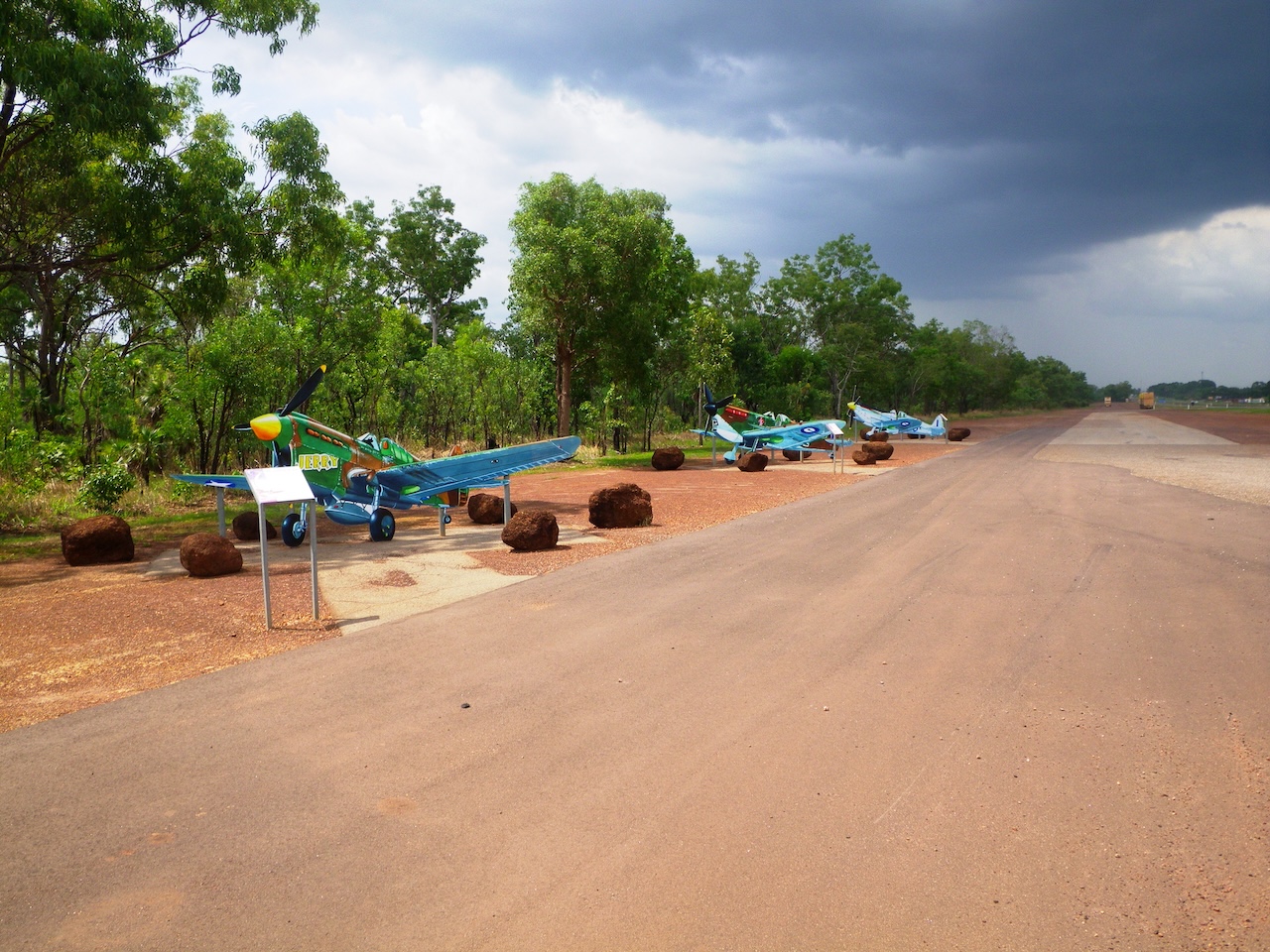
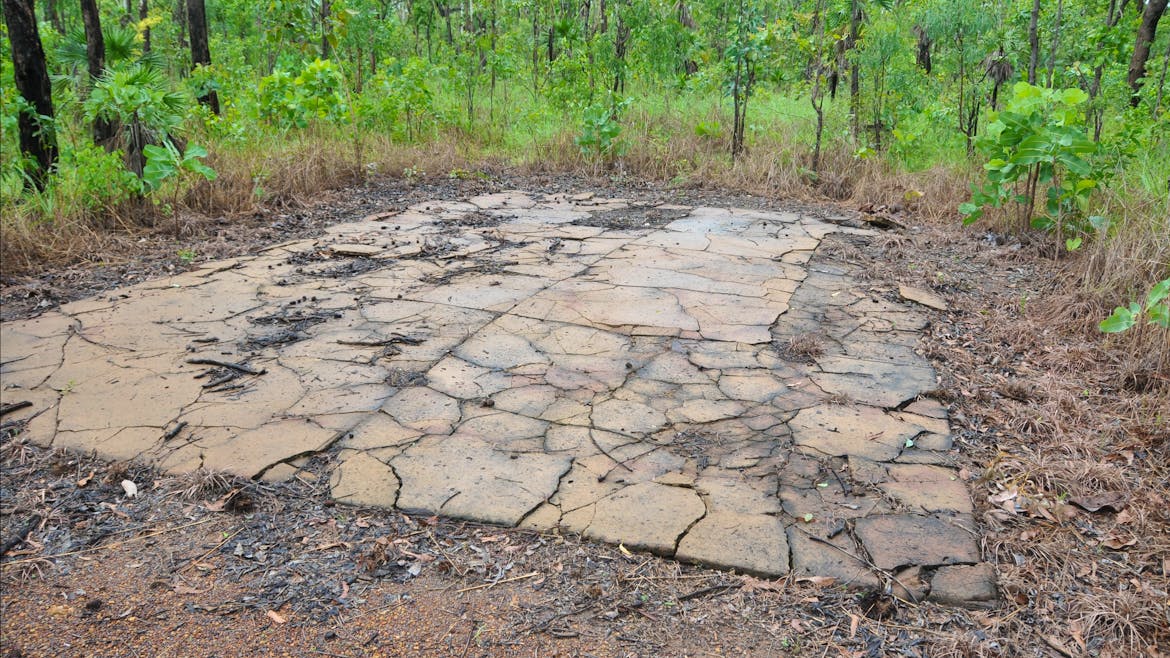
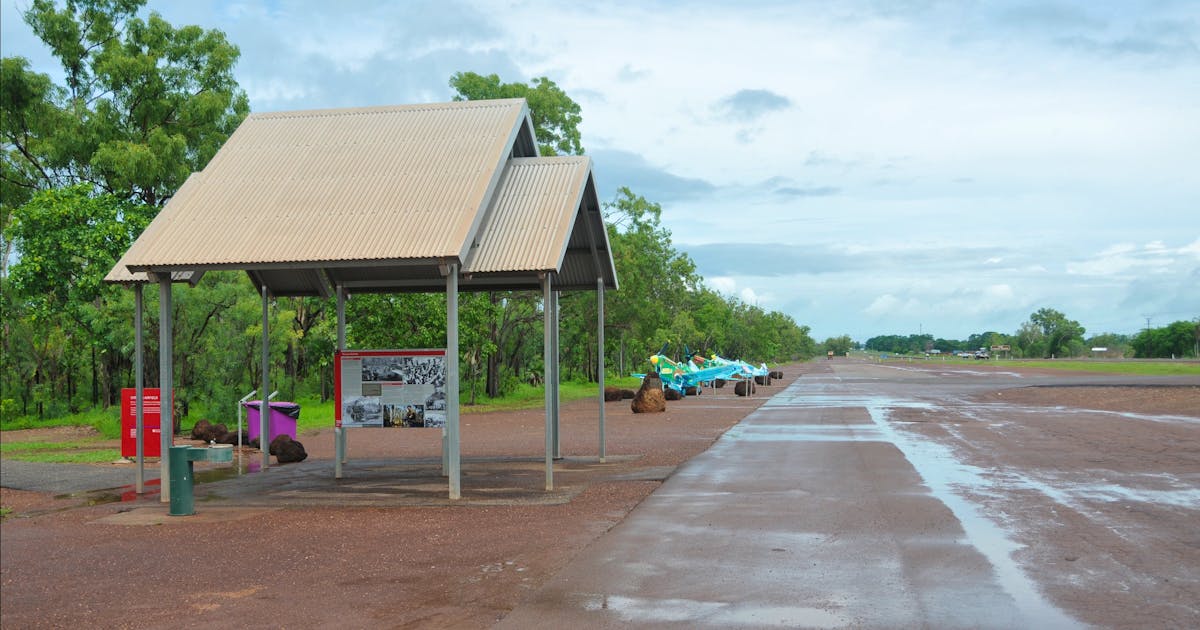
Declared a heritage site in 2003, Strauss Airstrip has been preserved to maintain its historical significance. Visitors can explore the original runway and taxiway, enhanced with interpretive signs and model aircraft that tell the story of the airstrip’s role in Australia’s wartime defense. The site also offers practical amenities, including a picnic area, carpark, and scenic drives, making it both educational and accessible.
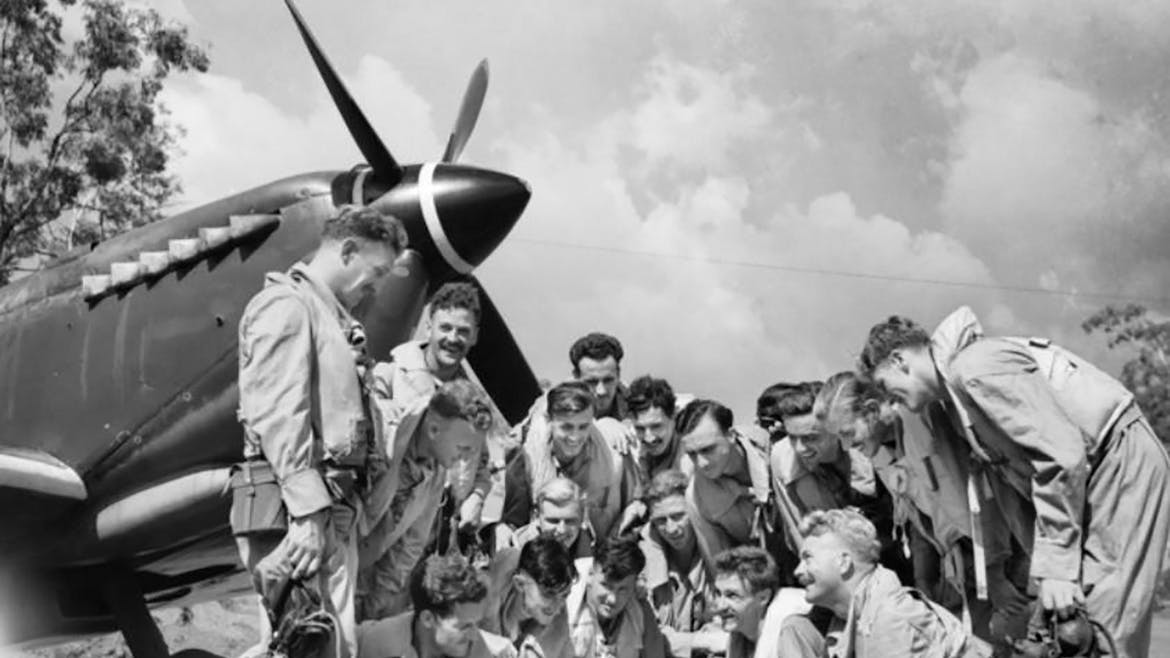
Strauss Airstrip demonstrates how thoughtful planning and modest budgets can preserve historic sites in meaningful ways. It serves as a model for how municipalities and administrations can honor history without incurring excessive costs, offering a lasting connection to the past for generations to come.


Another important airstrip built near Larrimah was the RAAF complex Gorrie built by No.1 Flight Engineering Construction Section in 1942. Gorrie was out of flight range of the Japanese bombers and provided support services for every type of aircraft in the NT. At the height of its operation it was home to 6000 service personnel. Field service teams from Gorrie traveled all over the NT repairing and recovering crashed and unserviceable aircraft and was the major aircraft and vehicle maintenance depot in the NT. Story from info at the Larrimah historic site by Fred Bray who’s Father Sgt. Frank Bray oversaw the initial construction of Gorrie.
As a founding member of the king cobra rod and custom club we also ran drag racing every month on the 33mile airstrip.
Mcdonald airstrip admission is controlled by land barons whose lease includes the strip. It is fenced off with cameras.
Manbulloo airstrip access is also controlled by the lease holders.
NT gov doesn’t give a stuff about the WW2 airstrips.