
By Michael W. Michelsen, Jr.
Those of us in this country are fortunate to have had only a limited number of foreign adversaries to attack our shores. There was the attack on Pearl Harbor. There were also a few unmanned attacks and submarine sightings along the coasts. What many don’t know is that within the continental United States, the state of Montana was bombed on March 21, 1944…by none other than the United States Army Air Force.
The Ice Floes that Would Not Yield
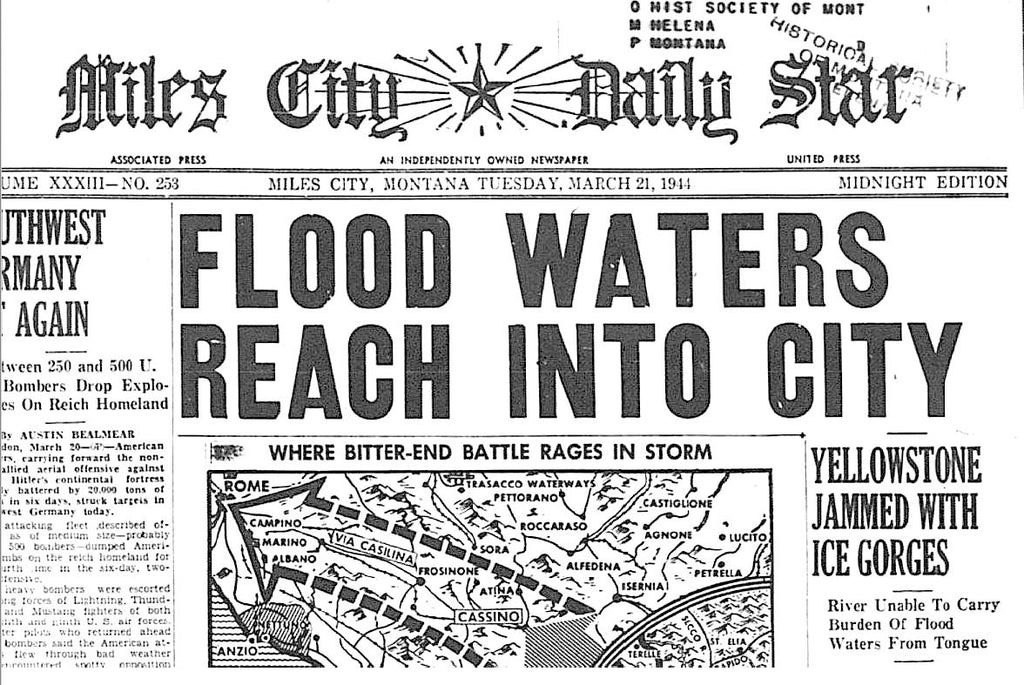
Miles City, Montana, is one of those communities where not much happens on a given day. Its greatest claim to fame is for being the “Cow Capital of the West,” if that means much. The city is one of several that was established to help bring Native Americans under some semblance of subjugation in the last decade of the 1800s, although even the commander conceded that whiskey caused him more trouble than the Indians and, after tiring of drunken soldiers causing problems during the winter campaign, sutlers who supplied “liquid stock” were evicted in the spring of 1877. Miles City is also the seat of Custer County. Miles City at the time wasn’t much smaller than it is today, with a population of about 7,000, not counting the cows. The city has a long history of association with the military. It was named for Gen. Nelson Miles, who was the commander of Fort Keogh, around which the town was founded in the 1890s. Fort Keogh itself was named for Capt. Myles Keogh, who was killed at the Battle of the Little Bighorn. All of this changed in the Spring of 1944 when a series of storms caused the Yellowstone River to be jammed with ice floes, causing the water to overflow its banks by more than 16 feet and threaten the city, forcing hundreds from their homes. This led the mayor, LS. Keye, to consider his options, the most attractive of which was to enlist the help of several local civilian pilots with small private planes to drop several bombs he cobbled together to break up the ice and get the water flowing again. After several tries, it didn’t work. Next, Keye called the governor for help.
The U.S. Army Air Force to the Rescue
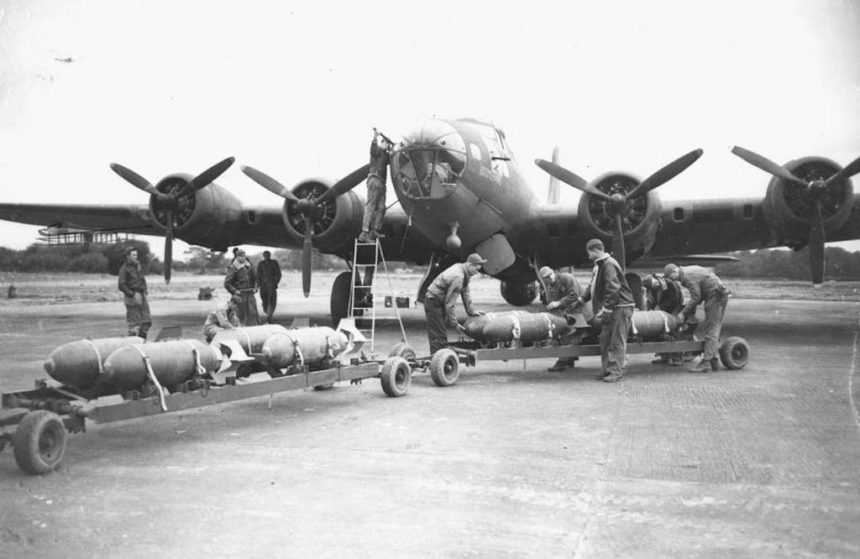
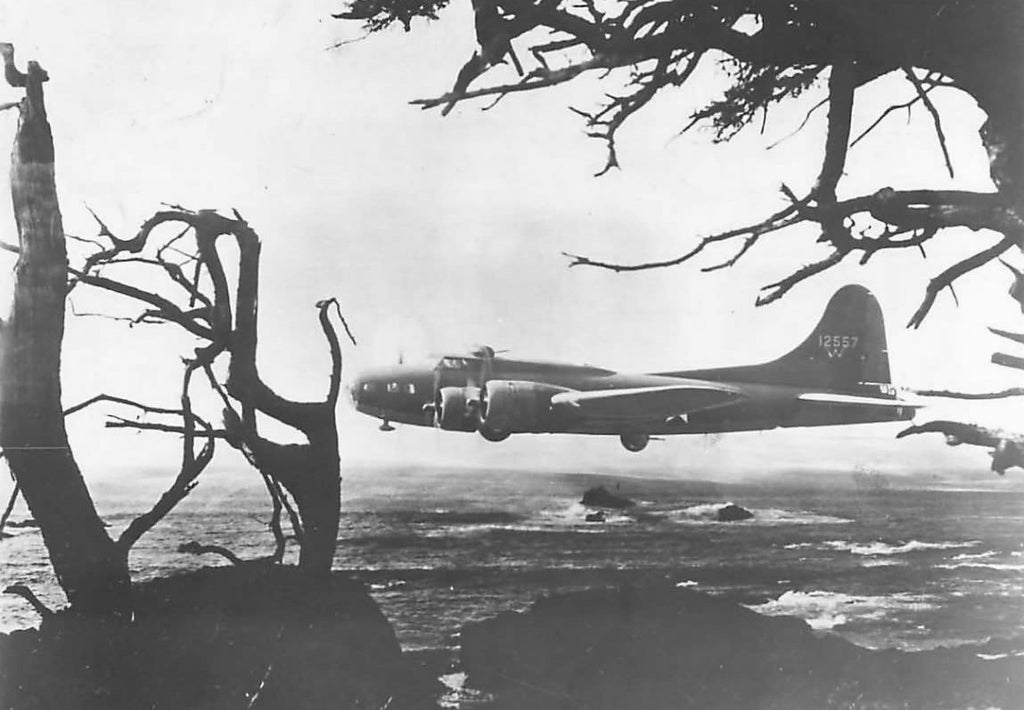
Seeing that it was 1944, and nearing the end of a war, if there was one thing the government had plenty of on hand was planes and bombs. And despite Miles City being little more than a fly speck in the grand scheme of things, the governor didn’t want to have the citizens of this small city die cold and watery deaths. When the governor heard of the plight of this small city, he contacted the Army Air Corps at nearby Rapid City Army Air Base, today Ellsworth Air Force Base, next to Rapid City, for help. For better or for worse, base officials proposed a solution similar to the one tried by the mayor, except on a larger and much grander scale. A B-17 was readied with an eight-man crew and a load of fused 250 lb. bombs. Despite a blizzard that was occurring at take-off time, the aircraft took off, a dangerous maneuver at the time, and lumbered its way to the Yellowstone River. The original plan called for the bomb load to be transferred to a smaller aircraft to deliver the load, but the steadily worsening weather caused authorities to cancel these plans and have the original B17 carry out the mission on its own. The icy weather made locating a good target among the ice flow difficult. After all, you can’t bomb something you can’t see, so the pilot made several passes along the river to find the choke point of the logjam. Finally, at 7:30 p.m., the bomber broke through the overcast and descended to 10,000 feet.
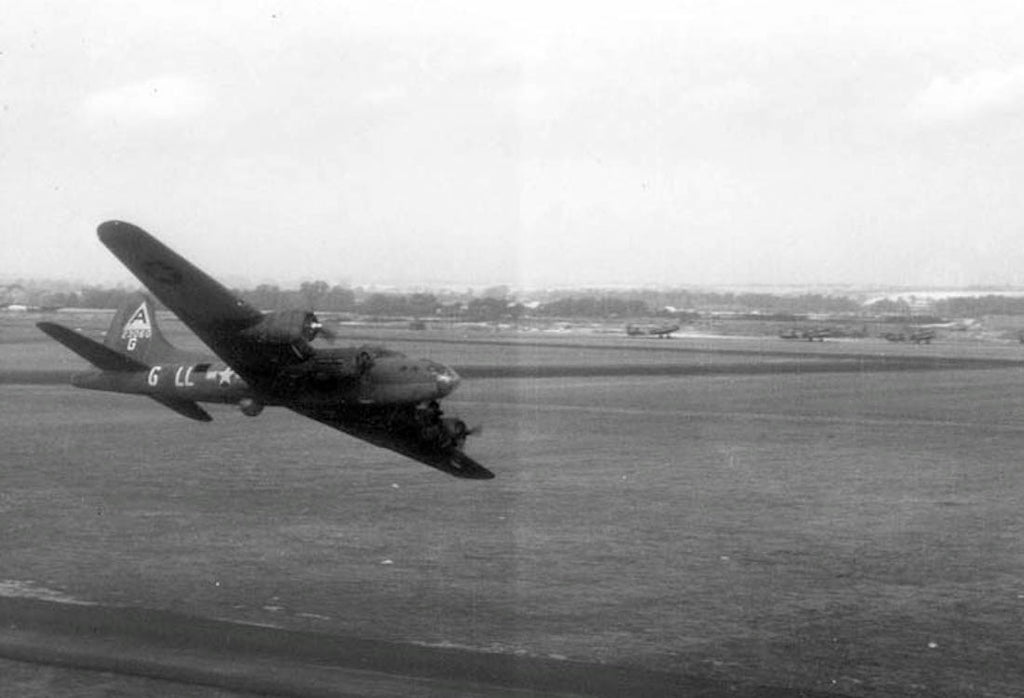
Hundreds of the imperiled townsfolk gathered on the shore to watch the B-17 drop its ordinance. The pilot made two passes over the target to ensure his dummy bombs would hit their target in the inclement weather. Then, the aircraft dropped one of its live bombs to score a direct hit. But nothing happened. Then, a second bomb was dropped, only to have no effect, so on a third pass, the pilot decided to drop his entire remaining payload. The bombs exploded across the entire ice jam, with columns of ice, mud, and debris shooting into the sky, and releasing the icy stranglehold. The water began flowing once more, and the floodwaters receded. The Yellowstone River went back to its normal water levels, and the town of Miles City was saved from an icy, murky doom.
Sit a Spell
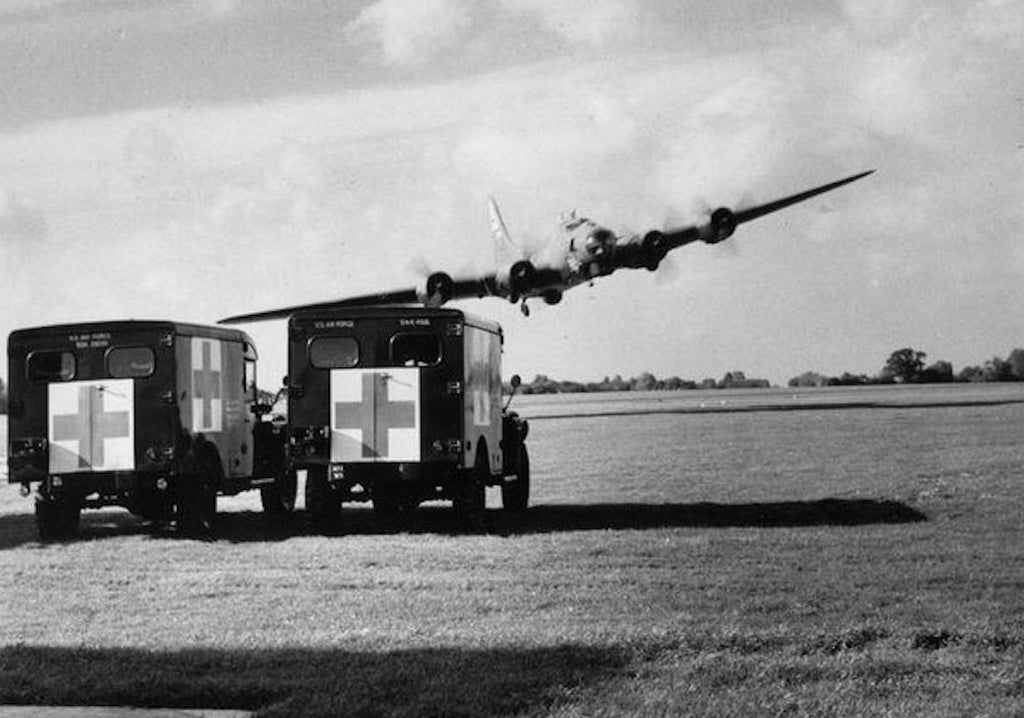
Residents of Miles City were so overjoyed with the Army’s successful solution to their problem that they invited all the members of the crew to stay at the local hotel for the night and be treated to a steak banquet. The next morning, the crew departed, and the B-17 made a final low and slow victory pass over the town, rocking its wings as it flew back home to its base. All of this only goes to show that sometimes Mother Nature can be beaten. All it takes is a B17 and a crew determined not to be beaten.