






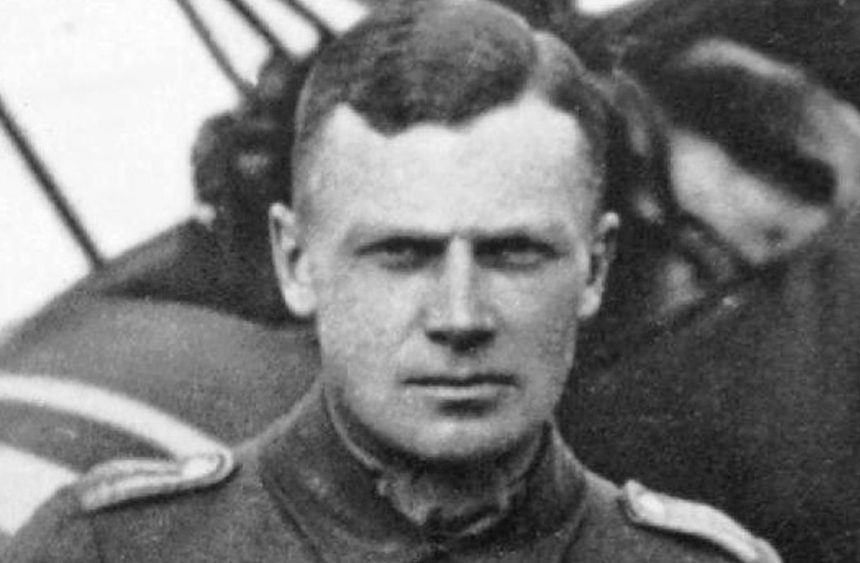

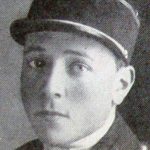
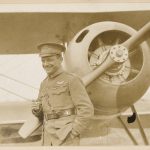
Many flying aces studied different things before taking part in WWI. Some were lawyers, others were technicians, while some were also into academics. One such flying ace was Karl Bolle, who studied economics at the University of Oxford in 1912 and was also good at sports, particularly ice hockey. Born on June 20, 1893, in Berlin, he returned to Germany in 1913 to volunteer for the army. At the start of WWI, his regiment fought on the Western Front in Belgium and at the First Battle of the Marne. Later, the unit moved to the Eastern Front, where Bolle saw action in Poland and Courland in Latvia. By the end of 1915, Bolle had earned the Iron Cross Second Class for bravery. He joined the air service in February 1916. After training in Valenciennes, he was assigned to KG 4 in July 1916.
Karl Bolle’s Ace Journey
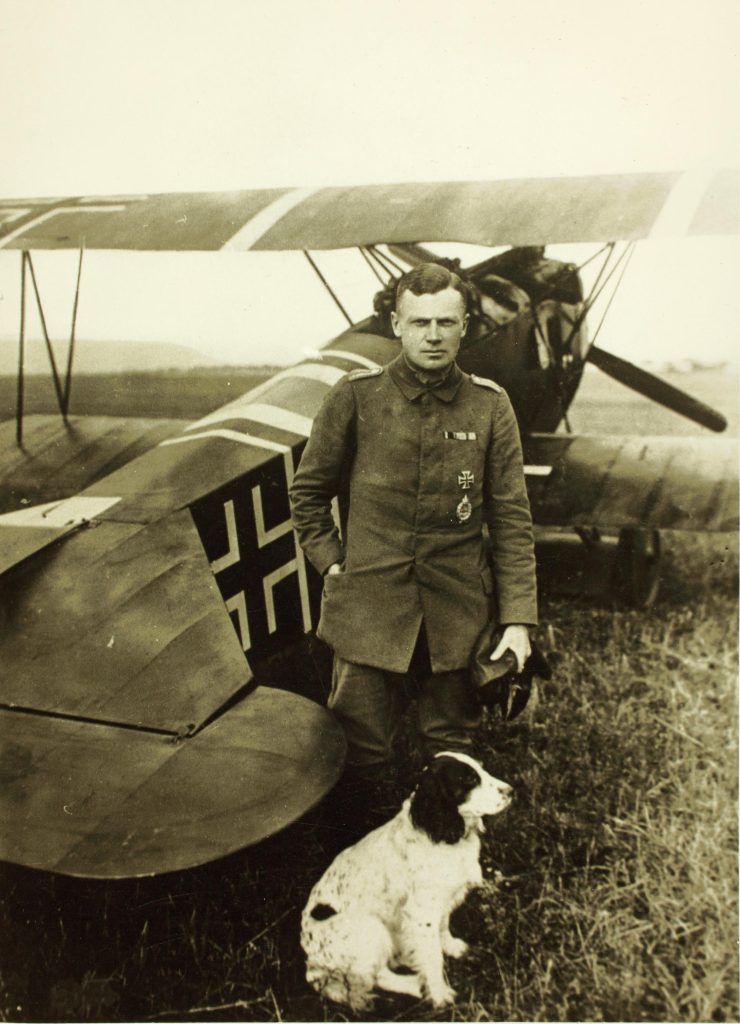
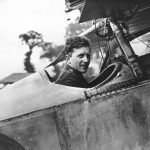
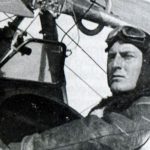
Karl Bolle was wounded in October 1916 during a battle with five French fighters when he crash-landed in friendly territory. Despite his own injuries, he pulled his injured observer to safety away from the shellfire aimed at their downed aircraft. After recovering by the end of the year, he was reassigned to Kampfstaffel 23, where he flew with Lothar von Richthofen as his observer. He received the 2nd Class Knight’s Cross of the Friedrich Order for good work as an observer. After that, he began fighter pilot training and, upon completing it in July 1917, was posted to Jasta 28. He flew airplanes such as Albatros and Pfalz D.III in this unit. His first victory came on August 8, 1917, when he shot down an Airco DH.4, followed by another victory in August. He scored one more victory in December 1917 to end the year with a personal score of 3. On January 29, 1918, he scored his fourth victory, followed by a victory on January 30, bringing his personal score to five and becoming an ace. After becoming an ace, he was transferred to Jasta 2 to command the unit, where he flew Fokker Dr.I triplanes. This unit was previously commanded by Oswald Boelcke, also called the father of the German Air Force. Bolle’s first victory in this unit came on April 3, followed by another one on April 25. He scored five more victories in May, seven in June, nine in July, and three in August, bringing his personal score to 31.
Legacy and WWII
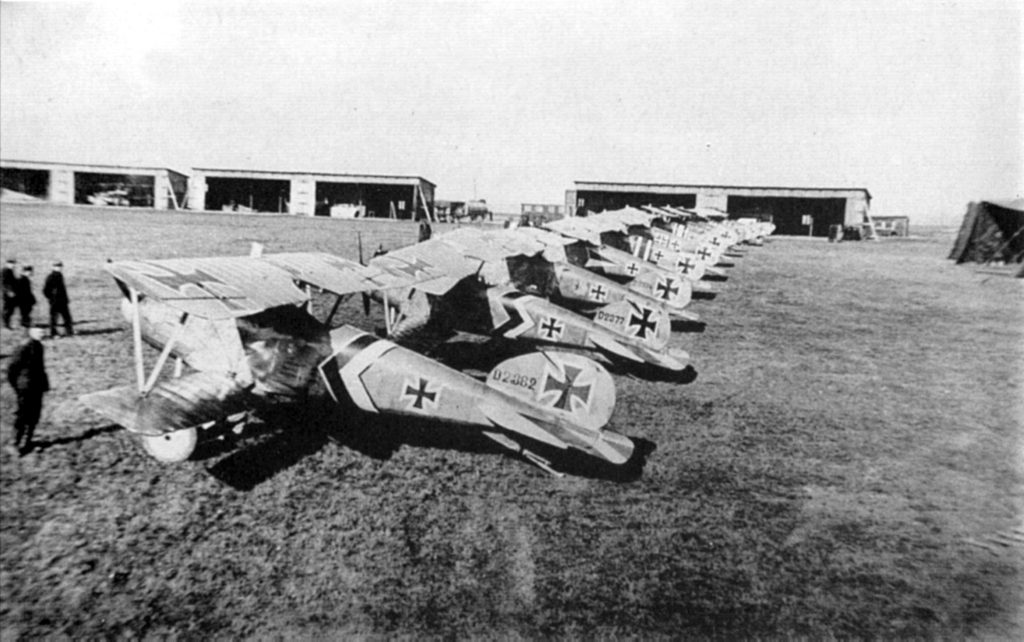
On August 28, he was promoted and awarded the Military Merit Cross, the Royal House Order of Hohenzollern, and the Blue Max. He scored his 32nd victory on November 1, followed by four victories in a single day on November 4, ending his WWI at a personal score of 36. His victories included nine Sopwith Camels, seven SPADs, four each of S.E.5s and Bréguet 14s, three each of DH.4s and DH.9s, two Sopwith Snipes, and one each of Nieuport 28, Martinsyde G.100, Salmson 2A2, and R.E.8. In addition, he led Jasta 2 during the battles of 1918, achieving the second-highest victory total in the German Air Force, with 336 victories for the Jasta. At the time of surrender, Karl Bolle and his pilots marked their airplanes with their names and victory scores before giving them to the British in Nivelles, Belgium. After the war, Karl Bolle became a flying instructor and then the Director of the German Air Transport School in the 1920s. He also helped train pilots secretly for the Luftwaffe (German Air Force). During WWII, he worked as an advisor to the Luftwaffe and reported to Hermann Göring. Karl Bolle died in Berlin on October 9, 1955. In the Aces series, Karl Bolle was a brave German flying ace with good leadership and aviation skills. Read stories of other flying aces HERE.








Hello
I may have missed these articles but was wondering why in your recent discussions neither Canadian aces; Billy Bishop or Baker have ever been featured.
Here you go: https://vintageaviationnews.com/warbird-articles/aces/billy-bishop.html