






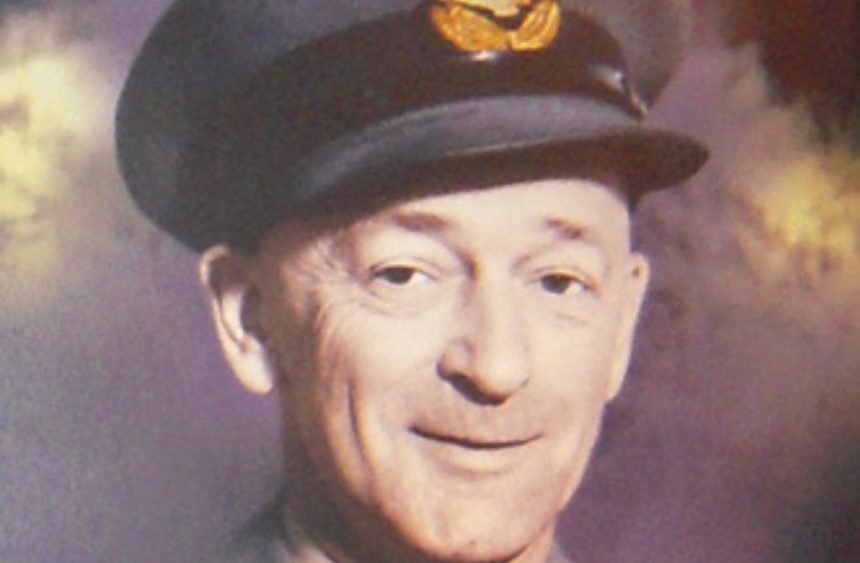

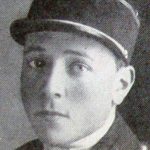
In WWI, many Canadian aces fought in France, and one of them was Frederick McCall. Born on December 4, 1896, in Vernon, British Columbia, McCall joined the 175th Battalion of the Canadian Expeditionary Force in February 1916. By late 1916, he had been promoted to sergeant and transferred to France with his battalion. In early 1917, McCall requested a transfer to the Royal Flying Corps (RFC). In March 1917, his request was granted, and he became a lieutenant pilot trainee. In December, he was assigned to No. 13 Squadron on the Western Front, where he flew the two-seater Royal Aircraft Factory R.E.8 reconnaissance aircraft. Frederick McCall’s first confirmed victory came on January 6, 1918, when he shot down a German Albatros D.V. For his first victory, he was awarded the Military Cross, with a citation, “For conspicuous gallantry and devotion to duty. While observing artillery fire, he attacked an enemy scout and destroyed it. He has set a fine example of courage and determination on all occasions, and has rendered most valuable service.” He scored two more victories with No. 13 Squadron in March and was also awarded a Military Cross Bar for destroying a German aircraft while performing a reconnaissance mission.
Ace Journey of Frederick McCall
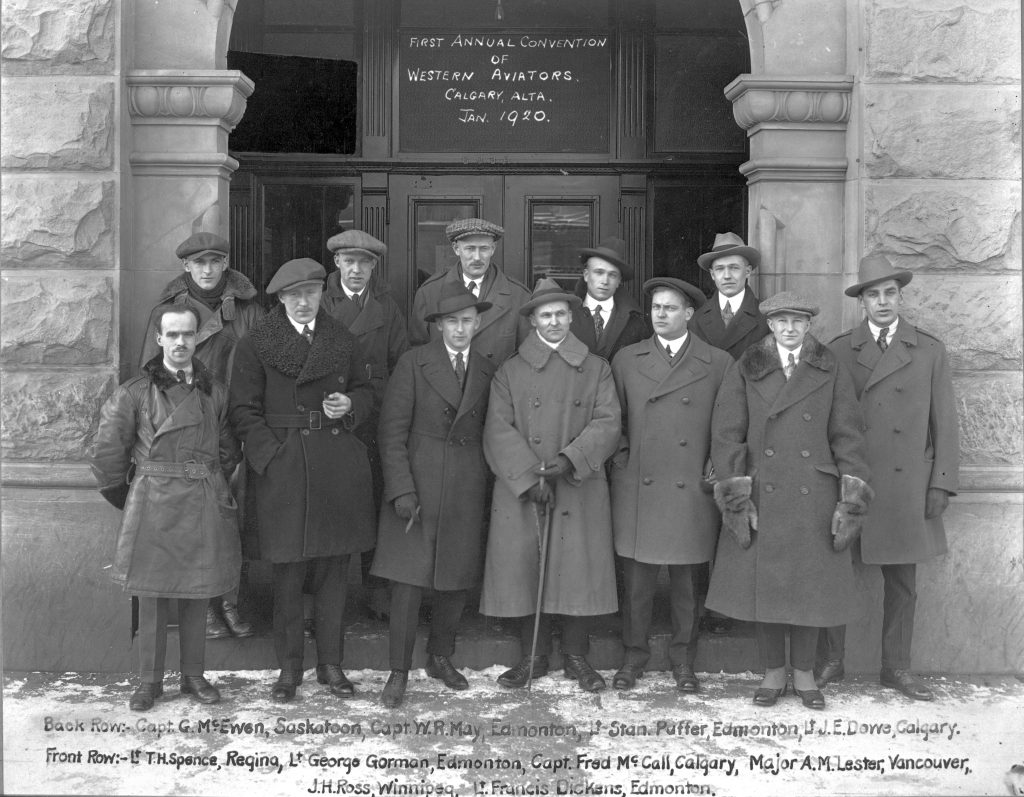
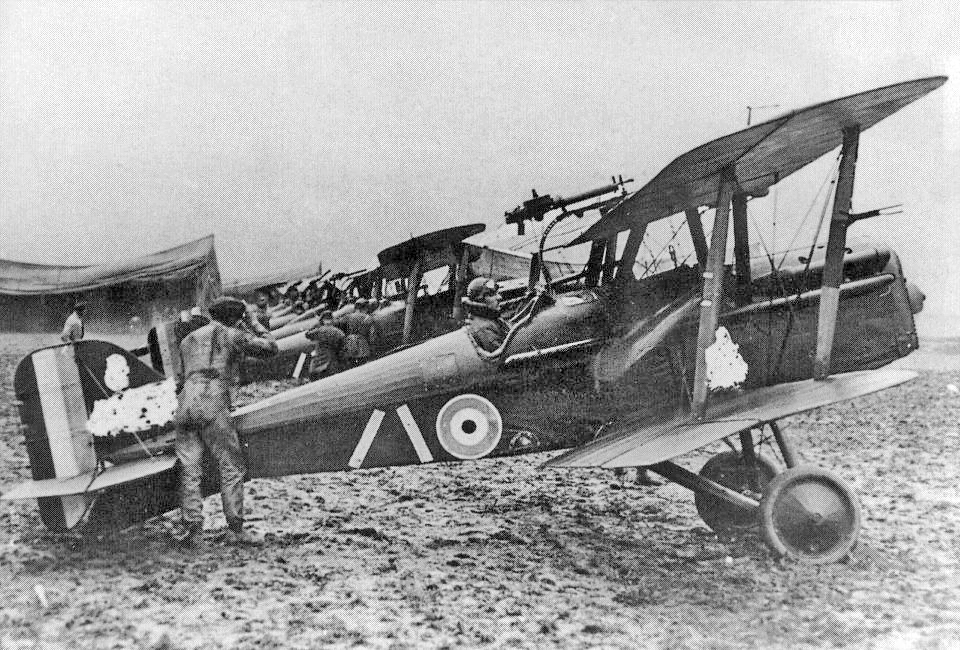
Frederick McCall’s Military Cross Bar citation said, “Whilst engaged on photographic work, he observed a hostile scout, on which he dived and fired a burst from his machine-gun. The enemy machine went down in a steep dive out of control. On a later occasion, he engaged two hostile two-seater planes, which immediately turned East. Though a steady rate of fire was kept up against him, he continued the attack, during which the observer of one of the hostile machines collapsed in the cockpit, other observers reporting that this machine crashed to earth in the enemy lines. He has always displayed the greatest gallantry and determination in carrying out his work, and has set a very high example to his squadron.” After scoring his third victory while flying the R.E.8, Frederick McCall moved to No. 41 Squadron RAF and started flying the Royal Aircraft Factory S.E.5. In the new squadron, his first victory came on May 25, followed by another one on May 29, which officially made him a flying ace. He scored one more victory in May to bring his score to six. He was awarded the Distinguished Flying Cross after reaching six victories. In June 1918, Frederick McCall destroyed 14 German aircraft, including two on June 27, four on June 28, and five on June 30. For this feat, he was awarded the Distinguished Service Order, citing, “A brilliant and gallant officer who has accounted for fourteen enemy machines. On a recent date, he destroyed four during a patrol in the morning, and another in the evening, in each case closing to point-blank range with his opponent. His courage and offensive spirit have inspired all who serve with him.” Starting in July at a personal score of 20, he shot down eight aircraft in the month, followed by seven in August, to reach a personal score of 35.
The Legacy and WWII
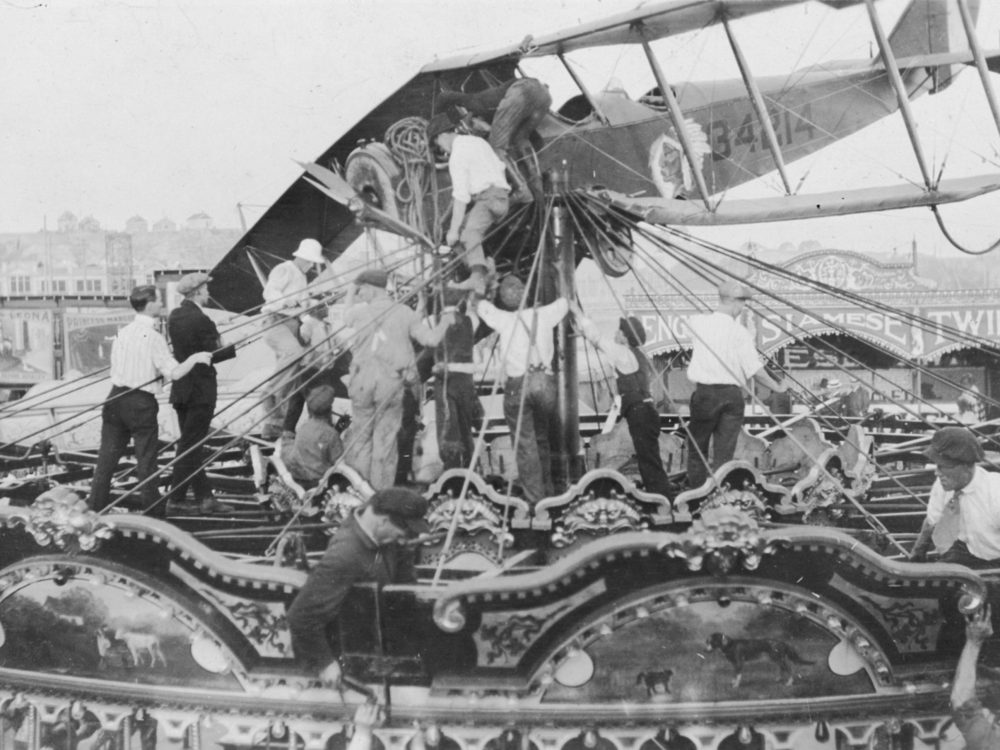
In Frederick McCall’s last victory on August 17, he was flying with William Gordon Claxton, another Canadian ace with the most number of victories in No. 41 Squadron, and they encountered Jagdstaffel 20, which had at least 40 aircraft. In the battle, Claxton was shot down and captured by the German forces, and he remained a prisoner of war until the armistice. However, after scoring his 35th victory in this battle, Frederick McCall became ill and returned to Canada. By the time he recovered, the war ended. Among all the aircraft he shot down, twelve were Albatros, eleven were Fokker D.VIIs, three were DFW Cs, two each were C-type, Halberstadt C Rumpler Cs, and Pfalz D.IIIs, and one was LVG C. After the war, he performed stunts at air shows and helped create air routes through the mountains between Golden, British Columbia, Banff, Alberta, and Fernie, British Columbia. In 1929, as the managing director of Great Western Airways, McCall made headlines by flying through bad weather to the Skiff oil fields. Frederick McCall flew round-trip with Dr. JS Wray from Lethbridge to treat two workers injured in an explosion. During WWII, McCall returned to military service and became a squadron leader at several flying stations across Canada. He stayed interested in flying for his entire life. He helped start the civilian flying club system in Canada and was the first president of the Calgary Flying Club. McCall passed away in Calgary, Alberta, on January 22, 1949, at the age of 52. In Calgary, Alberta, several places are named after him, including McCall Industrial Park, McCall Way, and McCall Lake Golf Course. In the Aces series, Frederick McCall stands out as a true admirer of flying. Not only did Frederick McCall serve in both world wars, but he also helped shape Canadian civil aviation as it is today. Read about more flying aces HERE.




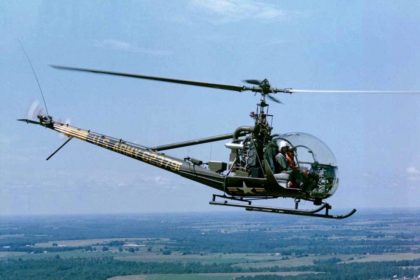


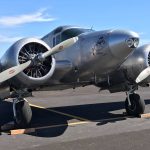





The original name of the Calgary International Airport was McCall Field.
I personally was a member of 41 Squadron Royal Air Force from 1971 – 1980, my trade was Photography and I enjoyed it immensely. I should have stayed in.