
By Kenneth P. Katz
The Wright Brothers built every part of their Flyer themselves, starting with raw materials. As aviation matured, aircraft manufacturers became less vertically integrated and purchased more items from suppliers. These purchased items included engines, propellers, and instruments. In contrast, automobile manufacturers of the same period tended to be more vertically integrated, keeping the design and manufacturing of components like engines and drivetrains in-house. The critical role of suppliers in the aerospace industry continues to this day. An aircraft delivered to a customer by Airbus, Boeing, Lockheed Martin, or Piper Aircraft is often mostly constructed from material provided by the supply chain. The company, on the nameplate and the airworthiness certificate, primarily performs integration, certification, and final assembly.
In 1925, a team under the leadership of Frederick B. Rentschler founded the Pratt & Whitney Aircraft Corporation. Rentschler was a visionary and understood that aviation was on the verge of evolving from an interesting gimmick into a major industry. The pacing technology for aviation was propulsion. Rentschler’s lieutenants, George J. Mead and Andrew V. D. Willgoos, had an idea for a better engine that would be lighter, more powerful, and more reliable than existing engines. This engine, the Wasp, was a great success both technically and in the marketplace, establishing the young company as a significant supplier in the growing aviation industry. One of the largest customers of Pratt & Whitney was the Boeing Airplane Company, which not only manufactured aircraft but also operated them through its subsidiary, Boeing Air Transport. Boeing Air Transport had lucrative airmail contracts, which were the principal way to make a profit in air transportation in the United States during that era, when passenger transportation was negligible and military budgets were very low. In 1928, Rentschler and William Boeing began discussing the creation of an aviation holding corporation that would combine their companies and others to form a “one-stop shop” for aviation.
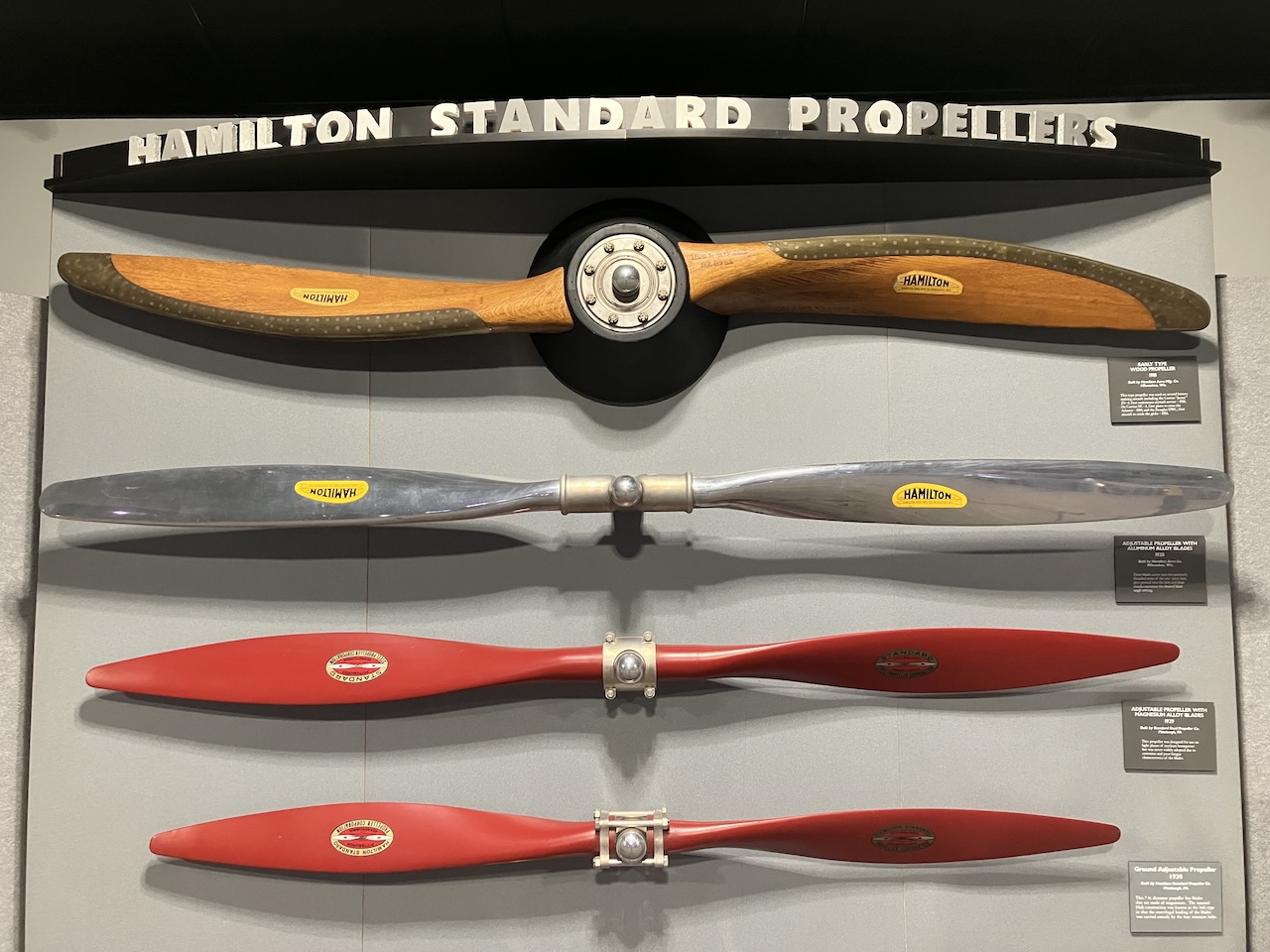
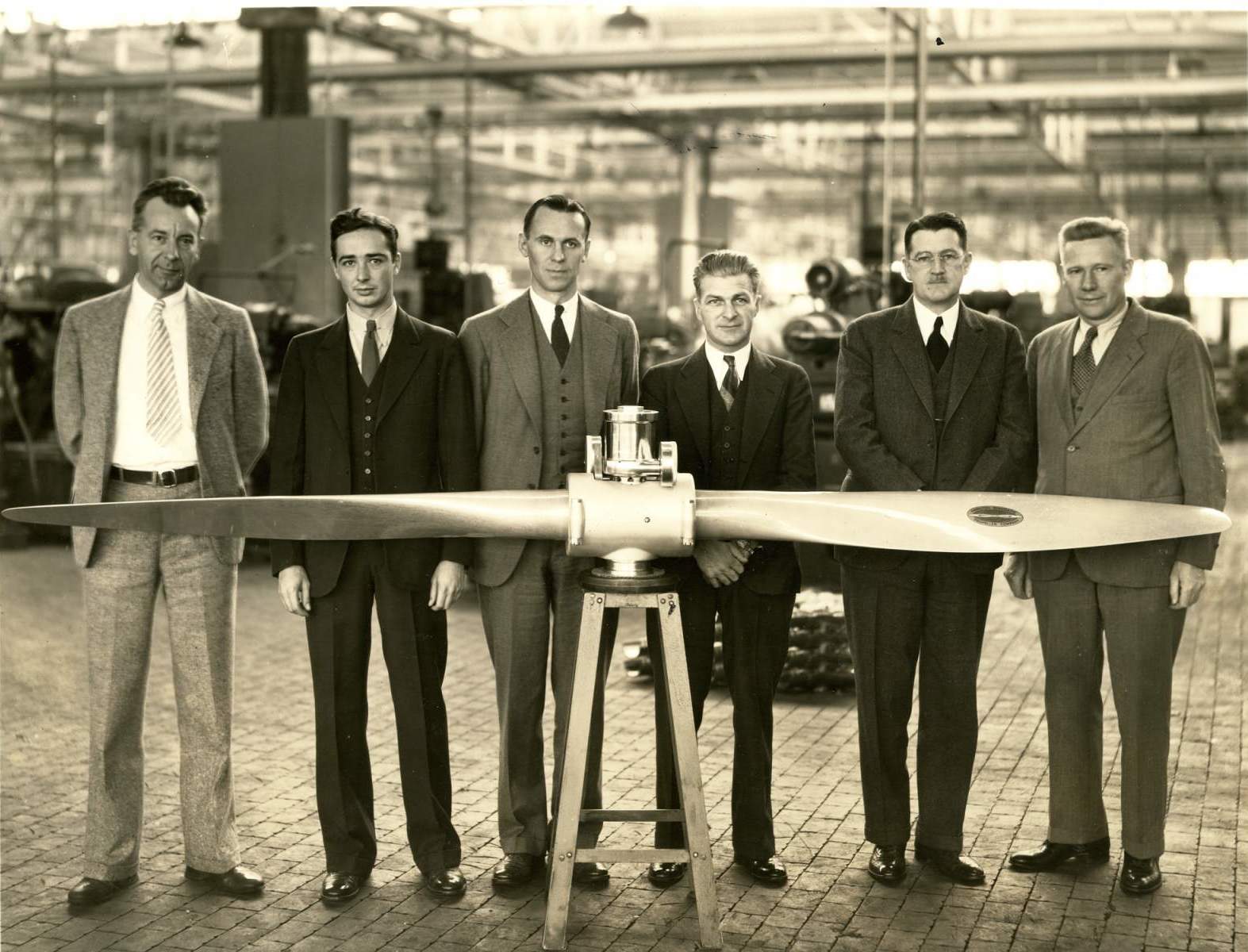
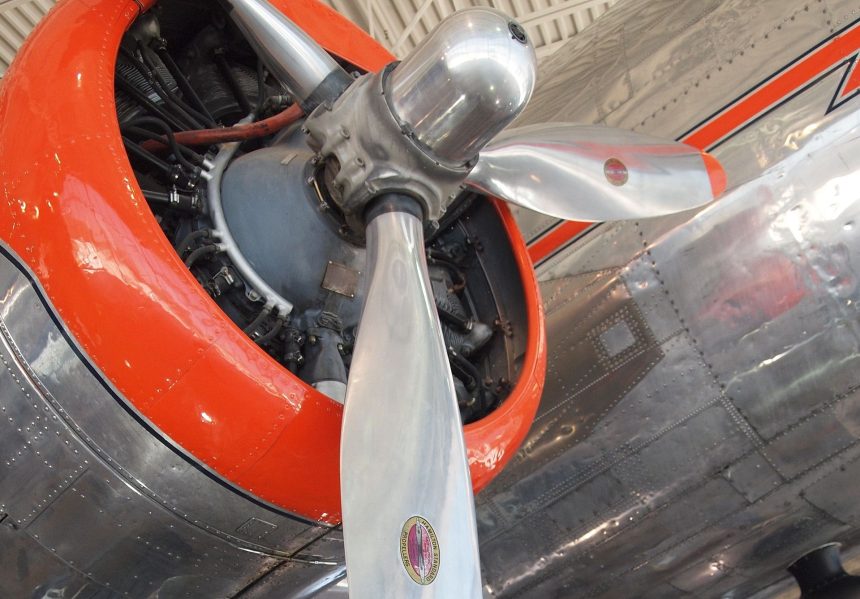
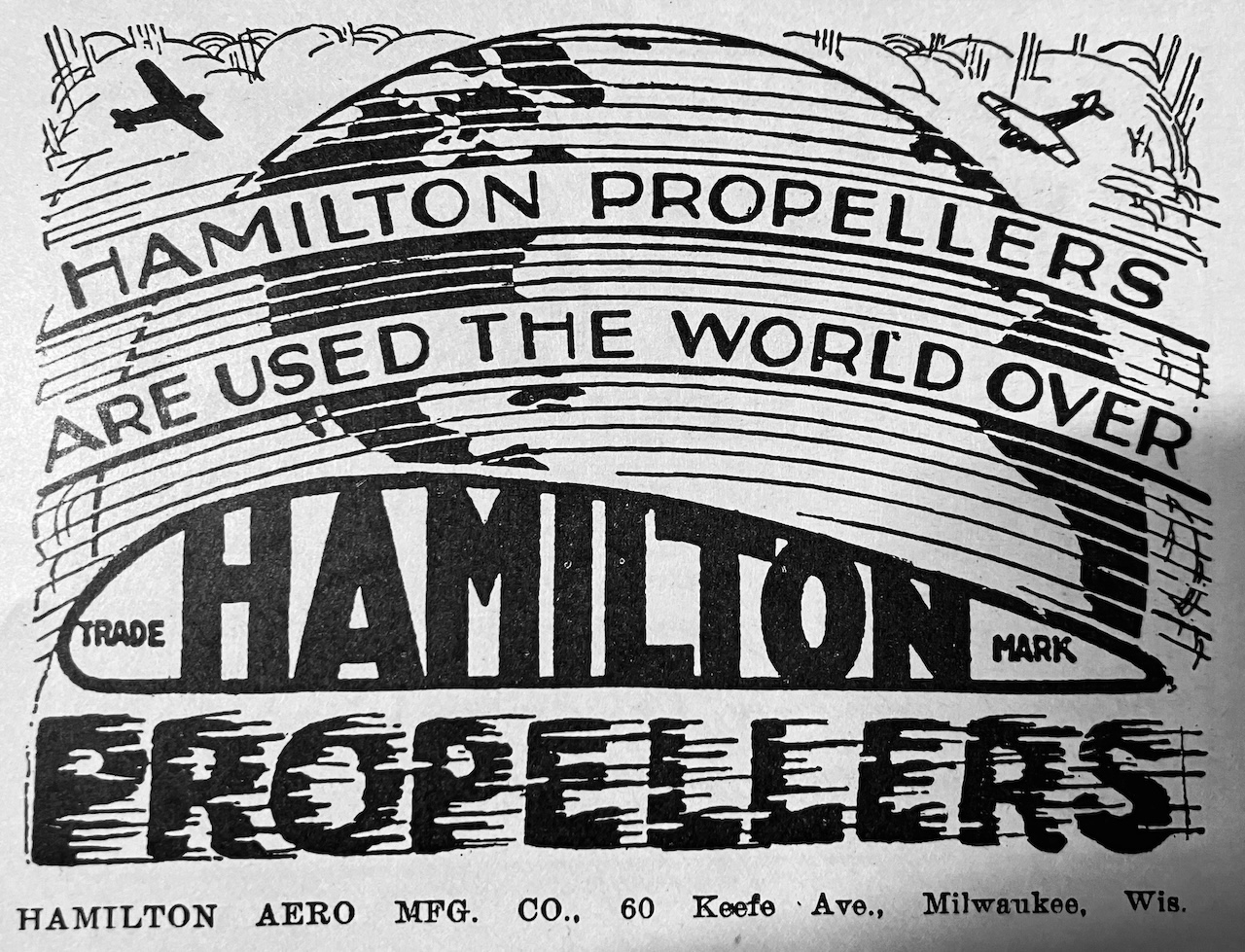
The result of their idea was the formation of the United Aircraft and Transport Corporation (UATC) in 1929. Starting with Boeing and Pratt & Whitney, UATC soon merged with or acquired Chance Vought, Northrop, Sikorsky, and Stearman to form the aircraft manufacturing portion of its portfolio. The company came to own multiple air transportation companies and a variety of other aviation-related businesses, including airports and aviation training schools. Within a year, UATC was the leading concern in the American aviation industry. It acted as a holding company rather than an integrated organization, with each of the heritage companies maintaining its own identity. The vision for UATC extended beyond engines and aircraft. Propellers were a critical part of an airplane’s propulsion system, as they converted the power of the engine into thrust. The efficiency of the propeller was a major determining factor of aircraft performance. Because they rotated at high speed, propellers were subjected to enormous stresses, which made durability and light weight as important as propulsive efficiency. One of the original companies to form UATC was Hamilton Aero Manufacturing, a leading manufacturer of propellers. In 1929, UATC also acquired the Standard Steel Propeller Company, another propeller manufacturer.
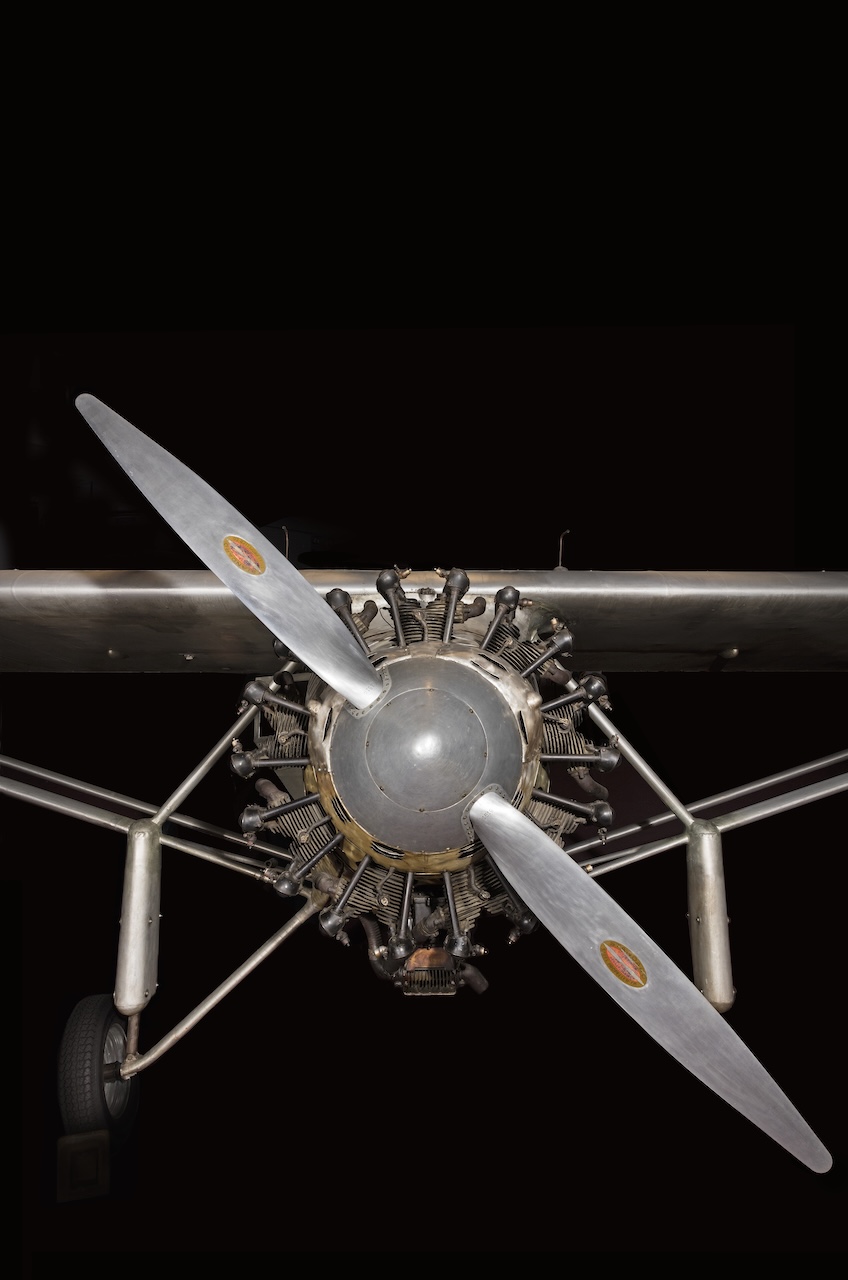
Hamilton Aero Manufacturing had been formed in 1919 and was based in Milwaukee, Wisconsin. Its owner, Thomas F. Hamilton, was a close associate of William Boeing and a skilled salesman. Hamilton had built a successful business producing wooden propellers but was struggling to keep up with changing technology as metal propellers began to replace those made of wood. In contrast, Standard Steel Propeller Company had, from its founding, focused on metal propellers. The company traced its origins to the Dicks-Luttrell Propeller Company, founded by Thomas A. Dicks and James B. Luttrell in 1918. A year later, Dicks-Luttrell was reorganized with new investors and placed under the leadership of Harry A. Kraeling.
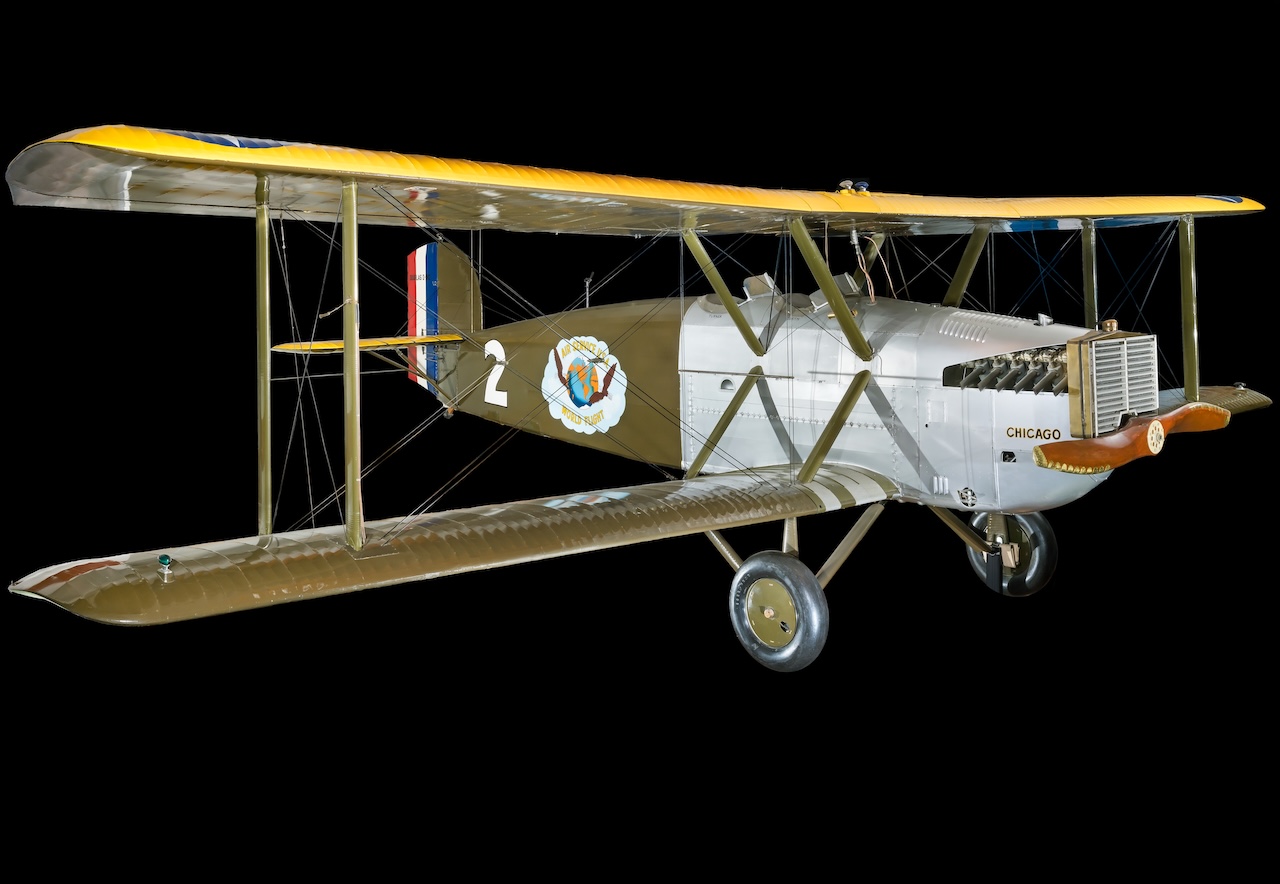
UATC merged Hamilton Aero Manufacturing with Standard Steel Propeller Company in November 1929, creating the Hamilton Standard Propeller Company, the world’s leading propeller manufacturer. At first, it was not a match made in heaven. Hamilton Aero Manufacturing and Standard Steel Propeller Company had been bitter rivals, and Thomas Hamilton and Harry Kraeling did not get along with one another. Something had to be done to enable Hamilton Standard to function as a unified company.
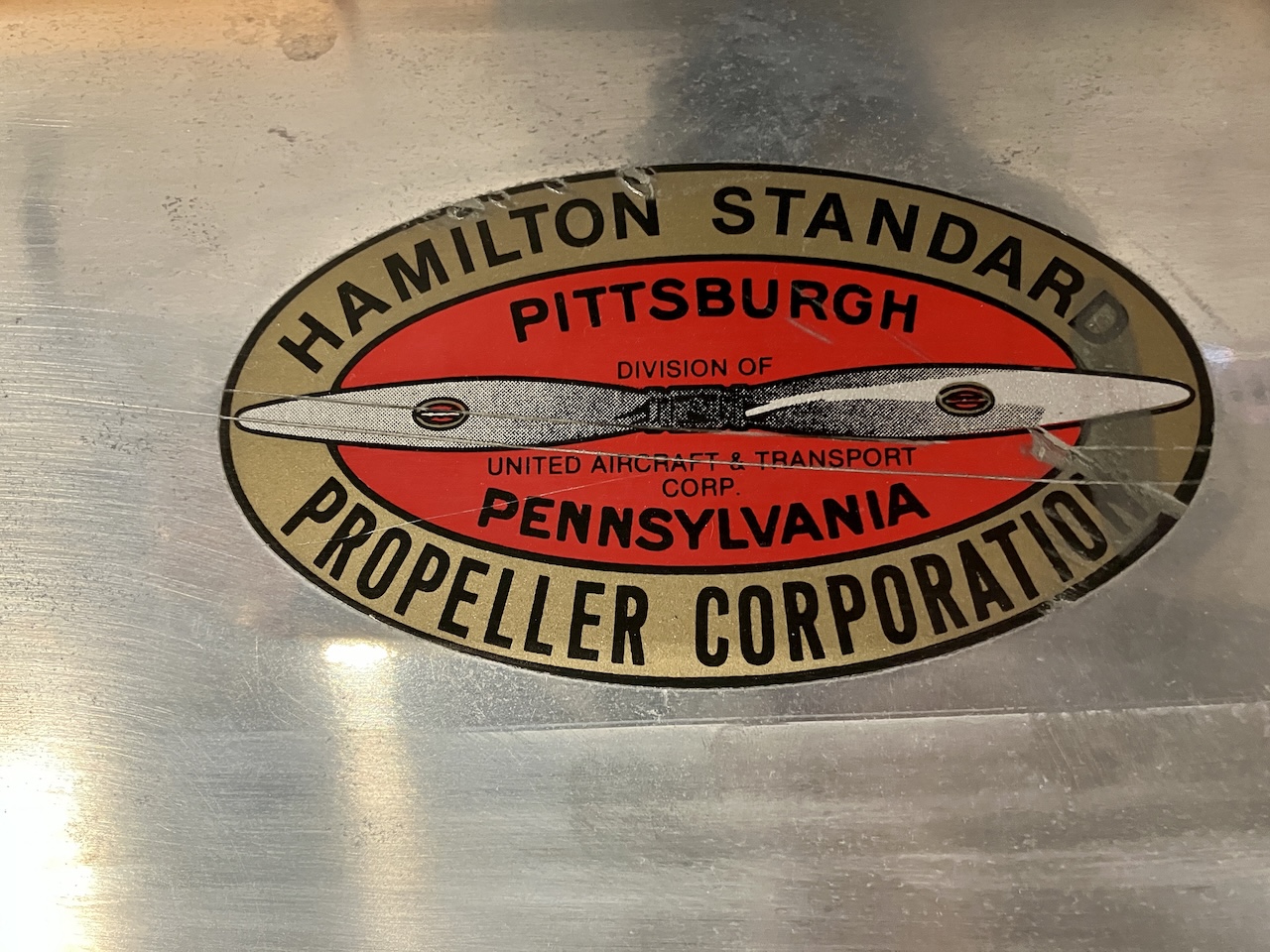
Hamilton Aero Manufacturing’s plant in Milwaukee was closed, and Hamilton Standard’s operations were consolidated in Pittsburgh in 1930, with Eugene E. Wilson serving as general manager and Raymond Walsh as vice president. The Pittsburgh plant suffered from labor strife, and Hamilton Standard moved to East Hartford, Connecticut, in 1931–32, sharing a facility with Pratt & Whitney. Amid the corporate changes at Hamilton Standard Propeller Company, an important project was underway within the company that would change aviation forever. That project will be the subject of the next article in this series.