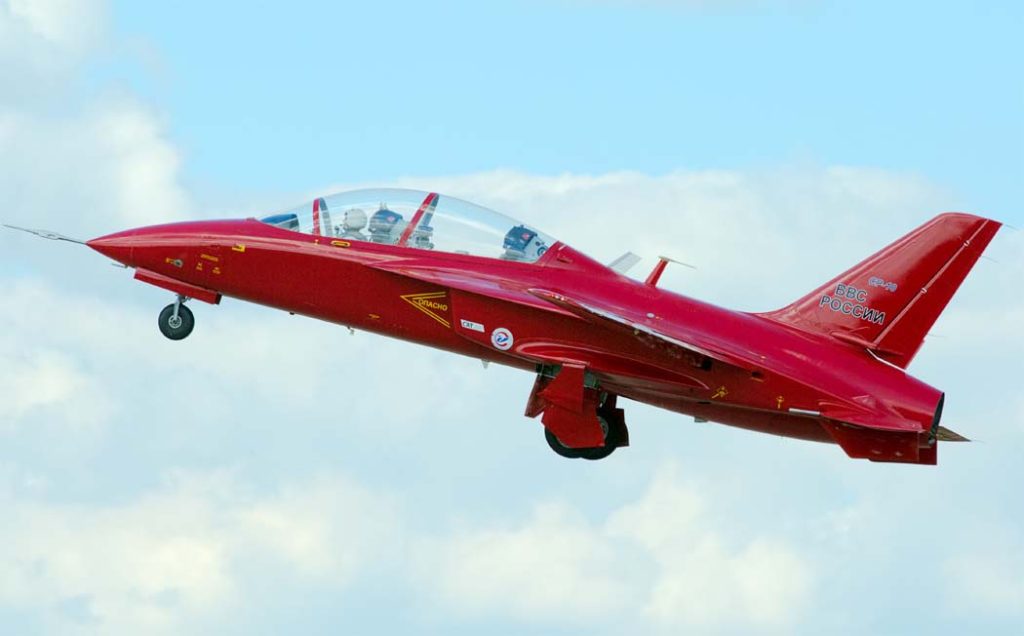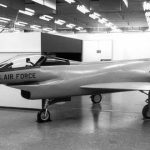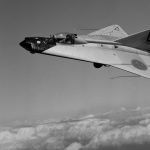
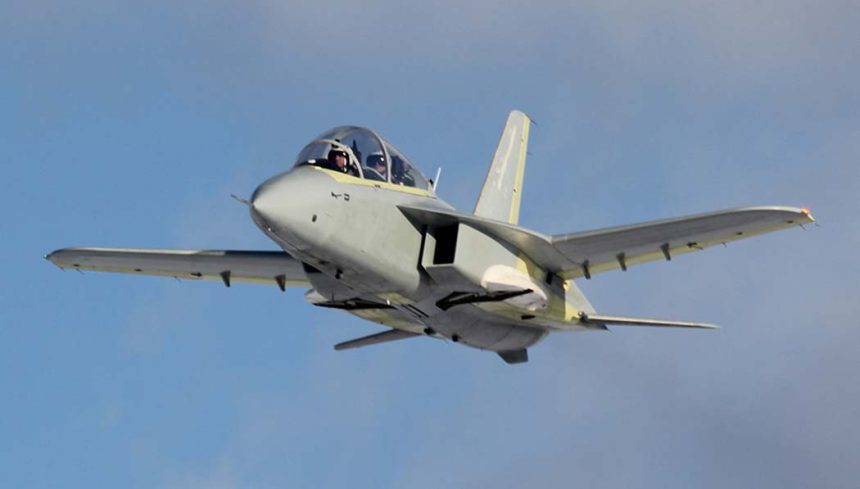

In the late 2000s, Russia’s KB SAT (Sovremennye Aviatsyonnye Tekhnologii, or Modern Aircraft Technologies) developed a single-engine, forward-swept-wing jet trainer and sport aircraft, called the SR-10. First unveiled as a mockup in 2009 at the MAKS airshow in Zhukovsky, the aircraft was capable of performing all aerobatic maneuvers with a maximum G-force of +10 to -8, a feature typically found in fourth- and fifth-generation fighters. The SR-10 was a mid-wing airplane made entirely of composite materials to reduce weight and increase service life. The aircraft was fitted with a wing swept forward at 10 degrees. With a two-seat tandem cockpit, the aircraft was 31.6 feet long, 11.8 feet high, with a wingspan of 27.7 feet. The gross weight of the aircraft was 5,291 pounds, and the maximum takeoff weight was 5,952 pounds. It was powered by an Ivchenko AI-25V turbofan engine producing 3,790 pounds of thrust. The maximum speed of the aircraft was 560 mph with a cruise speed of 320 mph. The service ceiling was 20,000 feet, the range was 930 miles, and the climb rate was 12,000 feet per minute.
The Idea Behind SR-10
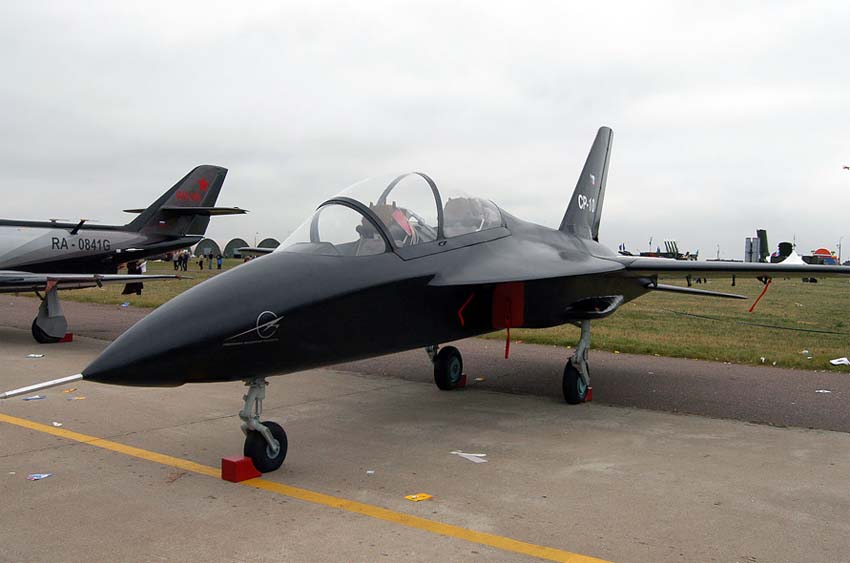
The SR-10 was the first trainer to be developed by a private Russian design bureau. It was primarily designed for the Russian Air Force to replace the Czech-made Aero L-39 Albatros trainers, which entered service in 1971. In addition, in 2007, when the SR-10 was first designed, the Russian Air Force had only L-39s to train pilots on all kinds of aircraft, including the MiG-29 and Su-25. With other services, such as the US Air Force, continuously improving their training with advanced jets, the Russian system was outdated and needed more advanced jet trainers. In 2014, KB SAT offered the aircraft to the Russian Air Force to meet its requirement for a basic trainer. The aircraft’s first prototype conducted its maiden flight on December 25, 2015. The aircraft performed well during the flights. By that time, the Russian Air Force had also inducted the Yakovlev Yak-130 twin-engine advanced jet trainer, a 1990s design that could replicate the characteristics of several fourth- and fifth-generation fighters, including the Sukhoi Su-57. In September 2016, the Yakovlev Yak-152 piston-engine trainer flew for the first time and impressed the Russian Air Force so much that the Russian Ministry of Defence announced its intention to purchase at least 150 units. As a result, the aircraft lost the Russian Air Force’s 2014 competition for a basic trainer to the Yak-152. However, KB SAT later proposed the SR-10 as an intermediate trainer between the Yak-152 and the Yak-130.
The Cancellation
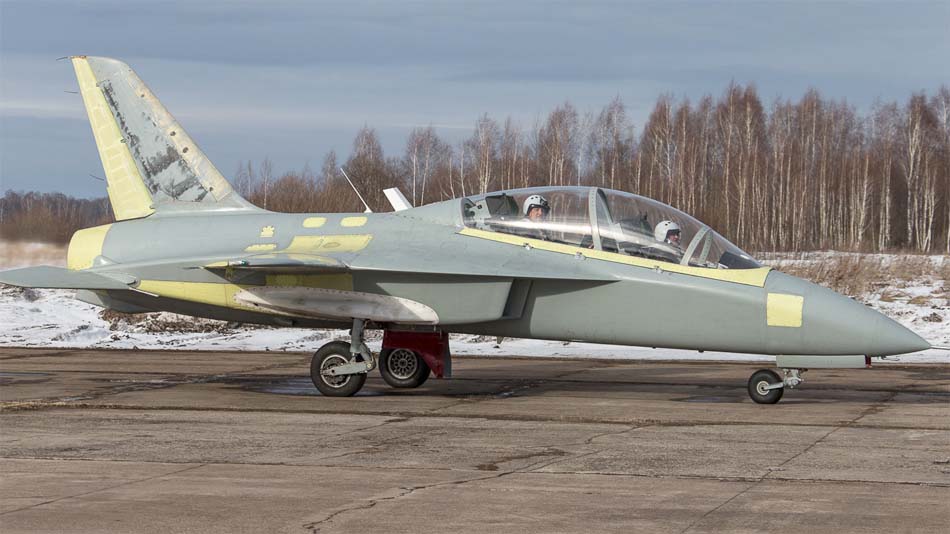
The Yak-152 was a piston-engine trainer, while the Yak-130 was a sophisticated twin-engine advanced jet, and the SR-10, with a single jet engine, could fill the gap of a basic jet trainer. In addition, it was a simpler, cheaper alternative to the Yak-130, offering a lower-cost option for basic jet training and a faster transition for pilots to combat aircraft. Keeping this in mind, some sources suggest that the Russian Ministry of Defense planned to procure up to 16 SR-10s and expected to allocate 2.5 billion rubles (US $34 mn) to the SR-10 project. However, in 2018, the ministry failed to provide funding for the SR-10 project, and KB SAT had to cancel it. Later, KB SAT tried to enter the sports market with SR-10 by entering the air race. In the 2020 Russian Air Races, held at the Oreshkovo airfield near Kaluga, eleven pilots participated, most of whom flew L-29 aircraft. One of the pilots also flew a later variant of this aircraft, the L-30 Albatros. A renowned Russian test pilot, Yuri Mikhailovich Kabanov, flew the aircraft painted red at the race. During qualification flights, the SR-10 performed better than the L-29 and L-39 in terms of speed. But after the race, the SR-10 lacked official support, and its sports career eventually ended. The SR-10 was not a bad design or idea; in fact, it was the most cost-effective and advanced jet trainer of its time. However, nobody valued its worth, and now the Russian Air Force only has the sophisticated Yak-130 as a jet trainer. The Yak-152 has not yet been inducted due to engine issues, testing delays, and funding issues. In the Grounded Dreams series, the SR-10 stands as a cancelled aircraft that did nothing wrong and impressed everyone wherever it went. But the fate was not on its side. Read more Grounded Dreams articles HERE.