
(Image credit: VAN)
On this day in aviation history, 108 years ago (March 24, 1918), Captain J. L. Trollope single-handedly shot down six German aircraft in a day. Captain Trollope was a British flying ace from the First World War who was credited with 18 aerial victories. He was born on May 30, 1897, in Wallington, Surrey, the seventh of nine children. Trollope was attending Malvern College at the time of the outbreak of the First World War. He opted to enlist in early 1915, just before his 18th birthday. His first job was to serve as a dispatch rider in the Royal Engineers Signal Service. In June of 1916, Trollope was commissioned as a temporary second lieutenant on the General List to serve in the Royal Flying Corps.
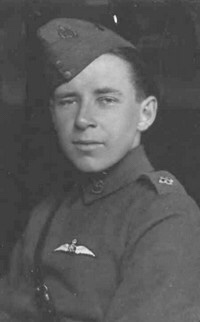
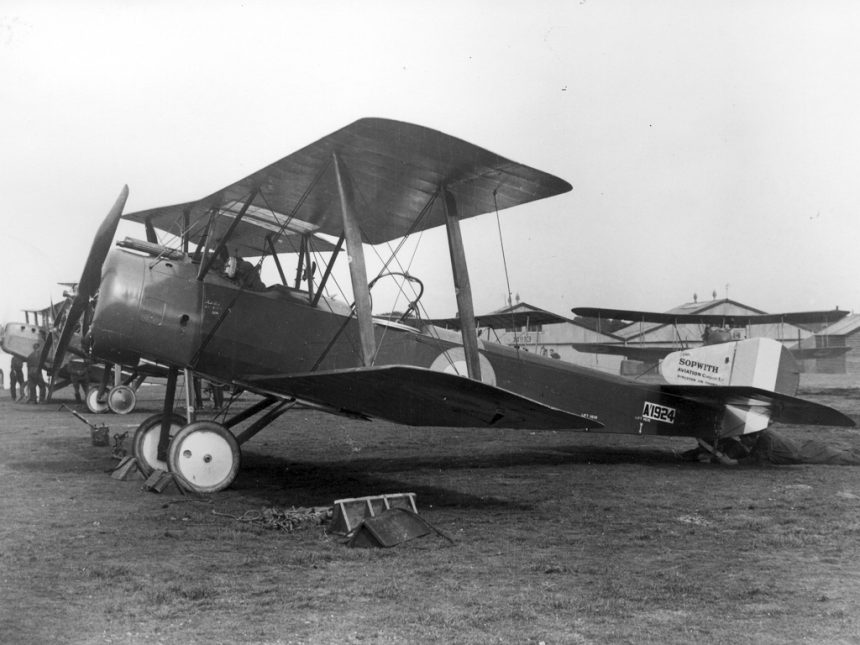
Captain Trollope’s combat pilot career began in September 1916, flying a Sopwith 1½ Strutter reconnaissance aircraft as a member of the No. 70 Squadron. In March 1917, he would return to England to serve as a flight instructor for the Home Defence squadron. In July of 2017, Trollope was appointed as a flight commander. with the temporary rank of captain. He would serve with the No. 43 Squadron in France, flying Sopwith Camels in the ground-attack role. On January 19, 1918, Trollope earned his first aerial victory against a German DFW biplane over Vitry. By mid-March, he had become an ace by downing 4 more enemy aircraft. At the end of March 1918, Trollope had downed a total of 7 German aircraft.
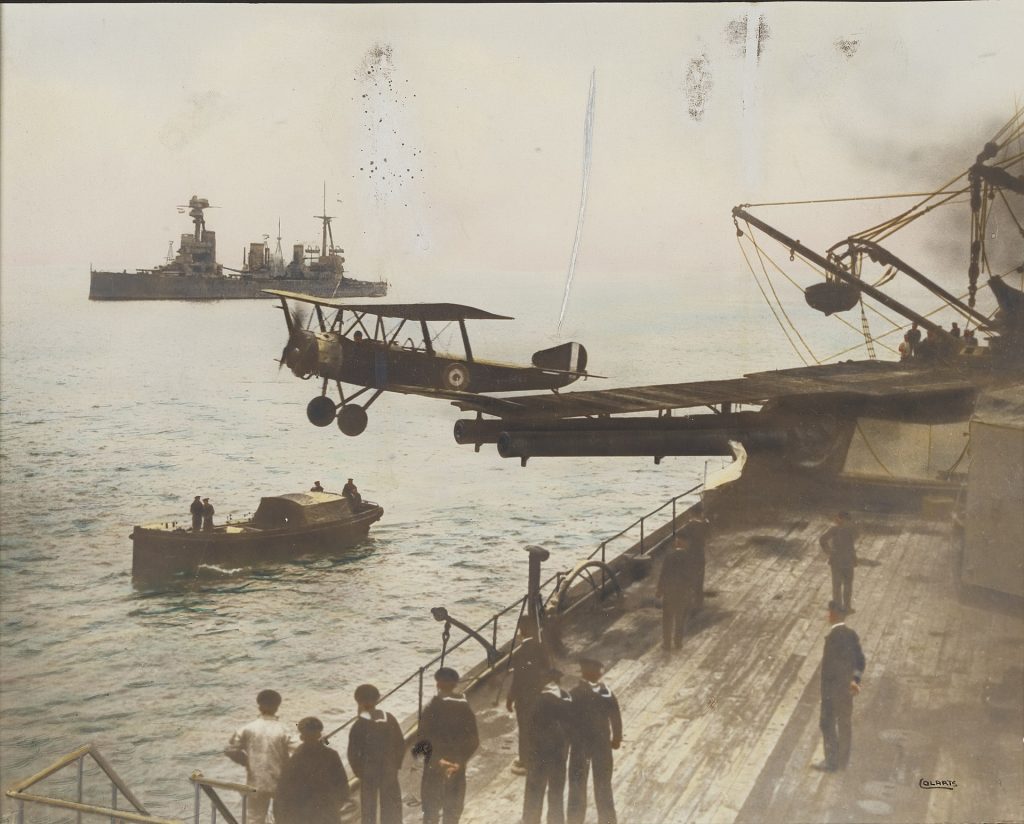
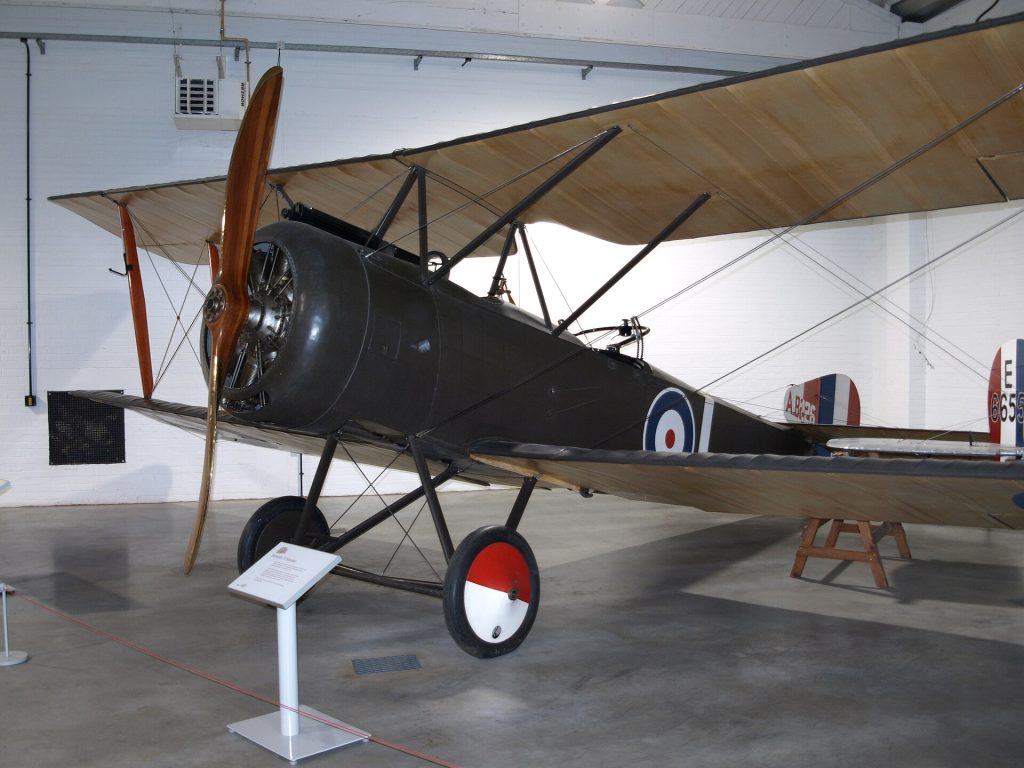
On March 24, 1918, at 11:00 a.m., Captain Trollope’s flight spotted 4 German fighters attacking British recon aircraft. Trollope led the attack, downing one aircraft at close range. He spied two more enemy planes below him and proceeded to engage them as well. These two German aircraft fell victim to the guns of Trollope’s Camel, emptying the 0.303 Vickers’ ammunition in the process. That afternoon, around 3:20 p.m., Trollope’s flight found 3 enemy aircraft over the battle line. He once again led the attack, but his guns jammed. Trollope was forced to withdraw to remedy the issue. Eventually clearing the jam in his guns, Trollope re-engaged, downing two more enemy aircraft. On the way home, a single German and British aircraft were spotted in a dogfight. Captain Trollope once again intervened and brought down the final enemy aircraft for the day.
Captain Trollope would be shot down four days later, only after shooting down two more German aircraft himself. The British ace had fallen victim to Leutnant Paul Billik, who was the commander of Jasta 52. Trollope was captured and eventually lost his left arm due to the injuries he encountered during his crash landing. While in the hands of the Germans, Captain Trollope was awarded the Military Cross and a Bar to the award. He was soon repatriated and would serve his RAF commission until February 10, 1920. Due to his ill-health from combat wounds, Trollope was permitted to retain his rank. He would eventually have a family and live happily until October 21, 1958.