
(Image credit: VAN)
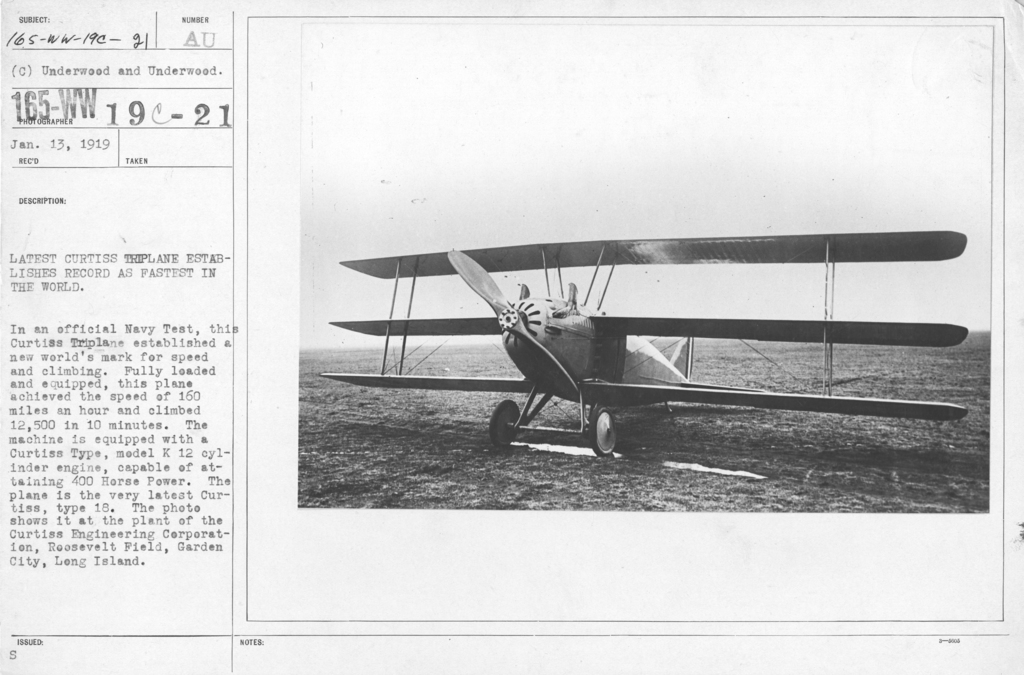
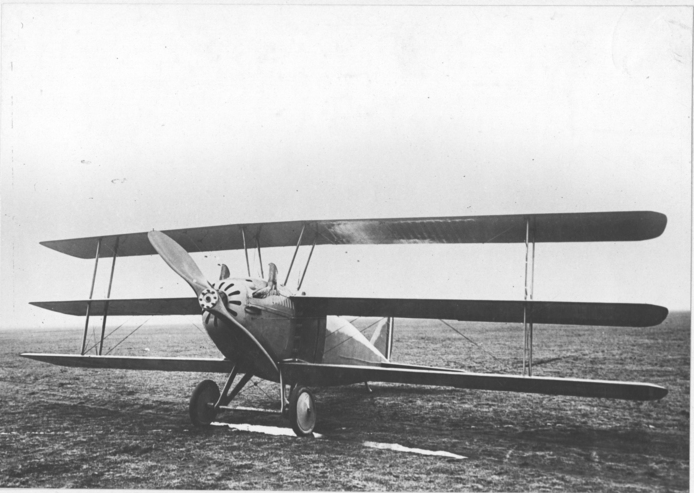
On this day in aviation history, 107 years ago (August 19, 1918), the Curtiss 18T-1 set a new world speed record. Unofficially nicknamed both the Wasp and the Kirkham, the 18T was a U.S. Navy triplane fighter. Following a later reorganization of Curtiss’ model designations, it became known as the Model 15. The record-breaking aircraft, a 18T-1 variant, was flown by Roland Rohlfs, a test pilot from Buffalo, New York. Rohlfs was the son of crime novelist Anna Katharine Green and actor Charles Rohlfs, and he was no stranger to pushing aviation boundaries—frequently flying Curtiss prototypes to new performance milestones. On this occasion, he reached a maximum speed of 163.1 mph, setting the new world record. Just a year later, in 1919, he would achieve another first, climbing to 34,610 feet in a Curtiss L-3 triplane to set a new world altitude record.
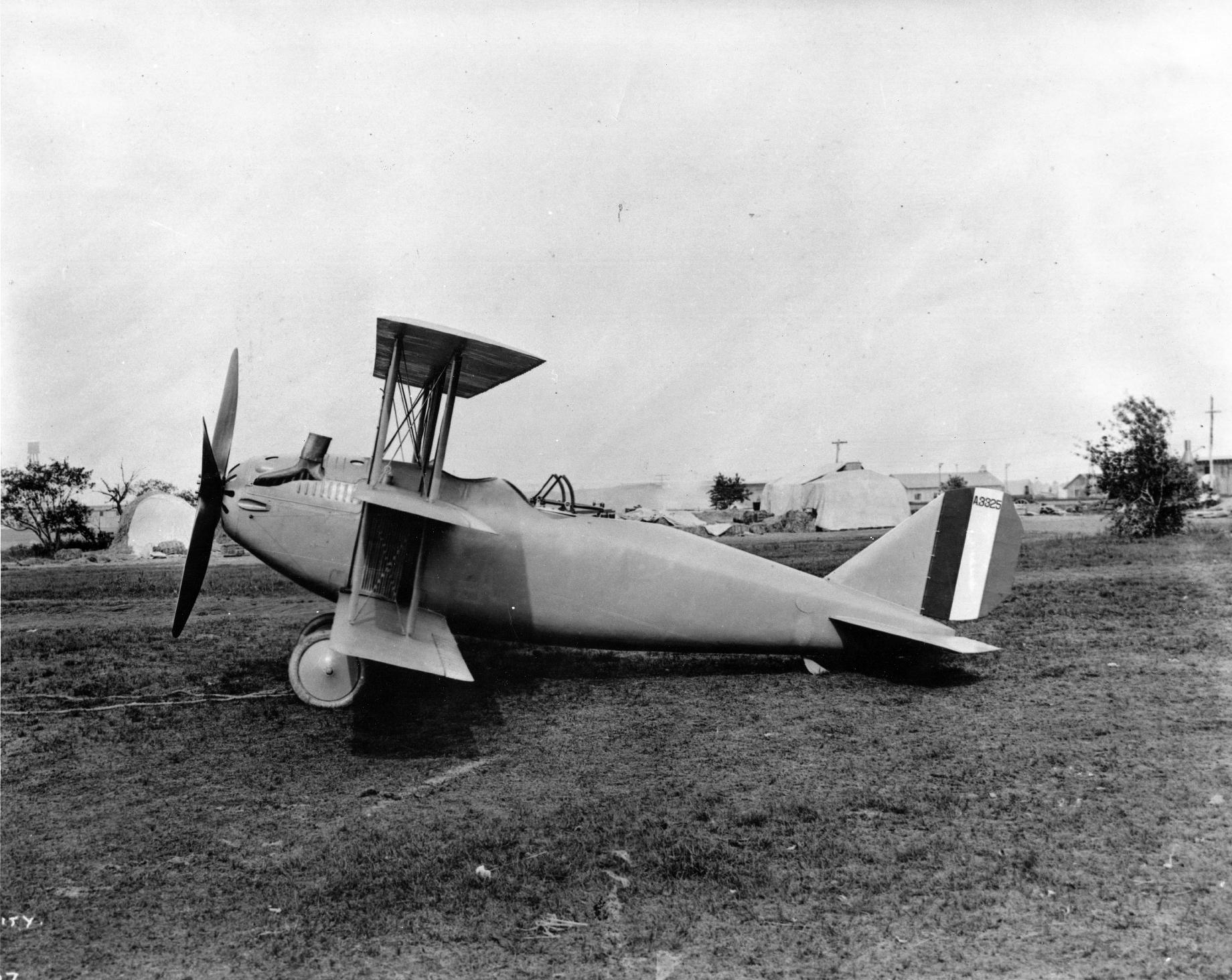
The Curtiss 18T had been conceived to escort and protect bombers over France during World War I—a mission that demanded exceptional speed. The Wasp’s fuselage was clean and highly streamlined, an aerodynamic focus that paid off in performance. Notably, when Rohlfs set the speed record, the aircraft was carrying a full military loadout of guns and ammunition, proving its capability in a true combat configuration. Power came from a 400 hp Curtiss K-12 V-12 engine, enabling the 18T-1 to reach over 163 mph with an endurance of just under six hours. Armament consisted of two synchronized forward-firing 7.62 mm Marlin Rockwell M1917/M1918 machine guns, two additional 7.62 mm Lewis guns in the rear cockpit, and another Lewis gun mounted in the belly.
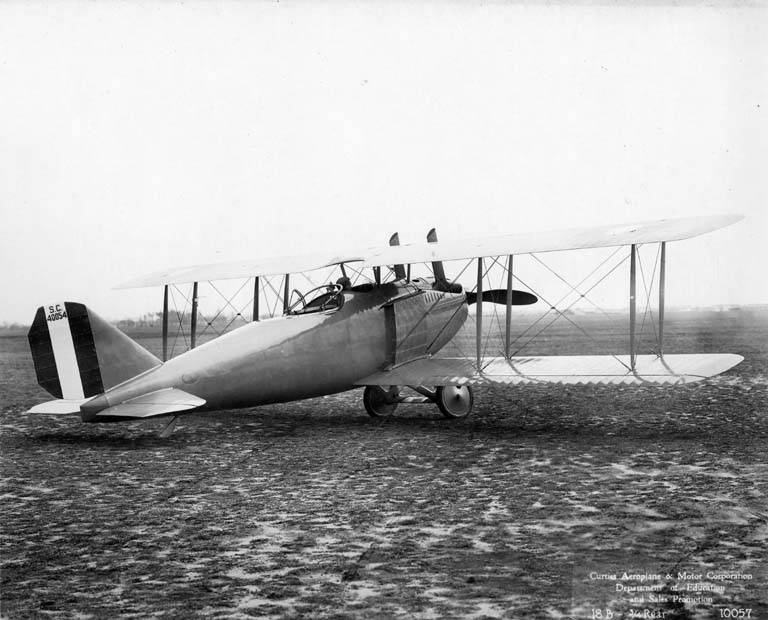
The Wasp’s combination of speed and firepower made it a formidable design in the final year of the war and in postwar air racing. In 1922, an 18T-2 nearly won the Curtiss Marine Trophy Race but ran out of fuel just before the finish line, forcing an early landing. Though few were built, the Curtiss 18T remains a remarkable example of early American fighter innovation.