
(Image credit: VAN)
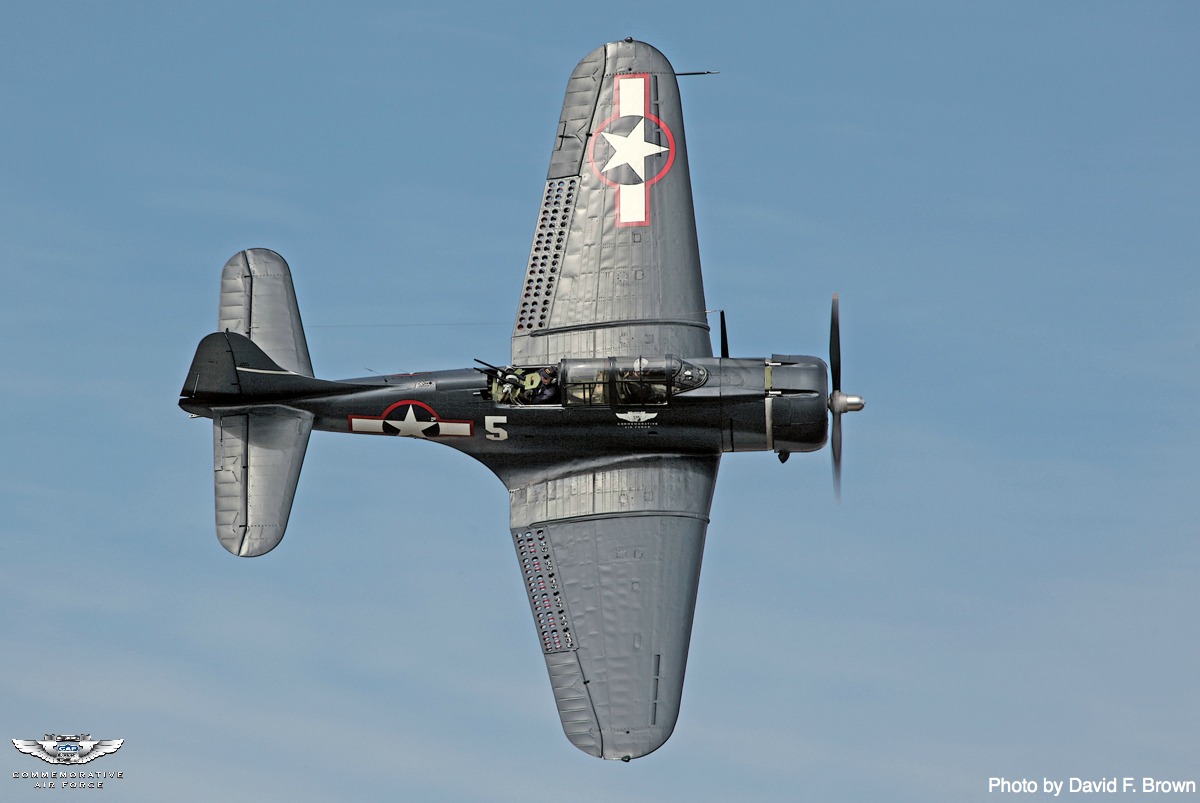
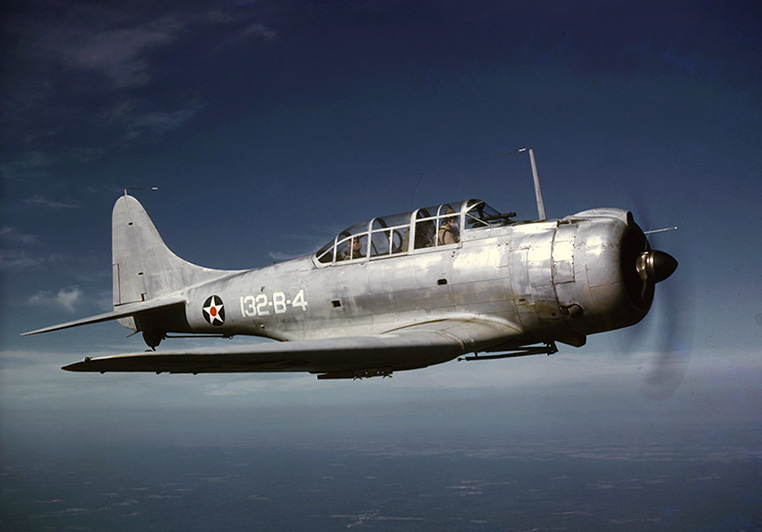
Eighty-five years ago today, on September 6, 1940, the United States Navy received its first Douglas SBD Dauntless—a carrier-based dive-bomber and scout aircraft that would go on to earn legendary status in World War II. The “SBD” designation stood for Scout Bomber Douglas, but pilots quickly gave it a far more fitting nickname: Slow But Deadly. Designed from the Northrop BT dive-bomber and first flown on May 1, 1940, the Dauntless was developed at Douglas’ El Segundo, California plant, with additional production at its Oklahoma City facility. Between 1940 and 1944, nearly 5,936 SBDs rolled out of these two factories.
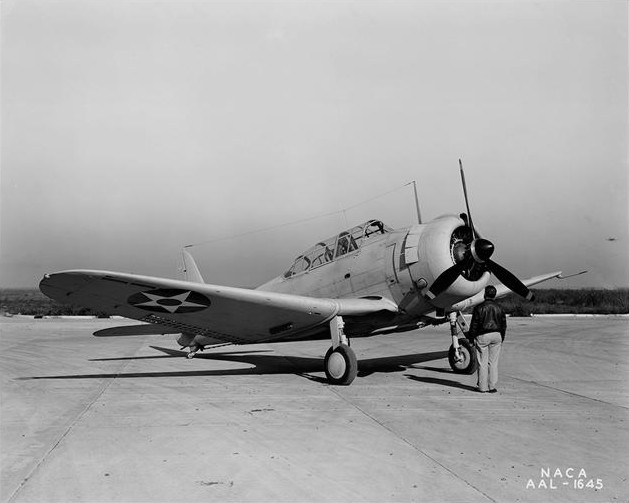
The Dauntless carved its place in history at the Battle of Midway in June 1942, where four SBD squadrons turned the tide of the Pacific War. In a devastating series of attacks, they sank or fatally damaged all four Japanese carriers—Akagi, Kaga, Sōryū, and Hiryū. They also heavily damaged two heavy cruisers, one of which—the Mikuma—later sank. This decisive victory cemented the Dauntless’ reputation as the aircraft that changed the course of the war.
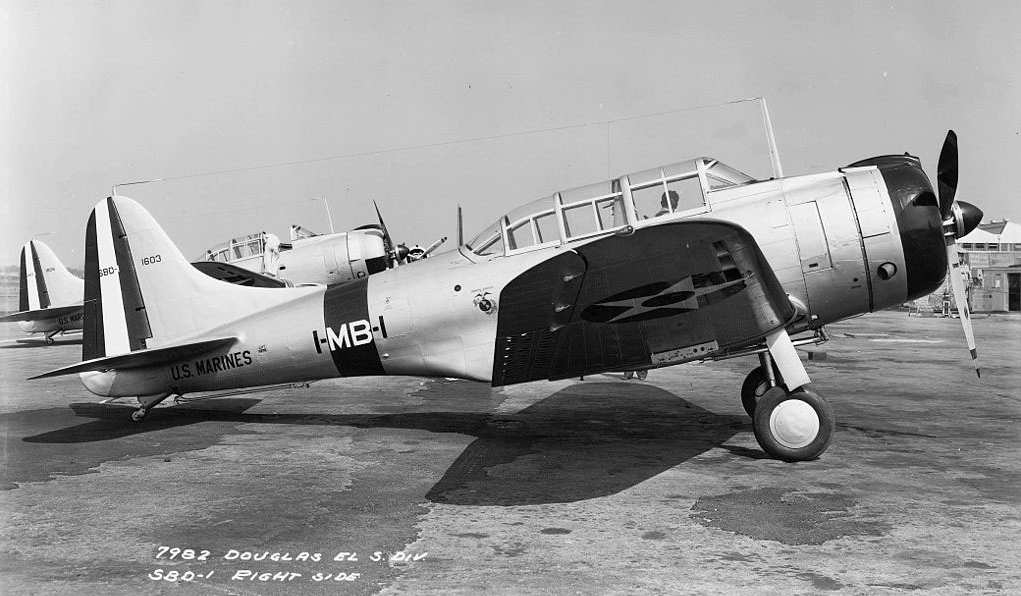
The SBD-5, the most widely produced variant, was powered by a 1,200-horsepower Wright R-1820-60 Cyclone nine-cylinder radial engine. It cruised at 185 mph, with a top speed of 255 mph, and carried a two-man crew: pilot/bombardier and rear gunner. With a range of 969 nautical miles and a service ceiling of 25,530 feet, the Dauntless combined endurance with striking power. Armament included two forward-firing .50 caliber Browning M2 machine guns in the engine cowling and twin .30 caliber M1919 machine guns for the rear gunner. Its dive-bombing strength came from the ability to carry up to 2,250 pounds of bombs under the wings and fuselage.
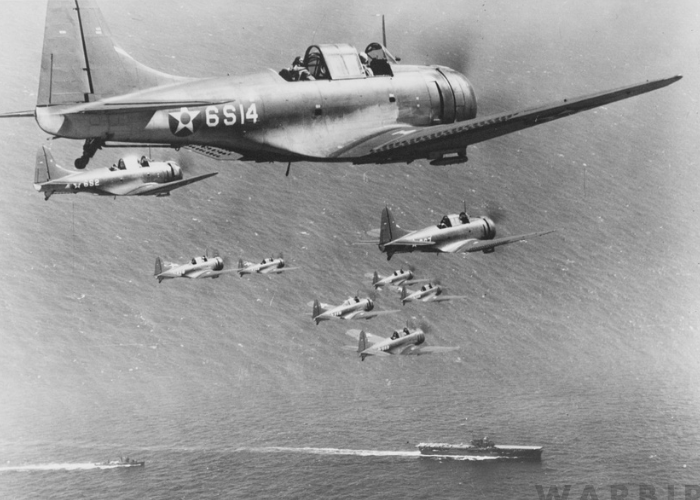
Today, six Dauntless aircraft remain airworthy, all based in the United States. A seventh is currently under restoration: SBD-5 BuNo. 36175, owned by the Military Aviation Museum in Virginia Beach, Virginia, and undergoing work at Pioneer Aero in Ardmore, New Zealand. The Douglas SBD Dauntless may have been “slow,” but its deadly accuracy and impact on history remain unmatched.