

(Image credit: VAN)
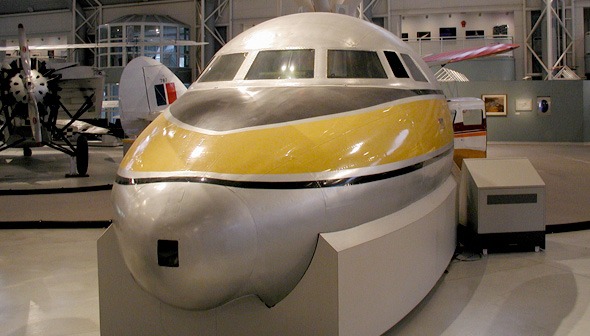
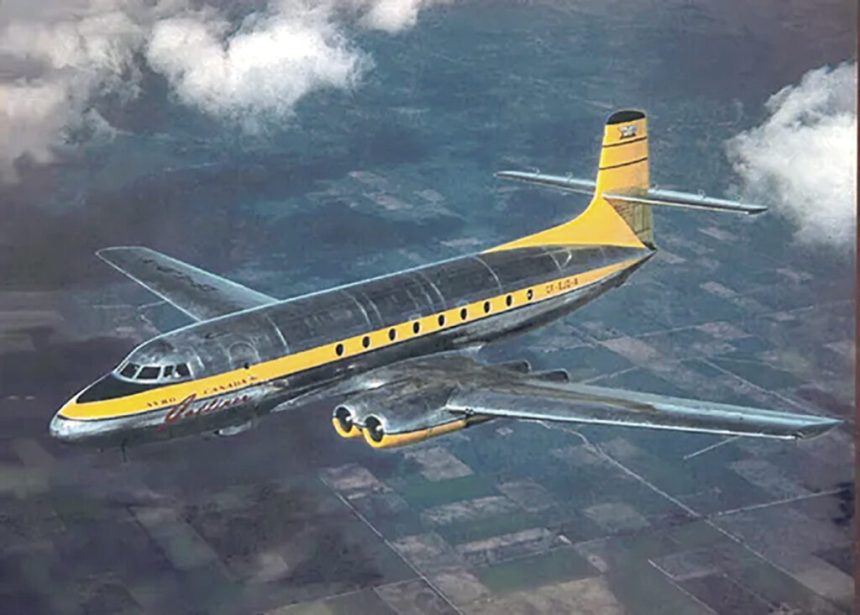
On this day in aviation history, 76 years ago (August 10, 1949), the Avro Canada C102 Jetliner took to the skies for the first time. This Canadian-built prototype turbojet-powered airliner was designed for medium-range routes and became the second purpose-built jet airliner in the world to fly—just 13 days after the British de Havilland Comet. Avro chose the name “Jetliner” as a streamlined, modern alternative to “jet airliner.” The term caught on and remains widely used today to describe jet-powered passenger aircraft. The project’s origins trace back to the development of the Rolls-Royce Avon engine and interest from Trans-Canada Airlines (TCA) in a jet-powered passenger aircraft.
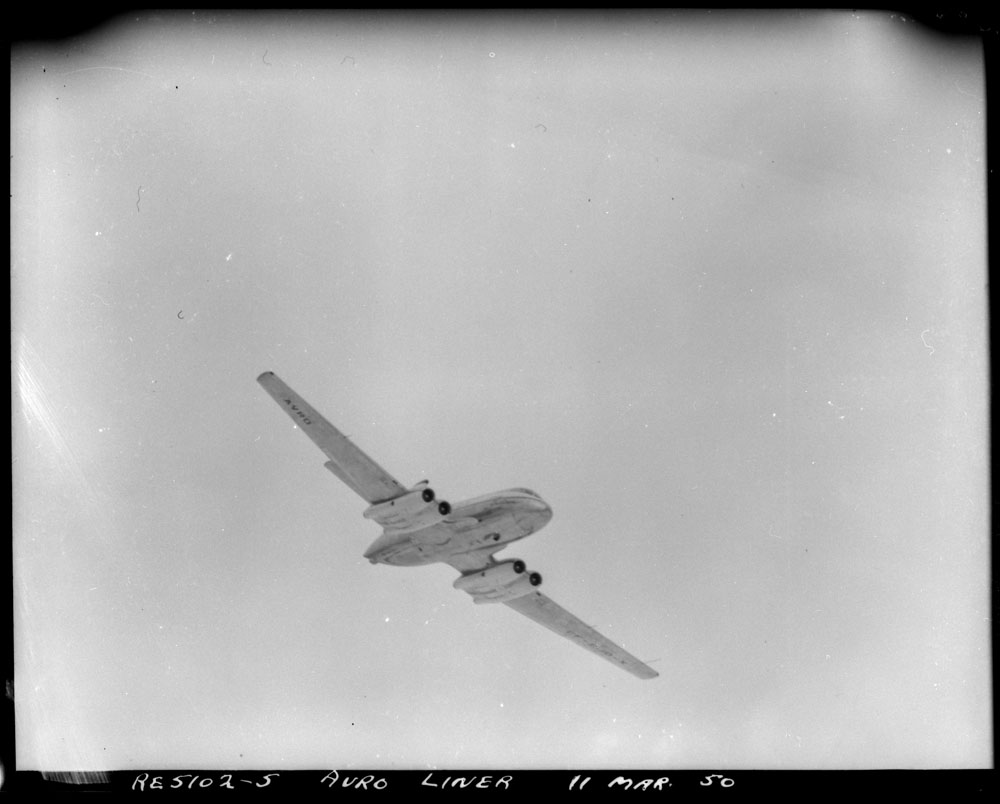
In April 1946, TCA issued a request for a two-engine jet airliner capable of carrying at least 36 passengers over a range of 1,200 miles. Avro Canada secured the contract, which included exclusive availability for TCA for the first three years of service. However, in 1947, TCA withdrew after concerns arose about the project’s feasibility. Canadian politician and engineer C.D. Howe stepped in to support the aircraft’s development, helping to keep it alive despite early setbacks.
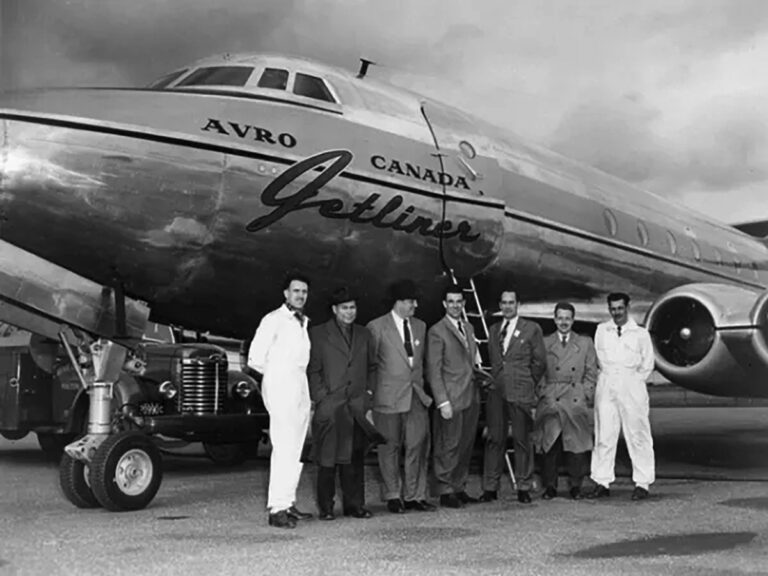
The C102 was originally planned to use four Rolls-Royce Avon turbojets, but production delays forced Avro to fit the prototype with four 3,600-pound-thrust Rolls-Royce Derwent V engines instead. Even so, the Jetliner performed impressively, reaching a top speed of 417 mph, cruising at 376 mph, and achieving a range of 1,460 nautical miles—exceeding TCA’s original requirements. Its service ceiling was 40,300 feet.
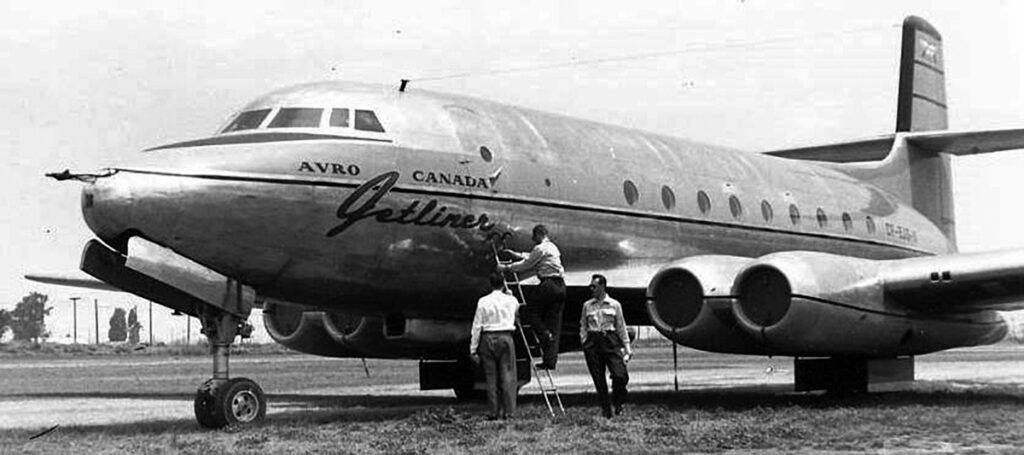
The Jetliner showed strong potential for busy routes along the U.S. East Coast, attracting interest from multiple airlines. Howard Hughes even offered to license-build the C102 at Hughes Aircraft. The aircraft was projected to enter service in October 1952 with an undisclosed airline. However, Avro was simultaneously developing the CF-100 Canuck all-weather interceptor, which was behind schedule and under pressure to meet defense demands. Faced with limited resources, Avro chose to prioritize the CF-100, effectively ending the C102 program. The sole Jetliner prototype continued flying until December 1956 before being scrapped—a disappointing end for an innovative aircraft that had been years ahead of its time.