






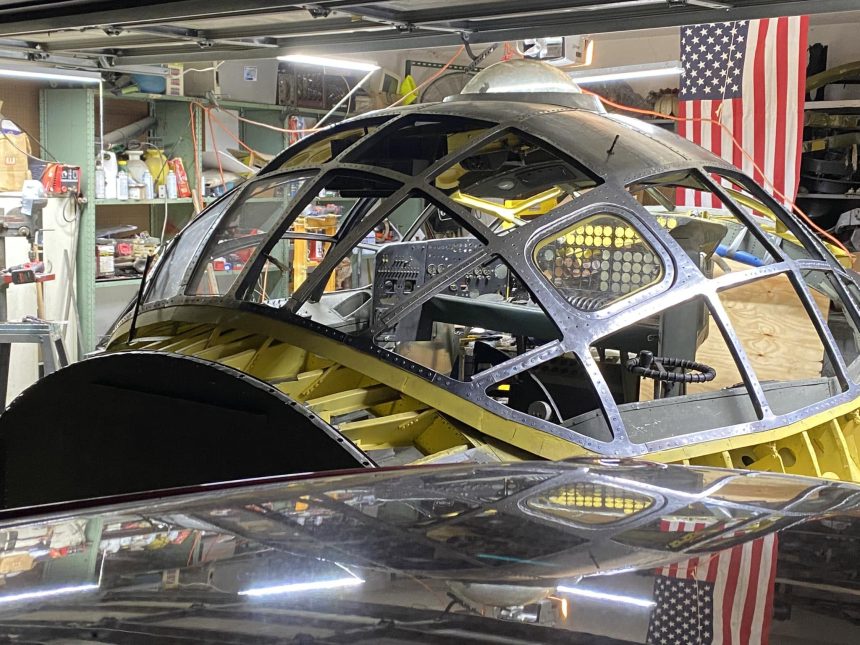

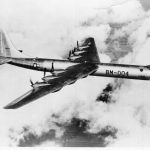
Those who deal in the game of warbirds are used to both giving and receiving the advice of “how to eat an elephant.” The “one bite at a time” approach – although tedious and not for the impatient – has consistently yielded successful results to those who restore, fix, and fly historic aircraft. As highlighted in an introductory article in February of this year, one man is continuing to build the last Convair B-36 Peacemaker in his garage, bit by bit.
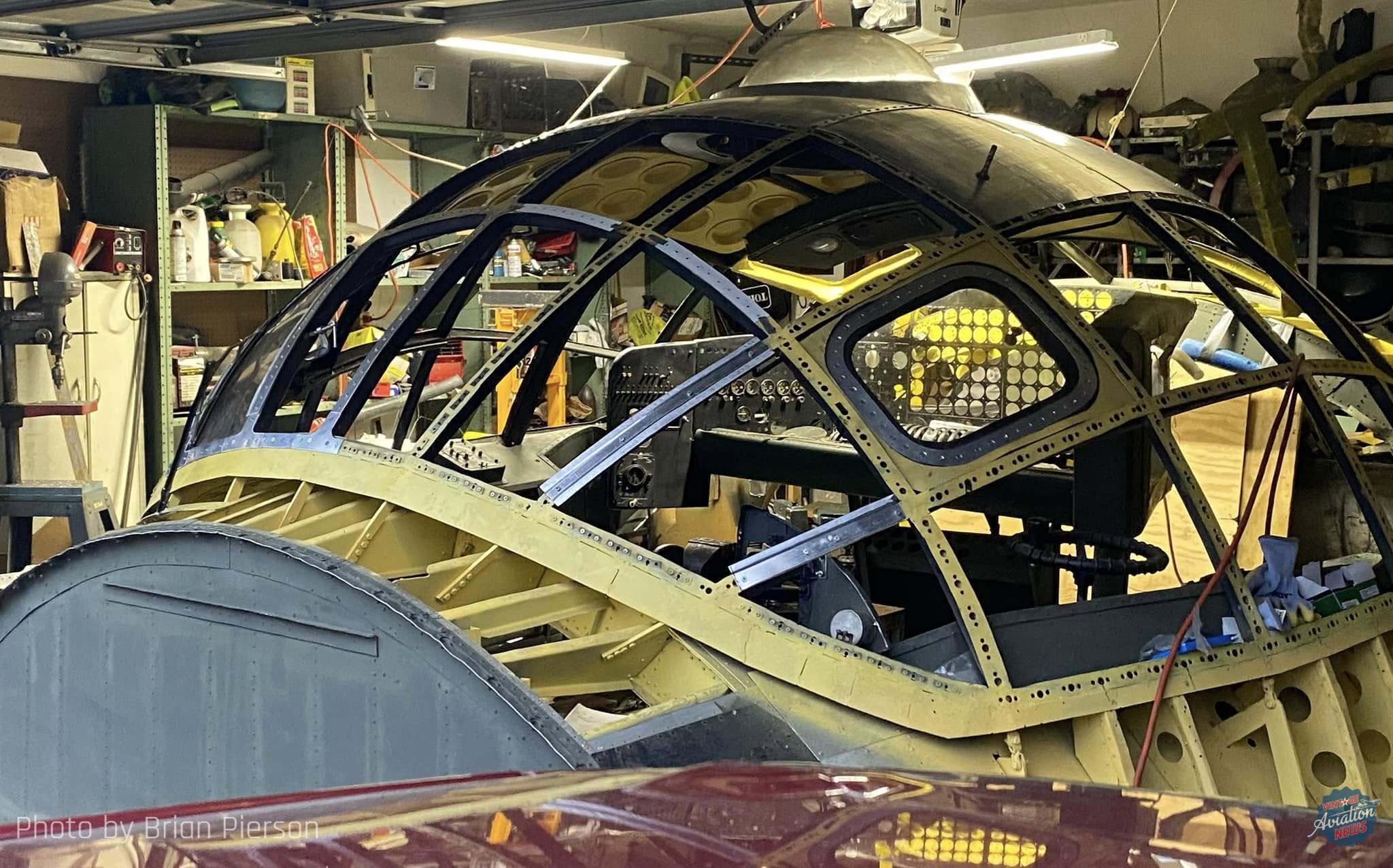
Brian Pierson continues to push forward in his quest to construct a scratch-built full-scale cockpit for a B-36H model. Since our last update on his project, the cockpit has begun to take an even more detailed and refined form. Brian attributes his growing “proper” aircraft construction skills to the practice he’s had over the last half-decade. Most recently, he began using solid rivets in the Peacemaker cockpit’s construction. Brian has even gone back and replaced some of the original pop rivets he used when first starting the project, resulting in a more polished overall look.
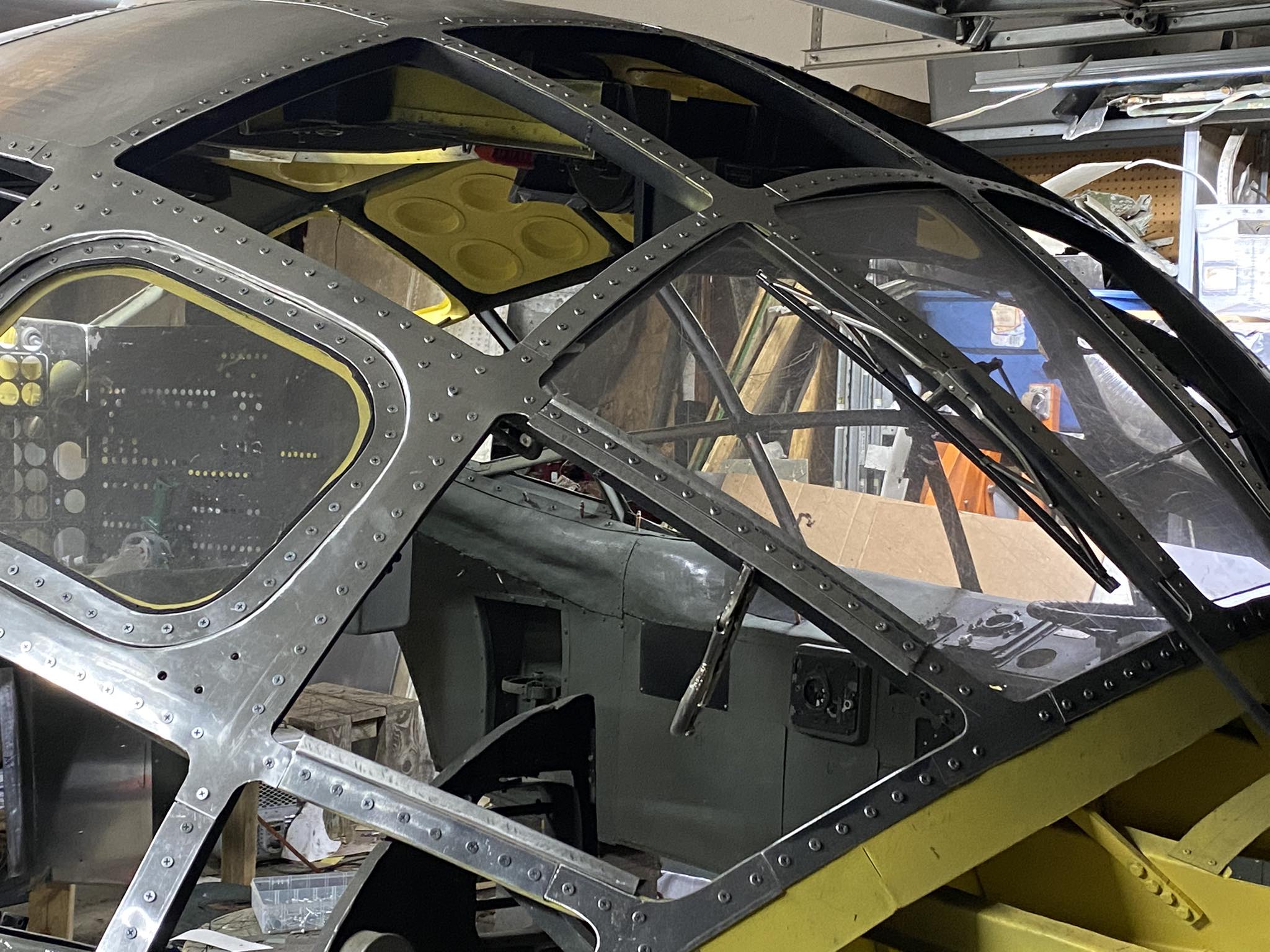
The B-36H canopy is nearing completion, as the entire frame has been covered with aluminum. This is the final step before glazing occurs, to give the B-36’s cockpit the distinct paneled windscreens. Brian is never working on just one piece of the Peacemaker; he always has a few sub-projects running simultaneously. This keeps him motivated and from getting too burnt-out on any one aspect of the project. In tandem with the aluminum work on the canopy, Brian has also been using his developing metal-working skills to construct the B-36’s flight deck floor. This floor has proven to be a bit of a struggle as it makes maneuvering within the cockpit less accessible. Regardless, he is still getting the work done (albeit more sore at the end of the day).
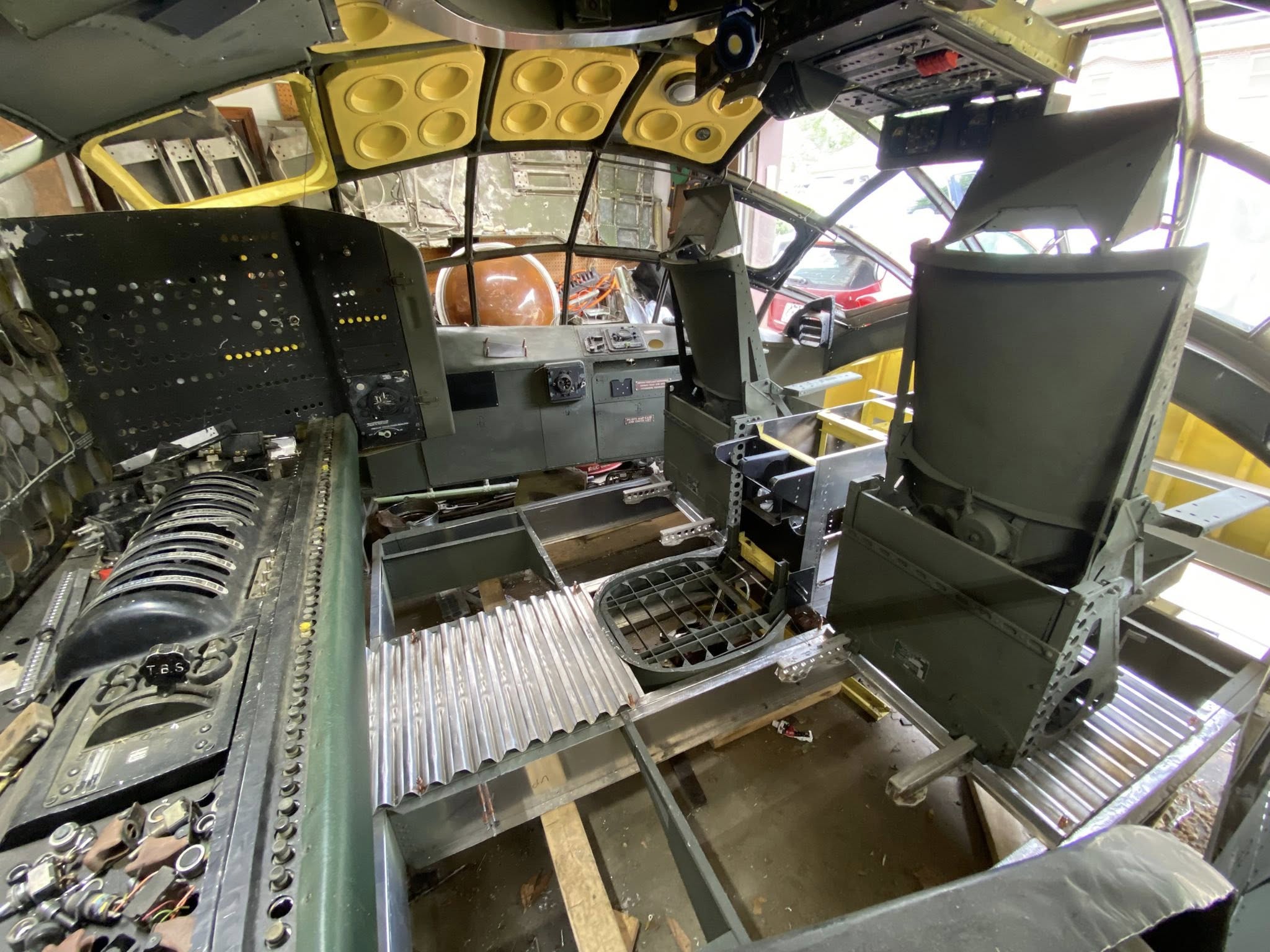
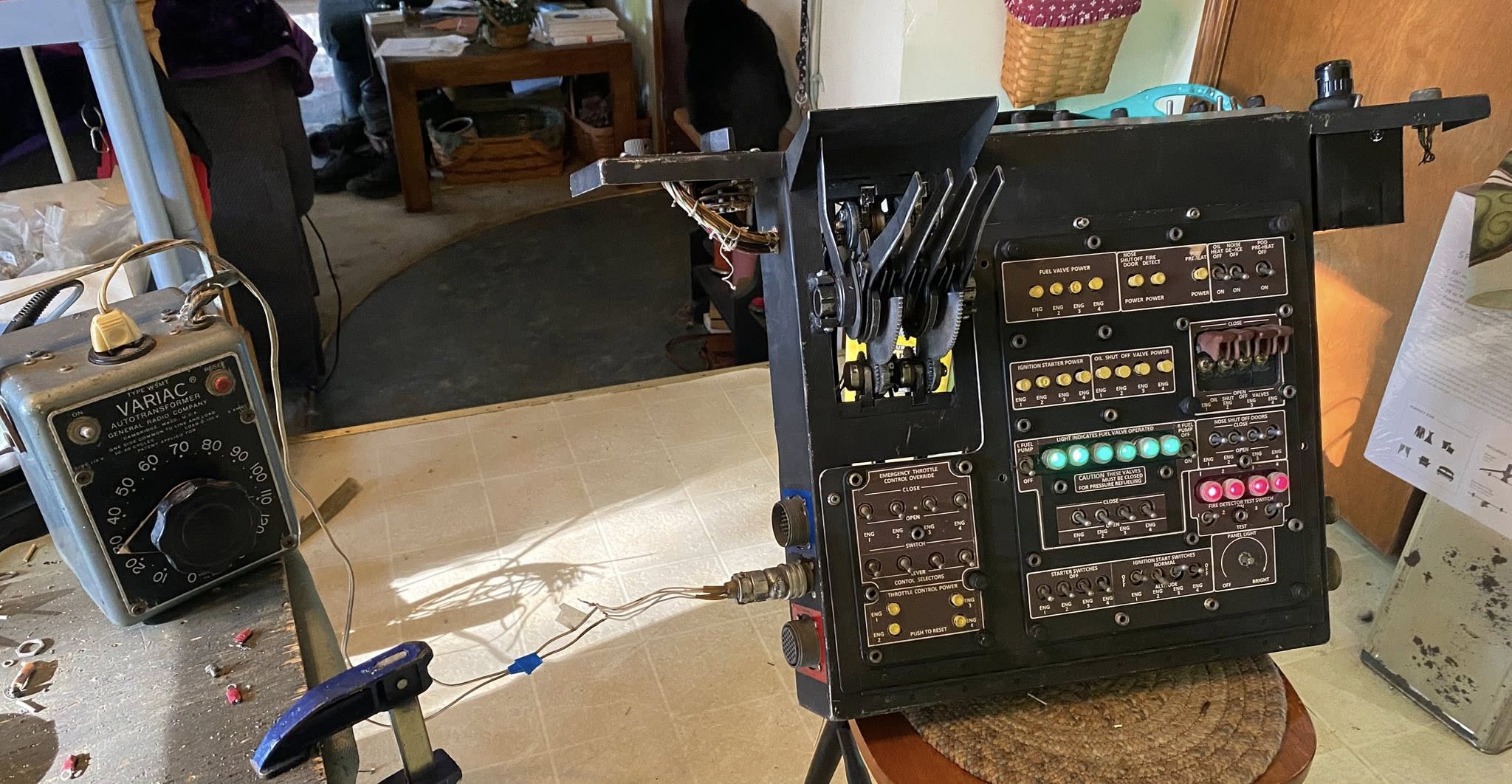
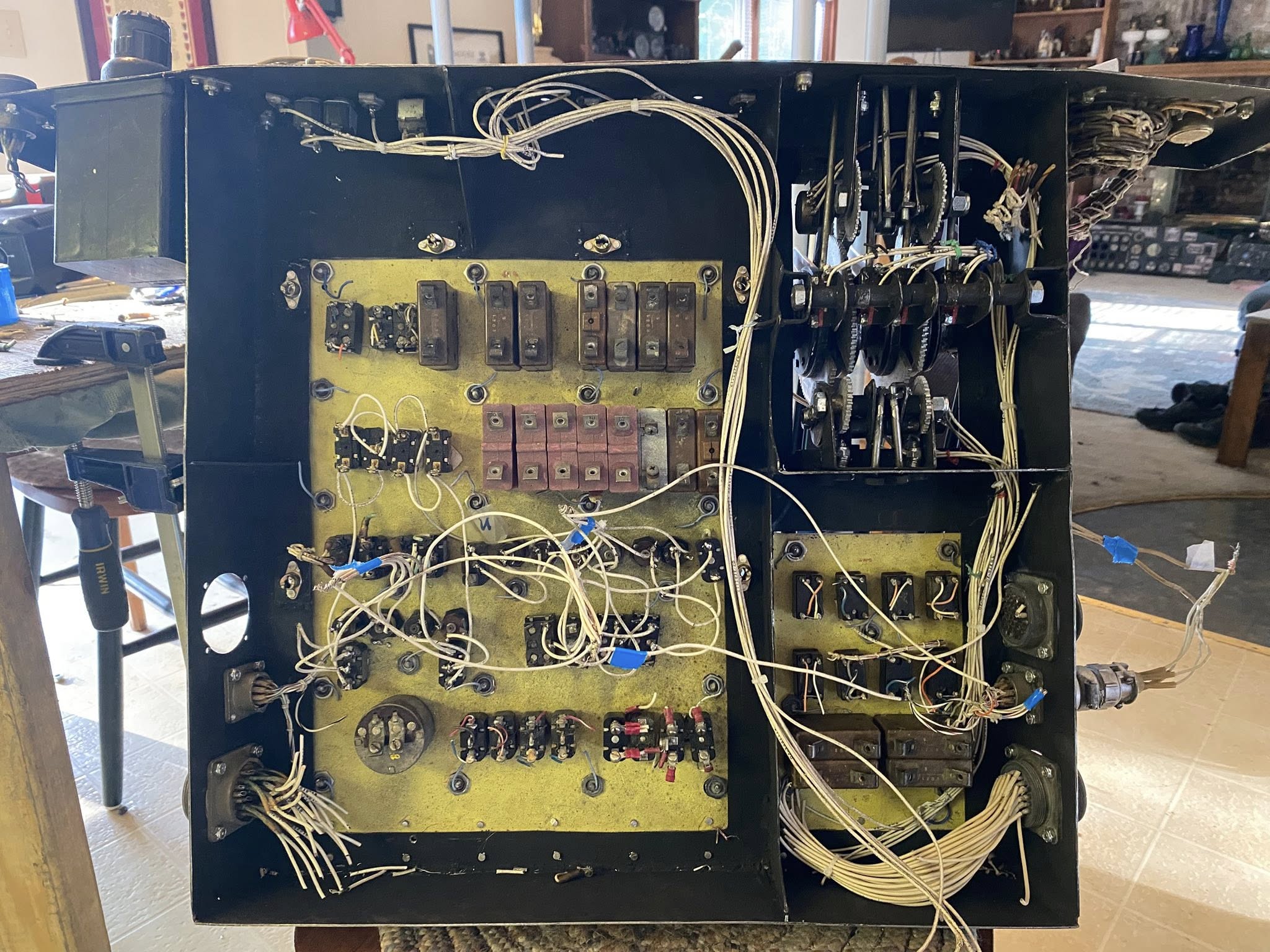
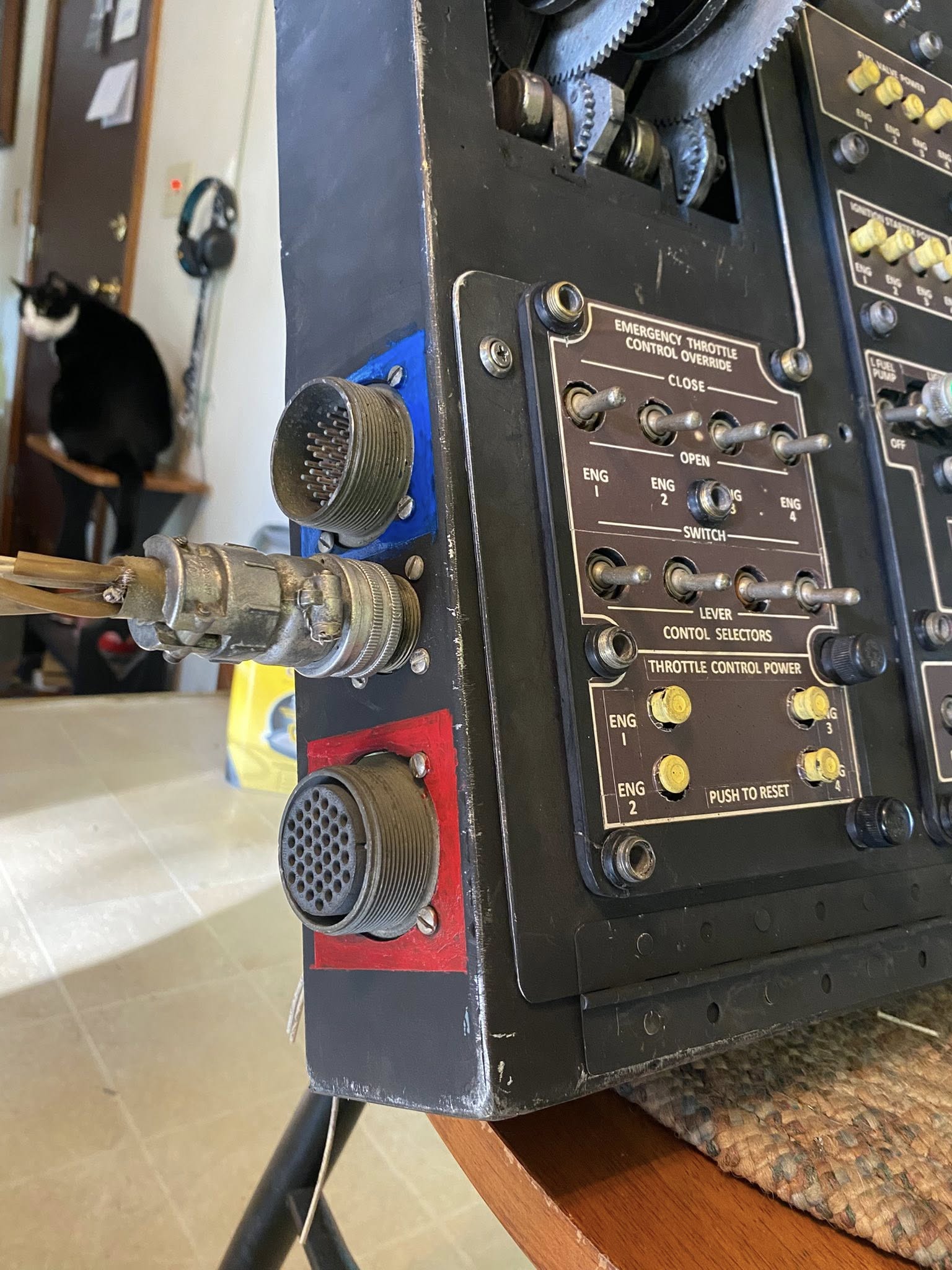
The most recent work for Brian has been on his B-36 consoles. Starting at the front of the cockpit, Brian has been rebuilding the pilot’s console to have fully functional engine controls – including the throttle, mixtures, prop, and power levers. Additionally, the turbo-jet console has seen a significant amount of attention from the builder recently. Within the turbo-jet console, Brian poured over 320 hours of his heart and soul. Most of the parts were scratch-built, including the gears and interconnecting cogs. All of Brian’s information on what the console should look like came from fans of his YouTube channel. These channel subscribers sent in detailed crash-site photos of the B-36, along with pictures of how other types of aircraft consoles had been restored previously. All of this toiling represents the work of a true artist.
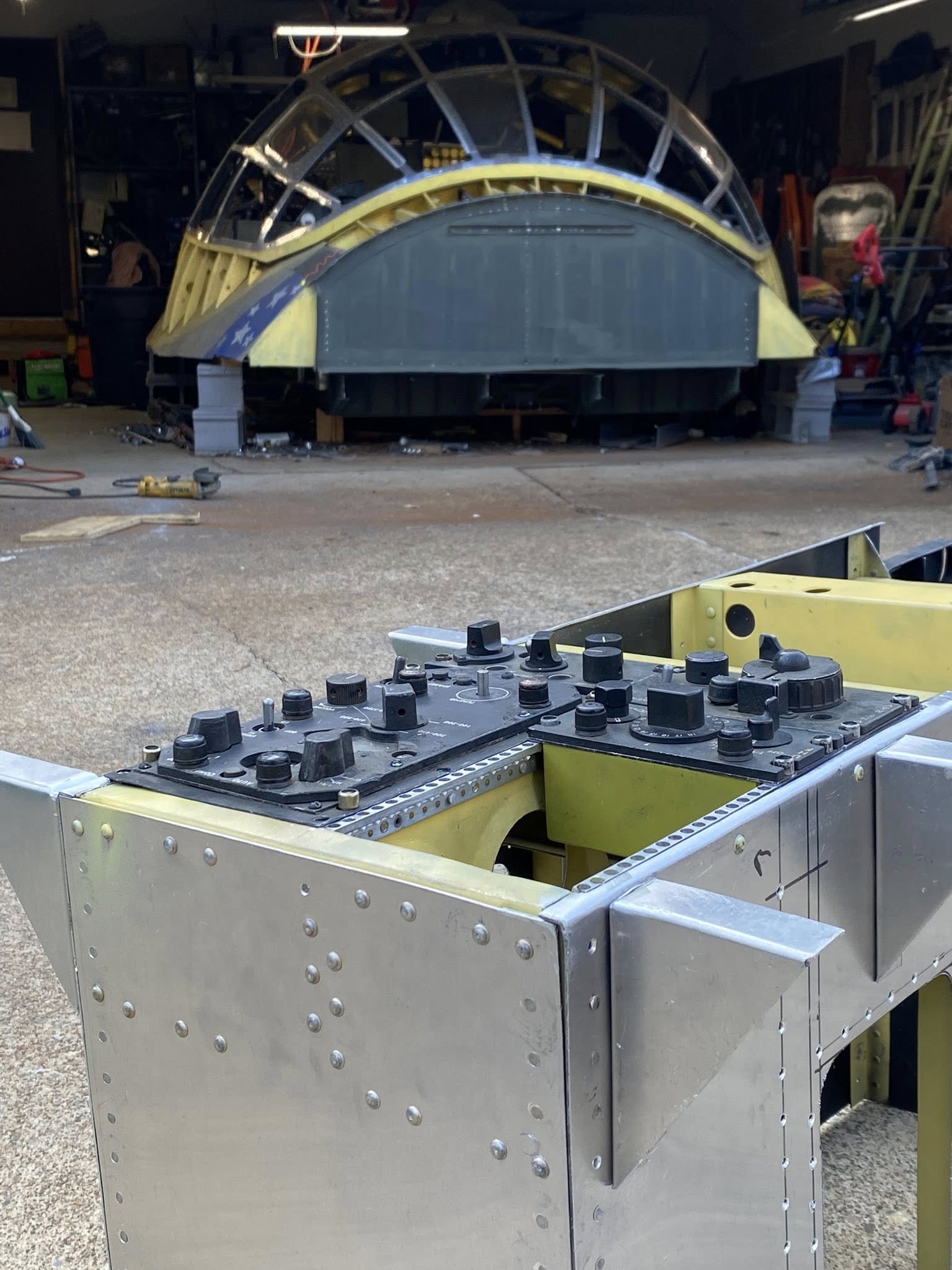
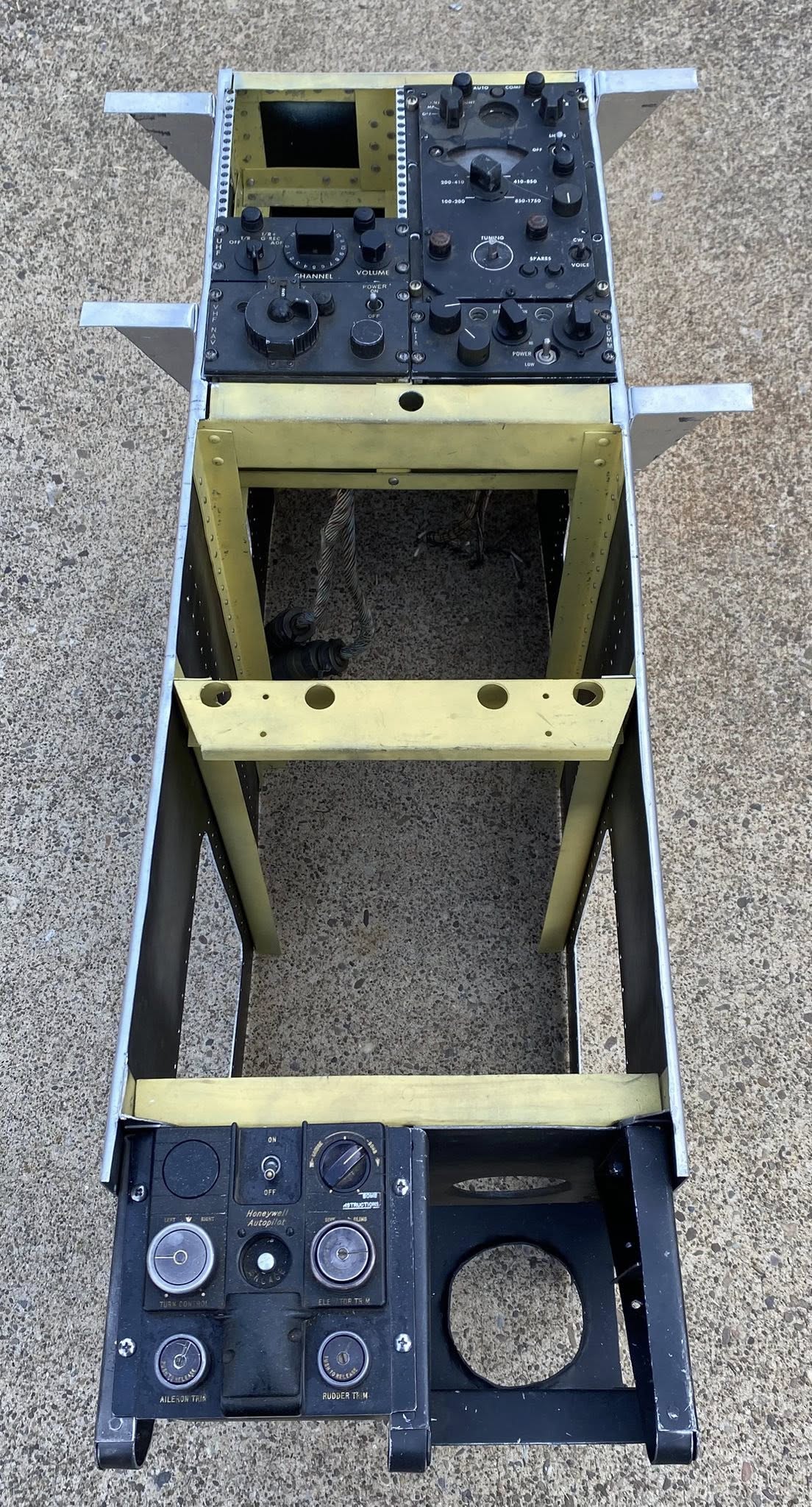
The B-36H cockpit is now showing signs of life. In addition to functional consoles, the Pierson Peacemaker is beginning to see the light. Brian had been hard at work wiring the flight deck to allow for the panels – and associated switches and bulbs – to show their true colors. Once complete, the B-36H flight deck will feel like it is part of a living, breathing Cold War-era aircraft. As construction of the B-36H continues, Brian will have more resources at his disposal. One of his sources of information is significantly tangible, an original B-36 after-compartment that was recently acquired from a private collection. This Peacemaker section is a significant addition to the last B-36 project, and it will serve as a template for many more aircraft components moving forward.
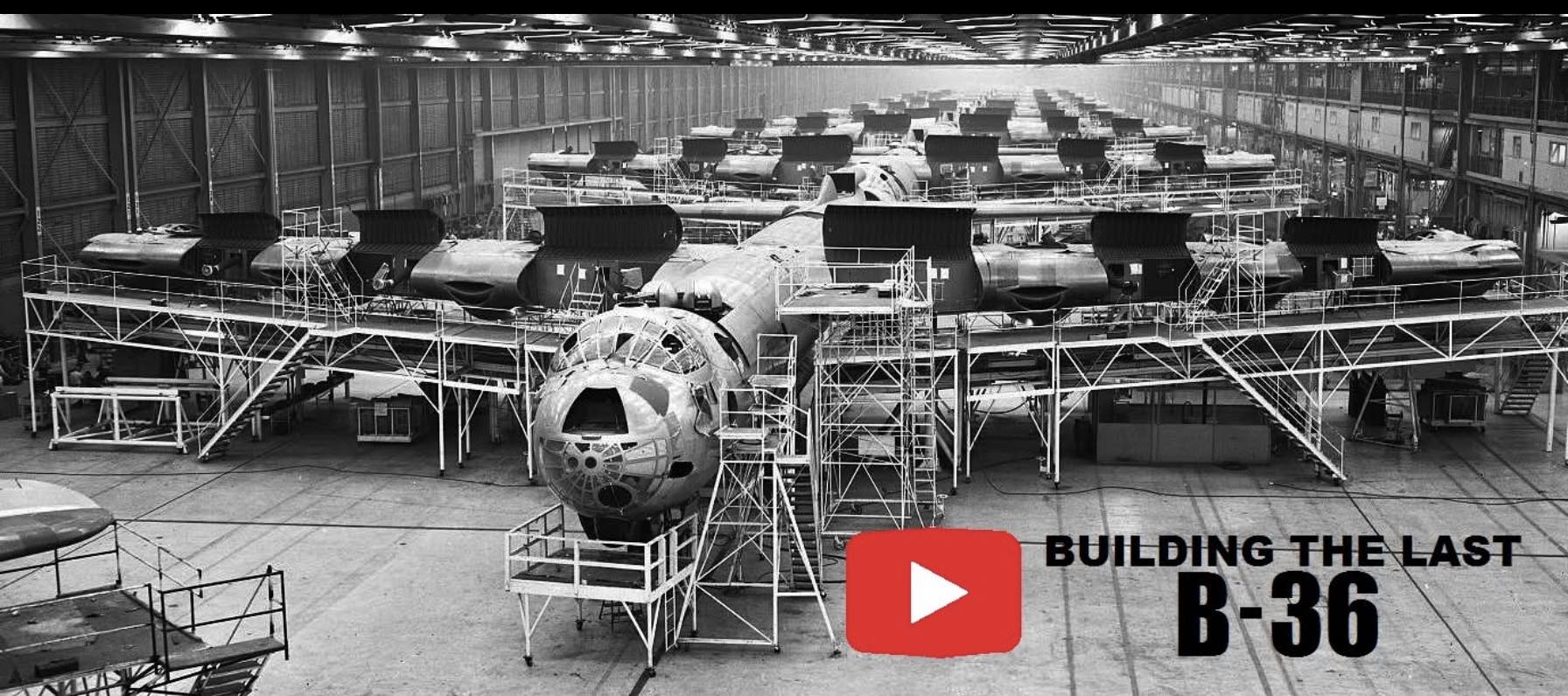
Brian isn’t confined to his garage with his B-36 project. This effort takes him many places, often to spots that have more Peacemaker parts that he can use. Back in May, Brian took a trip to Weatherford, Texas to visit Plane Antiques. While here, he was able to acquire the components necessary to complete the B-36H’s flight engineer station (along with other key parts that will prove useful later on.) This past November, Brian attended the National Museum of the United States Air Force’s “Bombers and Brews” event. He brought a collection of B-36 parts to display and gave a presentation on his B-36H project as well.


Building the Last B-36 is truly a labor of love and passion. This is evidenced by Brian Pierson’s daily dedication to building and sharing the Peacemaker’s legendary story via his YouTube channel. There is a goal in mind – to have the B-36H cockpit on display at the NMUSAF (if the stars align). After that, Brian will likely move on to another B-36 or other obscure Cold War-era aircraft. As with any project, there are twists and turns. One never knows what they will learn or what path they will take along the way. With the last B-36, one thing is sure – the project won’t be getting any smaller.





B-36 cockpit project is very cool. Keep up the great work.