
(Image credit: VAN)
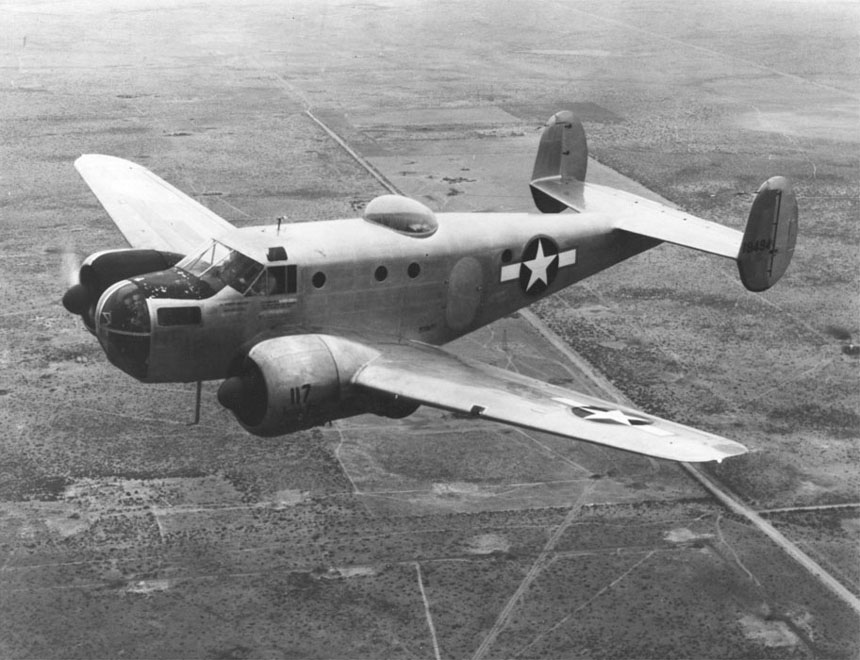
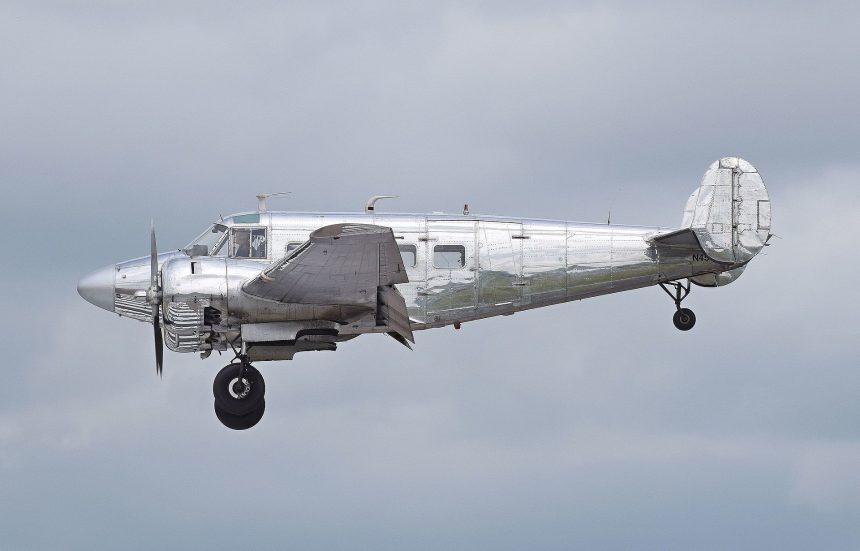
On this day in aviation history, 89 years ago (January 15, 1937), the Beechcraft Model 18 flew for the first time. Commonly known as the Twin Beech, the Model 18 was a twin-engine transport aircraft designed and built by Beech Aircraft of Wichita, Kansas. Model 18s were built to satisfy needs in the aviation industry related to personal transport, light cargo, and military utility missions. Beechcraft built Model 18s from 1937 until 1969, manufacturing over 9,000 airframes. Many examples of Twin Beech variants are still flying today, and some still serve in commercial cargo transport roles.
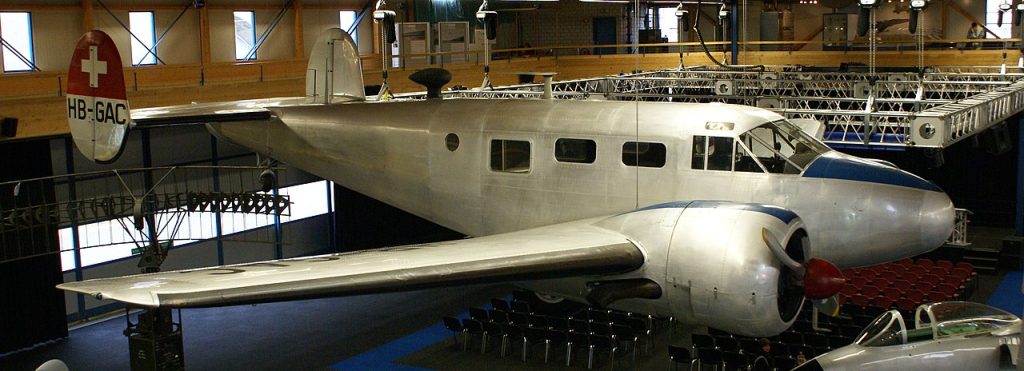
Beechcraft’s Model 18 was pressed into military service during the Second World War. The aircraft served with the US Army Air Forces, US Navy, Chinese Nationalist Air Force, Royal Air Force, and Royal Canadian Air Force during the war. WWII saw the Twin Beech serve in multiple roles, including light-transport, light-bomber, aircrew trainer, and photo-recon. Depending on the branch within which the aircraft was serving and the role it was filling, the military Beech 18 was called either the C-45 Expeditor, AT-7/UC-45J Navigator, or AT-11/SNB-1 Kansan.
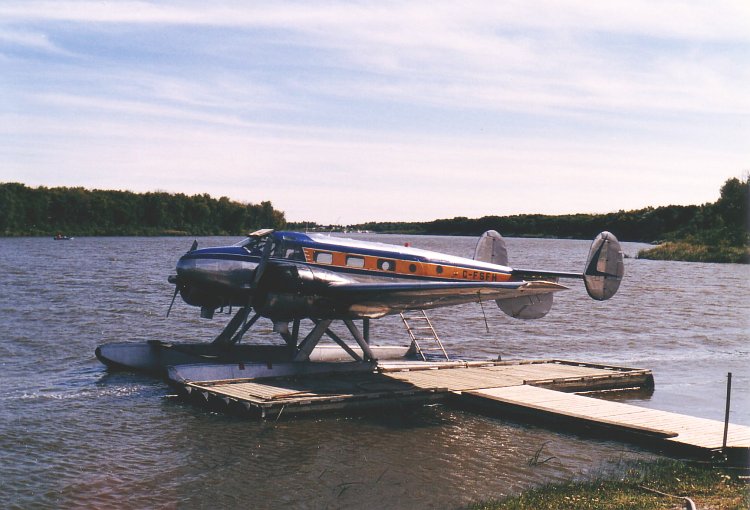
Beechcraft’s UC-45 Expeditor had a crew of 2 pilots and a capacity for 6 passengers. The aircraft was powered by two 450-horsepower Pratt & Whitney R-985-AN-1 Wasp Junior radial engines. Maximum airspeed for the UC-45 was 225 mph, while range was 1,000 nautical miles (at 160 mph cruise and 5,000 feet altitude). The Expeditor had a service ceiling of 26,000 feet. The AT-11 Kansan variant carried armament for light bombing and aircrew training. Kansans were equipped with a transparent nose and Norden bombsight, a bomb bay, internal bomb racks, and provisions for flexible guns.