
By Randy Malmstrom
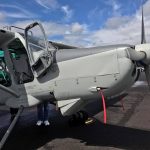
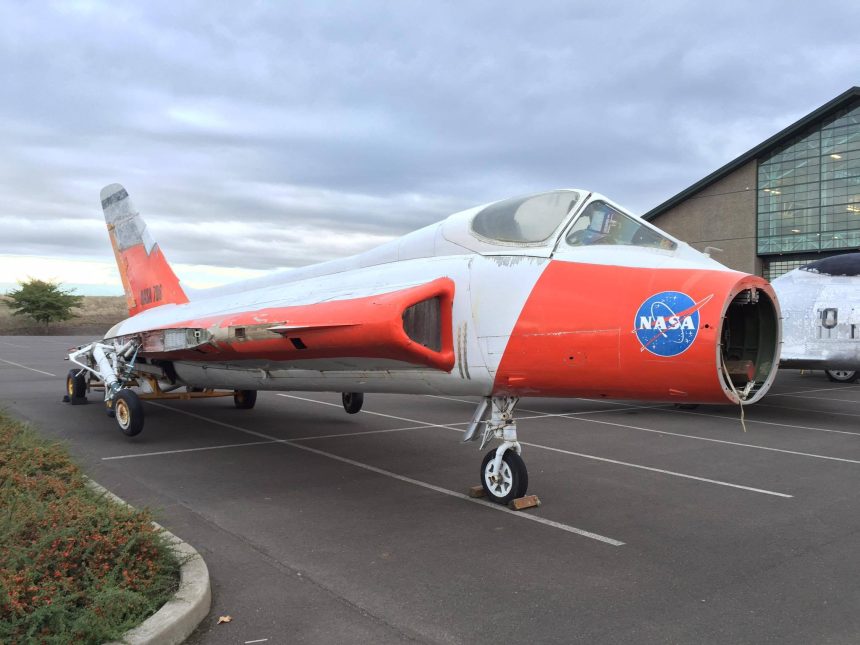
Douglas F5D-1 Skylancer, BuNo. 139208 (NASA 708). My photos of this unrestored aircraft at Evergreen Aviation and Space Museum in McMinnville, Oregon. It is one of a very short list of survivors.
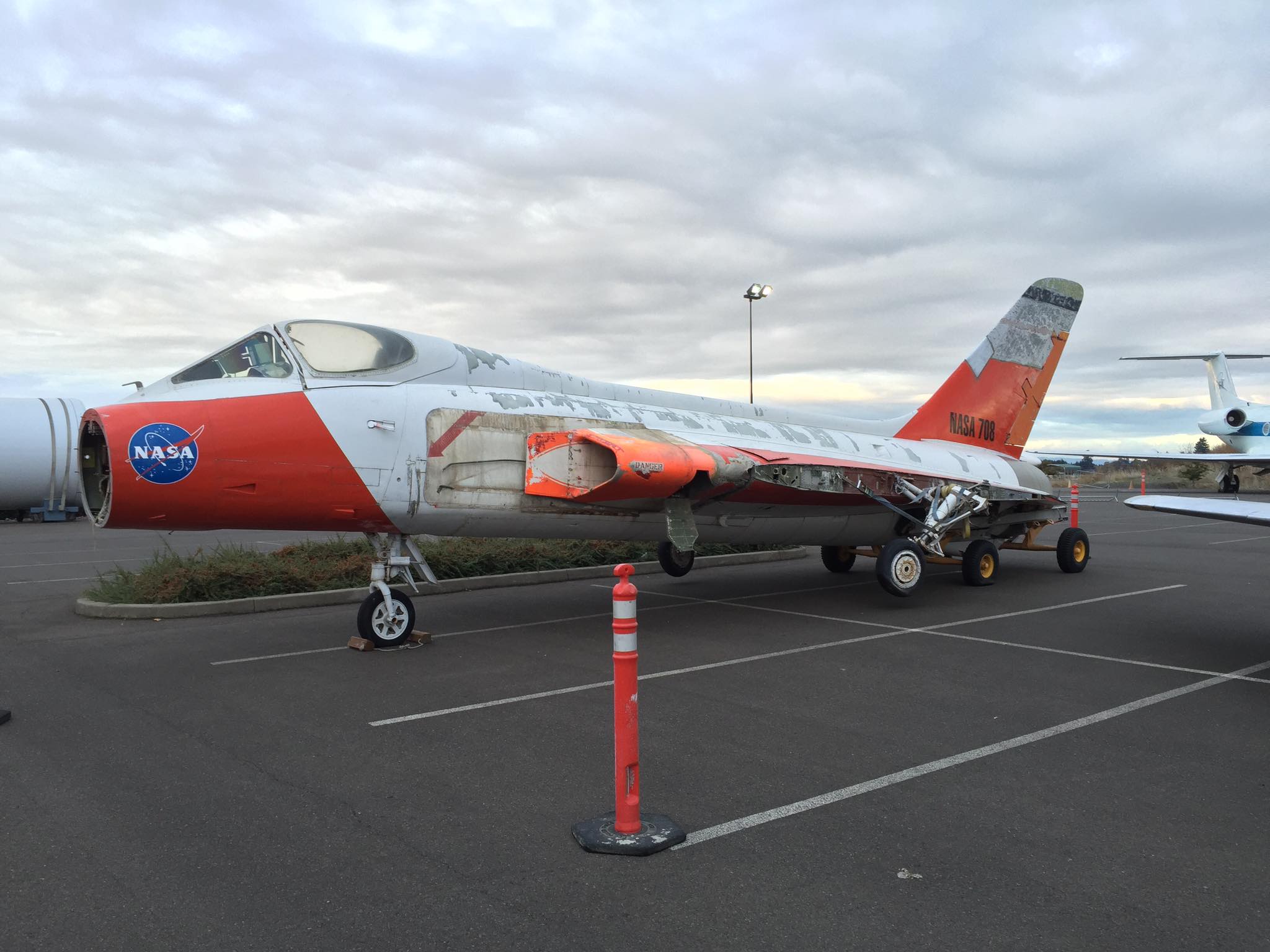
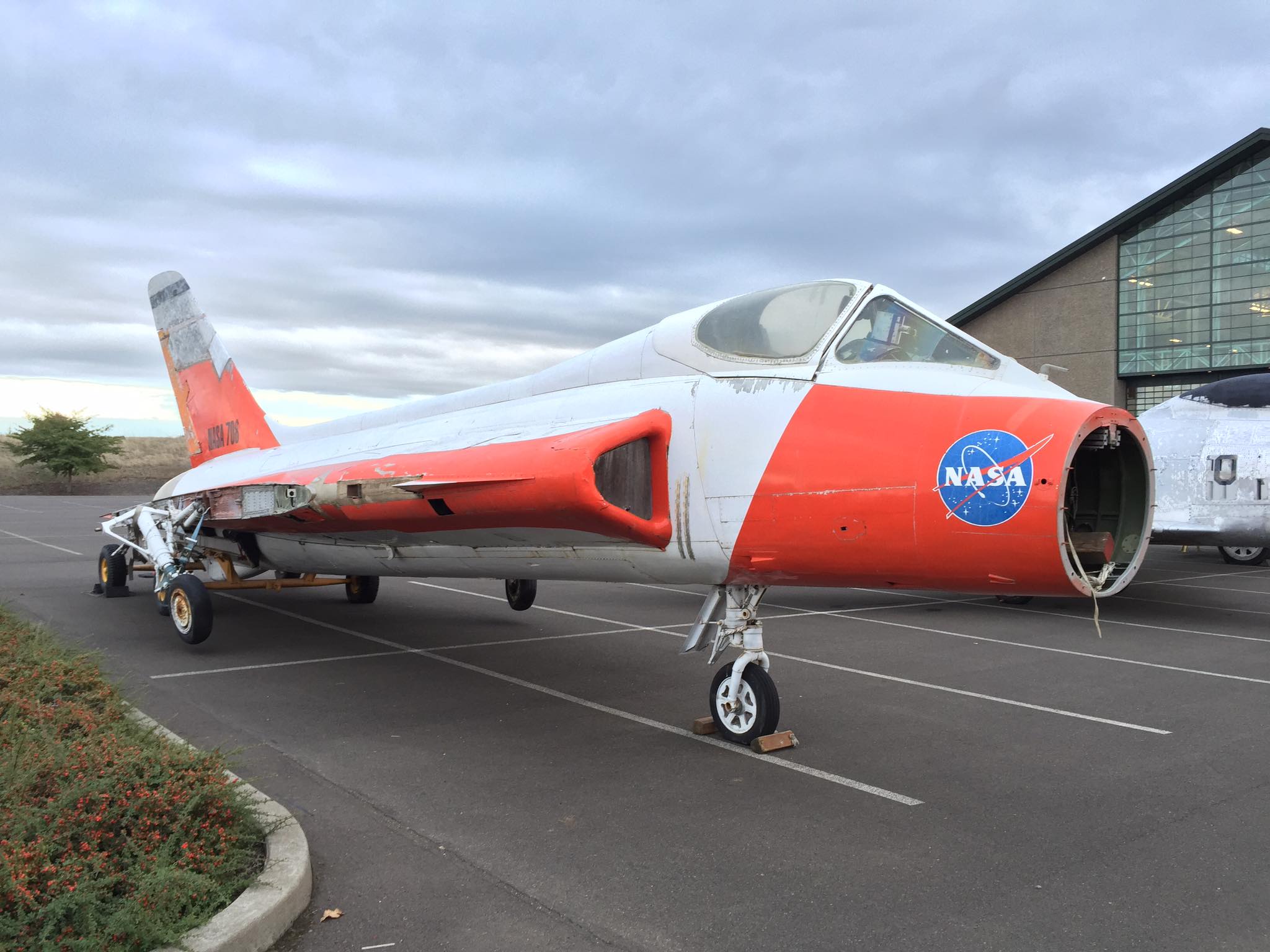
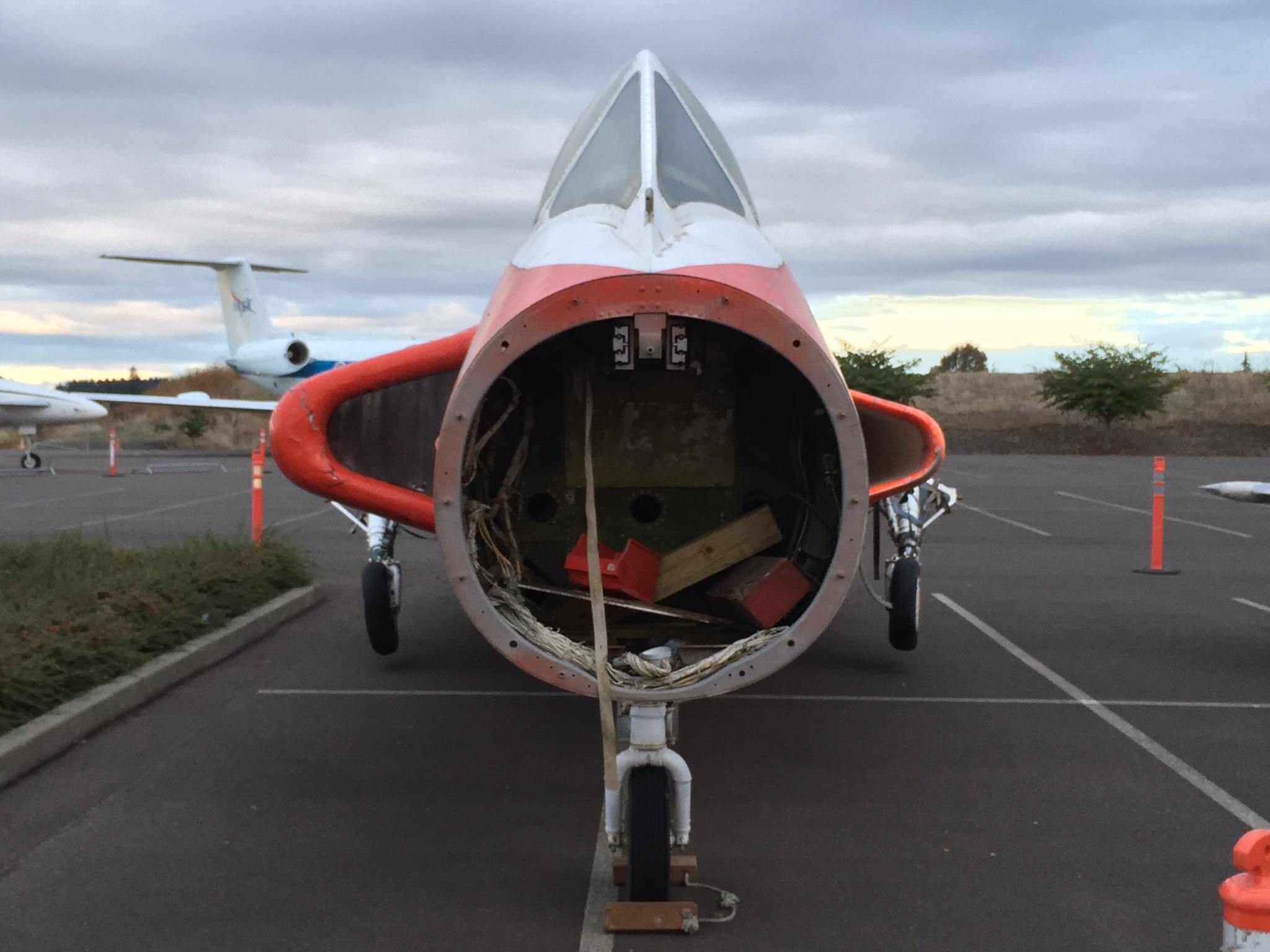
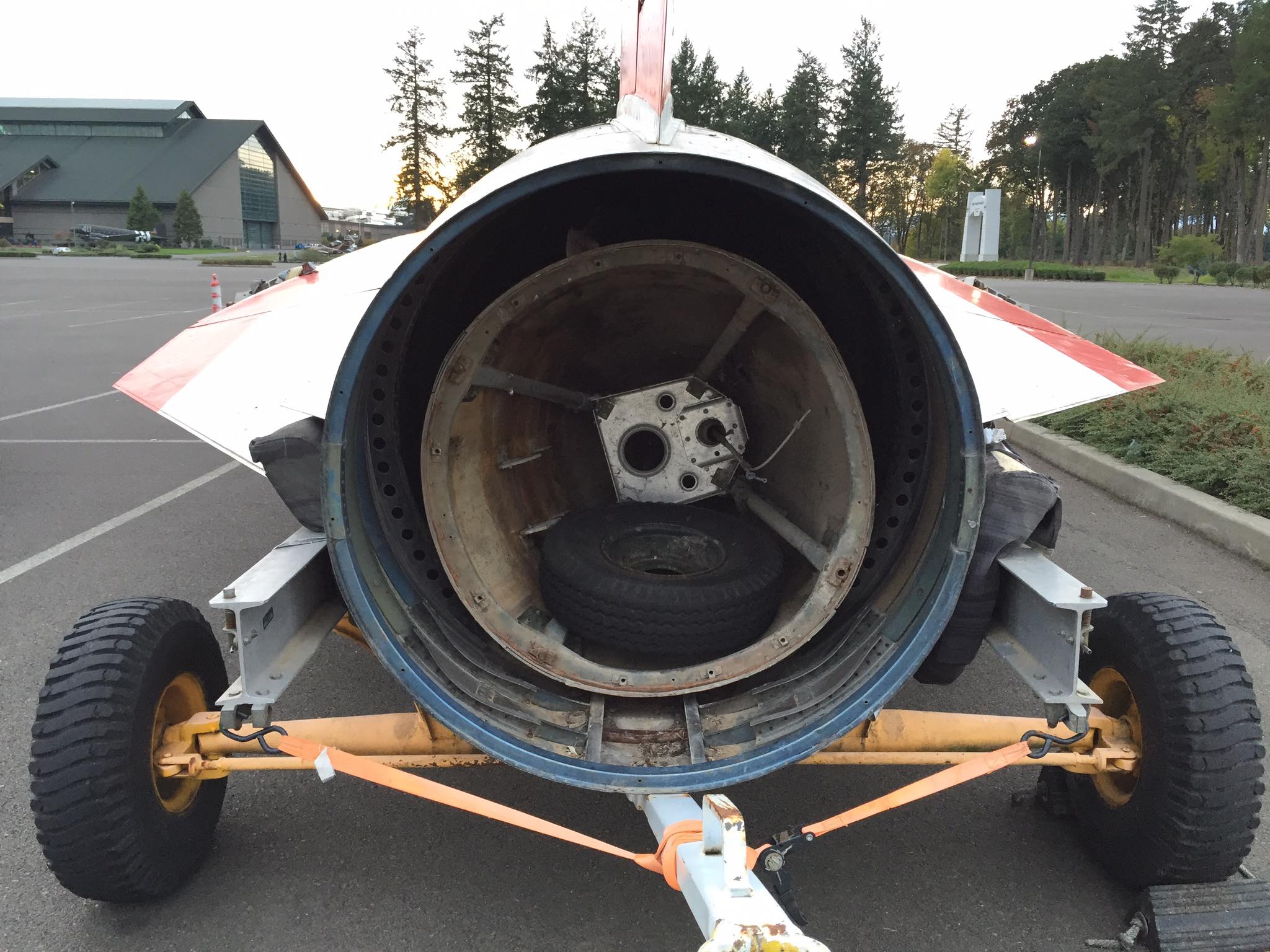
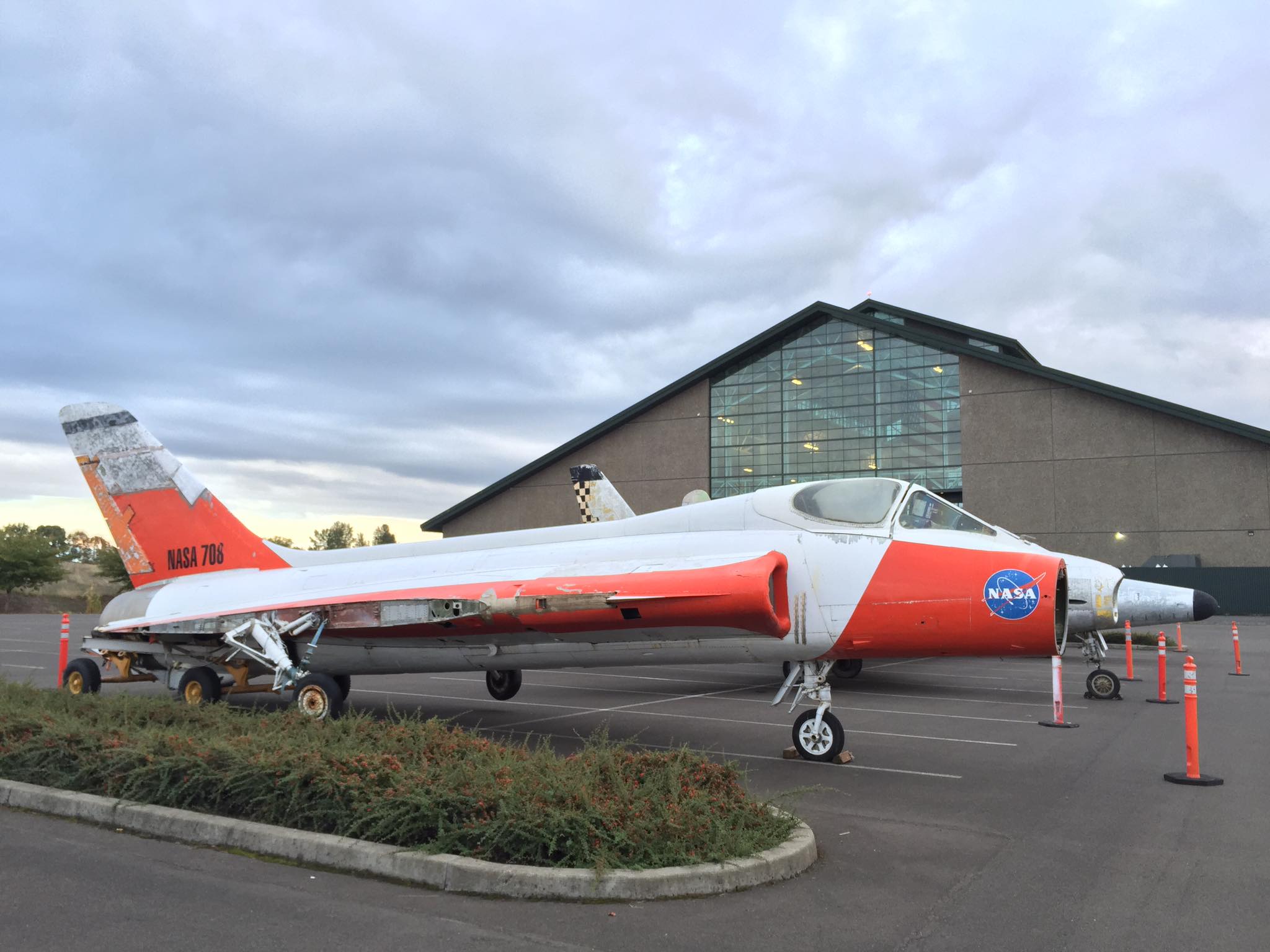
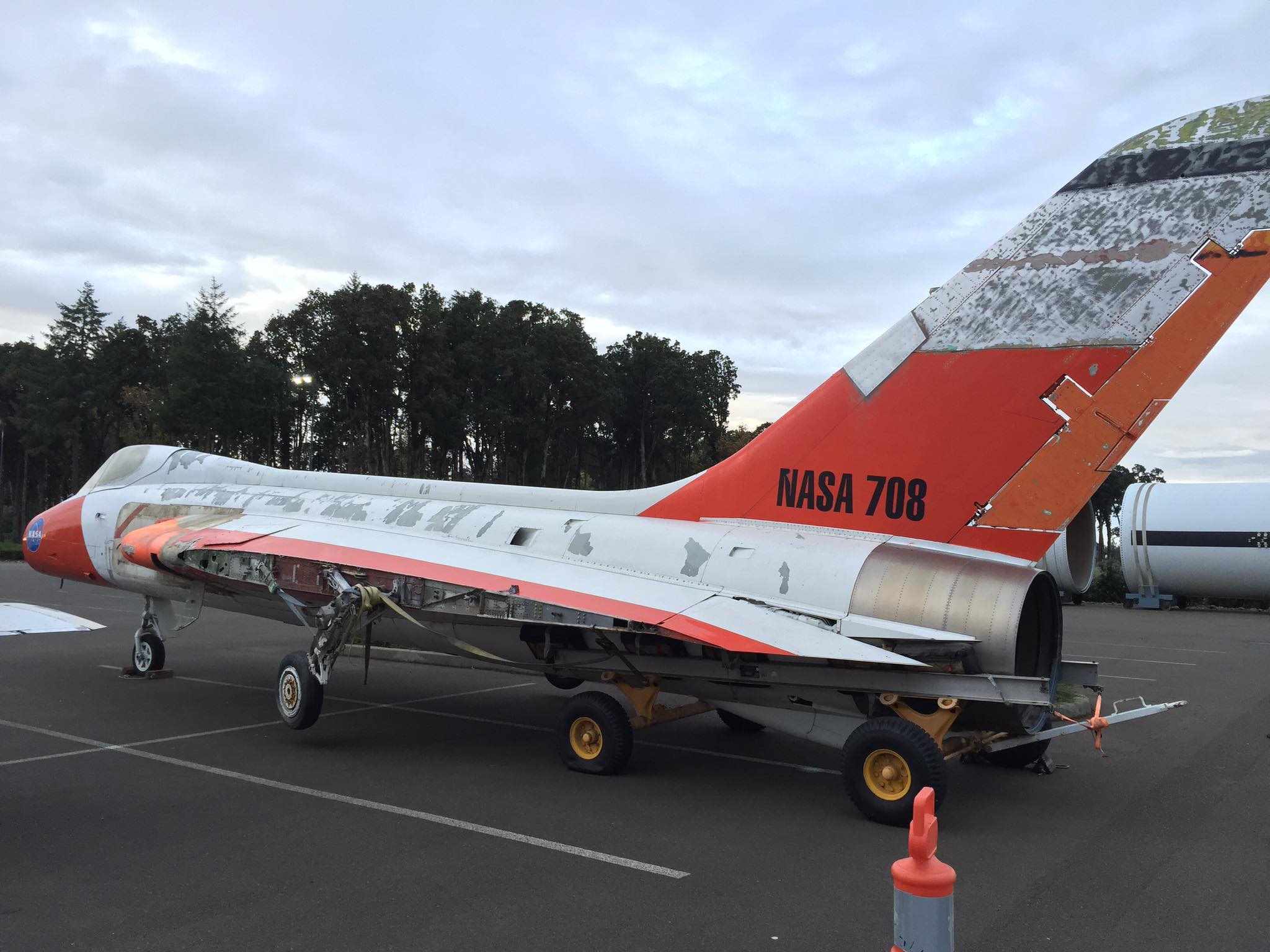
Editor’s notes: This aircraft was one of only four Douglas F5D Skylancers built. Developed from the Douglas F4D Skyray, the F5D Skylancer began life as the F4D-2N, an all-weather adaptation of the Skyray that was also fitted with the Pratt & Whitney J57 afterburning turbojet engine for better power output than the Skyray’s original engine, the Westinghouse J40. F5D BuNo 193208 was the first of its kind built, and made the type’s maiden flight on April 21, 1956, at Edwards Air Force Base, California, with Douglas aircraft test pilot Robert O. Rahn at the controls. Though the Skylancer had good performance, the US Navy later canceled its order with Douglas Aircraft to produce the aircraft, citing similar performance found in the Vought F8U Crusader, along with concerns of Douglas becoming a monopoly for US carrier-based aircraft. Only four Douglas F5Ds were ever built (BuNo 139208-139209, 142349-142350).

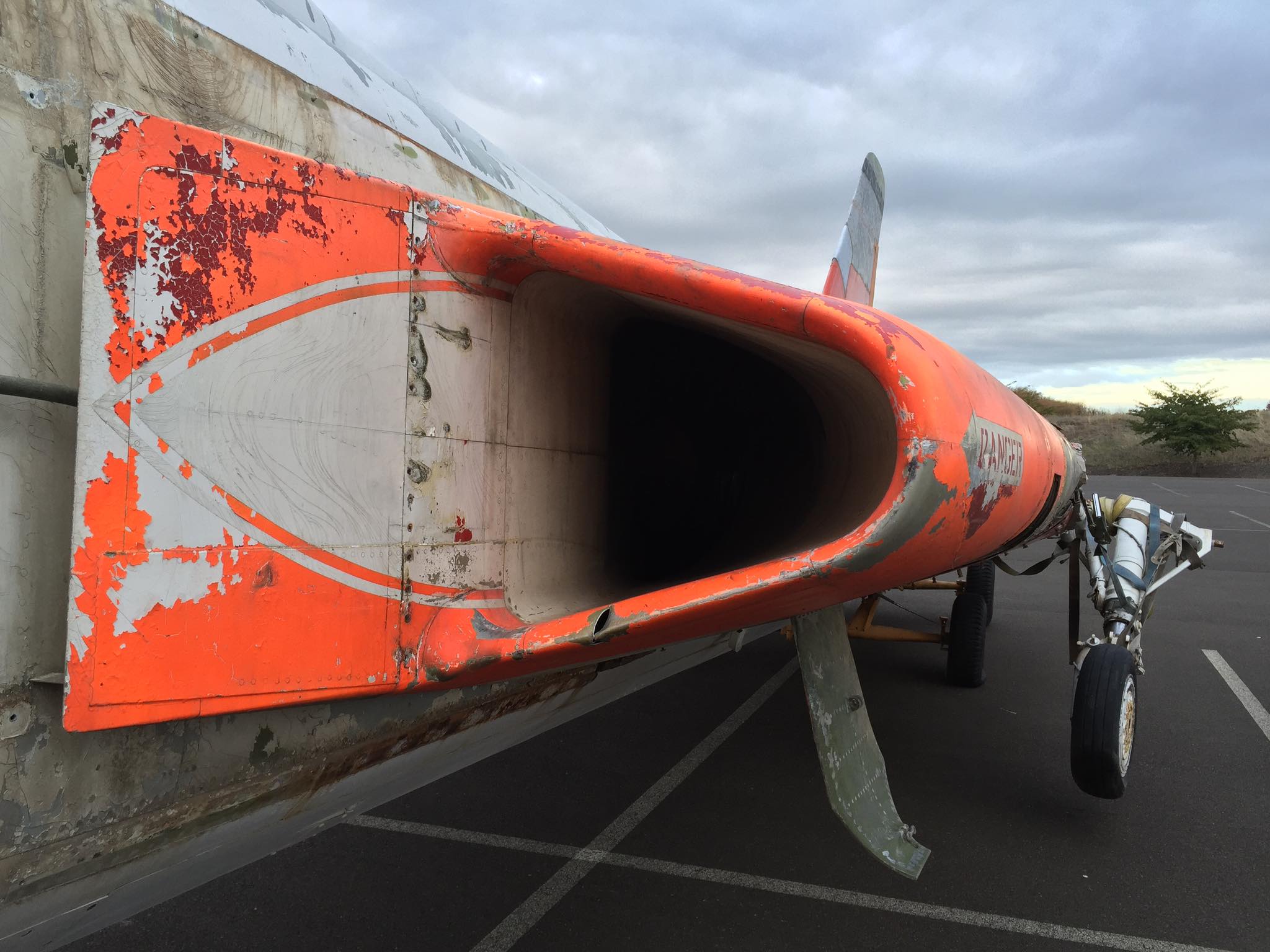
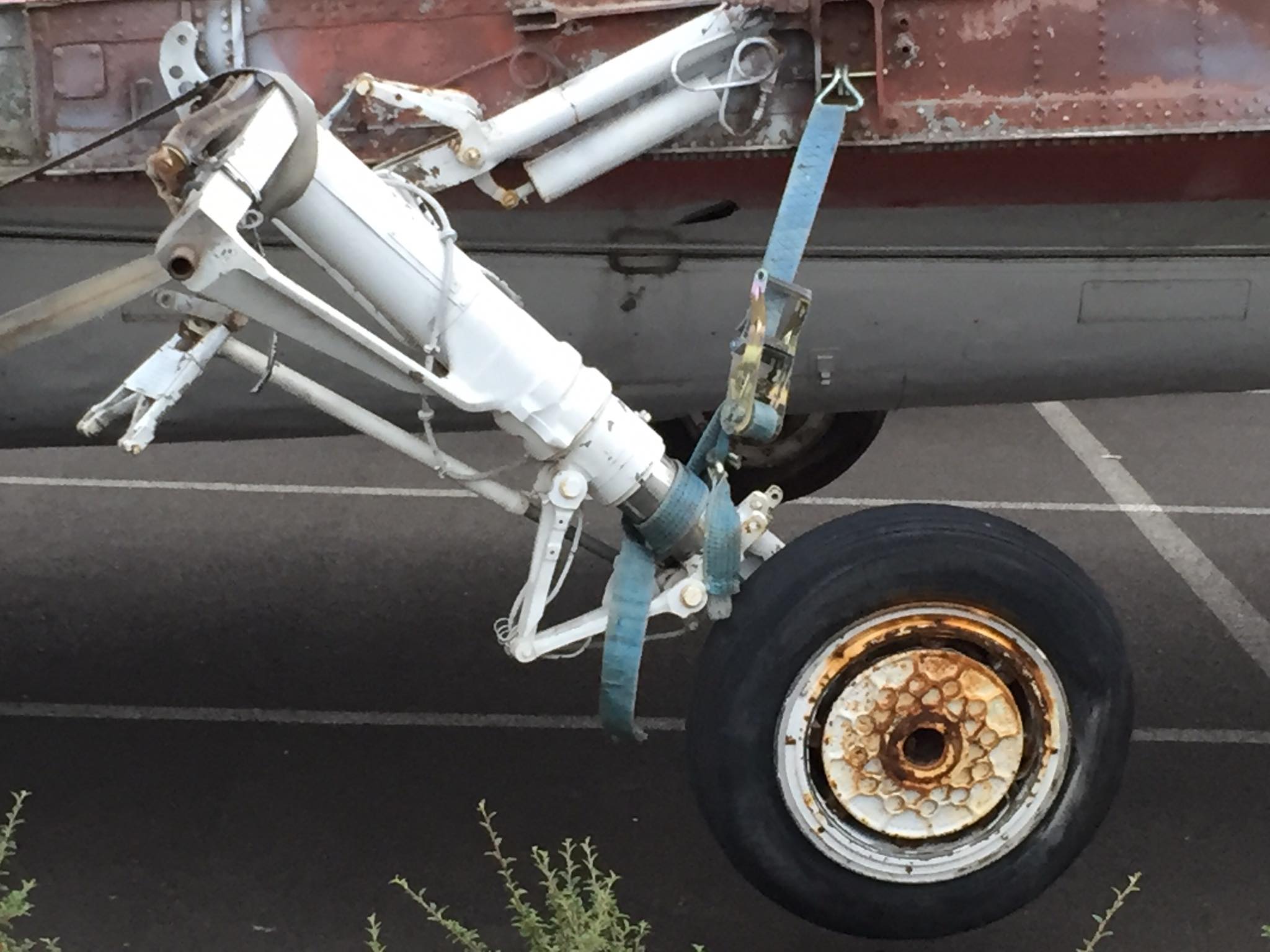
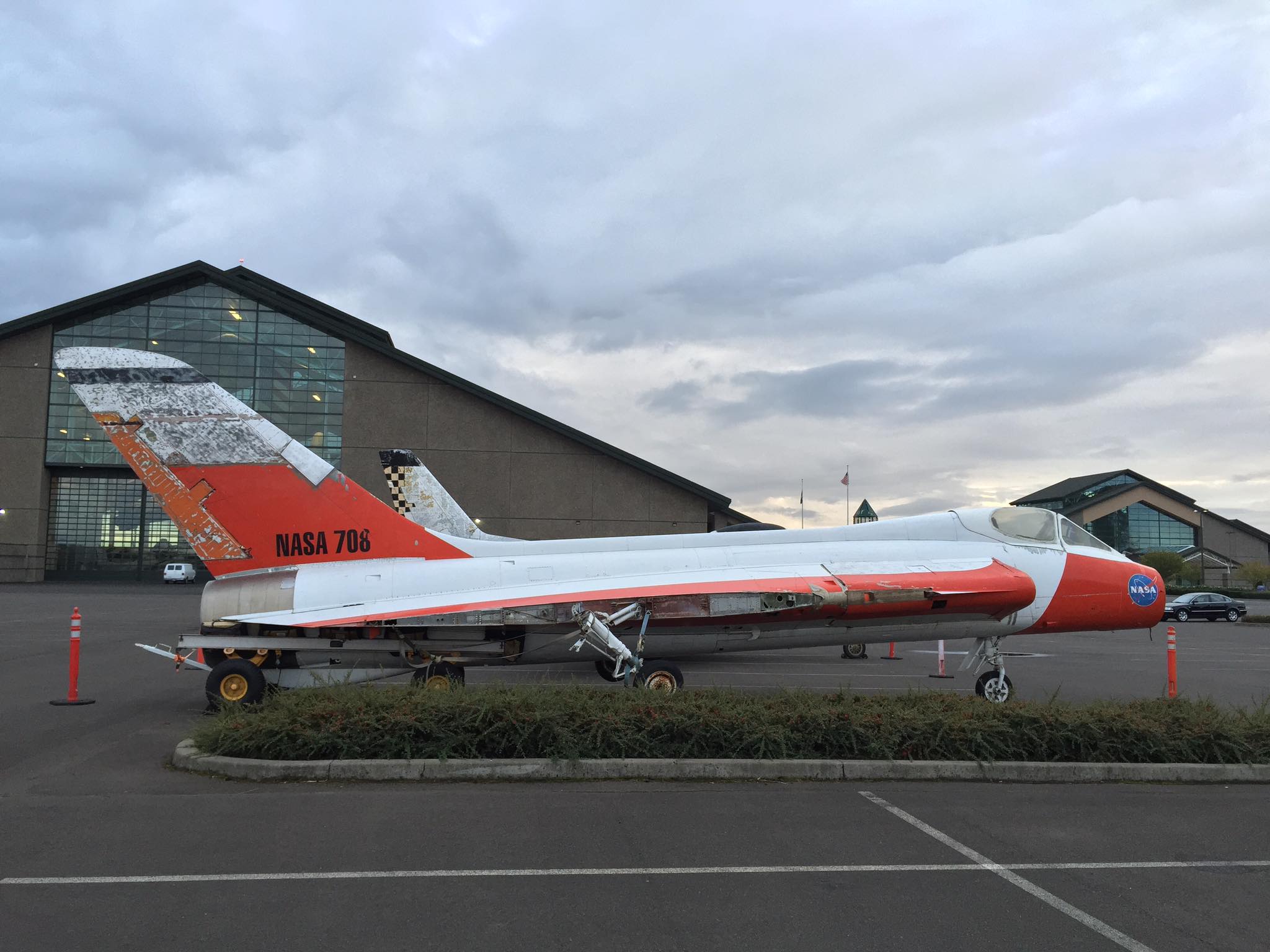
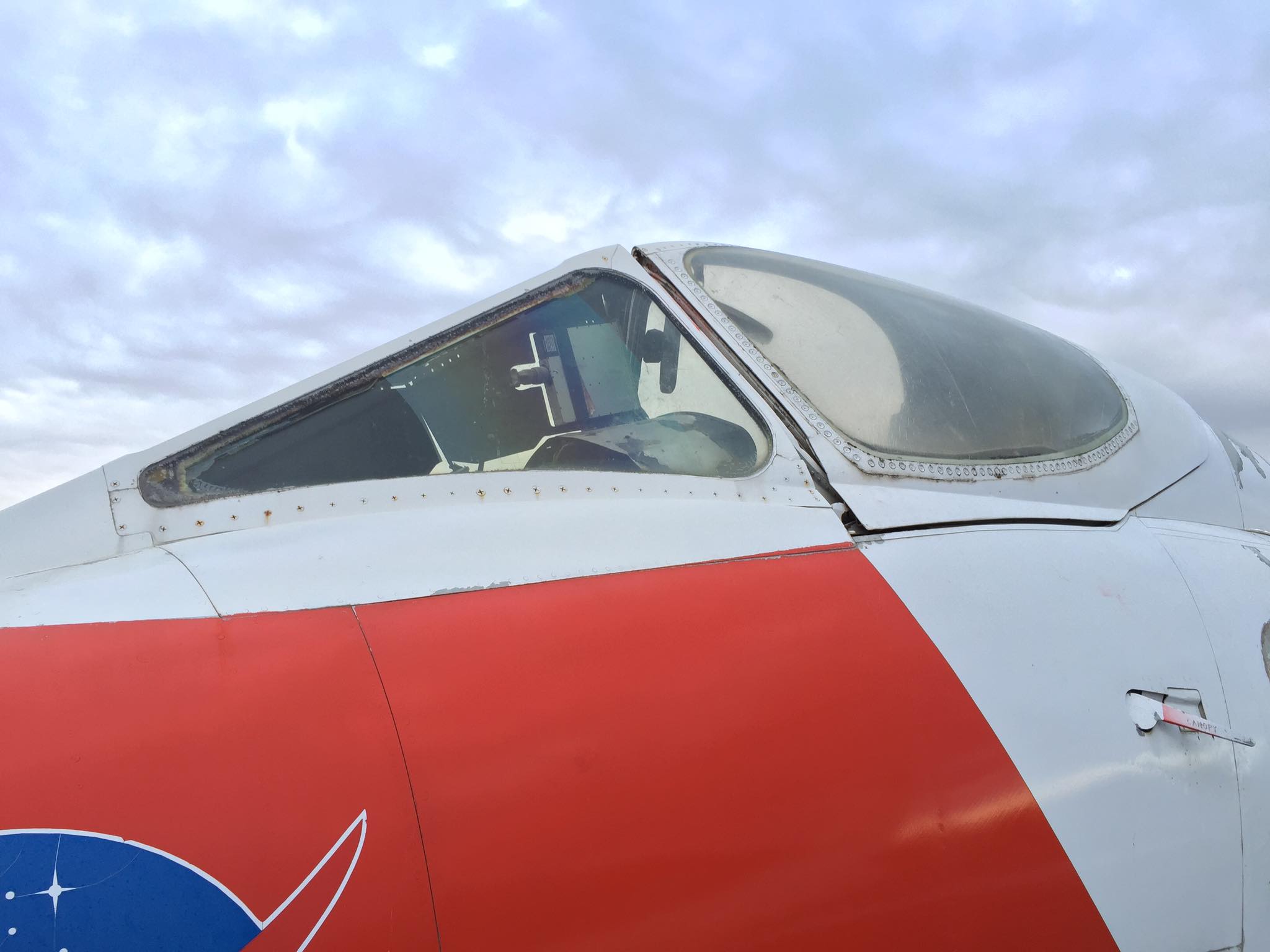
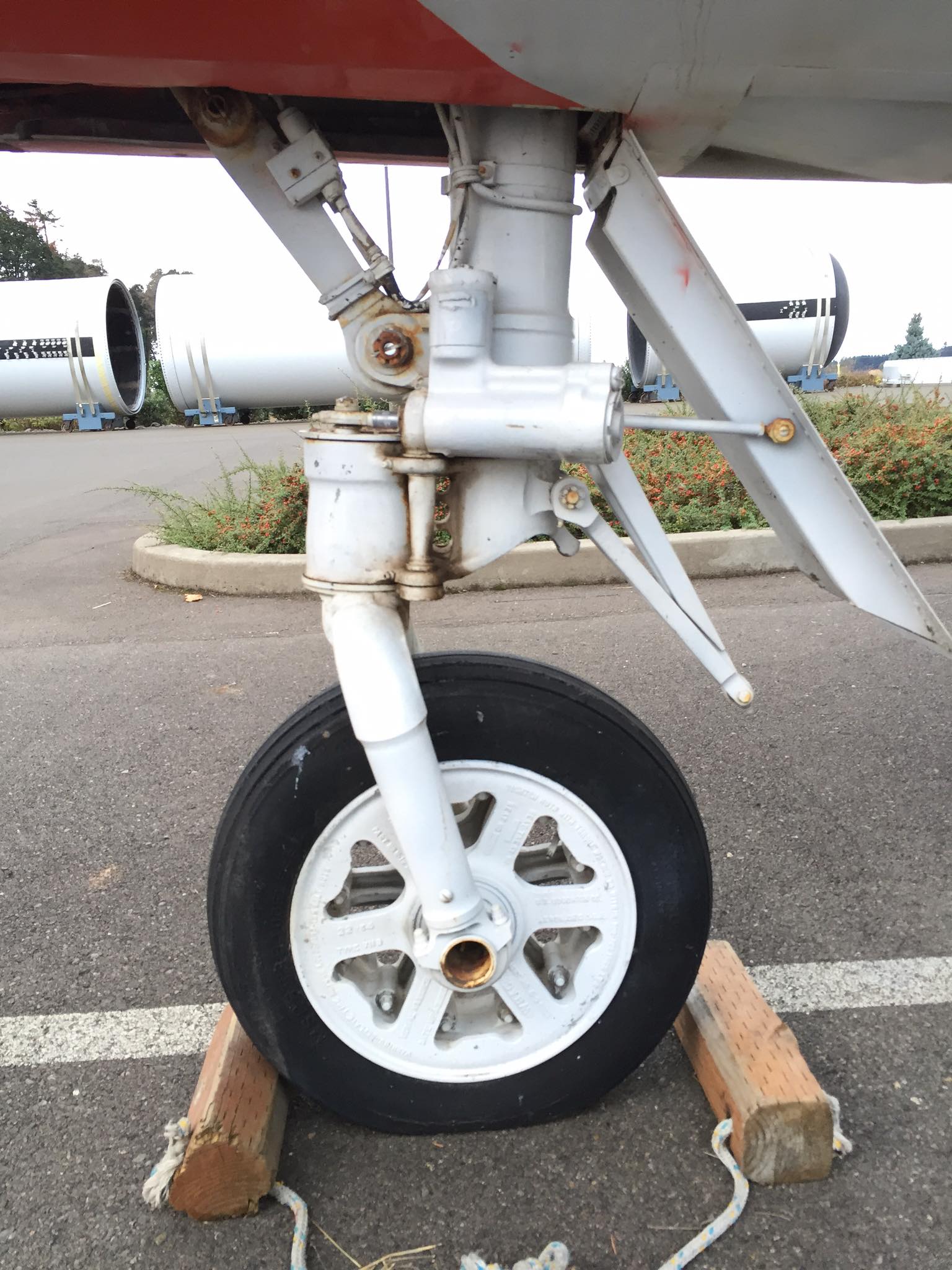
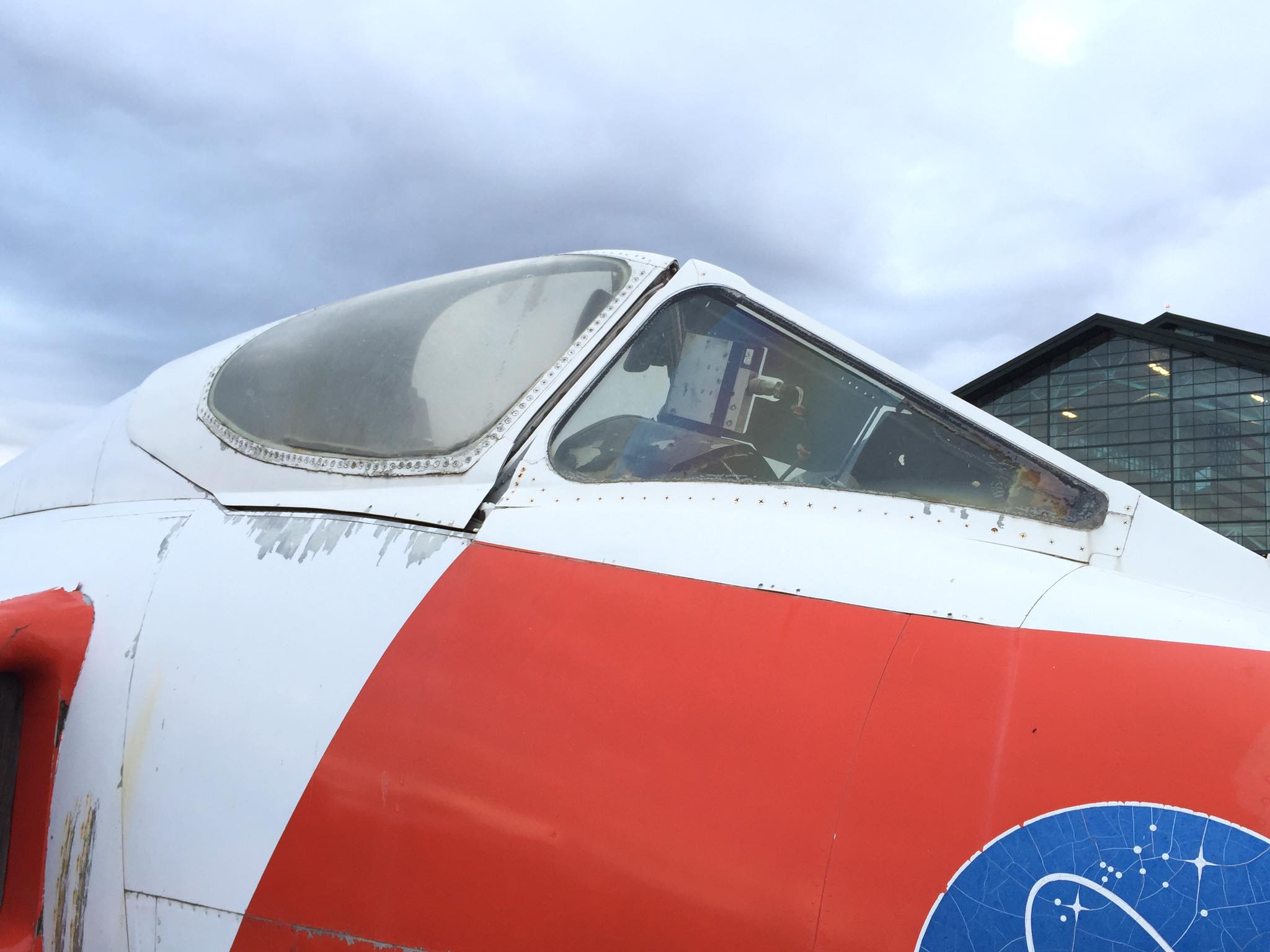
After being turned down by the Navy, the four Skylancers were used by the National Advisory Committee for Aeronautics (NACA; later reformed as NASA) for flight testing. F5D 139208 was assigned to NACA Ames Aeronautical Laboratory, NAS Moffett Field, CA, later the NASA Ames Research Center, from August 20, 1957, to January 16, 1961, as NACA 212 (later NASA 212). There, it was used to test airborne radar systems, new flight instruments, and armament. The aircraft was later reserialized as NASA 708 and was also used as a testbed for the American Supersonic Transport (SST) program, and was fitted with an ogival wing platform to test its efficiency at low speeds. This was the wing design adapted for the Concorde.

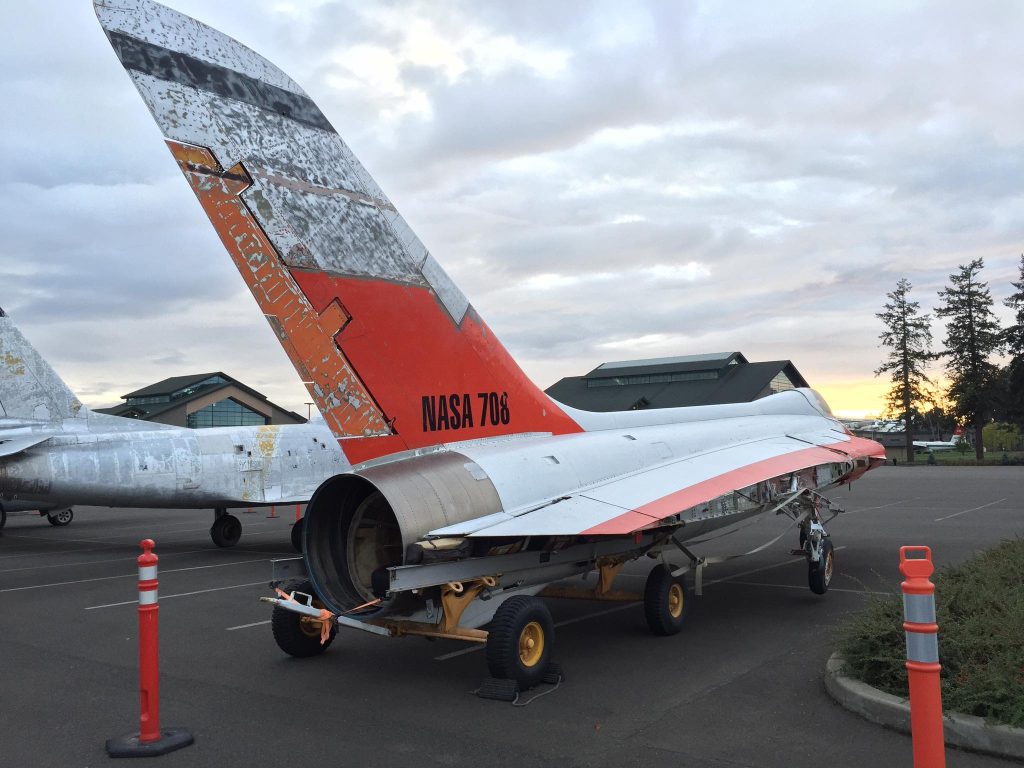
In 1968, F5D BuNo 139208/NASA 708 was decommissioned and later acquired by local businessman and aircraft collector Merle Maine of Ontario, Oregon. When Maine died in 2013, his collection was auctioned, as covered in an old article on this site HERE. Since the Evergreen Air and Space Museum in McMinnville, Oregon, acquired the Skylancer, it has been under restoration while on display at the museum.
About the author
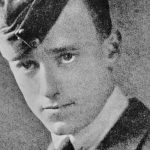
 Randy Malmstrom grew up in a family steeped in aviation culture. His father, Bob, was still a cadet in training with the USAAF at the end of WWII, but did serve in Germany during the U.S. occupation in the immediate post-war period, where he had the opportunity to fly in a wide variety of types that flew in WWII. After returning to the States, Bob became a multi-engine aircraft sales manager and, as such, flew a wide variety of aircraft; Randy frequently accompanied him on these flights. Furthermore, Randy’s cousin, Einar Axel Malmstrom, flew P-47 Thunderbolts with the 356th FG from RAF Martlesham Heath. He was commanding this unit at the time he was shot down over France on April 24th, 1944, and spent the rest of the war as a prisoner of war. Following his repatriation at war’s end, Einar continued his military service, attaining the rank of Colonel. He was serving as Deputy Wing Commander of the 407th Strategic Fighter Wing at Great Falls AFB, MT, at the time of his death in a T-33 training accident on August 21, 1954. The base was renamed in his honor in October 1955 and continues to serve in the present USAF as home to the 341st Missile Wing. Randy’s innate interest in history in general, and aviation history in particular, plus his educational background and passion for WWII warbirds, led him down his current path of capturing detailed aircraft walk-around photos and in-depth airframe histories, recording a precise description of a particular aircraft in all aspects.