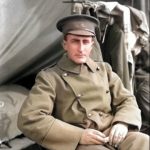
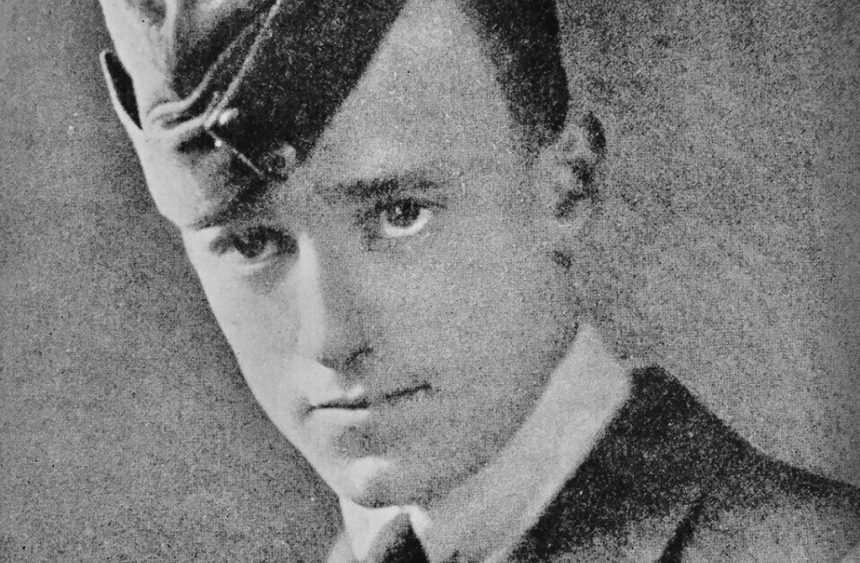

Some people are selected to serve in the military for their country; some aren’t. Most of those who are not selected usually prefer to shift to other civilian careers. But a very few go beyond the usual route to serve in the military out of love for the armed forces and the uniform. One of those determined individuals was Captain Harold Albert Kullberg, a World War I flying ace. Born on September 10, 1896, in Somerville, Massachusetts, Kullberg was rejected by the United States Air Service for being too short. But that didn’t stop him from becoming a pilot. He joined the British Royal Flying Corps (RFC) in Canada on August 7, 1917, at the age of 20, and was soon promoted to a probationary 2nd Lieutenant in December 1917.
Harold Albert Kullberg’s Ace Journey
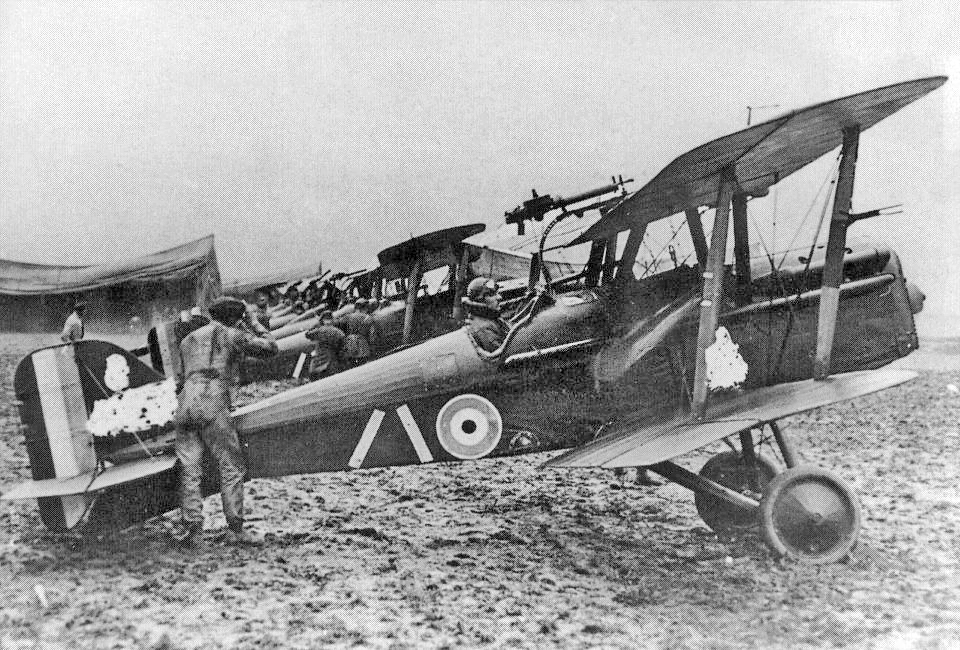
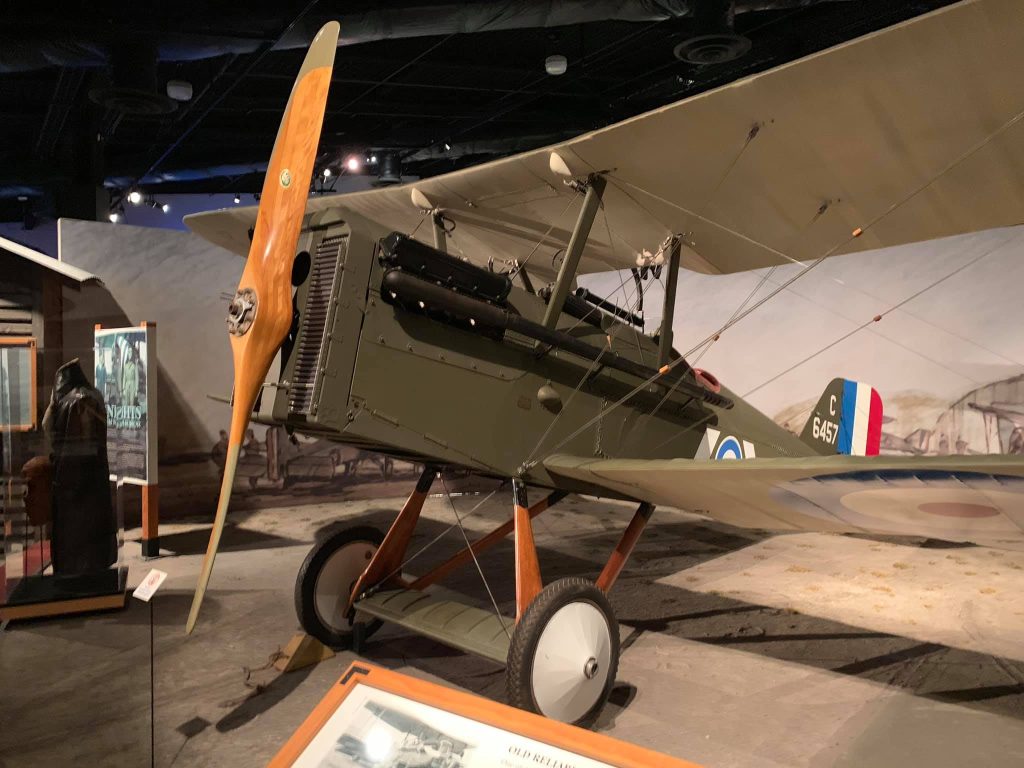
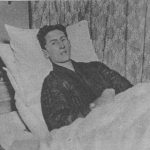
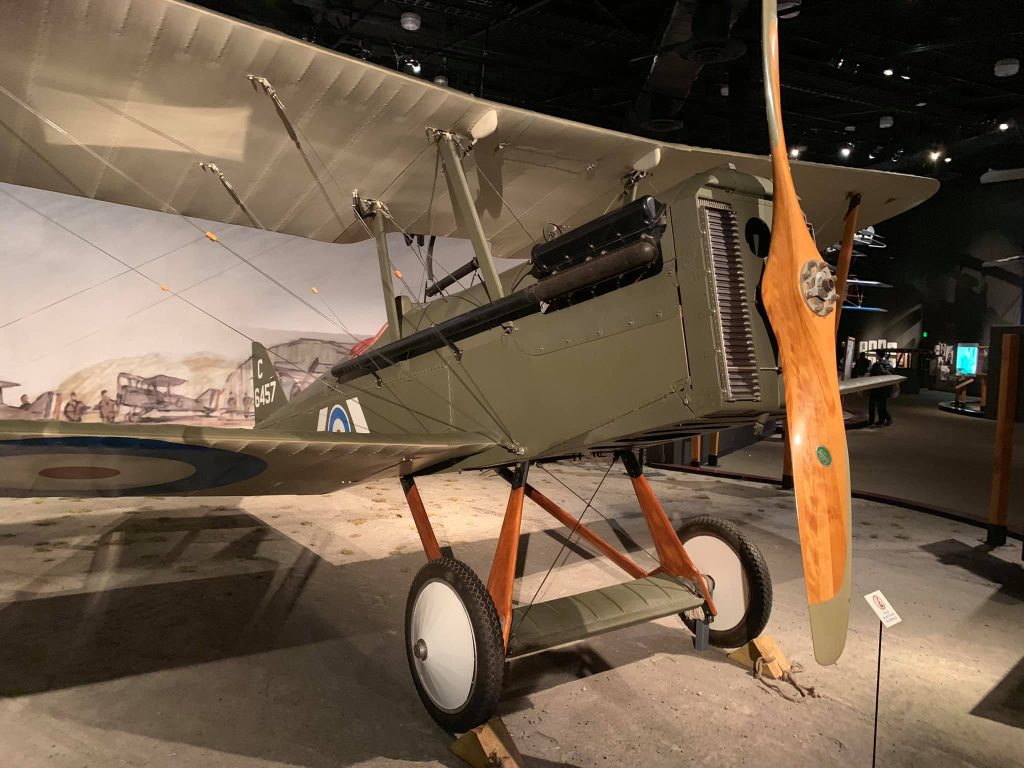
In May 1918, Harold Albert Kullberg joined No. 1 Squadron, Royal Air Force in France, where he used to fly the S.E.5a. All his victories came in this aircraft. He didn’t waste much time, and his first aerial victory came on May 28 when he shot down a German two-seater reconnaissance aircraft over Bailleul. Later that same day, he shot another two-seater aircraft and added two more aircraft to his tally on May 29 to end May at a score of four aerial victories. On June 1, Kullberg shot down two Pfalz D.III fighter aircraft to increase his score to six and officially became an ace. On June 9, he shot down two more aircraft, including an Fokker Dr.I. By now, he had scored on four days, and all were double victories. On June 15, he shot down a balloon, and he ended June with shooting down two more aircraft to increase his June total to seven and overall to 11. Starting the next month on a high note, Harold Albert Kullberg downed a German Halberstadt C on July 1. On July 9, he shot down a Fokker D.VII and ended the month by destroying an Albatros C on July 29 to increase his personal score to 14. In August, he shot down three Fokker D.VIIs. On September 3, he destroyed another Fokker D.VII. His last victory came on September 16, when he eliminated one more Fokker D.VII to increase his score to 19. He had killed five Fokker D.VIIs out of his last six victories and was clearly hurting the Germans by destroying one of their most advanced World War I fighters in large numbers. During his final victory on September 16, 1918, the German plan was to shoot down Harold Albert Kullberg and his S.E.5a. As soon as Kullberg shot down his last target, Fokker D.VII, the companions, or say wingmen, of his final target pursued him. They severely wounded him three times in the leg to the extent that he spent the remainder of the war in a hospital.
The Death
He served in the Royal Air Force until July 1919. In November 1918, Harold Albert Kullberg was awarded the Distinguished Flying Cross with the citation, “This officer has destroyed six enemy aeroplanes and has taken part in seven engagements when others have been destroyed by members of his patrol. A bold and keen officer who possesses a fine fighting spirit.” After he retired from the service, he became the president of the Akron Aeronautical Association, a local organization dedicated to promoting aviation in the region during the 1920s. On November 3, 1923, Harold Albert Kullberg, serving as a volunteer aerial policeman for the city of Akron, Ohio, made what is believed to be the first arrest in the United States for violation of air traffic rules. He died on August 5, 1924, at the age of 27, in a crash near Hudson, Ohio, while teaching a student pilot to fly. In the Aces series, Harold Albert Kullberg stands as a brave pilot who loved flying and aviation, and who continued flying after his retirement, even dying while flying. His 19 aerial victories, including 18 aircraft and one balloon, were achieved in just five months and speak to his ability in the air. Read more Aces stories HERE.