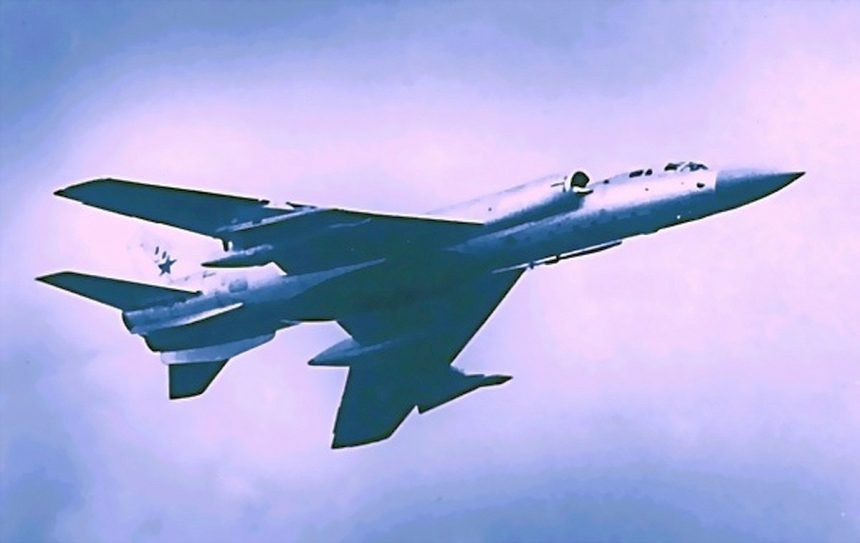


(Image credit: VAN)
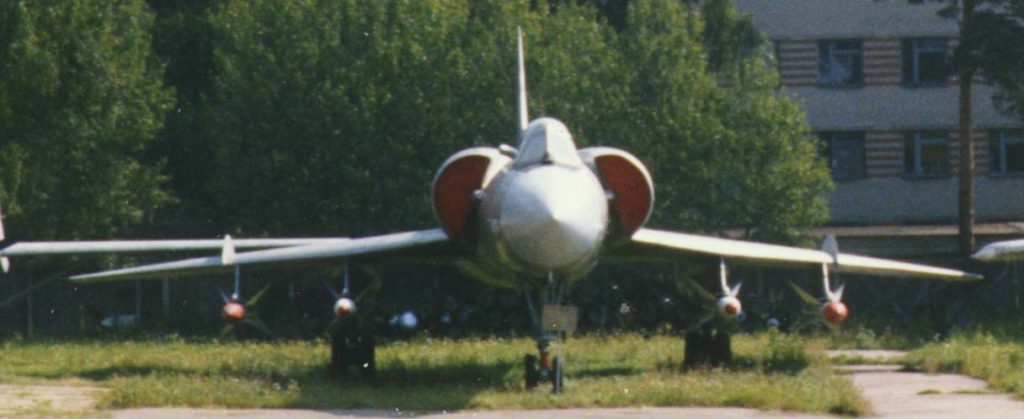
On this day in aviation history, 65 years ago (March 18, 1961), the Tupolev Tu-28 flew for the first time. Known by NATO as the Fiddler, the Tu-28 was a Soviet long-range interceptor aircraft that was introduced in the 1960s. The official Soviet designation for the interceptor was Tu-128, but this designation was not commonly used in the West during the Cold War. The Tu-28 holds the distinction of being the largest and heaviest fighter to ever enter serial production. Development of the Tu-28 began in the 1950s, as the USSR sought an interceptor that could protect against hypothetical American nuclear bomber attacks. The Yakovlev Yak-28P Brewer that was being flown at the time in the interceptor role did not have the range required for such a mission. The Soviet Air Defence Forces (PVO) released a requirement for a “large area-defense interceptor,” one that could achieve its mission from sparse airbases in remote regions. The PVO requirement asked for a supersonic aircraft with large fuel tanks, for both long patrol time and long range. Additionally, the interceptor was to have a capable radar and the most powerful air-to-air missiles available.
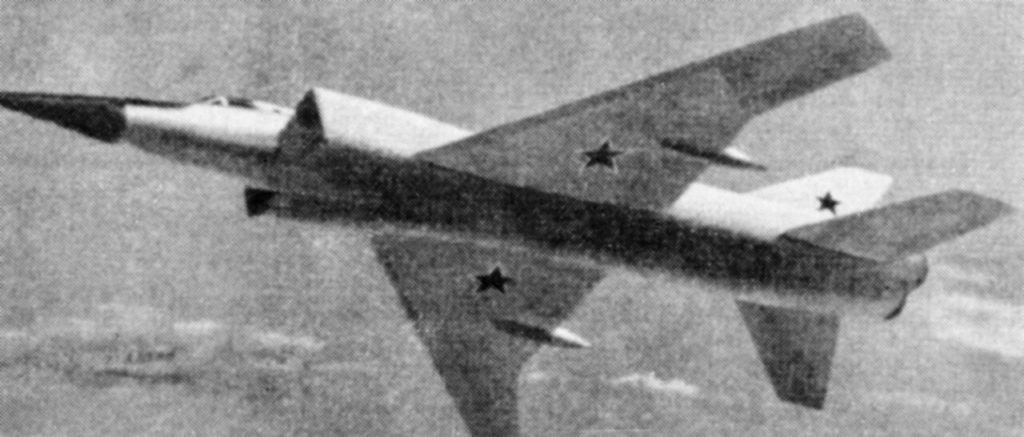
Lavochkin attempted to satisfy this PVO requirement with their La-250 Anakonda interceptor design, but was unsuccessful. The La-250 would be Lavochkin’s final aircraft. Beginning in 1958, Iosif Nezval led the development of the new Tu-128 interceptor at the Tupolev Design Bureau. The resulting aircraft featured large swept wings and slab tailplanes. The Tu-28 was powered by two Lyulka AL-7F-2 turbojet engines, with 16,400 pounds of thrust each dry and 22,300 with afterburner engaged. Weighing 43 tonnes, the Tu-28 was not designed to engage fighters; it was the heaviest fighter to enter service. Tupolev designed the Fiddler as a pure interceptor, and as a result, the Tu-28 had high wing loading, unsophisticated (yet proven) avionics, and less-than-stellar visibility. The Tu-28 was not agile; it was purpose-built for the sole mission of engaging NATO bombers, such as the B-52. The only reported combat action of the Tu-128 in the Cold War occurred with the destruction of NATO reconnaissance balloons. The Fiddler remained in Soviet service until 1990, right up to the Cold War’s end. The decade prior saw most Tu-128s replaced by the Mikoyan MiG-31, which had more advanced sensors and weapons. A total of 198 Tu-128/28s were built by Tupolev, and only one is on prominent display today at the Central Museum of the Air Forces in Monino, Russia.