
Large transport aircraft rely on hydraulic flight controls to maneuver in flight. These systems move the elevators, ailerons, and rudder, and if those systems fail, the aircraft can become extremely difficult to control. In the early 1990s, engineers at NASA’s Dryden Flight Research Center began studying whether an airplane could still be controlled if those systems were lost. The idea was to guide the aircraft solely with engine thrust, and the concept became known as Propulsion Controlled Aircraft (PCA). The idea began during a flight to St. Louis when NASA Dryden engineer Bill Burcham sketched the concept on a napkin while traveling to a meeting with McDonnell Douglas Aerospace. He discussed the idea with James Stewart, the Dryden F-15 project manager, who was on the same flight. Stewart believed the idea could be tested and outlined a possible flight program. The proposal was presented to engineers at McDonnell Douglas the next day. With help from Jim Urnes at McDonnell Douglas, engineers developed flight software that could control an aircraft through engine thrust. The system was added to an existing NASA F-15 research aircraft program.
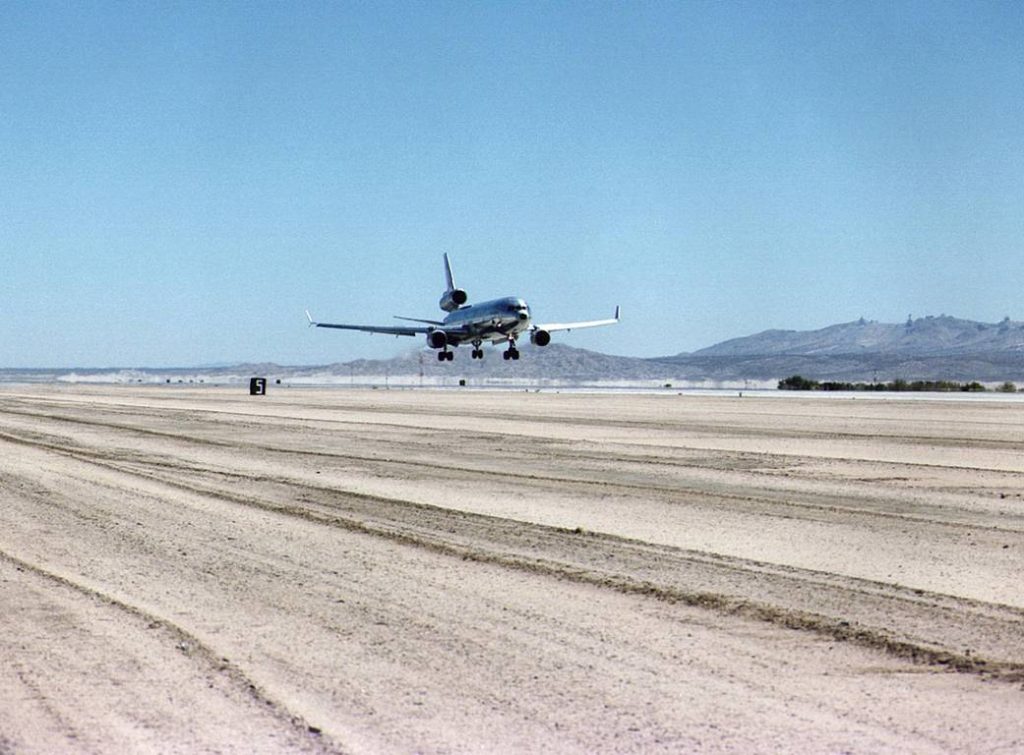
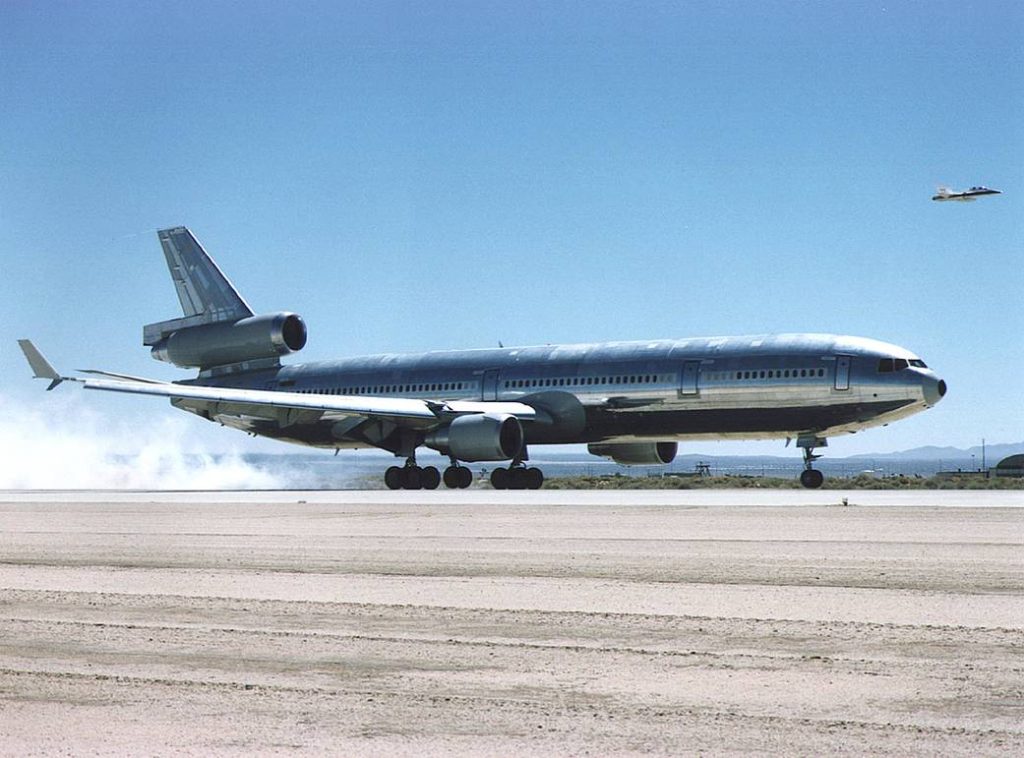
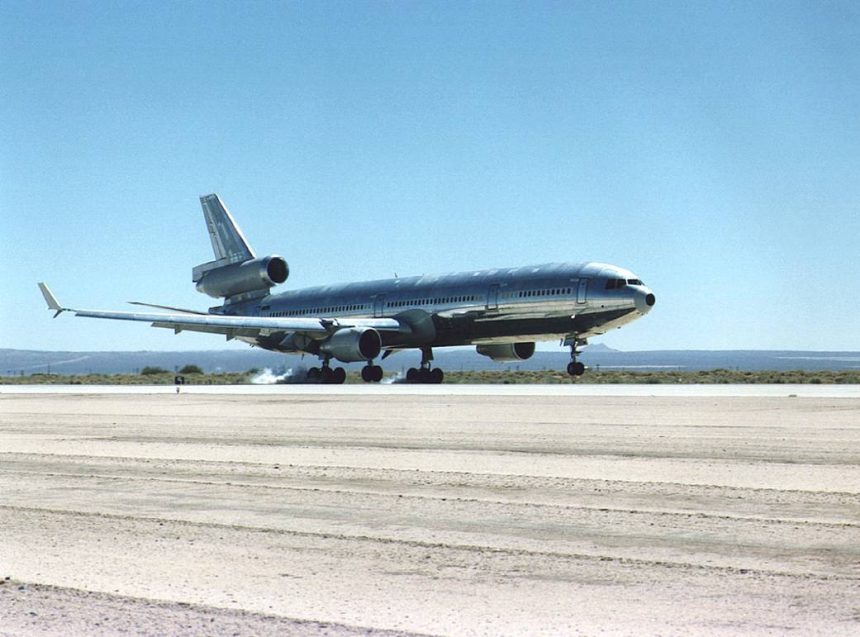
The first flight demonstration took place on April 21, 1993. NASA research pilot Gordon Fullerton flew the F-15 using the PCA system and landed the aircraft twice without using the normal flight controls. The airplane was guided only by engine thrust commands generated by the computer system. Six other pilots later flew the PCA-equipped aircraft. During these tests, the airplane was flown at different altitudes and in flight attitudes that might occur after a major control failure. In each case, the PCA system returned the aircraft to controlled flight and allowed a landing. The PCA system worked through software installed in the aircraft’s flight control computer. Pilots used the standard autopilot controls already present in the cockpit. The software adjusted the engine thrust to maneuver the aircraft. For pitch control, the system increased thrust to climb and reduced thrust to descend. To turn right, the system increased thrust on the left engine and reduced it on the right. The opposite action produced a turn in the other direction. Because engine thrust changes slowly and produces relatively small control forces, flying this way manually would require careful attention from the pilot. The computer system automatically handled the adjustments, enabling more precise aircraft control. After the success of the F-15 tests, engineers decided to demonstrate the system on a large transport aircraft. On August 29, 1995, Gordon Fullerton flew a McDonnell Douglas MD-11 equipped with the PCA system. During the flight, he landed the aircraft using only engine thrust for control.
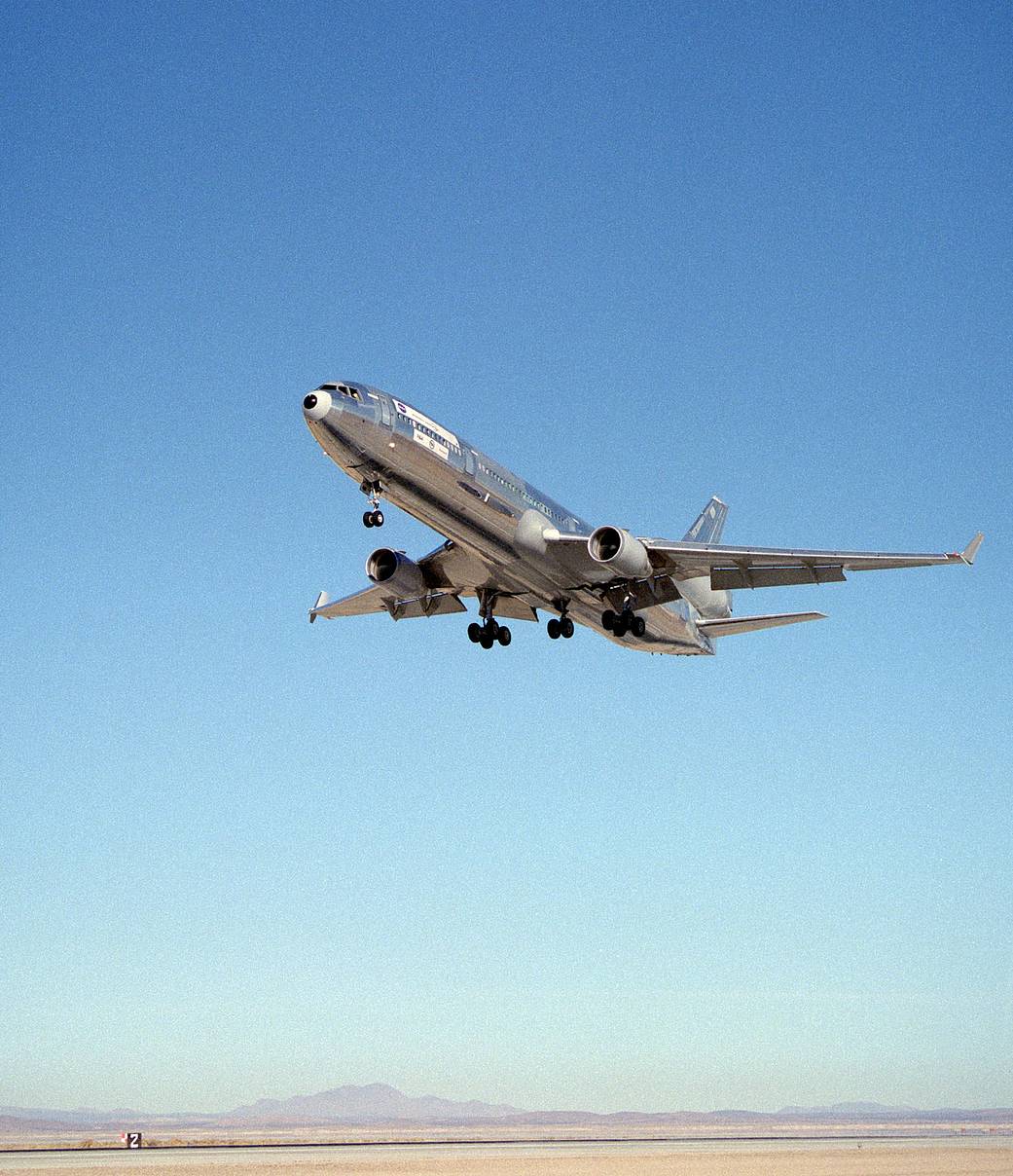
The PCA program was carried out through cooperation between several organizations. NASA Dryden conducted the flight testing, while McDonnell Douglas Aerospace assisted in integrating the system into the aircraft. Pratt & Whitney and Honeywell helped develop the software used in the flight-control computers. NASA Ames Research Center supported the program with simulation work. The flight tests showed that aircraft engines could be used to guide an airplane if conventional flight controls were lost. The system demonstrated that with computer assistance, thrust alone could control an aircraft during approach and landing. Based on the success of these MD-11 and previous F-15 PCA flight tests, NASA concluded that a “PCA system provides an acceptable backup flight-control system capable of safe landings independent of hydraulic power, and the addition of a slow electric actuator for stabilizer trim speed control would eliminate the need to plan and use center of gravity and weight control to control speed.” Though the concept proved that a thrust-only system can provide a safe emergency backup landing method when all flight controls are lost, it is not a standard, universally implemented feature on all planes because total flight control failure is considered extremely rare, making the cost of implementing the system not always financially justified.
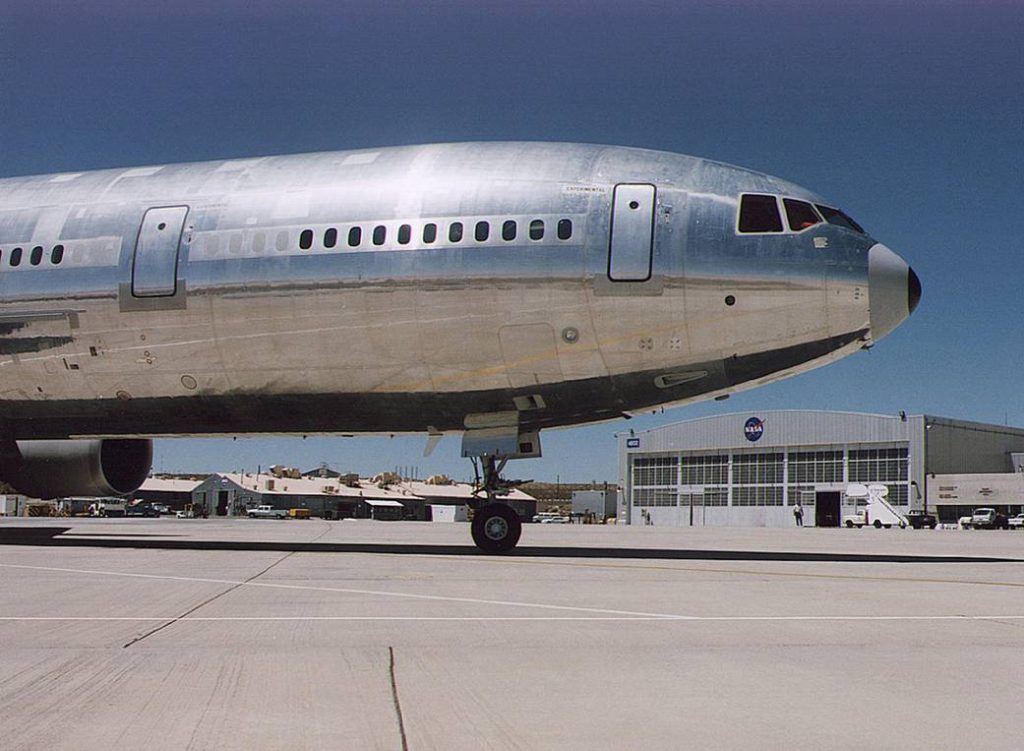
But, still in the Flight Test Files series, the MD-11 and PCA worked on a major problem they solved, which led to the PCA-Lite and PCA-Ultralite, which proved more useful for understanding modern aviation as we see it today. Simplified PCA systems (PCA Lite) using autothrottle and engine trim systems can enable safe landings without requiring modifications to engine control computers. The further-simplified PCA Ultralite system is much more difficult to use, but it can provide survivable landings with a minimum of airplane change. Read more Flight Test Files articles HERE.