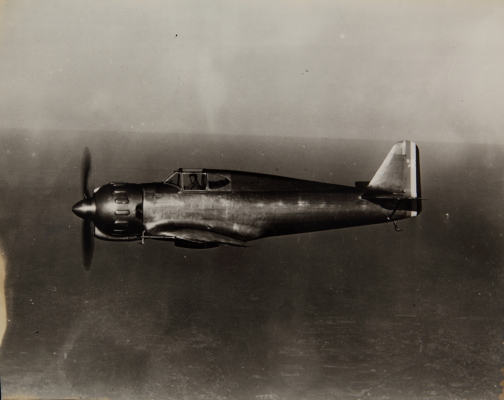
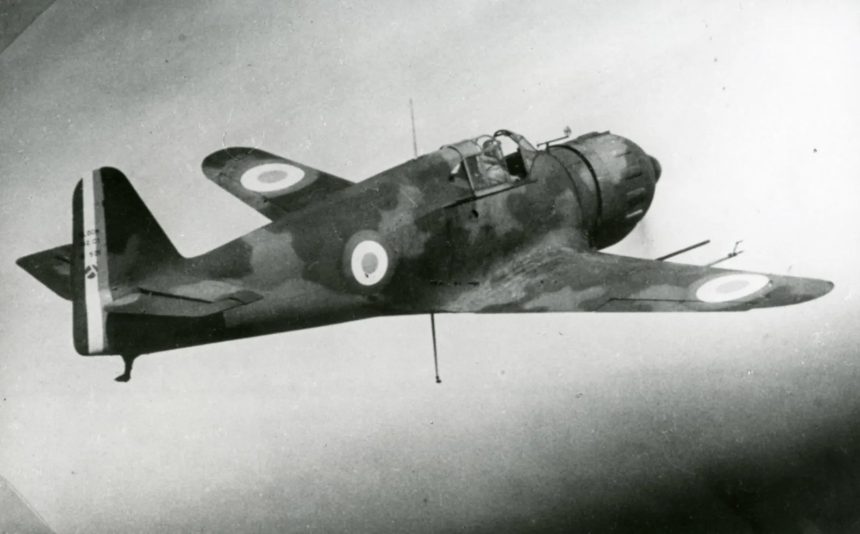


On this day in aviation history, 89 years ago (May 4, 1937), the Bloch MB.150 took flight for the first time. The MB.150 was designed and built by Société des Avions Marcel Bloch as a fighter aircraft. This low-wing cantilever fighter was of all-metal construction and featured retractable landing gear and an enclosed cockpit. Development of the MB.150 began in 1934, in response to a French Air Ministry competition seeking a new fighter plane. The 1934 French fighter competition was ultimately won by the Morane-Saulnier M.S.406; however, the MB.150 had enough potential that development was continued. After the aircraft’s initial flight, further testing showed the MB.150 to have enough promise to pursue more work on the airframe. A larger, stronger wing was added, along with a more powerful Gnome-Rhone 14N-7 engine. In the spring of 1938, the MB.150 had proven itself enough to warrant an order for 25 pre-production aircraft from the French government.
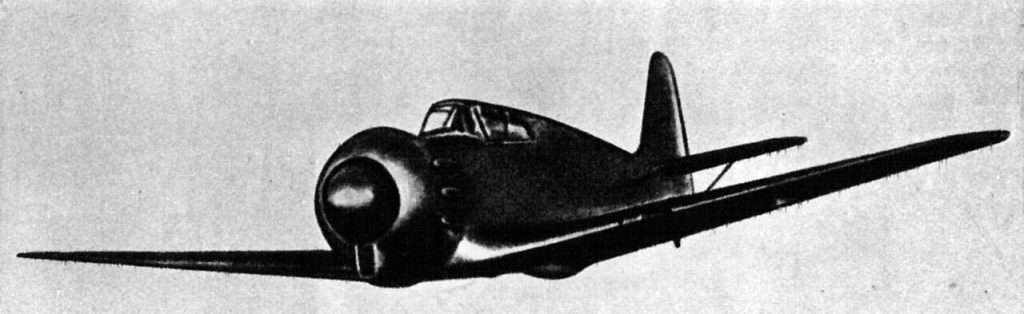
Bloch eventually was absorbed into Société nationale des constructions aéronautiques du Sud-Ouest (SNCASO). The MB.150 was further developed into the MB.151 and MB.152, both of which entered service with the Armée de l’Air. By the time WWII had reached the French borders, close to 120 MB fighters had been delivered. Unfortunately, most were not equipped enough to be operational yet. An improved MB.155 variant, which featured greater range, was ordered into production in 1940. Only 10 MB.155s were built prior to the Fall of France. Bloch MB.151s and MB.152s participated in the Battle of France, serving with nine Groupes de Chasse. The fighter proved to be a resilient aircraft, as it was able to withstand considerable battle damage. The MB could reach high speeds quickly during a dive, and the fighter was also a steady gun platform. However, when pitted against the Messerschmitt Bf 109E, the MB proved to be no match.
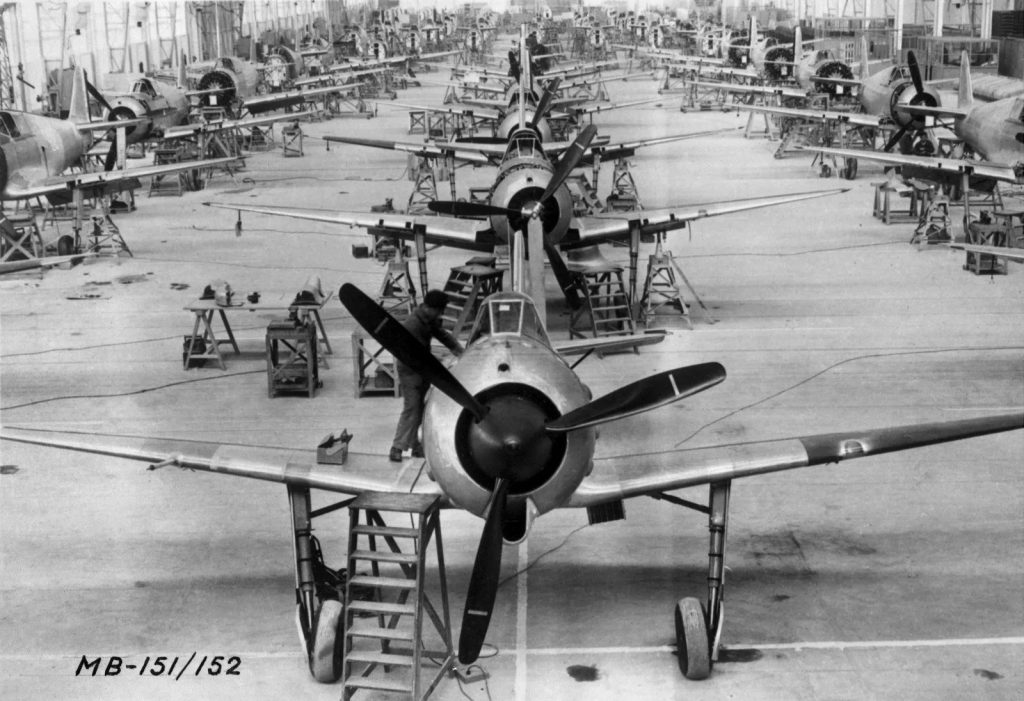
The Bloch MB.152C.1 was fitted with a 1,080-horsepower Gnome-Rhône 14N-25 14-cylinder radial engine. The fighter could attain a maximum airspeed of 316 mph and could cruise at 280 mph. Bloch designed the MB.152 to have a range of 320 nautical miles and a service ceiling of 33,000 feet. An altitude of 6,600 feet could be reached in 3 minutes and 24 seconds. Armament consisted of either two 20 mm Hispano-Suiza HS.404 cannons with another two 7.5 mm MAC 1934 M39 machine guns, or four 7.5 mm MAC 1934 M39s. A total of 663 MB.150s were built by Bloch, of different variants. None are known to survive today.