

(Image credit: VAN)
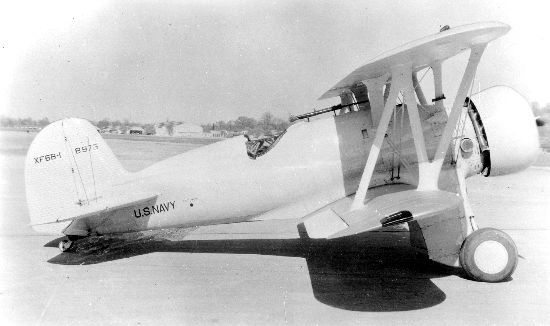
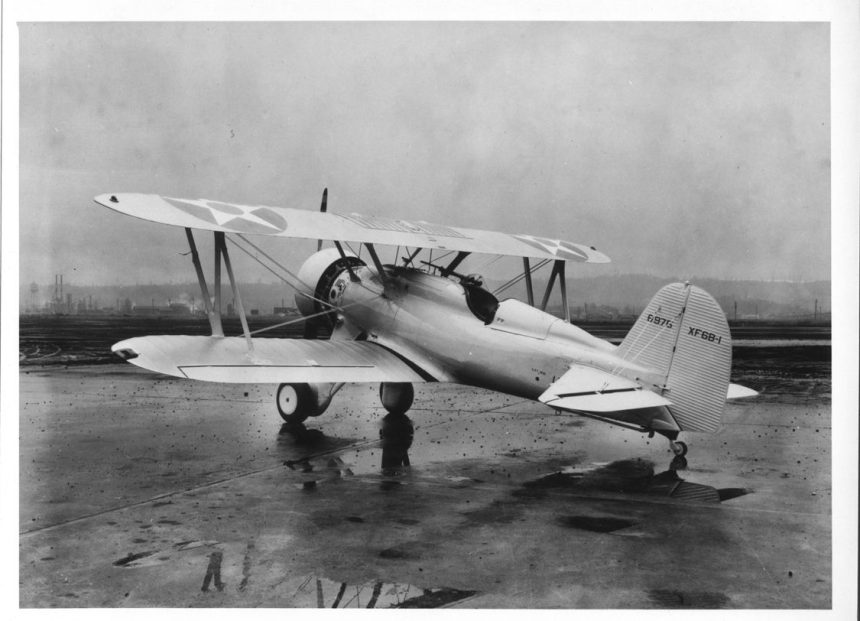
On this day in aviation history, 93 years ago (February 1, 1933), Boeing’s XF6B took flight for the first time. Known by Boeing as the Model 236, this fighter aircraft was the last biplane designed by the company for the United States Navy. The XFB6 was ordered by the Navy on June 20, 1931, and it was a derivative of Boeing’s proven F4B (P-12) fighter design. The Boeing XF6B was constructed mostly of metal, with fabric-covered wings. A 625-horsepower Pratt & Whitney R-1535-44 Twin Wasp engine powered the fighter to a maximum airspeed of 200 mph. In cruise flight, the XF6B prototype was comfortable at 170 mph. The biplane fighter’s range was 456 nautical miles, and it had a 1,190 feet per minute rate of climb. The XF6B was armed with two .30 calibre machine guns and could carry 500 pounds of bombs.
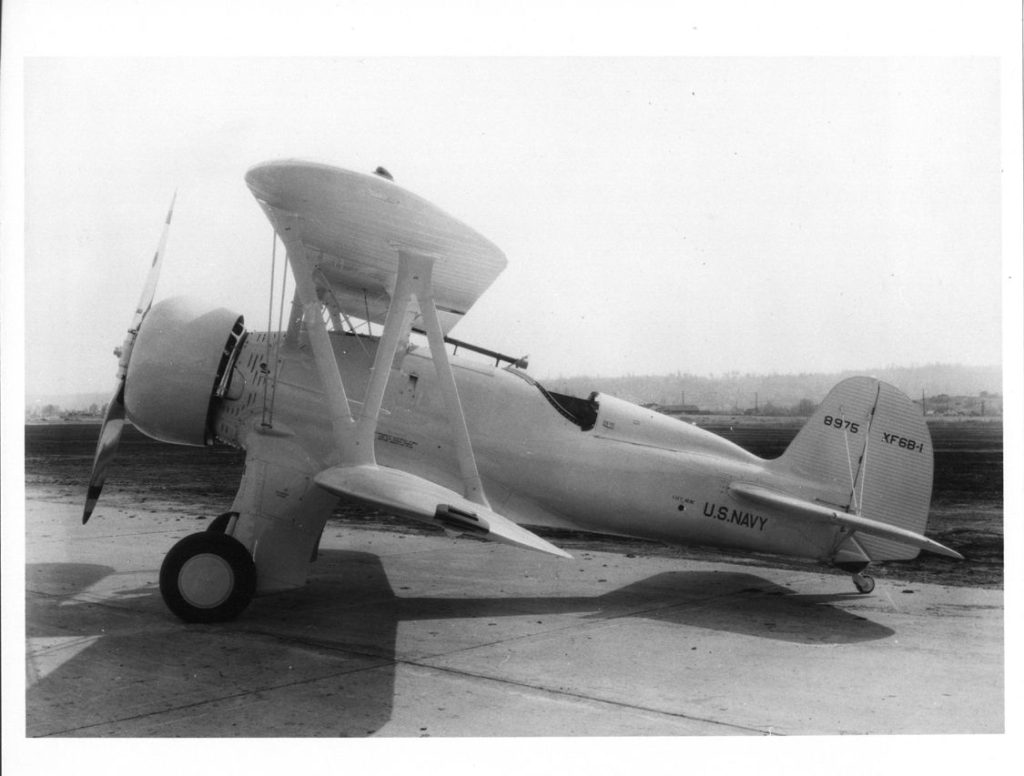
Although intended as a carrier-based fighter, the exact role of the XF6B became unclear as the aircraft progressed through development. The rugged construction of the fighter meant it could withstand high g-forces, particularly desired in combat. However, the XF6B weighed 3,704 pounds, which was 700 more than its F4B predecessor. This increase in weight meant that the XF6B was not as maneuverable as desired. The limitations of the XF6B placed the aircraft firmly in the fighter-bomber role, rather than pure-fighter. In March 1934, the XF6B was redesignated as the XBFB-1 to reflect the aircraft’s new role. Attempts were made to make the XBFB-1 more fighter-like after the redesignation, including a more streamlined cowl, landing gear, and a three-bladed propeller. None of the modifications took the XBFB-1 to the next level, however. In flight testing, the XBFB-1 proved to be unsatisfactory for the U.S. Navy’s needs and was passed over by the Curtiss F11C Goshawk. Only one XBFB-1 prototype was built by Boeing.