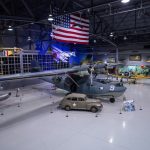
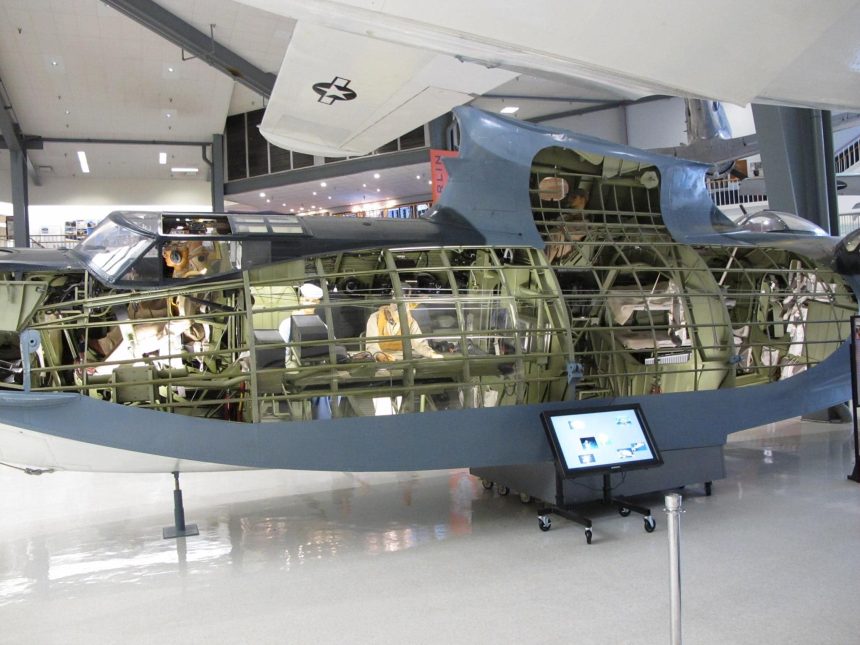

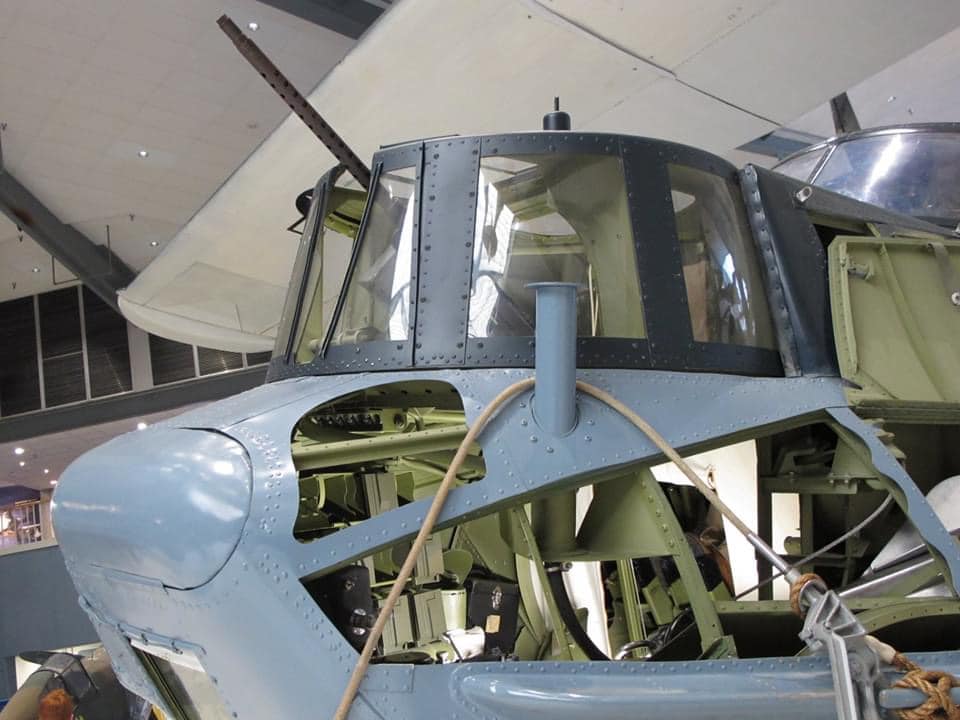
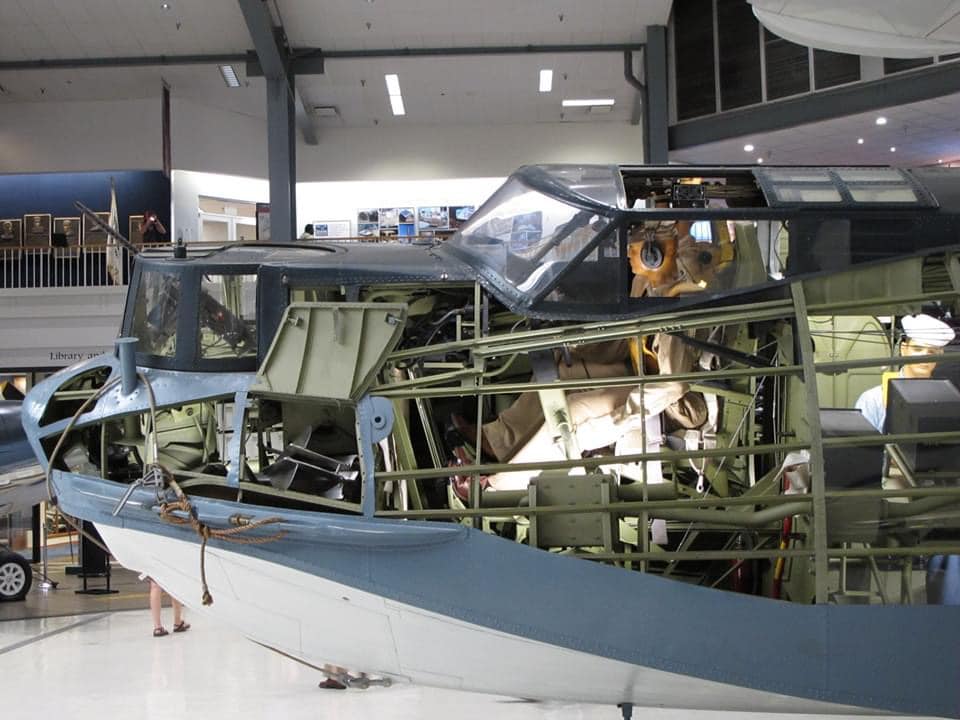
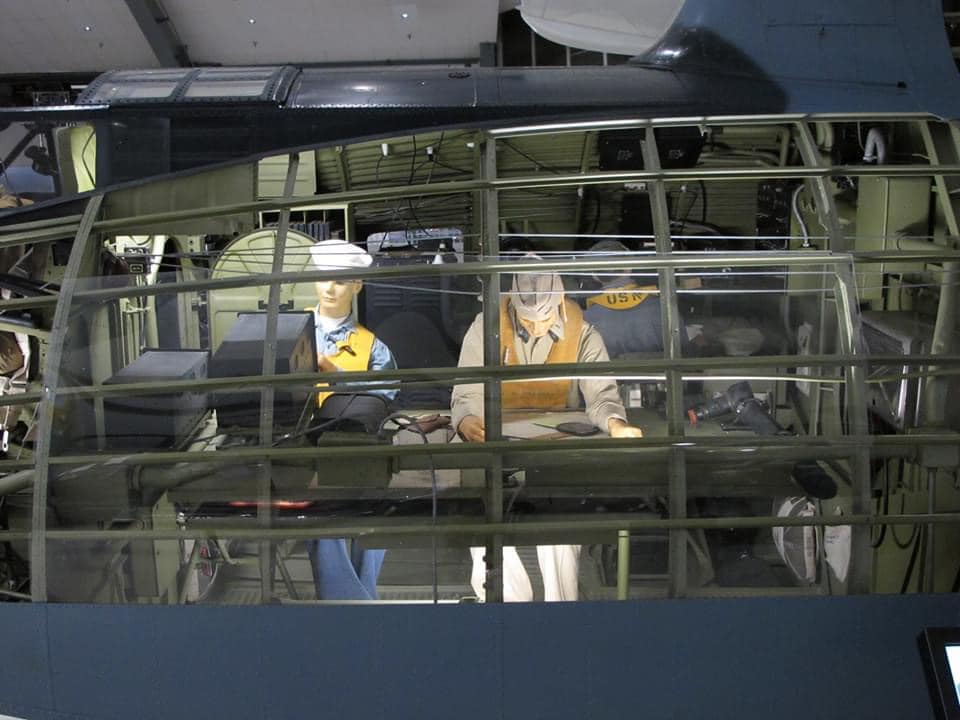
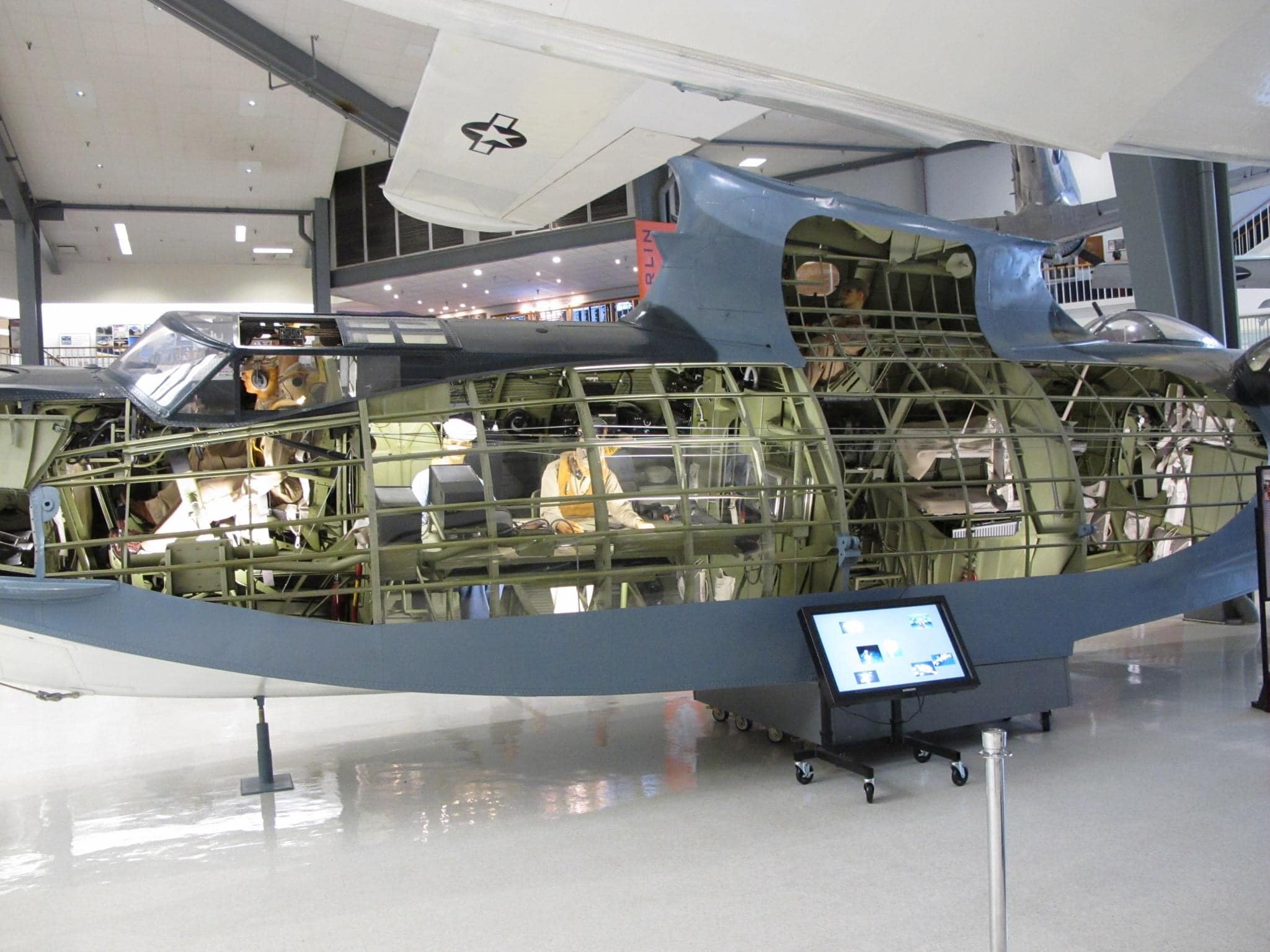
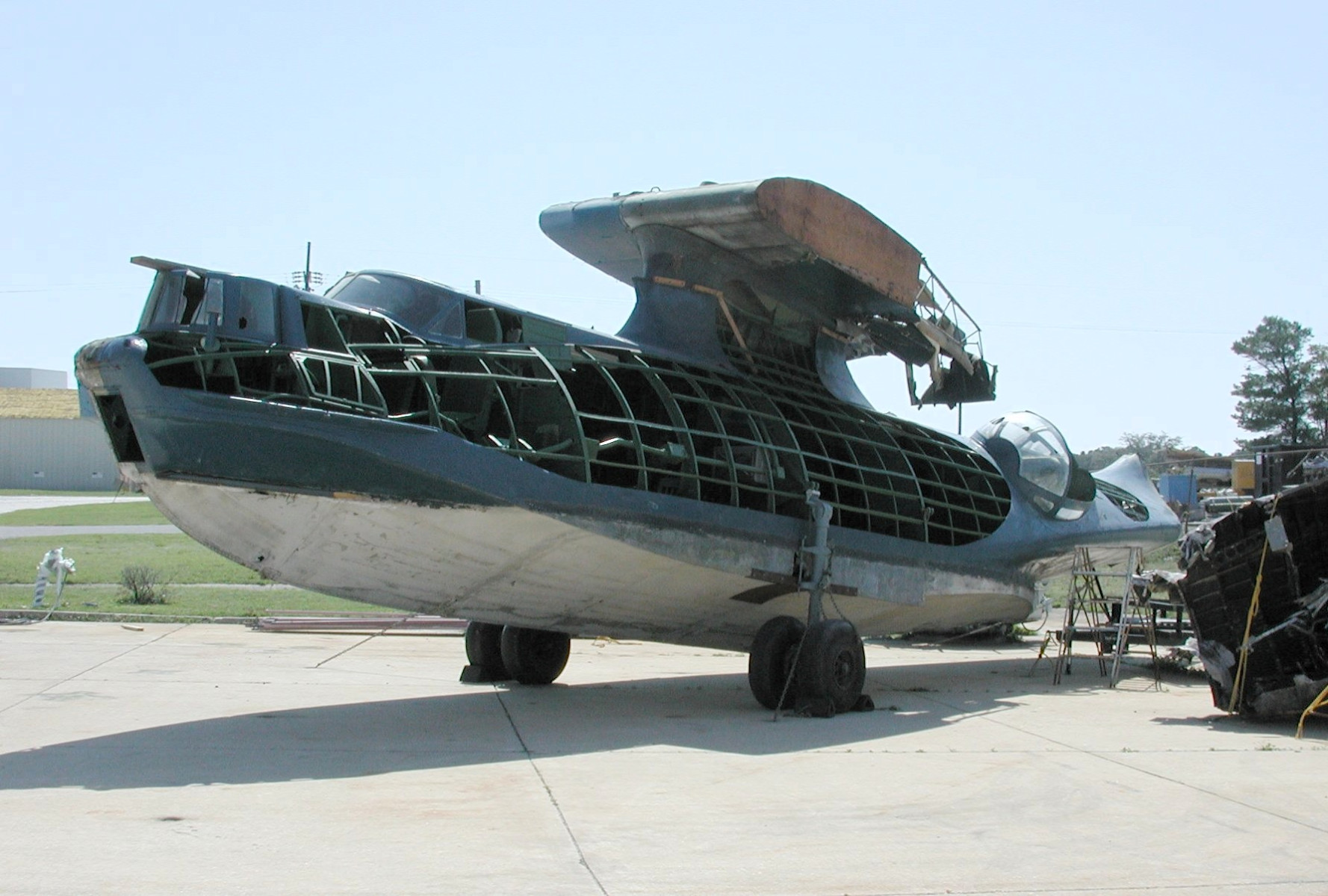
Consolidated Vultee PBY-5B Catalina cutaway at the Naval Aviation Museum at Pensacola, Florida. While originally destined to be sent to Britain under the terms of the “Lend-Lease” program during World War II, it instead served as a trainer at Pensacola. Following a non-fatal accident, it was assigned to the U.S. Navy’s Survival Training Unit and remained attached to the Survival Training Building until the museum ultimately removed it in 2000 and rebuilt it for display as it is now. Photos courtesy of John C. Gates, thanks.
This is by no means an attempt to characterize the entire history of the aircraft type. Named for Catalina Island and had such nicknames as “Cat” or “P-boat” or “Mad Cat” or “Pig Boat“; and “Canso” for aircraft built by Canadian Vickers Ltd., Boeing Canada (and generally all RCAF aircraft), the air-sea rescue version commonly referred to as “Dumbo” and yet “Canso” was the common builder’s reference name. “PB” refers to “patrol bomber,” and “Y” was the letter given to Consolidated Aircraft Corporation by the United States Navy Aircraft Designation System of 1922, and “V” for Canadian Vickers Ltd. (Canadian Vickers (PBV), Boeing Canada (Boeing PBB) or Naval Aircraft Factory (PBN). According to British tradition, the name “Catalina” originated at the Royal Air Force for naming seaplanes and amphibious aircraft for port cities, and that same tradition was held by the Royal Canadian Air Force when it chose the name “Canso” for Canso, Nova Scotia; however, the British had adopted the name not knowingly in reference to Catalina Island, not far from Consolidated Aircraft’s San Diego headquarters, and in fact it was Reuben Fleet who suggested it.
In 1942, this naming convention was adopted by the U.S. Navy, while the U.S. Army Air Forces used only the OA-10 code during World War II. This flying boat/amphibious aircraft—with the introduction of retractable tricycle landing gear in the 5A model, as opposed to just beaching gear on some earlier versions—was initially developed by Consolidated Aircraft Corporation (established in 1923 by Reuben Hollis Fleet and at the time located in Buffalo, New York) following its introduction of the XPY-1 prototype long-range flying patrol boat for the U.S. Navy in 1928 (Consolidated and Vultee Aircraft Corporation merged in 1943 to create Consolidated Vultee Aircraft Corporation which no longer exists since it was merged out of existence and the survivor is Convair Aircraft Corporation).
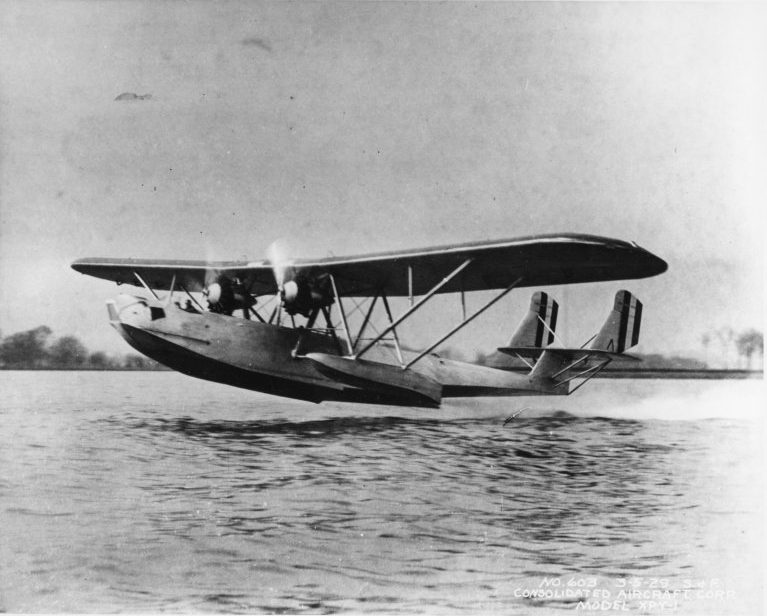
It was unable to make its maiden flight from the factory due to the fact that Lake Erie and the Niagara River were frozen over when it was completed, and had to be trucked south to the Potomac River. The Navy adopted a later model, and it became armed with machine guns, bombs, depth charges, and/or torpedoes dropped from hardpoints on the wings. It was in use by the outbreak of World War II and was flown by as many as 29 armed services. A PBY is credited with being the first U.S. aircraft to take action against the Japanese in World War II and against a midget submarine just outside the entrance to Pearl Harbor, just as the air attack was about to commence. Over 3,200 were built by 1945, and it was responsible for more sea rescues than any other aircraft.
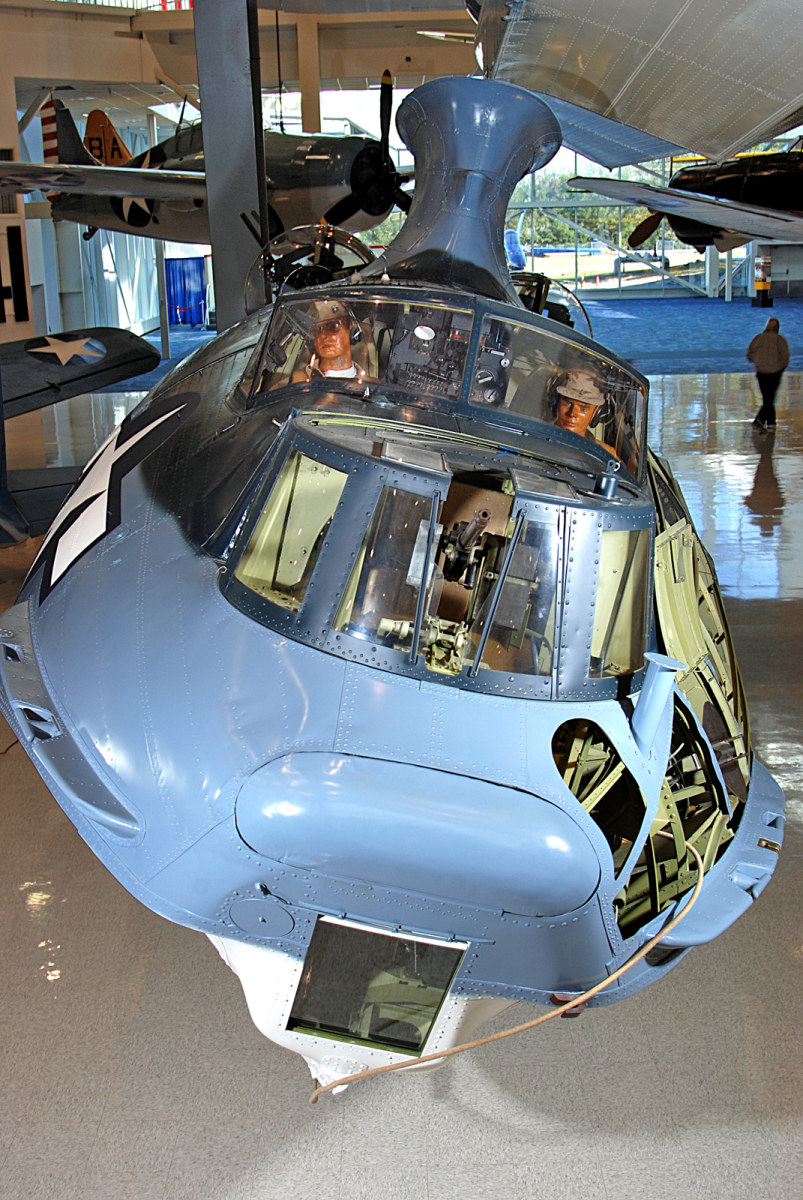
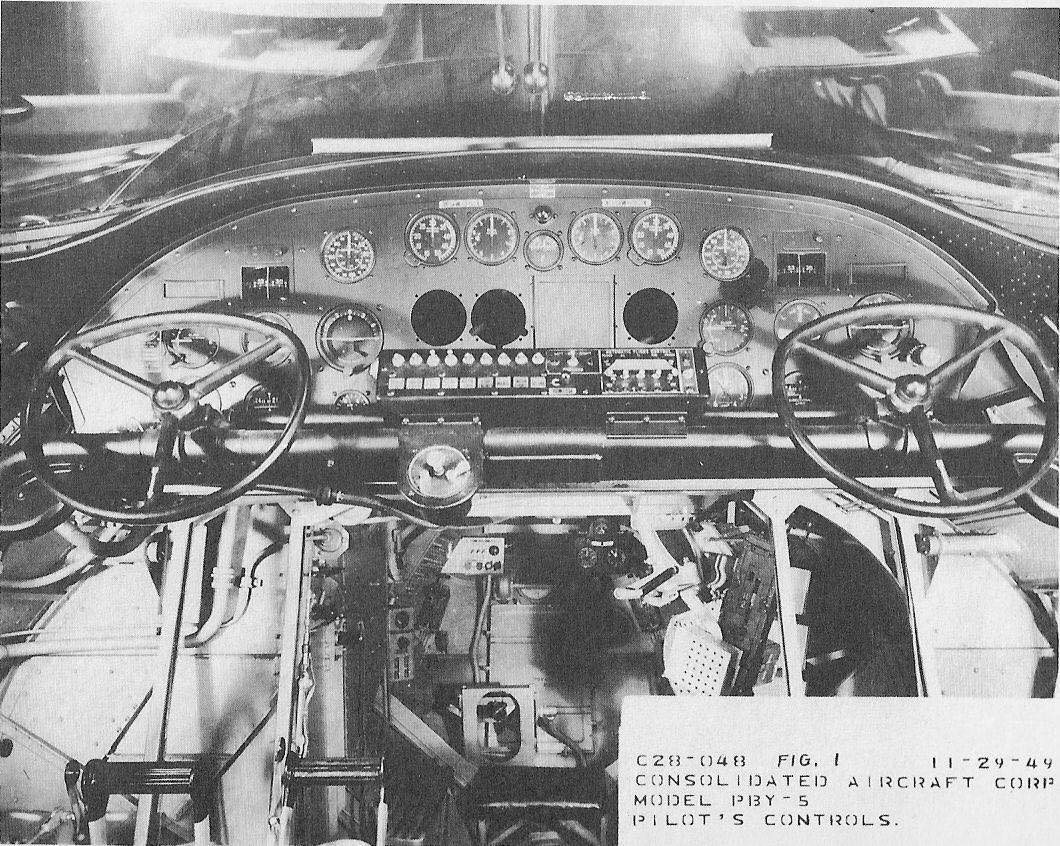
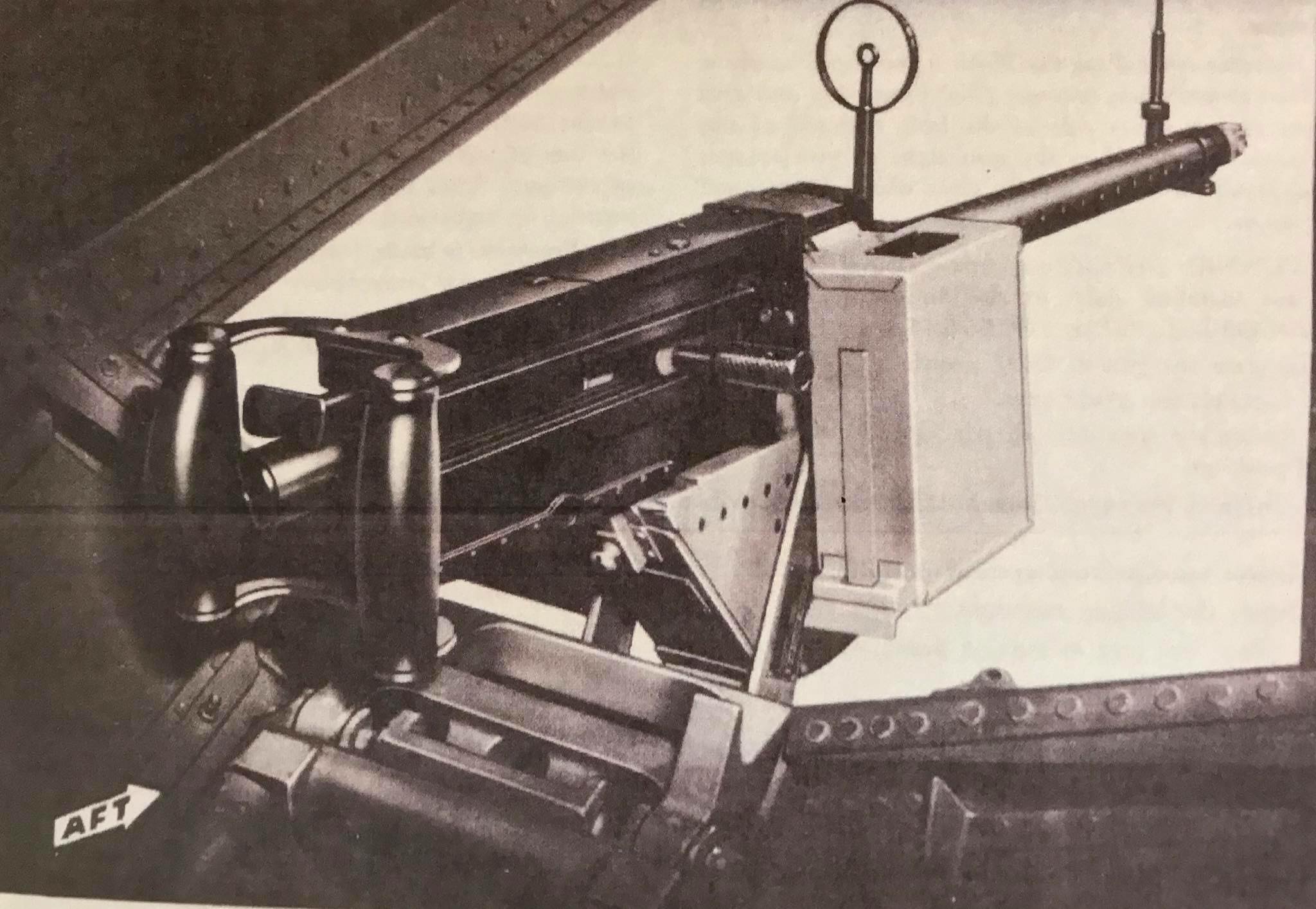
Armament varied due to its many uses, including patrol, reconnaissance, SAR (search and rescue), night patrol, anti-submarine patrol, and attack craft, and its extensive international use. The 5A versions were typically armed with one or two .30 or .50 caliber machine guns in the nose, fired by the bombardier (later versions had an “eyeball” type gun turret seen on the PBY-6, some were modified to have a “clipper” style bow without a turret), one .50 cal. machine gun in each of the port and starboard Plexiglas hinged cupolas (with 956 rounds of ammunition for the two guns), and a .30 cal. machine gun in a rear-facing ventral port tunnel at the bottom of the hull. In addition, provisions were made to mount two blisters equipped with ball and socket mounts for a .30 cal. gun in the tunnel gun compartment. A 3/4-inch firing guard was attached to the inside of the hull just below each blister to prevent firing into the tail section (see B&W photo).
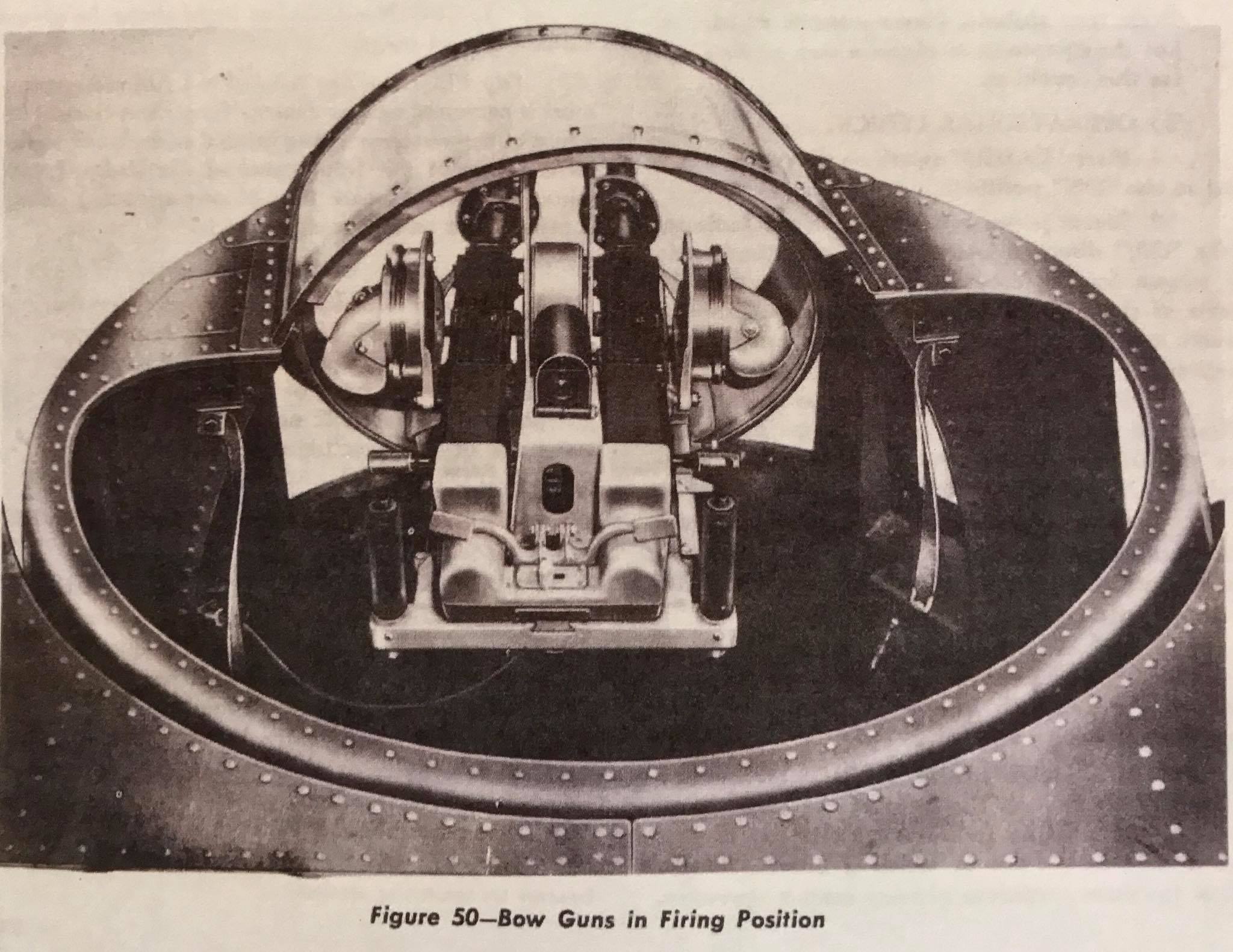
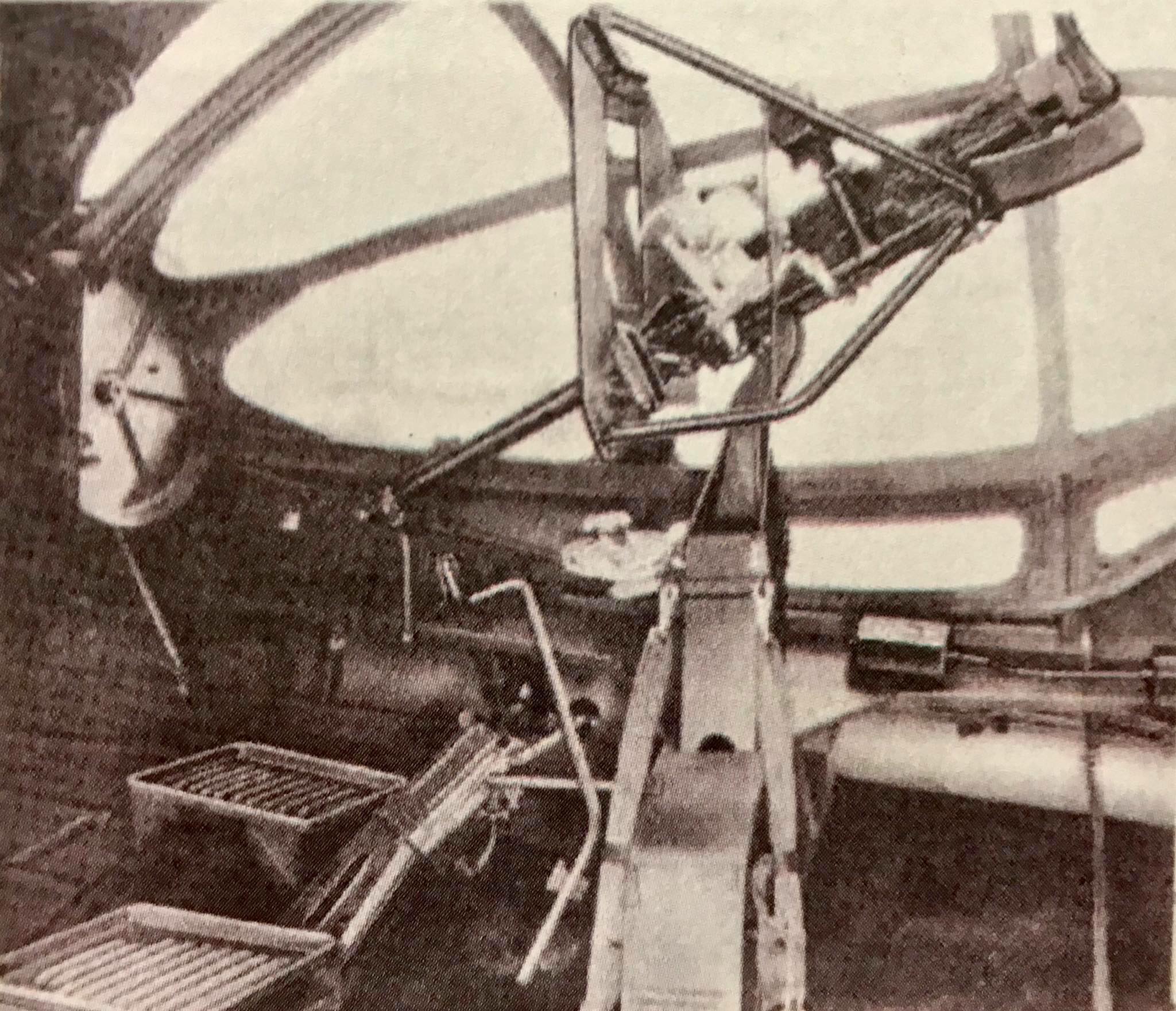
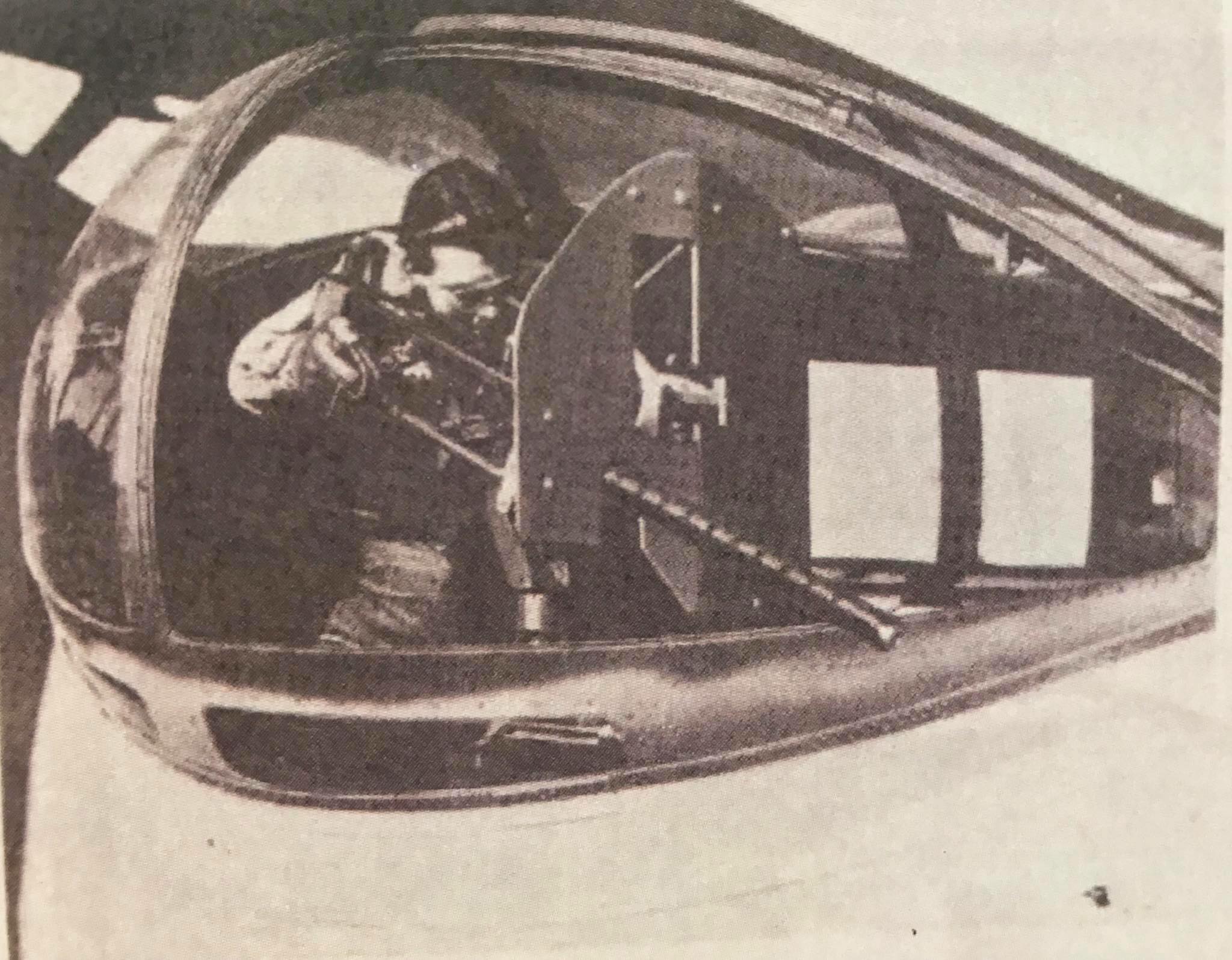
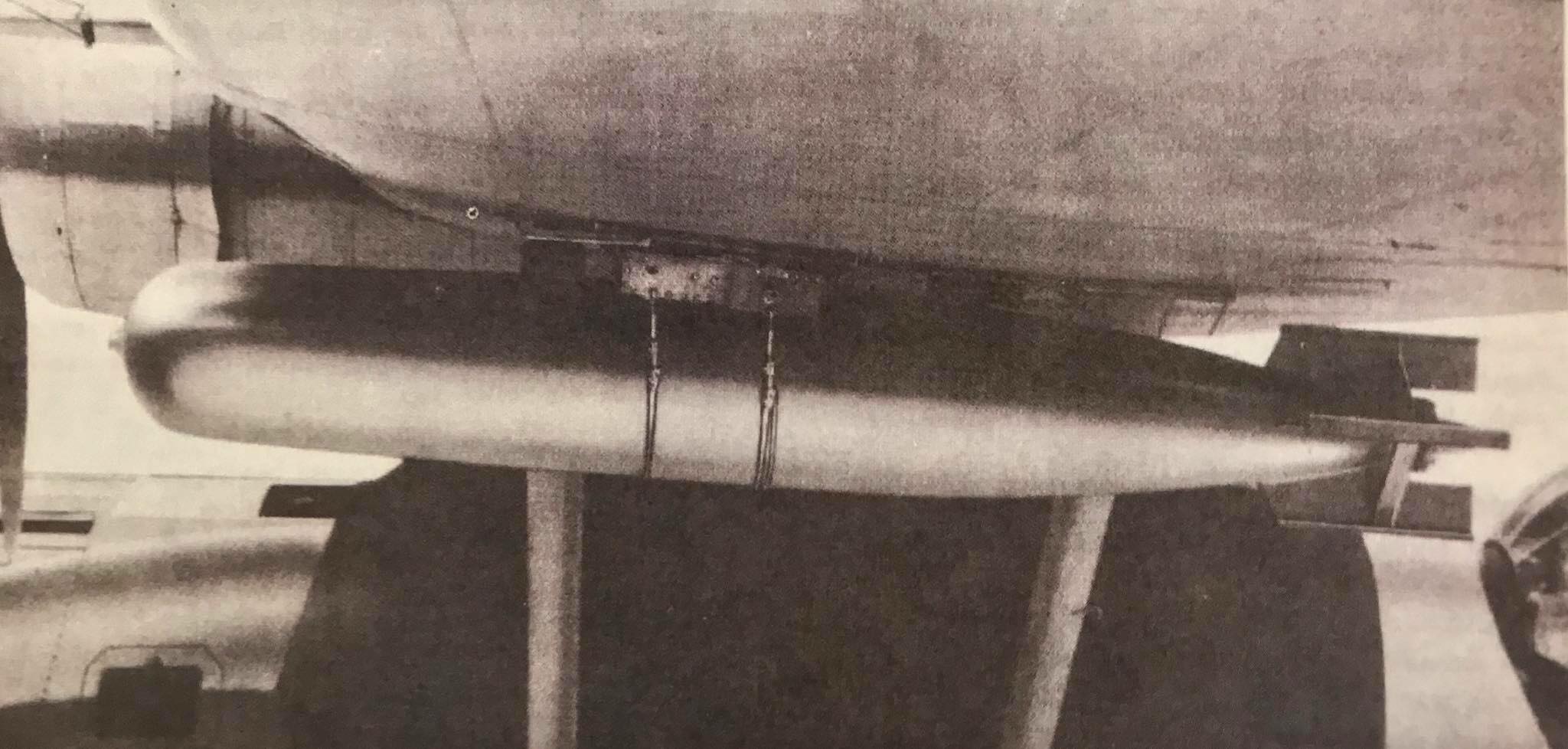
The wing could be fitted with Mark 51-7 internal bomb racks (for four bombs as large as 1,600 lbs.) and provisions for Mark 51-7 external bomb racks mounted in a torpedo rack (for torpedoes, depth charges or 100 lb. bombs), as well as four Mark 42 bomb racks (two under the wing on each side of the hull, and could carry three 100 lb. bombs, or twelve in all). Bombs or torpedoes could be released either by the bomber or the pilot, and either electrically or manually (this is generally for the release of individual ordnance). The “Nomad” variant was built by the Naval Aircraft Factory in Philadelphia, had PBN designations, and most were shipped overseas as part of the Lend-Lease program.
Powerplant: a pair of Pratt & Whitney R-1830 Twin Wasp radial engines. They were mounted on a parasol wing, which was on a central pylon that raised the engines in an effort to clear the propellers of some of the sea spray—the clearance from propeller blade to water surface was 8.5 ft. Unique among most other flying boats of the time were the retractable wingtip floats. By the PBY-5 versions, the craft was an amphibious aircraft and was fitted with hydraulically actuated, retractable tricycle landing gear. The hull is divided into seven crew compartments divided by bulkheads, although as I recall, there are only five main watertight compartments fitted with watertight doors in the bulkheads: bomber/bow gunner’s compartment; cockpit compartment, navigation/radio compartment; flight mechanic/engineer’s compartment; living quarters compartment; waist gunner’s compartment; ventral (tunnel) gunner’s compartment.
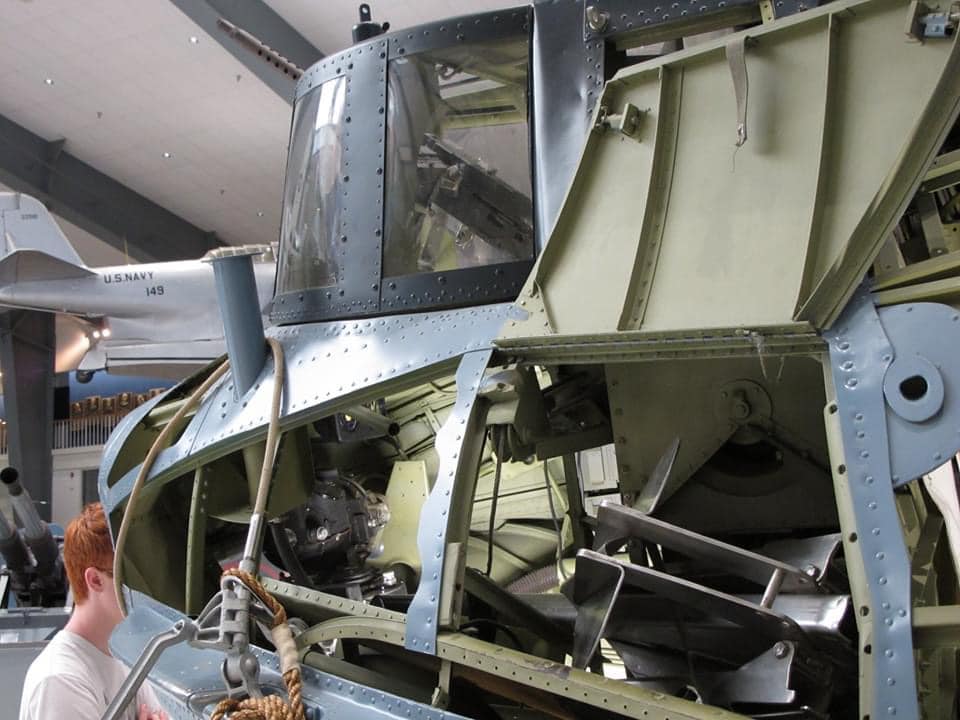
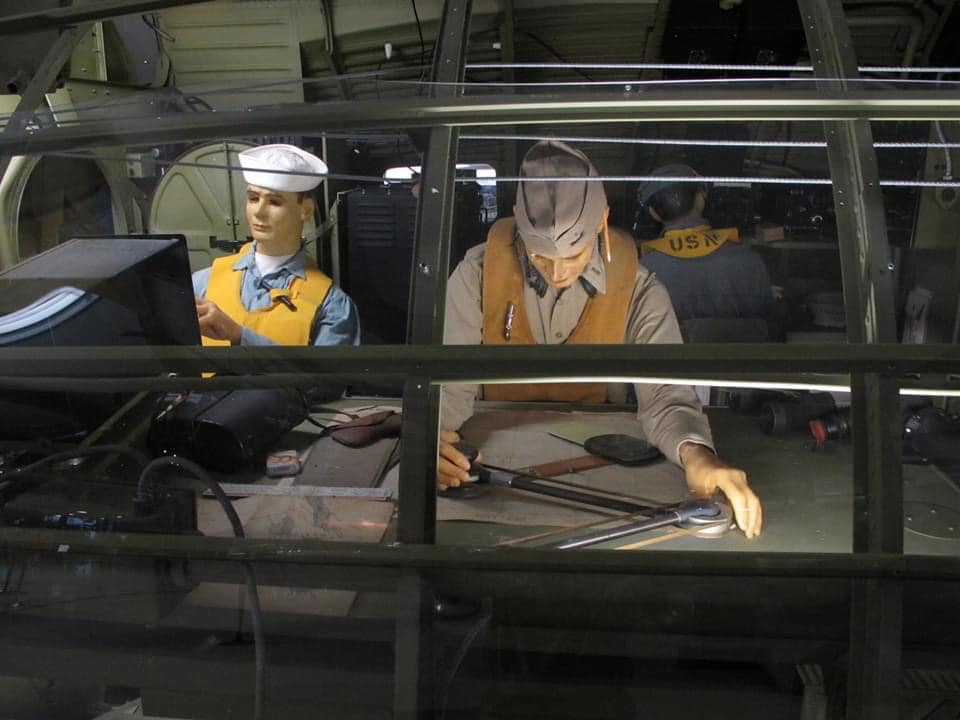
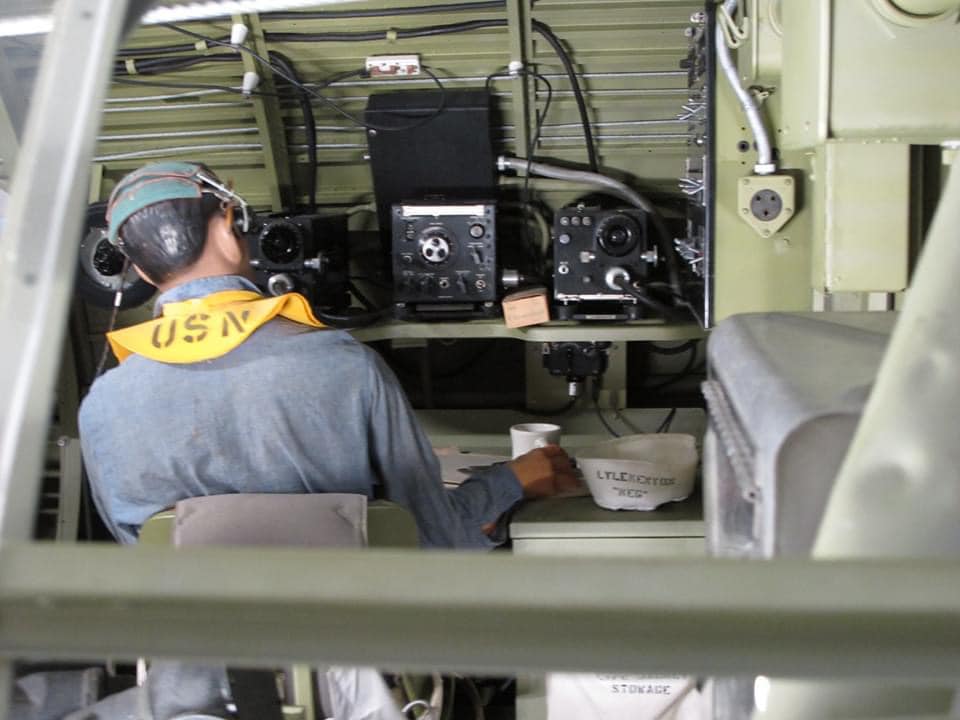
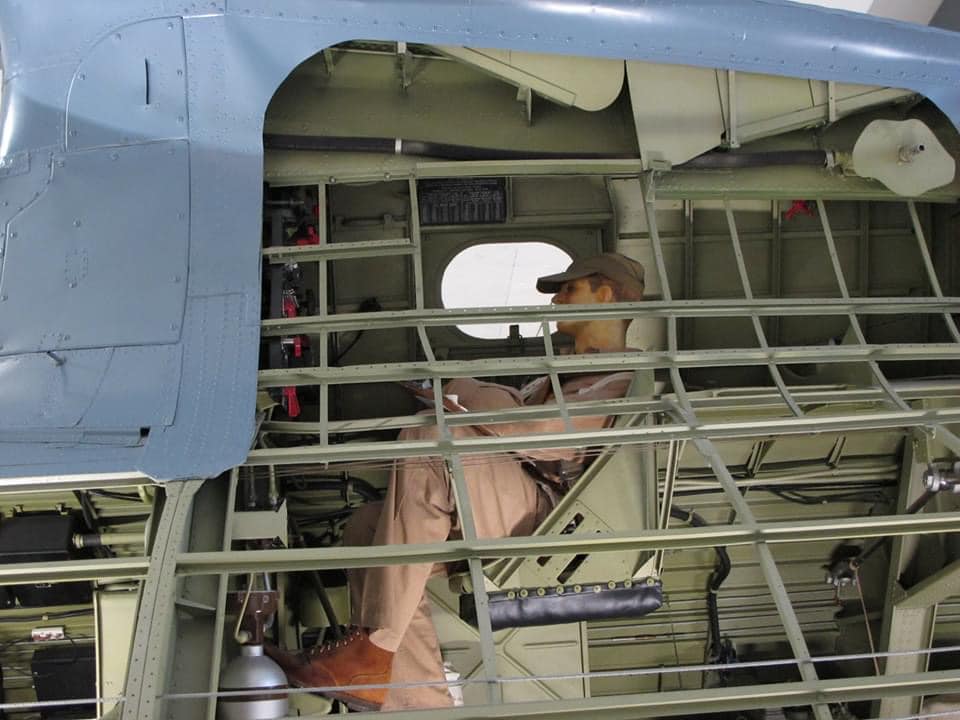
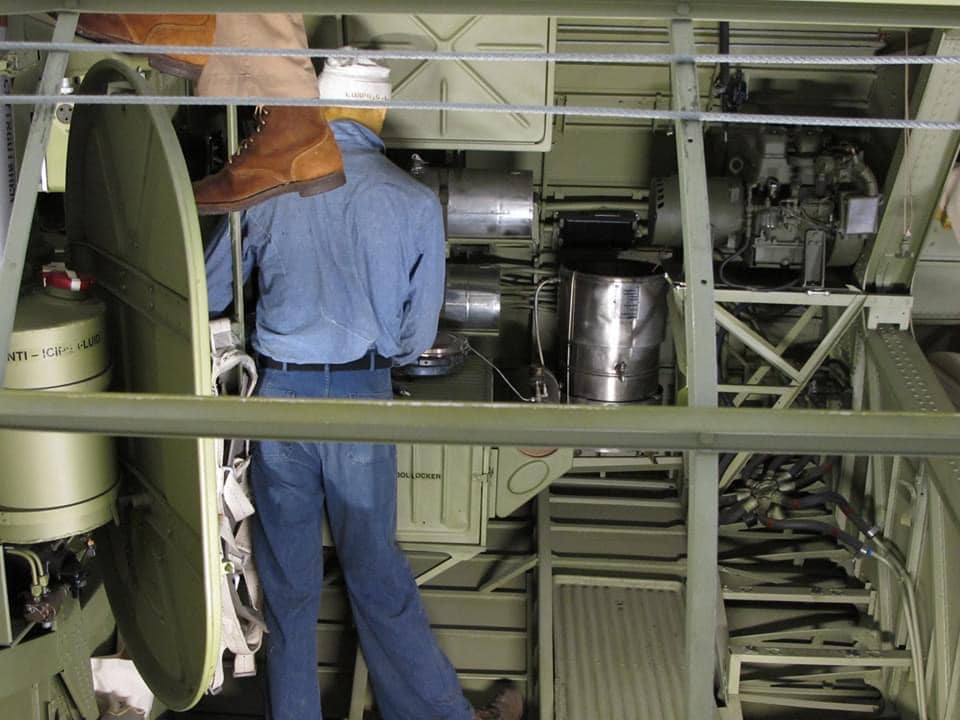
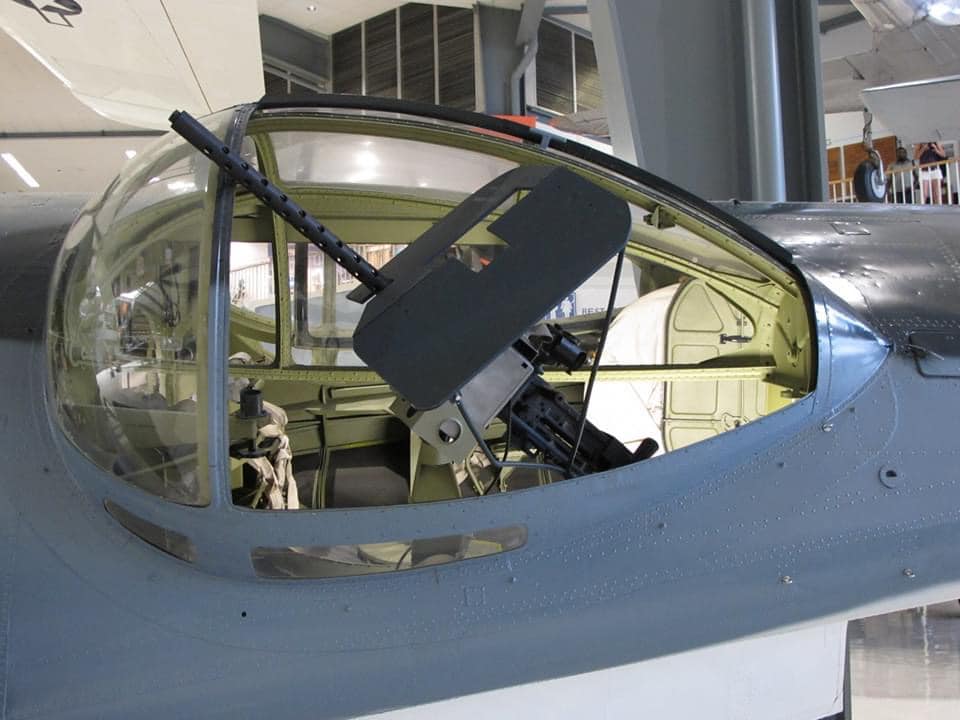
Crew sizes varied from 7-10, but generally included: pilot (patrol plane commander); co-pilot: radar operator; radio operator; navigator (those three behind the front bulkhead in back of the cockpit); flight engineer/aviation mechanic (in the wing pylon with windows on either side and with his seat suspended from the wing above him giving him a good view of the engine nacelles and where any oil leakage or other engine issues are best seen); bow turret bombardier/gunner in the nose (the wooden nose being of teak wood); a port and starboard waist gunner in each of the cupolas; and a ventral (tunnel) rear-facing gunner.
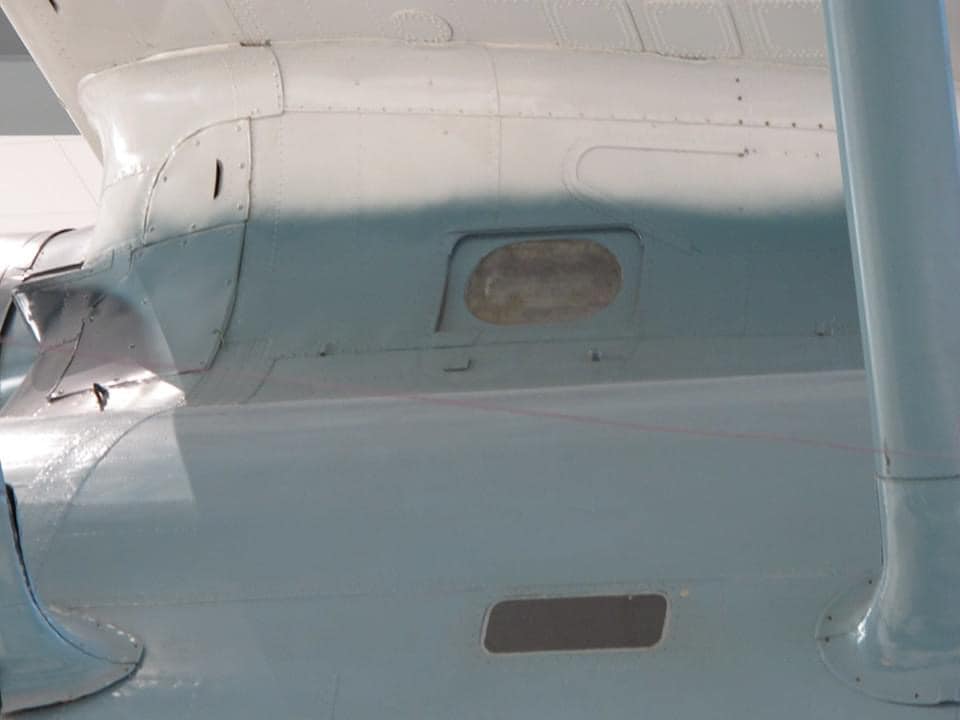
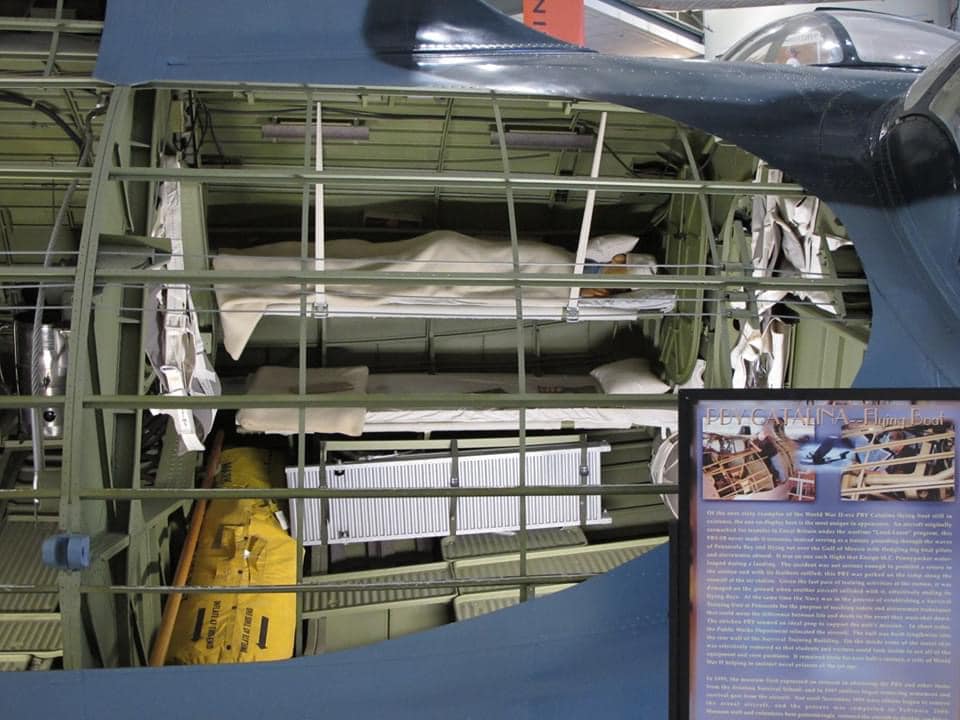
For long patrols, the living compartment of the aircraft was fitted with a galley with an electric stove (if the bomb release mechanism failed on a regular basis it was likely due to the battery voltage drain from the galley, and in such cases, the stove was relegated to heating only soup and coffee, although I have seen photos of a propane stove which of course averted this issue). Color schemes varied by service use, theater of operations, nationality, and included such schemes as U.S. Navy tricolor Non-Specular Blue, Insignia White, Sea Blue, Hull Blue, Hull Grey, Non-Specular Sea Blue, and the “Black Cats” that flew night missions in the Pacific Theater.
Editor’s note: This aircraft was originally constructed as part of a contract for the Royal Air Force with the RAF serial number FP216, but was never delivered to the RAF and instead used by the U.S. Navy at NAS Pensacola while retaining its RAF serial number. On May 28, 1944, the aircraft water-looped while landing just off the coast of Pensacola, carrying a crew commanded by flight instructor Ensign Motter C. Pennypacker, Jr. of Training Squadron (VN) 8A, 8th Naval District (VN-8D8A). Though only one man suffered minor injuries, the aircraft suffered severe structural damage. After being towed to shore, the aircraft suffered a ground collision with another aircraft.
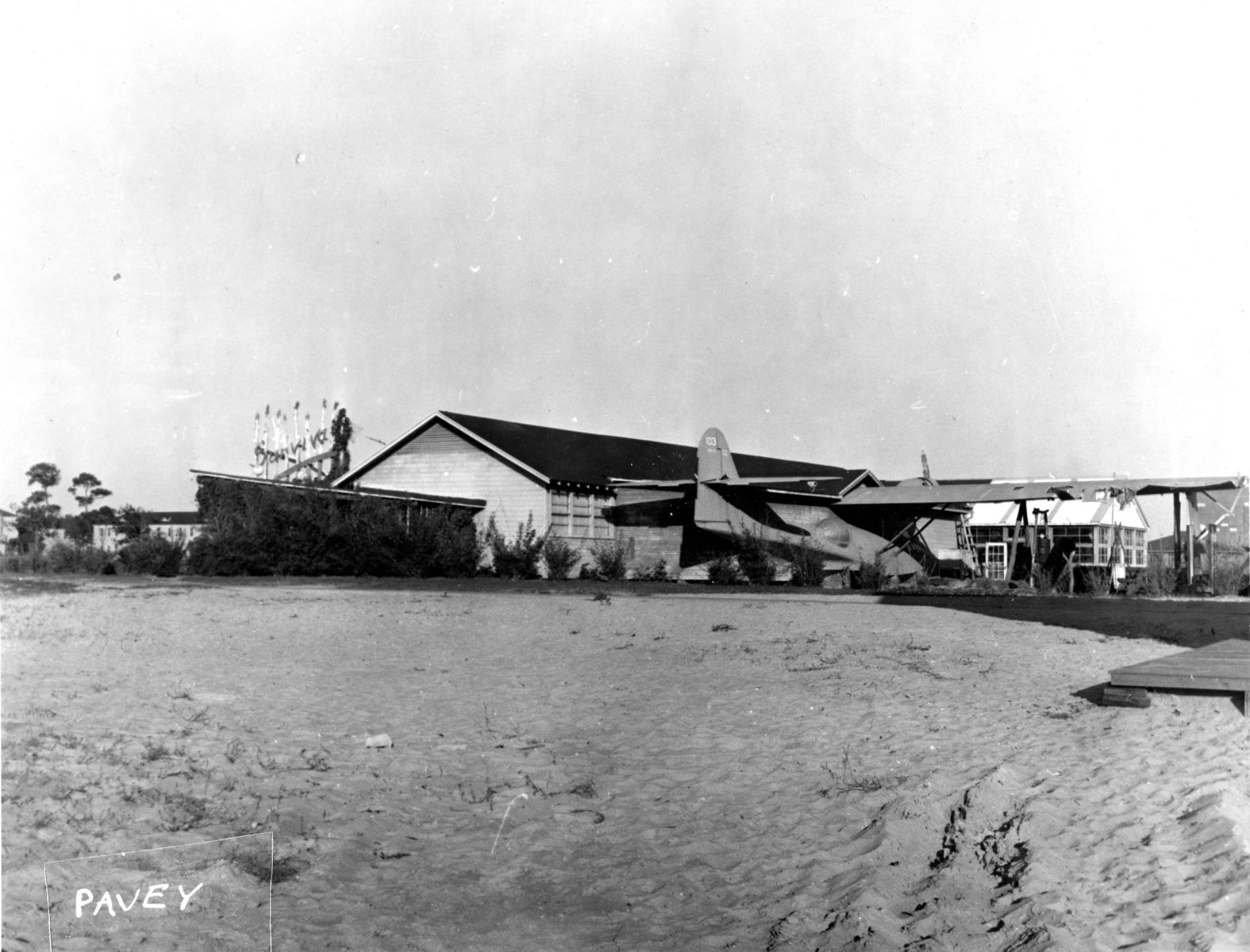
After this, a group of naval officers was able to convert the stricken aircraft into a survival training aid. FP216 was installed into an outside wall of the Survival Training Center (later Land Survival Training) building at NAS Pensacola, with its port wing and port engine removed, along with some of the sheet metal skin, for students to view the internal structure of the aircraft that was fully fitted with survival equipment.
In 1997, the old Land Survival Training Building was torn down, and the hull of Catalina FP216 was transferred to the National Naval Aviation Museum and with the help of Catalina veterans, including Lt. Cmdr. Irving James Morrison, one of the officers who selected FP216 for use in the Survival Training Center building in 1944, the museum acquired enough components to restore the hull of Catalina FP216 and place it on display in the museum.
About the author:  Randy Malmstrom grew up in a family steeped in aviation culture. His father, Bob, was still a cadet in training with the USAAF at the end of WWII, but did serve in Germany during the U.S. occupation in the immediate post-war period, where he had the opportunity to fly in a wide variety of types that flew in WWII. After returning to the States, Bob became a multi-engine aircraft sales manager and, as such, flew a wide variety of aircraft; Randy frequently accompanied him on these flights. Furthermore, Randy’s cousin, Einar Axel Malmstrom, flew P-47 Thunderbolts with the 356th FG from RAF Martlesham Heath. He was commanding this unit at the time he was shot down over France on April 24th, 1944, spending the rest of the war as a prisoner of war. Following his repatriation at war’s end, Einar continued his military service, attaining the rank of Colonel. He was serving as Deputy Wing Commander of the 407th Strategic Fighter Wing at Great Falls AFB, MT, at the time of his death in a T-33 training accident on August 21, 1954. The base was renamed in his honor in October 1955 and continues to serve in the present USAF as home to the 341st Missile Wing. Randy’s innate interest in history in general, and aviation history in particular, plus his educational background and passion for WWII warbirds, led him down his current path of capturing detailed aircraft walk-around photos and in-depth airframe histories, recording a precise description of a particular aircraft in all aspects