






(Image credit: VAN)
On this day in aviation history, July 14, 1916, the Bristol M.1 Monoplane Scout took to the skies for the first time. This distinctive single-wing fighter was a British design and remains the only monoplane fighter produced by the United Kingdom during World War I. The M.1 was developed as a private venture by famed aeronautical engineer Frank Barnwell. Its design was considered advanced for the era, featuring a streamlined fuselage that offered superior aerodynamic efficiency compared to its biplane contemporaries. The first prototype, designated M.1A, marked the aircraft’s maiden flight.
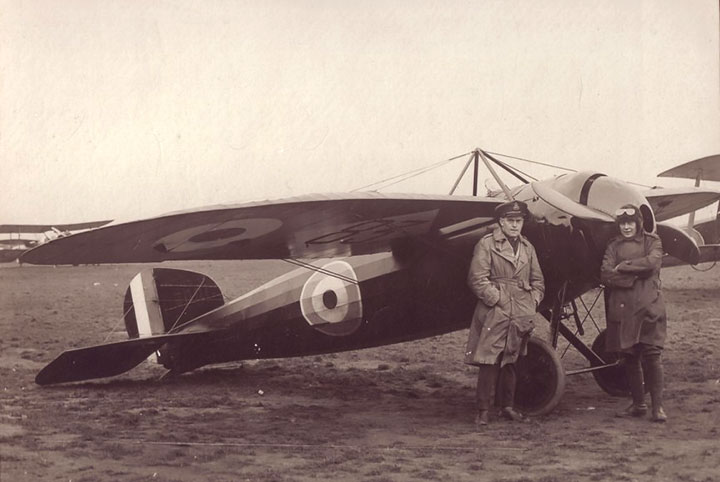
Powered by a 110-horsepower Le Rhône 9J nine-cylinder rotary engine, the M.1C—the main production version—could reach a top speed of 130 mph, had a range of 196 nautical miles, and a service ceiling of 20,000 feet. Armament consisted of a single, forward-firing .303-inch Vickers machine gun. Despite its performance and innovative design, only 130 M.1Cs were built. The limited production was largely due to skepticism from the British War Office and Royal Flying Corps (RFC) pilots, many of whom distrusted monoplanes and favored the more familiar biplane configuration.
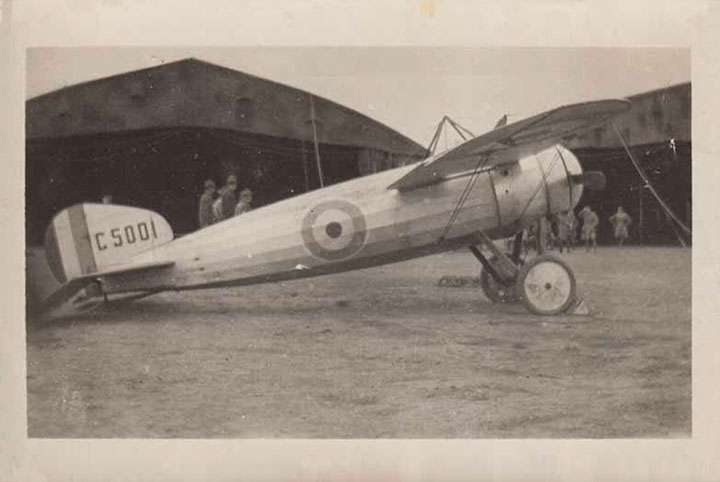
Nevertheless, the M.1 saw limited operational service during the First World War. Approximately 33 aircraft were deployed to the Middle East and Balkan theaters between 1917 and 1918. Notably, Captain Frederick Dudley Travers of No. 150 Squadron RAF became the only pilot to achieve ace status flying the M.1, operating on the Macedonian Front. The aircraft was more commonly used as an advanced trainer for RFC pilots.
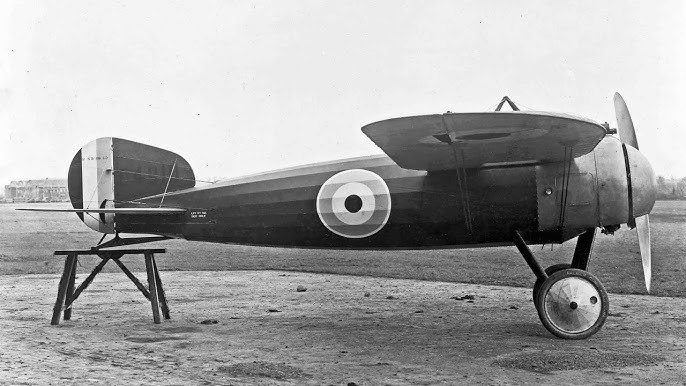
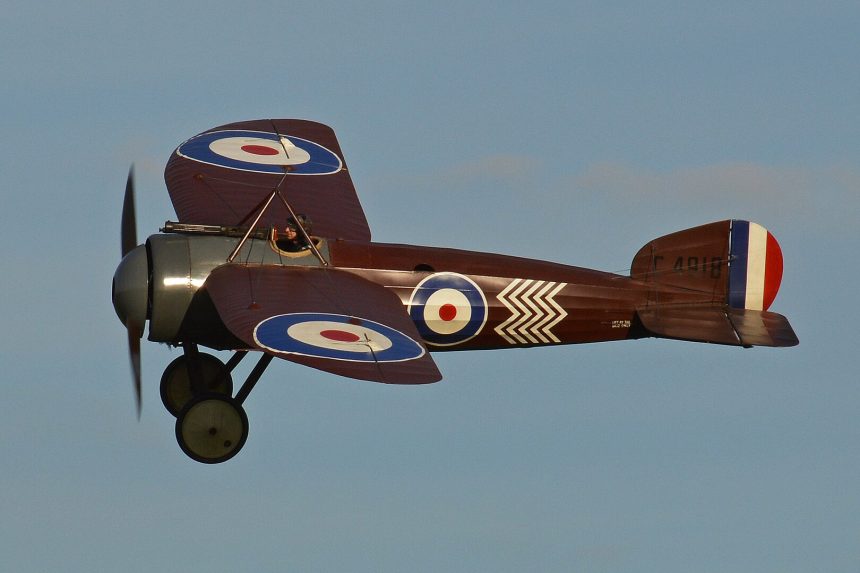
Today, a handful of Bristol M.1s survive. The only original example resides at the Harry Butler Memorial in Minlaton, South Australia. This aircraft, formerly RAF serial C5001, was brought to Australia in 1921 by Captain Harry Butler, who registered it as VH-UQI and used it to complete the first over-water flight in the Southern Hemisphere. Four replicas are also known to exist, including one flying example maintained by the Shuttleworth Collection in Old Warden, UK, painted as M.1C C4918 (G-BWJM).
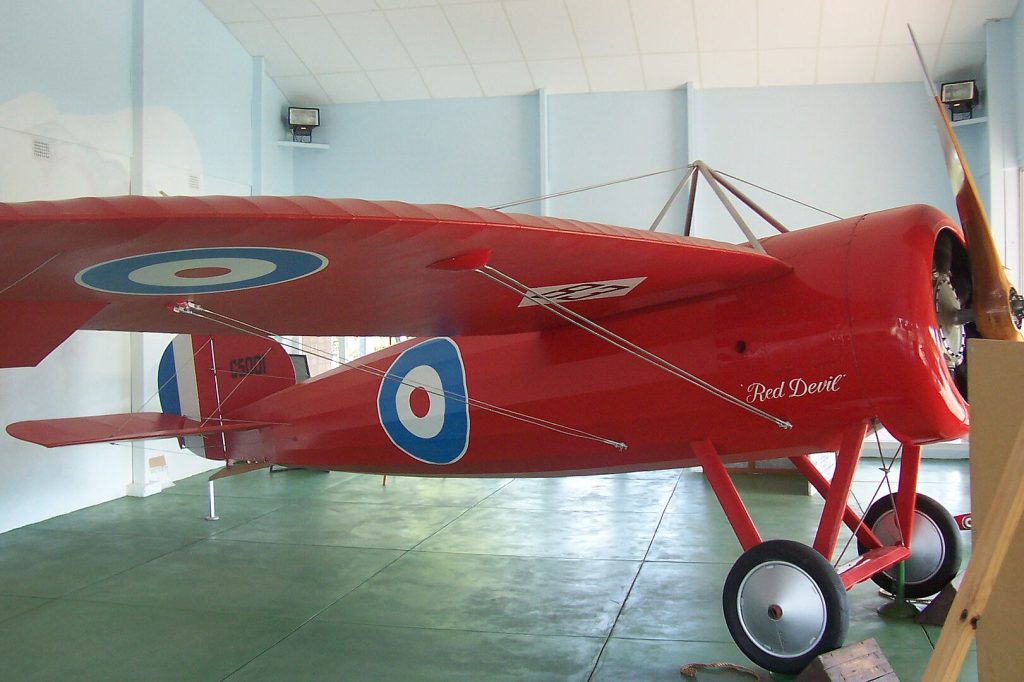




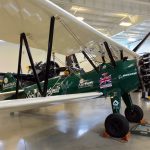




There’s a replica (?) in the Santiago, Chile airport. I couldn’t find a caption, but suspect it honors the flight of Lt. Dagoberto Godoy of the Chilean Air Force, in December 1918, the first crossing of the Andes by air.