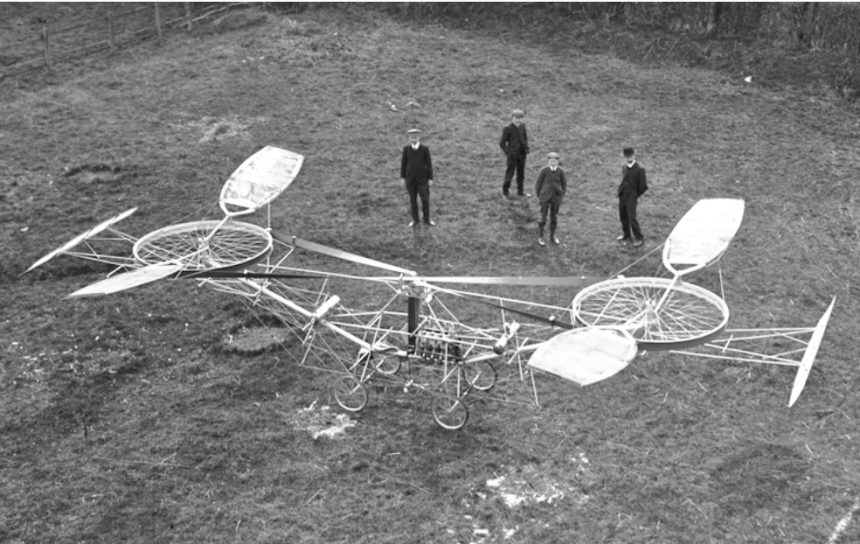


(Image credit: VAN)
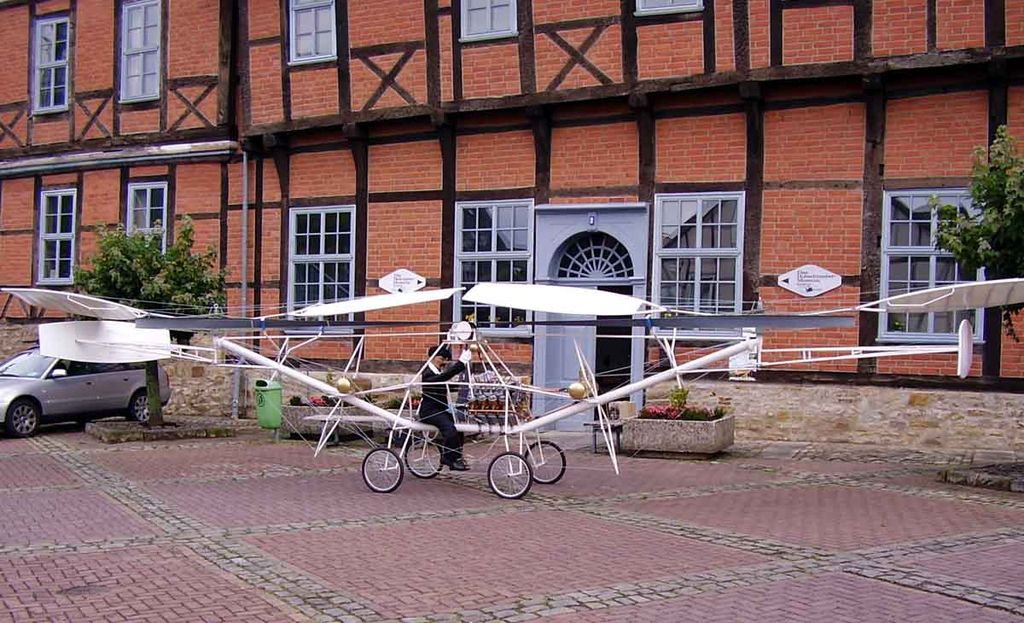
On this day in aviation history, 118 years ago (November 13, 1907), the first flight of the Cornu helicopter II took place. The Cornu II was a French-built experimental helicopter that was designed by bicycle builder Paul Cornu. This helicopter is widely regarded as being the first rotary-wing aircraft to sustain free flight. The Cornu II was based on an open-framework structure that was built using steel tubing.
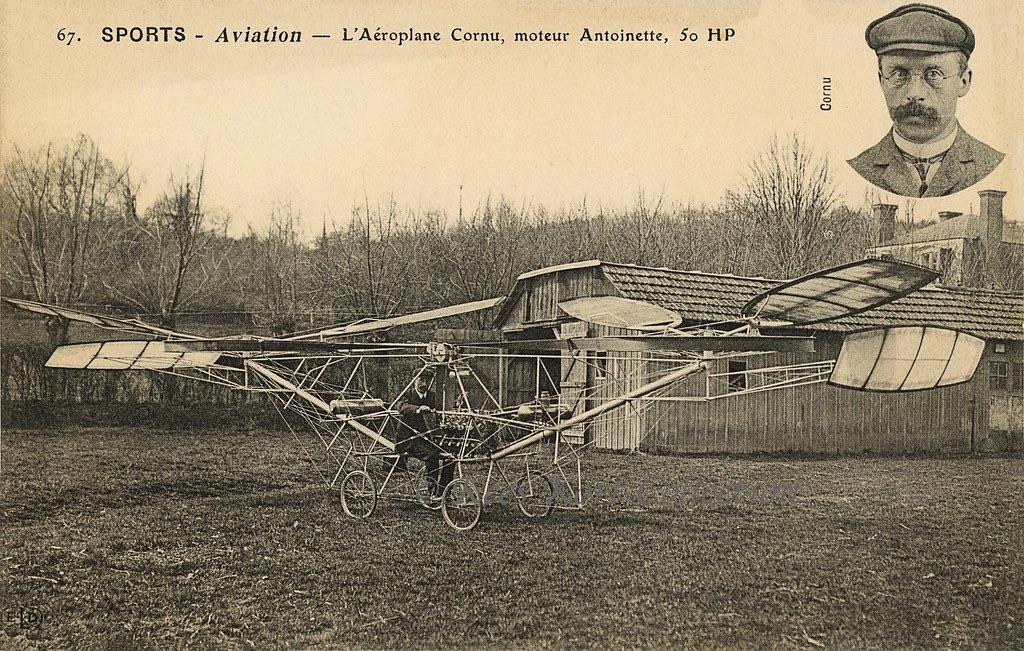
On either end of the Cornu’s airframe were the rotors, and in the middle were the engine and pilot. A drive belt connected between the rotors and the engine provided the counter-rotation of the rotors. Controls for the Cornu were provided via cables, which altered the pitch of the rotor blades, and with steerable vanes, which directed the downwash of the rotors. Historians report that the Cornu made several short flights, often hovering 5 to 7 feet in the air for nearly a minute each flight. During these short “hops,” Paul Cornu found the controls of the helicopter II to be ineffective. Rather than try to refine the control system of the aircraft, Cornu scrapped the project altogether.
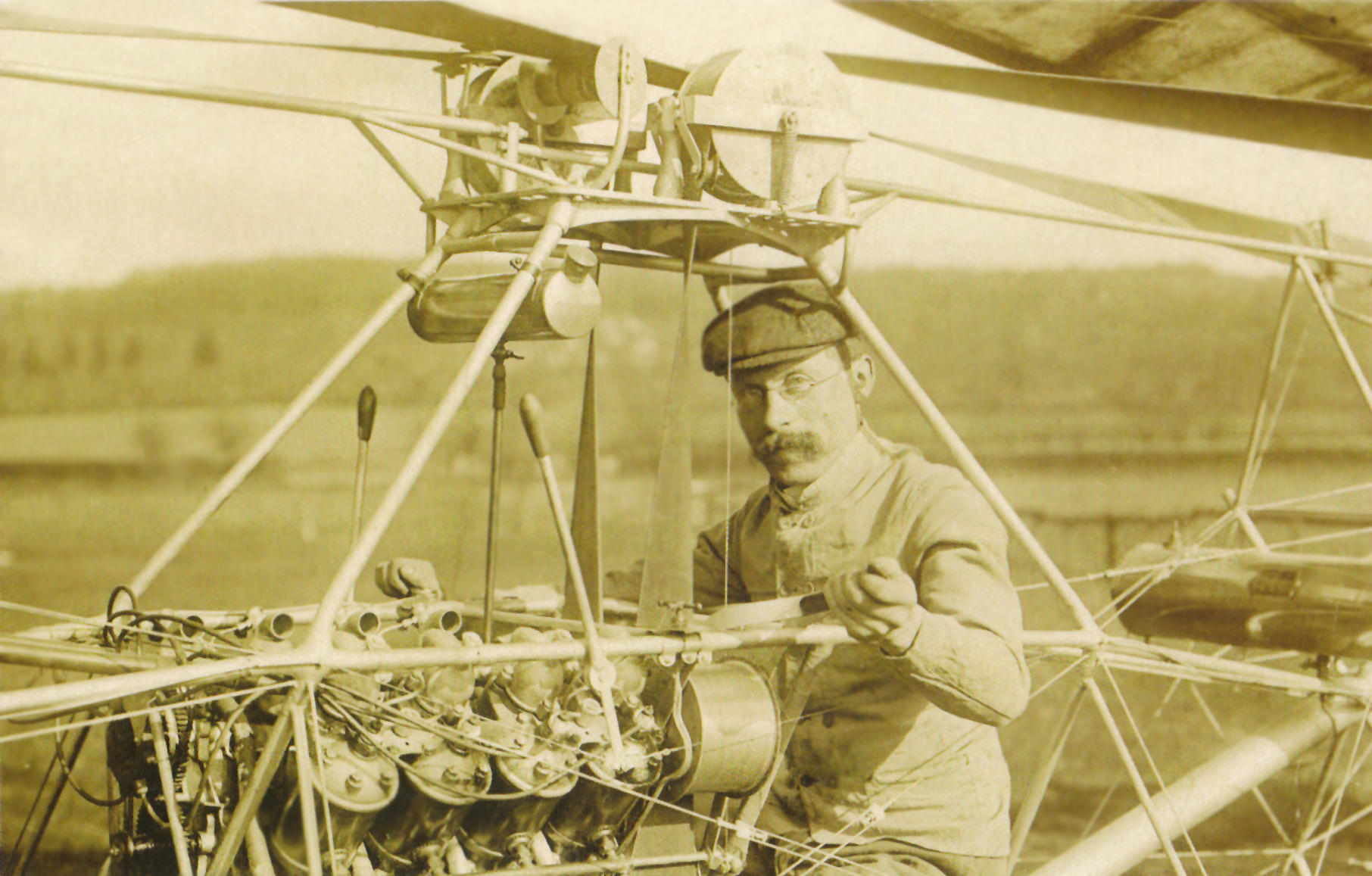
Today’s engineering technology has allowed for the Cornu helicopter II to be analyzed via digital modeling and flight testing. According to the results of this analysis, the helicopter II could not have sustained flight. Taking the claims from Paul Cornu and the modern flight model tests into consideration, even the fact that a flight with such a daring design was attempted is notable. Two replicas of the Cornu II have been constructed. The École supérieure des techniques aéronautiques et de construction automobile (ESTACA) built a helicopter II replica to honor the 100th anniversary of the ship’s initial flight. The Hubschraubermuseum Bückeburg (Helicopter Museum of Bückeburg) also commemorated the 100th with a replica. The Cornu helicopter II was powered by a 24-horsepower Antoinette engine. The aircraft’s gross weight was 573 pounds. Helicopter II’s main rotor diameter was 19 feet – 8 inches, and the main rotor’s area was 608 square feet.