
(Image credit: VAN)
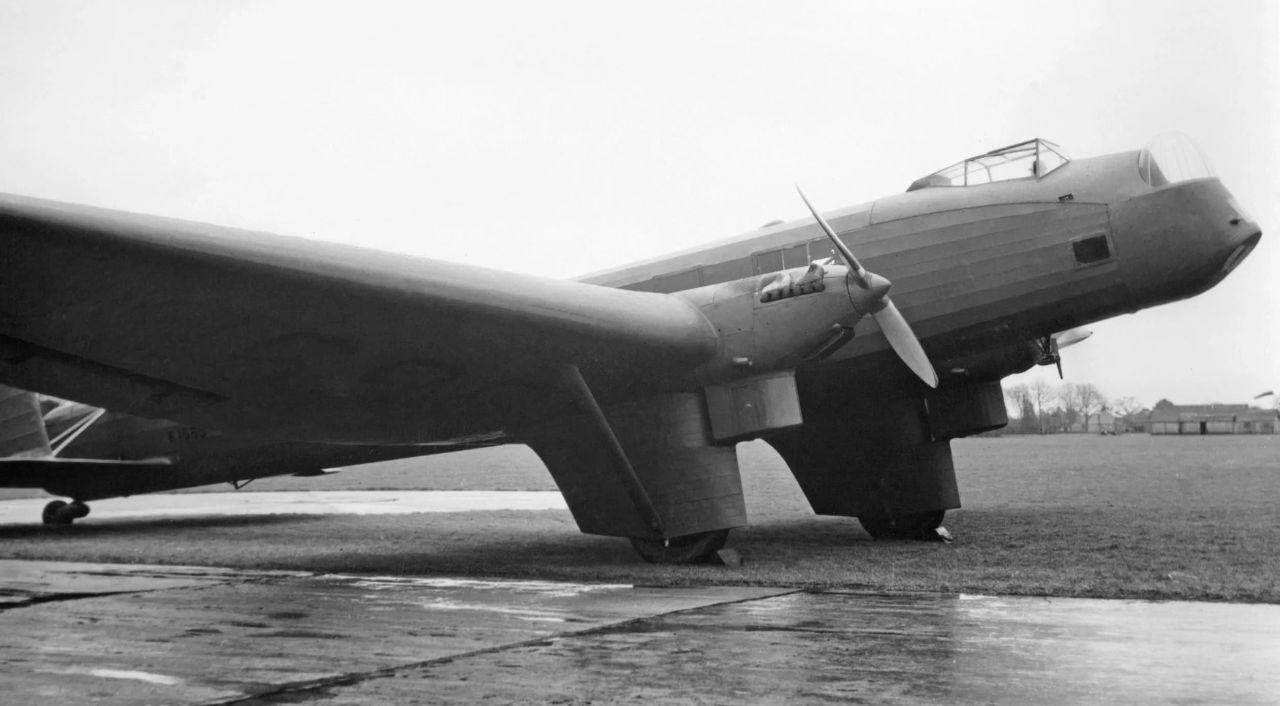
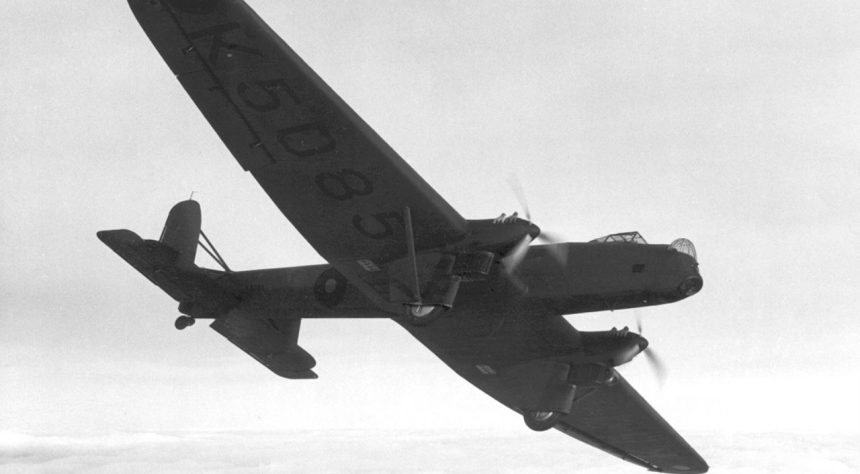
On this day in aviation history, 95 years ago (November 25, 1930), the Fairey Hendon flew for the first time. The Hendon was a British-built heavy bomber that served with the Royal Air Force during the inter-war years. Designed by Fairey Aviation, the Hendon was the first low-wing monoplane of all-metal construction to serve with the RAF. Air Ministry Specification B.19/27 was the spur for Fairey to design this aircraft. The Specification called for a twin-engined night bomber that could replace the Vickers Virginia.
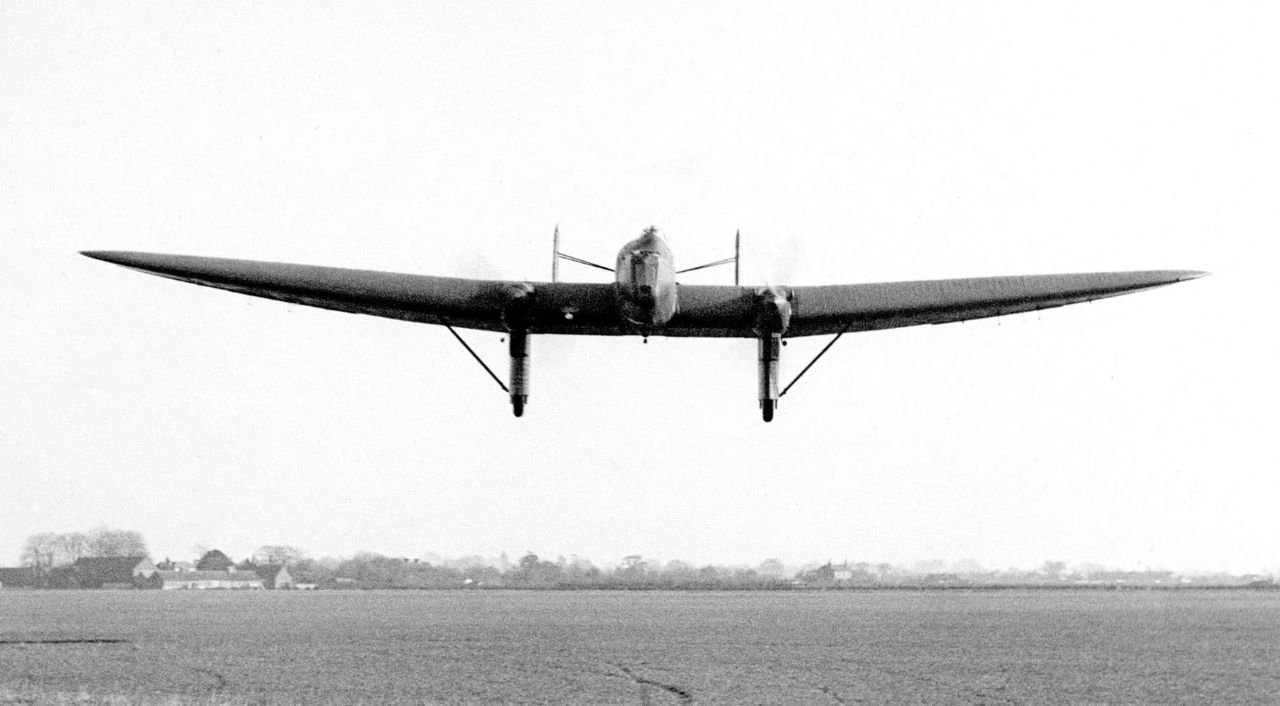
Fairey faced stiff competition for the Specification B.19/27 program, flying against the Handley Page Heyford and Vickers Type 150. B.19/27 called for a bomber with a range of 920 miles, a speed of 115 miles per hour, and the ability to carry a bomb load of 1,500 pounds while doing it. Fairey’s low-wing cantilever monoplane design provided a solid foundation to meet these specs. The Hendon also featured a fixed undercarriage in a conventional configuration.
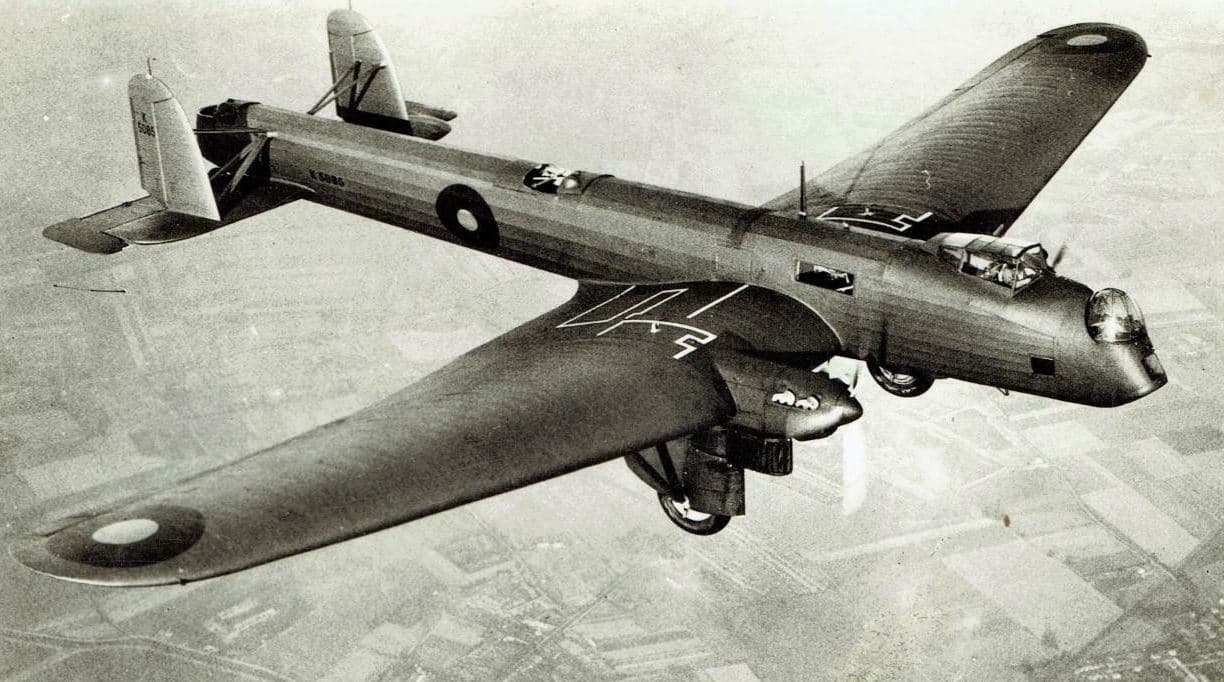
Prototype Hendon K1695, at the time called the Fairey Night Bomber, first flew on 11/25/1930. A crash during flight testing and subsequent repairs meant that the competing Heyford received the lion’s share of orders from the RAF. The Night Bomber name would stick until 1934, and the aircraft would enter service two years later in 1936. The Hendon’s service lasted until 1938, when the aircraft was deemed obsolete. Fairey’s all-metal bomber would go on to serve as a ground training aircraft in 1939.
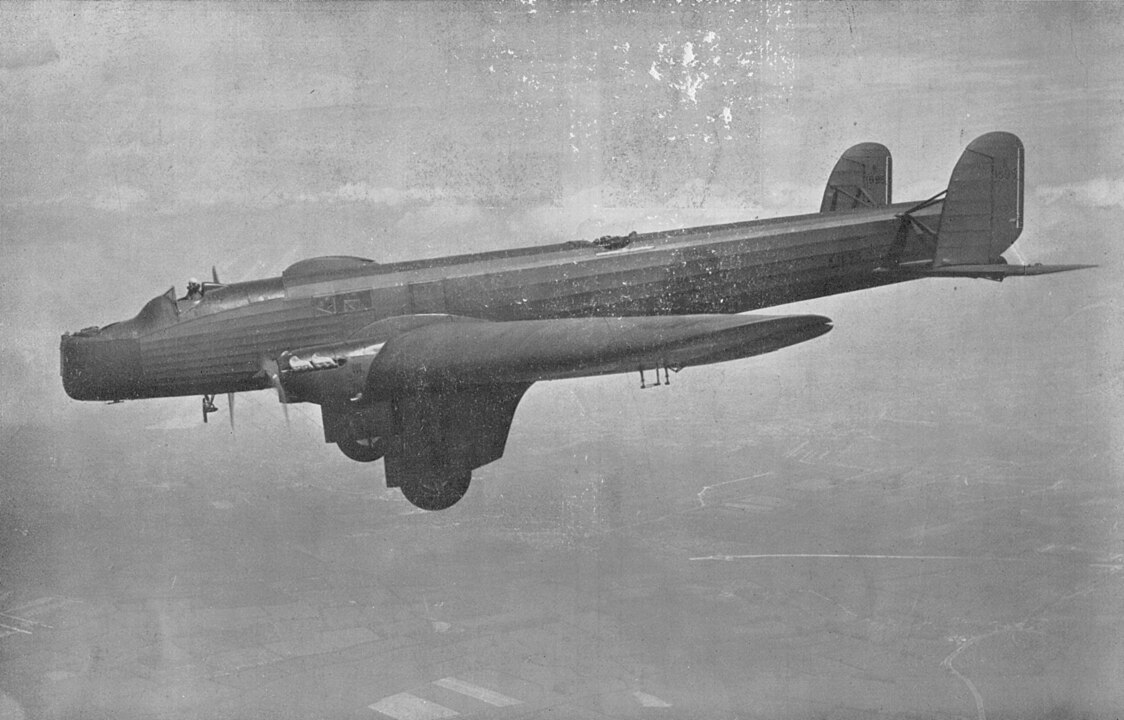
The Hendon Mk. II had a crew of five and was powered by two 600-horsepower Rolls-Royce Kestrel VI V-12 engines. The aircraft had a cruise speed of 133 miles per hour and could attain a maximum speed of 152 mph. A range of 1,180 nautical miles and a service ceiling of 21,400 feet provided the Hendon with a reasonable combat envelope. Three .303-inch Lewis guns in nose, dorsal, and tail positions, along with 1,660 pounds of bombs, provided the bomber with its punch. During the aircraft’s production run, between 1936 and 1937, Fairey only built 15 airframes. None are known to survive today.