

(Image credit: VAN)
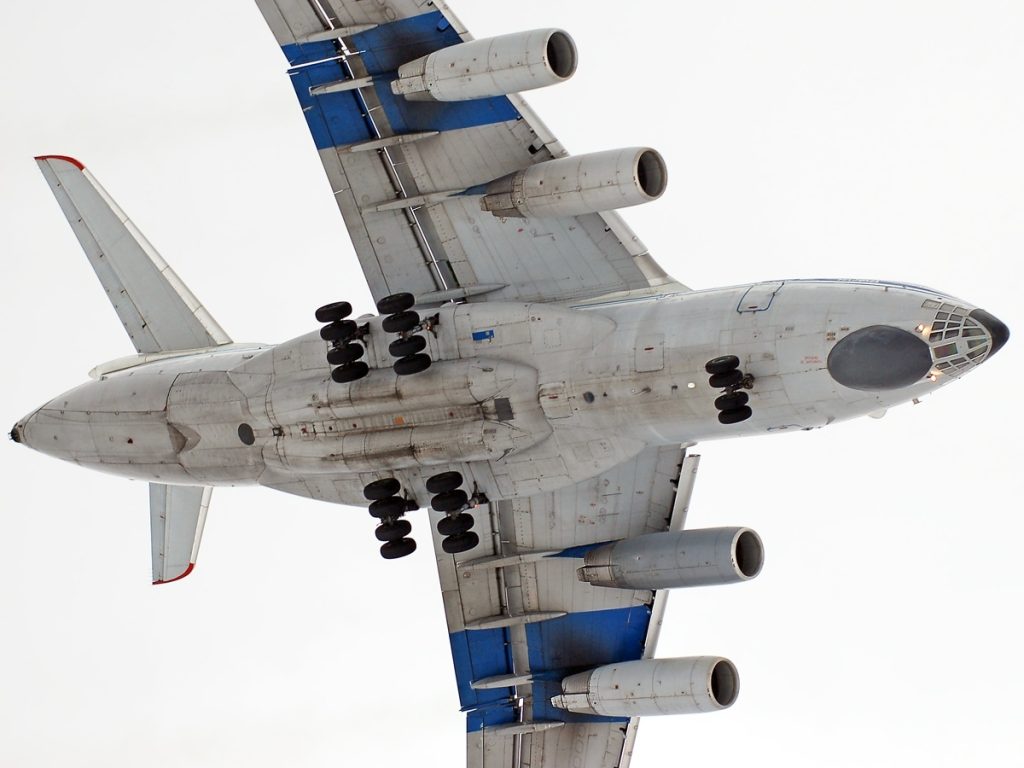
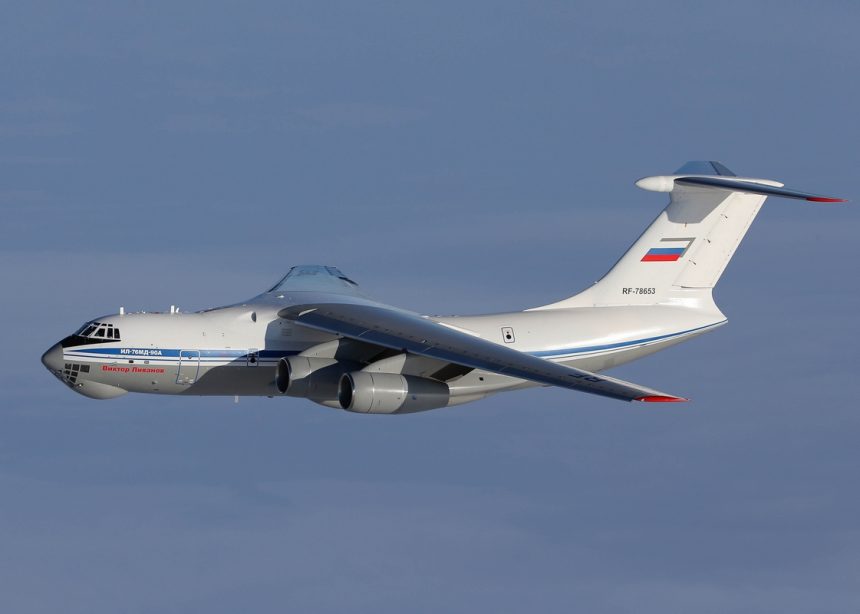
On this day in aviation history, 55 years ago (March 25, 1971), the first flight of the Ilyushin IL-76 took place. Flying under the NATO reporting name of Candid, the IL-76 is a strategic airlifter originally developed by the Soviet Union during the midst of the Cold War. Designed by Soviet aircraft manufacturer Ilyushin, the Candid was originally intended to be a commercial freighter that would replace the Antonov An-12 Cub. Work on the aircraft began in 1967.
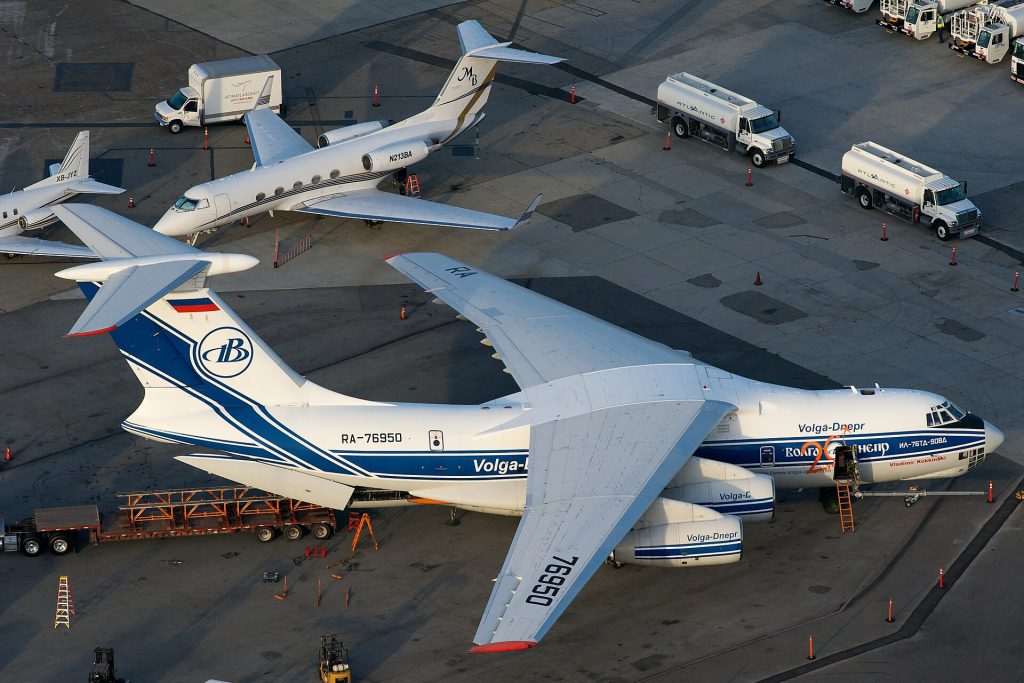
Ilyushin designed the IL-76 to have the ability to fly heavy machinery to remote areas of Russia, those spots of the (then) Soviet Union that were underserved. Eventually, the Candid drew the attention of the Soviet Air Forces and became a military transport aircraft. The IL-76 remains in military service today, with the Russian, Chinese, and Indian Air Forces. Special variants of the aircraft have been developed since the IL-76’s introduction in 1974, including an aerial tanker and command center platform. Many examples of the aircraft remain in civilian service as well, flying cargo primarily in the eastern hemisphere. Ilyushin has built a total of 981 airframes since the IL-76’s inception.
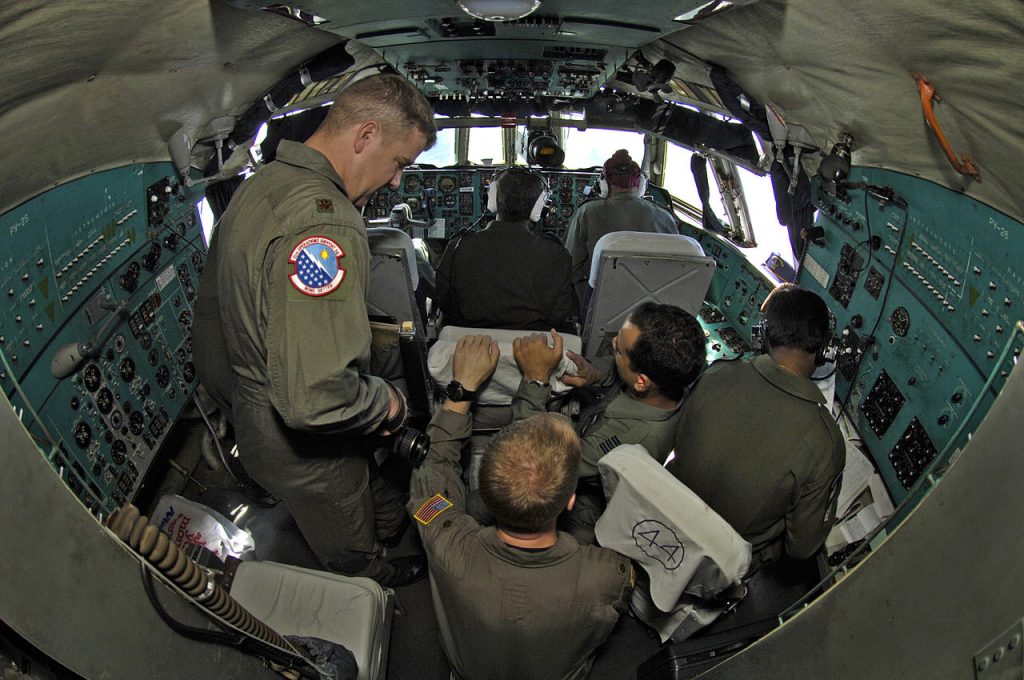
IL-76s have seen service in the Soviet-Afghan War. In 2011, the Candid was used as an evacuation aircraft for the Chinese People’s Liberation Army Air Force in the same territory. In combat service, the IL-76 was found to be highly durable and resistant to damage from heat-seeking missiles and large-calibre machine gun fire.
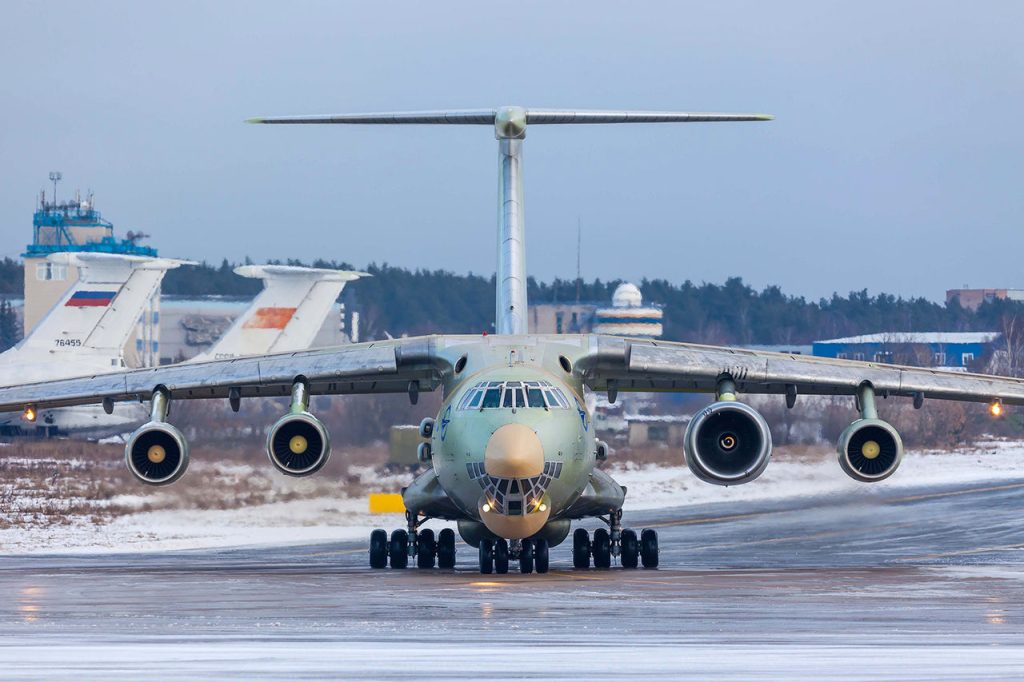
A crew of 5 flies the Il-76MD-90AE variant, which has a payload capacity of 130,000 pounds. The aircraft is powered by four Aviadvigatel PS-90A-76 turbofan engines, each with 35,300 pounds of thrust. The IL-76 will cruise between 470 and 500 mph, and has a range of 2,700 nautical miles (with max payload). Candids can reach a service ceiling of 40,000 feet. Ilyushin designed the IL-76 to be armed with two 23 millimeter cannons in a radar-directed manned turret at the tail position. Additionally, military variants are equipped with four hardpoints under each outer wing with a 1,100-pound bomb capacity, if so required.