






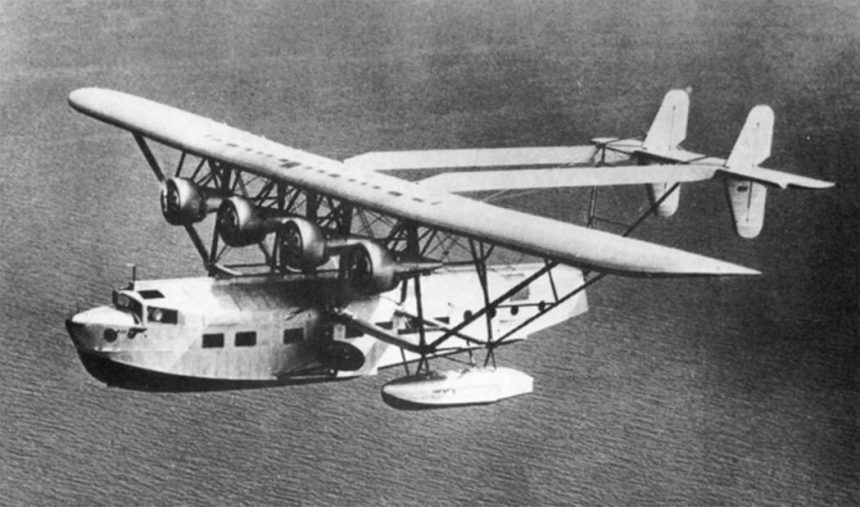


In the 1920s, Sikorsky began developing the S-40 amphibious flying boat after Juan Trippe, the president of Pan American Airways, requested a larger passenger plane. The Sikorsky S-40 could carry 38 passengers, a big increase over the S-38’s 8. Wind tunnel testing began in October 1928, and hull models were tested in April 1929. The aircraft included a stove, a pantry with an electric refrigerator, and a smoking lounge with mahogany wood paneling. The Sikorsky S-40 was larger than the earlier S-38 model, but it had a conservative design. Its many wires and struts added significant drag, making it difficult to fly. Charles Lindbergh, who was a consultant for Pan American, told Sikorsky that flying the S-40 felt like “flying a forest through the air.” Only three S-40 aircraft were built because Sikorsky began designing the more advanced S-42 shortly after the S-40 entered service. All three S-40s were made by the Vought-Sikorsky Aircraft Division of United Aircraft in Stratford, Connecticut.
Design of Sikorsky S-40
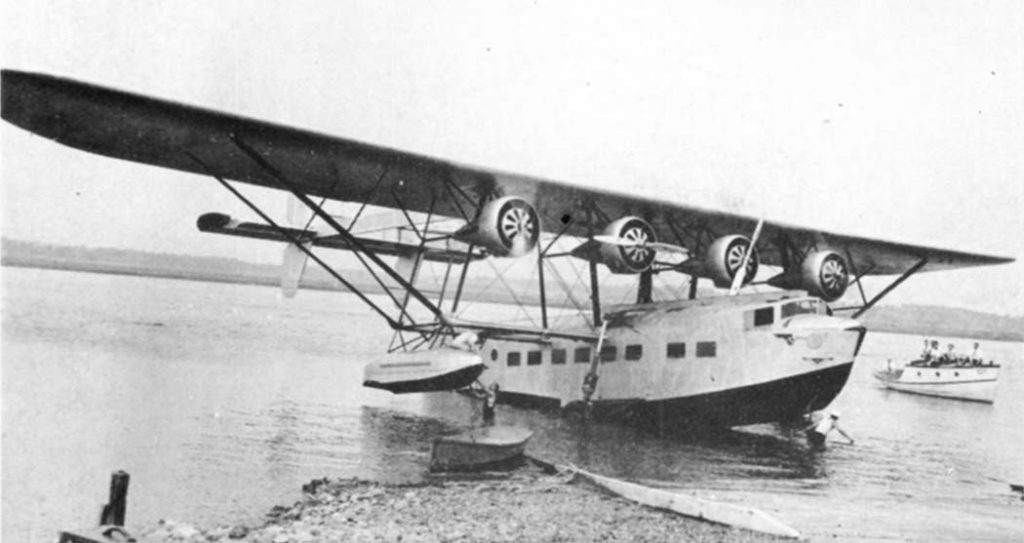
The Sikorsky S-40 flew for the first time on August 6, 1931. The first aircraft was named American Clipper by Lou Henry Hoover, who was the wife of President Herbert Hoover. The Sikorsky S-40 was 76 feet long, 23 feet high, with a wingspan of 114 feet and a wing area of 1,740 square feet. Its empty weight was 23,000 pounds, and the gross weight was 34,000 pounds. It was powered by four Pratt & Whitney Hornet 9-cylinder radial engines, each producing 575 horsepower. The maximum speed was 135 mph, with a cruise speed of 112 mph, a range of 900 miles, and a service ceiling of 13,000 feet. In 1935, all three aircraft were upgraded and given the new name Sikorsky S-40A. The upgrades included replacing the original 575-hp Pratt & Whitney engines with smaller but more powerful 660-hp R-1690 Hornet T2D1 engines. The team also removed the landing gear and slightly increased the maximum weight. Another source states that the landing gear was removed soon after the certificate was issued. The passenger service started on November 19, 1931. Charles Lindbergh and Basil Rowe flew a Sikorsky S-40 aircraft from Miami, Florida, to the Panama Canal Zone.
The Cancellation
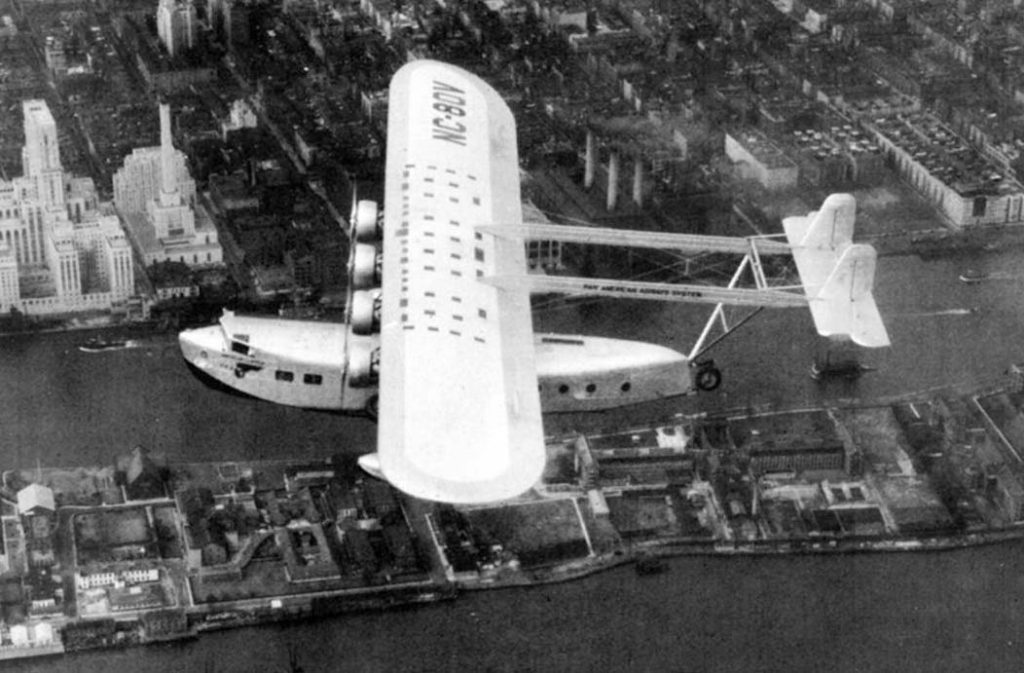
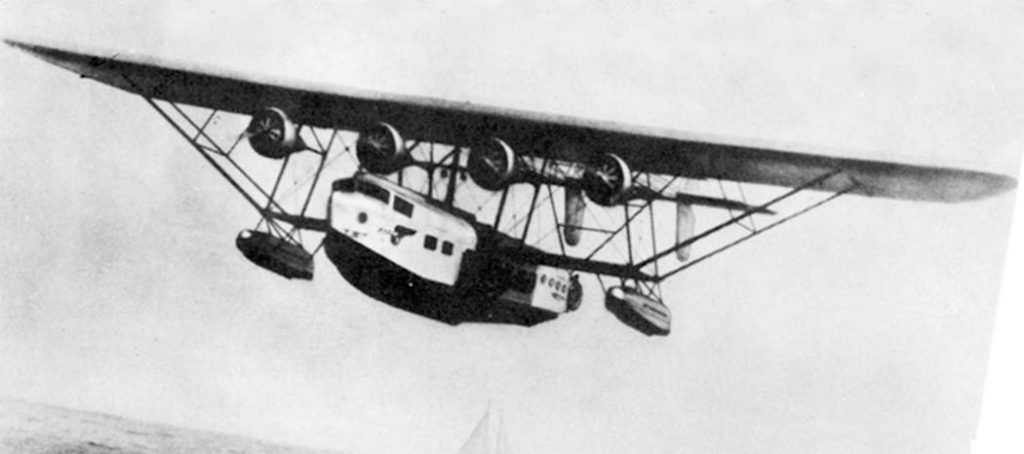
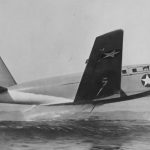
The pilots made stops in Cienfuegos, Cuba; Kingston, Jamaica; and Barranquilla, Colombia. Igor Sikorsky, the aircraft’s designer, was a passenger on this flight. During the trip, Sikorsky and Lindbergh discussed ideas that later helped in creating the S-42. The Sikorsky S-40 was Pan American’s first large flying boat. The American Clipper was the flagship of Pan Am’s fleet and was the first aircraft to be called a “Clipper” or “Pan Am Clipper.” Three S-40s flew safely during their time in service and traveled over 10 million miles. The aircraft were retired around 1940 and given to the US Navy during WWII. The Navy used them to train pilots for flying four-engine planes. In Navy service, the aircraft were called Sikorsky RS-4. Two of the Sikorsky S-40 planes were used as RS-4 by the Navy. In July 1943, an RS-4 was landing at the beach when it hit a hidden submerged rock. It damaged the wheel strut and caused the plane to tilt, causing a pontoon to hit a rail at the ramp’s edge. Another RS-4 was damaged at Dinner Key in April 1943. The Navy returned it to Pan-American, but it was not put back into service; instead, it was used for spare parts. In the Grounded Dreams series, the Sikorsky S-40 was not exactly a canceled aircraft, but a rushed one. It worked well in its role, but the hype around the S-42 prevented it from entering full-scale production. Read more Grounded Dreams articles HERE.




“All three S-40s were made by the Vought-Sikorsky Aircraft Division of United Aircraft in Stratford, Connecticut.” This is incorrect. The Vought and Sikorsky divisions of United Aircraft were not merged until 1939, well after Sikorsky produced the S-40 in the early 1930s.
Pan Am’s first large flying boat? Not quite. Pan Am originally got into the flying boat game after Juan Tripp’s hostile takeover of the NYRBA Line & their 14 Consolidated Commodores in 1930. “A Dream of Eagles” by Ralph O’Neil is quite a good read…