





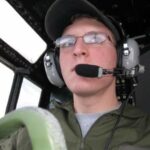
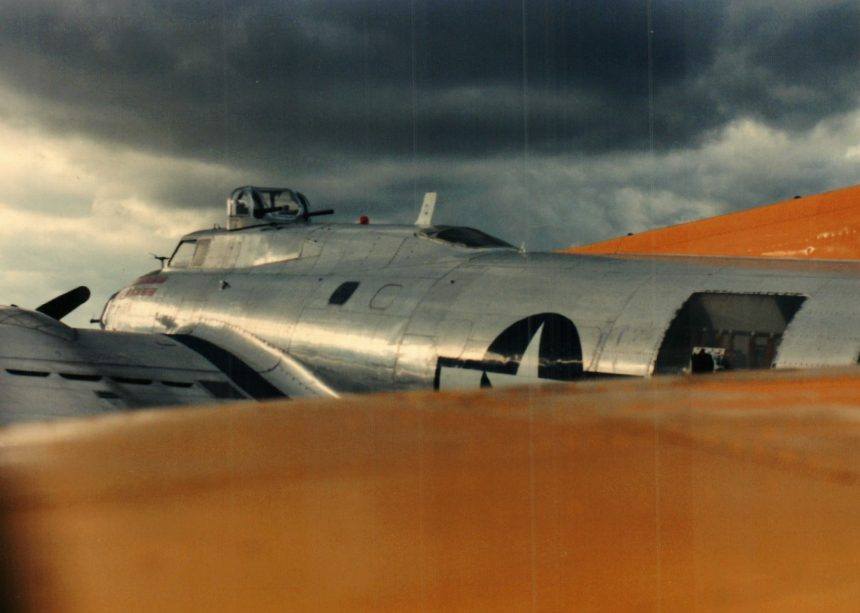

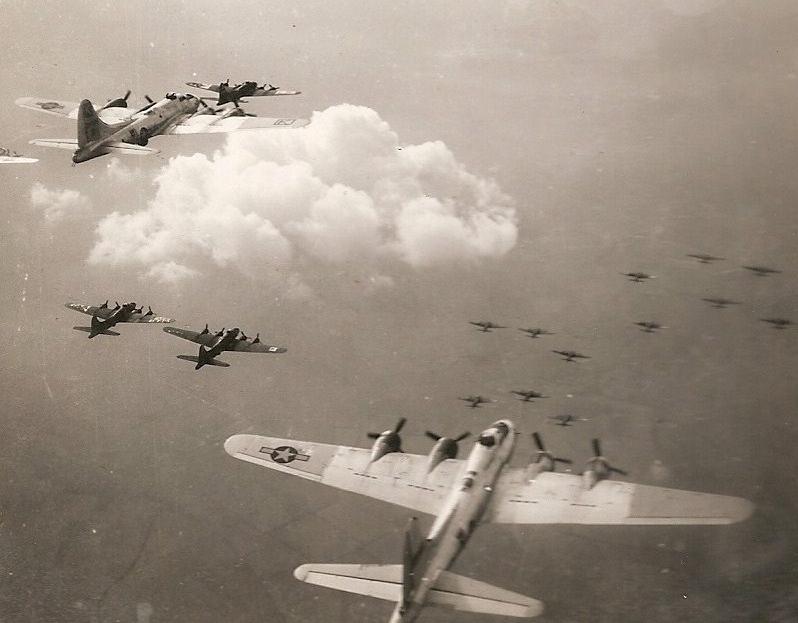
Activated on May 1, 1943, the 708th Bombardment Squadron was one of four squadrons assigned to the 447th Bombardment Group of the Eighth Air Force during the Second World War. Based at RAF Rattlesden in Suffolk, England, the squadron trained for the daunting task that lay ahead before entering combat over occupied Europe. Flying the Boeing B-17 Flying Fortress, the 708th became part of the Eighth Air Force’s strategic bombing campaign, carrying the war deep into the industrial heart of Nazi Germany. Alongside hundreds of other heavy bombers, its aircrews targeted the factories, transportation networks, and fuel infrastructure that sustained the German war machine. Every mission required long flights over hostile territory, where anti-aircraft fire and attacks from Luftwaffe fighters posed a constant threat.
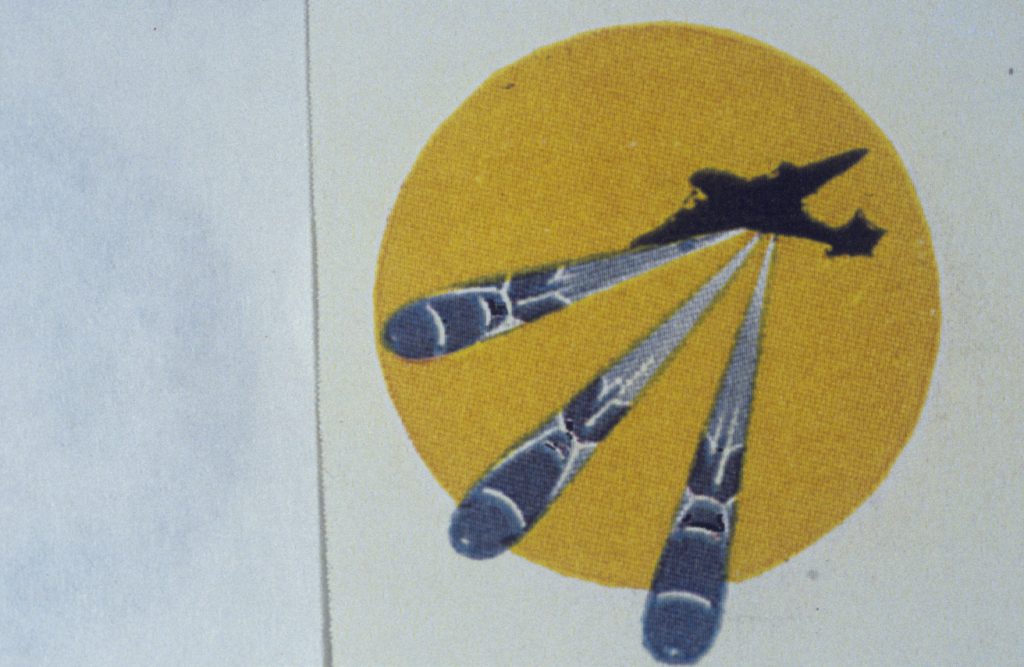
Throughout the war, the squadron flew dozens of combat missions against aircraft factories, rail yards, oil facilities, bridges, and transportation hubs across Germany and occupied Europe. Like many Eighth Air Force units, the 708th participated in some of the most significant campaigns of the air war, including the Combined Bomber Offensive, support for the Normandy invasion, the Battle of the Bulge, and the final Allied advance into Germany. Among its most dangerous assignments were deep-penetration raids against heavily defended industrial centers such as Merseburg, Berlin, Cologne, and Mannheim. These missions carried the crews into the heart of Germany’s formidable air defense network before they faced the long journey back across the English Channel. Every successful sortie helped weaken Germany’s industrial capacity while providing critical support to Allied forces advancing across Western Europe.
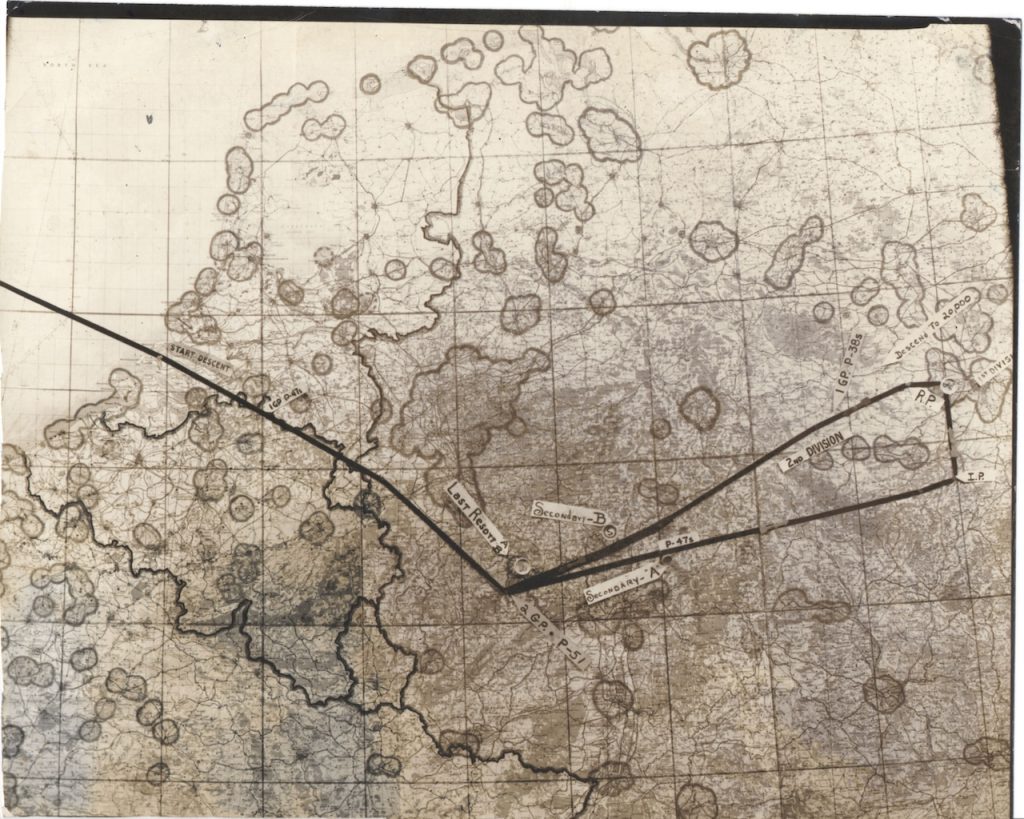
As the Allied campaign evolved, so too did the squadron’s mission. Early operations focused primarily on strategic industrial targets and aircraft production facilities. Following the D-Day landings, the emphasis shifted toward disrupting German transportation networks, bridges, marshaling yards, and fuel depots to isolate the battlefield and hinder the movement of enemy reinforcements. During the Battle of the Bulge, the squadron attacked targets supporting Germany’s final major offensive in Western Europe.
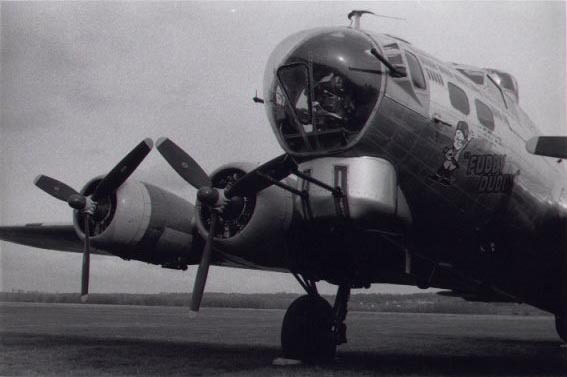
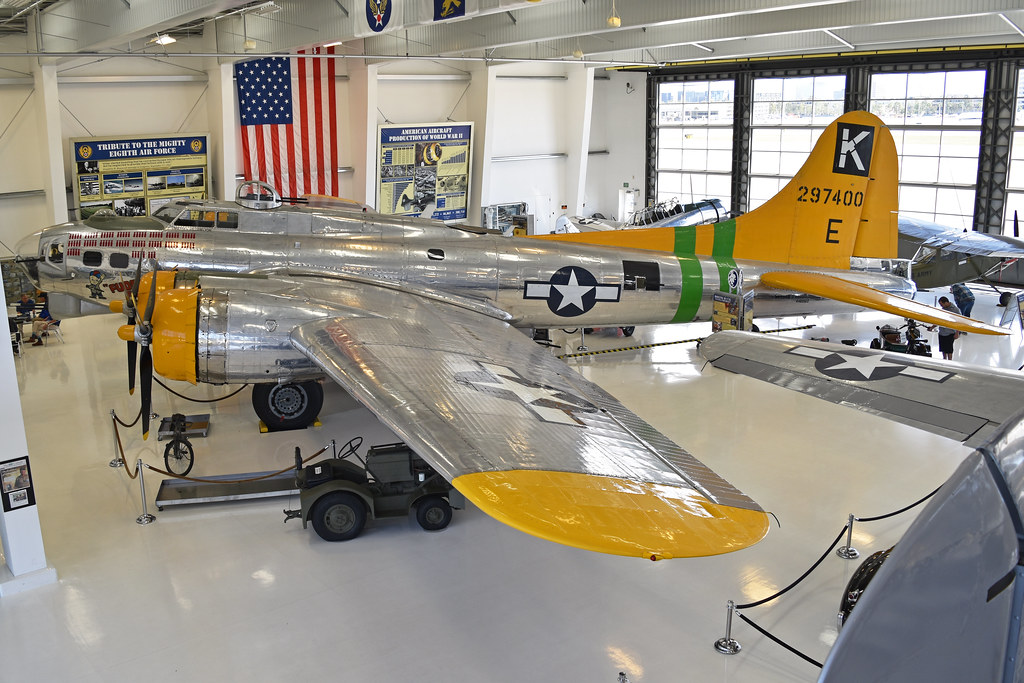
One of the squadron’s best-known aircraft was the B-17G Fuddy Duddy. On December 30, 1944, while en route to bomb Mannheim, Germany, the original Fuddy Duddy was lost after colliding with another B-17 in the formation. Although the wartime aircraft was destroyed, its name lives on through B-17G Fuddy Duddy (44-83563), which was painstakingly restored by volunteers at the National Warplane Museum in Geneseo, New York, during the 1980s and 1990s. Today, the aircraft is displayed at the Lyon Air Museum in Santa Ana, California, helping preserve the memory of the men who flew—and, in many cases, gave their lives aboard—the Flying Fortress.
(Image credit: IWM/American Archives)
Although the 708th Bombardment Squadron was inactivated following World War II, its legacy remains an enduring reminder of the courage, sacrifice, and determination of America’s heavy bomber crews. The squadron’s contributions to the strategic bombing campaign helped pave the way for Allied victory while demonstrating both the effectiveness and the tremendous human cost of daylight precision bombing over Europe. More than eighty years later, preserved aircraft such as Fuddy Duddy continue to connect new generations with the experiences of the young airmen who flew these dangerous missions. Their service ensures that the story of the 708th Bombardment Squadron—and the thousands of bomber crews who served alongside them—will not be forgotten.




Why is it that the B 17 gets all the glory and the B 24 is rarely mentioned? I’m disgusted.