







Photo and text by Grady Lisk
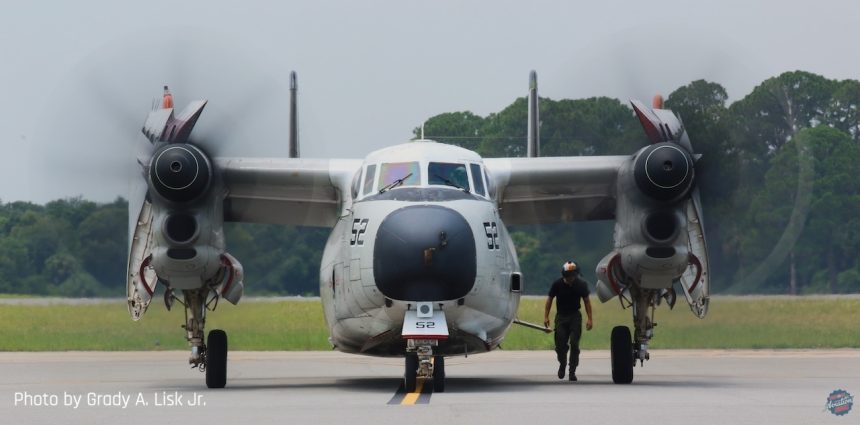
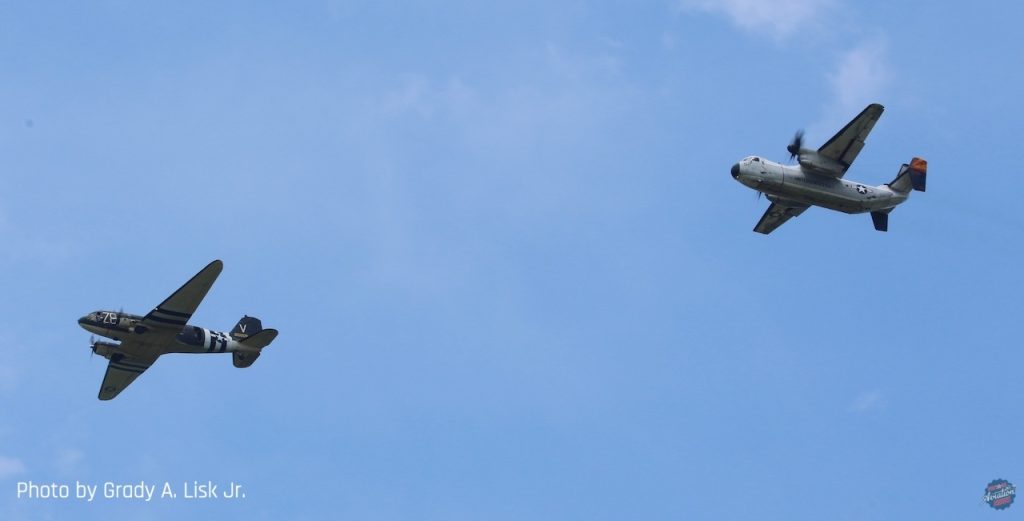
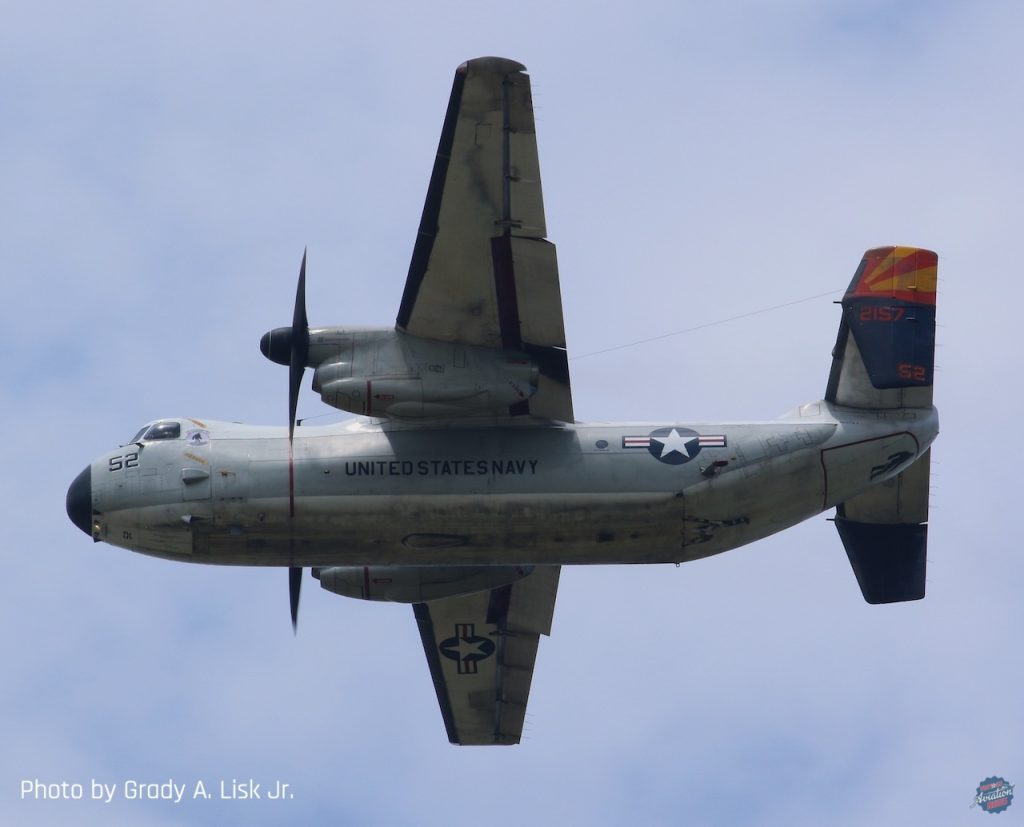
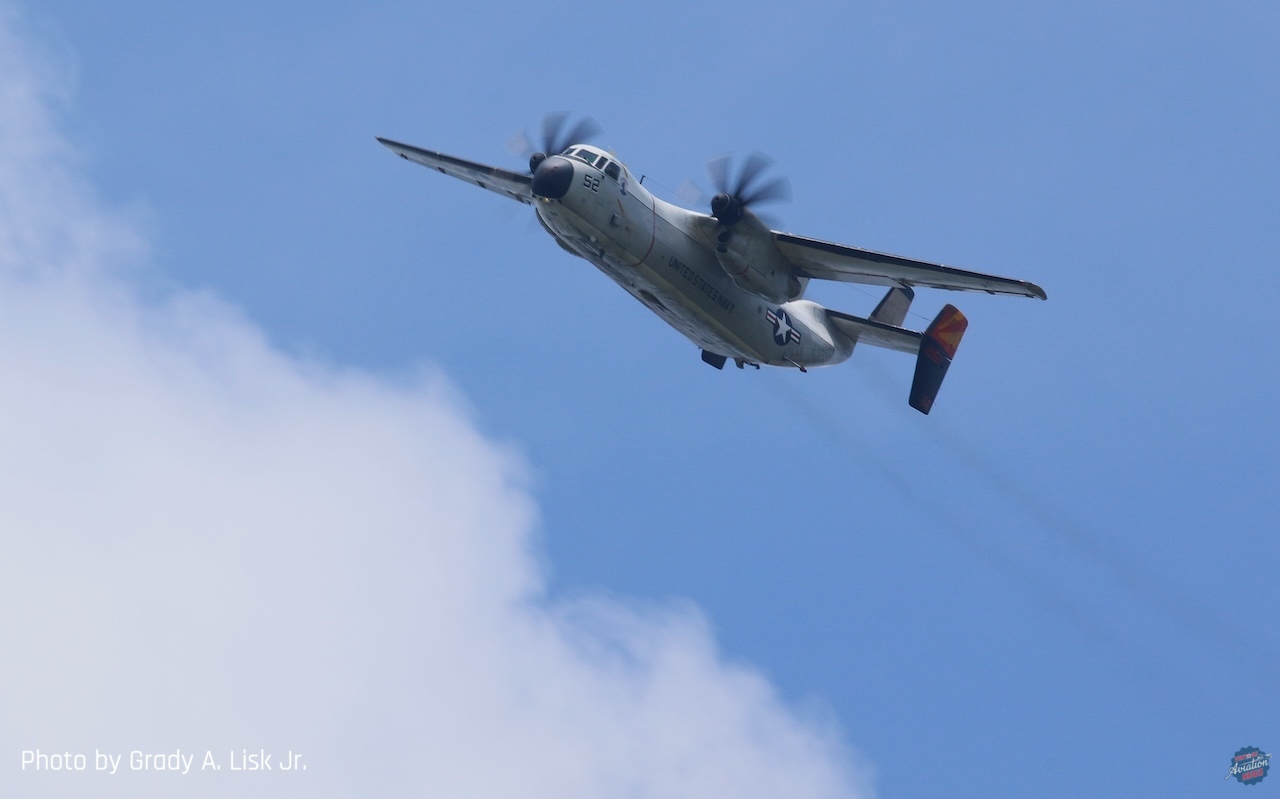
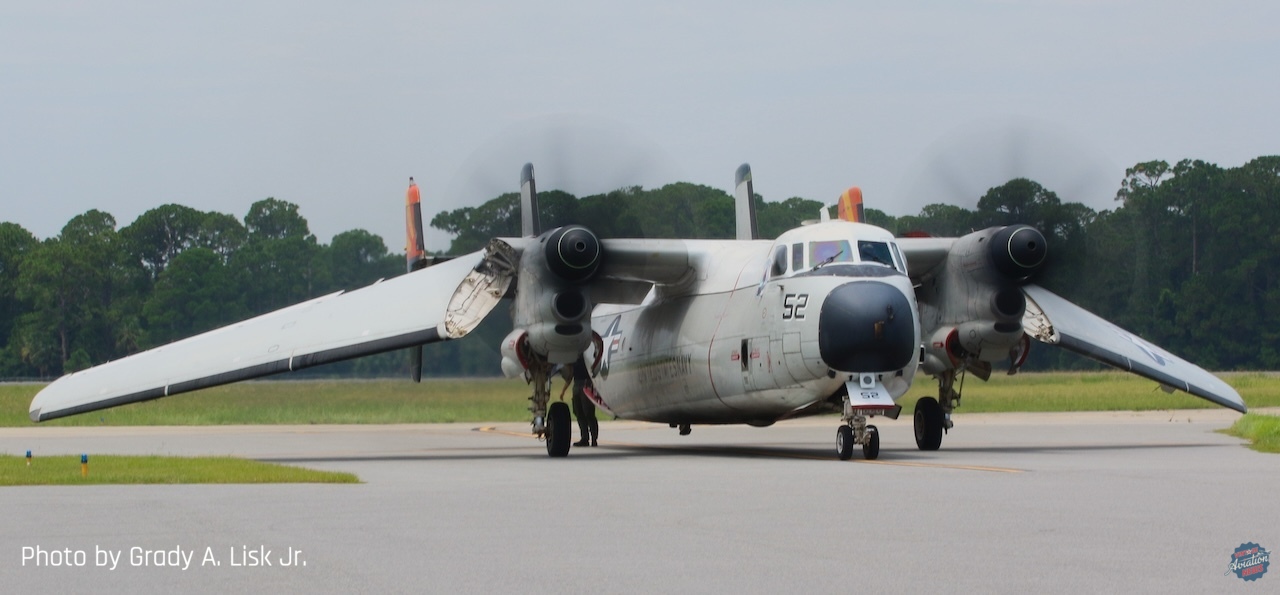
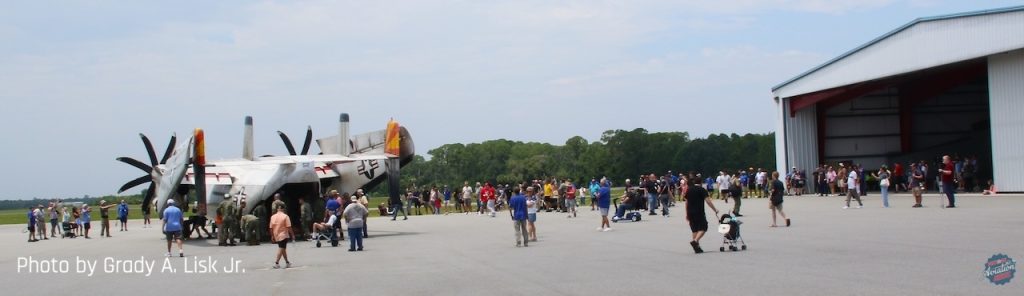
The Valiant Air Command Warbird Museum welcomed a significant addition to its collection on July 27, 2026, when a U.S. Navy Grumman C-2A Greyhound made its final flight to Space Coast Regional Airport in Titusville, Florida. C-2A BuNo. 162157, operating as Rawhide 52, arrived from Naval Station Norfolk alongside the museum’s historic Douglas C-47 Skytrain Tico Belle. A large crowd gathered to welcome the Greyhound, including former crewmembers, sailors who had worked with the aircraft through carrier Air Transfer Offices, aviation enthusiasts, and members of the Valiant Air Command. The aircraft will now be preserved and displayed at the Valiant Air Command Warbird Museum, where it will help tell the story of the Navy’s carrier onboard delivery mission.
(Image credit: Grady A. Lisk Jr.)
Its arrival came one day before the U.S. Navy officially retired the C-2A Greyhound, bringing to a close six decades of service. For generations, the familiar twin-engine aircraft carried passengers, mail, replacement parts, and other essential cargo between shore bases and aircraft carriers operating at sea. Developed by Grumman from the E-2 Hawkeye airframe, the C-2A entered operational service in 1966. Its large rear cargo ramp, folding wings, and ability to operate from aircraft carriers made it an indispensable part of the fleet’s logistics network. During its career, the Greyhound completed more than 250,000 carrier landings, transported millions of passengers, and delivered more than 100 million pounds of cargo. The aircraft’s carrier onboard delivery role is now being assumed by the Bell Boeing CMV-22B Osprey, the Navy’s logistics version of the V-22 tiltrotor.
(Image credit: Grady A. Lisk Jr.)
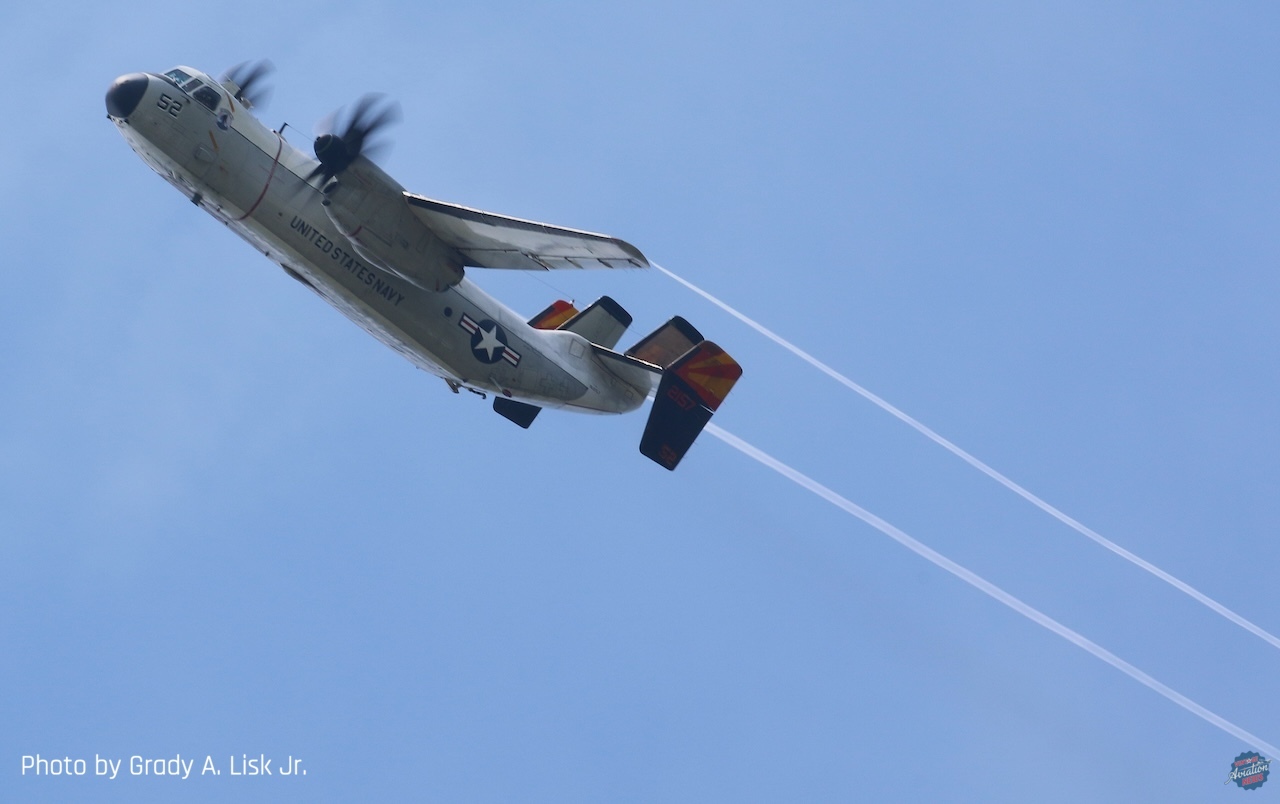
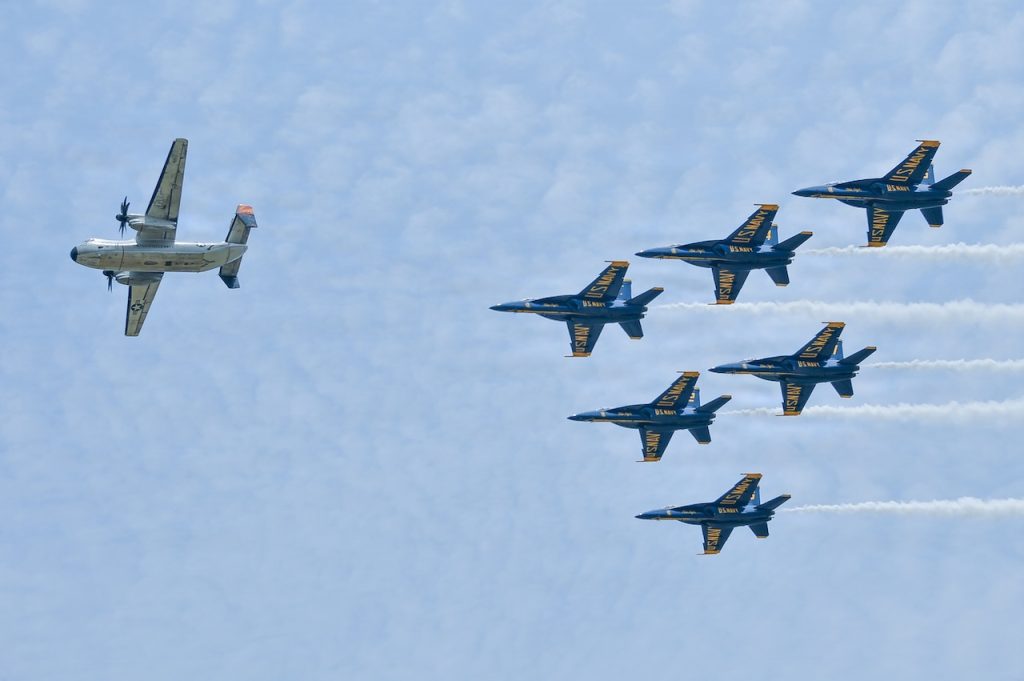
The Greyhound’s final chapter unfolded over two consecutive days as the two remaining VRC-40 aircraft left Norfolk for permanent homes in Florida. Following the July 27 delivery of Rawhide 52 to Titusville, BuNo. 162159—Rawhide 40—departed Norfolk on July 28 for Naval Air Station Pensacola. Before landing at Sherman Field, Rawhide 40 joined the U.S. Navy Blue Angels for a formation flight over Pensacola. The Greyhound led the formation along the runway before the Blue Angels broke away, leaving the C-2A to complete the type’s final in-service flight. Nearly 6,000 spectators gathered to witness the historic arrival. The aircraft was then transferred to the National Naval Aviation Museum, where it is expected to undergo rehabilitation before joining the museum’s displays in 2027.
For many of those who worked with the C-2A, its retirement represents much more than the withdrawal of another aircraft type. One of the pilots who brought Rawhide 52 to Titusville noted that the Greyhound’s departure also marked the end of an era in which VIPs, civilians, and sailors could experience an arrested carrier landing followed by a catapult launch. For this old salt, who worked with and around several of the squadrons that flew the COD mission, the arrival was bittersweet. Hearing the familiar hum of the engines overhead immediately brought back memories of life aboard ship—the anticipation of mail call, the activity on the flight deck, and even the distinctive smells associated with flight operations at sea.
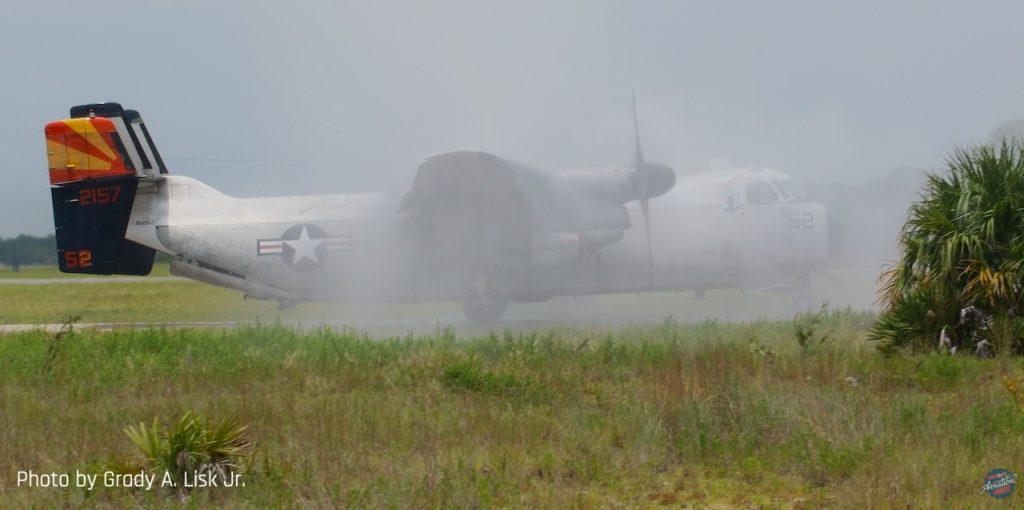
(Image credit: Grady A. Lisk Jr.)
As Rawhide 52 turned toward the crowd in Titusville, the propwash brought another flood of memories. Then its two Allison T56-A-425 turboprop engines shut down for the final time. As the rear cargo ramp lowered and vapor drifted from the aircraft, the moment brought tears to the eyes of this old airdale who had known and enjoyed that life so many years ago. The C-2A was more than a cargo aircraft. Its arrival over the horizon often meant that letters from home, replacement parts, new personnel, returning shipmates, or urgently needed supplies were only minutes away. It connected sailors at sea with the world they had temporarily left behind.
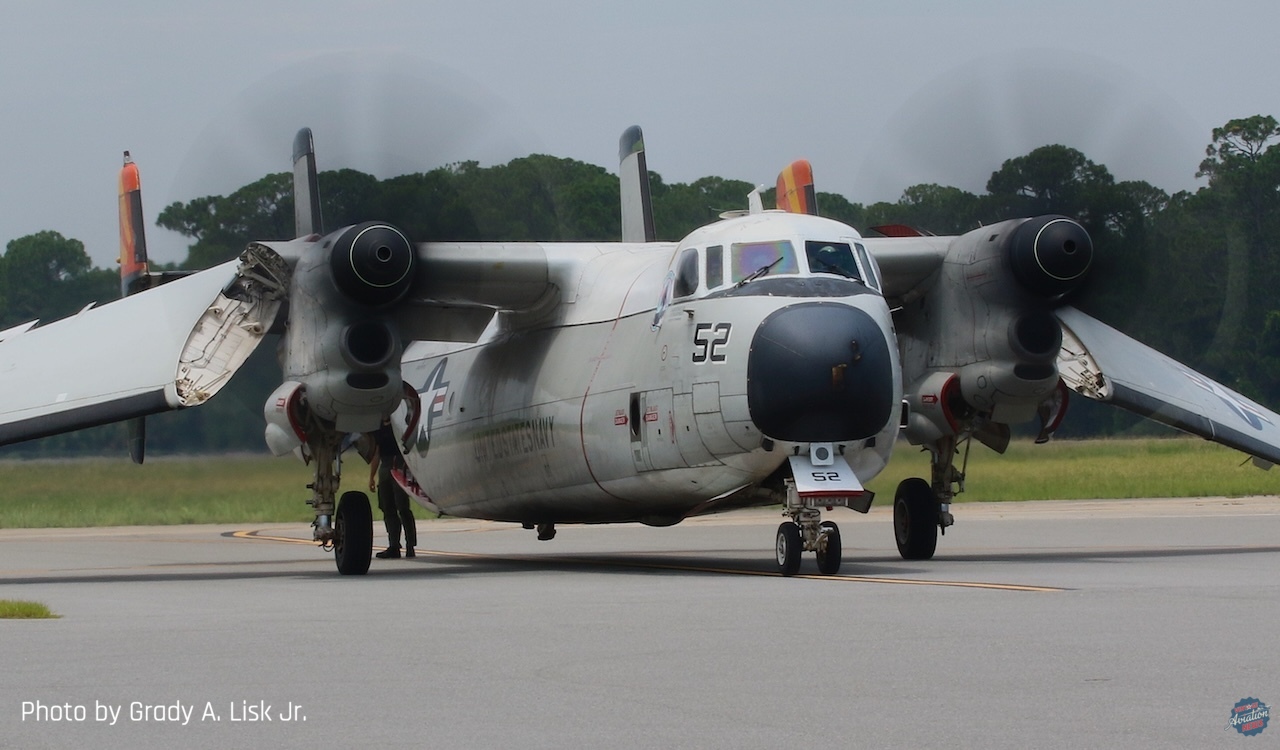
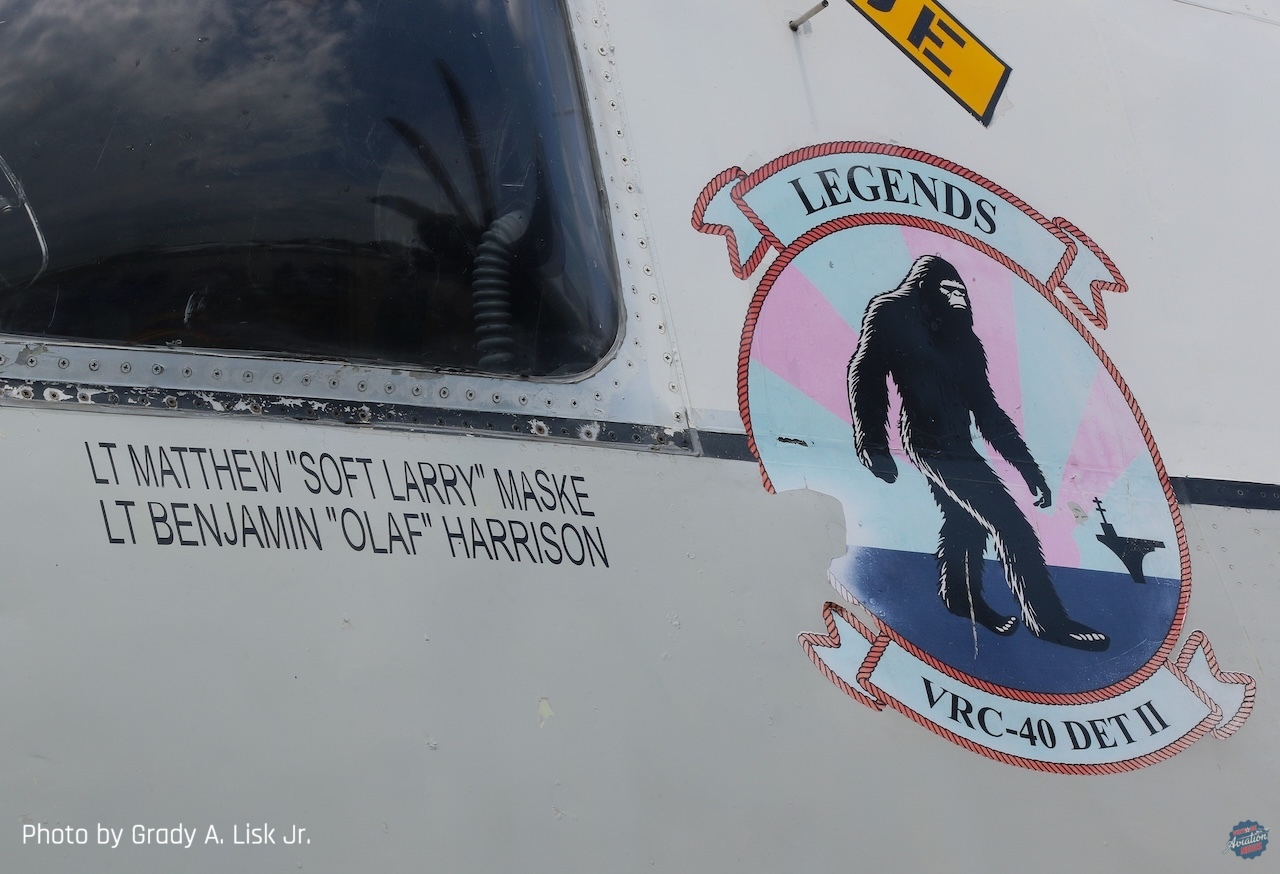
A total of 17 original C-2As were produced during the 1960s, followed by 39 improved C-2A(R) aircraft delivered between 1985 and 1990. Together, they sustained the Navy’s carrier fleet through six decades of operations around the world. With Rawhide 52 preserved at the Valiant Air Command and Rawhide 40 destined for display at the National Naval Aviation Museum, two important examples of the Greyhound will remain in Florida to tell that story. Happy retirement—it is well deserved. For more information about the Valiant Air Command Warbird Museum, visit www.valiantaircommand.com.
(Image credit: Grady A. Lisk Jr.)






I left the USS HORNET CV12 by cat shot on the C2 going to NAS CUBI POINT,Phillipines with orders going to Memphis, Tennessee for AZ A school.The cat shot I’ll never forget,had to remove glasses,a CPO had dentures,and they came right out his mouth landing back of the plane!