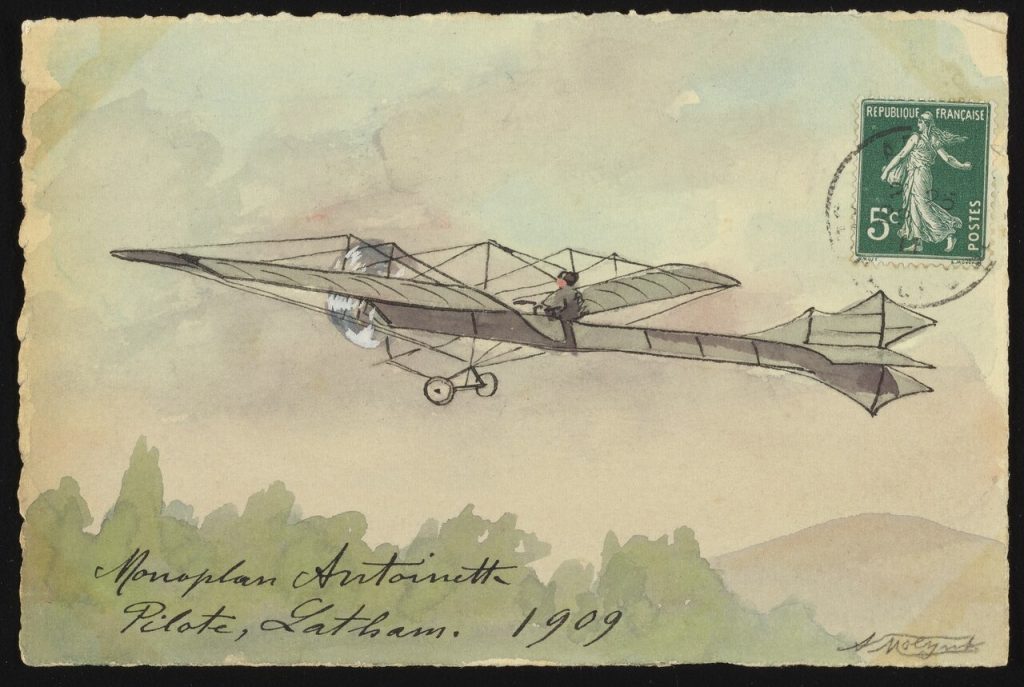
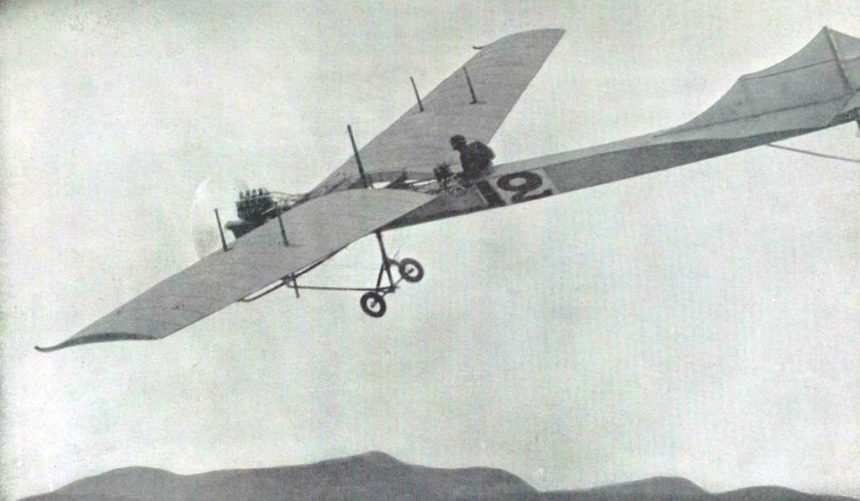

On this day in aviation history, 117 years ago (July 25, 1909), the Antoinette VII took flight for the first time. An early experimental aircraft of French origin, the Antoinette VII was a further development of the Antoinette IV, which first flew a year earlier. French aeronautical engineer Léon Levavasseur developed the Antoinette series of aeroplanes. The VII incorporated design features from previous models, such as wing warping, and paired them with a higher power engine.
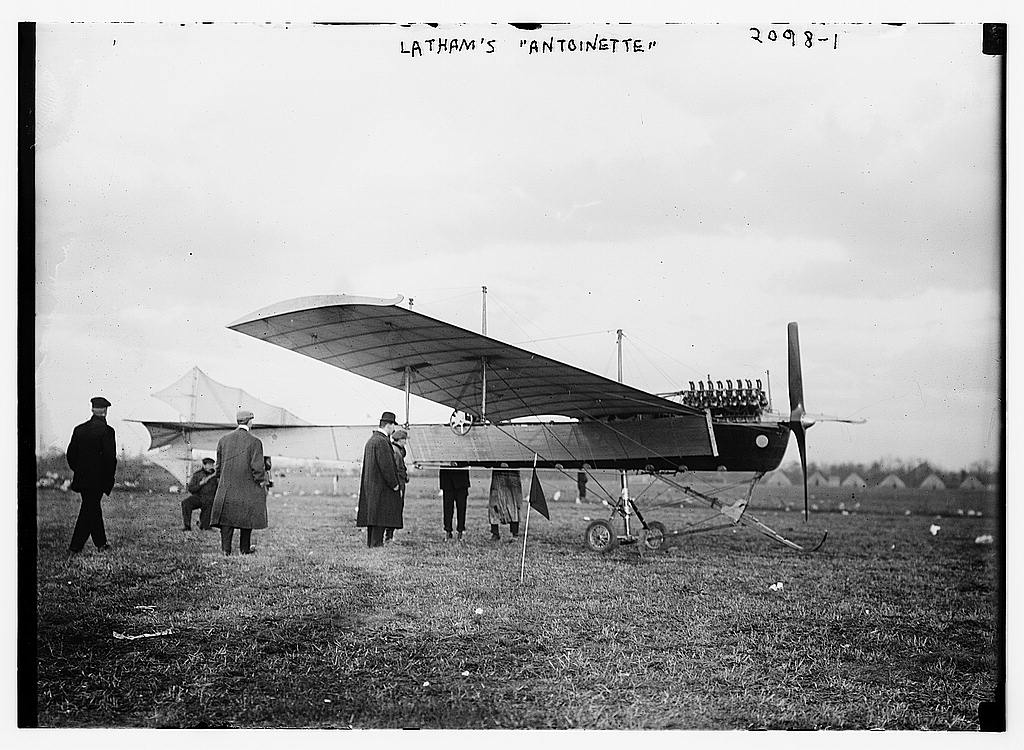
Levavasseur had intended the Model VII to complete a successful flight across the English Channel, in the hands of test pilot Hubert Latham. The attempt had been previously made with the Antoinette IV, in an attempt to claim the Daily Mail’s cash prize for the first team to complete the flight. The VII’s first flight on 7/25/1909 was somewhat unfortunately on the same day that Louis Blériot successfully crossed the channel in his Blériot XI. Nevertheless, the Antoinette team was unfazed. On July 27, 1909, Levavasseur and Latham made the attempt to span the English Channel. The attempt was unsuccessful, falling just a mile short at nearly the exact same spot as the Model IV. The HMS Russell came to the rescue of Hubert Latham.
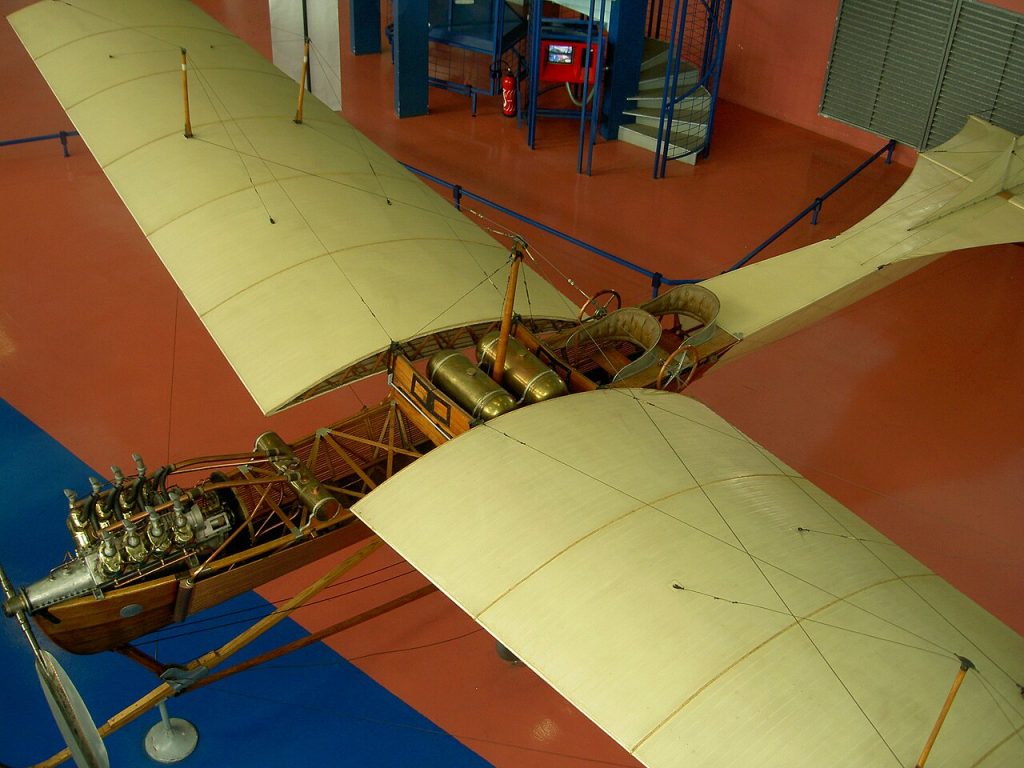
A month after the unsuccessful English Channel crossing attempt, the Antoinette VII would once again set sights on a new achievement. At the Grande Semaine d’Aviation de la Champagne, Latham and the VII would place first for altitude, with 509 feet achieved. Additionally, the duo would place second in the contest for the fastest circuit, attaining a speed of 42.8 mph. The Antoinette VII originally had a single pilot, but was later modified to have a passenger. The aircraft was 37 feet 9 inches long, and it had a wingspan of 42 feet. A 50-horsepower Antoinette 8V engine powered the Model VII, of which only a single example was manufactured.