





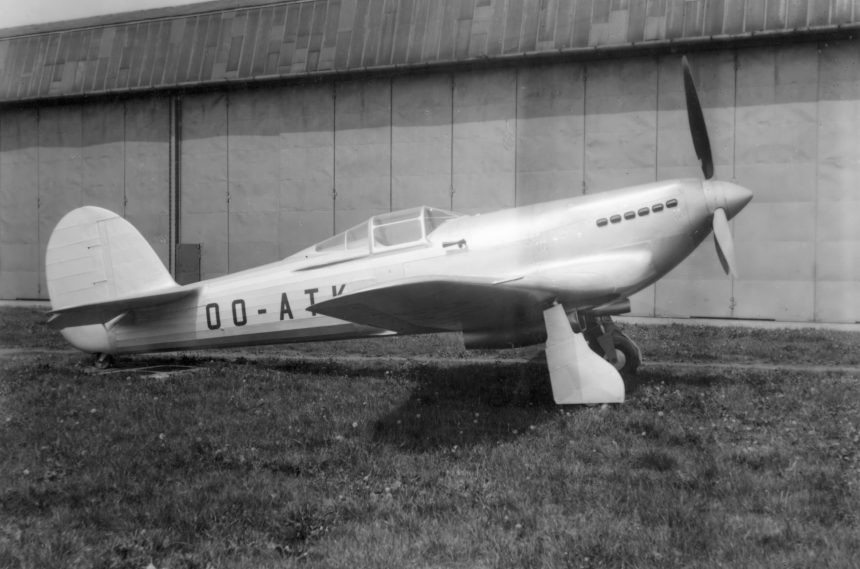


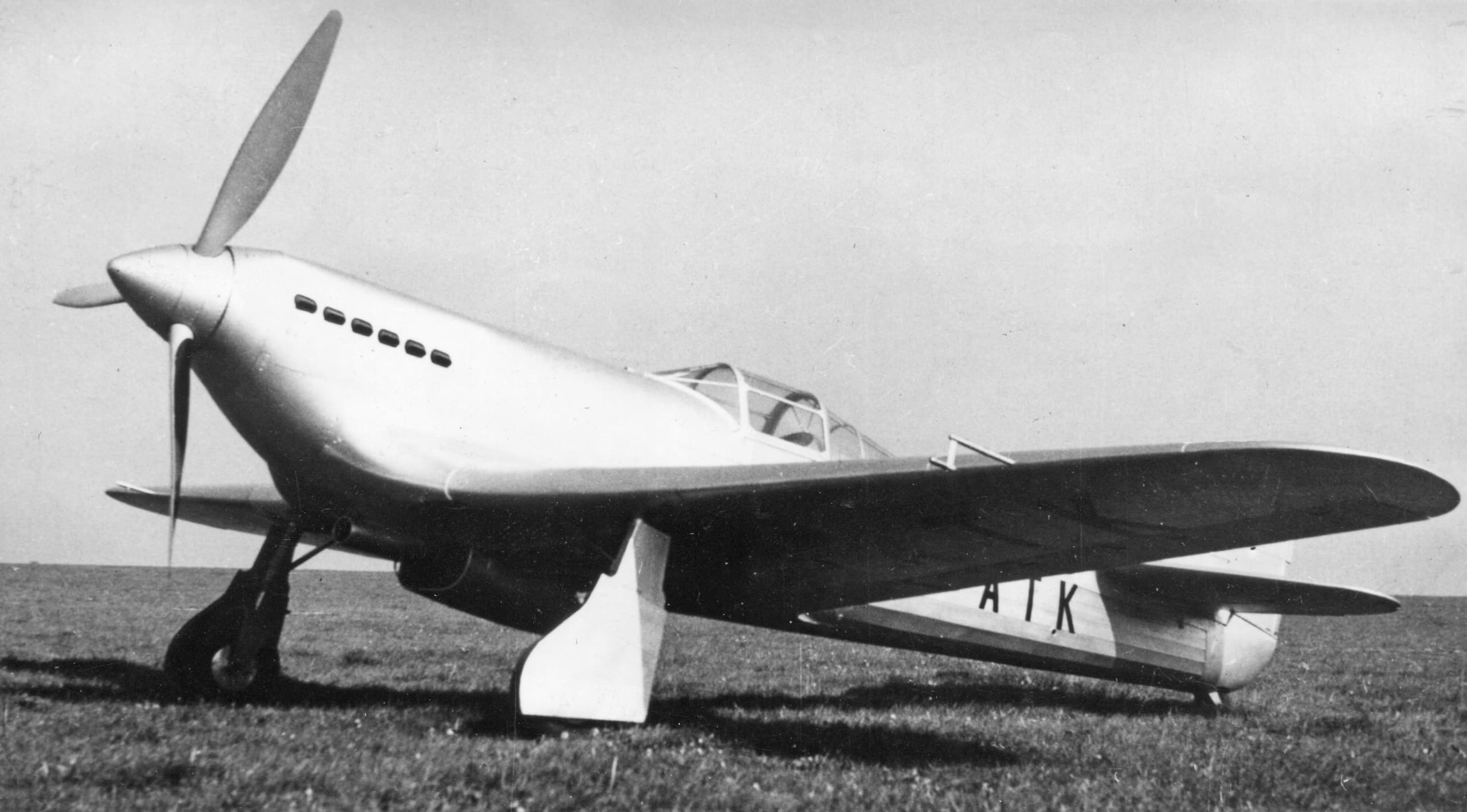
On this day in aviation history, 87 years ago (August 4, 1939), the Renard R.38 took flight for the first time. Designed by Belgian aviation nomad Alfred Renard, the R.38 was a variant of the R.36 series of all-metal fighters. Development of the R.36 began with the intent of replacing the Belgian Air Force’s Fairey Firefly IIM fleet. The Belgian Air Force selected the R.36 in late 1938, after flight testing had been conducted successfully. An order for 40 aircraft was placed, which were to be delivered within two years.
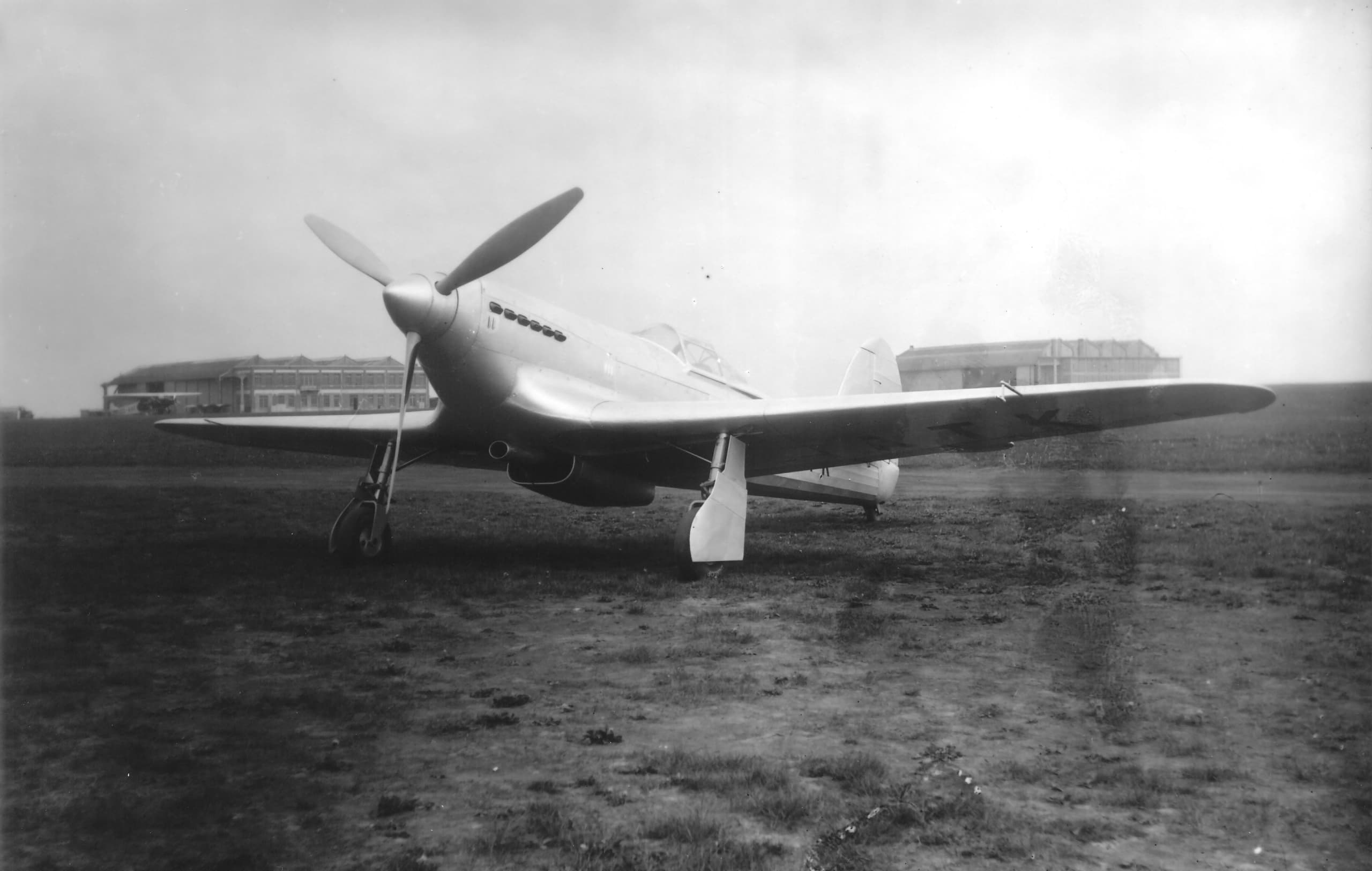
Tragedy struck on January 17, 1939, when prototype OO-ARW and pilot Lt. Viscount Eric de Spoelberch were lost in an accident. It was suspected that radio equipment had come loose during high-g maneuvers, effectively jamming the controls, or that the pilot had become incapacitated. This Renard fighter prototype had seen 75 hours and 30 minutes of flight time with no issue up to that point. The Belgian Air Force opted to cancel the order for R.36 fighters, opting instead for the license-built SABCA Hawker Hurricane. The Renard R.38 variant was powered by the 1,030-horsepower Rolls-Royce Merlin II engine. A single R.38 was built, reaching 339 mph in flight testing. The R.38 was planned to have either four 7.7 mm FN Browning machine guns or four 13.2 mm FN Browning cannons. Renard’s fighter concept had a length of 28 feet 10 inches, a wingspan of 38 feet 2 inches, and stood 9 feet 6 inches tall. The R.38 had a range of 540 nautical miles, and it could climb to 13,000 feet in 4 minutes and 56 seconds. The sole prototype R.38 variant was evacuated to France during the onset of WWII, but the fighter was captured by German forces and ultimately scrapped.







Cool