






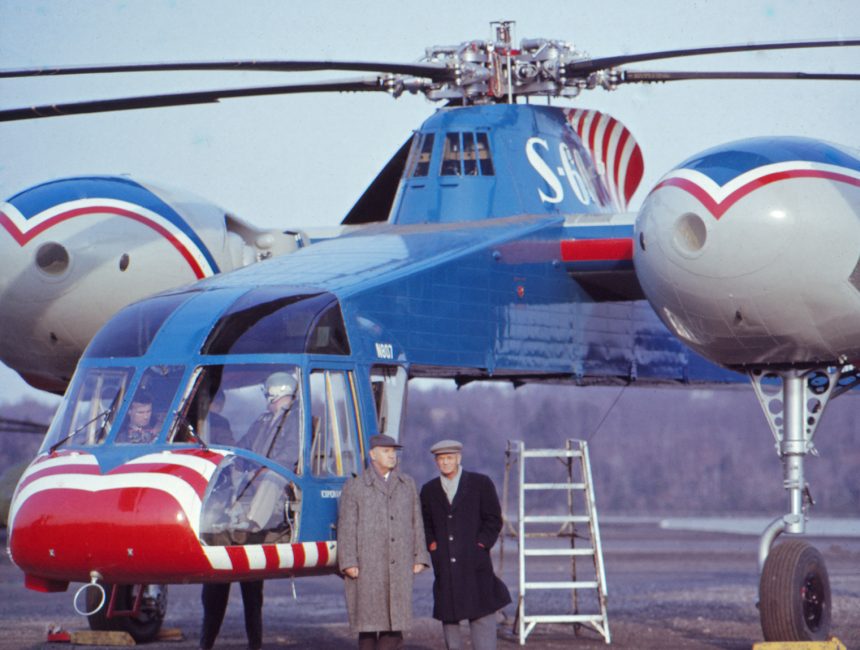

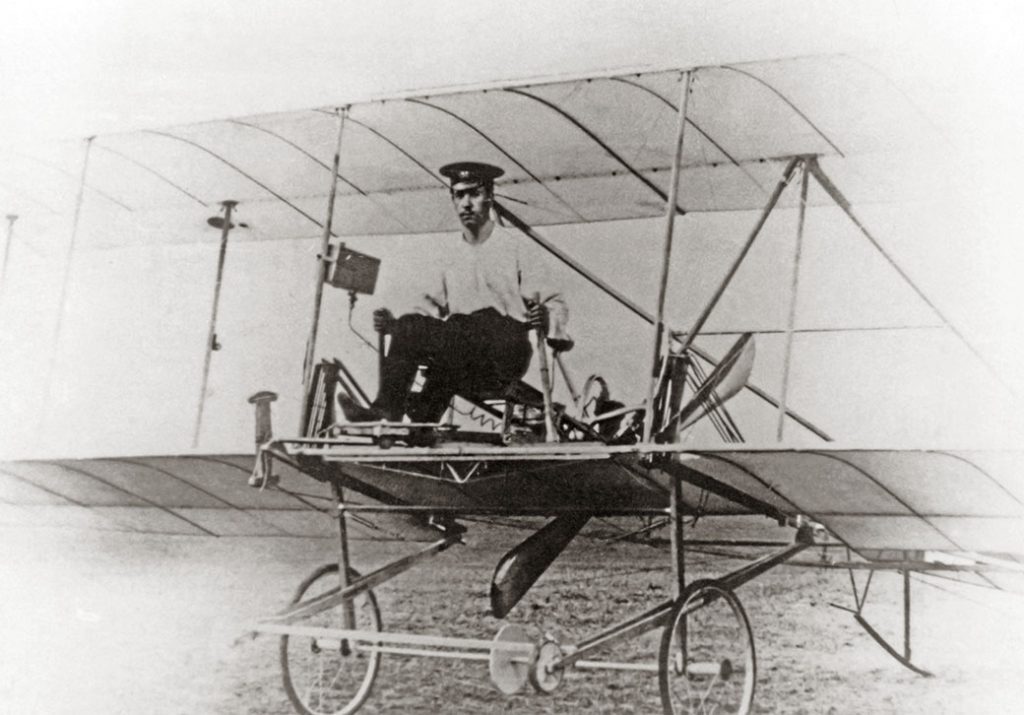
There was a Russian-American engineer who had a successful career in three areas of aviation. In 1913, he built the world’s first multi-engine airplane in Russia. He then moved to the United States, where he became well-known for his Flying Clippers. Finally, he designed and created the world’s first practical helicopter. Igor Sikorsky was born on May 25, 1889, in the Kyiv region of what was then the Russian Empire, now part of Ukraine. He became interested in science and aviation at a young age and built and flew model aircraft while learning about Leonardo da Vinci’s flying screw theory early on. At age 14, Sikorsky learned about Wilbur and Orville Wright’s first powered flight at Kitty Hawk, North Carolina. The achievement inspired his lifelong interest in aviation. Igor Sikorsky studied for three years at the Naval College in St. Petersburg. While still a student at the Mechanical Engineering College of the Polytechnic Institute in Kyiv, he decided to build his first helicopter. He traveled to Paris, which was the main center for aviation in Europe at the time. Here he met the early aviation pioneers, such as Louis Bleriot, the first man to fly across the English Channel. He returned home with a 25-horsepower Anzani engine. In 1909, he built his first helicopter, and in 1910, a second one, which, unlike the first, could rise from the ground but not carry a pilot. Igor Sikorsky then turned to fixed-wing aircraft and, in 1910, made his first solo flight in an aircraft he designed and built himself, which he called the S-1. He sketched the plane he wanted to create, built it, and then taught himself how to fly it. As he flew, he fixed both piloting mistakes and design issues.
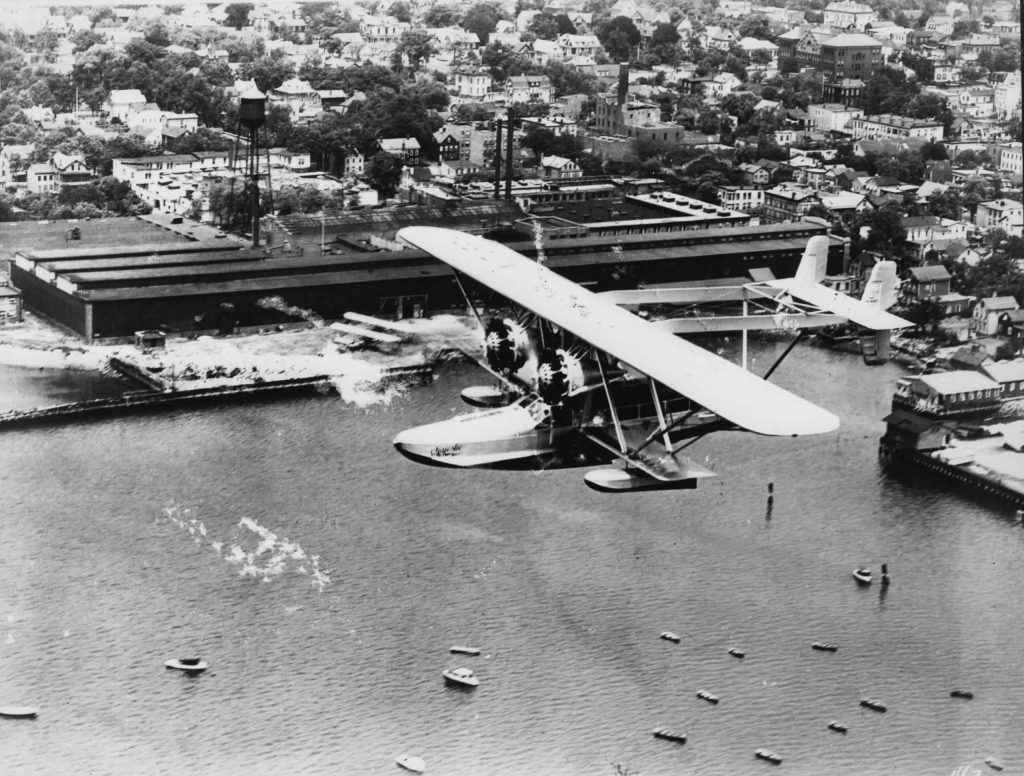
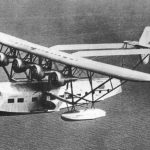
In 1913, Igor Sikorsky went against the experts by building the first four-engine airplane, named The Grand. The plane featured an enclosed cabin, a washroom, upholstered chairs, and an outdoor balcony for passengers. The Grand was followed by a larger aircraft, the Ilya Muromets, named after a famous 10th-century Russian hero. The military version of the Ilya Muromets was highly successful as a bomber during WWI, and more than 70 were built. The Russian Revolution ended Sikorsky’s work in aviation in Russia. In 1919, Igor Sikorsky traveled to the United States after brief stays in England and France. He gave lectures to Russian immigrant groups, which helped him pay for food and housing while he dreamed of flying again. In 1923, a group of Russian immigrants, including former Imperial Russian military officers who had fled the Russian Revolution, founded the Sikorsky Aero Engineering Corporation on a chicken farm near Roosevelt Field on Long Island. The first aircraft the group built was the Sikorsky S-29-A. It was a successful twin-engine, all-metal transport plane. Several other aircraft were developed after that, including the S-38 amphibian, which Pan American Airways used to open air routes to South and Central America. In 1929, Sikorsky’s company became part of United Aircraft Corporation, leading to the creation of historic flying boats. In 1931, the first 40-passenger Flying Clippers were built, and the S-42, the first transoceanic flying boat, opened the way for commercial air travel across the Pacific and Atlantic Oceans. In early 1939, Igor Sikorsky began building his first helicopter, the VS-300, at the Vought-Sikorsky plant in Stratford, Connecticut. By fall, the helicopter was ready and lifted a few feet off the ground on September 14, 1939.
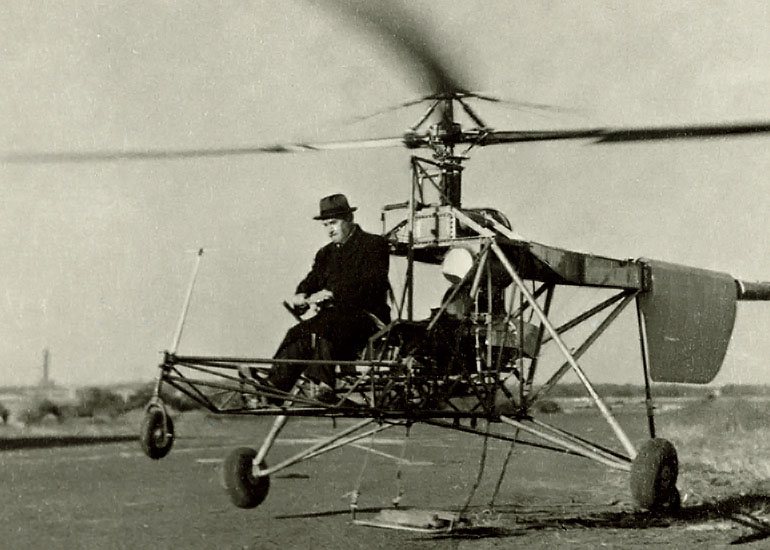
The helicopter had one main rotor for lifting and a smaller rotor at the back to control torque. It was powered by a 75-horsepower, four-cylinder engine. The main rotor had three blades and was 28 feet in diameter. The VS-300 had a welded steel frame, used V-belts and bevel gears to transmit power, and had two wheels for landing, along with an open pilot’s seat. On May 6, 1941, the VS-300 flew for 1 hour and 32 minutes, setting a world record. Later, the military ordered the helicopter, which it designated the Sikorsky R-4. It became the world’s first large-scale mass-produced helicopter and the first helicopter used by the United States Army Air Forces. The helicopter was used in the Korean War as a transport for troops and a rescue aircraft. Soldiers injured in battle were flown directly to field hospitals, giving them a better chance of recovery. In 1952, Thomas K. Finletter, the Secretary of the Air Force, presented Igor Sikorsky with the National Defense Transportation Award. In 1966, the Air Force Association named Sikorsky Man of the Year. President Lyndon B. Johnson congratulated him, saying that his skill and hard work had helped expand human progress. In 1967, Igor Sikorsky was awarded the Wright Brothers Memorial Trophy from the National Aeronautical Association. Sikorsky passed away at his home in Easton, Connecticut, on October 26, 1972, and was buried in the Saint John the Baptist Russian Orthodox Cemetery on Nichols Avenue in Stratford. As one of the Pioneers of Aeronautical Engineering, Igor Sikorsky made many important contributions to aviation, which helped aviation reach the point we see today. Read more such stories HERE.
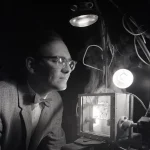
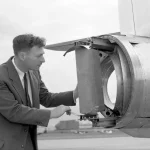







My grandfather worked for Igor Sikorsky at the Bridgeport CT plant. He was an engineering tech, built parts that the “real” (degreed) engineers designed. Brandpa bill told us that there were parts designs that he knew would not work. The engineers told him to just build it anyway so he had to go to Igor to get the parts redesigned.
That factory was near the beach, Seaside Park on Long Island Sound so there was airborne entertainment on occasion.