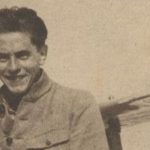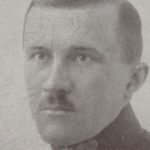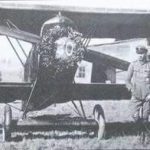
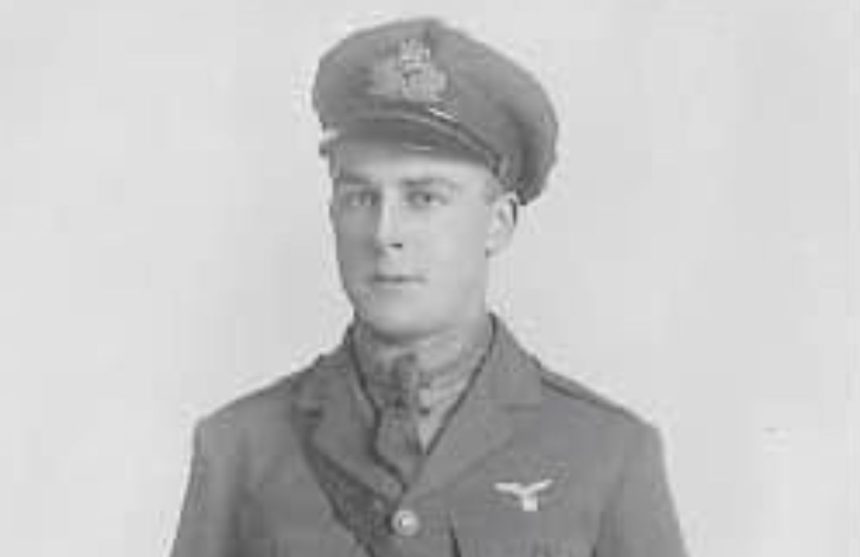

There was a Canadian ace in WWI who used a single Sopwith Camel plane to score 14 out of his 25 victories. That ace was Stanley Rosevear, who was born on March 9, 1896, in Walkerton, Ontario. He went to school in Ontario, first at Lindsay Public School and then at Port Arthur Collegiate Institute. In 1915, he started studying applied science at the University of Toronto. In November 1916, he joined the Overseas Training Company, and in January 1917, he transferred to the Royal Naval Air Service (RNAS) as a probationary flight sub-lieutenant. In February 1917, Rosevear went overseas to train in England. Stanley Rosevear became a scout pilot in June and received his officer commission. In July, he joined No.1 Squadron of the RNAS and flew Sopwith Triplanes from Bailleul in France. His first victory came on August 14, 1917, when he shot down an Albatros D.V, followed by another similar aircraft two days later and a DFW C aircraft on August 26.
Ace Journey of Stanley Rosevear
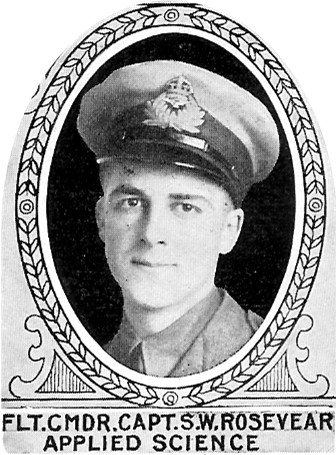
After scoring one more victory in September, he became an ace on October 17. Stanley Rosevear scored three more victories in October, bringing his personal score to eight. In November, Stanley Rosevear was awarded the Distinguished Service Cross (DSC), with a citation, “For conspicuous gallantry and devotion to duty. He has destroyed several hostile machines and has also attacked and scattered parties of enemy infantry from low altitudes, on one occasion from a height of only 100 feet.” He was then provided with a new Sopwith Camel, tail number B6428, which Stanley Rosevear used to gain 14 more victories by March 1918, bringing his score to 22. On January 1, 1918, Rosevear was promoted to flight lieutenant and was later awarded a Bar to his Distinguished Service Cross, with a citation, “For the skill and gallantry displayed by him on March 15, 1918, when he attacked a formation of eight enemy aircraft, destroying two of the enemy machines. This officer has destroyed numerous enemy machines and is a very skillful and dashing fighting pilot.”
The Death
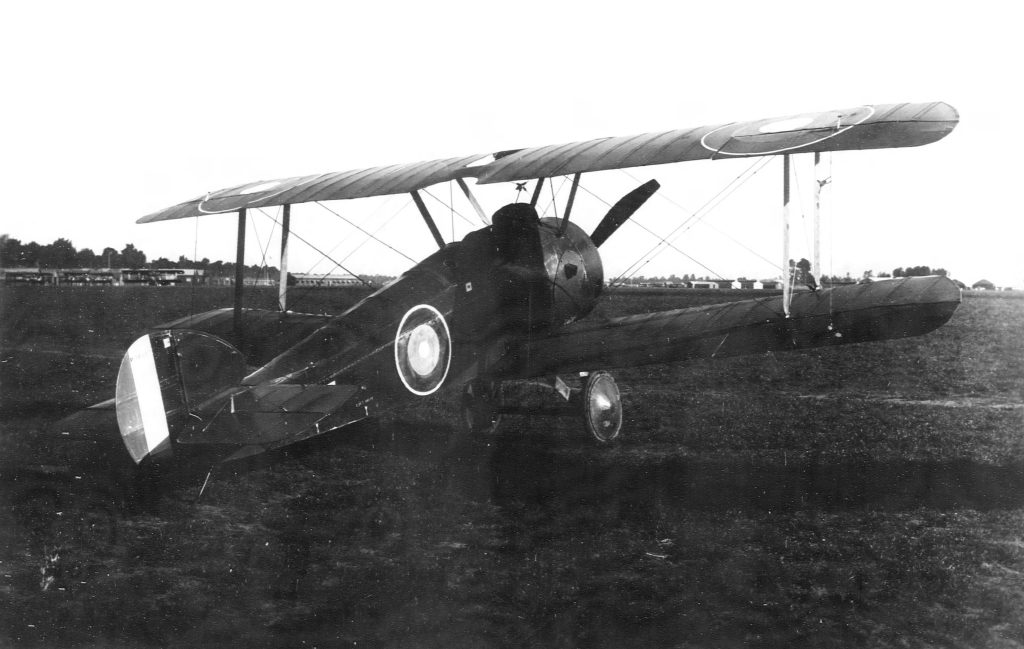
That same month, Stanley Rosevear also became a flight commander and, on April 1, 1918, became a captain in the Royal Air Force (RAF) after the Royal Flying Corps and the Royal Naval Air Service combined. The No.1 Squadron RNAS became No.201 RAF. He served in various locations during the German offensive that spring, including Dunkirk, Bailleul, and Arras. He further scored three more victories in April, with the last on April 22, bringing his score to 25. Stanley Rosevear was shot down and killed at the Arras front on April 25 and was buried at Saint-Hilaire Cemetery in Frévent. Out of all his victories, 13 were Albatros D.Vs, five were C-type two-seater aircraft, four were Pfalz D.IIIs, two were Fokker Dr.Is, and one was a DFW C aircraft. He used the Sopwith Camel for 17 of his victories and the Sopwith Triplane for eight. In the Aces series, Stanley Wallace Rosevear was a young commander, both brave and confident. Read stories about more Aces HERE.