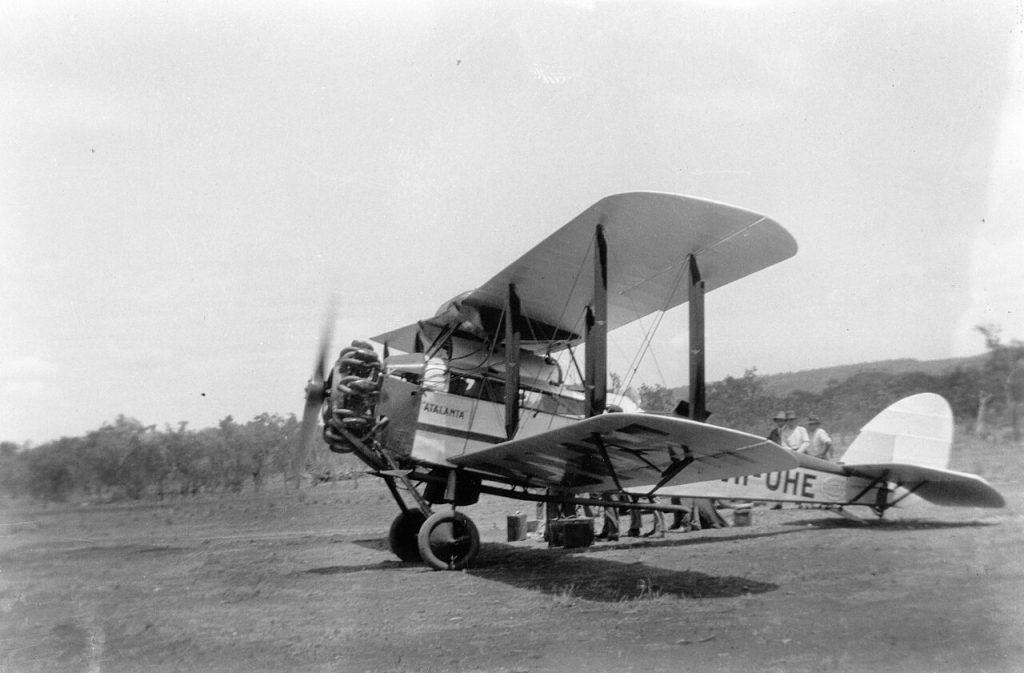
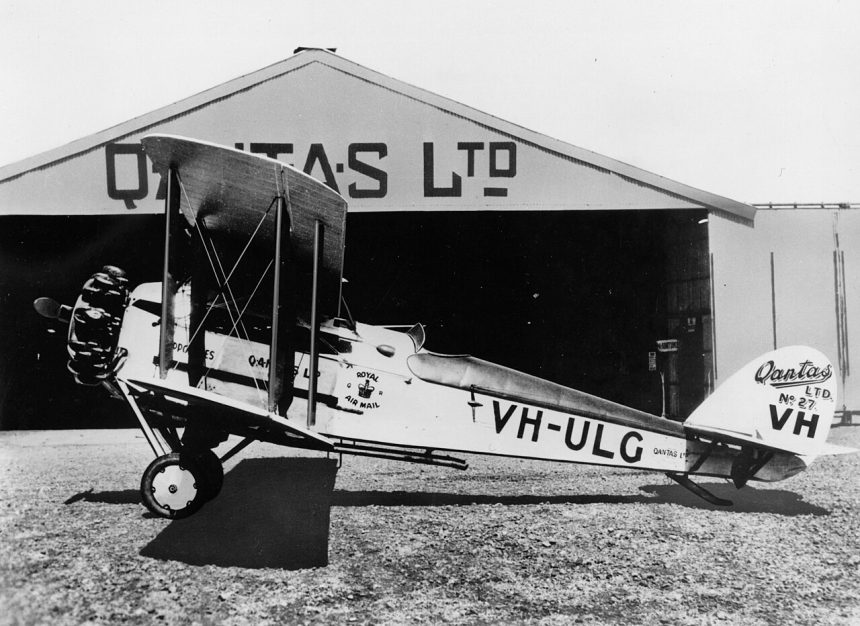


On this day in aviation history, 103 years ago (July 30, 1923), the de Havilland DH.50 took flight for the first time. A large single-engined transport, the DH.50 was a biplane design created by British aviation manufacturer de Havilland. The DH.50 was additionally built under license in Australia, Belgium, and Czechoslovakia. Development of the DH.50 began upon the realization that aircraft that had served in WWI, which were currently being flown in transport roles, would soon need replacing. Geoffrey de Havilland steered his company in the direction of developing a new transport aircraft, one that could seat four passengers. de Havilland’s earlier DH.9 bomber design would serve as a template for the new aircraft. G-EBFN would be the first DH.50 to take flight on 7/30/1923. A few days later, pilot Alan Cobham would win an award for reliability from his test flights between Copenhagen and Gothenburg. In 1924, Cobham won the King’s Cup Race while flying G-EBFN, averaging an airspeed of 106 mph.
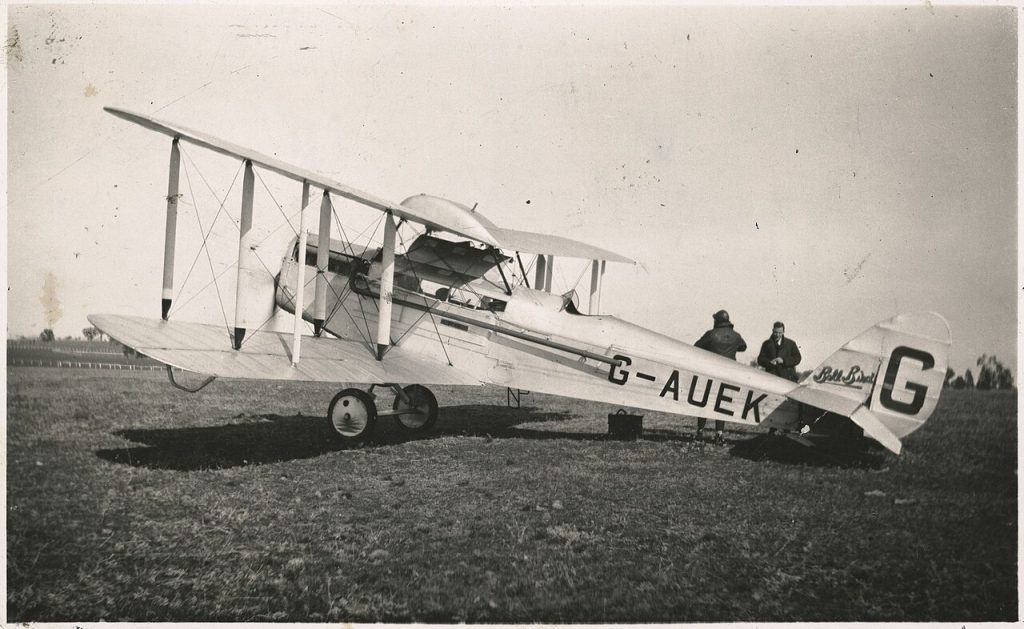
The second prototype, the DH.50J, was fitted with an Armstrong Siddeley Jaguar engine. Registered as G-EBFO, this variant was flown by Cobham on a 16,000-mile flight from Croydon Airport to Cape Town. Floats were later fitted to the DH.50J, and it was used for survey flights. In 1926, the float-equipped DH.50J was used for the Royal Australian Air Force’s first international flight to the Pacific Islands. de Havilland built only 17 DH.50s; the remaining 21 airframes were built under license. The DH.50A was powered by a 230-horsepower Siddeley Puma 6-cylinder water-cooled in-line piston engine, and capable of attaining a cruise speed of 95 mph (109 mph max airspeed). Air carriers made use of the DH.50’s 330-mile range and 14,600-foot service ceiling. Qantas, Sabena, ČSA, and Imperial Airways Ltd., to name a few, operated the DH.50 in a passenger-carrying role.