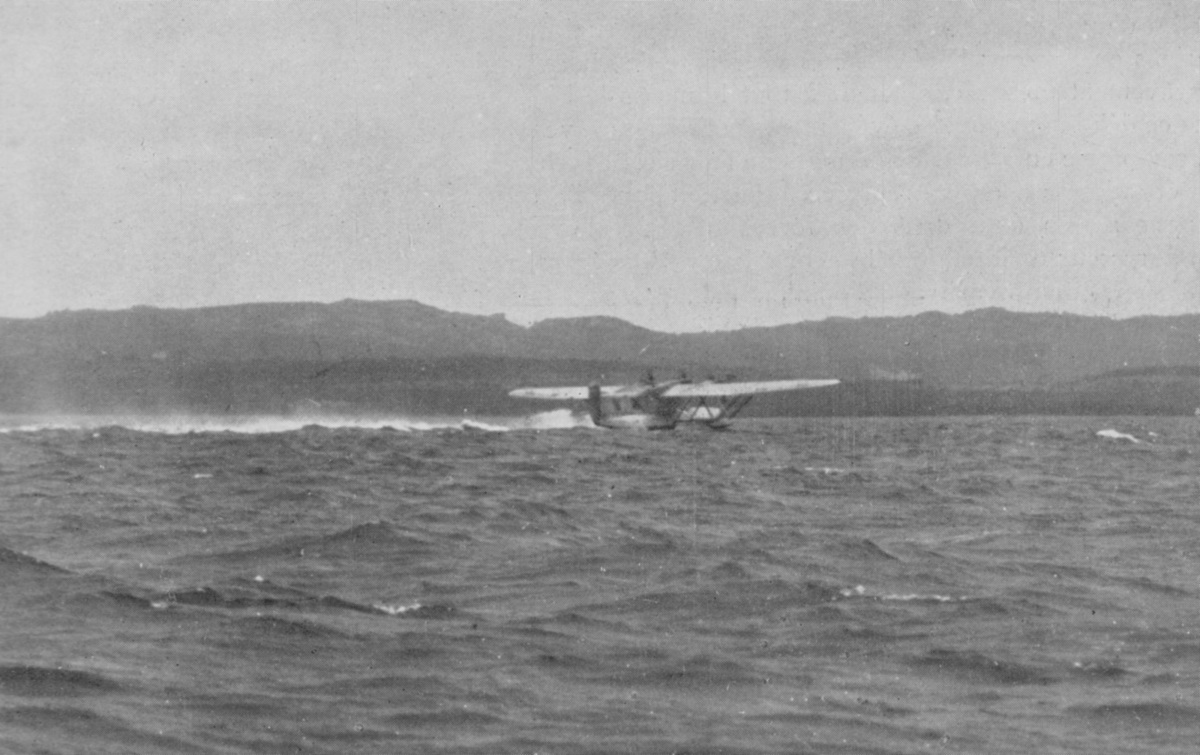
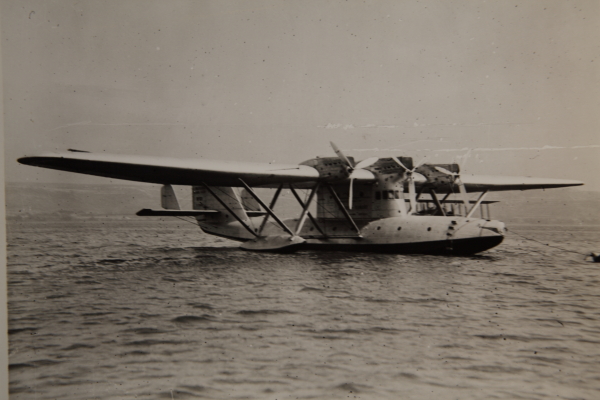


On this day in aviation history, 93 years ago (August 3, 1933), the Blériot 5190 took flight for the first time. An early 1930s development from French aviation manufacturer Blériot Aéronautique, the 5190 was designed by Filippo Zappata, an Italian engineer. The 5190 was a flying-boat, built with a unique parasol wing and low-profile hulled fuselage. A substantial pylon supported the high-mounted wing, keeping the engines out of the current’s wake. Three of the 5190’s 650-horsepower Hispano-Suiza 12Nbr engines were mounted on this wing, while a fourth was installed on the trailing edge’s centerline.
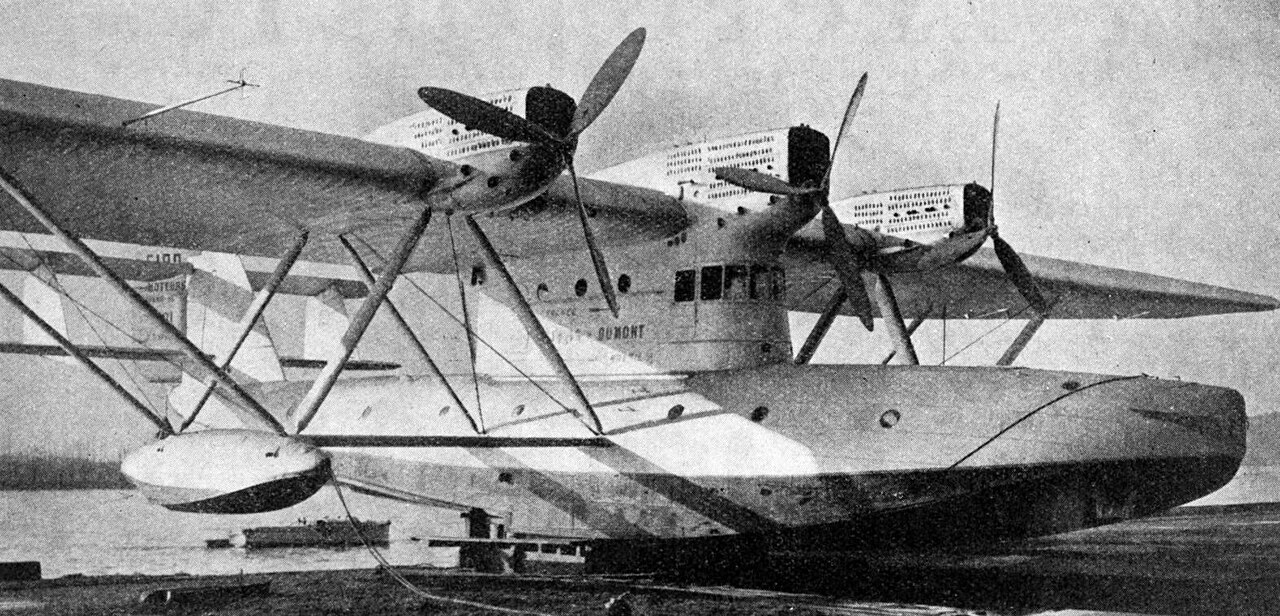
Blériot began development of the 5190 as a means to support a French government contract that would fly airmail to South America. The first 5190 prototype was named Santos-Dumont, after the noted Brazilian aeronaut and inventor. In the next year and a half, following the first flight of the Santos-Dumont, the flying-boat would make two successful mail-carrying flights across the South Atlantic Ocean. At the controls of these flights were Lucien Bossoutrot as pilot, and Henri Nomy as flight engineer. February of 1935 brought about a new opportunity for the Santos-Dumont, as the Latécoère 300 la Croix du Sud went down for maintenance, and the only other shop providing this vital service at the time was the Latécoère 300 la Croix du Sud.
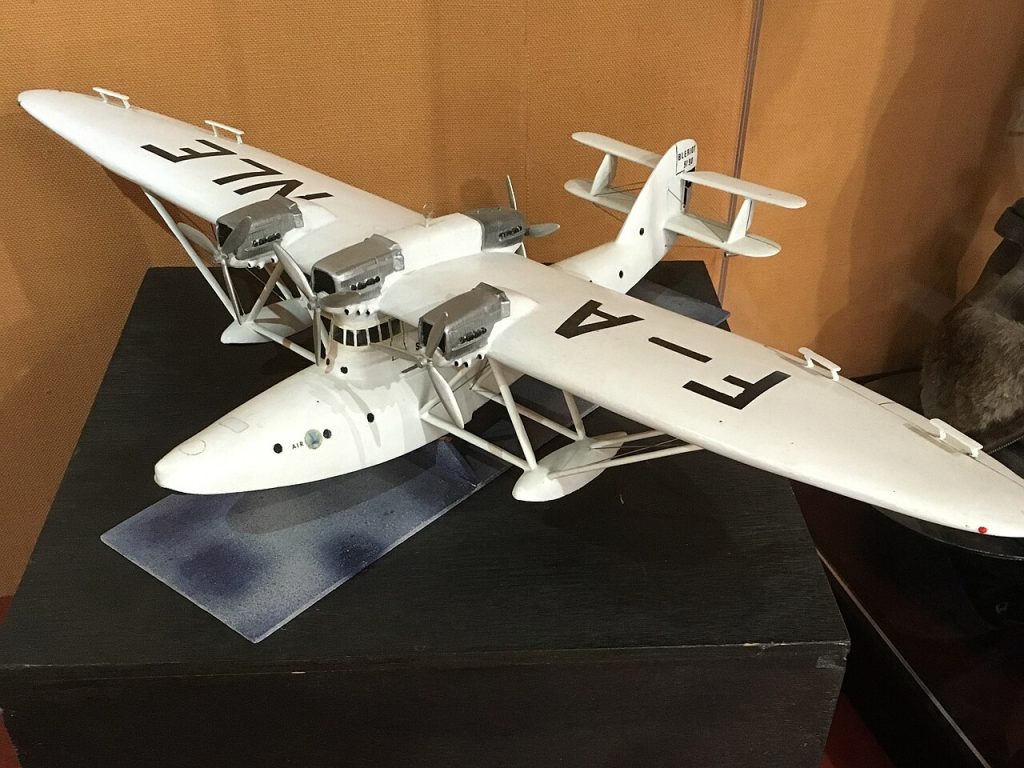
The Blériot 5190 was flown by a crew of four and had a gross weight of 48,500 pounds. The 5190 could attain 131 mph and reach a service ceiling of 16,730 feet. Range was of utmost importance for Blériot’s flying-boat mail carrier, and the aircraft’s 2,700-mile radius of operation made the mission possible. Santos-Dumont would serve in the role of mail carrier until June of 1937, amassing 38 crossings of the Atlantic. The French government liked what they had seen from the 5190, and ordered three more from Blériot. Unfortunately, for unknown reasons, the contract was abruptly cancelled, forcing Blériot into bankruptcy and leading to Louis Blériot’s eventual passing via heart attack. The 5190 showed promise, and as unfortunate as her story ends, this flying-boat’s legacy can never be taken away.