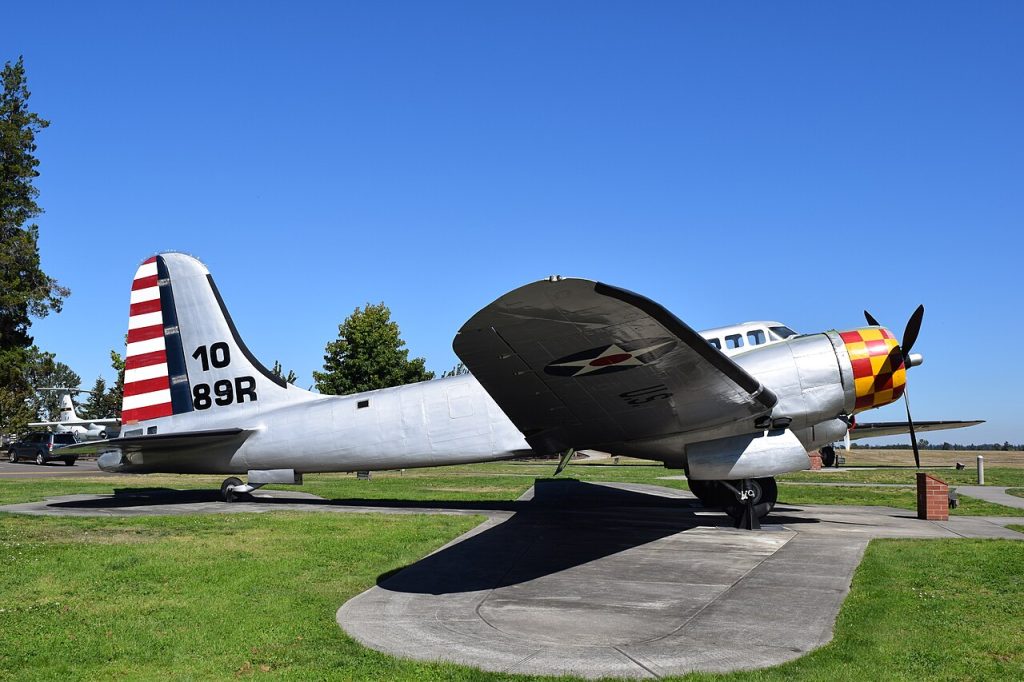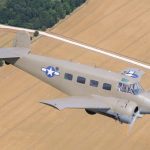
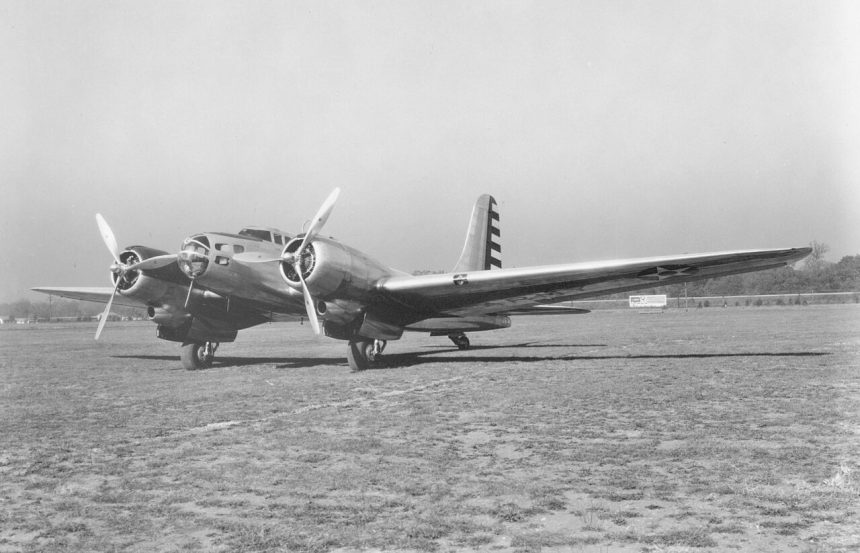


On this day in aviation history, 87 years ago (July 27, 1939), the Douglas B-23 Dragon took flight for the first time. A medium-bomber design, the B-23 was a further development by the Douglas Aircraft Company of their B-18 Bolo. Initially named the XB-22, the Dragon began life as a redesigned B-18. The United States Army Air Corps saw promise in the modified Bolo concept, and they ordered the final 38 B-18As to be built as B-23s, under Contract AC9977. Douglas used a wing design that was similar to that of their popular DC-3/C-47 model, while also adding defensive armament beyond what the B-18 had. The B-23 featured a glazed tail gun position with a 0.50 caliber machine gun, making it the first American bomber to have such defenses. The tail gunner was seated in a prone position and aimed through a telescopic sight. The 38 production B-23 variants were produced between July 1939 and September 1940.
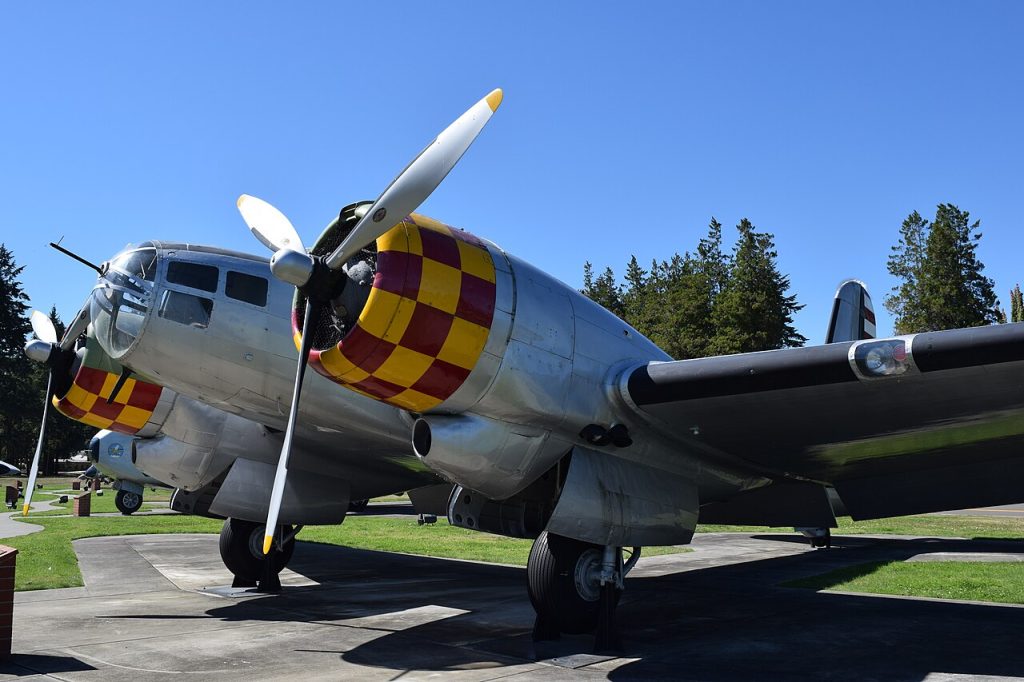
The B-23 Dragon proved faster and more heavily armed than the B-18 Bolo that came before it. Unfortunately, the B-23 was not as fast as newer medium bombers that had been released, including the North American B-25 Mitchell and Martin B-26 Marauder. Due to this gap in performance, the B-23 was relegated to duties on the home front during WWII. Dragons served as patrol aircraft for a brief time on the western coast, and also served as trainers for bomber crews. Eighteen B-23s were converted and re-designated as UC-67s, and subsequently served as utility transport aircraft. Douglas’ B-23 was served by a crew of six, and powered by twin 1,600-horsepower Wright R-2600-3 radial engines. The B-23 had a maximum airspeed of 282 mph and would cruise at 210 mph. This medium bomber had a range of 1,200 nautical miles and a service ceiling of 31,600 feet. In addition to the 0.50 caliber gun in the tail, three .30 caliber machine guns were installed in the fuselage and nose positions. The B-23 could be loaded with up to 2,000 pounds of bombs in its internal bomb bay.
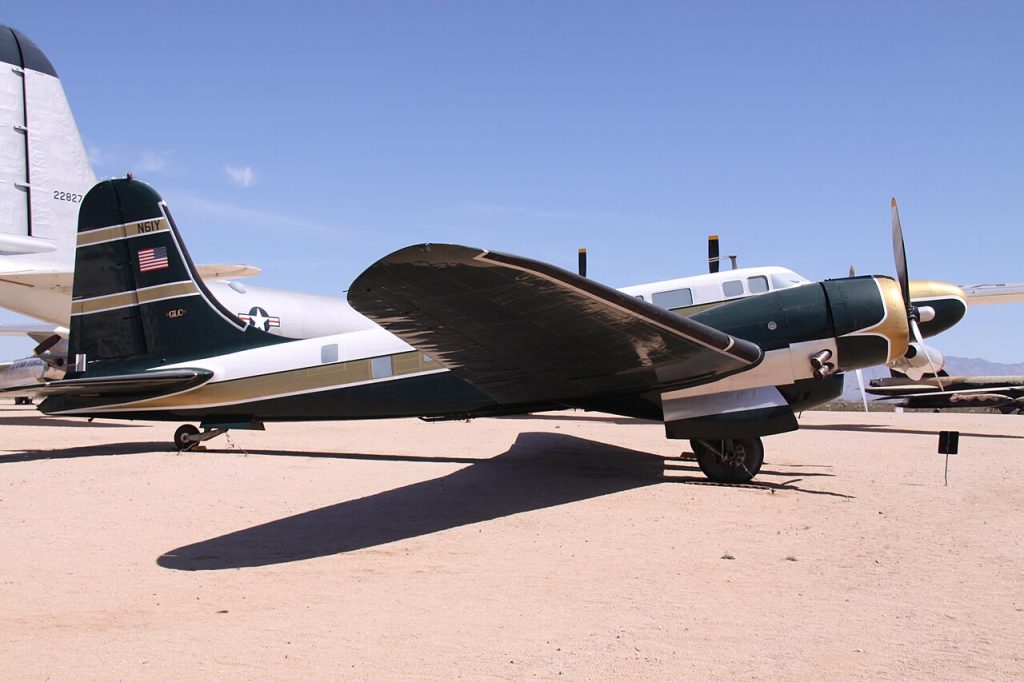
After WWII, some B-23s were used to test new aircraft systems and technology. Additionally, many Dragons were used as personal aircraft, most notably by Howard Hughes. A handful of these bombers survive today, and two are nearly capable of flight. One such B-23, 39-0063, was recently acquired by the Liberty Foundation. This surviving Dragon eagerly awaits a return to flight, and you can read more about it in our recent article.