






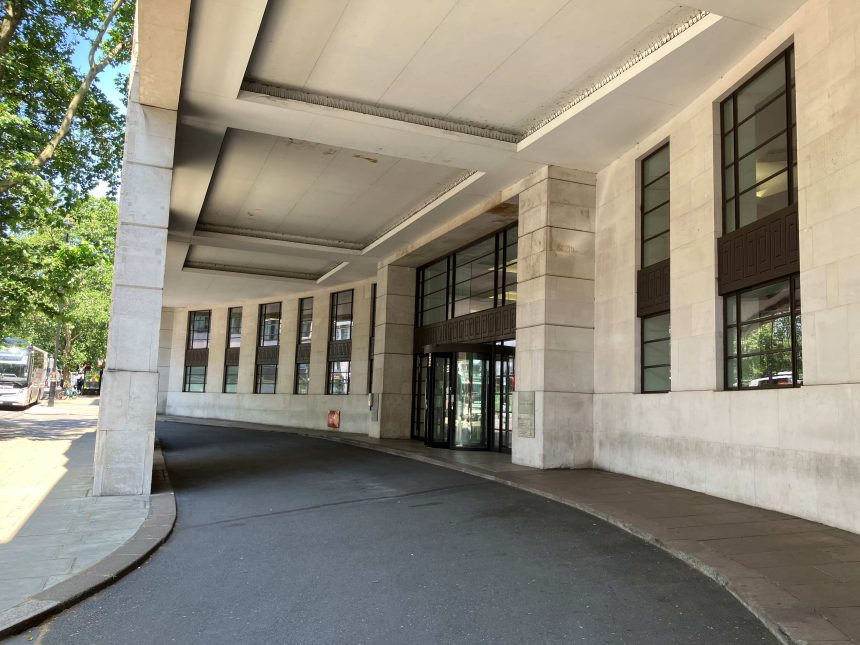

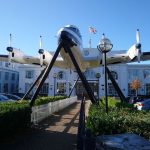
At 157-197 Buckingham Palace Road, close to hectic Victoria railway station and Victoria Coach Station in central London, stands an imposing late 1930s monument to British vintage flight. Built in white Portland stone, this building is today the headquarters of the National Audit Office (NAO), the UK’s main independent public spending watchdog. Yet its architectural grandeur suggests a far livelier original purpose and an enticing aviation heritage. Before accountants walked its corridors, this 1930s marvel was formerly London’s Empire Air Terminal (‘Airways House’). Opened on 5 June 1939 by Britain’s first national airline, Imperial Airways, it served as an ultra-modern city center transit hub for world travelers departing London during 1939-1980. Well before London airports Heathrow and Gatwick became operational, passengers checked in at the Empire Air Terminal for intercontinental flights miles away from a runway. The beauty of this air building, in the heart of central London, still captivates passers-by. For the air-minded, is well worth exploring.
Gateway to the World
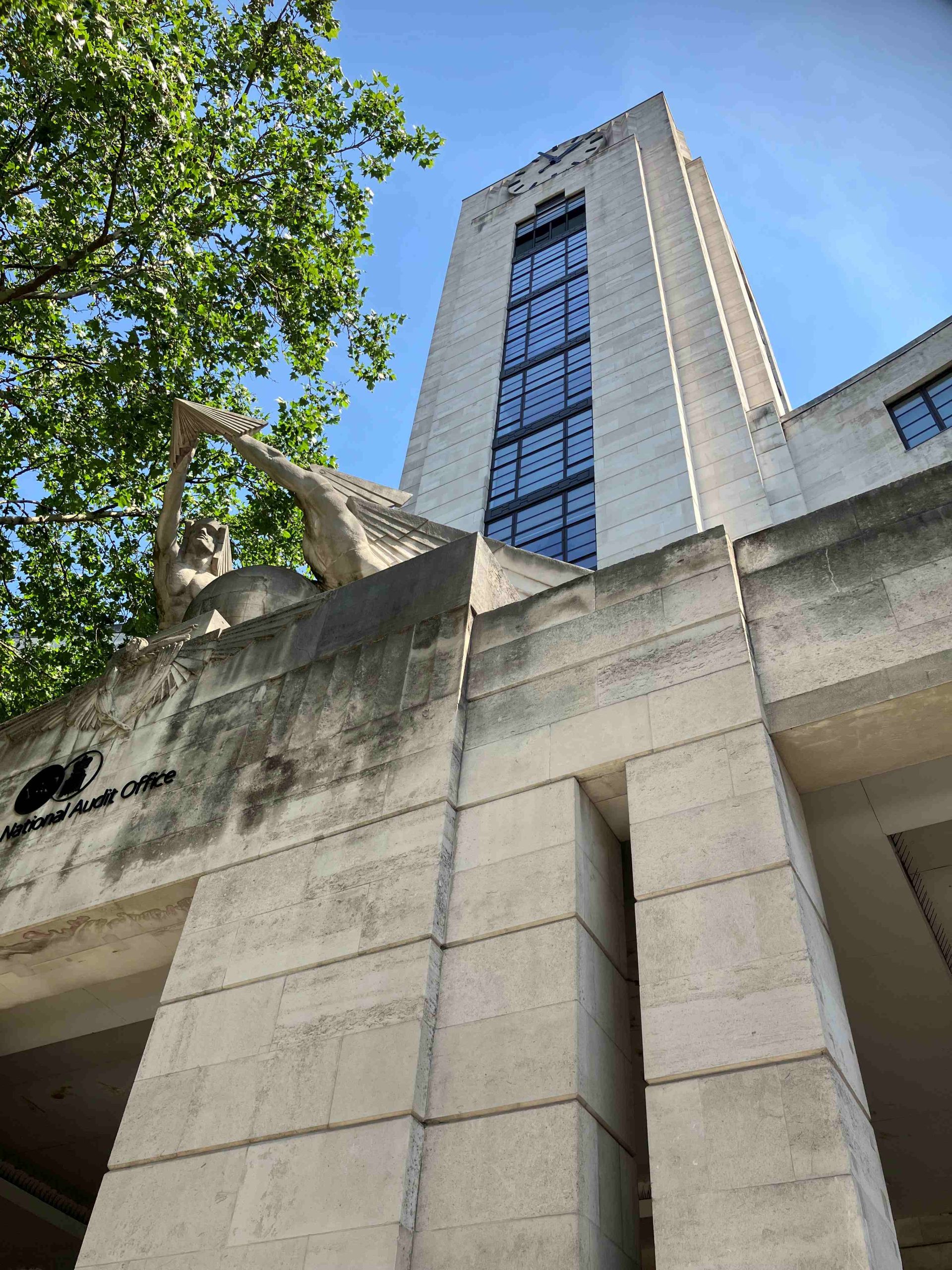
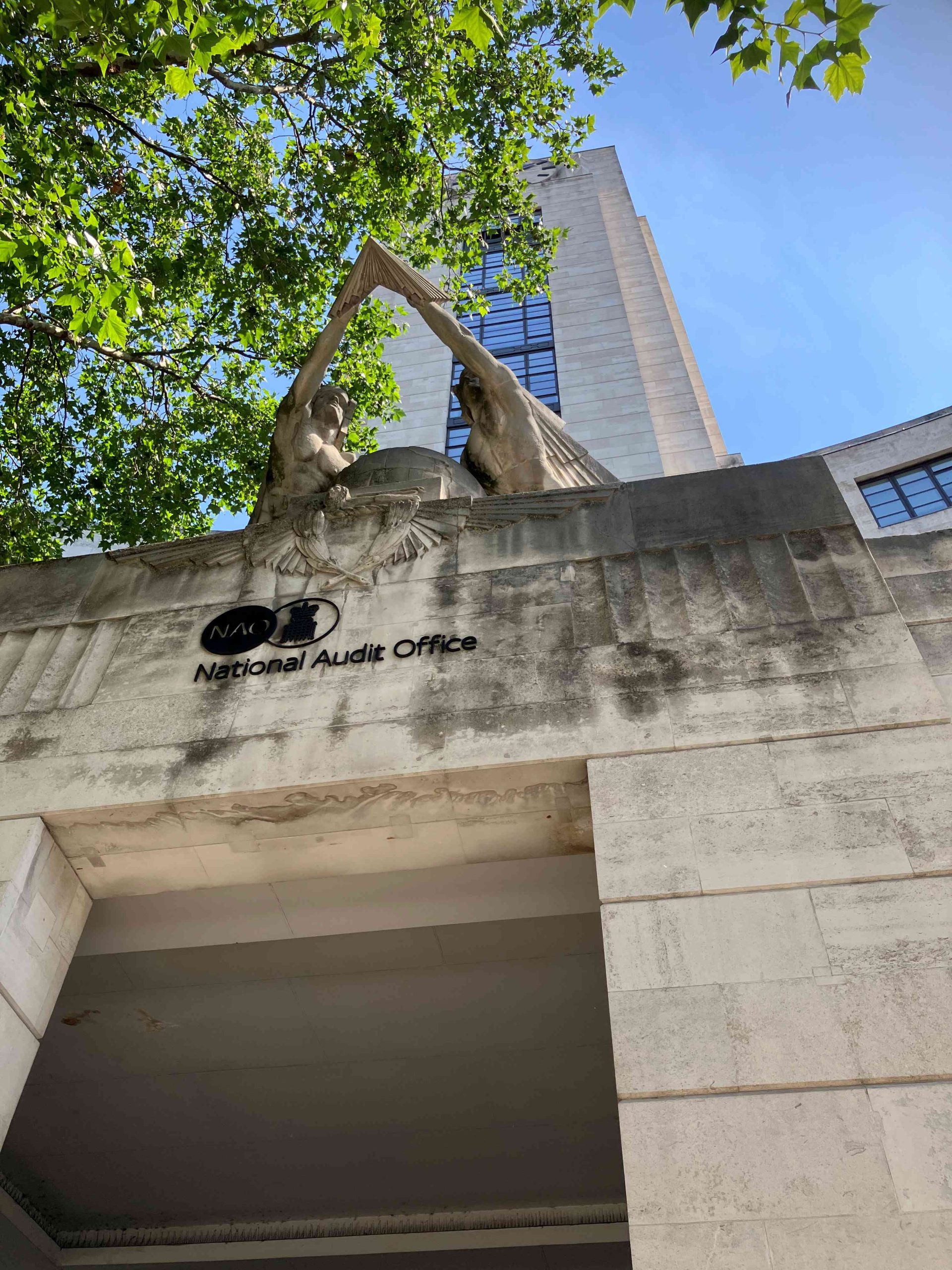
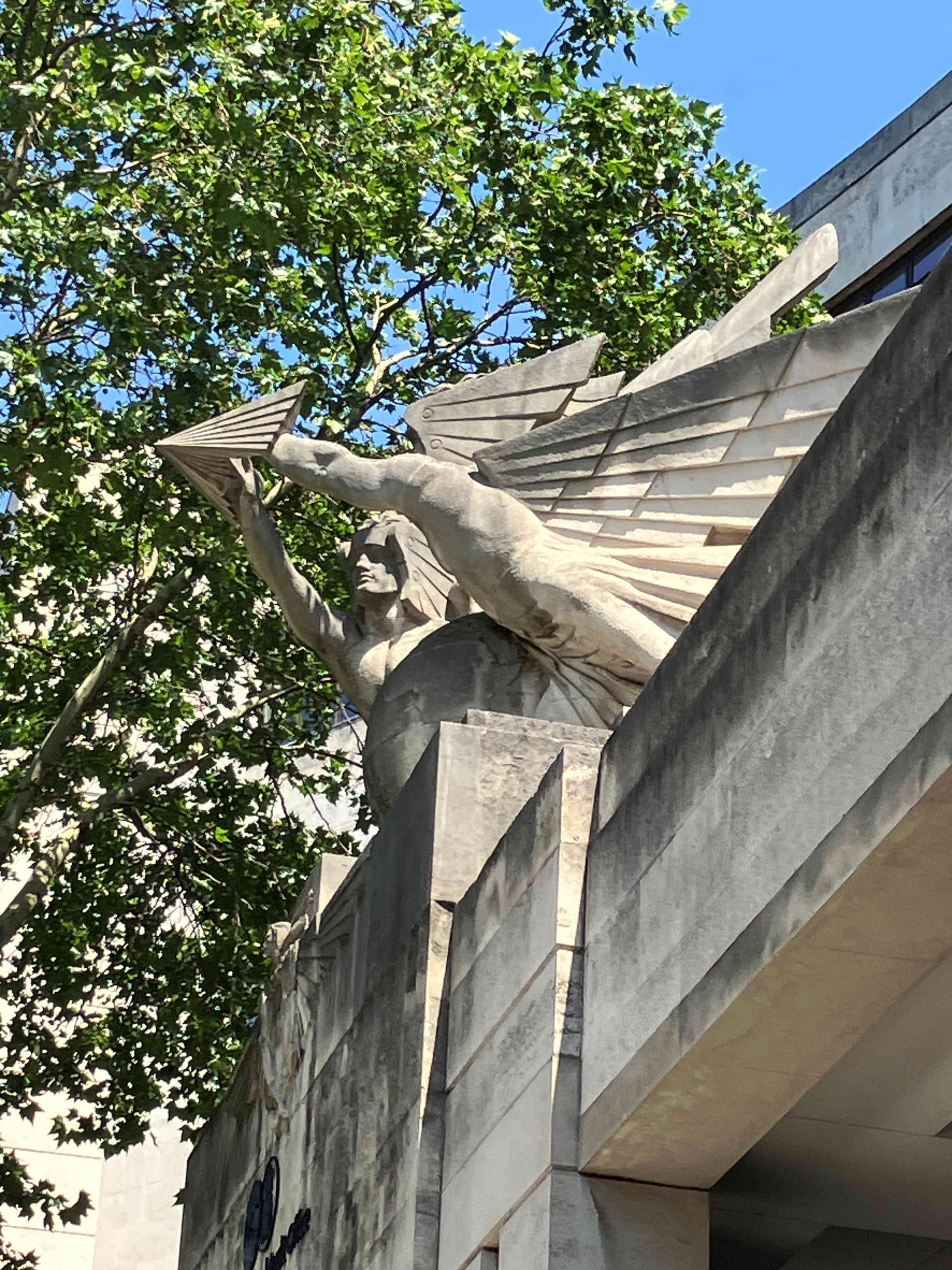
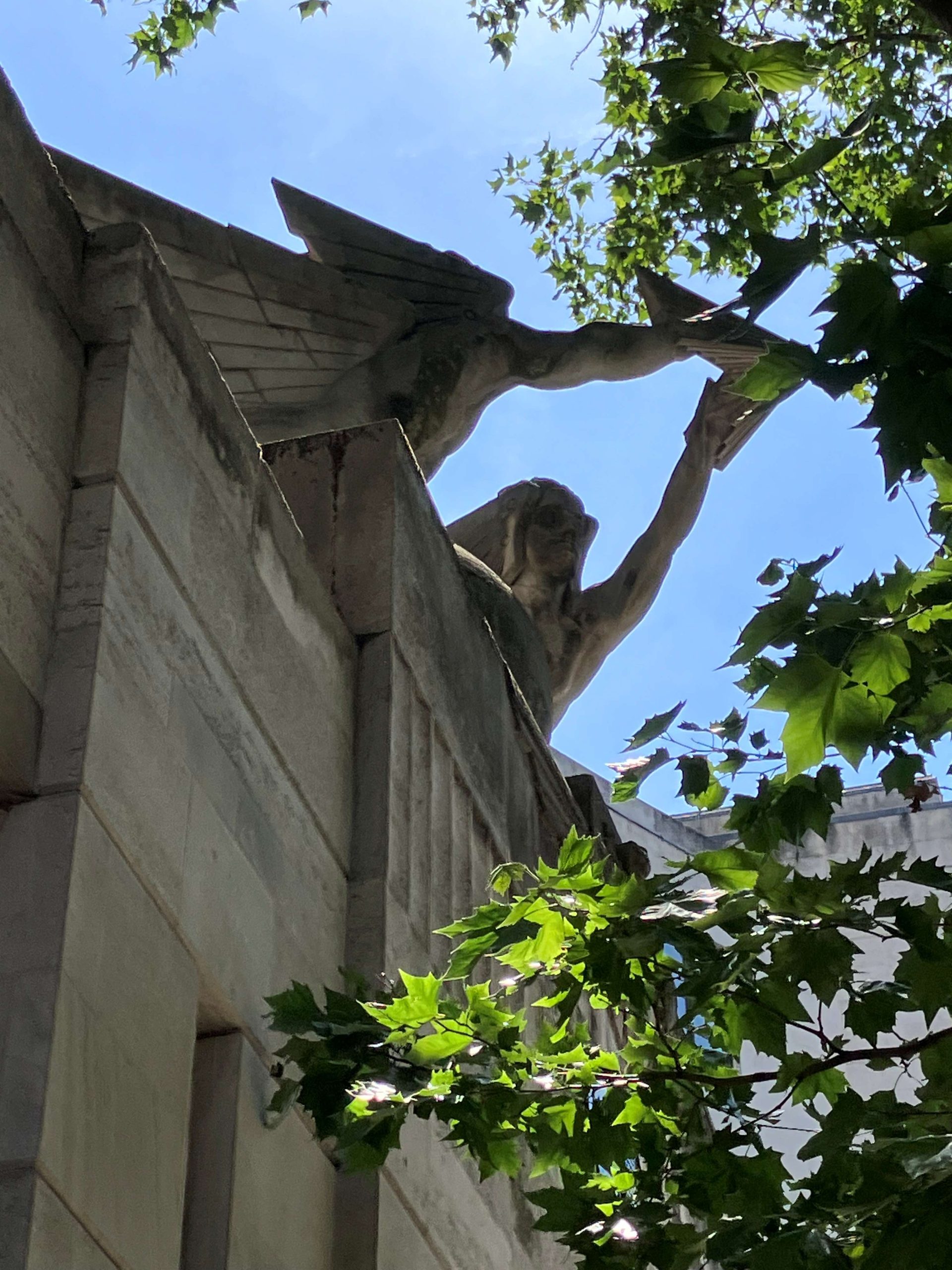
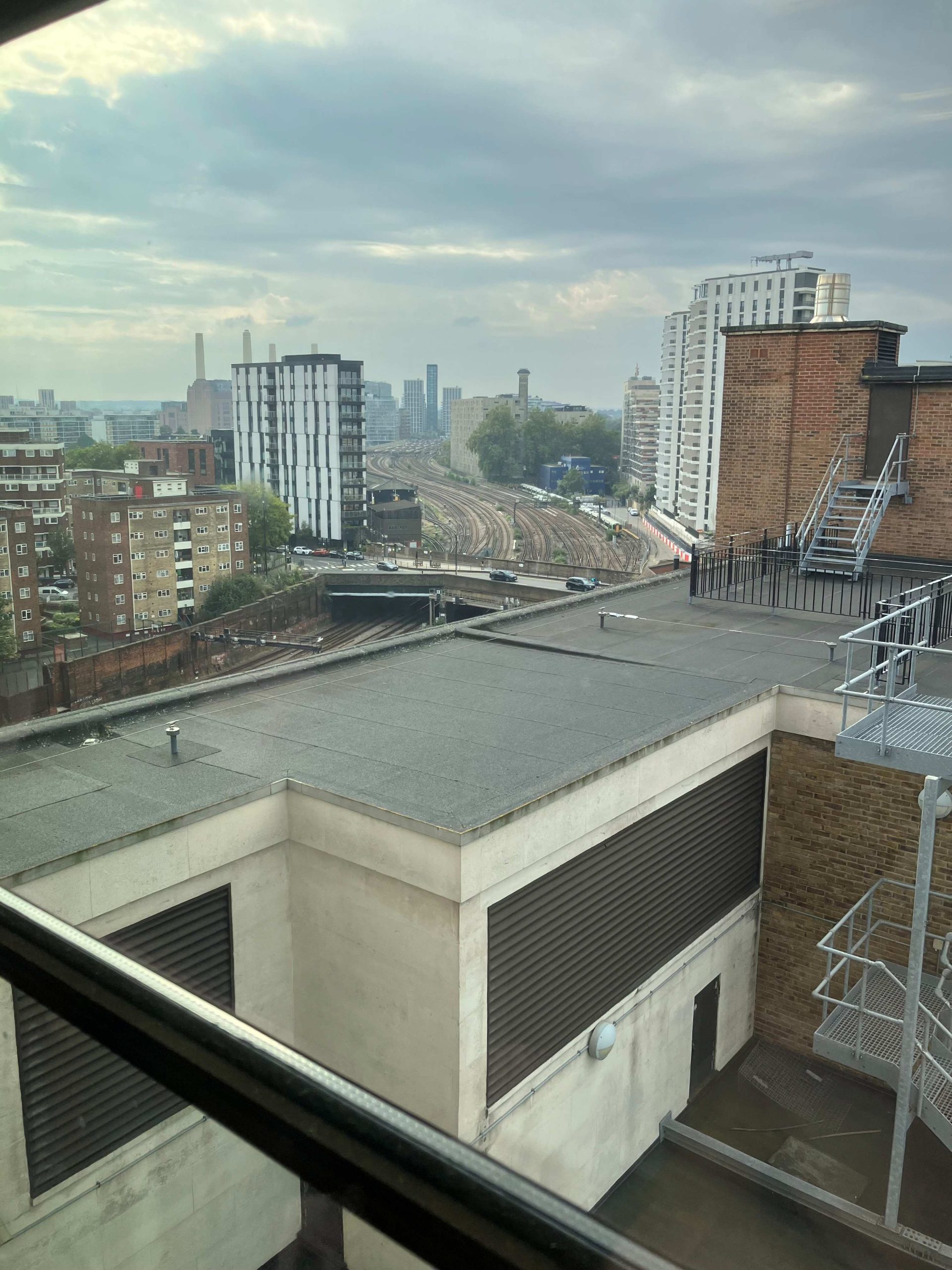
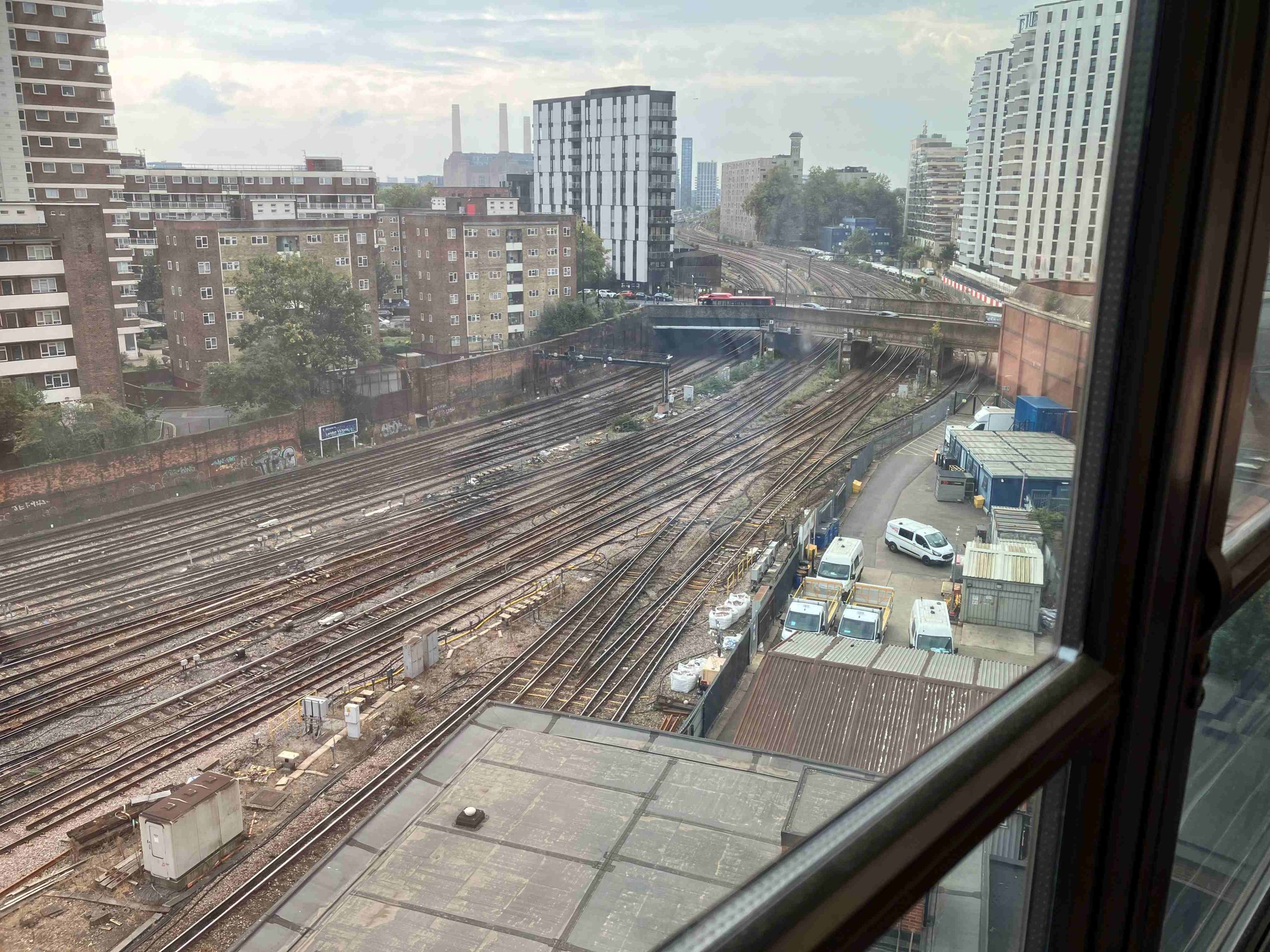
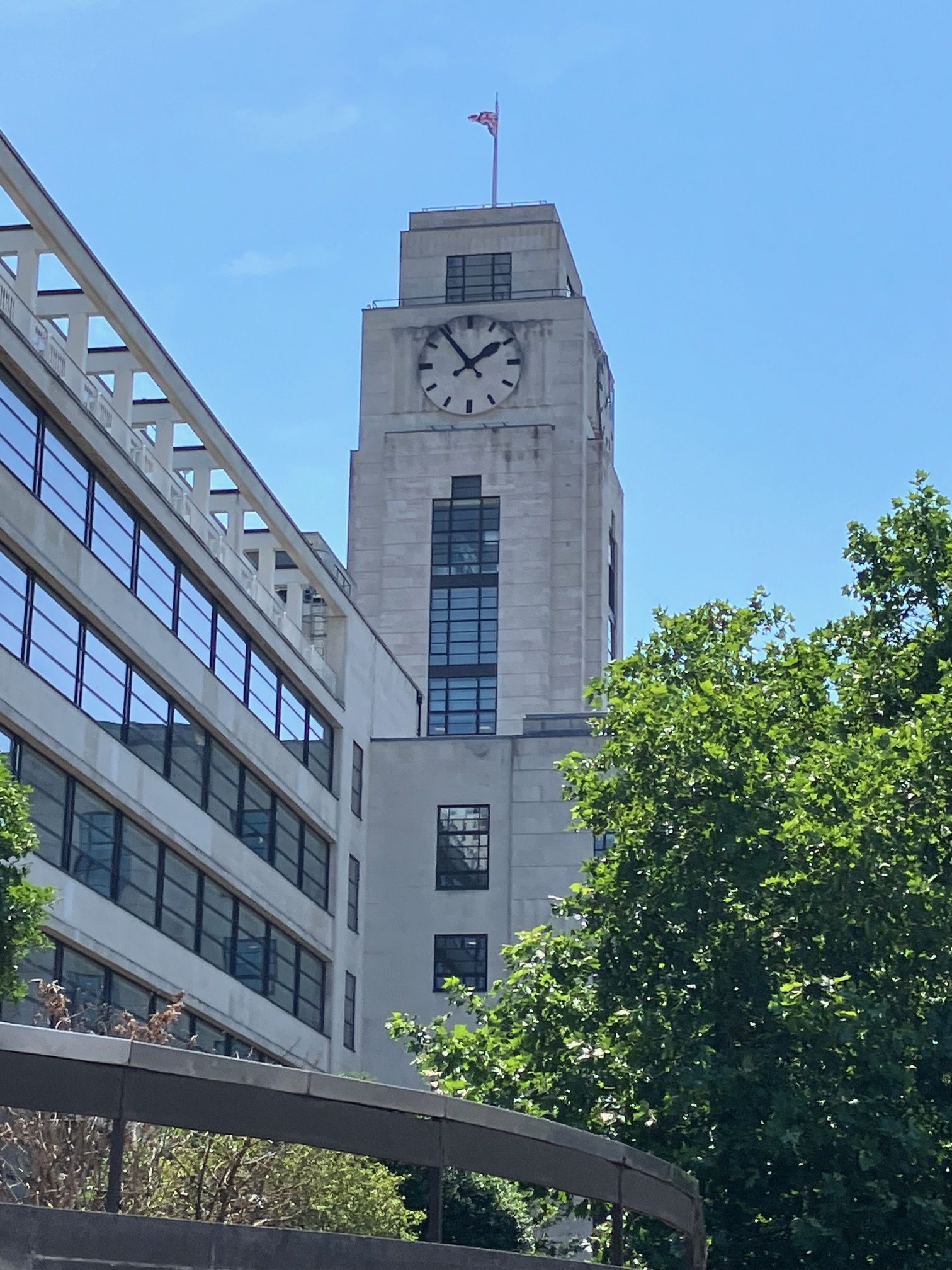
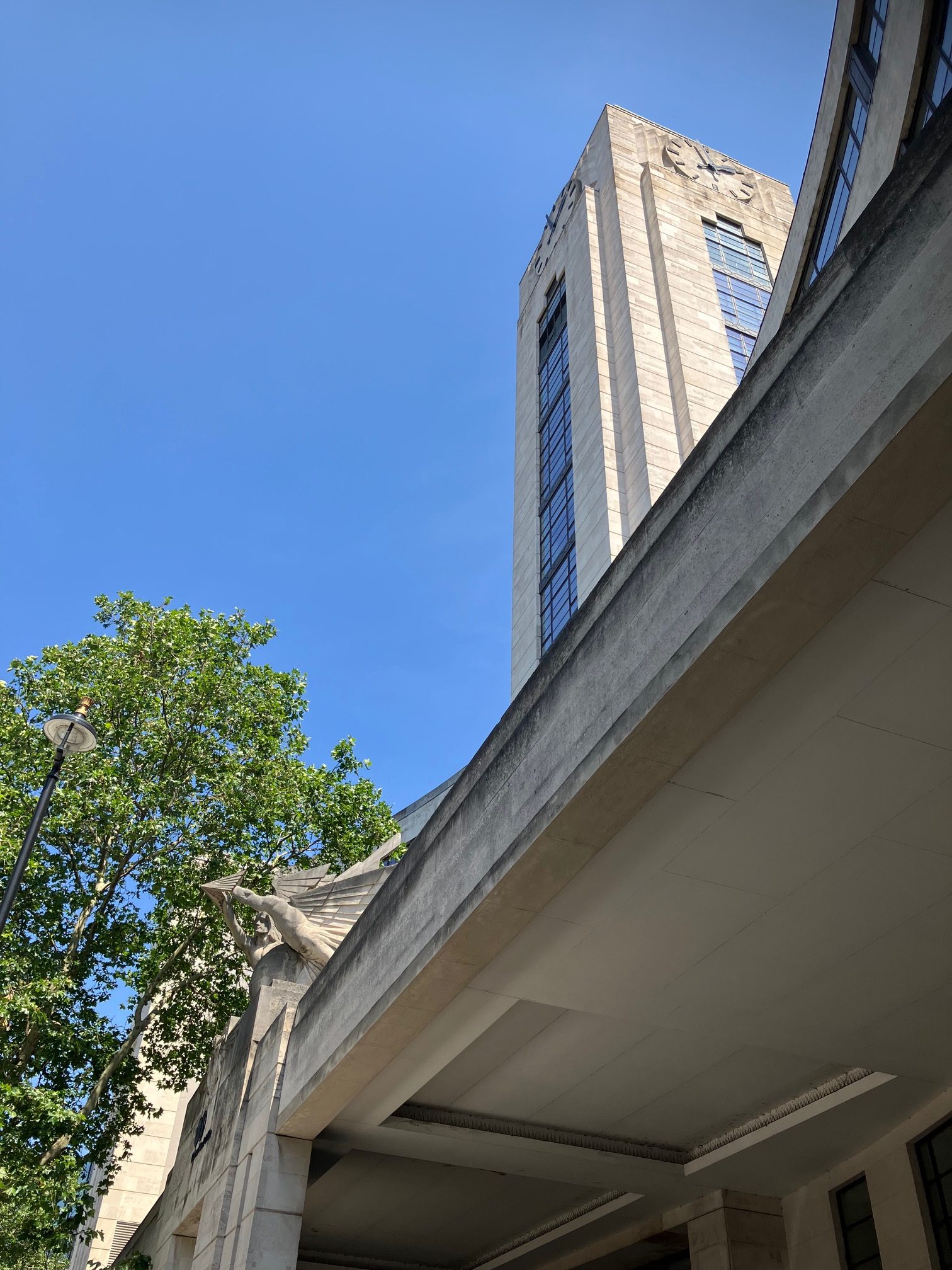
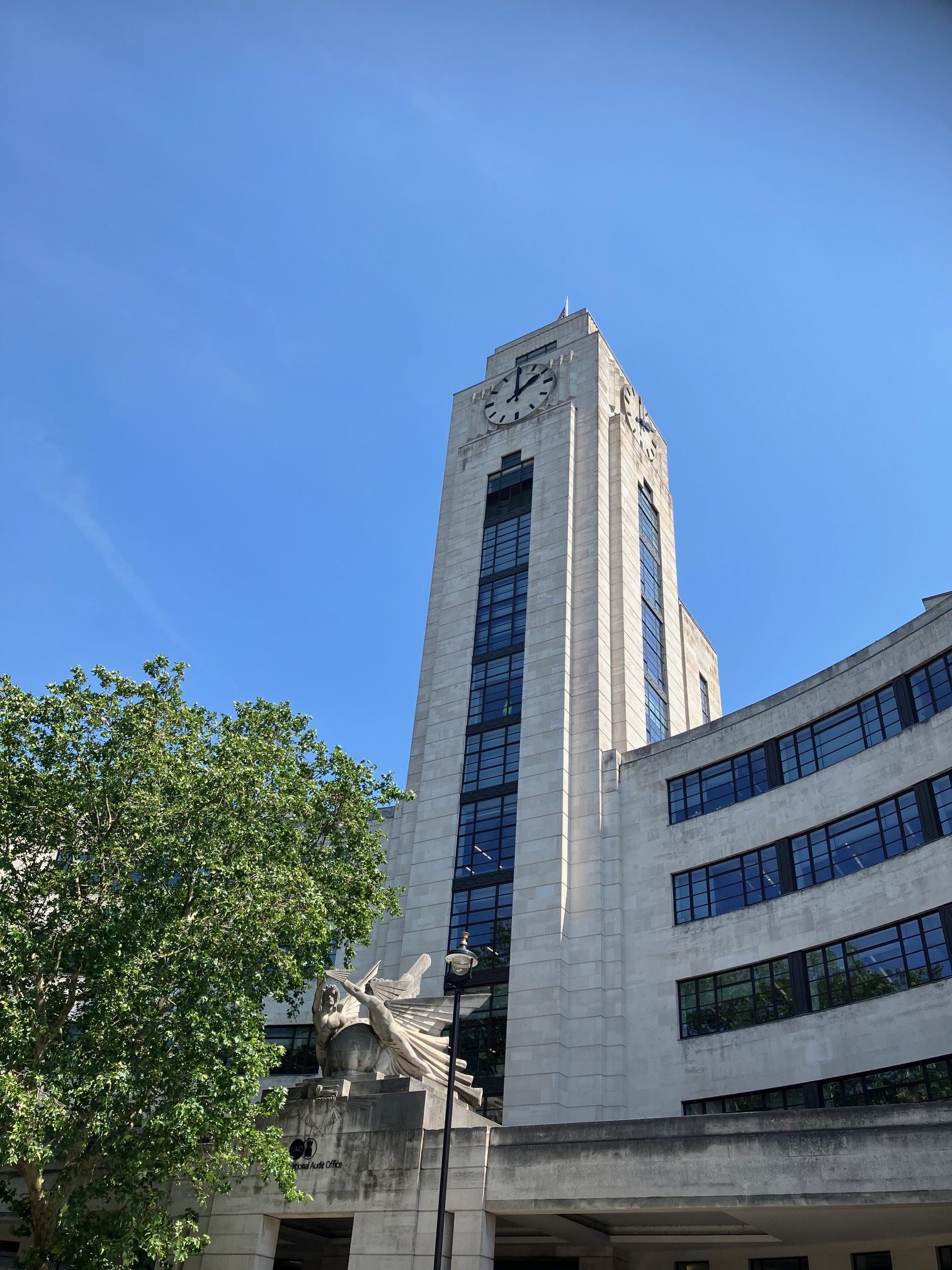
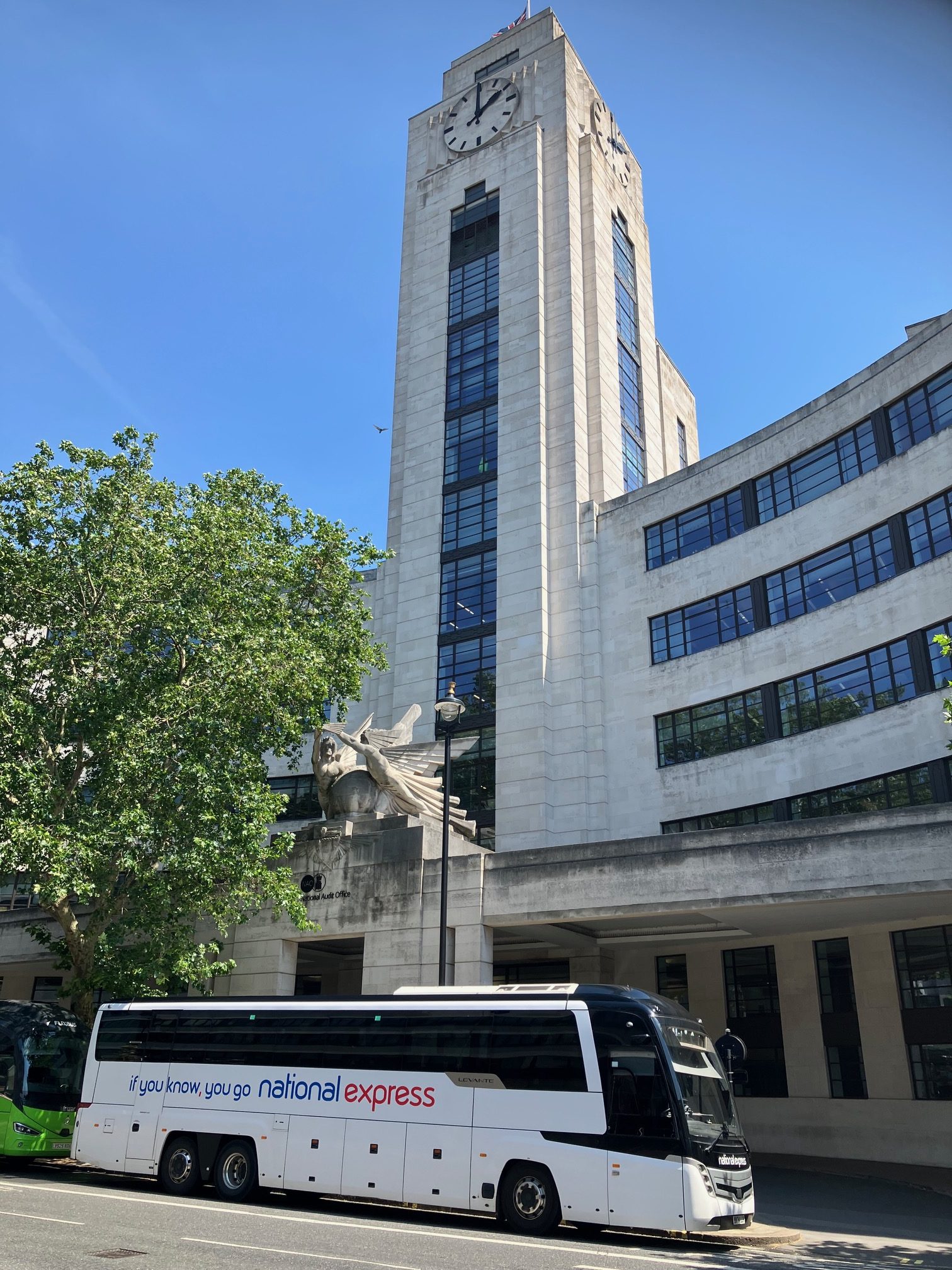
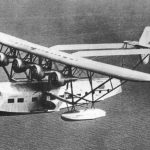
By the late 1930s, Imperial Airways, formed in 1924 and the forerunner of British Overseas Airways Corporation (BOAC) and today’s British Airways (BA), was expanding its air routes across the then British Empire. Imperial Airways operated routes to Europe from a large grass airfield at Croydon Aerodrome (1920) and a fleet of 42 Short Empire ‘C-Class’ flying boats from sea piers at Southampton Docks, on England’s south coast. The Short Empires were four-engined high-wing float monoplanes, manufactured in Kent, carrying 24 passengers, their baggage, and bags of air mail. To ensure a seamless passenger experience, Imperial Airways envisioned a central London terminal where air travelers could buy tickets, check their baggage, clear customs and immigration under one roof, before boarding coaches to Croydon Aerodrome or trains to Southampton. Victoria was the ideal location. Strategically located across from the newly opened Victoria Coach Station (1932), the site’s main advantage was its northern boundary, next to the main rail lines feeding into London’s Victoria Railway Station. The Terminal gave the airline privileged access to the Station. Special chartered trains took airline passengers directly from the terminal building down to the south coast. Designed in 1938 by architect Albert Lakeman, the Empire Air Terminal opened to passengers on 5 June 1939. The Times newspaper described it as the “finest air terminal in the world” (June 1939). Lakeman had produced a masterpiece in the late 1930s, a Streamline Moderne design. The new airline Terminal was 500 feet long with five-story wings. The building curved forward into a sweeping glass-windowed and stone crescent. At the center of the crescent stood a ten-story central clock tower. The top of the tower housed executive airline offices, above and below the clock, giving Imperial Airways’ management panoramic views across London. Imperial Airways also mounted an impressive stone sculpture, “Speed Wings over the World” by Eric Raymond Broadbent, above the Terminal’s main entrance. It depicted two winged figures, merged with a globe, supporting an aviation chevron. Just below, a bas-relief stone showed a British lion supported by palm leaves and wings. Still in place today, it powerfully reflects the Terminal’s Streamline Moderne spirit of speed, air, optimism, and the human attraction to flight.
Check-in, in Style
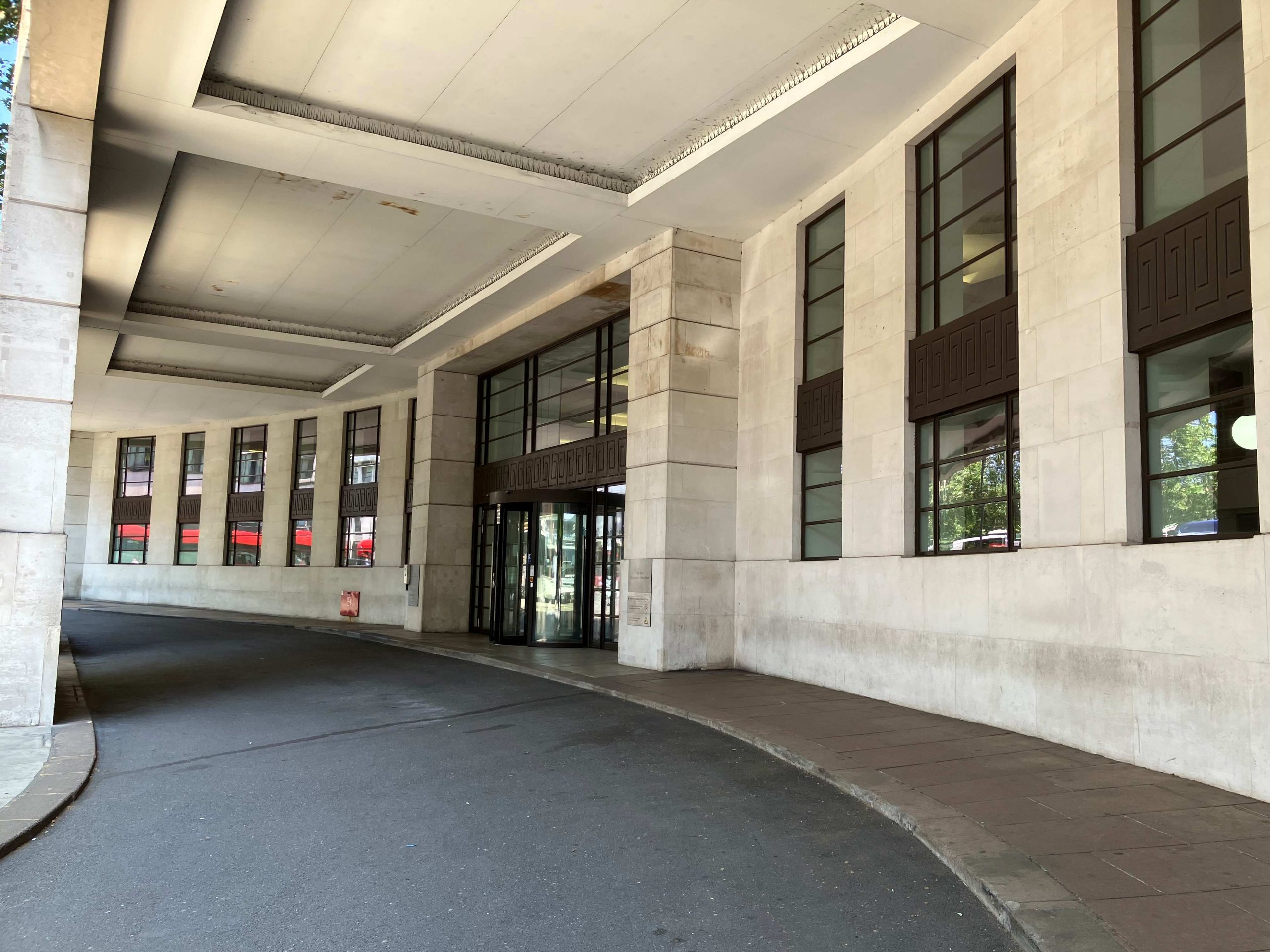
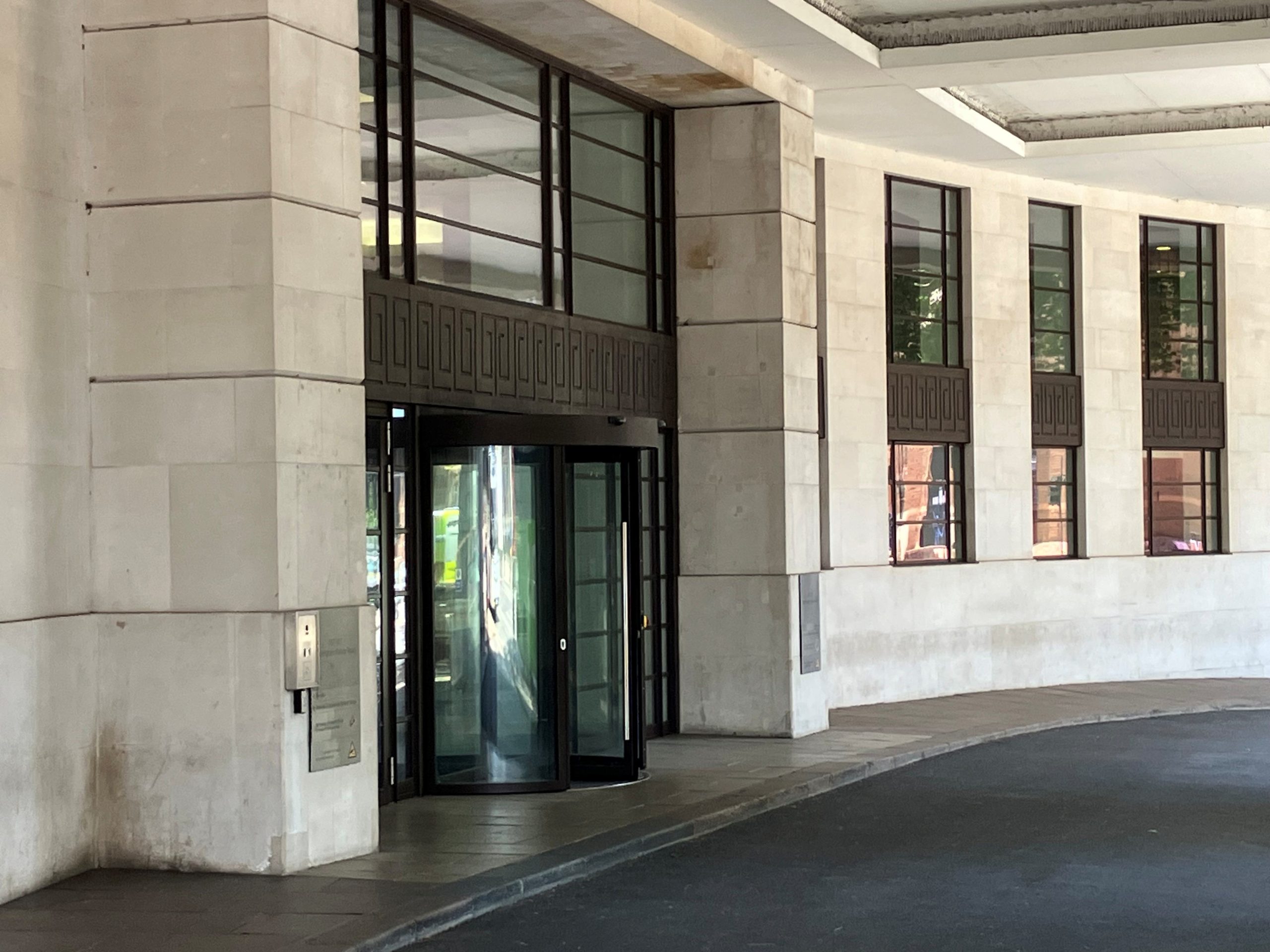
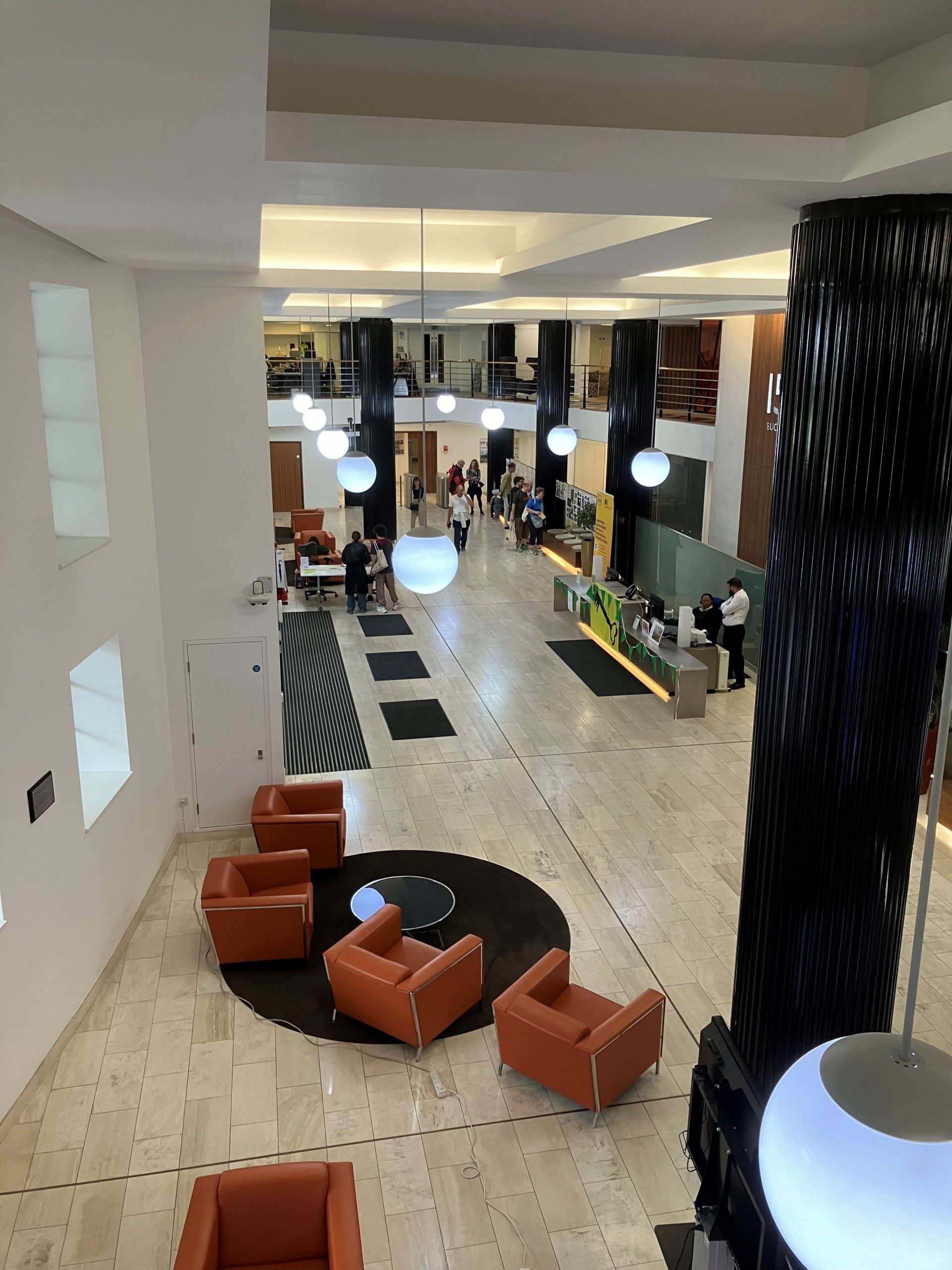
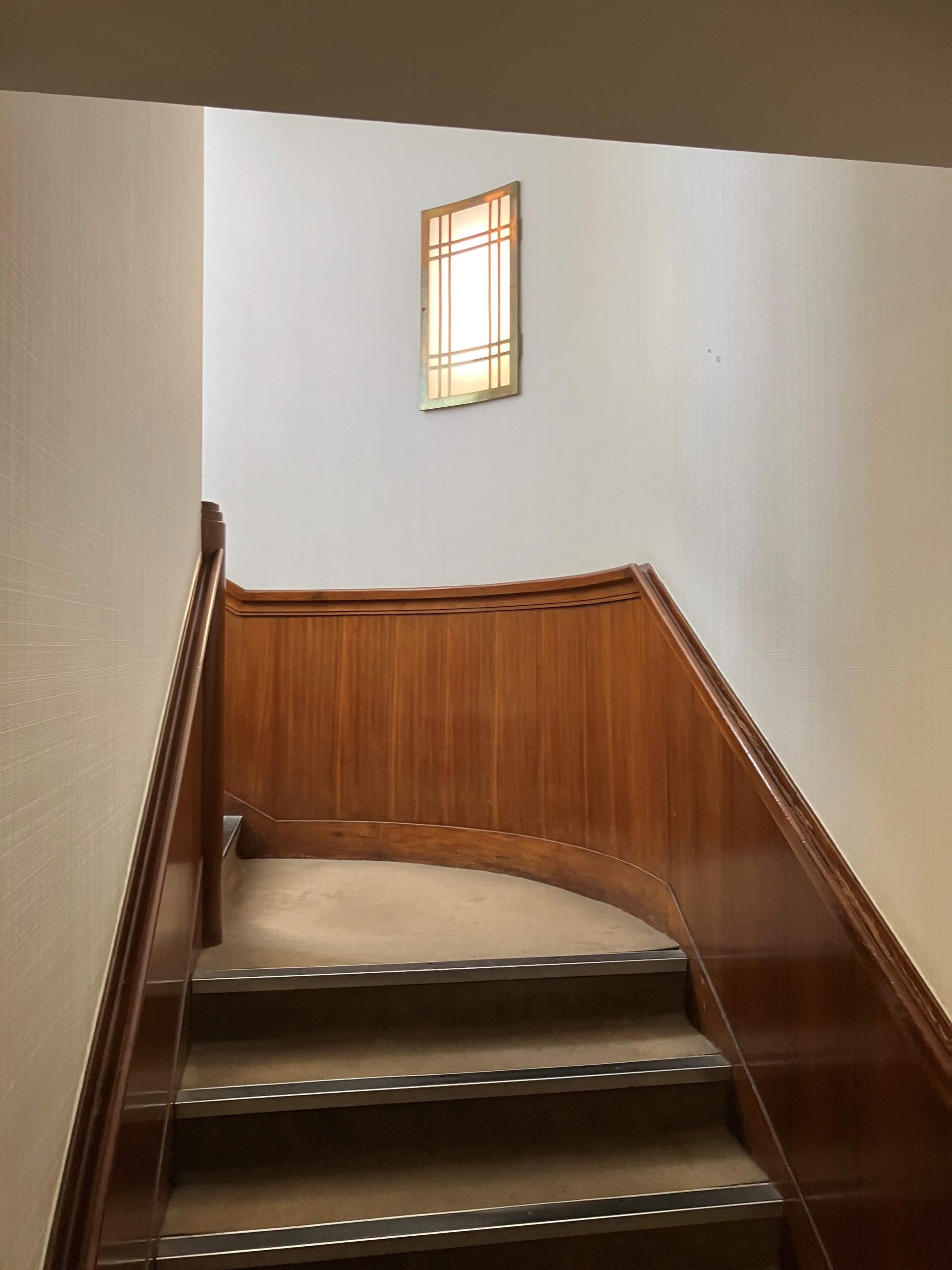
The Empire Air Terminal consolidated all Imperial Airways’ international departures out of London. In the 1930s, air travel was still largely the preserve of passengers who could afford first-class ocean liner tickets, as well as diplomats, senior military officials, senior business executives, celebrities, and movie stars. Passengers arriving at the Terminal stepped out from taxis at a covered approach at the main entrance on Buckingham Palace Road, where uniformed porters loaded and unloaded passenger baggage. In 1939, the Terminal’s reception hall resembled a columned luxury hotel lobby, with dark marble floors, hanging globe lighting, wood-paneled airline ticket counter bays, leather armchairs and writing tables, passenger lounges and waiting rooms, a high-end restaurant, and a large telephone exchange. Even as war loomed in Europe in 1939, Imperial Airways offered its passengers a unique experience. For those traveling by seaplane, Imperial Airways Special Trains waited at Victoria Station below. After staff weighed passenger baggage on scales built into the floor at the central counters, their bags were sent smoothly through specialized internal chutes and hatches down to the basement and onto the platform. The basement also housed its own bullion room for secure storage. It was an efficient and exciting end-to-end experience. After checking in, Imperial Airways passengers walked down a grand staircase and through a purpose-built covered passageway that led straight onto Victoria Station’s Platform 17 (today No 19). After a first-class 90-minute rail journey to Southampton Water, they boarded a launch ferry to their waiting flying boats and distant onward destinations. These included the Middle East, Africa, Asia, and Australia. In 1939, passengers booked on shorter flights to continental Europe boarded custom-built Imperial Airways coaches to be driven ten miles to Croydon Aerodrome. From Croydon, many departed on graceful four-engined de Havilland DH 91 Albatross Frobisher-class airliners on Imperial’s 70-minute services to Paris.
Wartime
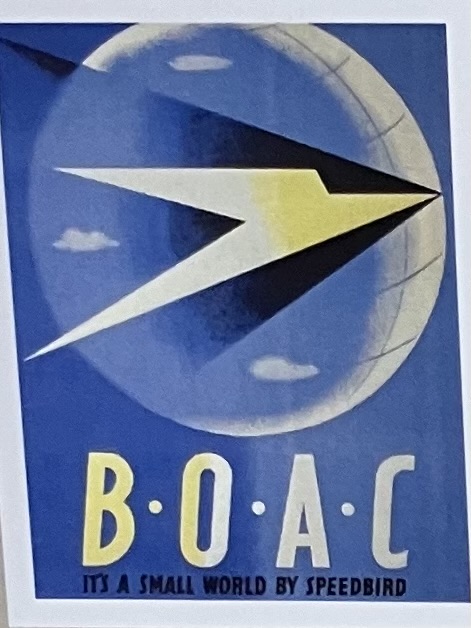
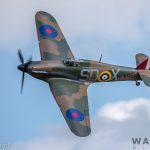
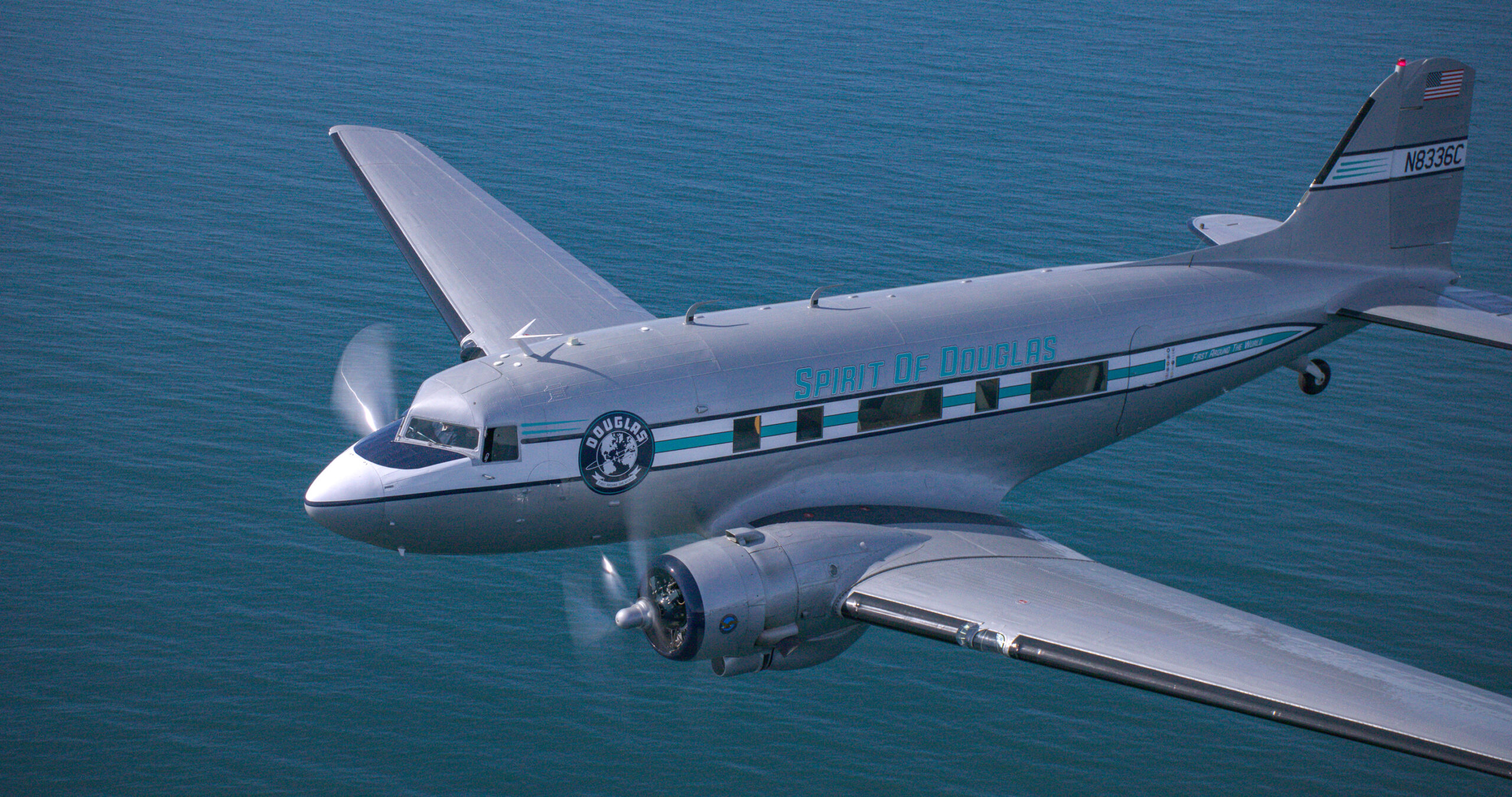
The Empire Air Terminal operated for less than a year. In April 1940, while WWII raged, Imperial Airways merged with British Airways Ltd to become the state-owned British Overseas Airways Corporation (BOAC). The same year, the building was renamed the BOAC Terminal. BOAC moved its primary civil aviation operations to RAF Whitchurch near Bristol. BOAC continued operating four-engine Short Empire Flying Boats from Poole, Dorset, and from Foynes, Ireland. It ran a flying boat ‘horseshoe route’ (from New Zealand/Australia via Egypt to South Africa), with mail then sent from South Africa to Britain by sea. During the war, BOAC also used US-built Boeing 314 Clippers, Consolidated Model 28 Catalinas, Douglas DC-3s, Consolidated Liberators, and British Avro Yorks. The British Air Ministry requisitioned the BOAC Terminal to serve as an administrative base, although its check-in facilities continued to operate. Sited next to Victoria Station, a key London transport terminus, the Terminal inevitably suffered the effects of the London Blitz (7 September 1940-11 May 1941). In September 1940, Luftwaffe bombs damaged Victoria Station and a Dornier Do-17 bomber crashed onto its forecourt. An out-of-control RAF Hawker Hurricane Mk 1 (T-MB) from 501 Squadron also smashed into the junction of Ebury Bridge Road and Buckingham Palace Road, close by. On 21 December 1940, a powerful 2,500-pound bomb struck the railway line at Ebury Bridge, destroying a section of track and shattering many windows in the Terminal. More bomb damage occurred to Victoria Station and its locality during 1940-1945, but fortunately, the Terminal survived.
BOAC Terminal and the Jet Age
The end of the war in 1945 brought dramatic shifts in the British civil aviation landscape. London aviation consolidated around the new London Airport in 1946 (Heathrow from 1966) and Gatwick Airport (1958). Flying boat services out of Southampton ceased in 1950. Croydon Airport closed in 1959. In 1964, BOAC built a new £1.9 million arrivals hall over the former Empire Air Terminal facilities. Workmen demolished the grand 1930s passenger staircase, and the modernized building entered the jet age. Passengers arriving at the BOAC Terminal could now check in for transatlantic flights on de Havilland DH 106 Comet 4s or US-built Boeing 707s. The Arrivals Hall was completely restyled with modernist square floor tiling. It was dominated by a large global map with lighted destinations, over which a sign declared: “BOAC – World leader in jet travel“. Period photographs show it to be reminiscent both of a 1960s James Bond film set and the War Room from Stanley Kubrick’s film ‘Dr Strangelove’ (1964). In 1974, when BOAC merged with British European Airways (BEA, 1946-1974) to become British Airways (BA), the building was renamed the British Airways Terminal. By the end of the 1970s, the concept of a city-center air terminal was redundant. The completion of the Piccadilly line Tube extension directly into Heathrow in 1977 meant passengers could take their own bags directly to the airport via the London Underground, bypassing the need for an expensive central London handling facility. Faced with mounting pressures to cut costs and a clear shift in traveler preferences, British Airways closed the Terminal to passengers on 14 November 1980. Fortunately, the UK government granted the building protected Grade II listed status in 1981.
Repurposed, but Evocative
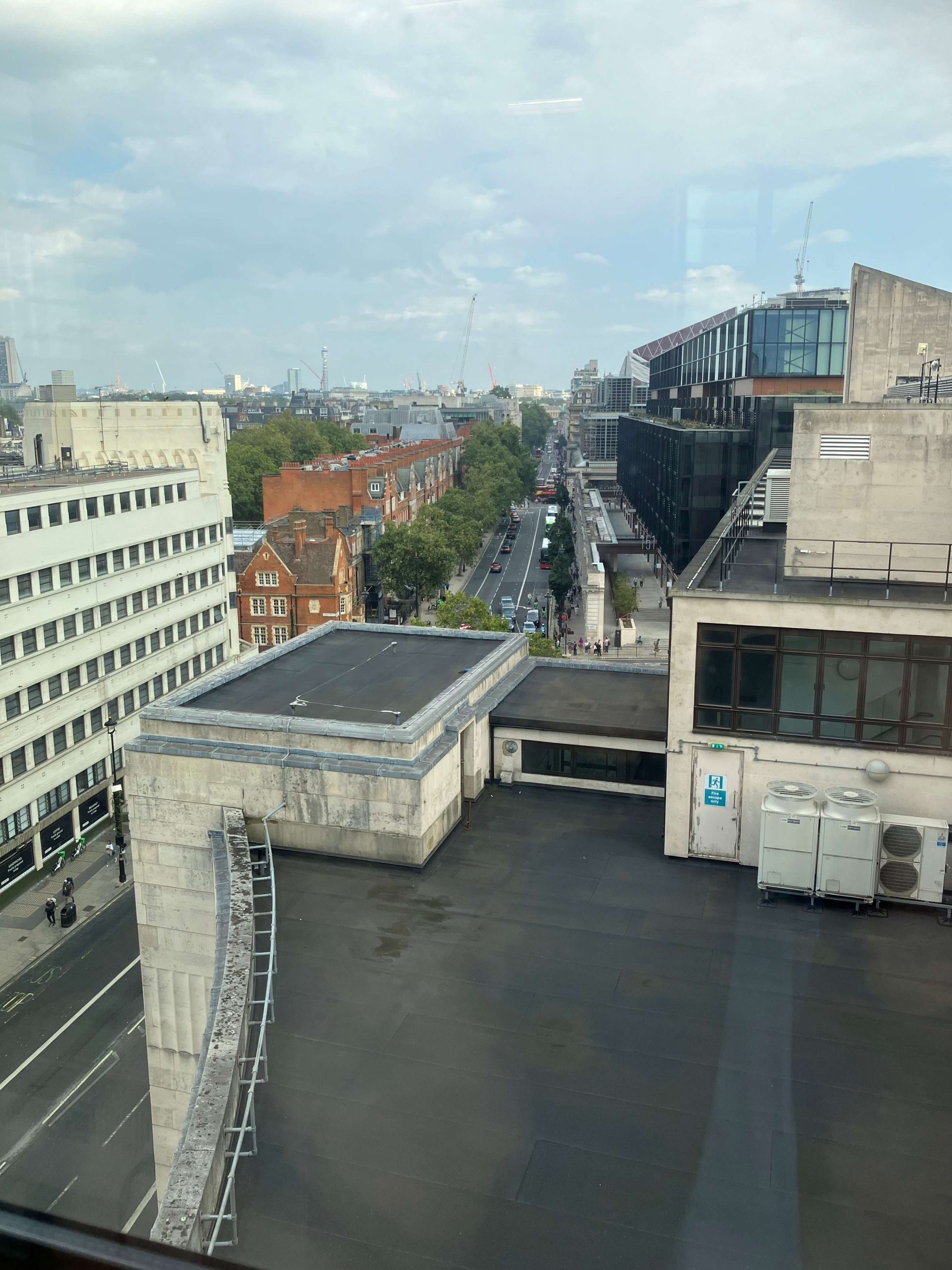
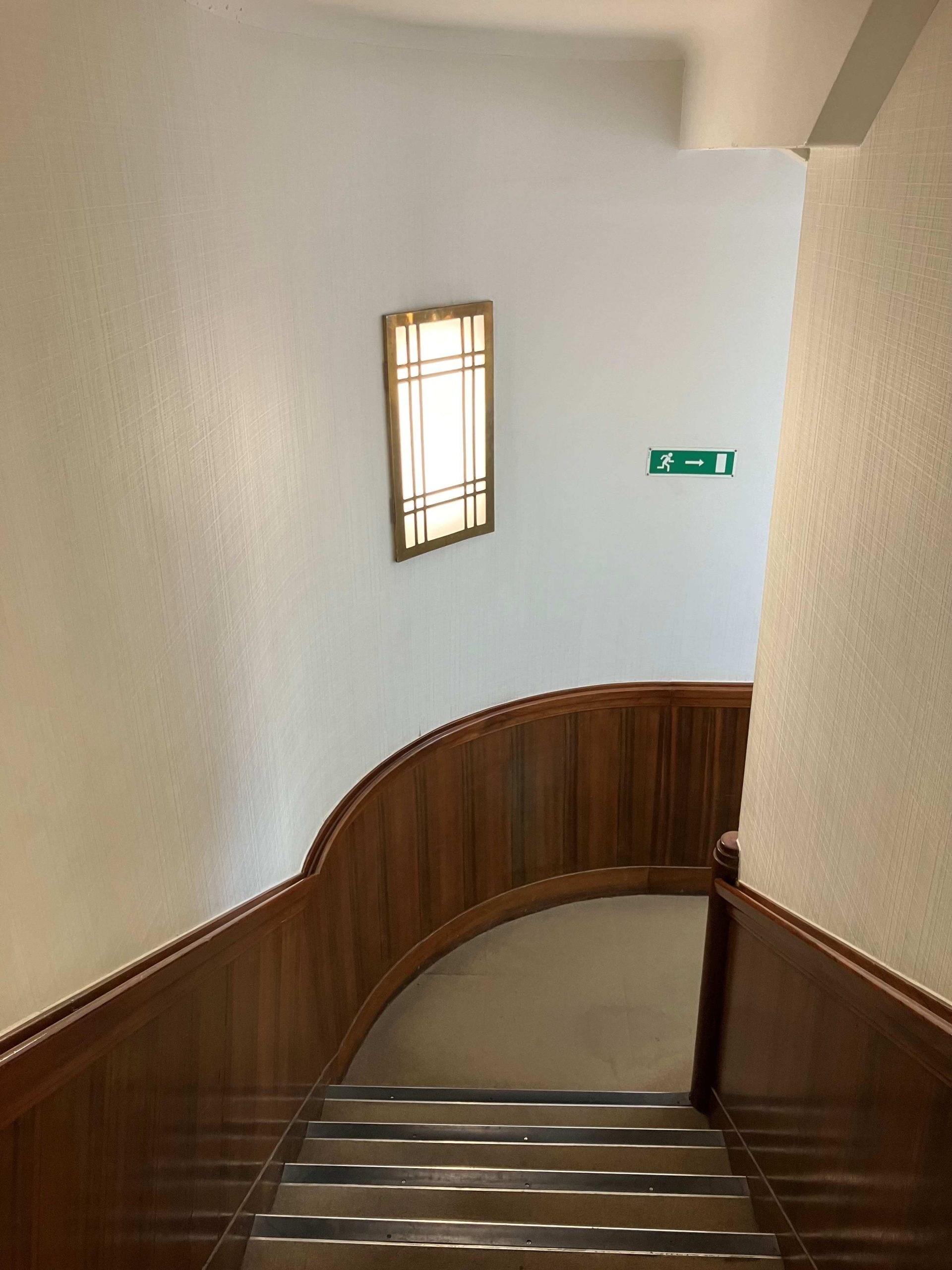
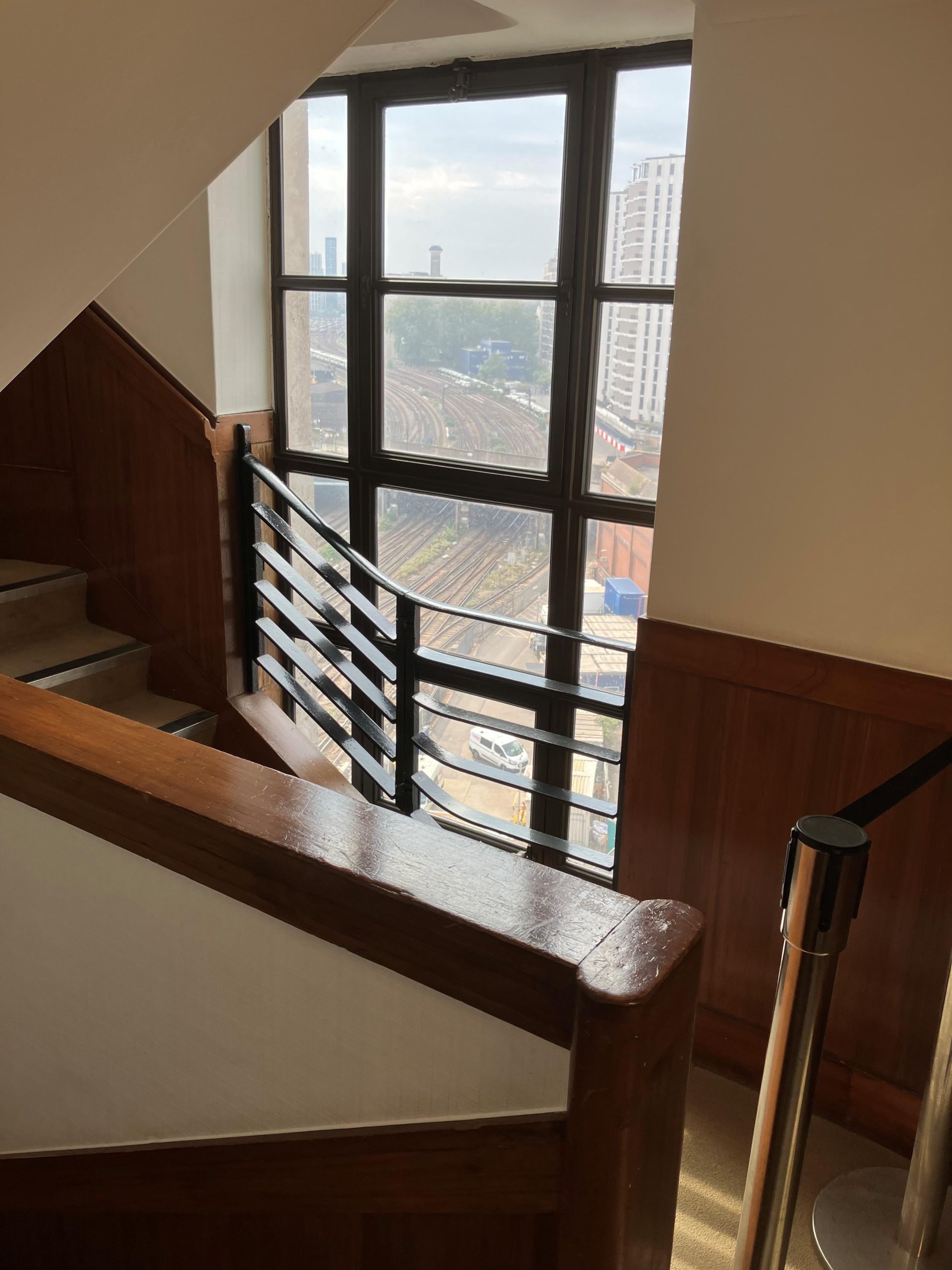
In 1984, the National Audit Office (NAO), the UK’s independent spending watchdog, acquired the site. Following an extensive interior restoration that preserved the original facade while modernizing the workspaces, the building reopened in November 1986. The NAO imaginatively refurbished the building again in 2009, restoring replicas of the original vestibule columns. The wonderful “Wings over the World” sculpture still proudly adorns the former Terminal entrance, although it clearly requires restoration after pollution and tree sap damage on Buckingham Palace Road. Overall, the former terminal stands as a worthy monument to a lost epoch when international air travel began in a city center and not just at an airport. Most of the year, the building serves as private government offices. The good news is that the public can visit its interiors annually, without charge, as part of London’s ‘Open House Festival’ access program. Visitors can join a guided tour and take in the Terminal’s highly atmospheric Art Deco wood-paneled airline offices and senior management corridors in its clock tower, its curving covered entrance, and heritage displays in the former Arrivals Hall. They can descend to the basement baggage, air mail, and bullion strong room area. They can see where Imperial Airways, BOAC, and British Airways coaches left for Croydon Aerodrome and Heathrow and look down onto the platform areas where well-heeled passengers once departed on trains to board Shorts Empire flying boats in Southampton. They can ponder a world of air travel cut short by war and transformed from the preserve of the few to the many. The next free open day viewing of the former Terminal takes place on Saturday 19 September 2026 (11 a.m. to 4 p.m.), bookable through the Open House Festival website at: programme.openhouse.org.uk.







great article, beautiful building !