







By Randy Malmstrom
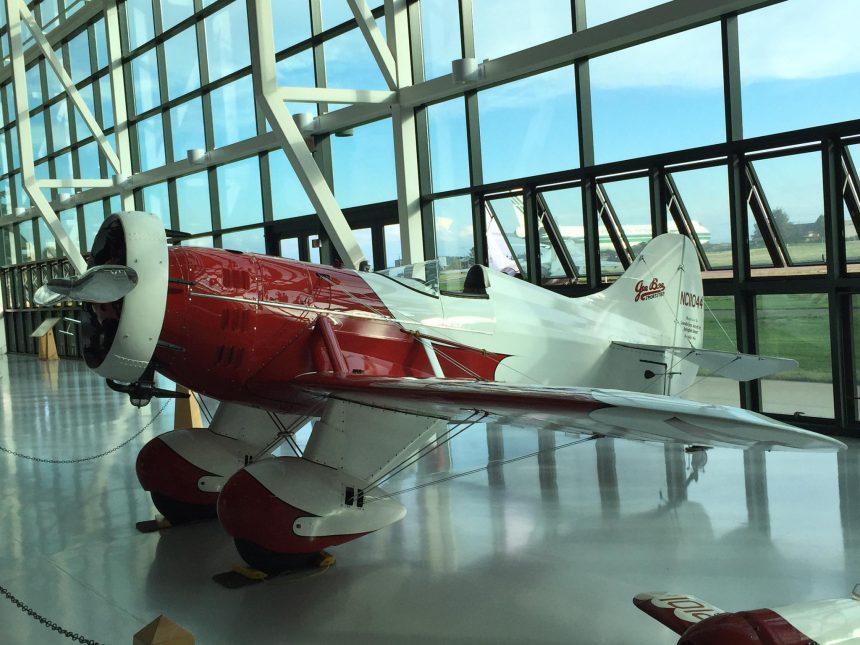
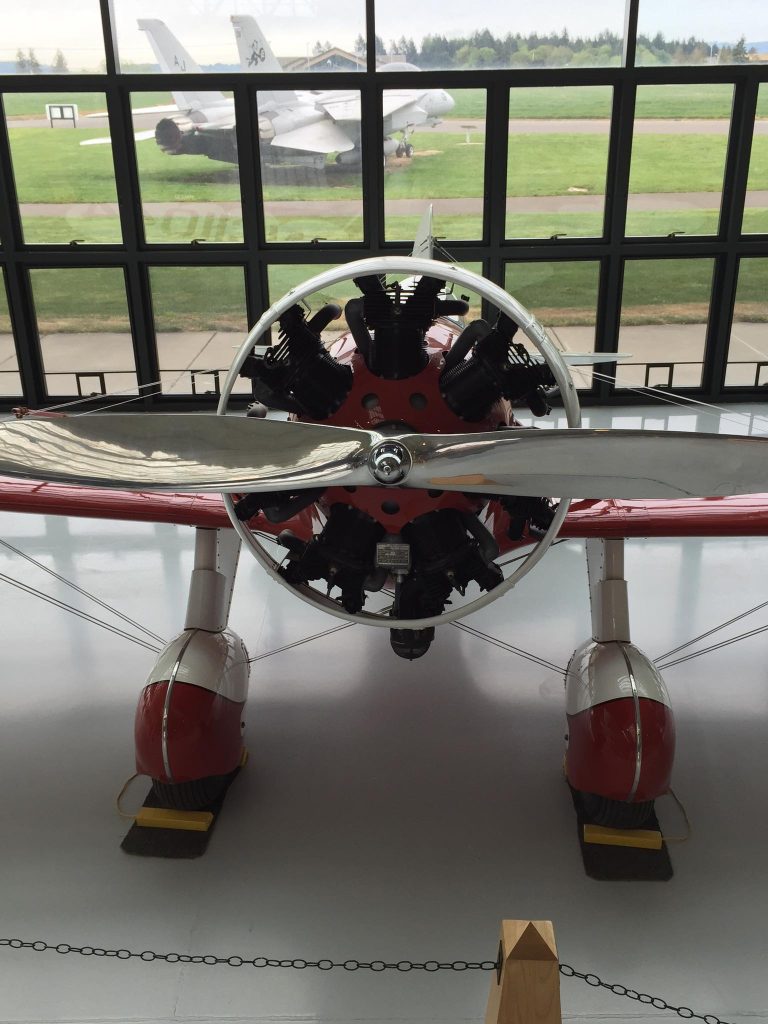
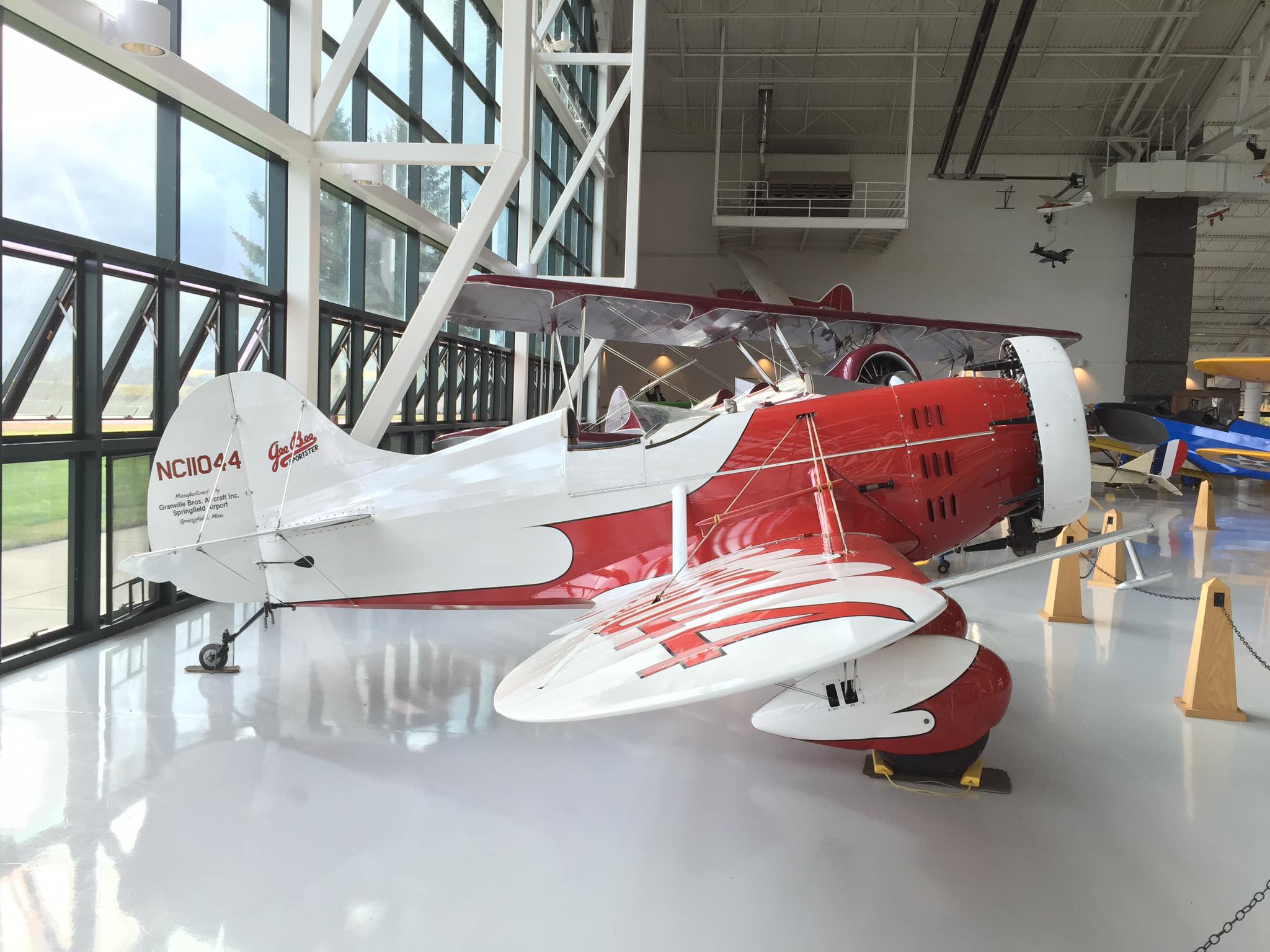
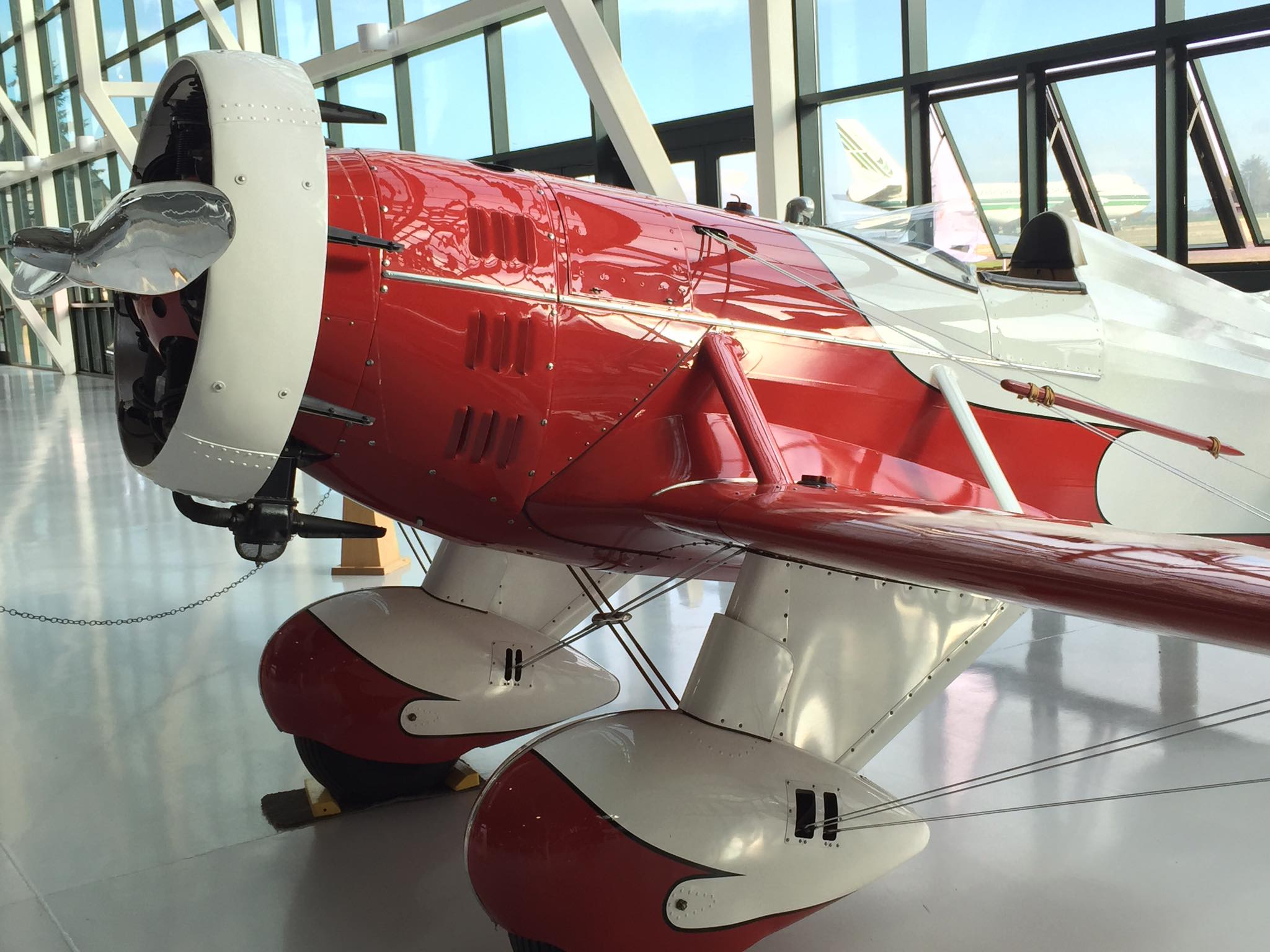
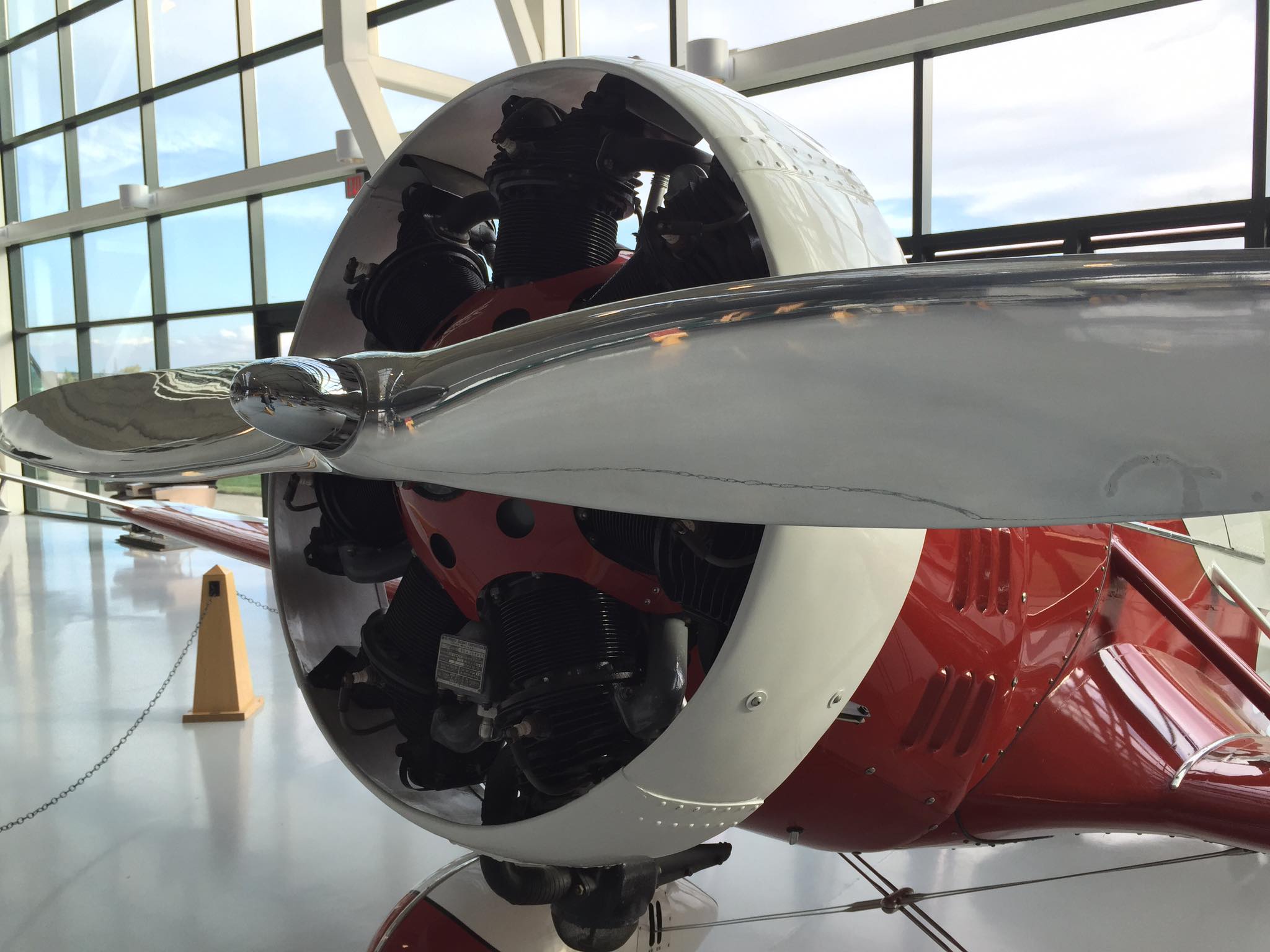
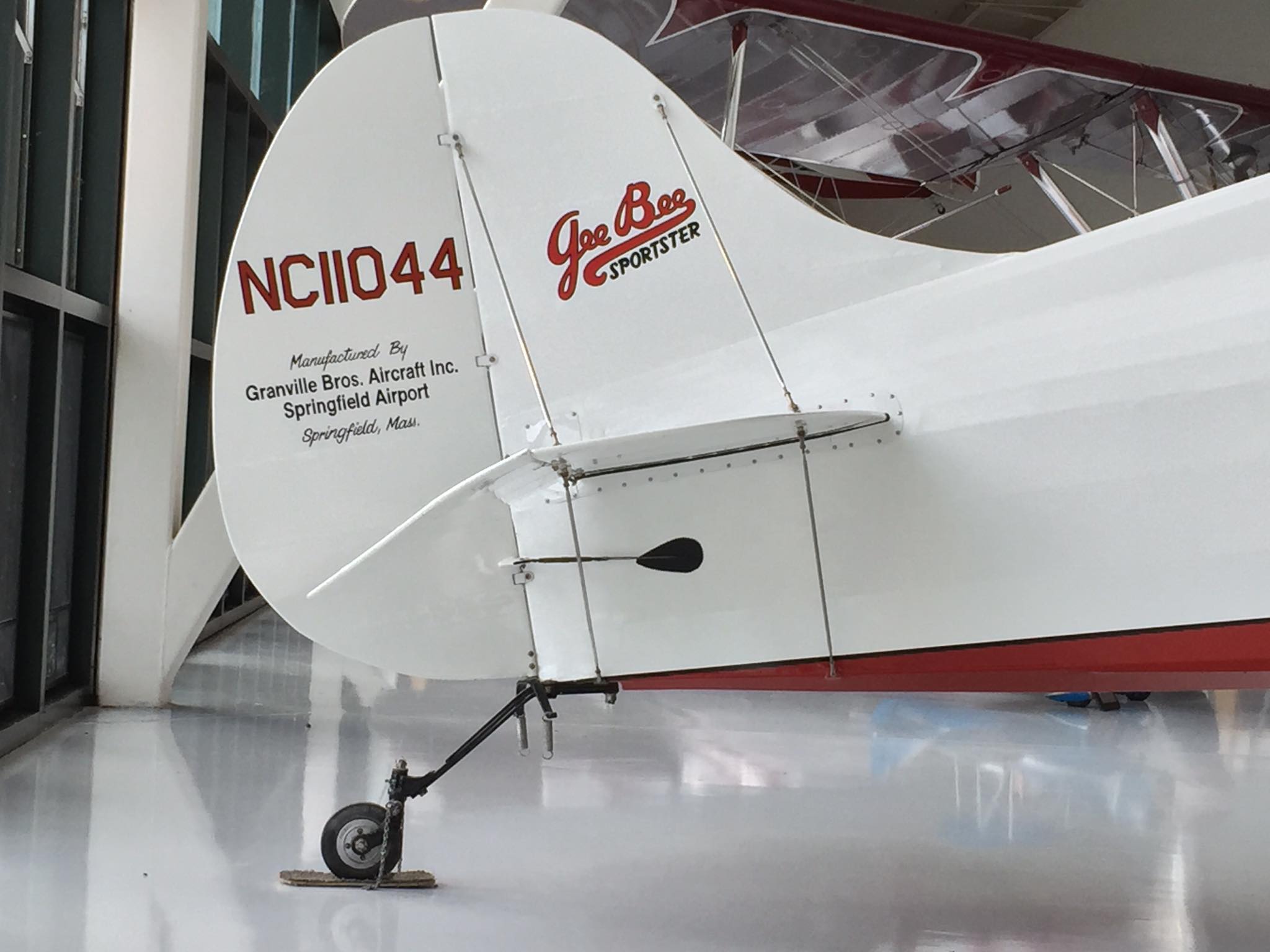
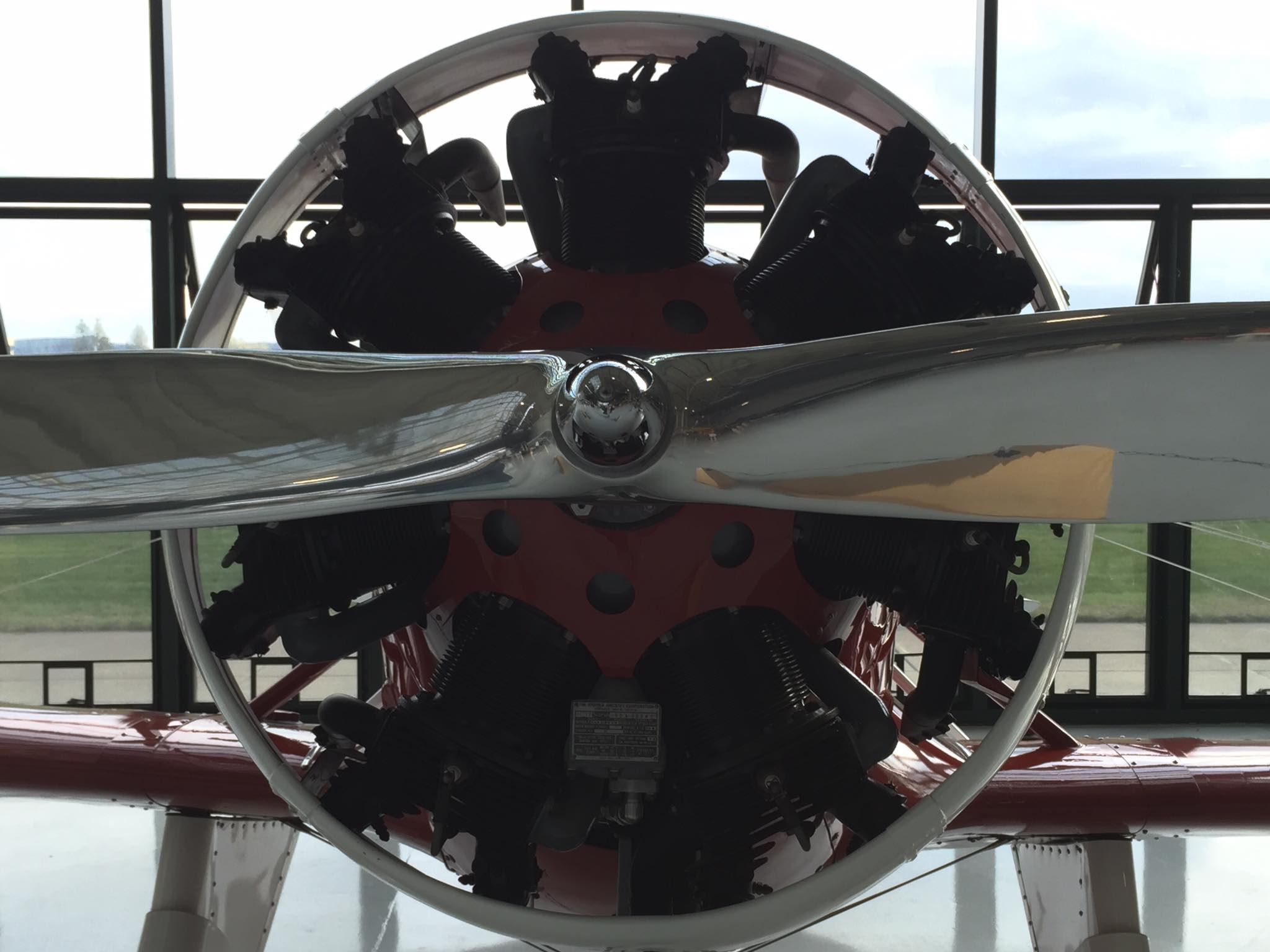
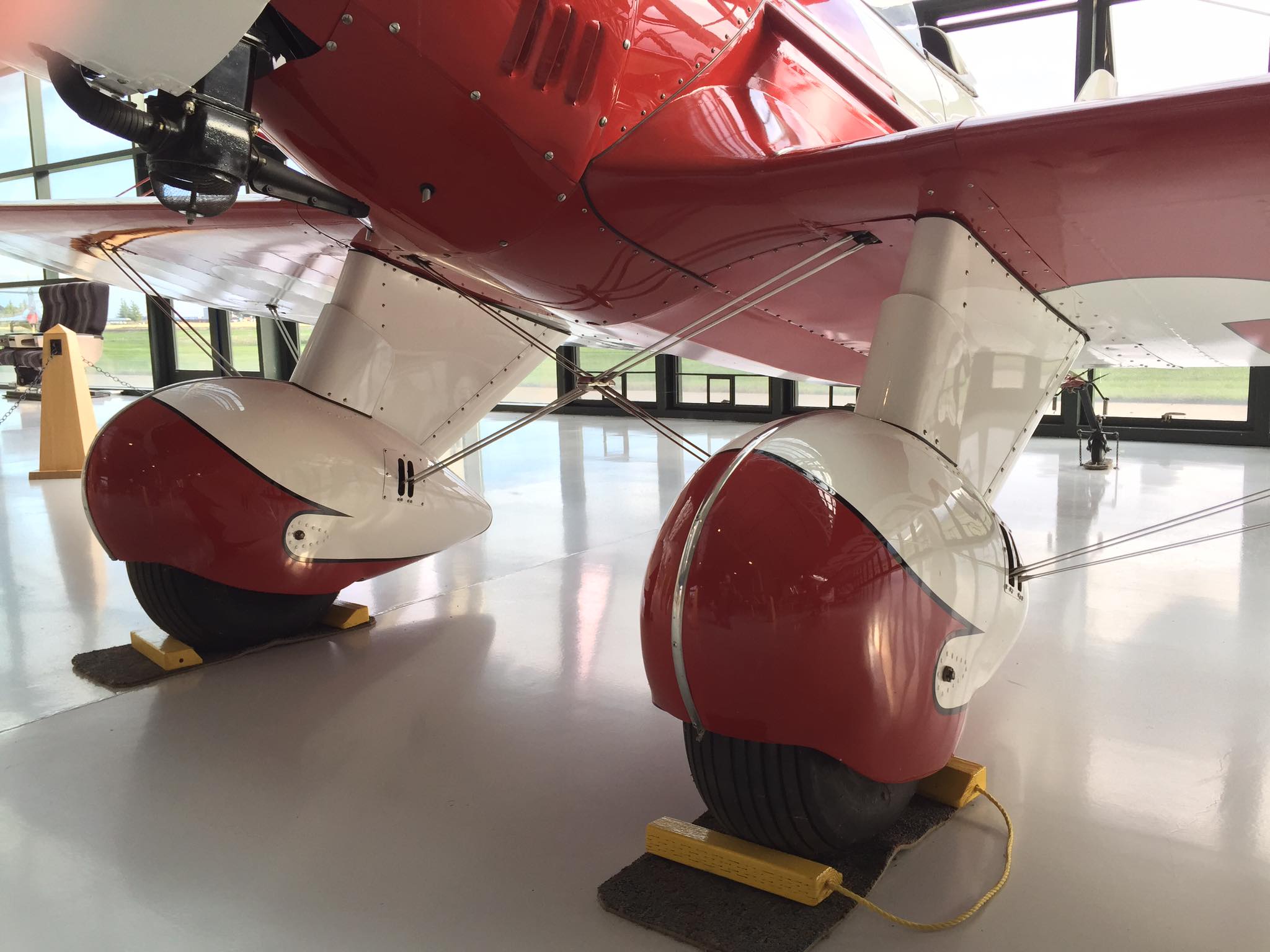
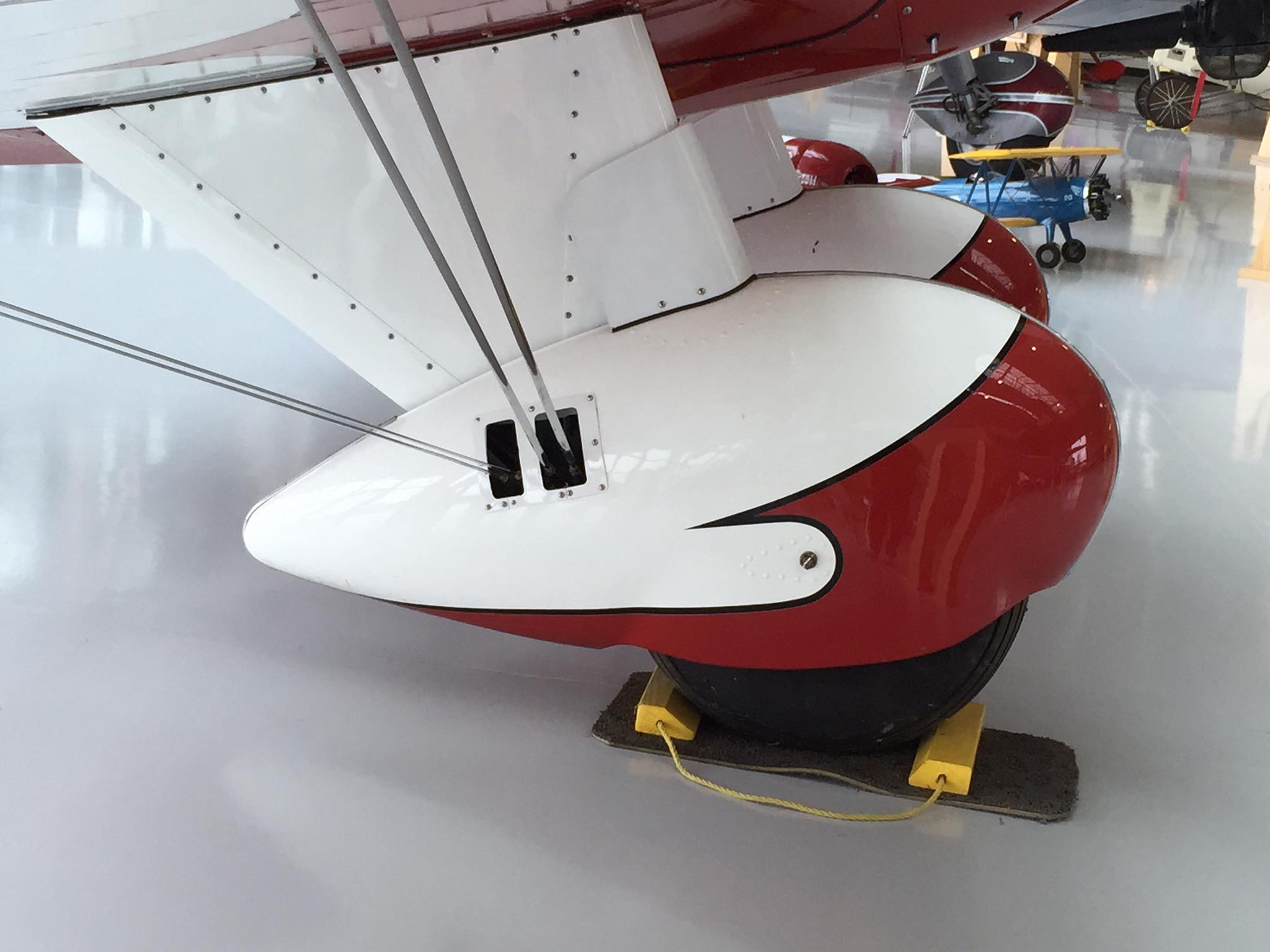
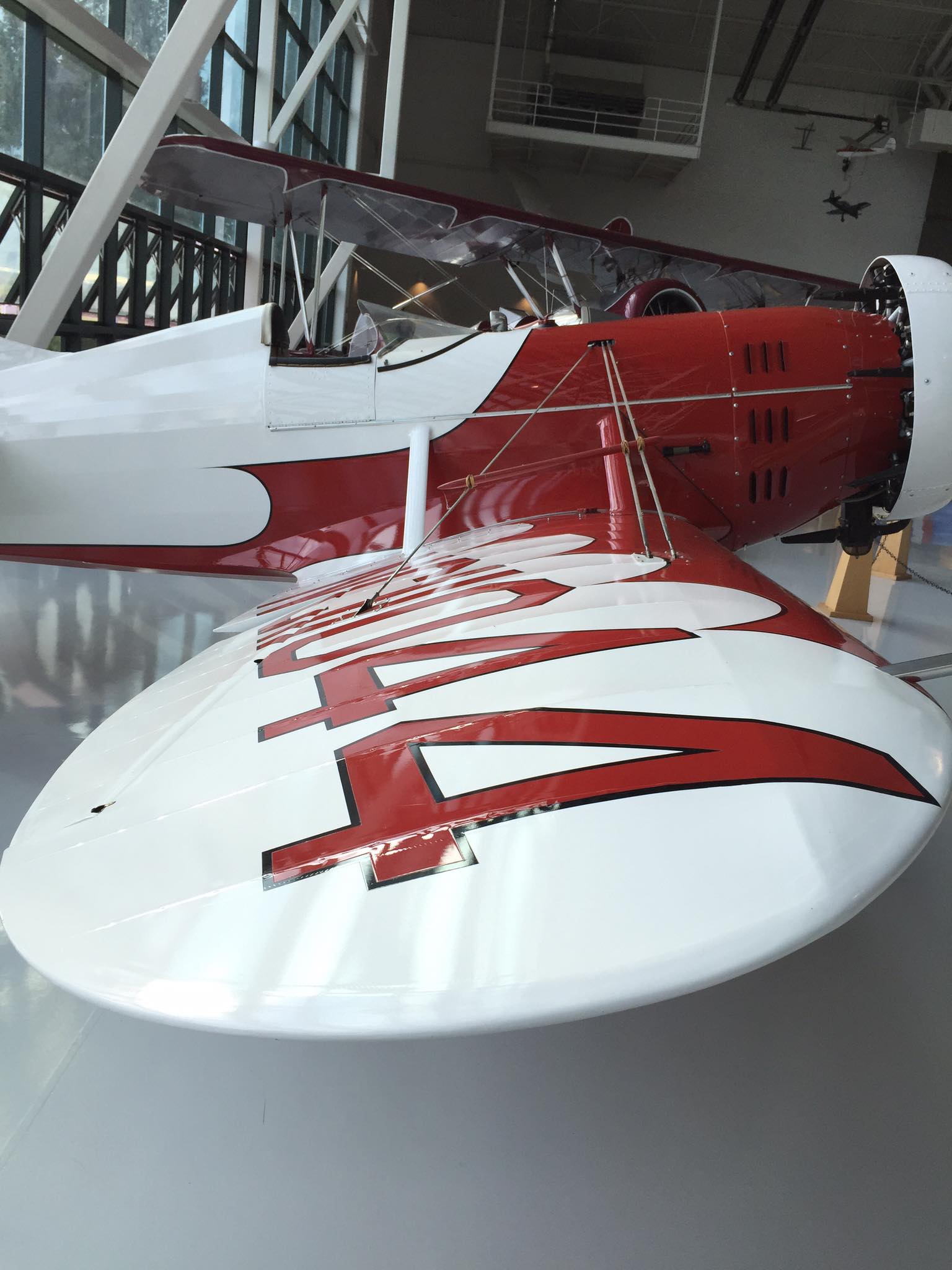
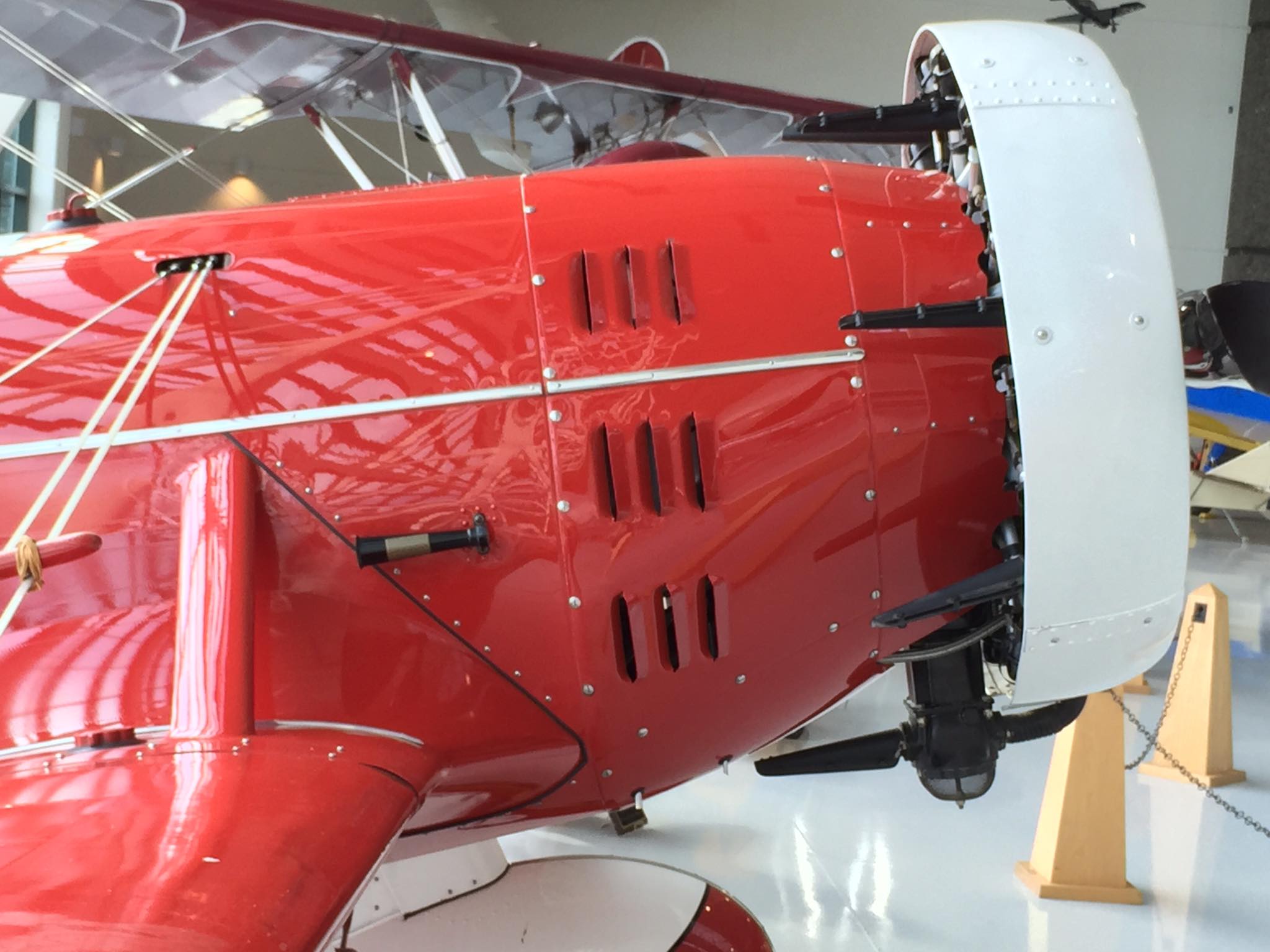
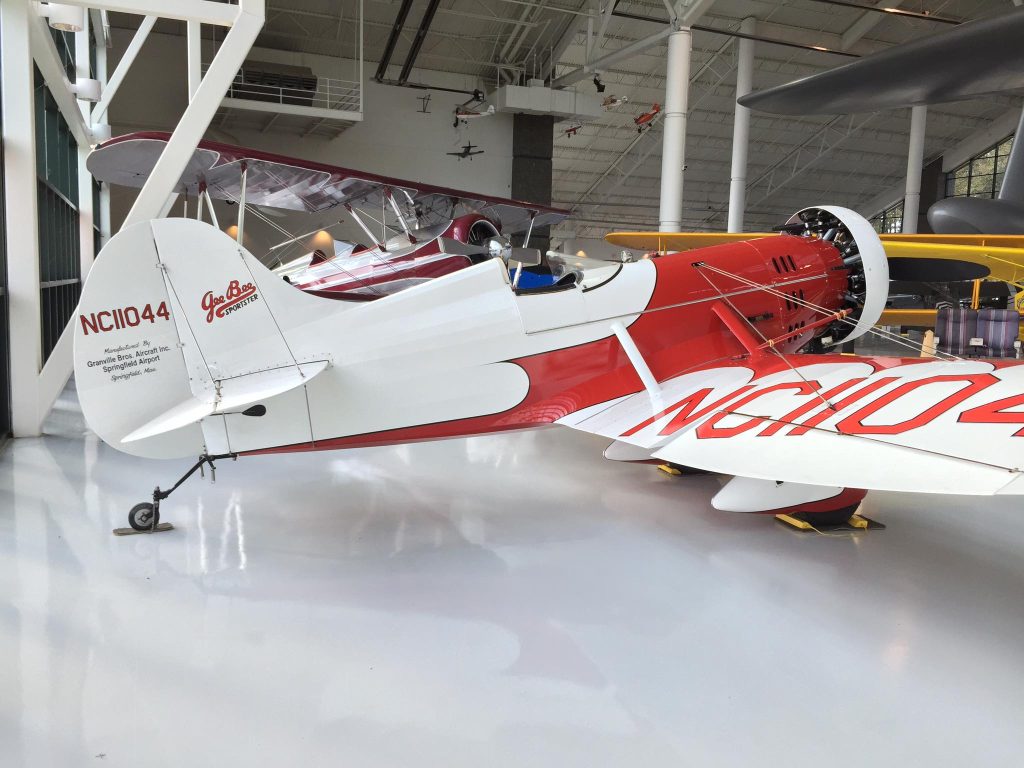
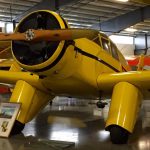
Gee Bee Model E Sportster. This is a replica of the original aircraft, NC11044, one of only eight Model E’s built by Granville Brothers Aircraft (Gee Bee was the spelled-out abbreviation for Granville Brothers). That aircraft crashed in 1931 while in a power dive when pilot Johnny Kytle was performing an aerobatics display at Candler Field, Atlanta. Kytle, who was one of the original air mail pilots hired by Pitcairn Aviation (which later became Eastern Airlines), was killed in the accident. This replica was built in 1994 by Scott E. Crosby. Original power plant: Warner Scarab “50” 125-hp radial engine. My photos at the Evergreen Aviation and Space Museum.
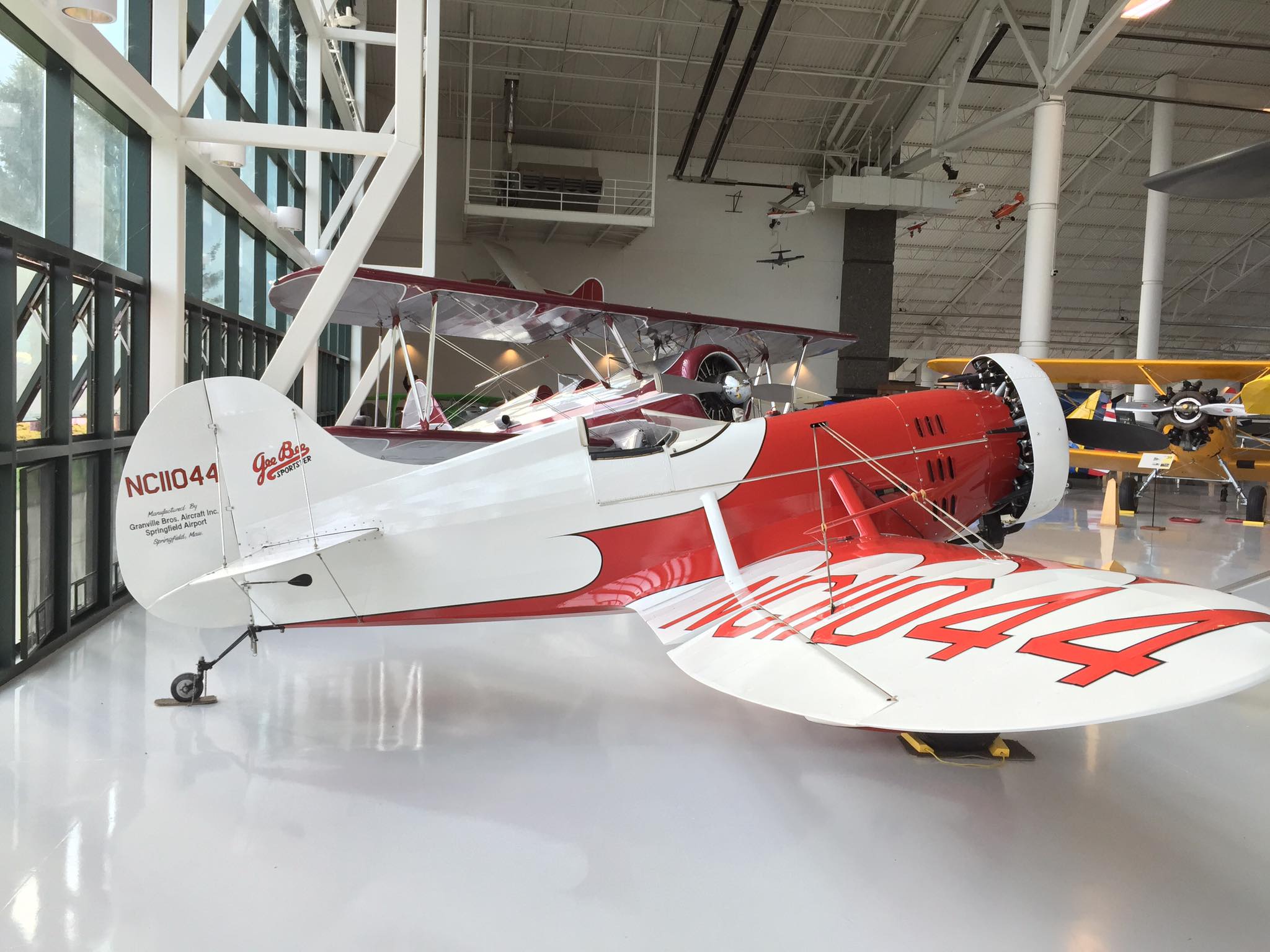
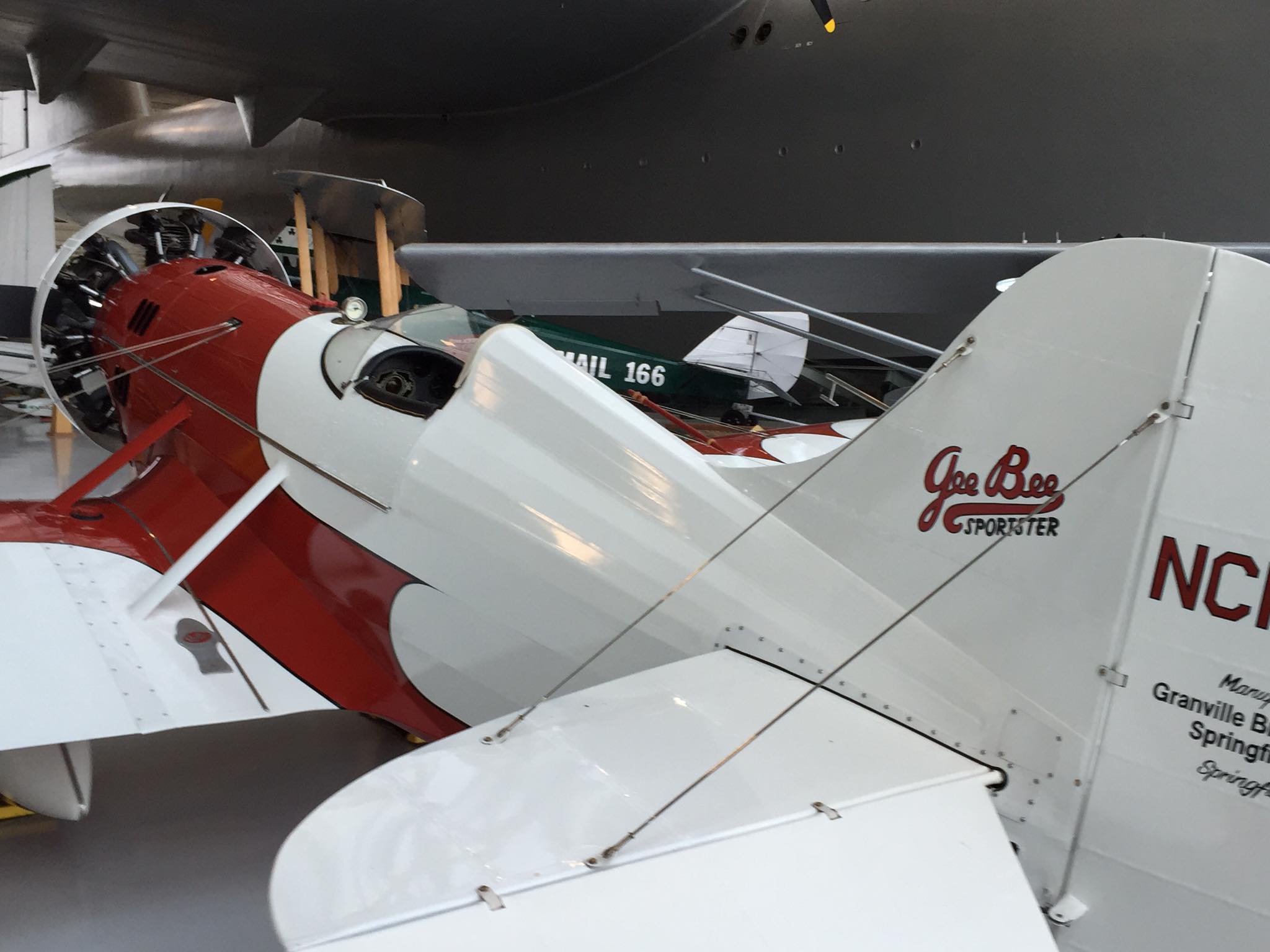
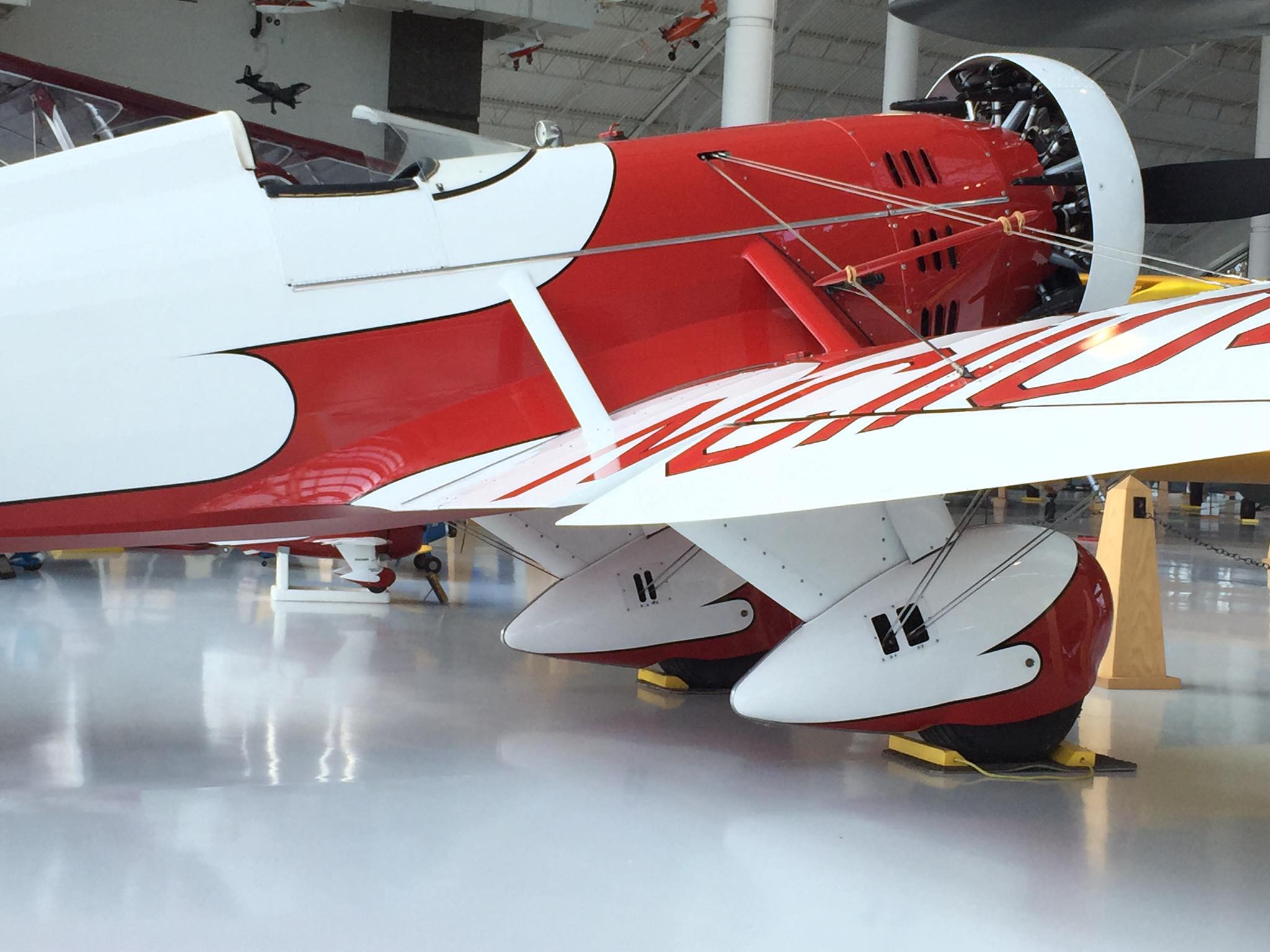
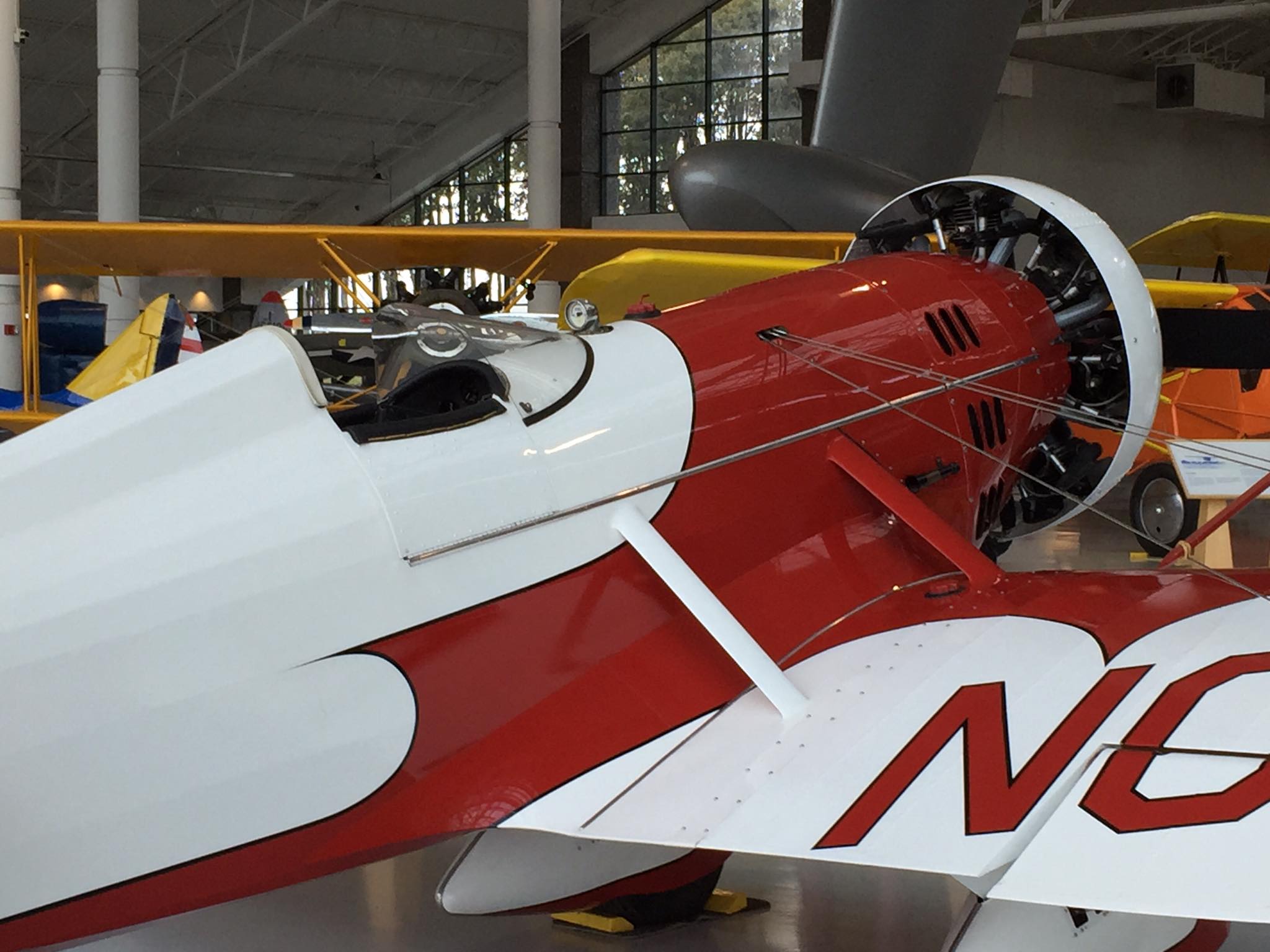
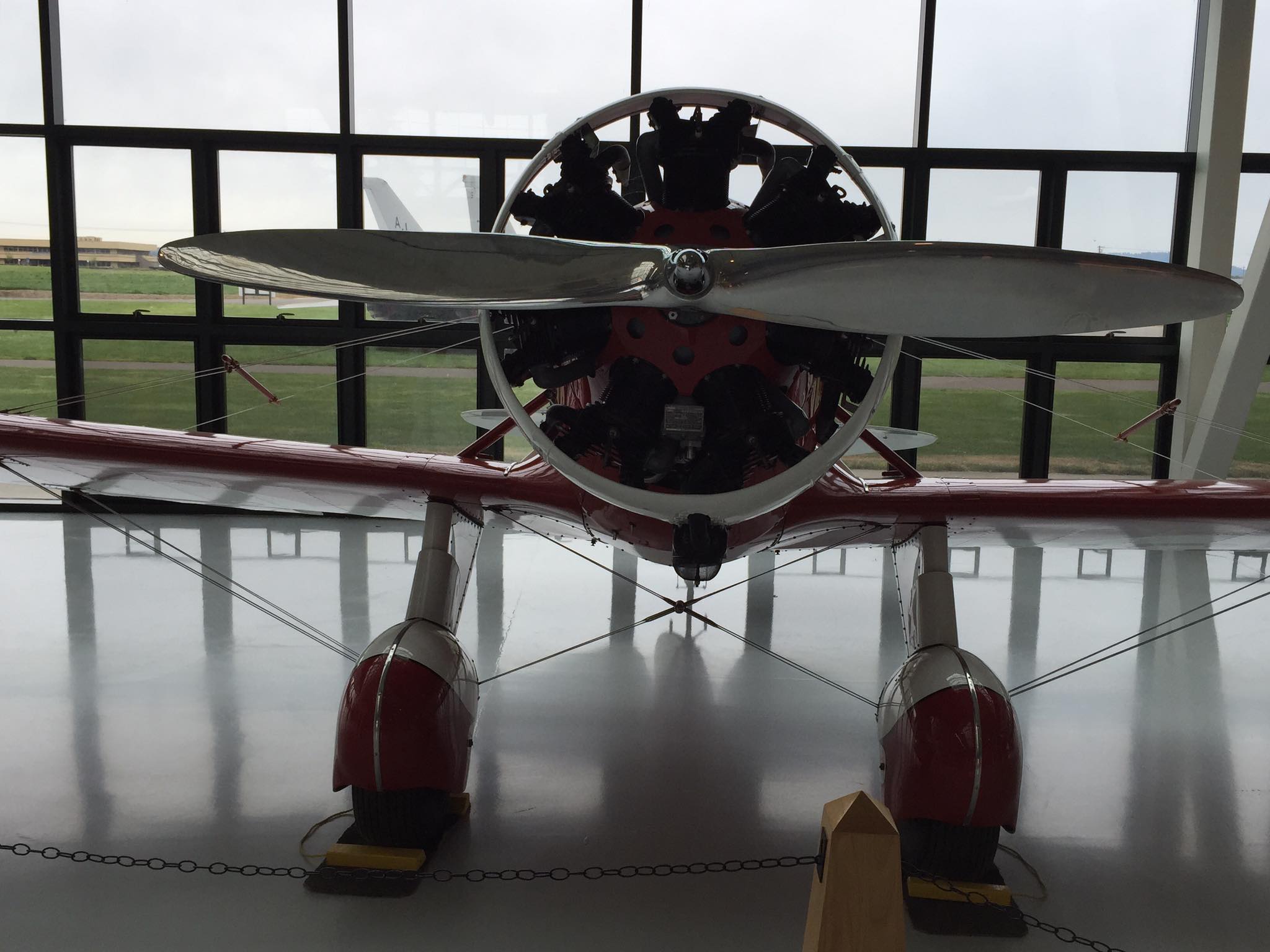
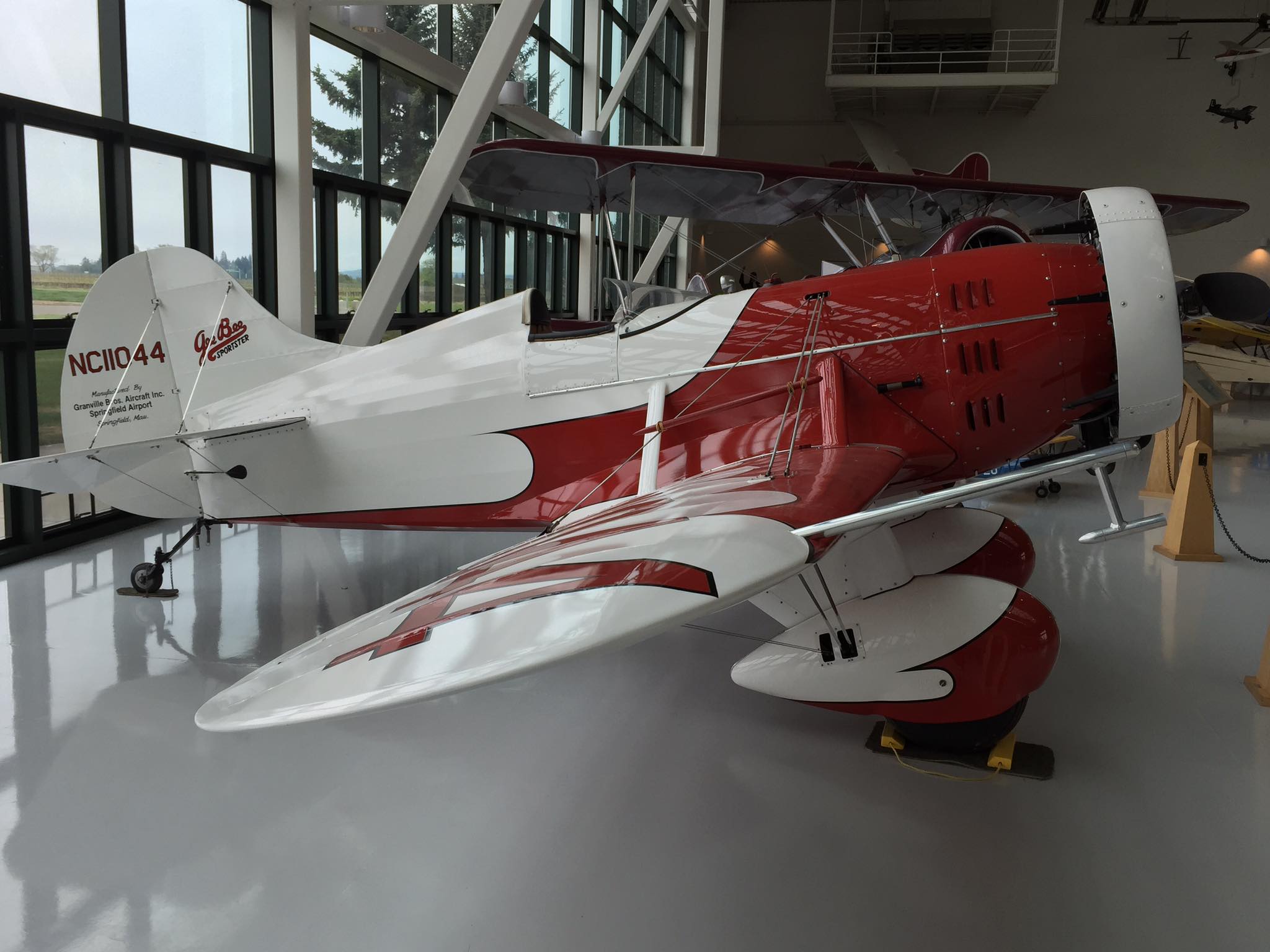
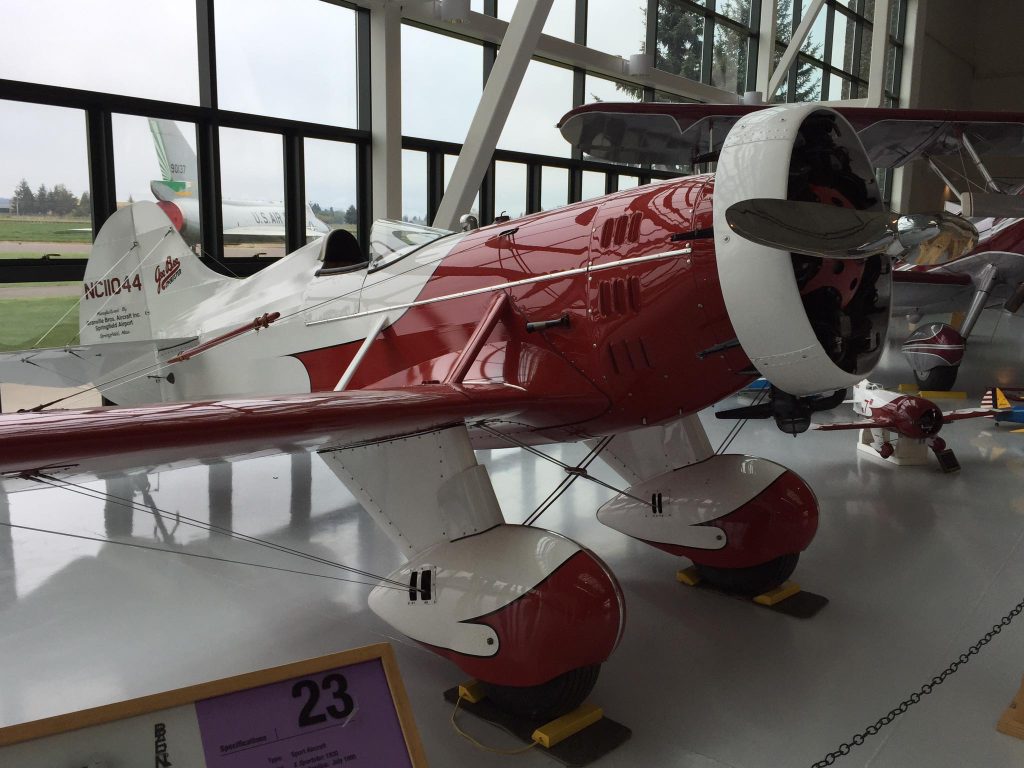
Editor’s notes: Developed in 1930 by the Granville Brothers of Springfield, Massachusetts, the Gee Bee Sportster family of aircraft was designed by air racing pilot Robert Hall, who later became a test pilot and engineer for Grumman Aircraft during WWII. Prior to the Sportster, the Granville Brothers Aircraft company had developed the Model A biplane in 1929, but the following year constructed the Model X Sportster to compete in the All-America Flying Derby from Detroit to San Francisco and back. Pilot Lowell Bayles flew the Model X in the race and won second place.
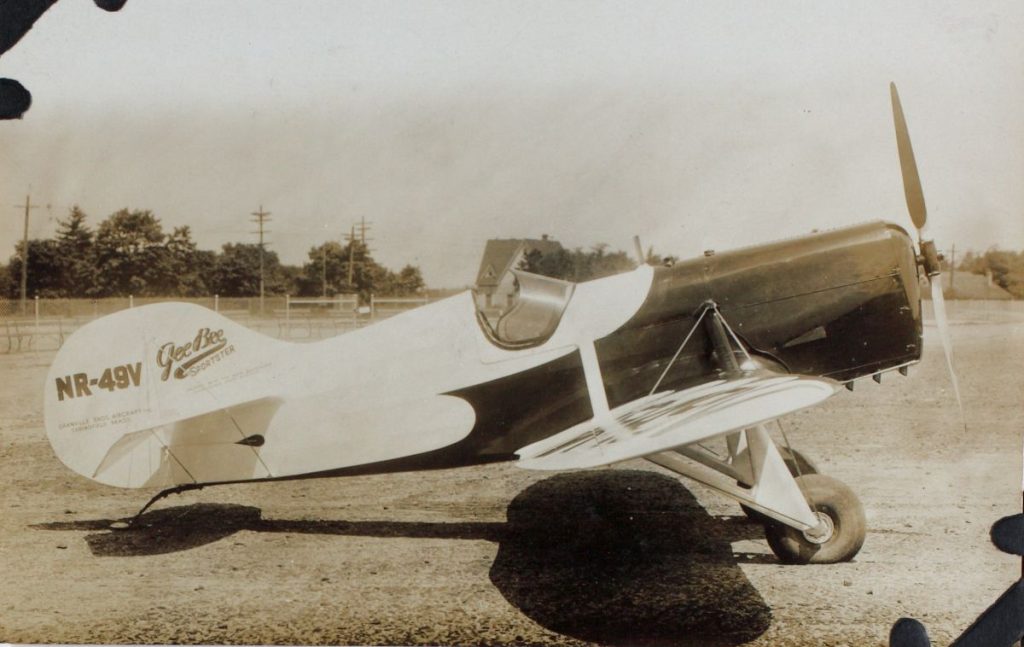
Following the success of the Gee Bee Model X, several successive models of the Gee Bee Sportster were developed, with the primary differences between the variants being the different types of engines used to power them. For example, the Model X and Model B Sportster had American Cirrus four-cylinder inline engines, while the Model C variant was powered by the Menasco B-4 Pirate 95-hp inline engine, the Model D was powered by the upgraded C-4 model of the Menasco Pirate, now with an output of 125 hp, and the Model E variant was powered by the Warner Scarab 125-hp seven-cylinder radial engine. Finally, the original Gee Bee Model X was later reconfigured with a Fairchild 6-390-B 120-hp six-cylinder inline engine and redesignated the Model F Sportster. In all, 8 Gee Bee Sportsters were built (one Model X/Model F, one Model B, one Model C, one Model C, and four Model Es).
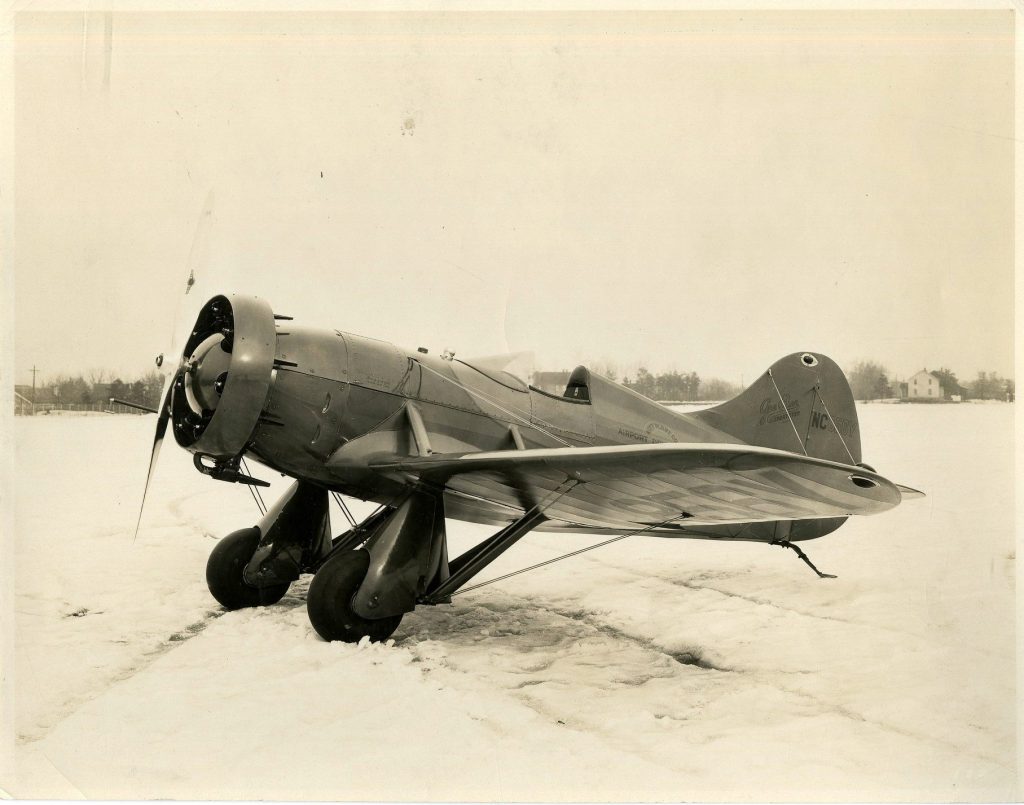
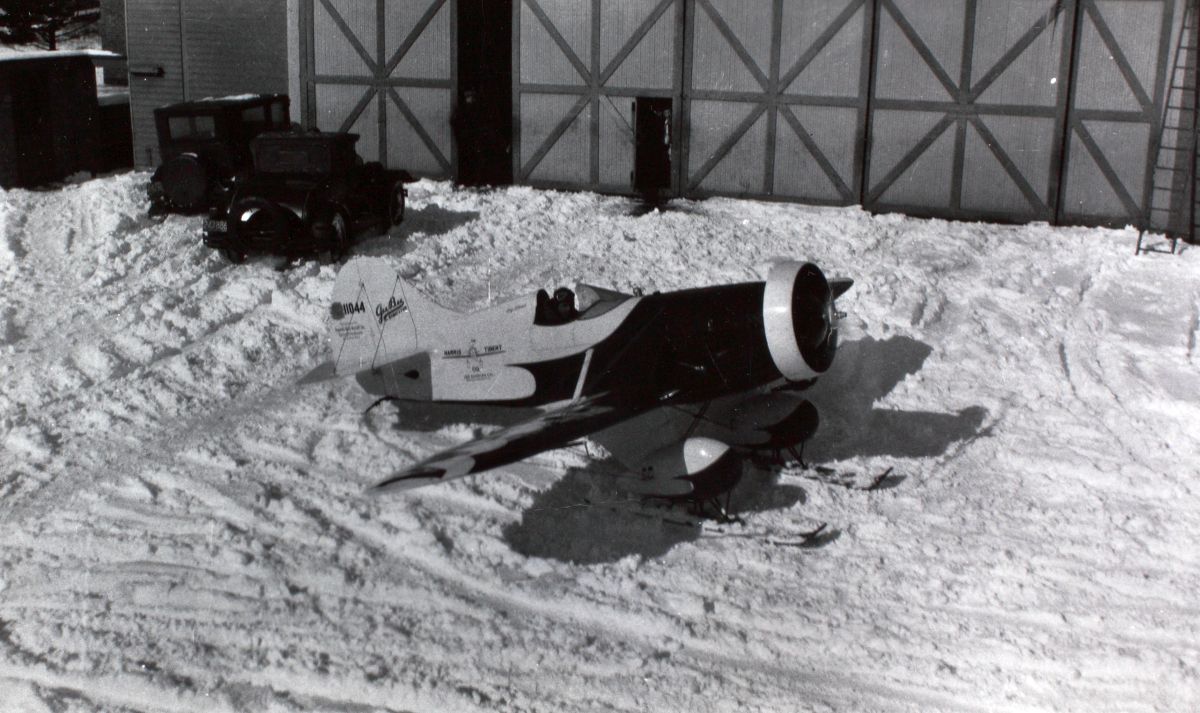
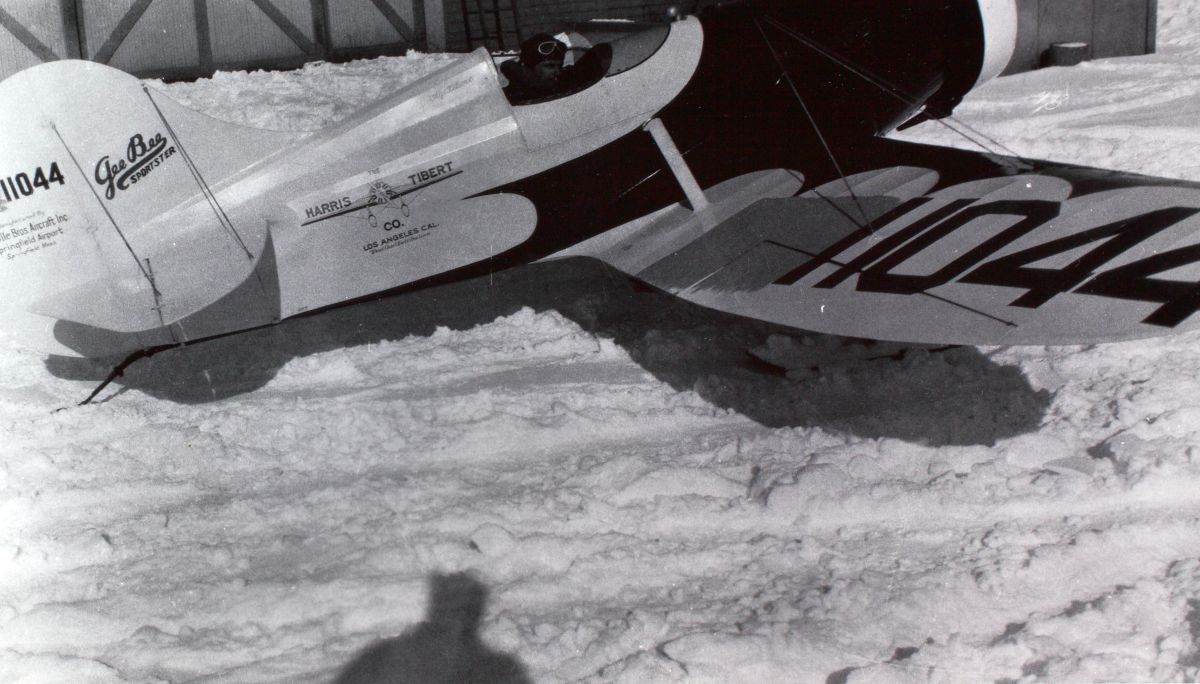
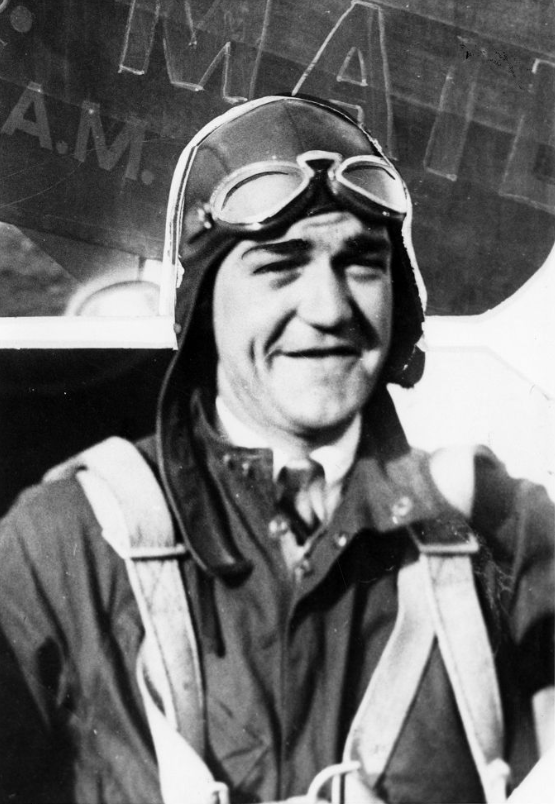
The original Model E Sportster NC11044, construction number 6, was the second Gee Bee Model E Sportster built, and was intended to be flown from Springfield, Massachusetts to California, as it was registered to the Harris-Tibert Company of Los Angeles. The company intended to become a distributor of Granville Brothers aircraft on the U.S. West Coast. On February 14, 1931, Gee Bee Model E Sportster NC11044 was being flown by Johnny S. Kythe at an airshow held at Candler Field, Atlanta, Georgia (now Hartsfield-Jackson Atlanta International Airport).
A local pilot from Alma, Georgia, Kythe had received flight training with the U.S. Army Air Service at Brooks Field near San Antonio, Texas, and later graduated from the USAAS’ Advanced Flight School at nearby Kelly Field, alongside fellow cadet Charles Lindbergh. Given the small size of the Army Air Service in the Interwar Years, Kythe went into the private sector, flying as an early crop duster with the Southern Dusting Co. of St. Joseph, Louisiana. In September 1927, Kythe was hired by the Pitcairn Aviation Company of Willow Grove, Pennsylvania, to fly the airmail route from New York to Atlanta, flying Pitcairn Mailwing biplanes on U.S. Airmail Contract Route 19.
On May 1, 1928, Kythe made the first northbound leg from Atlanta, relaying the mail to Richard E. Byrd Field (now Richmond International Airport), Virginia. One week later, on May 7, Kythe was flying the southbound leg to Atlanta when he crashed into the side of Stone Mountain in heavy fog. Having survived the crash with minor injuries, Kythe recovered the mail from the wreck of his Mailwing, carried the mail from Stone Mountain, and was brought back to Atlanta overland. Over the course of his employment with Pitcairn Aviation (later Eastern Air Transport, which became Eastern Airlines), Kythe would survive several further incidents, from crashing into another mountain near Rocky Mount, North Carolina, making an emergency landing during a snowstorm near South Boston, Virginia, and bailing out of another Pitcairn Mailwing near Richmond, Virginia. In addition to his luck, Kythe would gain a reputation as a stunt pilot capable of putting on an impressive performance to onlookers watching from the ground. Sadly, while flying Gee Bee Model E Sportster NC11044, Johnny Kythe’s luck ran out during an aerobatic display, as he was seen to have lost control of the aircraft while exiting from a steep dive, which subsequently crashed, killing the 25-year-old aviator instantly. For his pioneering work in the airmail industry and in aerobatics, Johnny S. Kythe was posthumously inducted into the Georgia Aviation Hall of Fame in 2014.
The replica of Gee Bee Model E Sportster NC11044 on display at the Evergreen Aviation and Space Museum was built by pilot Scott Crosby with the construction number X-9. After eight years of work, the aircraft was completed in 1995. The aircraft was later purchased by pilot Jim Teel, and on May 23, 1997, the aircraft was involved in an accident just outside Watsonville Airport, California, while attempting to land during a Fly-In event. After making a go-around to allow a Bonanza ahead of him to land, Teel circled around for another approach into Watsonville when the Scarab engine lost power, and the propeller separated from the engine, striking the right wing after detaching from the Gee Bee replica. The aircraft went into a farmer’s field, cartwheeled on its right wing, and came to rest inverted. Teel survived with minor injuries, and the aircraft was later repaired by Scott Crosby before being donated to the Evergreen Aviation and Space Museum in 2004.
About the author 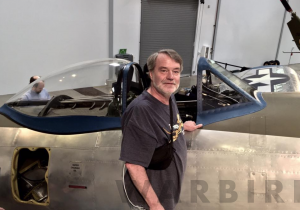
Randy Malmstrom grew up in a family steeped in aviation culture. His father, Bob, was still a cadet in training with the USAAF at the end of WWII but did serve in Germany during the U.S. occupation in the immediate post-war period, where he had the opportunity to fly in a wide variety of types that flew in WWII. After returning to the States, Bob became a multi-engine aircraft sales manager and, as such, flew a wide variety of aircraft; Randy frequently accompanied him on these flights. Furthermore, Randy’s cousin, Einar Axel Malmstrom, flew P-47 Thunderbolts with the 356th FG from RAF Martlesham Heath. He was commanding this unit at the time he was shot down over France on April 24th, 1944, spending the rest of the war as a prisoner of war. Following his repatriation at war’s end, Einar continued his military service, attaining the rank of Colonel. He was serving as Deputy Wing Commander of the 407th Strategic Fighter Wing at Great Falls AFB, MT at the time of his death in a T-33 training accident on August 21, 1954. The base was renamed in his honor in October 1955 and continues to serve in the present USAF as home to the 341st Missile Wing. Randy’s innate interest in history in general, and aviation history in particular, plus his educational background and passion for WWII warbirds, led him down his current path of capturing detailed aircraft walk-around photos and in-depth airframe histories, recording a precise description of a particular aircraft in all aspects.





Hello , I found some inaccuracies in an article just published August 2nd by Randy Malnstrom regarding the Gee Bee E article. If Randy is interested, please have him contact me.
Thanks, Robin
Please let Adam Estes know about those changes. Randy, unfortunately is no longer with us.