





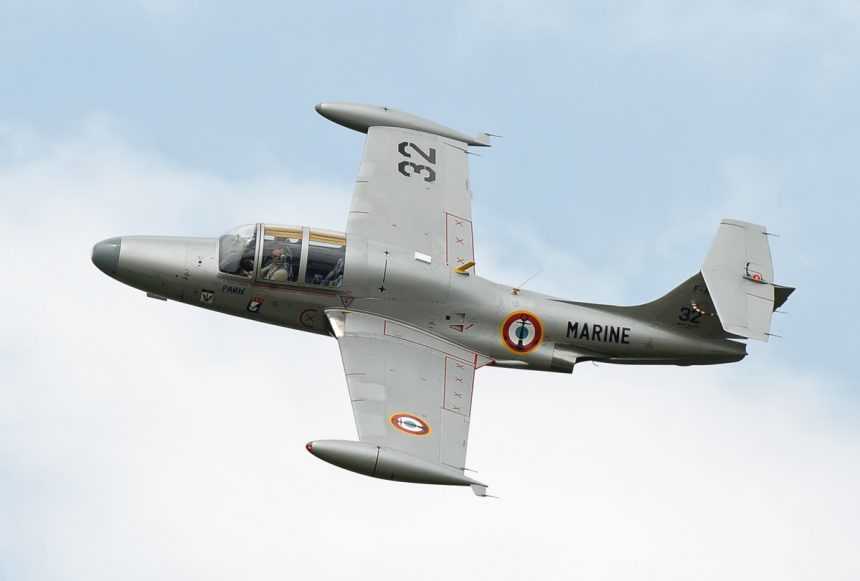

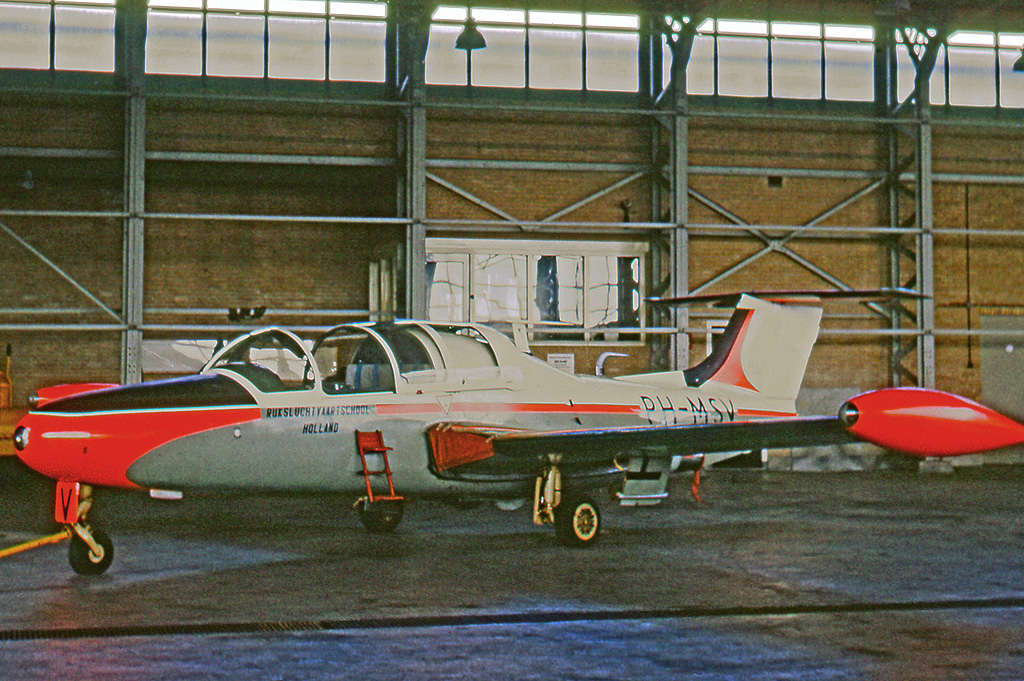
On this day in aviation history, 72 years ago (July 29, 1954), the first flight of the Morane-Saulnier MS.760 Paris took place. The MS.760 was a jet of French origin that was designed for both training and liaison roles. Not only was the Paris developed for military service, but it was also intended for the civilian market. Morane-Saulnier marketed the MS.760 as a compact business jet, alongside being a military multi-role aircraft.
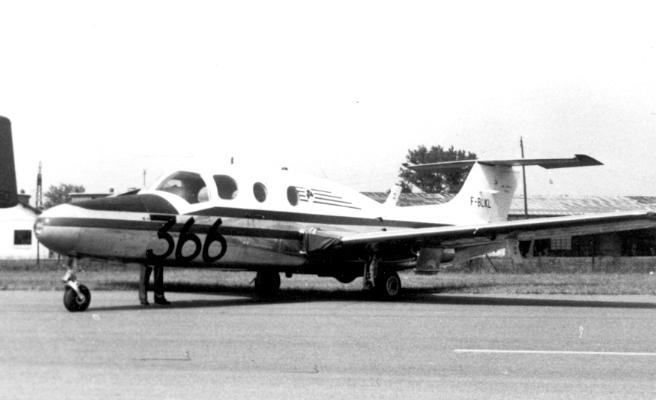
Morane-Saulnier developed the MS.760 directly from their MS.755 Fleuret design, a two-seat military trainer that lost out to the Fouga CM.170 Magister. The Paris featured seating for four, with two pilots in the front and room for two additional passengers in the rear. Flight characteristics remained largely unchanged from the MS.755 to the MS.760. Provisions for armament were included with the MS.760, including: two guns in the nose, racks for four 90 mm rockets, and hardpoints for two 110-lb bombs. Morane-Saulnier marketed their new jet trainer in the United States, partnering with Beech Aircraft. The MS.760 became one of the earliest aircraft promoted specifically as a business jet. Although ahead of its time, civilian sales of the Paris never took off. Larger and more capable business jets entered the market shortly after the MS.760.
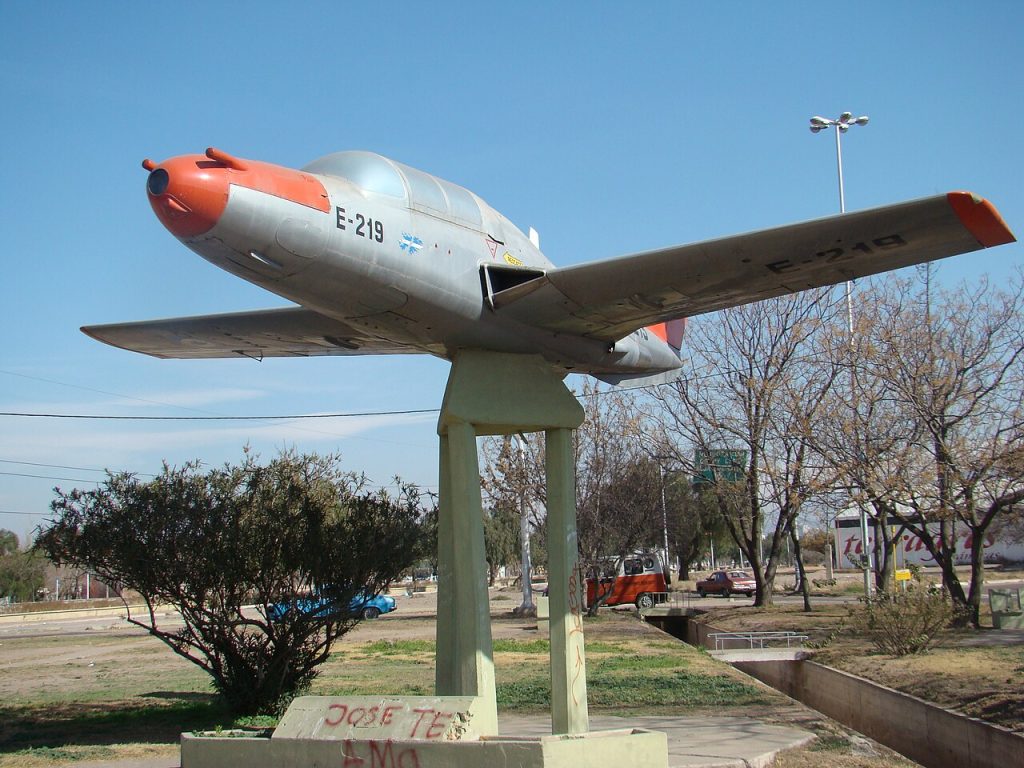
Two Turboméca Marboré II turbojet engines, each with 880 pounds of thrust, powered the MS.760 to a cruise speed of 350 mph. The Paris could attain a maximum airspeed of 400 mph, and a 2,264 fpm rate of climb. The MS.760 had a range of 810 nmi and a service ceiling of 33,000 ft. A mere 2,460 ft of runway was required for takeoff. Morane-Saulnier built a total of 219 MS.760s during the aircraft’s production run. The aircraft served primarily with the French Air Force, Navy, and Army. Additionally, the Argentine and Brazilian Air Forces flew the Paris. France retired the MS.760 in 1997, while Argentina kept them active until 2007. A handful of MS.760s have survived and are flown in the civilian world.








this aircraft was the inspiration for the Lear Jet