







By Randy Malmstrom
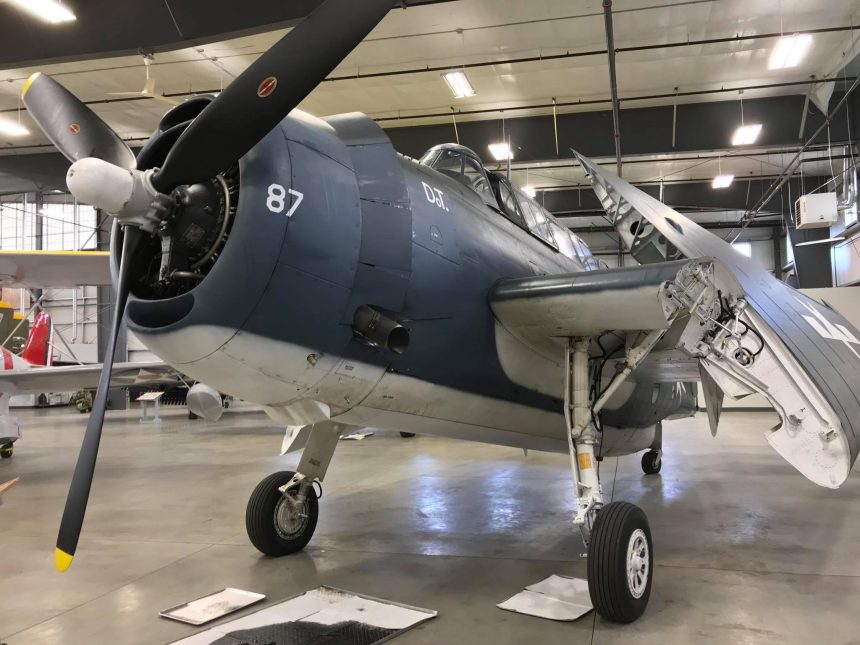
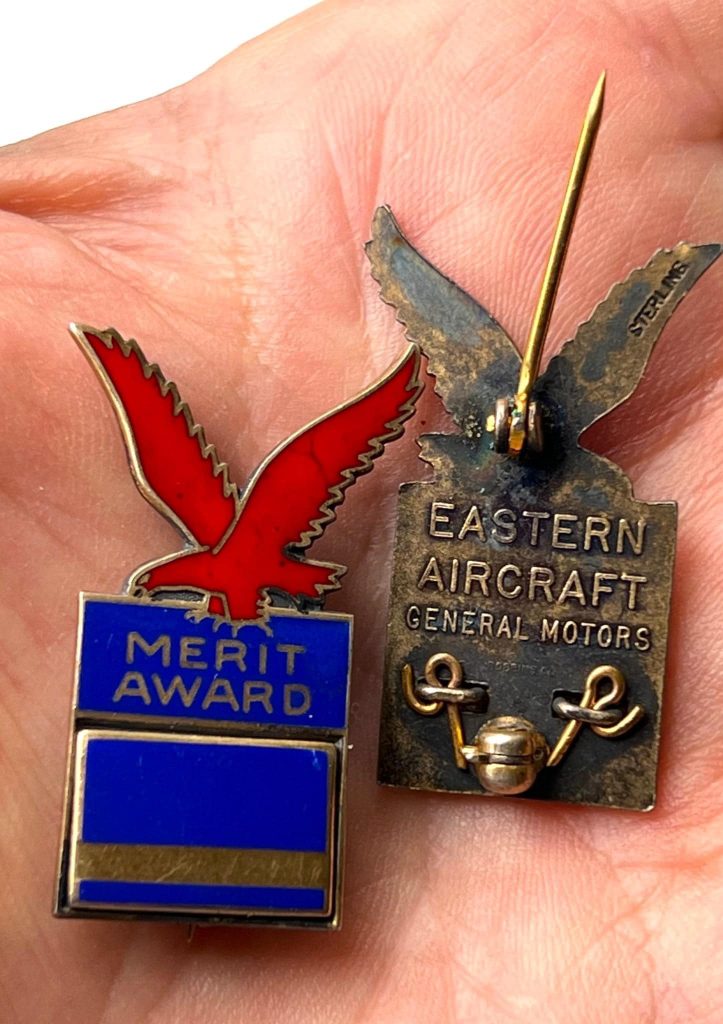
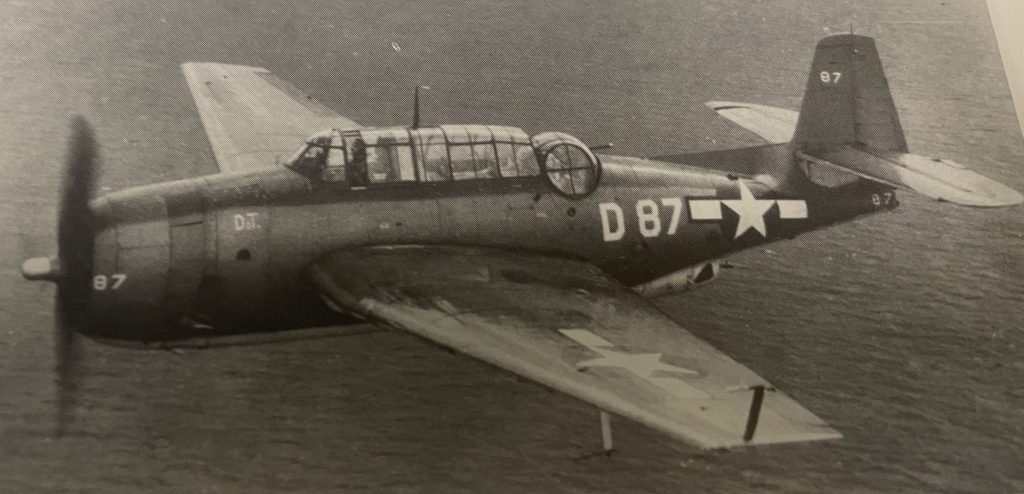
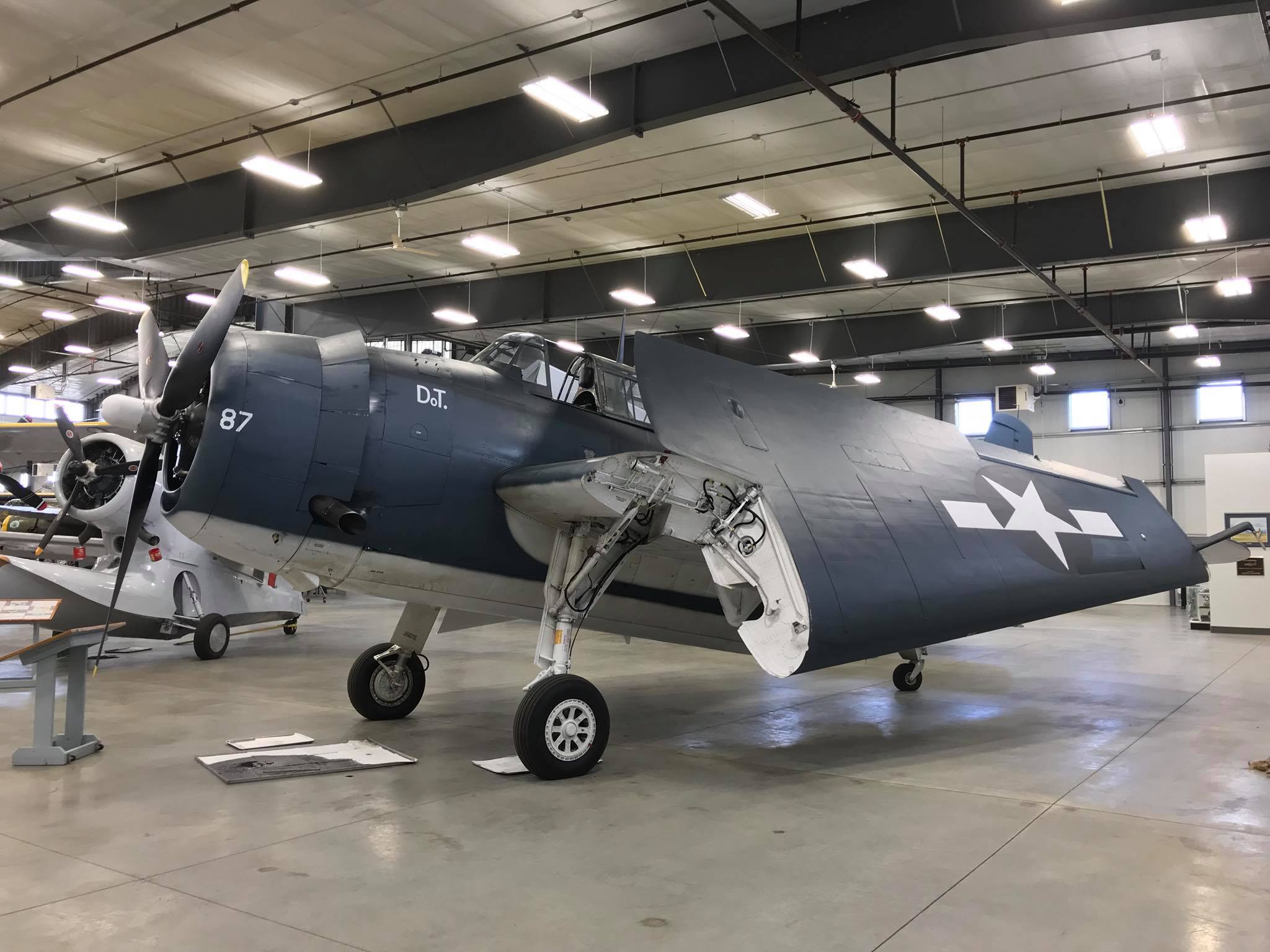
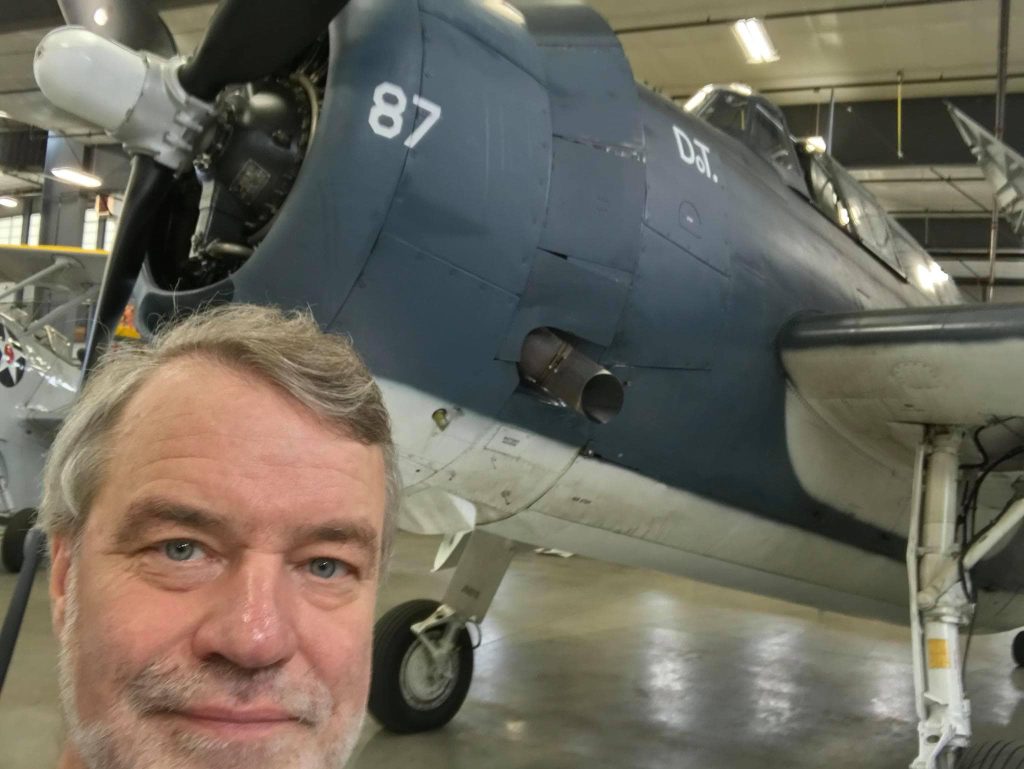
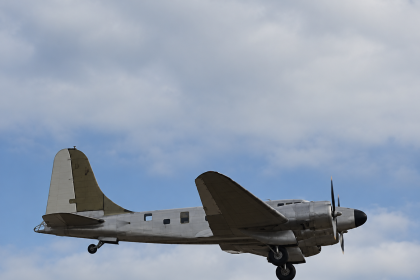
General Motors TBM-3E Avenger “DoT.” BuNo 85849, s/n 2668. The meaning of the “DoT.” nose art has not been determined as far as I know, and I have not been able to determine it; it is in historic photos of the aircraft this has been repainted to represent. This particular aircraft was built by General Motors Eastern Aircraft Division located in Trenton, New Jersey. A GM Suggestion Plan was introduced in 1942 and rewarded employees for ideas that helped improve manufacturing efficiency or safety. Suggestions that were adopted were rewarded (anywhere from $2.50 to $1,000 in War Savings Stamps or War Bonds), and a Merit Award pin was awarded (see attached photo courtesy of Stacey Kunch — thank you).
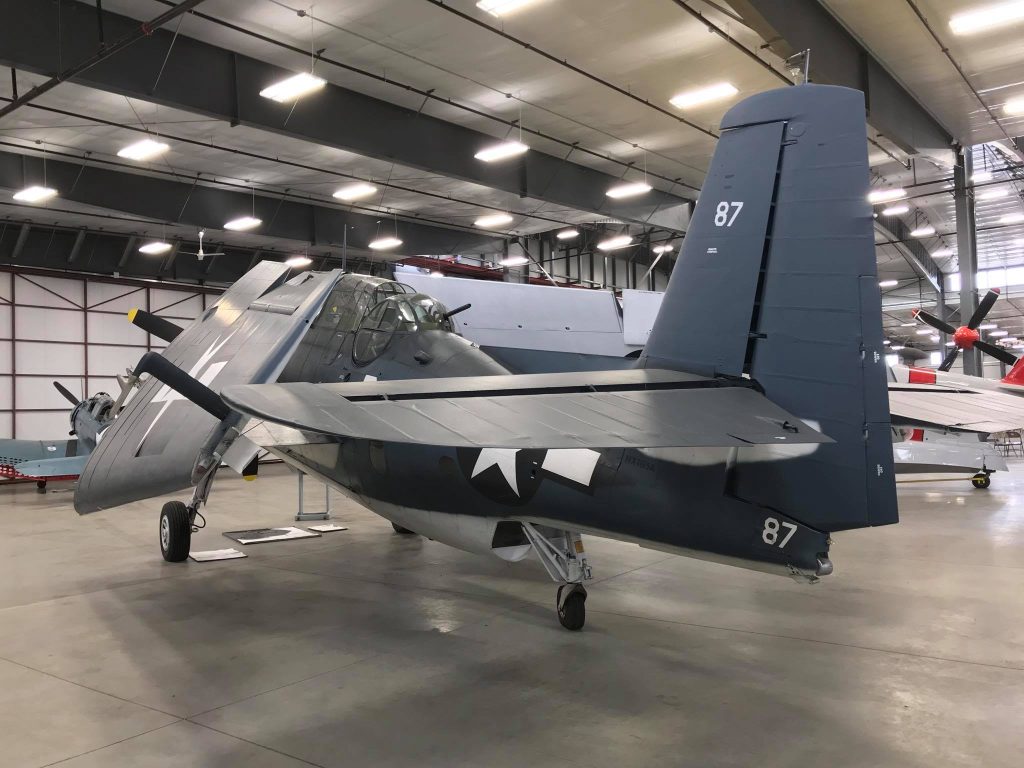
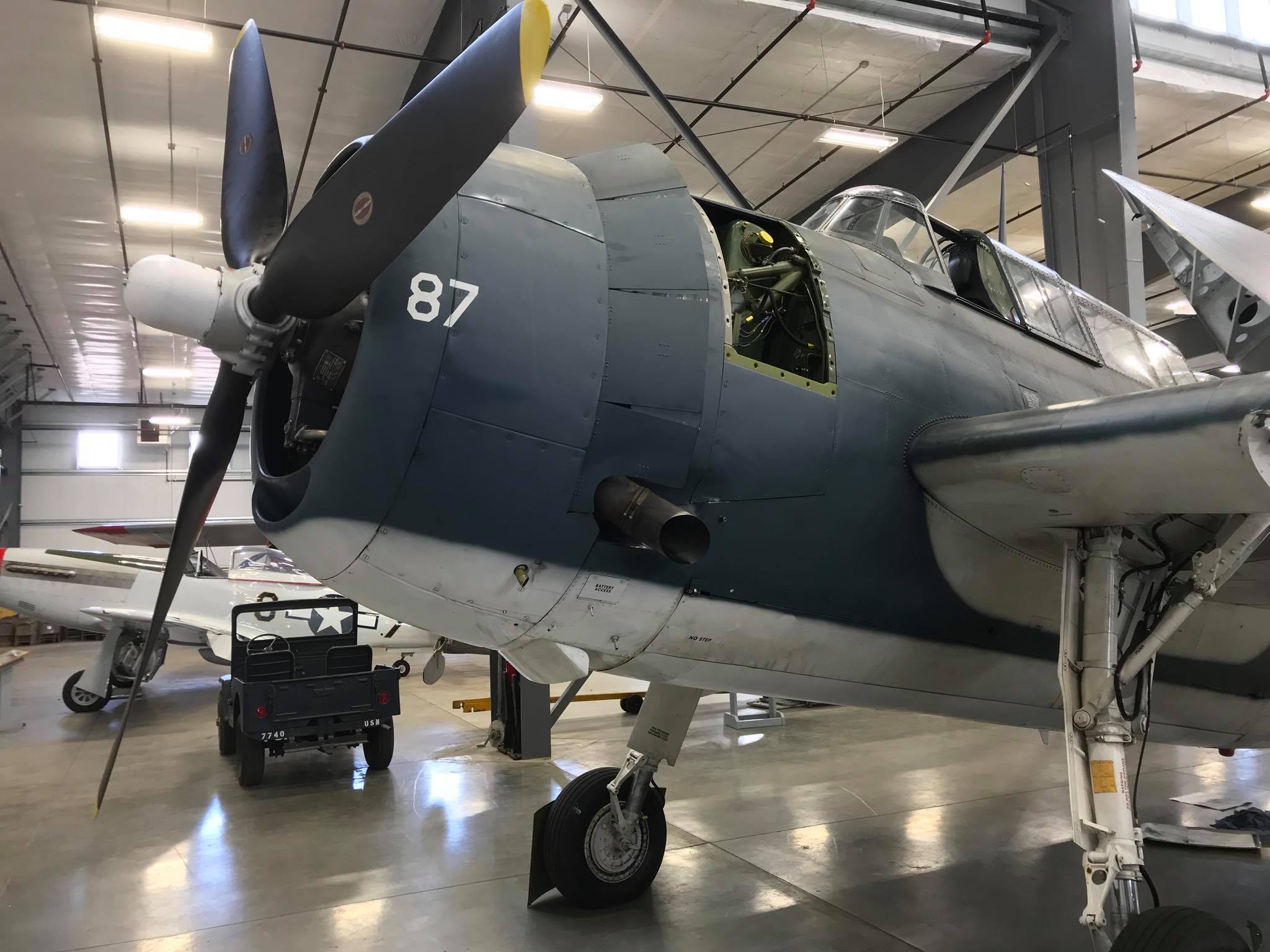
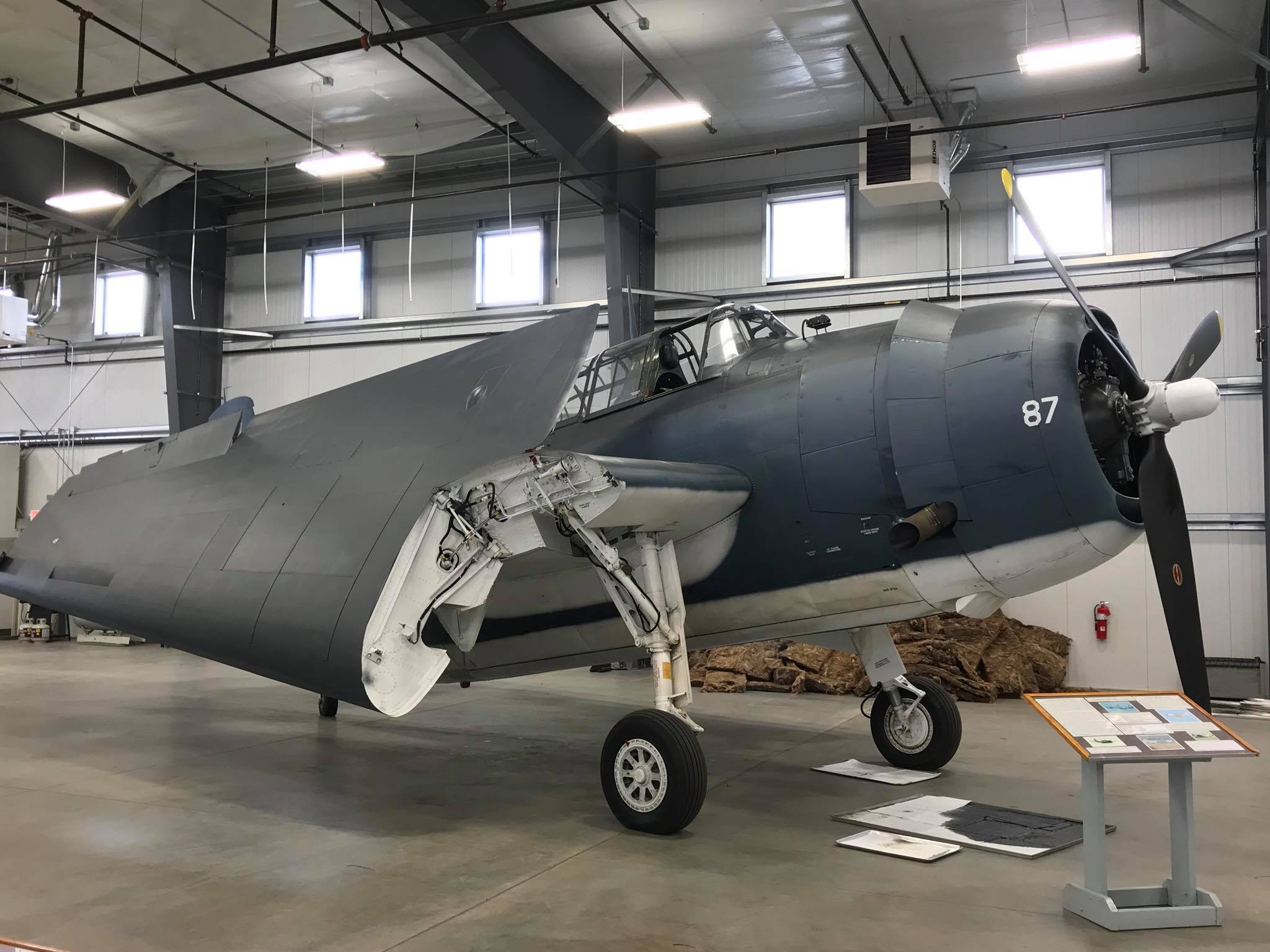
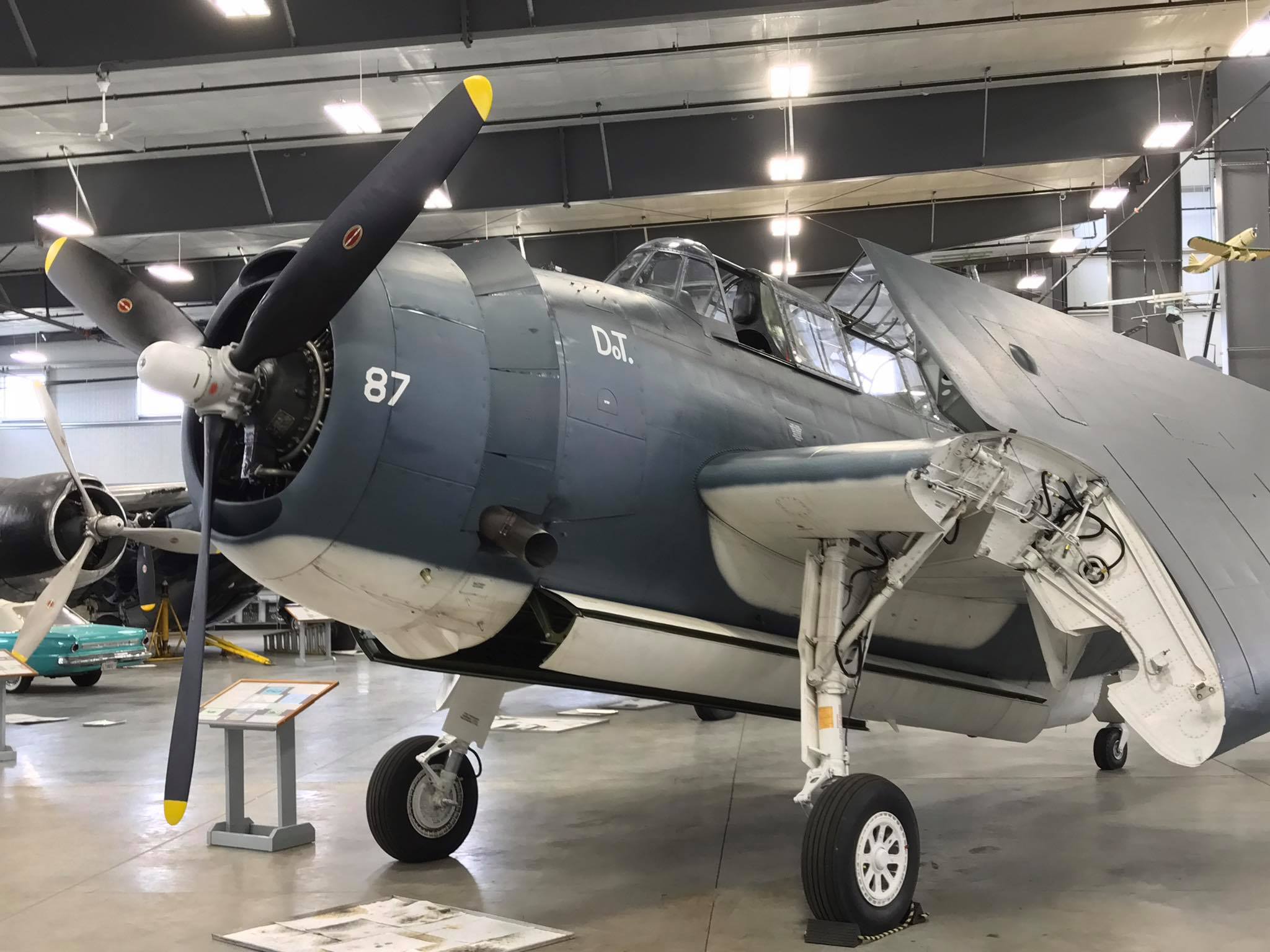
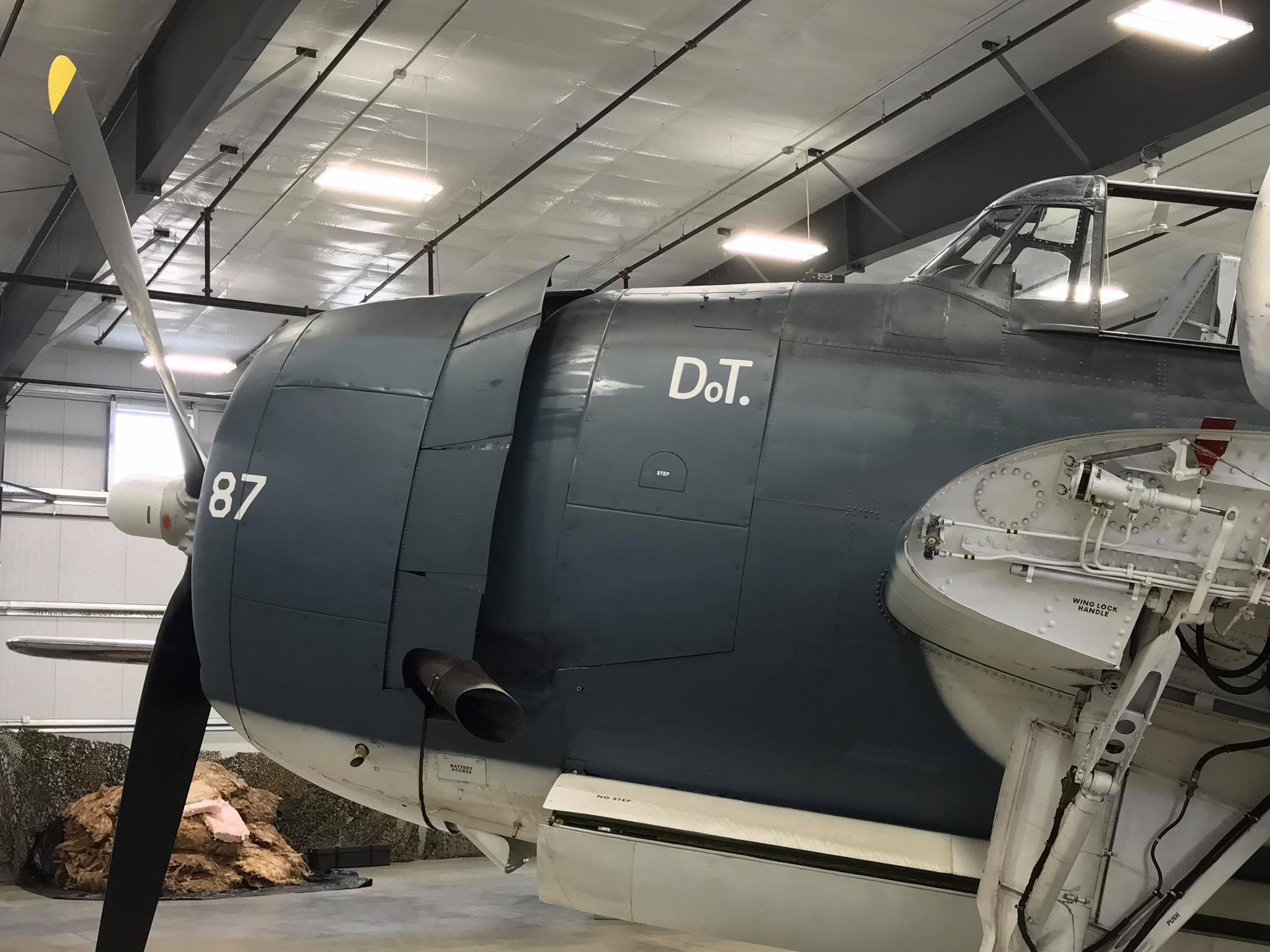
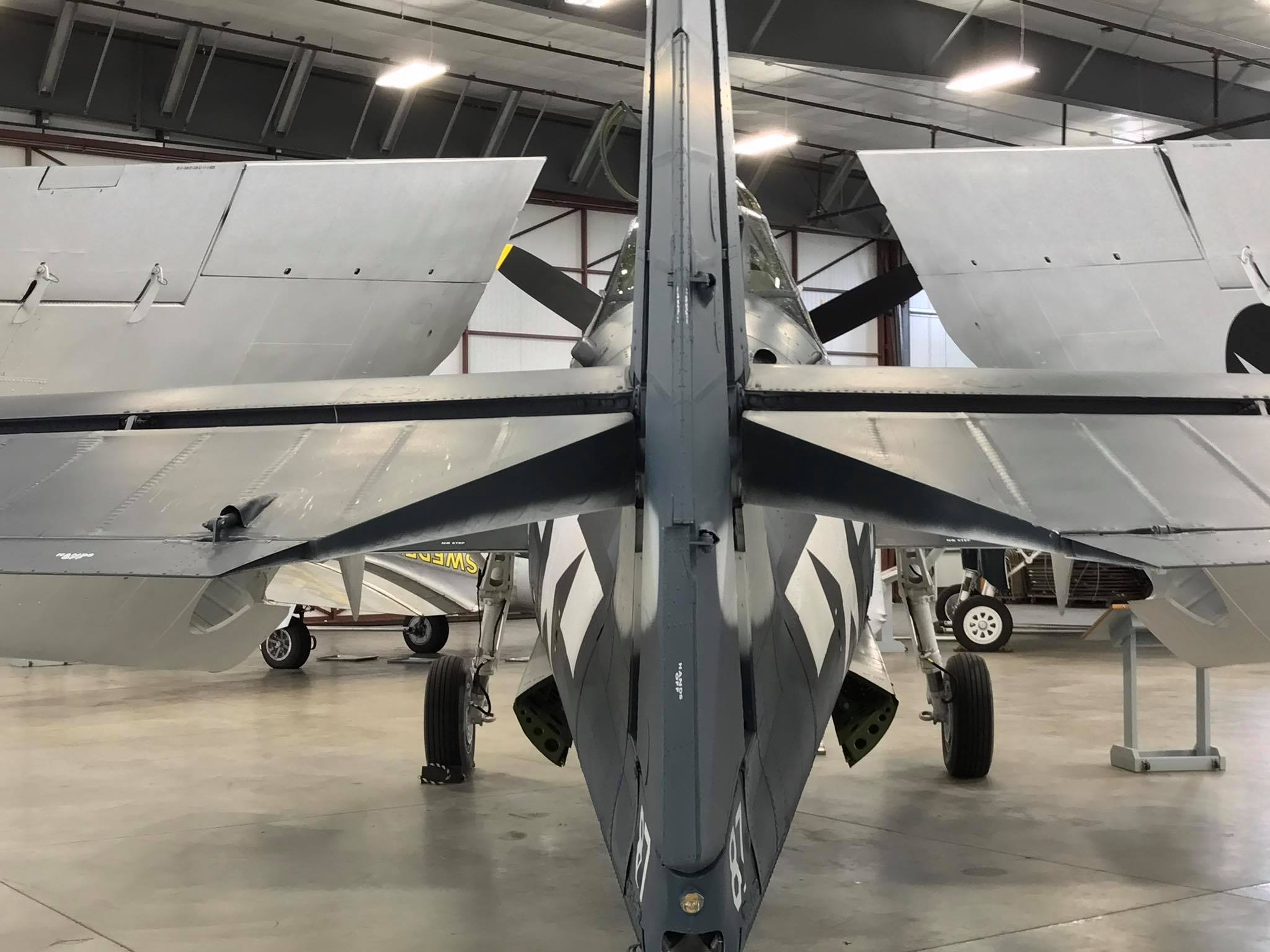
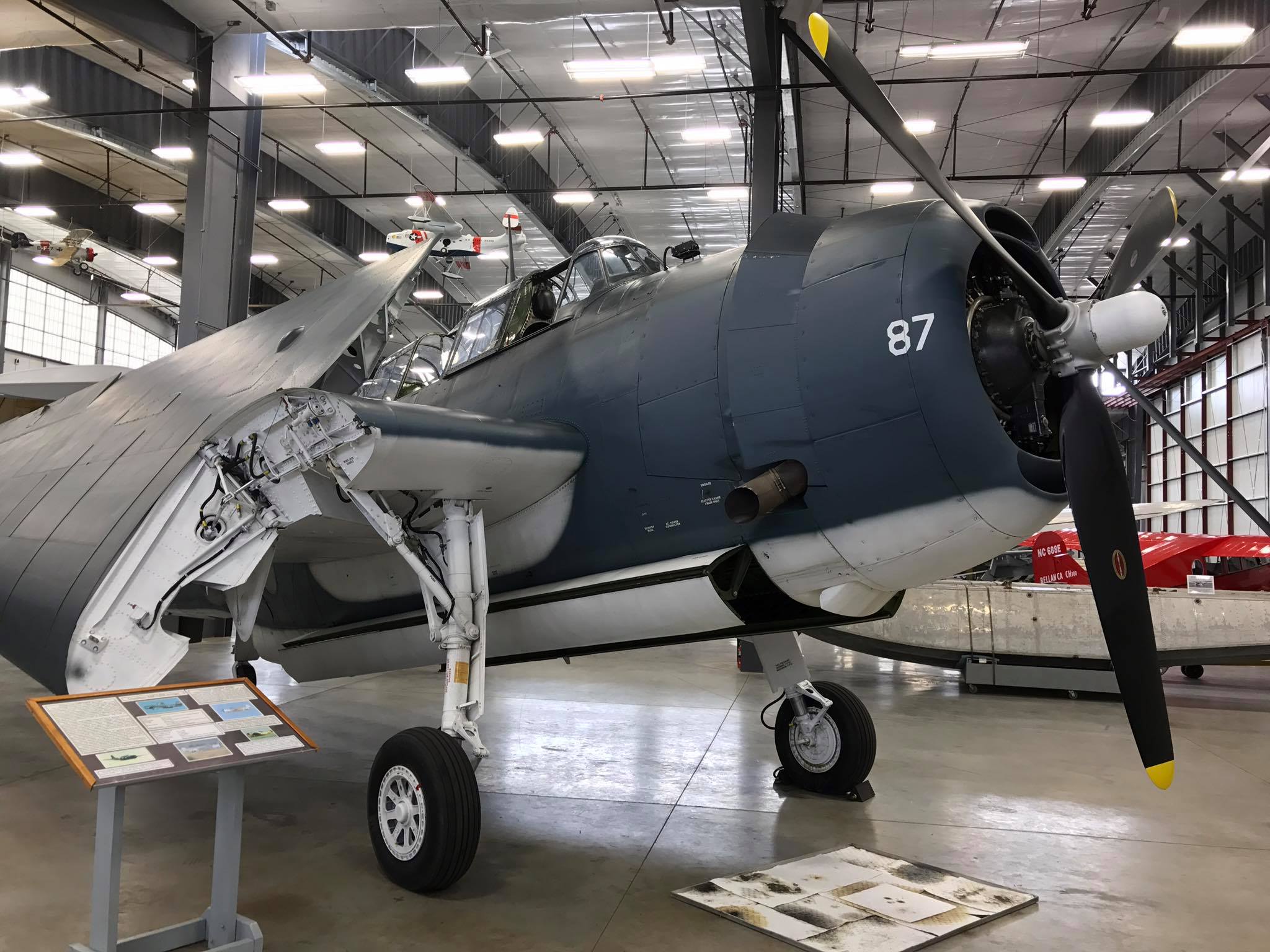
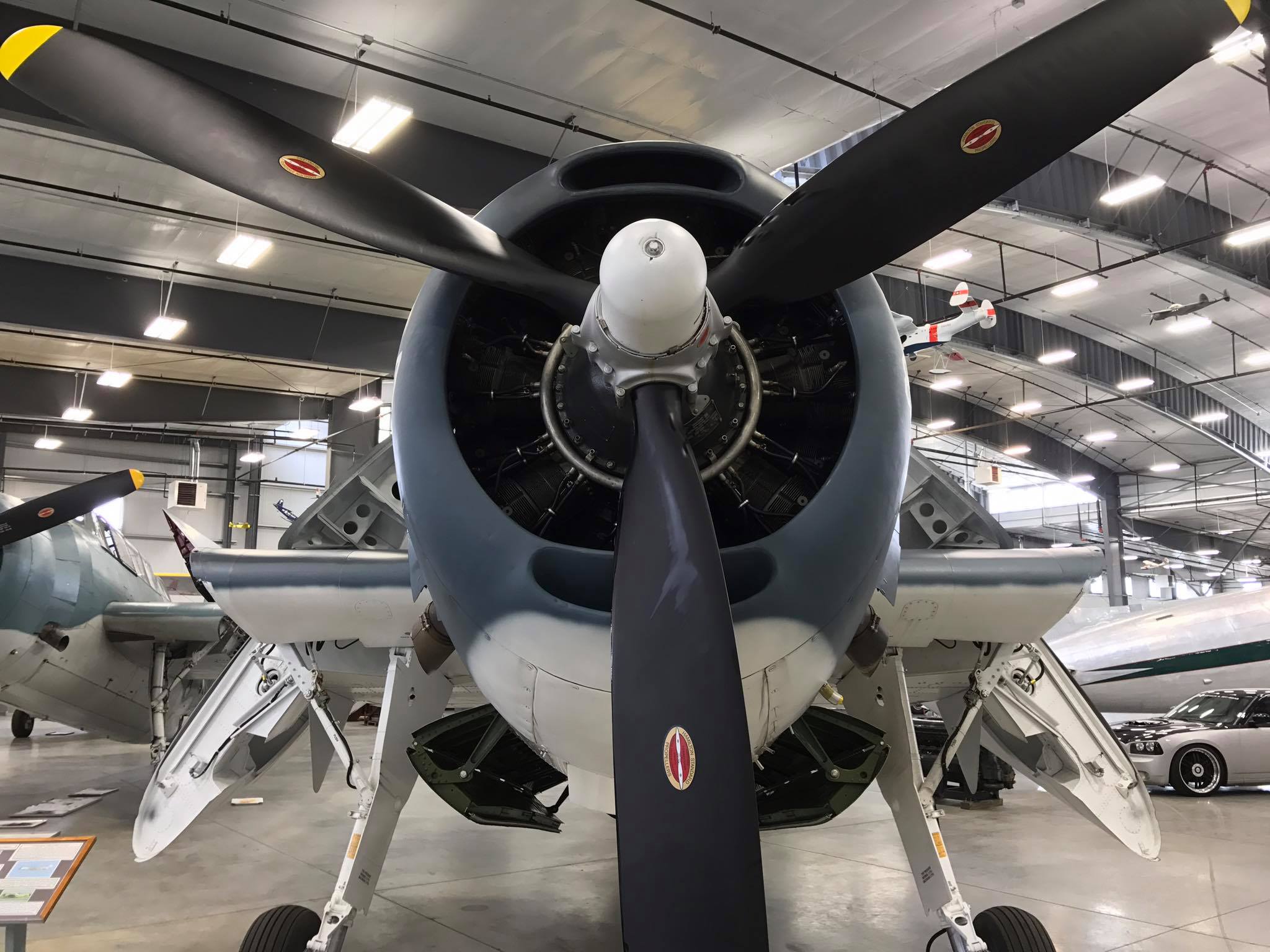
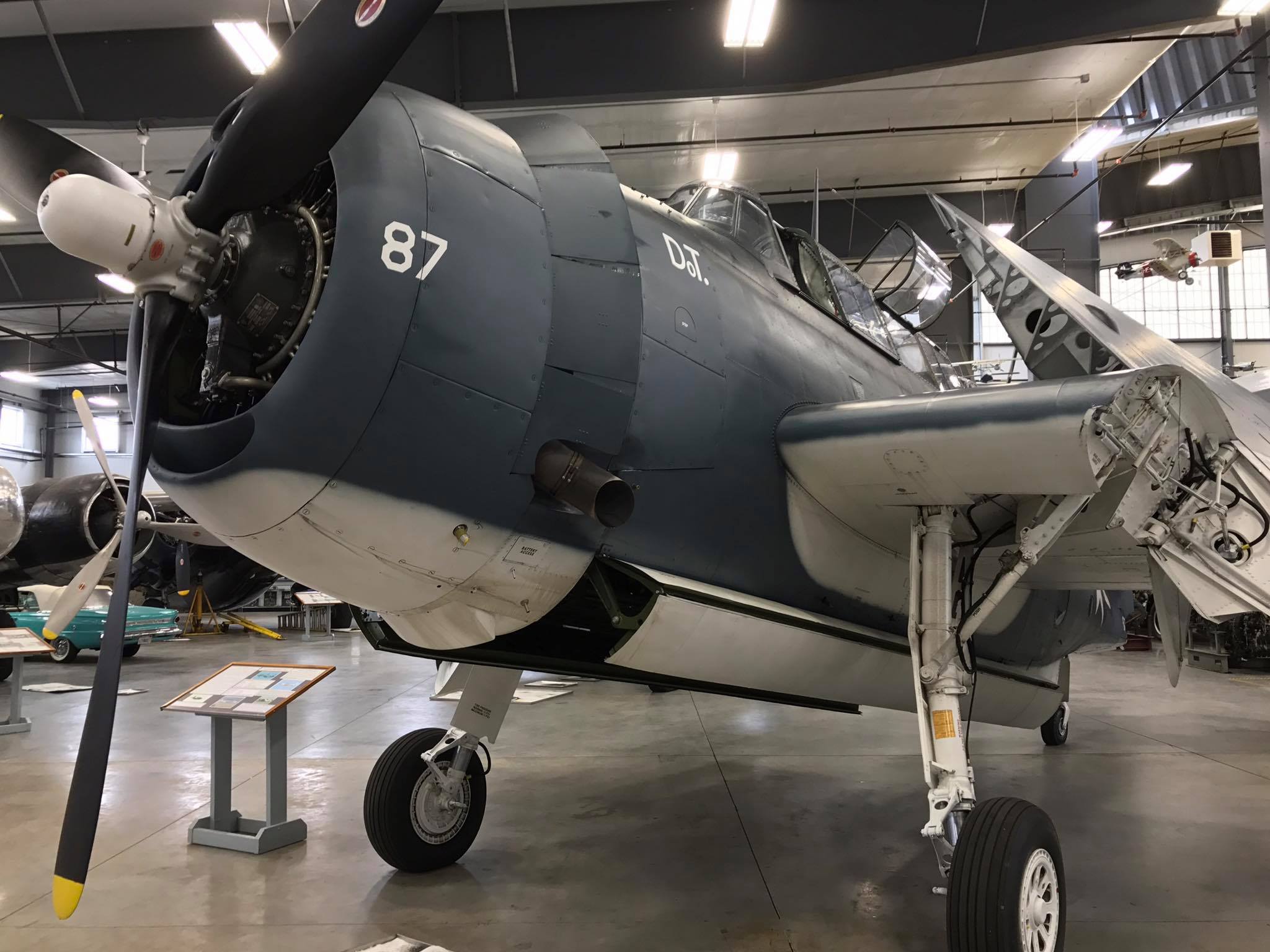
From what I can determine, this airplane was accepted by the U.S. Navy on March 23, 1945, and served at NAS San Diego, California. It then served aboard the USS Suwannee (VT-40) beginning in May of 1945, and it was delivered to Pearl Harbor on November 8, 1945. On May 5, 1947, it was delivered to NAS Norfolk, Virginia. After being struck from the record, it was put into storage at Reeder Flying Services of Twin Falls, Idaho, beginning on October 15, 1957, and then converted to a water bomber under the registration N4169A. It suffered a ruptured fuel tank on June 21, 1969. This aircraft was restored by Pacific Fighters in Idaho Falls, Idaho, and repainted as BuNo. 68368, White D-87, one of 25 aircraft assigned to U.S. Reserve Torpedo Squadron VT-40, “Red’s Raiders,” which had landed on Guadalcanal in late 1943 to attack Japanese bases in the Solomon Islands and at Rabaul. The squadron then joined with a fighter squadron as part of Air Group 40 aboard the USS Suwannee (CVE-27), Serial 065, a Sangamon class escort or “jeep” (and “baby flat tops” by the press) aircraft carrier (CVE referring to the US Navy hull classification, but carrier crews joked that the designation stood for “Combustible, Vulnerable, and Expendable”), and participated in the Battle of Okinawa.
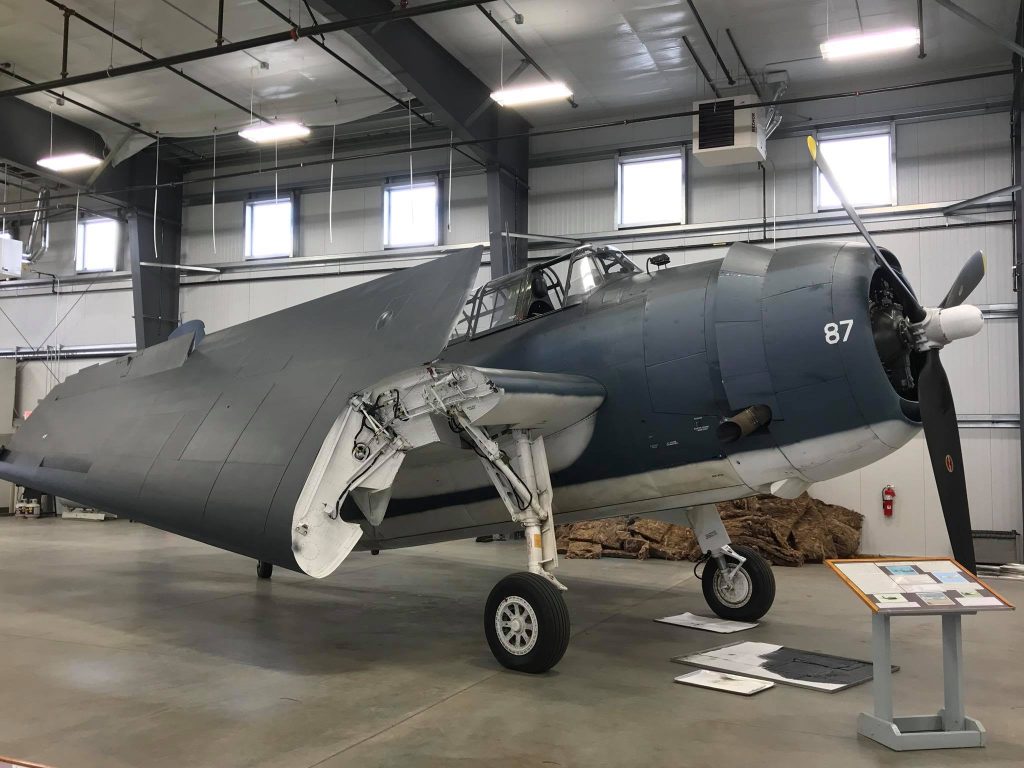
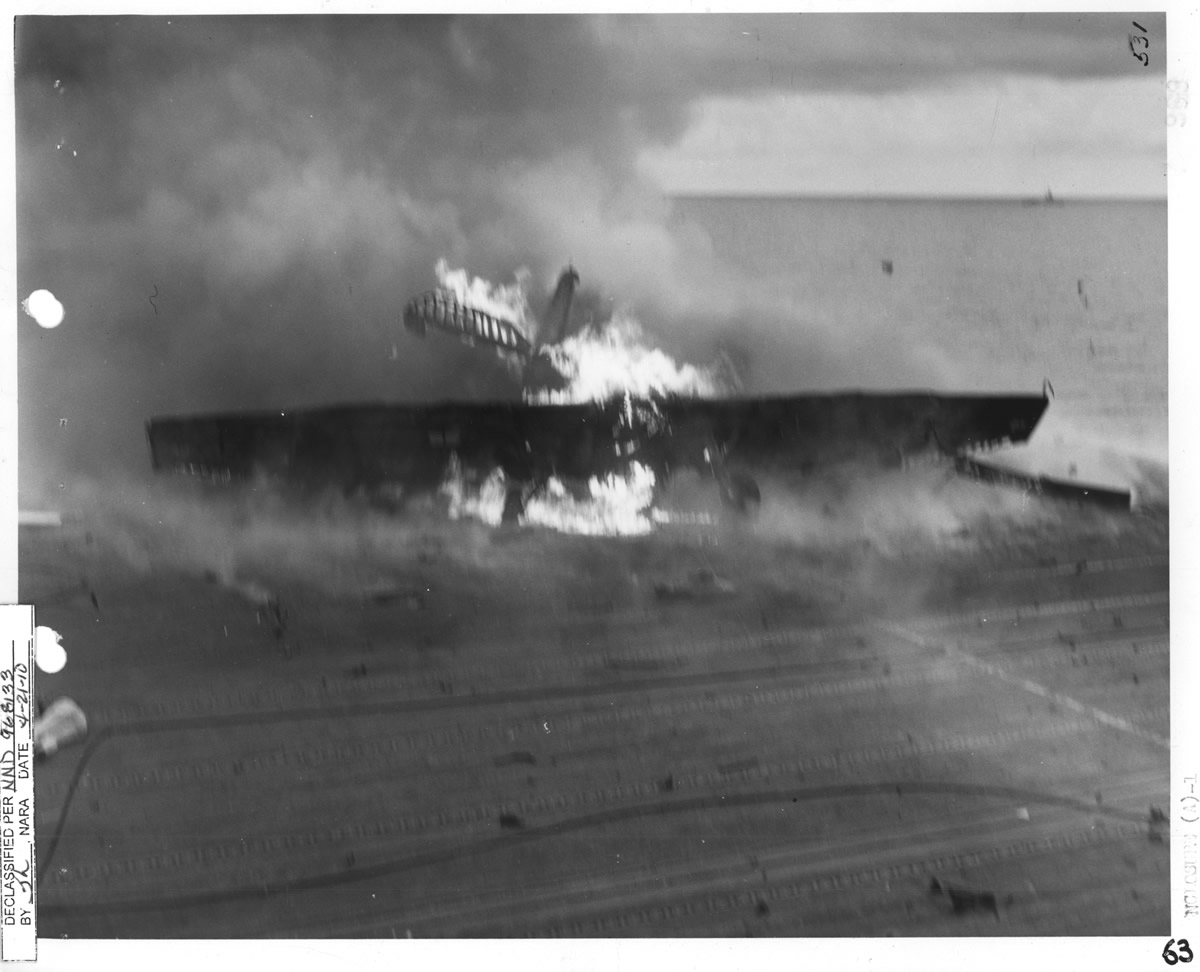
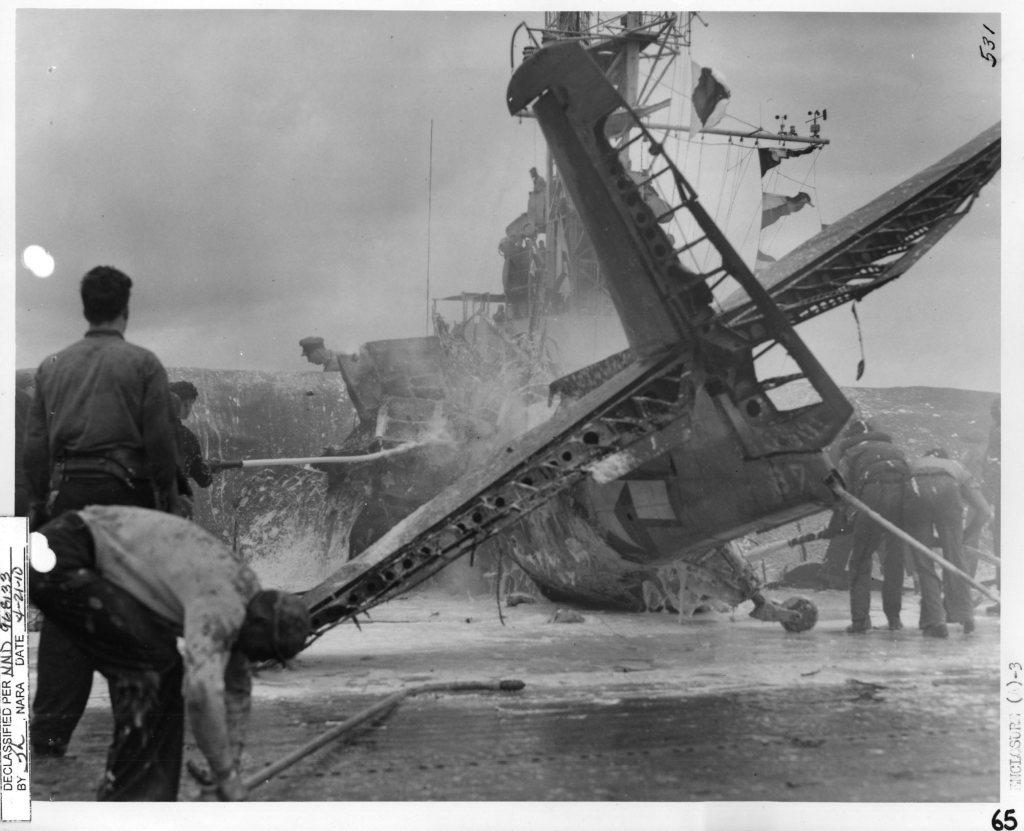
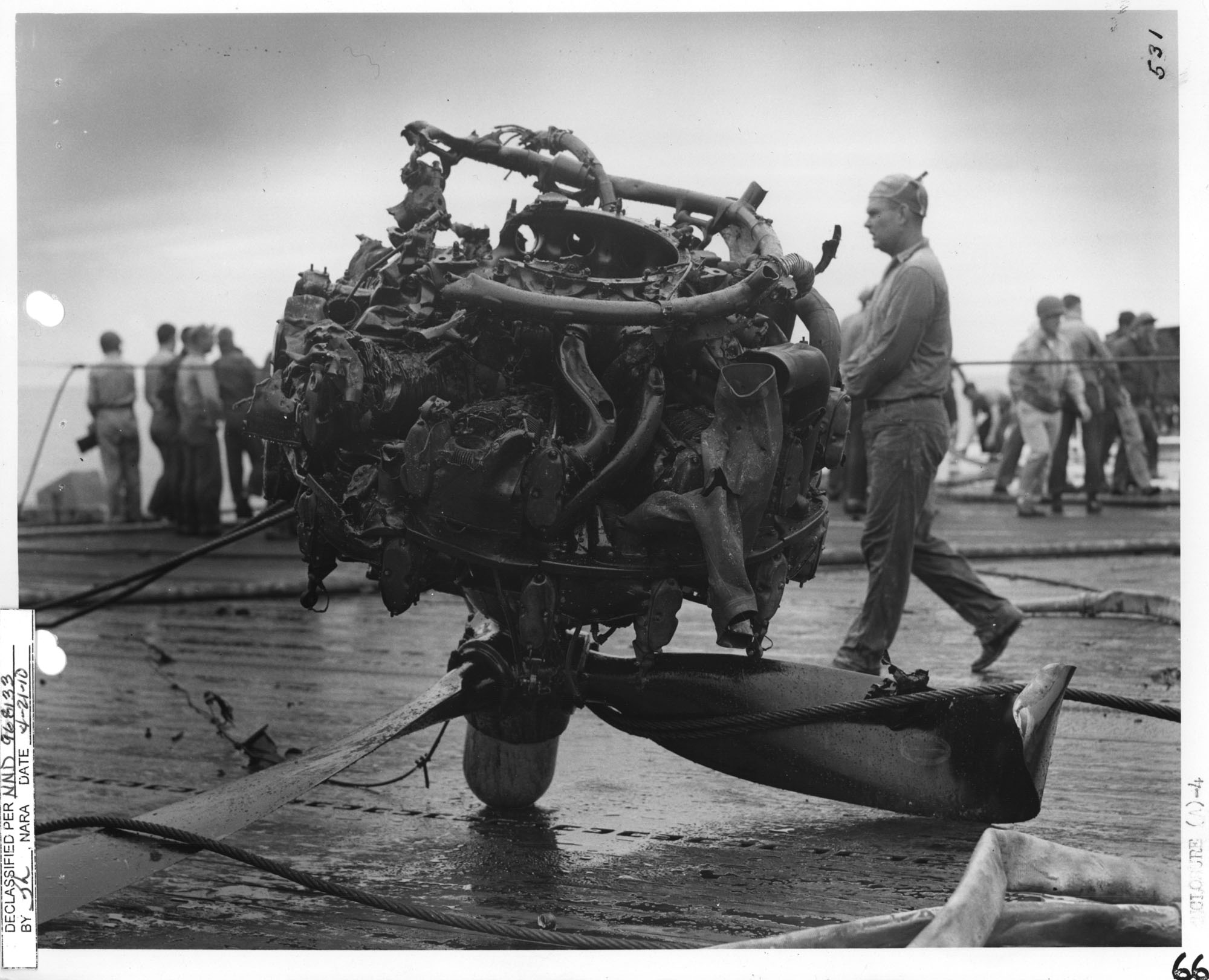
White D-87 was piloted by Lt. Jg. Obed “Obie” F. Slingerland of Albany, New York, and last reported to his family by letter that he had been flying daily missions. The aircraft was lost at Okinawa at 10:42 hrs. on May 24, 1945, after coming to a halt on the deck of the Suwanee when it exploded due to the explosion of a 100-lb. bomb in the weapons bay. Slingerland received scalp wounds from shrapnel and was killed instantly and was buried at sea by Administrative Decision; the radio man, ARM1c James Joseph Joyce, Jr., later died of his wounds during transfer to Pearl Harbor; 14 of the carrier crew were injured. The explosion ripped two large holes and numerous smaller holes in the carrier deck. This aircraft is now owned by Jack Erickson’s Avenger LLC (Beaverton, Oregon) and in 2017, became part of the Erickson Aircraft Collection in Madras, Oregon, where it is airworthy.
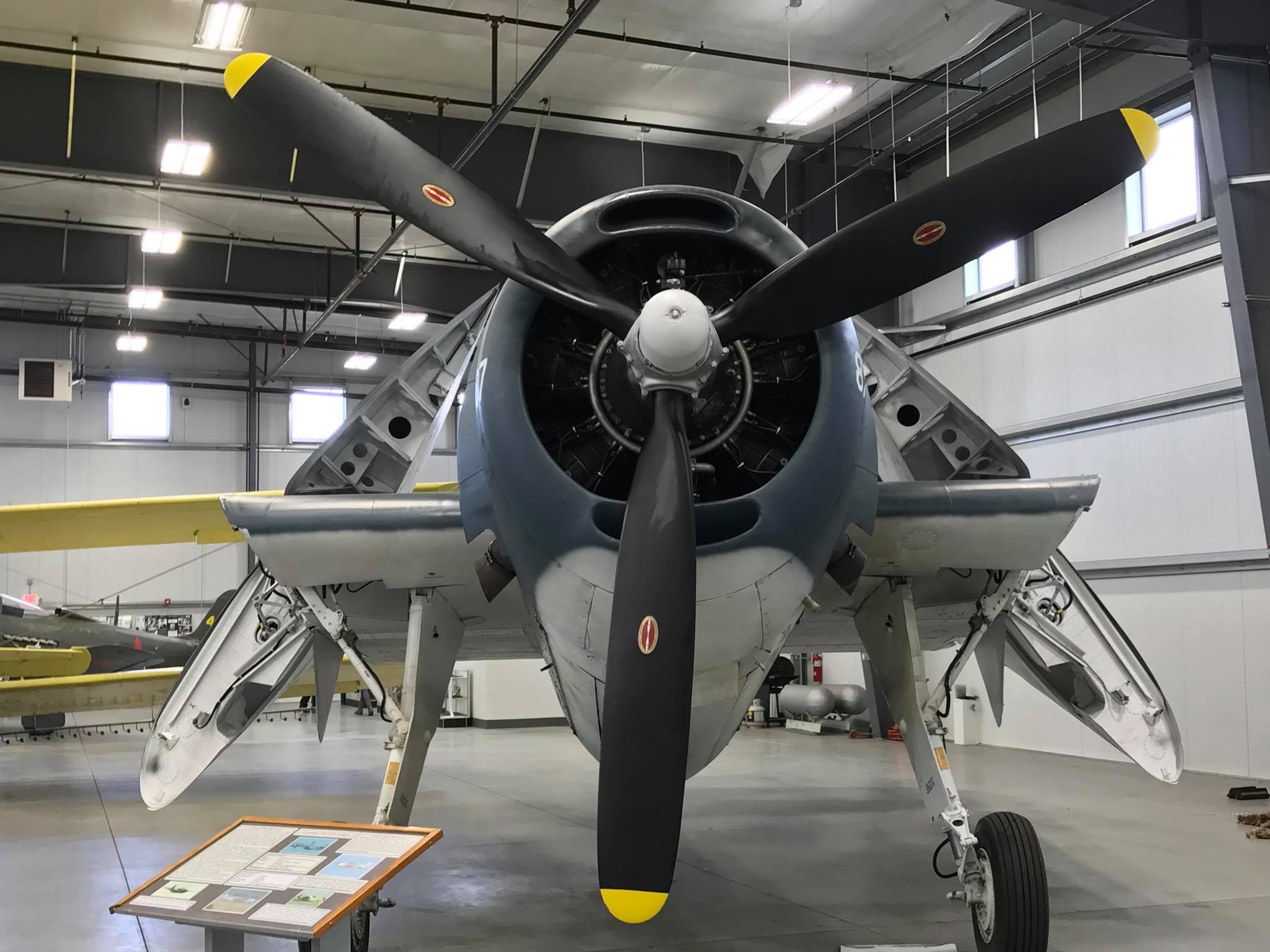
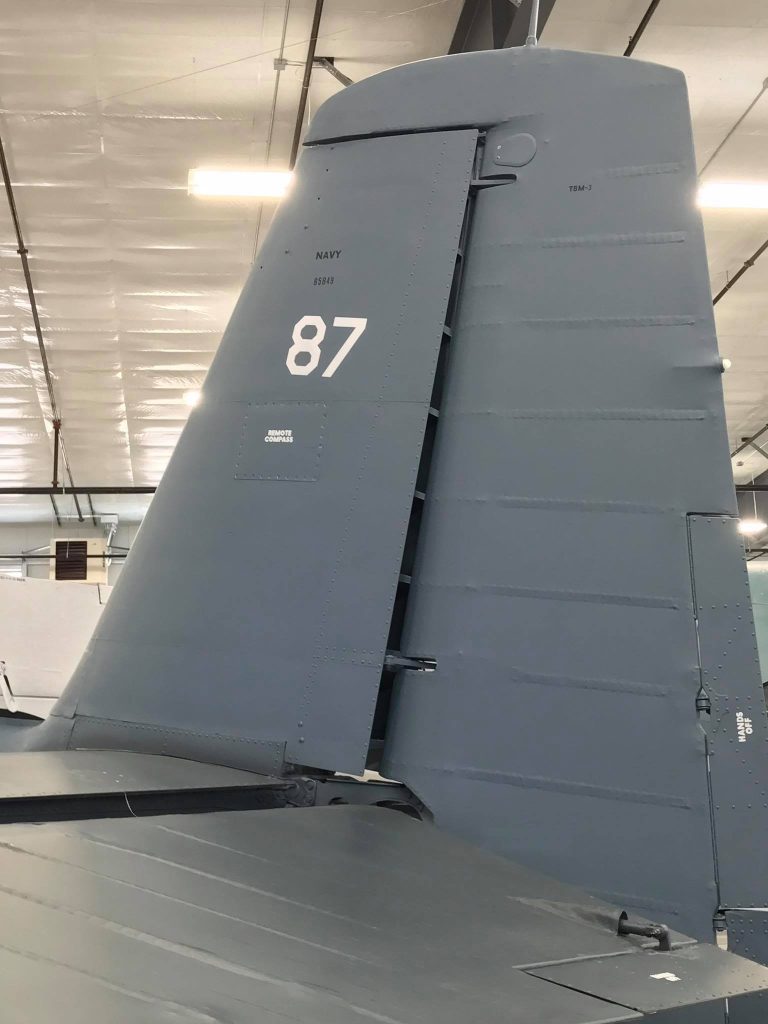
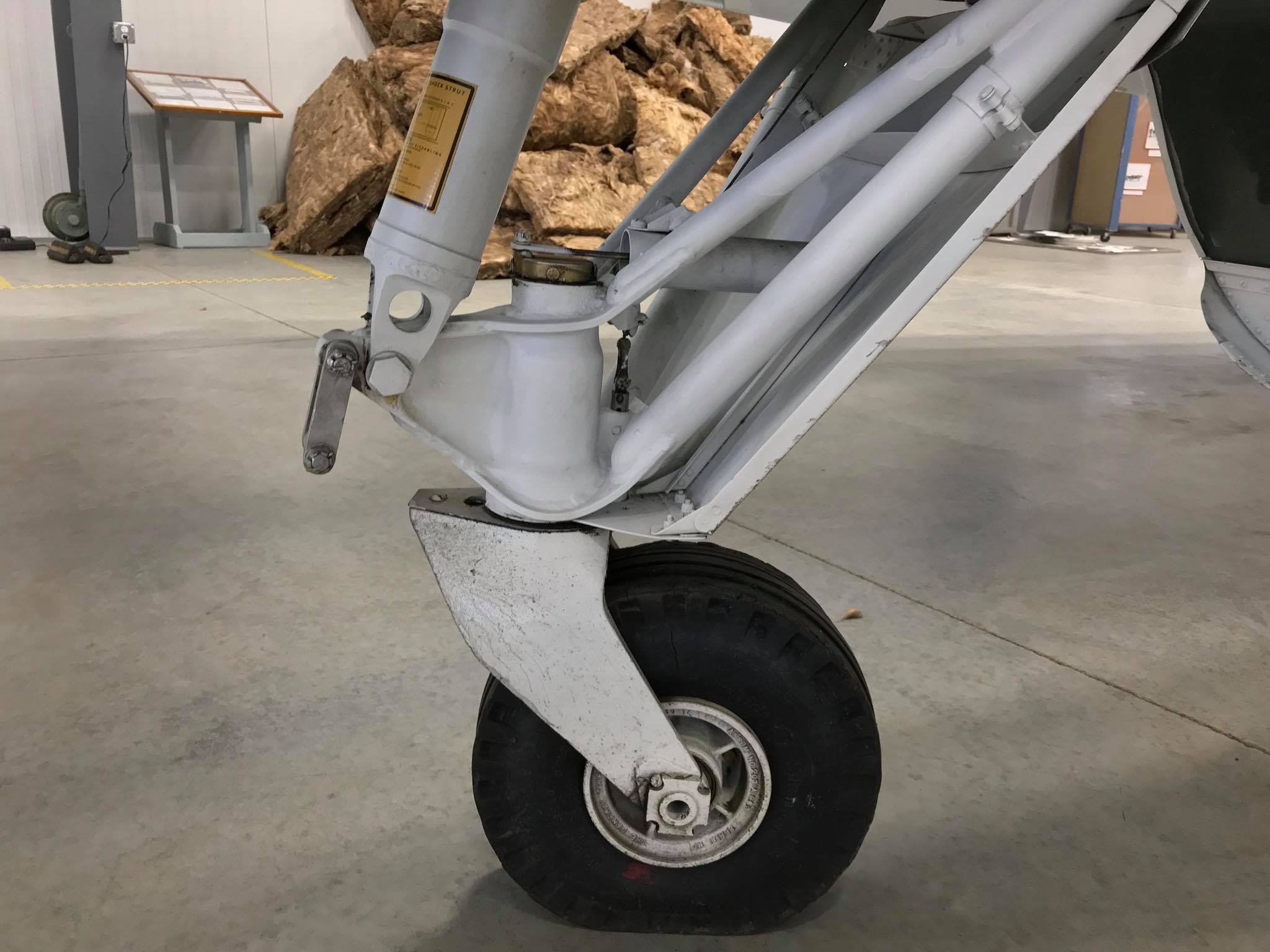
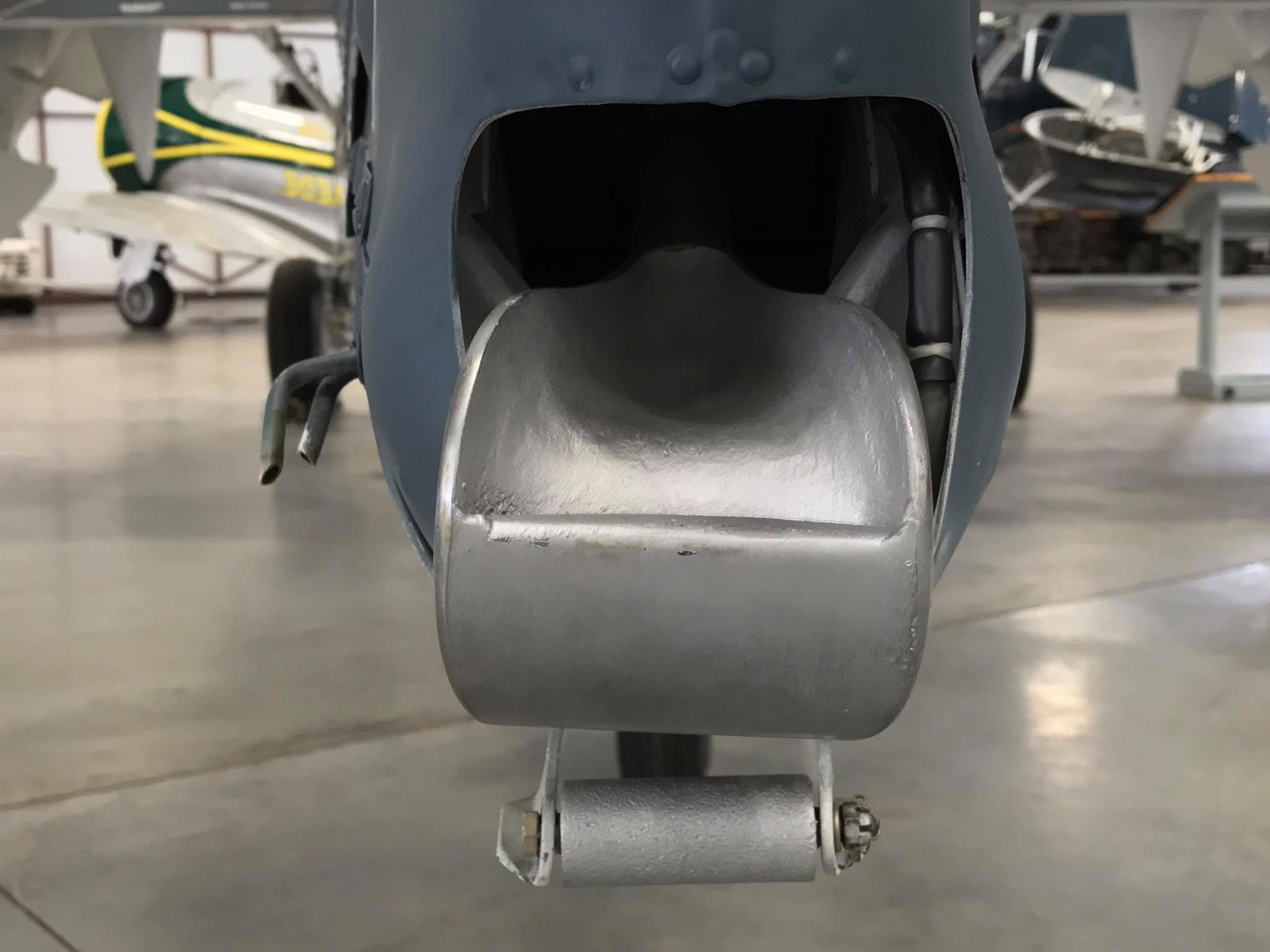
The TBF Avenger was designed by former U.S. Navy instructor and test pilot Leroy Grumman for Grumman Aircraft Engineering Corporation, a company he formed in 1929. After the U.S. entered WWII, the demand for Grumman to build fighter and attack aircraft increased, so a license was given to the Eastern Aircraft Division of General Motors Corporation in Trenton, New Jersey, to build the aircraft. Unofficially nicknamed “Chuff” and “Turkey” and “Pregnant Beast” and “Tarpon” (RAF), the Avenger torpedo bomber was designed not only for carrier but land-based operations. “TB” was the United States Navy Designation for “torpedo-bomber.” The “F” designation was for Grumman-manufactured aircraft, whereas the “M” designation was for aircraft built by General Motors Corporation. It had fully retractable landing gear (including tail wheel), and an electrically powered arrestor hook for carrier use, for which the tail wheel was solid rather than pneumatic. My photos.
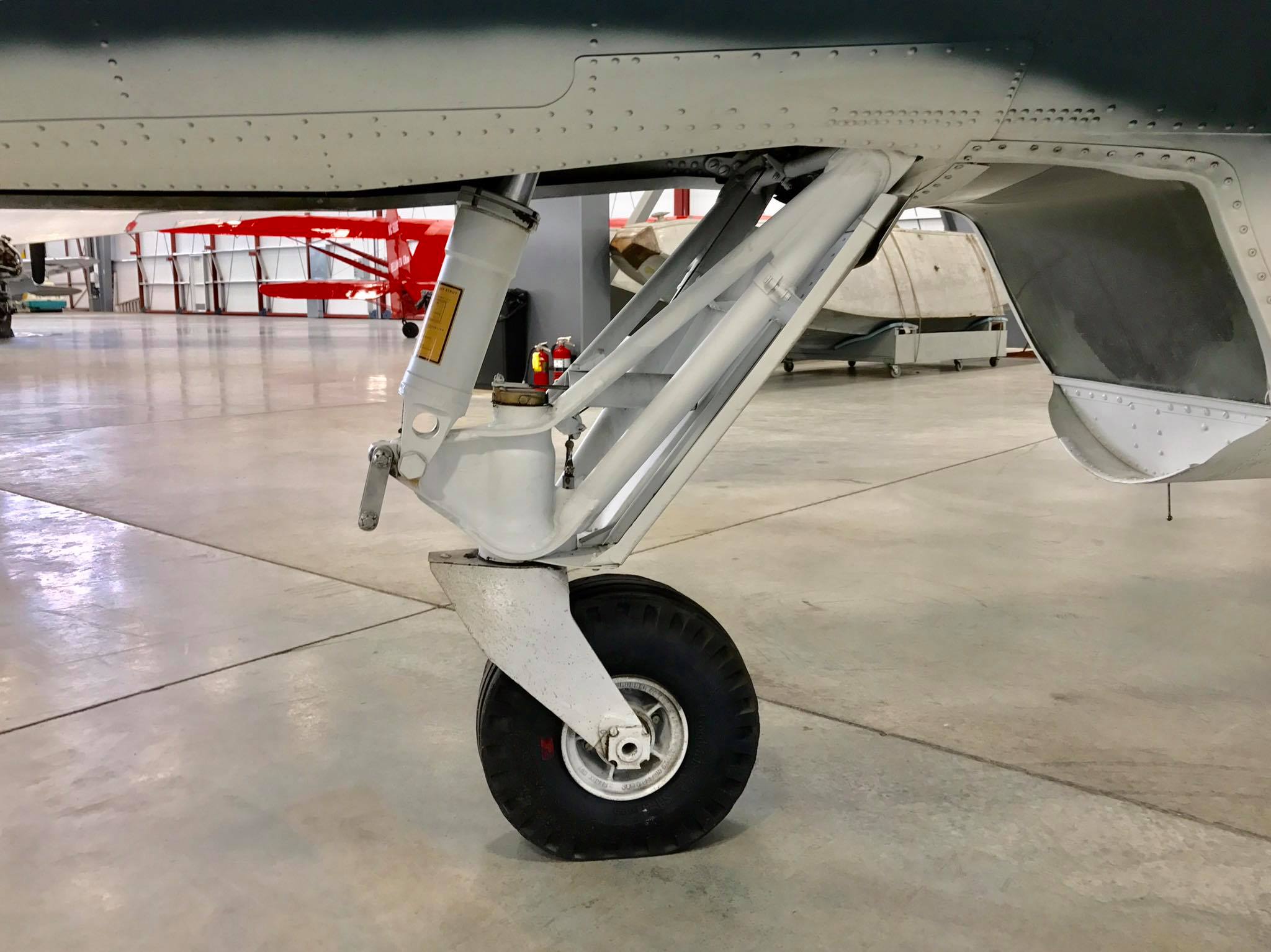
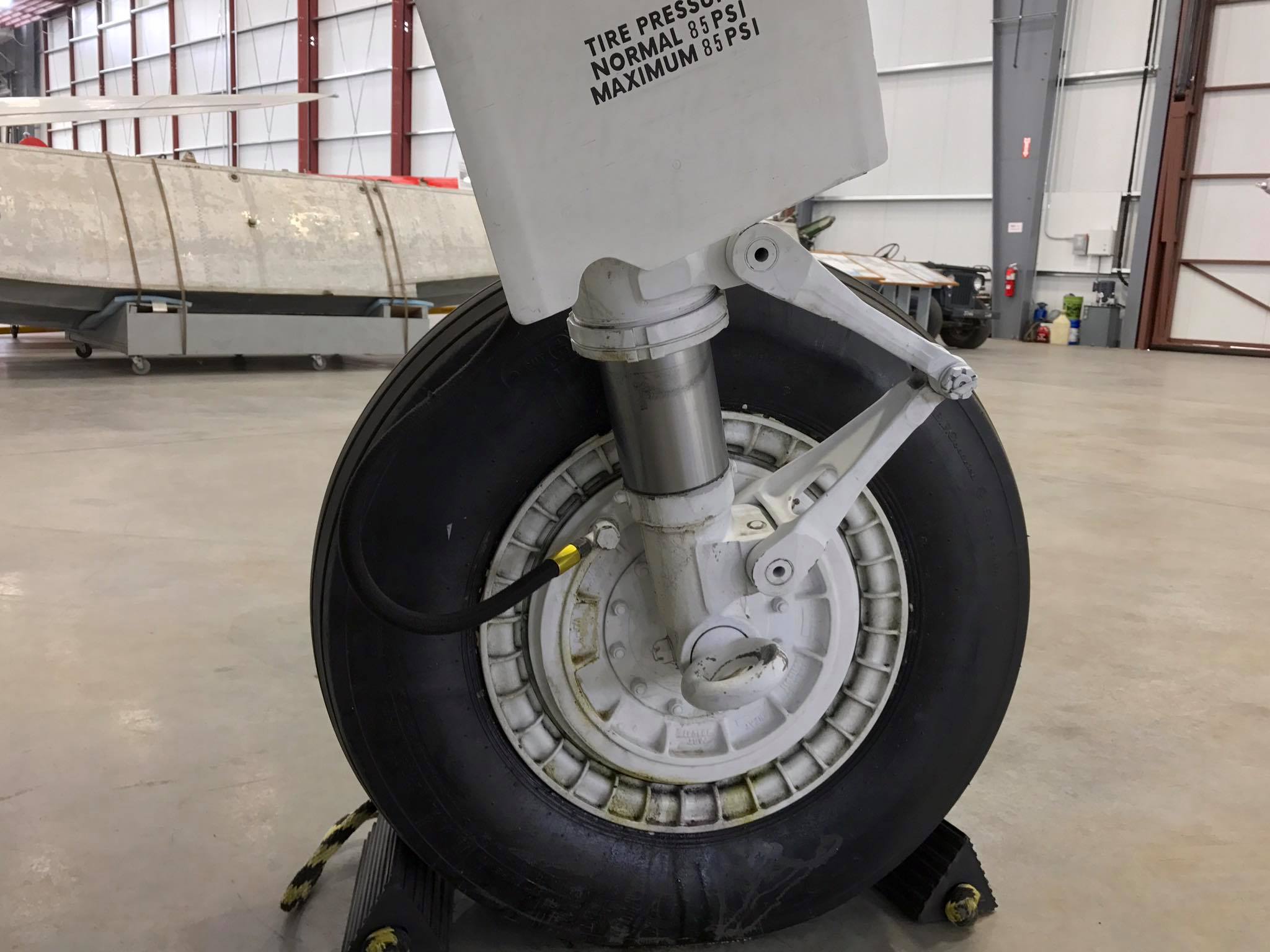
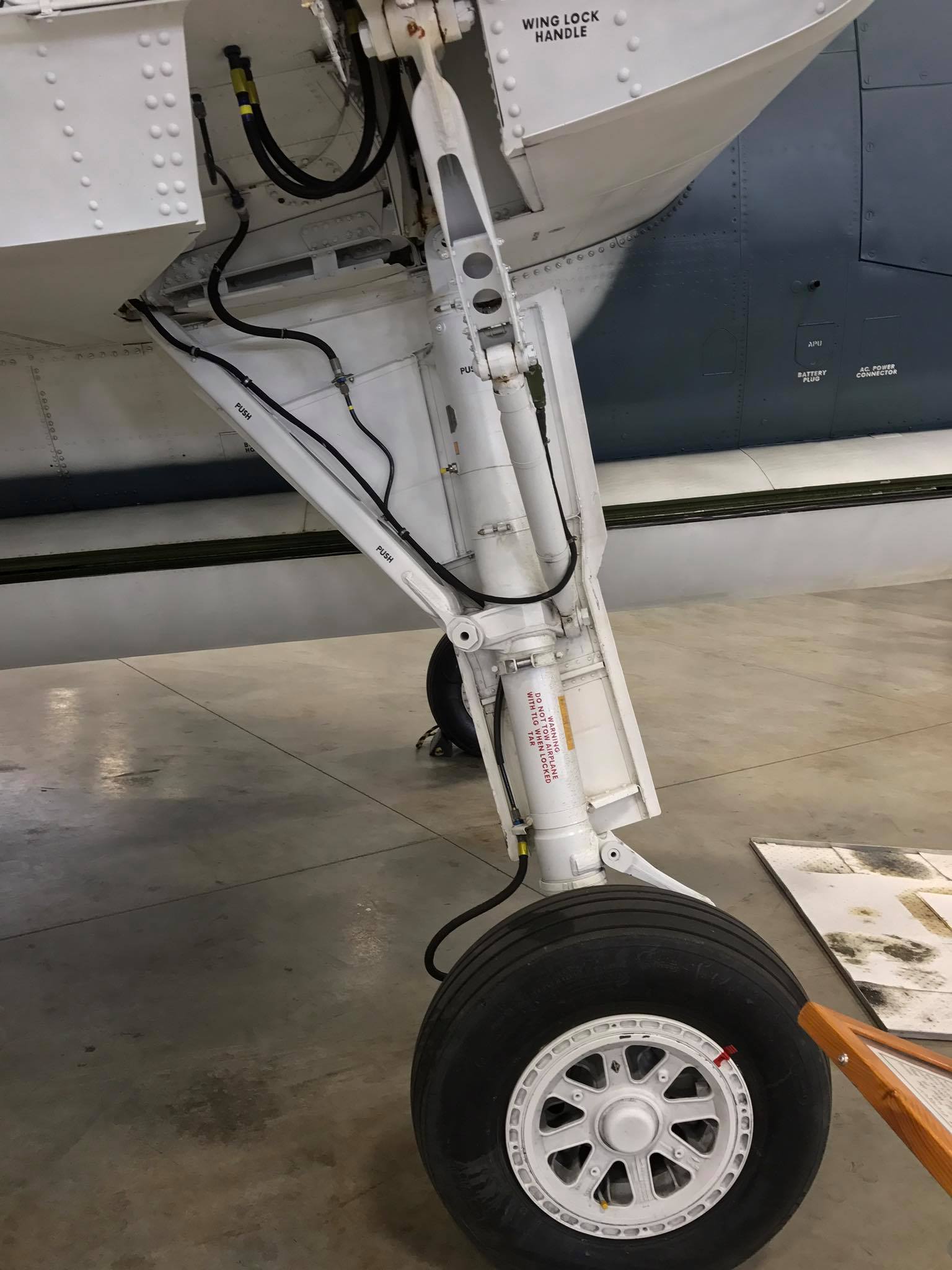
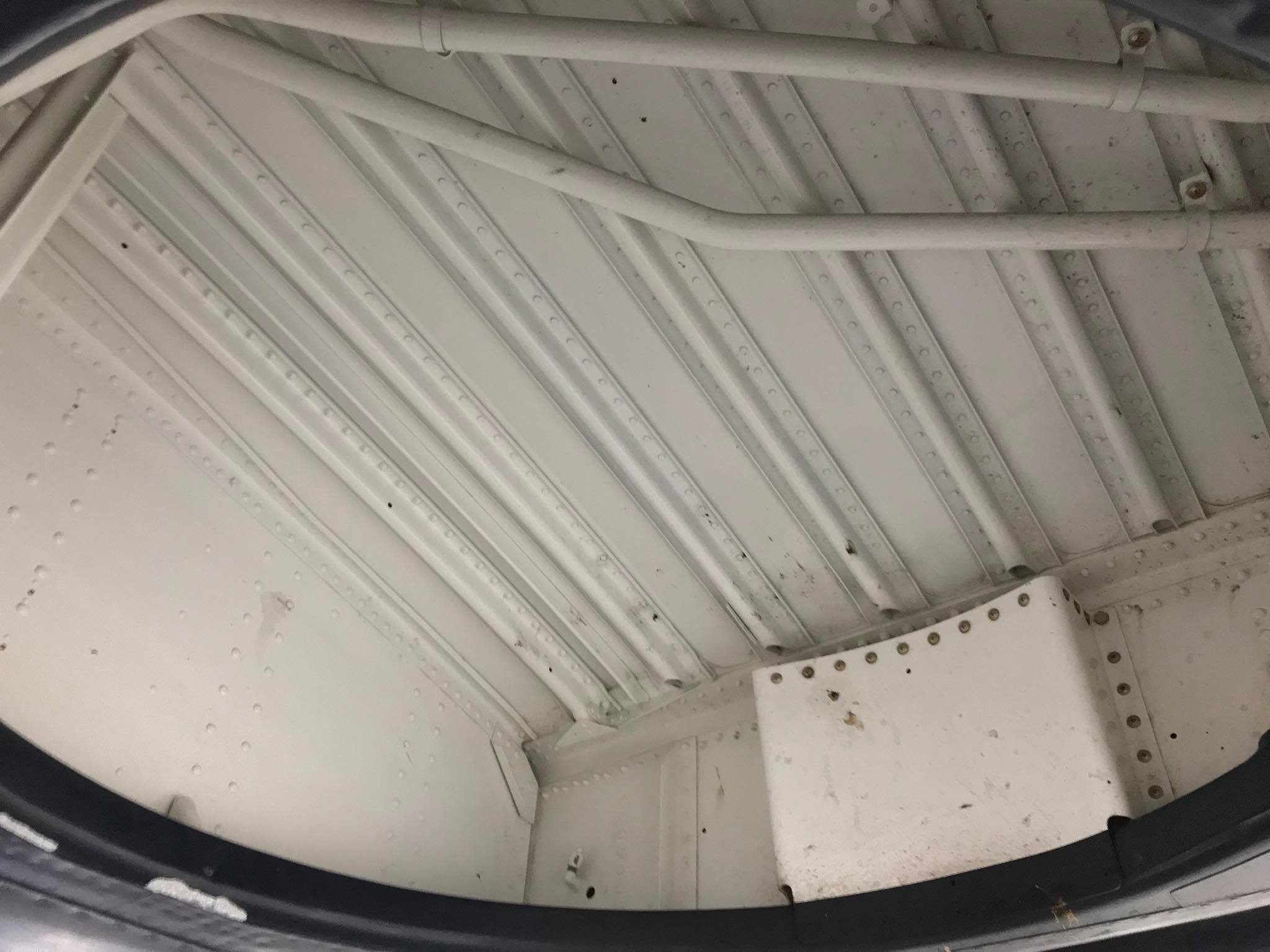
The unique hydraulically-powered mechanism that folded the wings nearly flat against the fuselage was the invention of Leroy Grumman, who had pondered how to make more room on the hangar decks and took an eraser and two paper clips to show the engineers what he had in mind in what became the “Sto-Wing” design for the Wildcat, Avenger and the Hellcat. During WWII, the Avenger was flown primarily by the U.S. Navy and also by the British Royal Navy with aircraft supplied under the Lend-Lease Act (the terms of which provided that the aircraft be returned to the U.S., or leastwise not be allowed to fall into other’s hands). The TBF was first flown in August 1941 and underwent variations, with the TBM-3 being a major variant. It first saw combat in the Battle of Midway in June 1942.
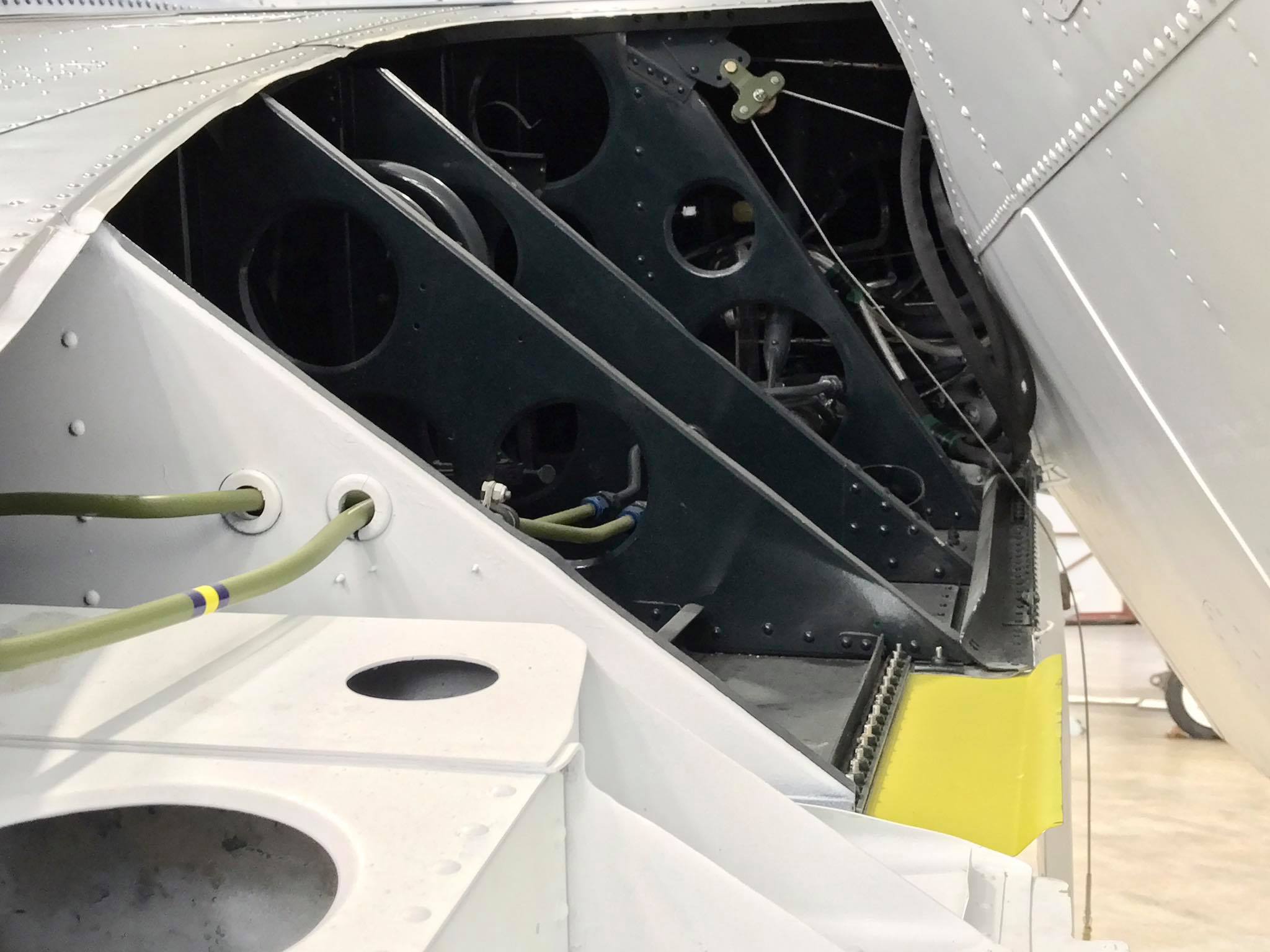
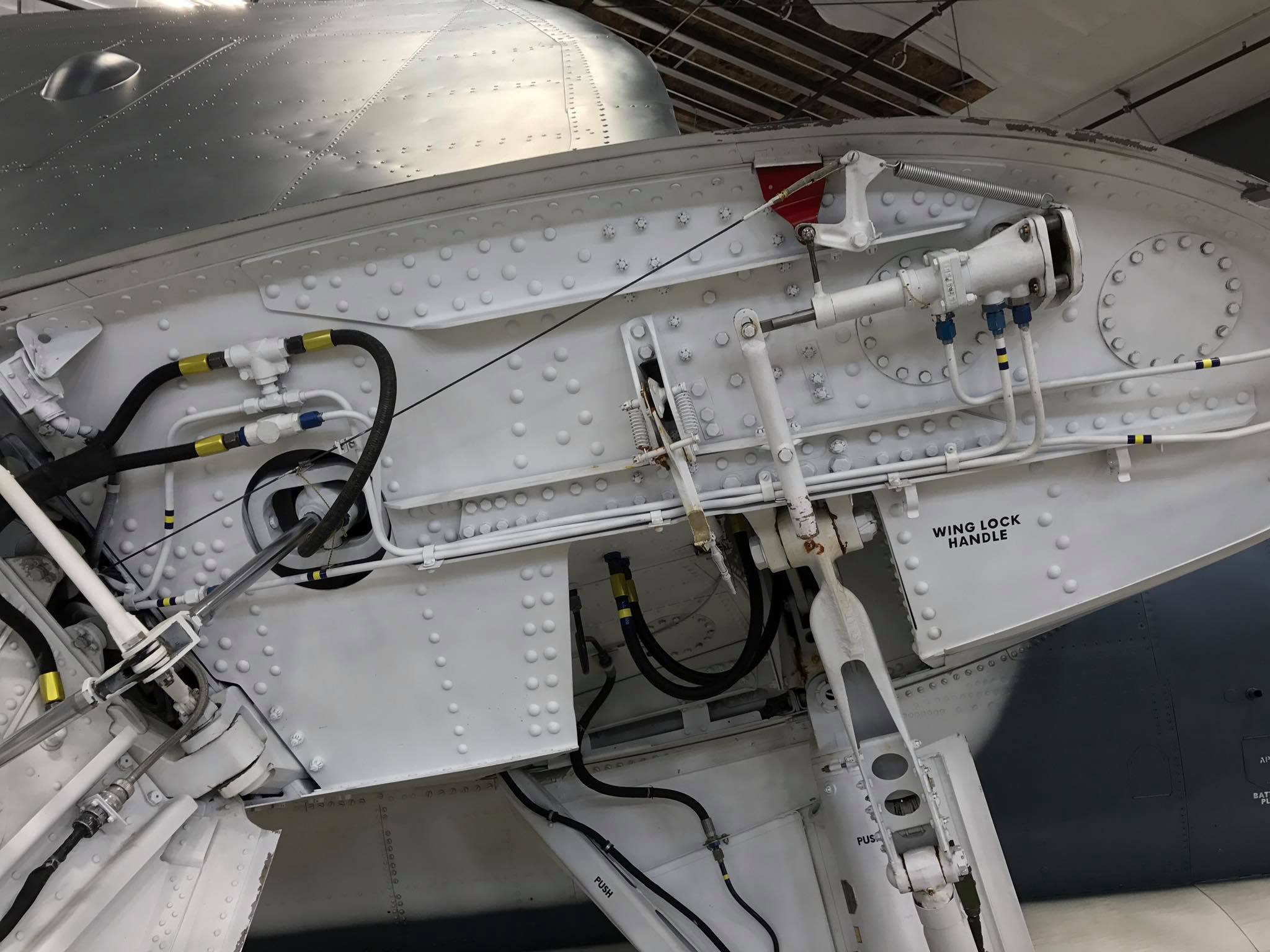
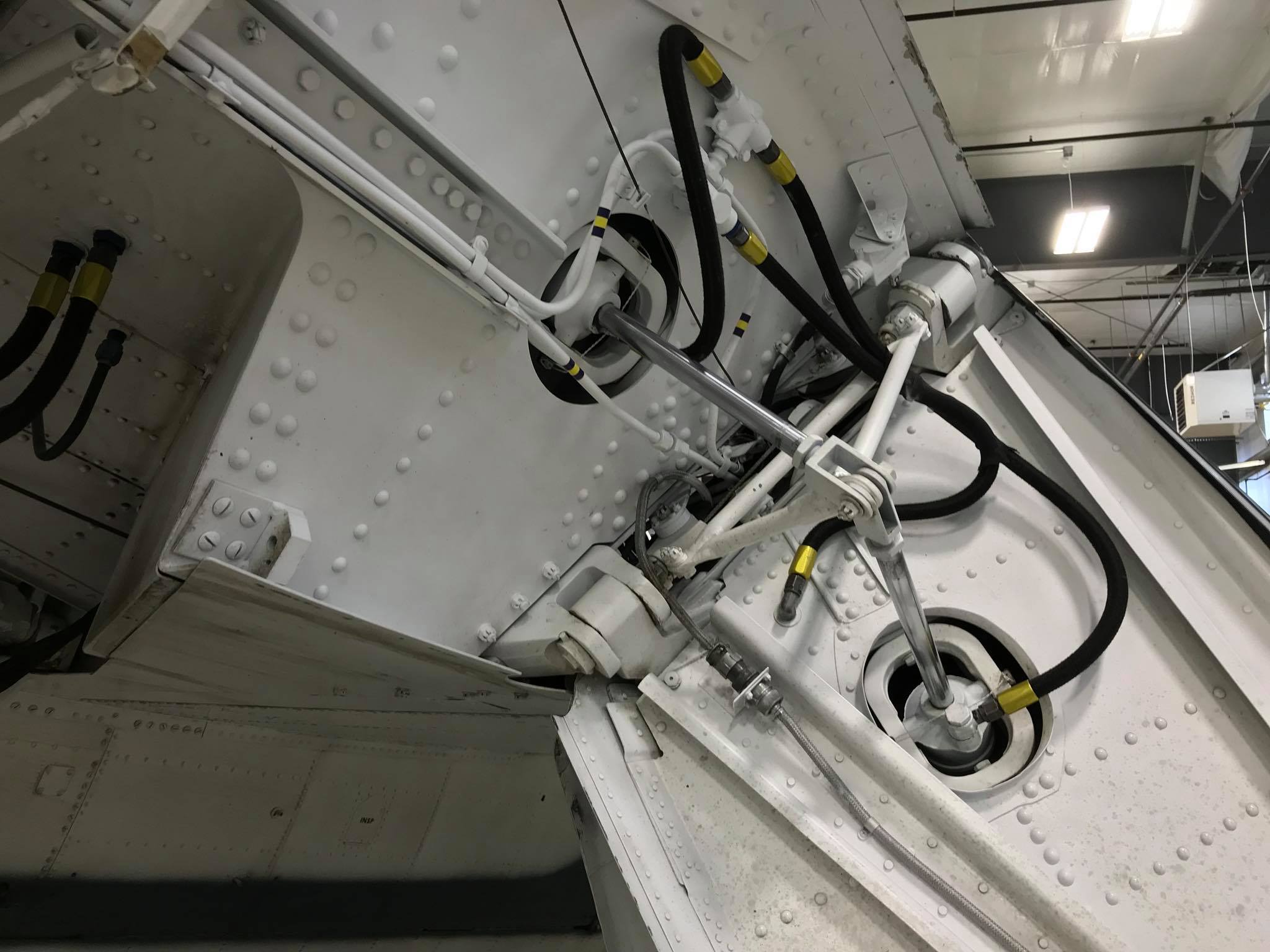
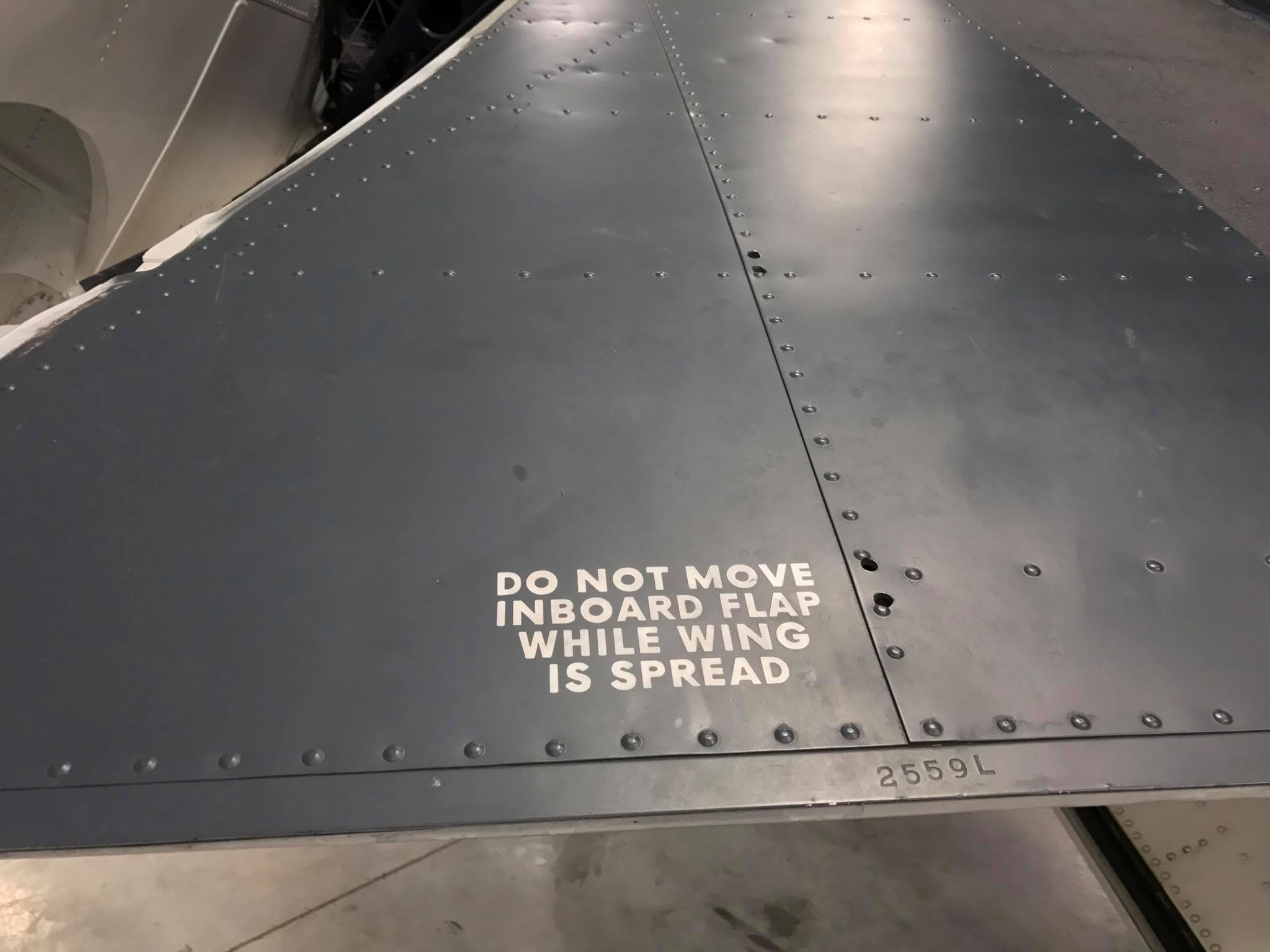
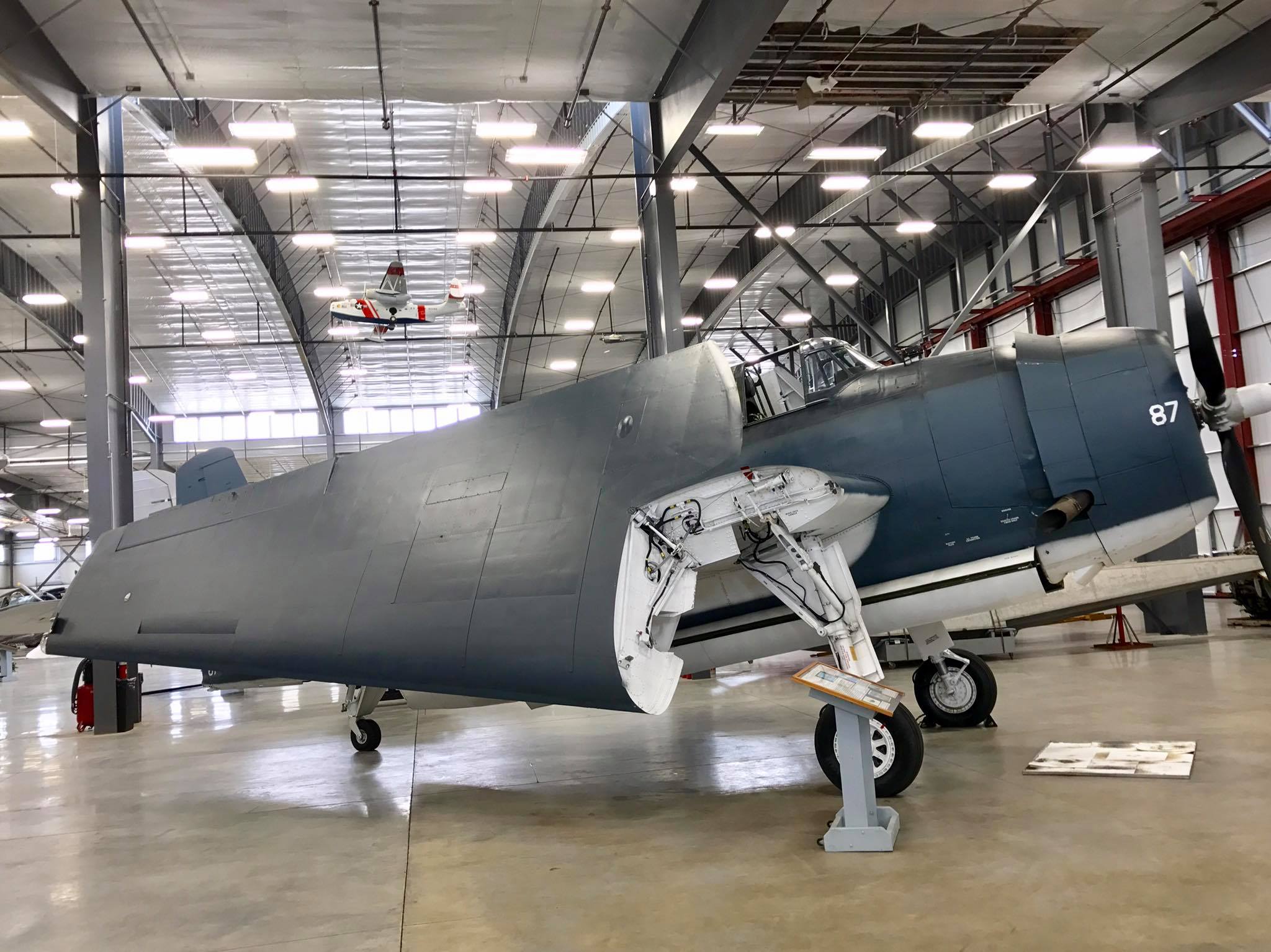
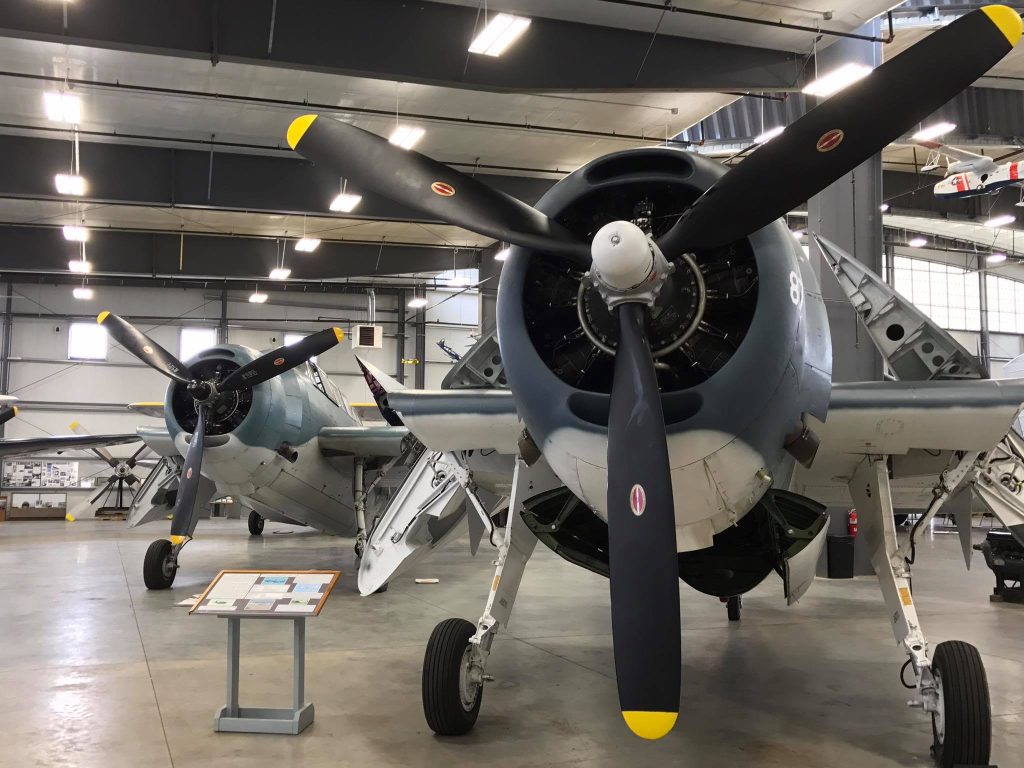
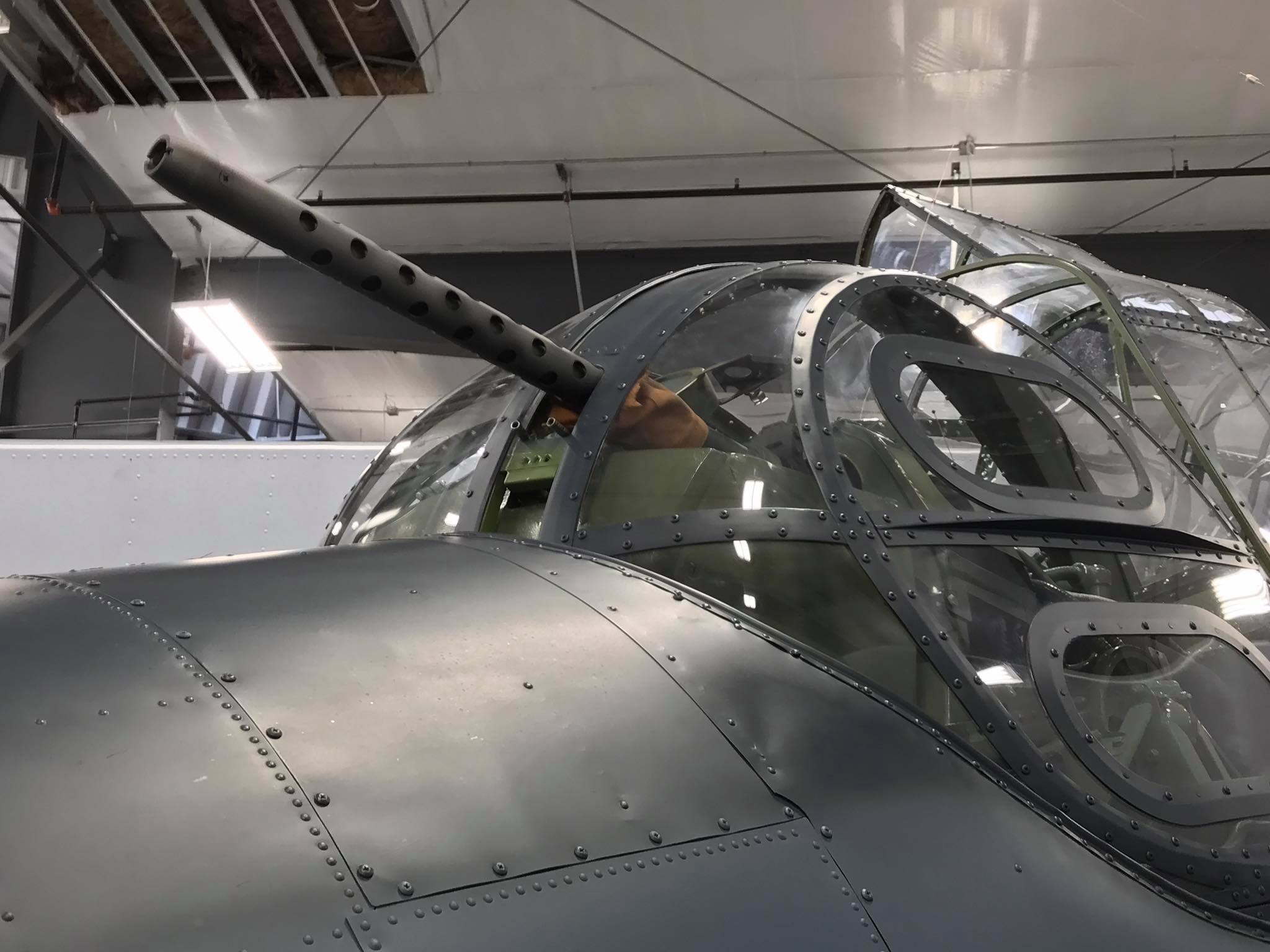
It generally had a crew of three: pilot, bombardier/ventral gunner/radio operator (the ventral gun was done away with in the 3E variant), and the dedicated rear-facing turret gunner in an electrically powered turret. Powered by a Wright Cyclone R-2600 engine, the TBM-3 variant added strengthened wings for hard points for rockets, radar pods, or drop tanks. Armament was improved from the earlier TBF models to include a .50 caliber machine gun in each wing, one in the rear powered turret, and retained the .30 caliber in the rear-facing ventral mount (although this was removed in some variants such as this 3E). The distinctive red color on some of the inner surfaces of some aircraft was a double coating of Zinc Chromate. The U.S. Navy issued a 1942 memo to the effect that a second coat of Zinc Chromate contained Indian Red or Lamp Black to indicate that a second coat had been added. Future President George H. W. Bush piloted an Avenger (and was famously plucked from his sea-ditched aircraft).
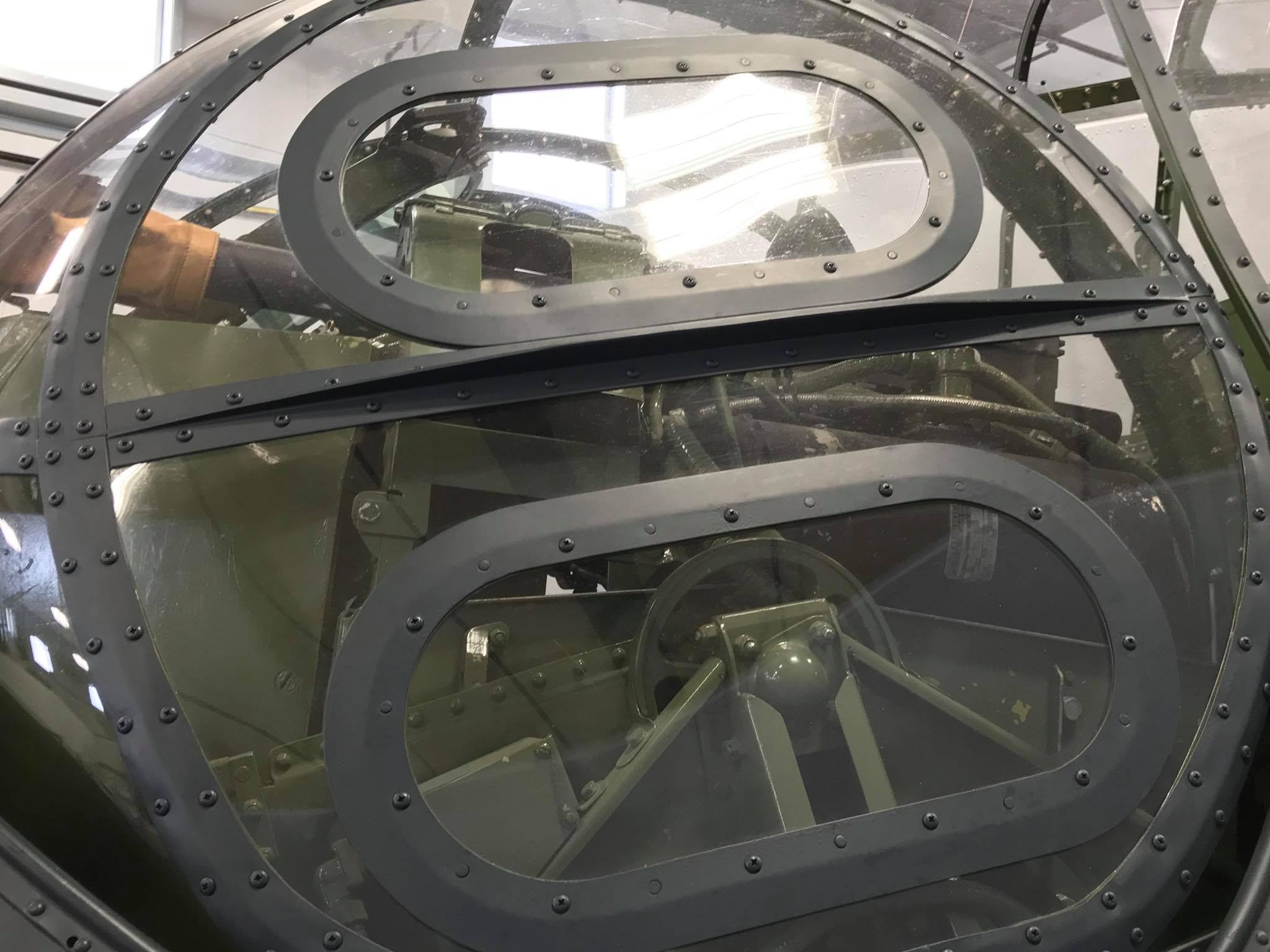
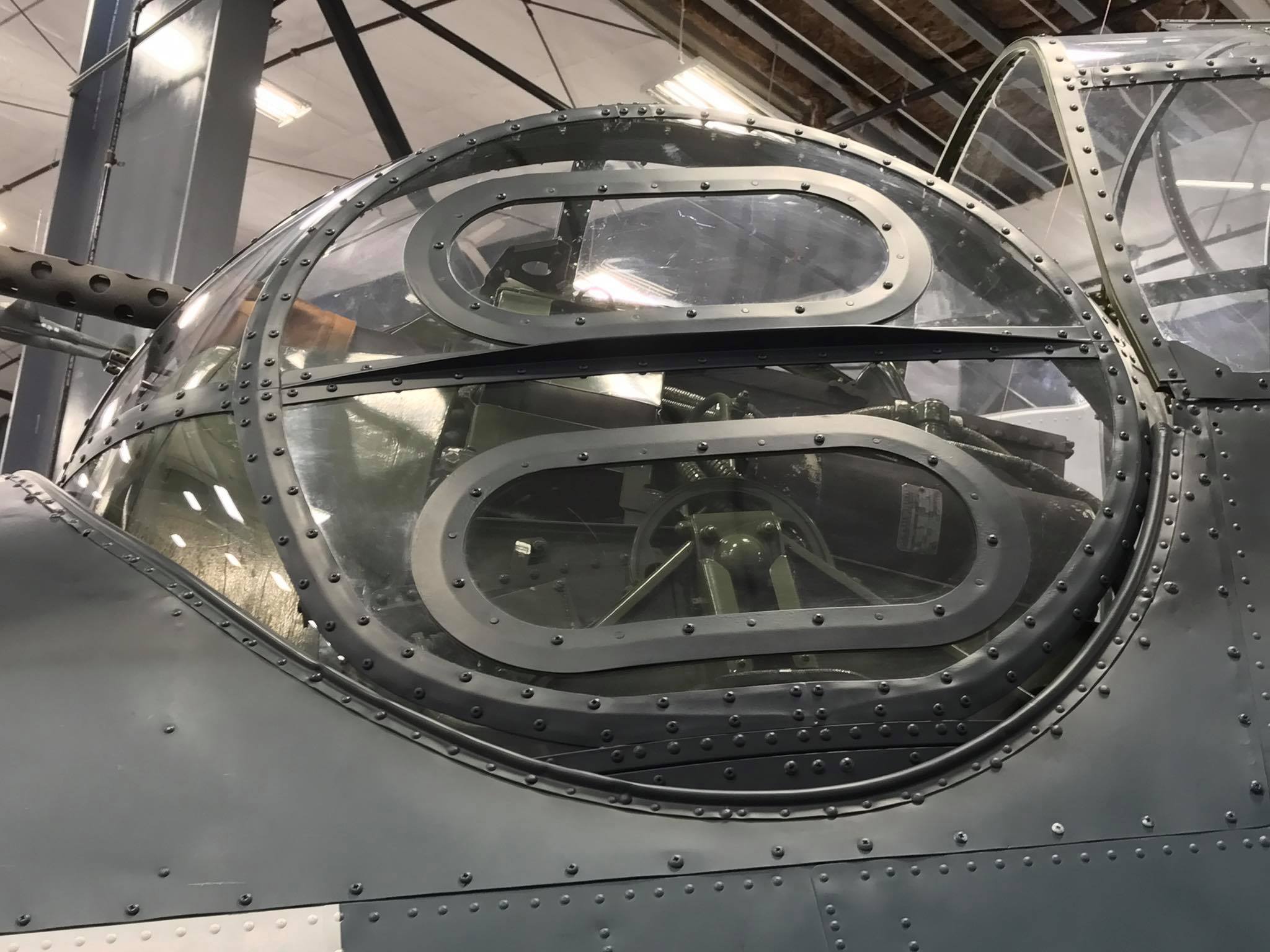
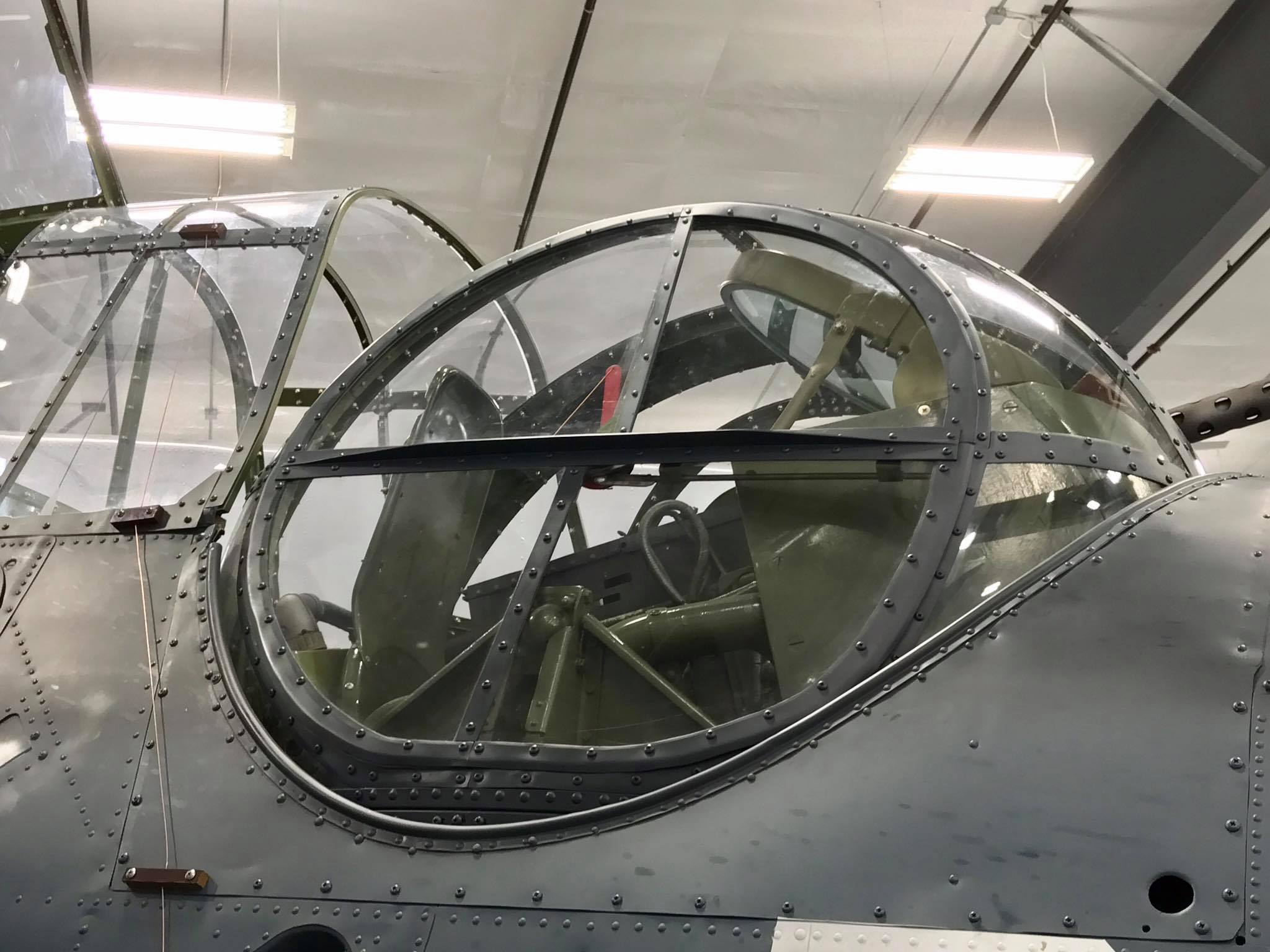
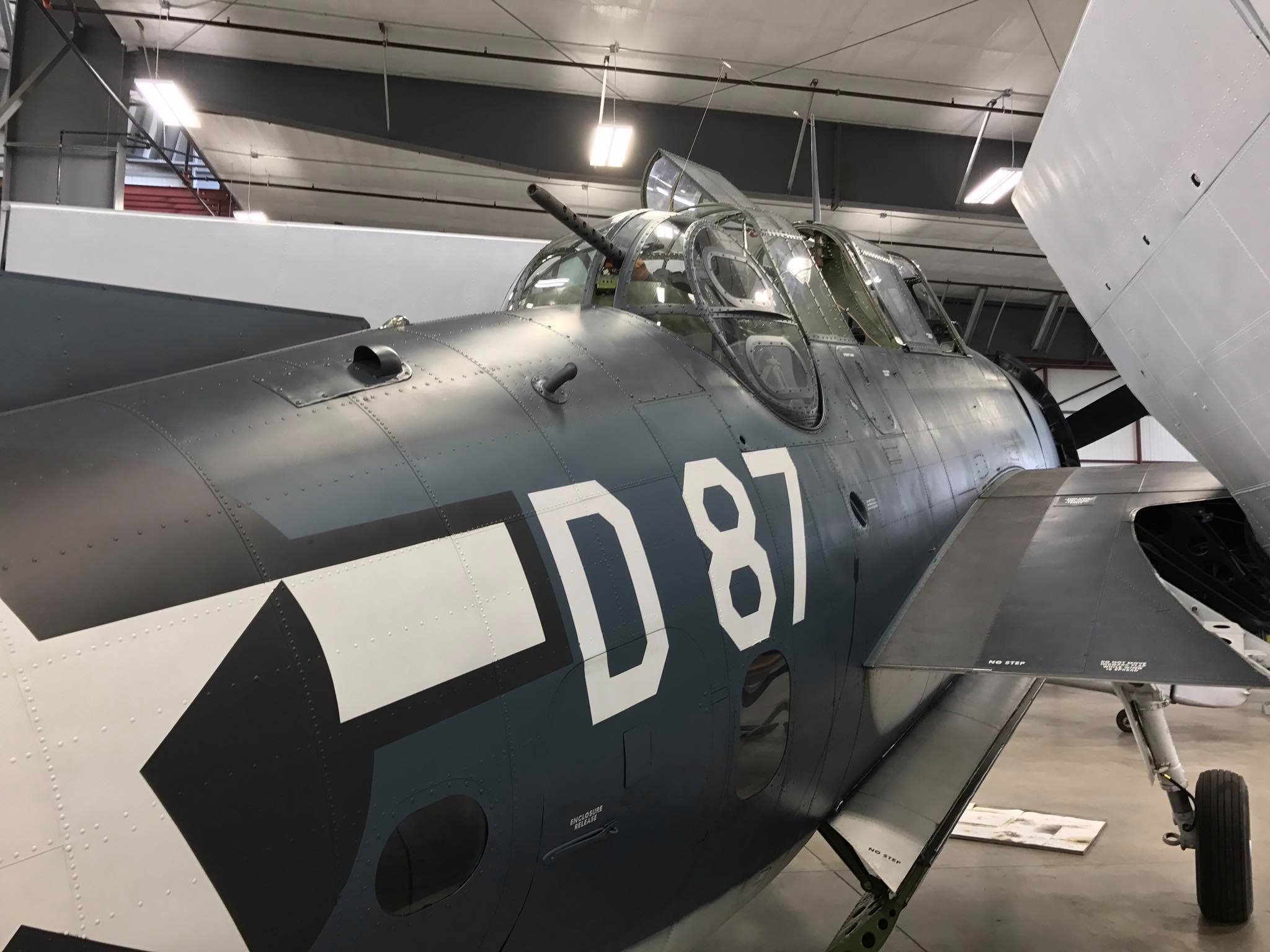
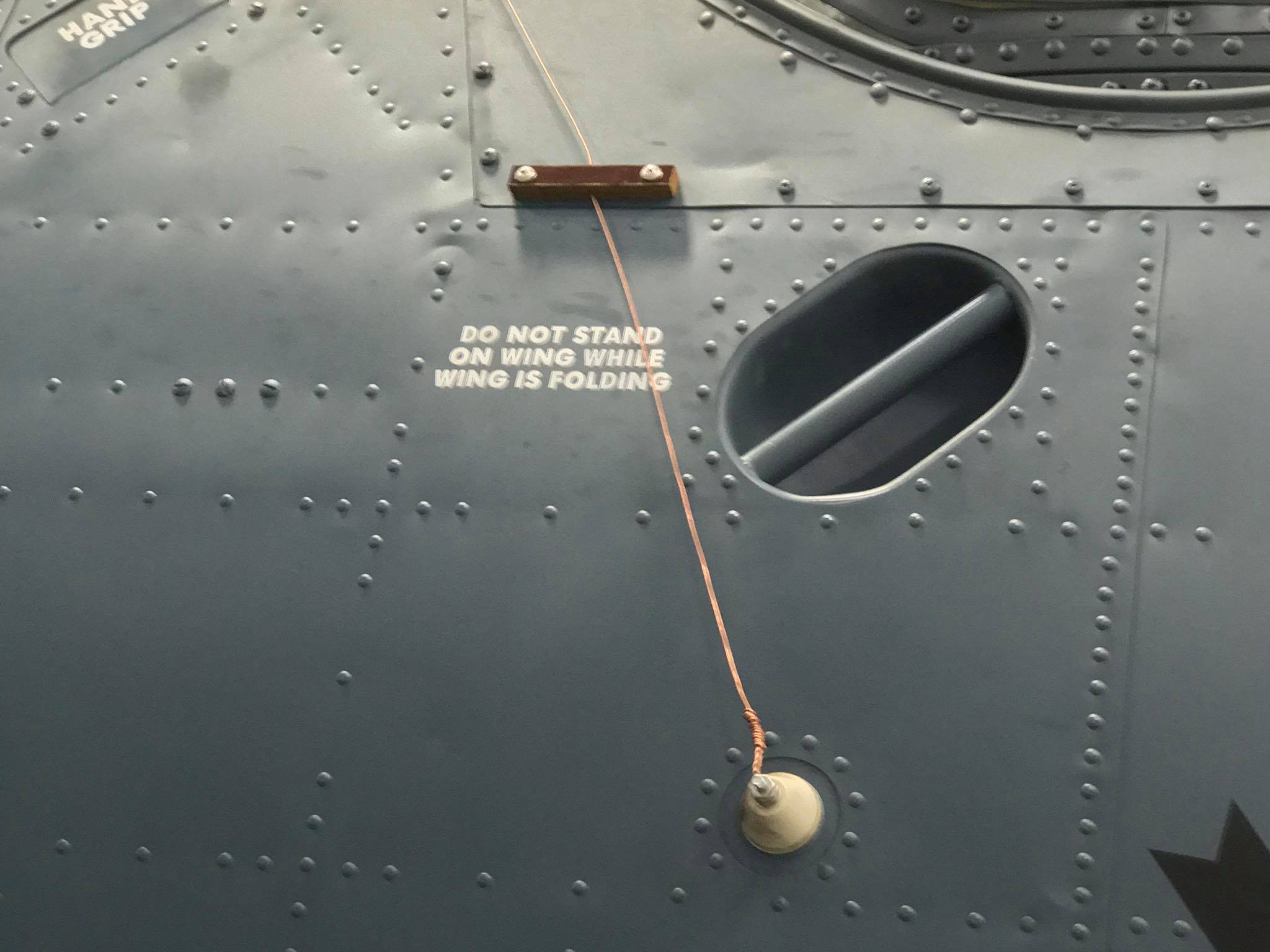
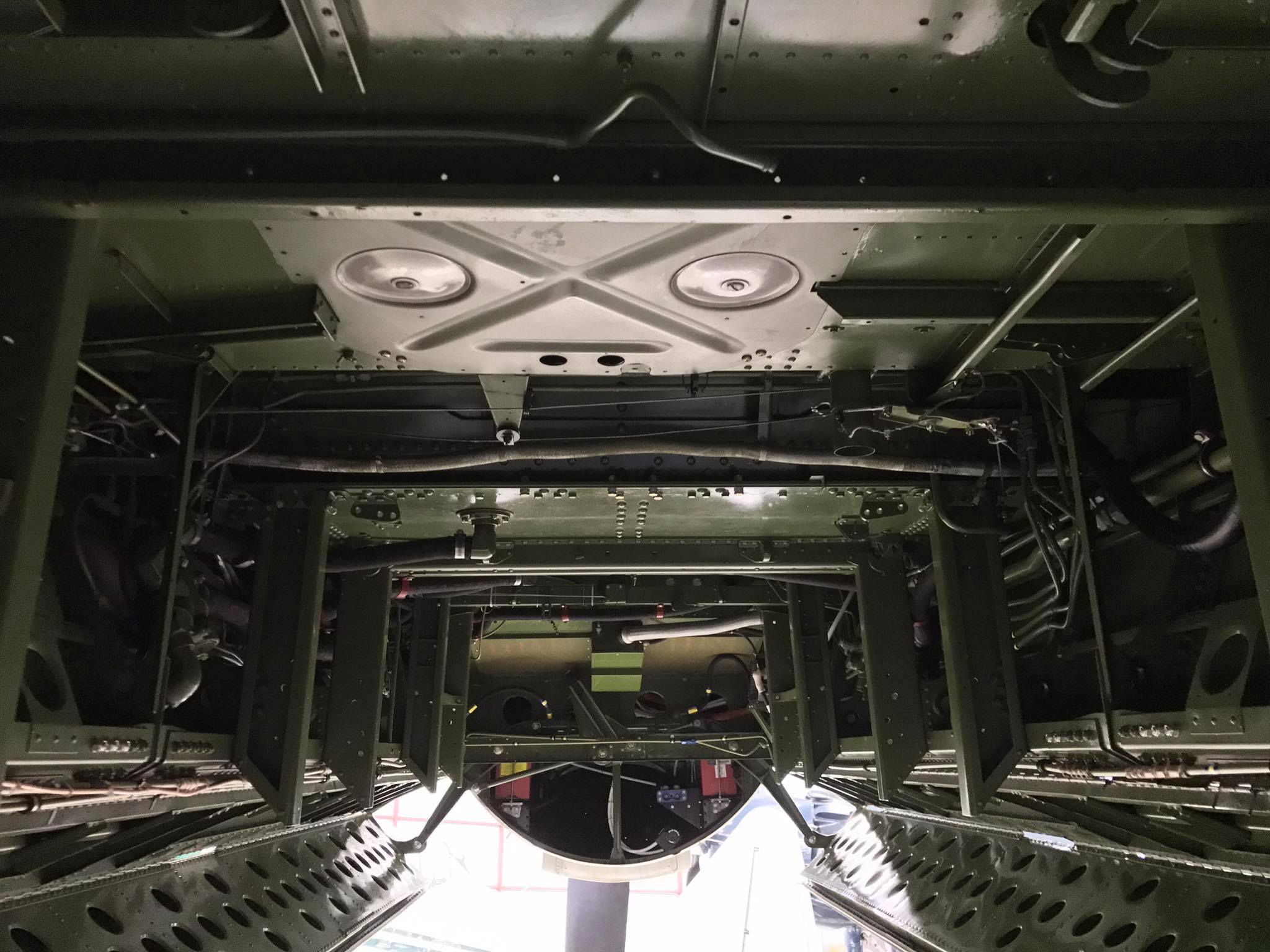
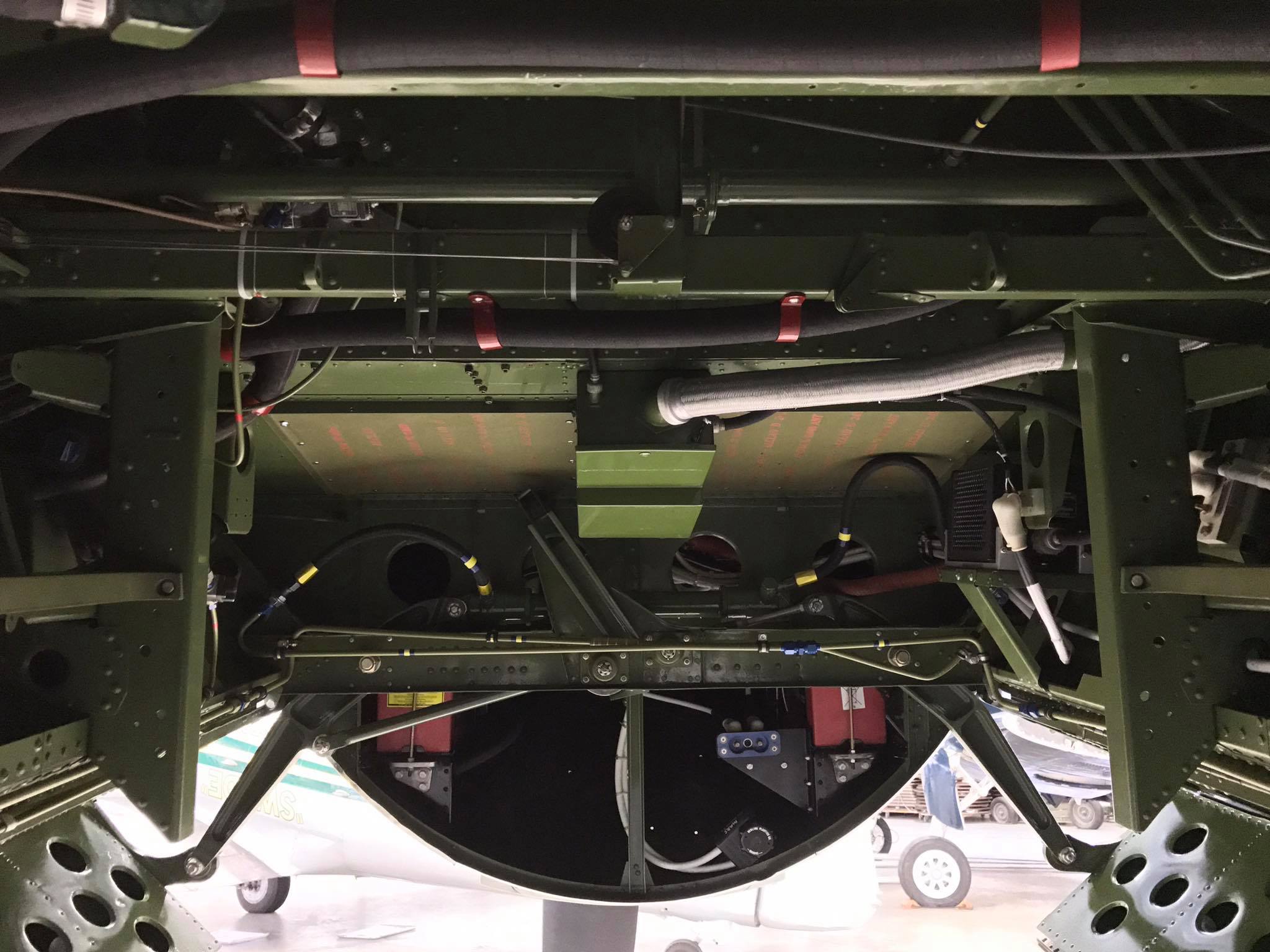
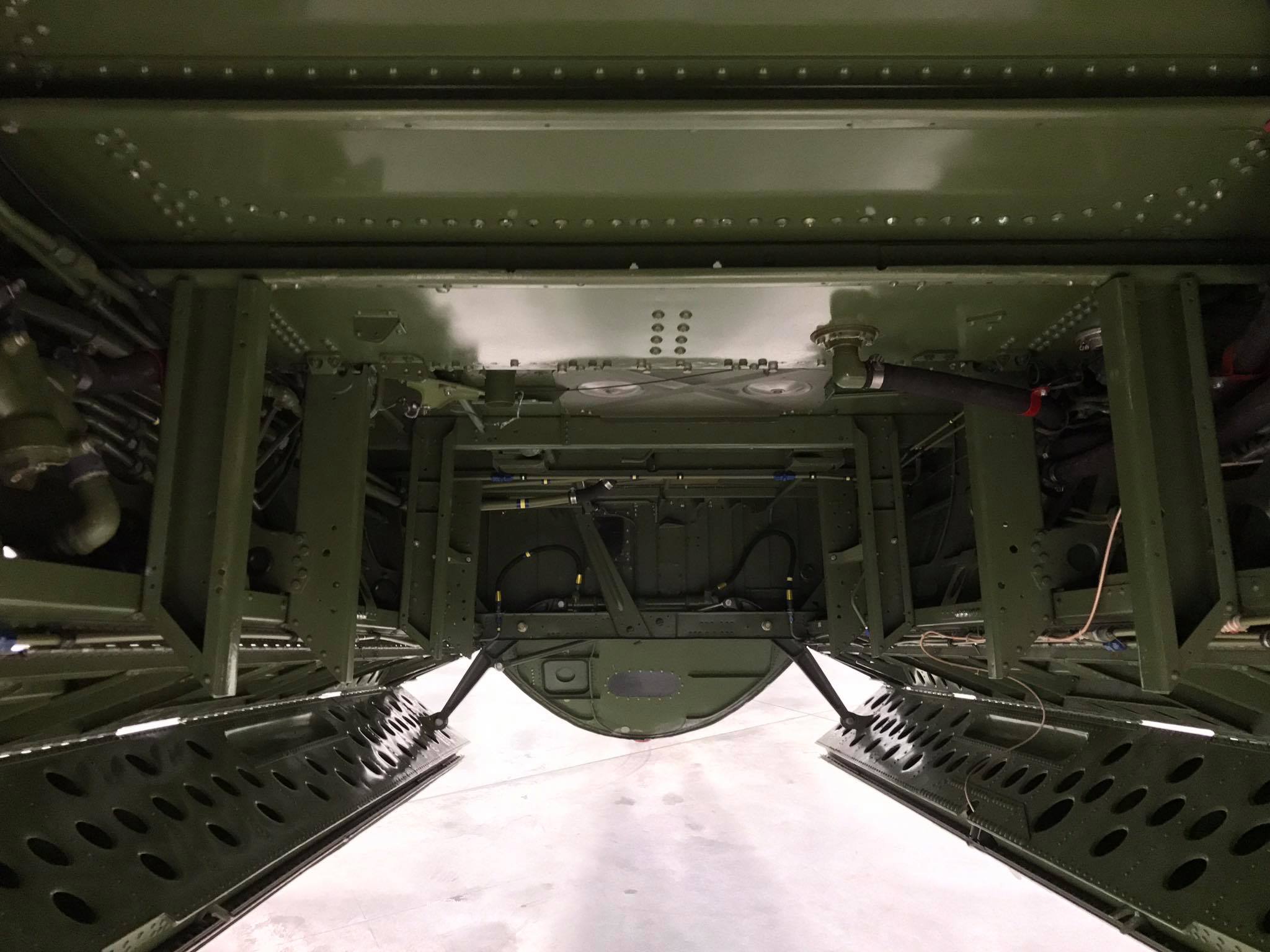
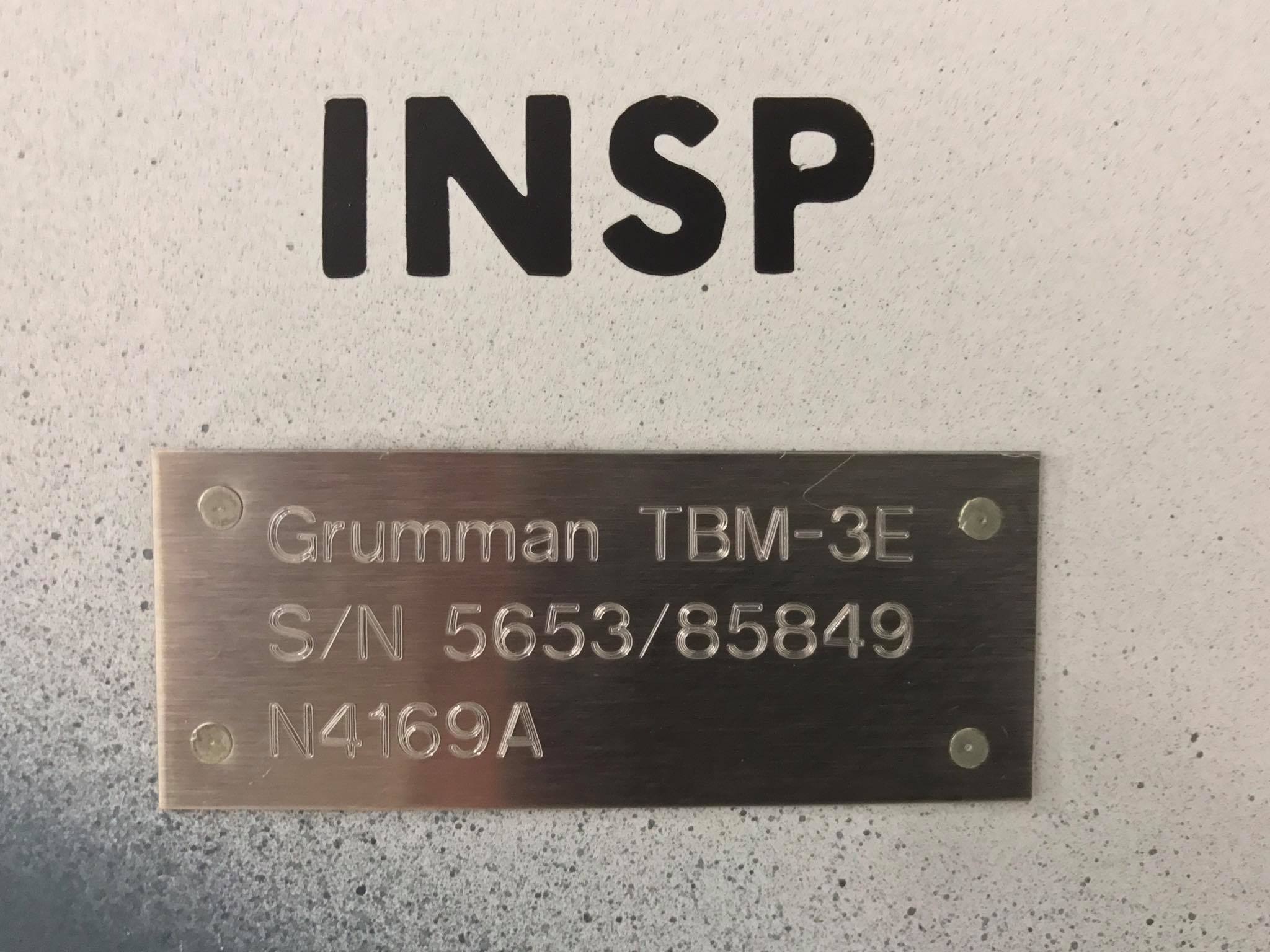
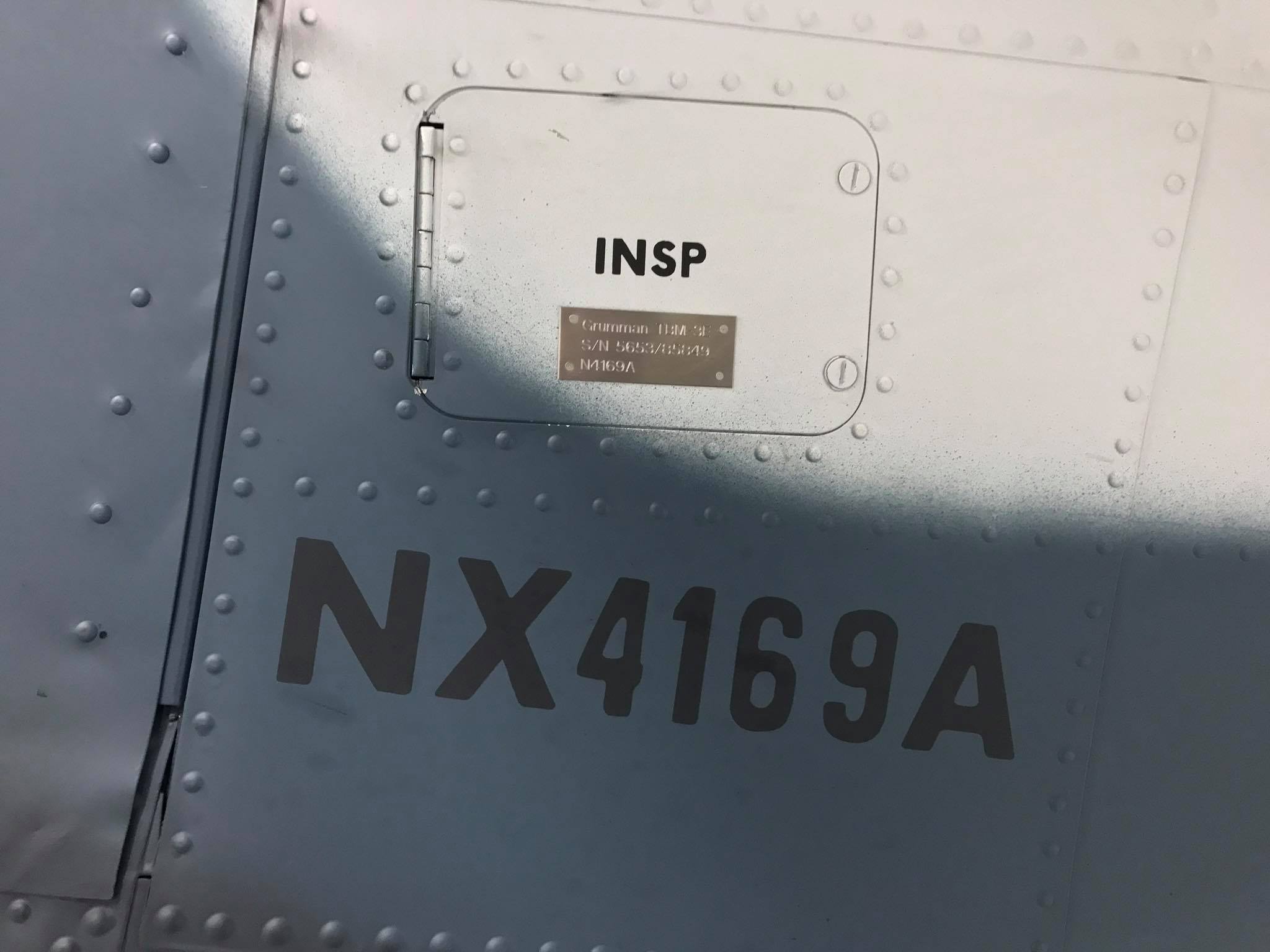
Editor’s notes: When Avenger BuNo 85849 was purchased by Jack Erickson, founder of the Erickson Aircraft Collection, in 1998, it was purchased alongside TBM-3E Avenger BuNo 85957, which was later sold off, restored to static display condition, and is now on display at the USS Midway Museum in San Diego. After becoming a restoration project at Pacific Fighters, BuNo 85849 was originally painted as a Royal Air Force Coastal Command Avenger before its connection to USS Suwannee was discovered; it was then repainted as TBM-3 68368 (D87). The FAA lists its serial number as 5653, and this number appears alongside its original USN Bureau Number on a data plate on the left side of the aircraft under its horizontal stabilizer. Avenger N4169A made its first post-restoration flight at Idaho Falls Regional Airport on October 21, 2016, with John Muszala at the controls. After this, it was flown to the Erickson Aircraft Collection at Madras Municipal Airport.
 About the author: Randy Malmstrom grew up in a family steeped in aviation culture. His father, Bob, was still a cadet in training with the USAAF at the end of WWII but did serve in Germany during the U.S. occupation in the immediate post-war period, where he had the opportunity to fly in a wide variety of types that flew in WWII. After returning to the States, Bob became a multi-engine aircraft sales manager and, as such, flew a wide variety of aircraft; Randy frequently accompanied him on these flights. Furthermore, Randy’s cousin, Einar Axel Malmstrom, flew P-47 Thunderbolts with the 356th FG from RAF Martlesham Heath. He was commanding this unit at the time he was shot down over France on April 24th, 1944, and spent the rest of the war as a prisoner of war. Following his repatriation at war’s end, Einar continued his military service, attaining the rank of Colonel. He was serving as Deputy Wing Commander of the 407th Strategic Fighter Wing at Great Falls AFB, MT, at the time of his death in a T-33 training accident on August 21, 1954. The base was renamed in his honor in October 1955 and continues to serve in the present USAF as home to the 341st Missile Wing. Randy’s innate interest in history in general, and aviation history in particular, plus his educational background and passion for WWII warbirds, led him down his current path of capturing detailed aircraft walk-around photos and in-depth airframe histories, recording a precise description of a particular aircraft in all aspects.









I’m sorry but the RAF never flew the Avenger, and Heroin was the original British name, not a nickname, the TBF-1C, and TBM-1C introduced the two wing guns, not the TBM-3 model, Eastern Aircraft began building both the Wildcat, and the Avenger, when Grumman was flooded with orders for the Hellcat fighter, only, and VT-40 never operated from Henderson Field on Guadacanal, and the squadron was never designated as “US Reserve Torpedo Squadron VT-40”. VT-40 was stood up long after the end of the Solomons Csmpaign, which is why I said that the squadron never operated from that Island, also, the TBM-3 first enter service in 1944, so, again when VT-40 was stood up, it was after the end of the Solomons Campaign. The only Avengers that flew from Henderson Field, during the Guadacanal Campaign, were from VT-10, off the USS Enterprise, they went to the Island when Enterprise was severely damaged during the Battle of the Eastern Solomons, carrier battle.
John, once again you should do a little more research… The Royal Air Force (RAF) Coastal Command briefly utilized Fleet Air Arm-manned Grumman-built TBF and General Motors-built TBM Avengers during World War II for anti-shipping, strike, and anti-submarine patrols in the English Channel. (Source RAF Museum).